Mindful Breathing Techniques
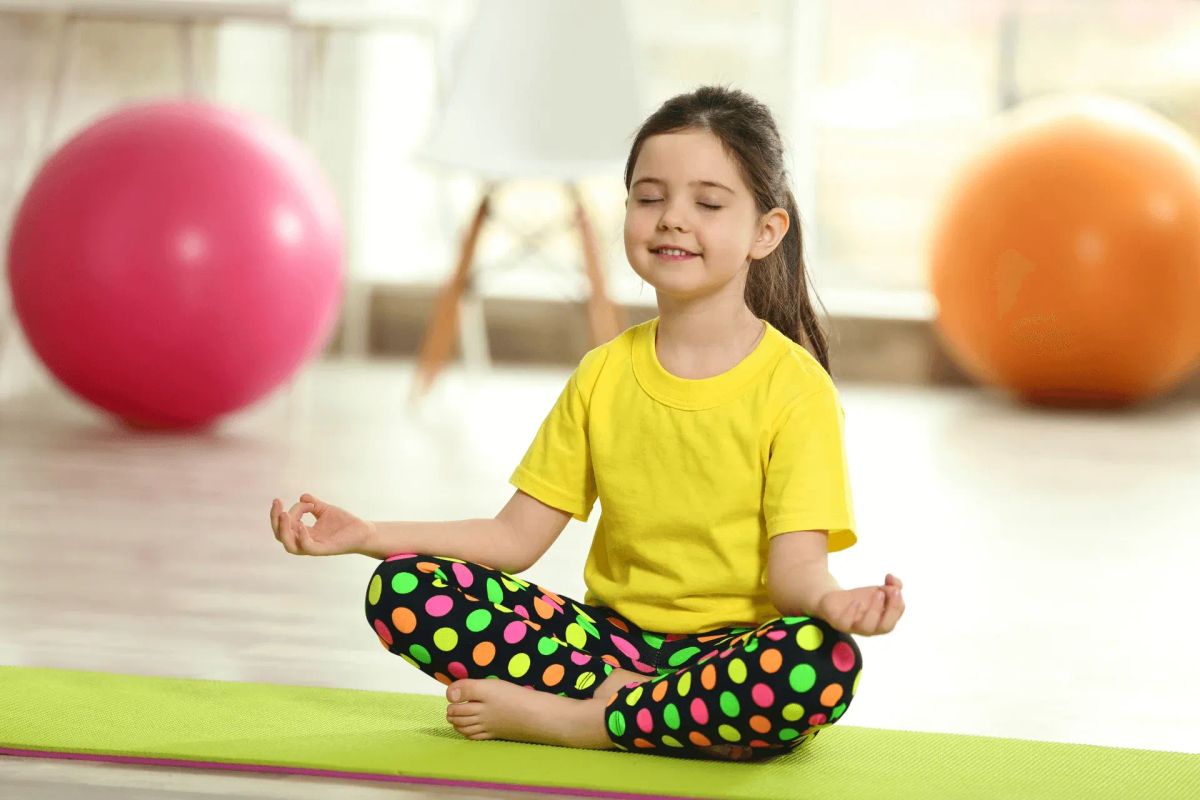
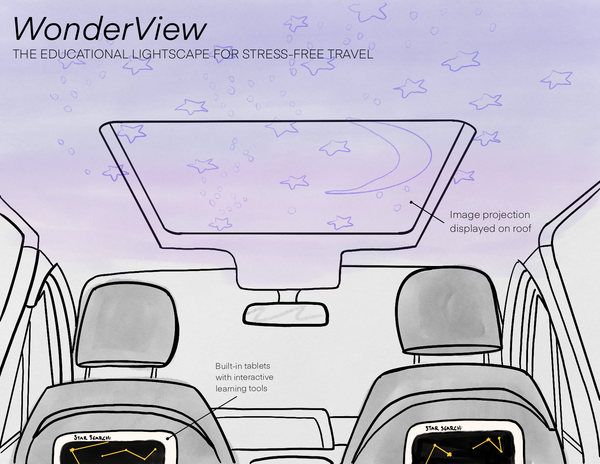
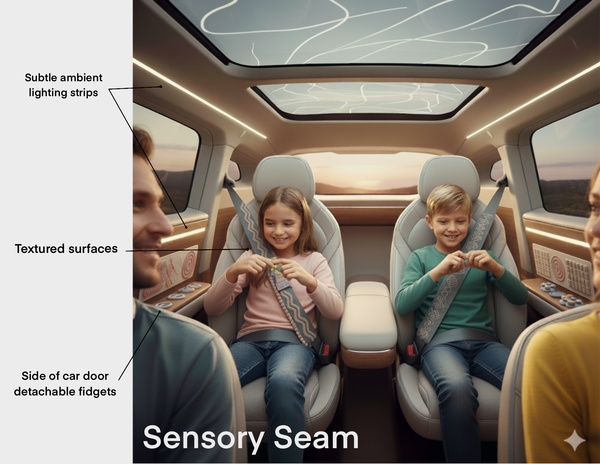
This article is useful for my research because it highlights how slow and mindful breathing can help children calm down during stressful situations. It explains that deep breathing activates the parasympathetic nervous system reducing heart rate and promoting relaxation. The article also emphasizes that children often need guidance to practice deep breathing effectively as it's not always intuitive for them. For my design work, I could incorporate a visual or tactile cues in the backseat environment that could support children in practicing calming techniques, enhancing their overall comfort and well-being during travel. I also think it could be interesting if parents could activate something, or if the car had a built in feature that helps promote this calming effect for their children without the kids even realizing it. How might we design backseat features or cues that naturally activate the parasympathetic nervous system in children helping them feel calm and relaxed during car rides?
Breathing is a powerful tool for self-regulation (Bergstrom, C. 2022).
Slow-paced breathing can significantly alter a young child’s physiological stress response (Bergstrom, C. 2022).
Mindful breathing has been found to reduce anxiety, promote self-regulation and positive thinking (Bergstrom, C. 2022).
However, children require scaffolding and that telling them to “take a deep breath” may not be sufficient (Bergstrom, C. 2022).
Stress, according to Barbara Fredrickson, Professor of Psychology at the University of North Carolina at Chapel Hill, causes narrow-mindedness and makes it difficult to overcome challenges (Bergstrom, C. 2022).
Positive feelings, on the other hand, expand our awareness and help us see more options and possibilities, making learning, relationships and problem solving easier, says Fredrickson (Bergstrom, C. 2022).
Simply put, when it comes to learning, problem solving and applying social skills, our mental state is essential (Bergstrom, C. 2022).
A Stanford study found that even taking a few slow, deep breaths can reduce children’s physiological arousal in everyday situations. The study’s lead author, Jelena Obradović, an associate professor at Stanford Graduate School of Education and director of the Stanford Project on Adaptation and Resilience in Kids says that deep breathing can be used in classrooms to help children self-regulate (Bergstrom, C. 2022).
Interestingly, research shows that different emotions are associated with different forms of breathing (Philippot;Chapelle;& Blairy, 2002). The rhythm of breathing changes considerably depending on how we feel and what we are doing. Our breathing speeds up with emotional distress, and it slows down during periods of relaxation and calm (Bergstrom, C. 2022).
For example, when you feel angry your breathing is often irregular, fast, short and shallow. Rapid and shallow chest breathing is common with emotional distress. On the other hand, when you feel joy, your breathing is often regular, slow and deep (Bergstrom, C. 2022).
References.
Bergstrom, C. (2022, March 14). How to calm a child—A scientifically proven method. Blissful Kids. https://blissfulkids.com/how-to-calm-a-child-a-scientifically-proven-method/
This passage draws on Blissful Kids: How to Calm a Child – A Scientifically Proven Method (~40%) as the original source, integrates the author’s own reflections on applying calming techniques to backseat design (~35%), and includes AI assistance in synthesizing the article’s content, clarifying scientific concepts, and refining phrasing (~25%). All interpretations remain the responsibility of the author.