The Capabilities of HIPS Plastic in Manufacturing

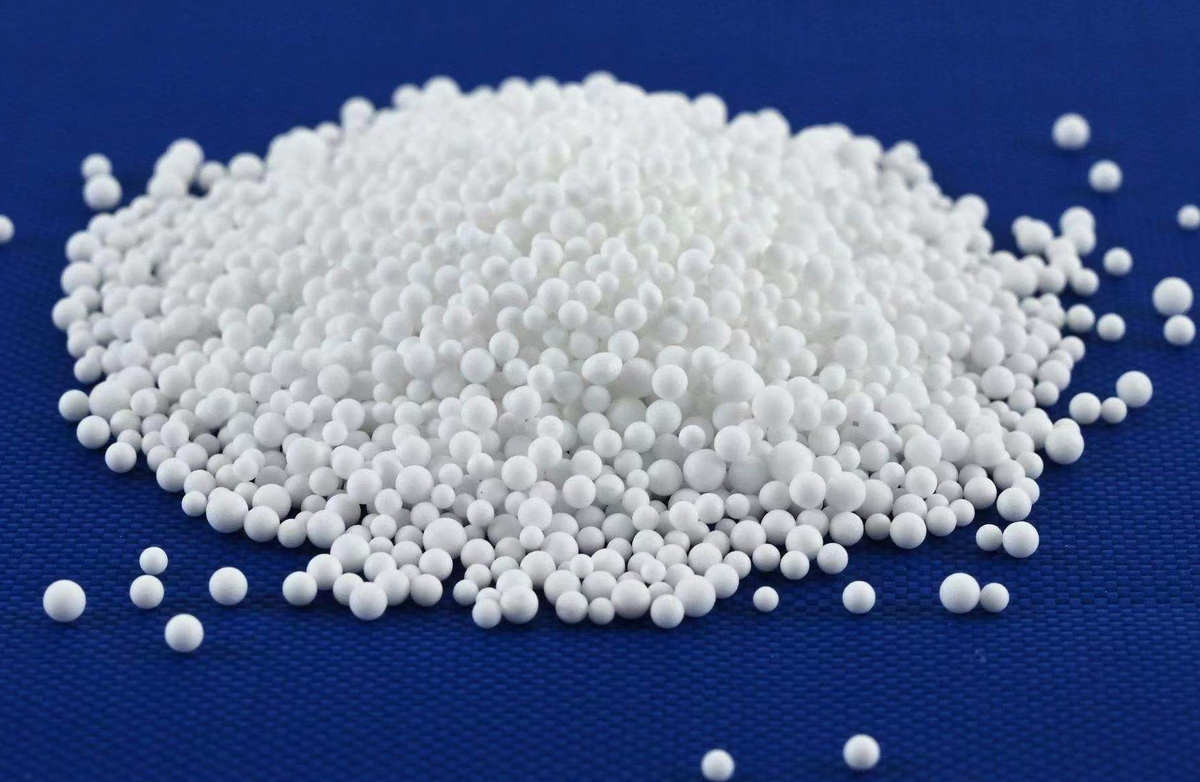
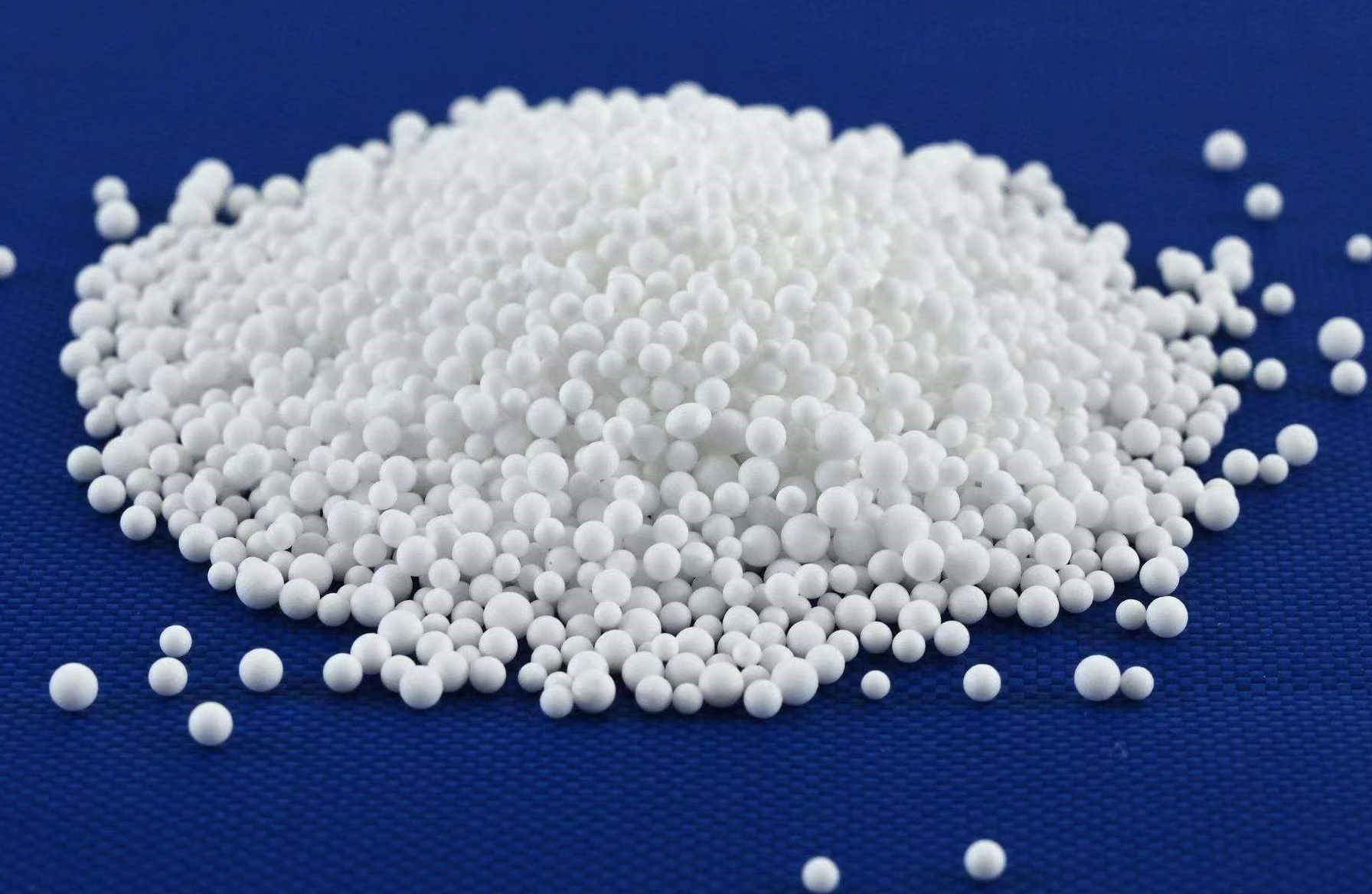
The Marble Plastics company, who is partnering with the Local Loops capstone team, relies primarily on recycled HIPS plastic for their products. Differing from base Polysterene (resin code #6), high-impact polysteryene introduces an additive impact modifier that is useful for the product's material properties.
High-impact polystyrene (HIPS plastic) is a durable, low-cost material made by adding an impact modifier, usually rubber, to standard polystyrene. This modification enhances the material's toughness, allowing it to easily absorb impact without cracking or breaking. HIPS stands out due to its enhanced strength and durability. The added rubber particles in HIPS help absorb energy from impacts, making it much more resilient (Connors, 2024).
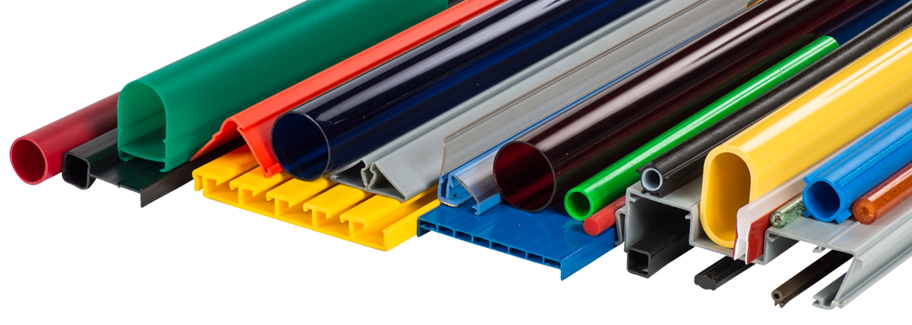
Another significant advantage of HIPS is its ease of printing and finishing. Whether it’s for signage, packaging, or other applications, HIPS plastic offers a smooth surface for printing logos, text, and graphics. It’s also ideal for painting and coating, making it highly customizable.
While the article draws attention to "environmentally-friendly production practices" HIPS may contribute to, the reality is that just like other thermoplastics, there is an upper limit to how many time HIPS can be recycled without mechanical deterioration.
As a recyclable plastic, HIPS contributes to environmentally-friendly production practices, enabling companies who rely on plastic for their products to get closer to reaching social responsibility goals. Many manufacturers also offer biodegradable versions of HIPS, making it a more sustainable option for businesses that prioritize eco-friendly materials.
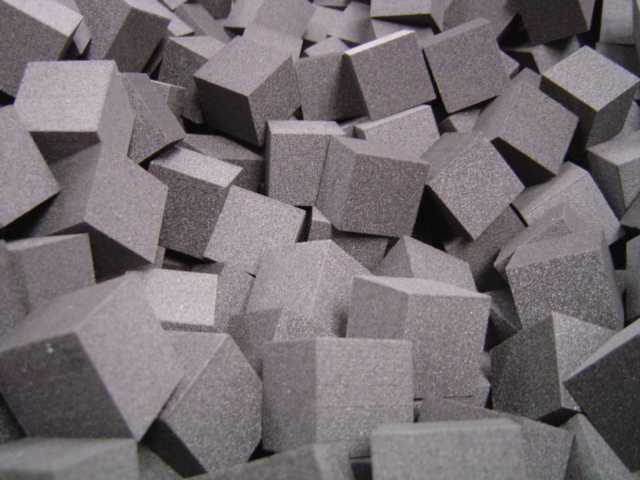
Marble plastics has not discovered an upper limit for HIPS recycling, but then again their product line consists entirely of stationery, load-bearing products with little need for mechanical strength. Additionally, it is beneficial to the Local Loops team to be aware of the issue of UV degredation with HIPS.
Signage and displays: HIPS plastic is commonly used for signage and displays due to its excellent printability and finishing properties. Whether for retail displays or advertising signs, HIPS provides a durable and customizable surface that can withstand indoor and outdoor conditions.
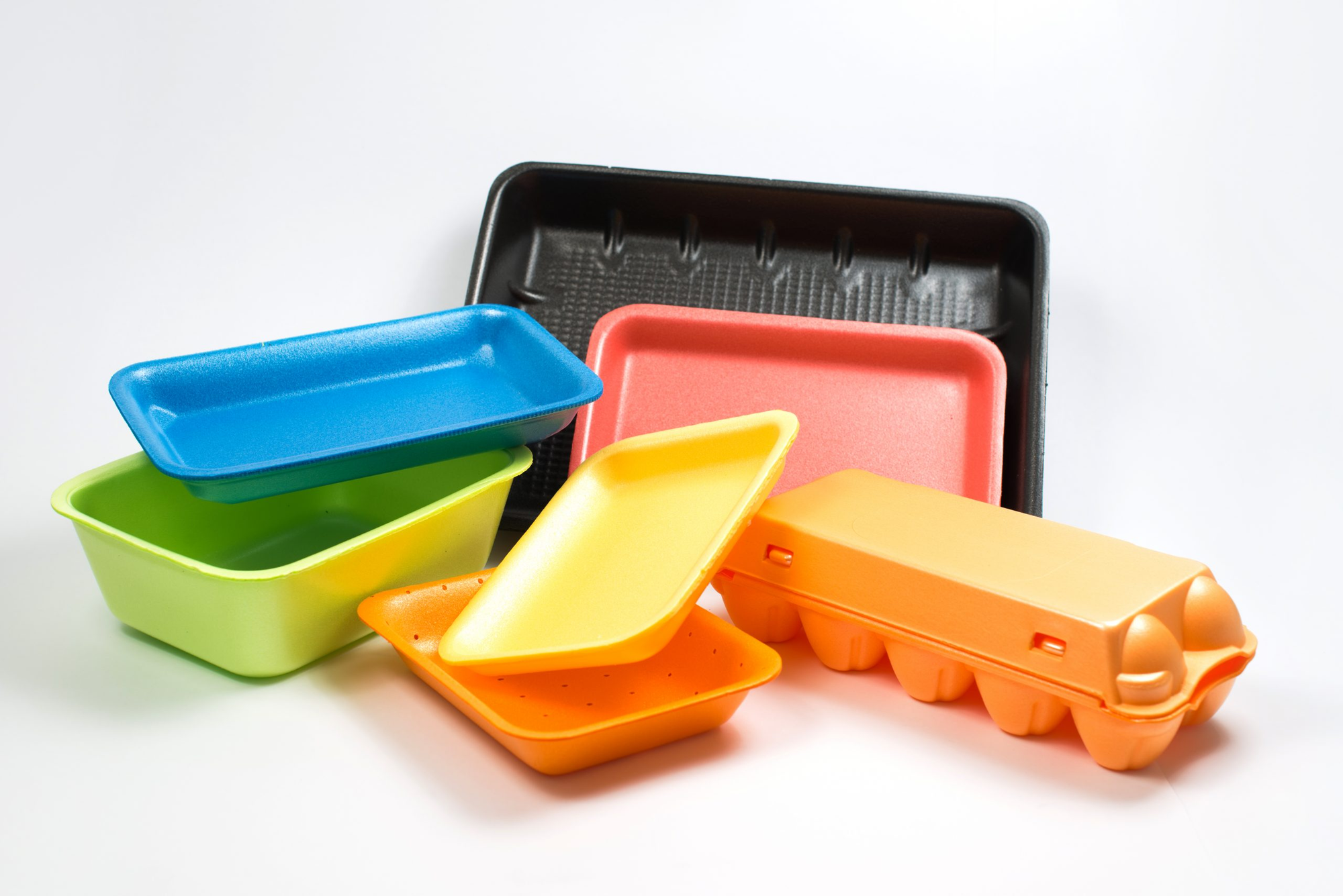
Medical devices: HIPS plastic is commonly used for single-use medical devices and products. Its easily molded and sterilized ability makes it a valuable material for medical applications.
Public instillations are going to come into contact with the urban environment. Exposer to the sun, the changing weather, temperature, and exposure to chemicals and smog are all factors the team must consider when designing a product using HIPS. Material testing using HIPS and HDPE scraps acquired from marble plastics will help the team determine the most appropriate applications for either material.
One of the main drawbacks of HIPS plastic is its limited thermal resistance, making it unsuitable for applications involving high temperatures. Exposure to heat may cause the material to warp or degrade over time. Additionally, HIPS is susceptible to UV degradation when exposed to direct sunlight, which limits its use in outdoor environments unless treated with UV-resistant coatings. Lastly, it has lower chemical resistance than plastics like ABS or polypropylene, making it less ideal for applications where it will encounter harsh chemicals.
References:
Connors, C. (2024, September 26). Everything to know about HIPS plastic. Molding Dynamics, Inc. https://www.moldingdynamics.net/blog/hips-plastic