
How NecoTech Paves the Way to Sustainable Infrastructure

Much like the asphalt industry, the plastic industry is also being pressured to reduce its environmental footprint. NecoTECH’s RAP programs mirror some ways that plastic manufacturers have already been able to mitigate and reuse plastic material into an economically viable cycle.
The asphalt industry is under increasing pressure to reduce its environmental footprint, and necoTECH is stepping up to the challenge. The National Asphalt Pavement Association (NAPA) has set a 2050 net-zero goal, highlighting reclaimed asphalt pavement (RAP) as a key strategy for reducing emissions and waste (Moliterno, 2025).
For example, NecoTECH’s collection process diverts plastic waste from the landfills, which is the same goal that many recycling centers have. One significant difference between these two processes is that collecting plastic for recycling requires a much more careful sorting process, with high standards for material quality and cleanliness.
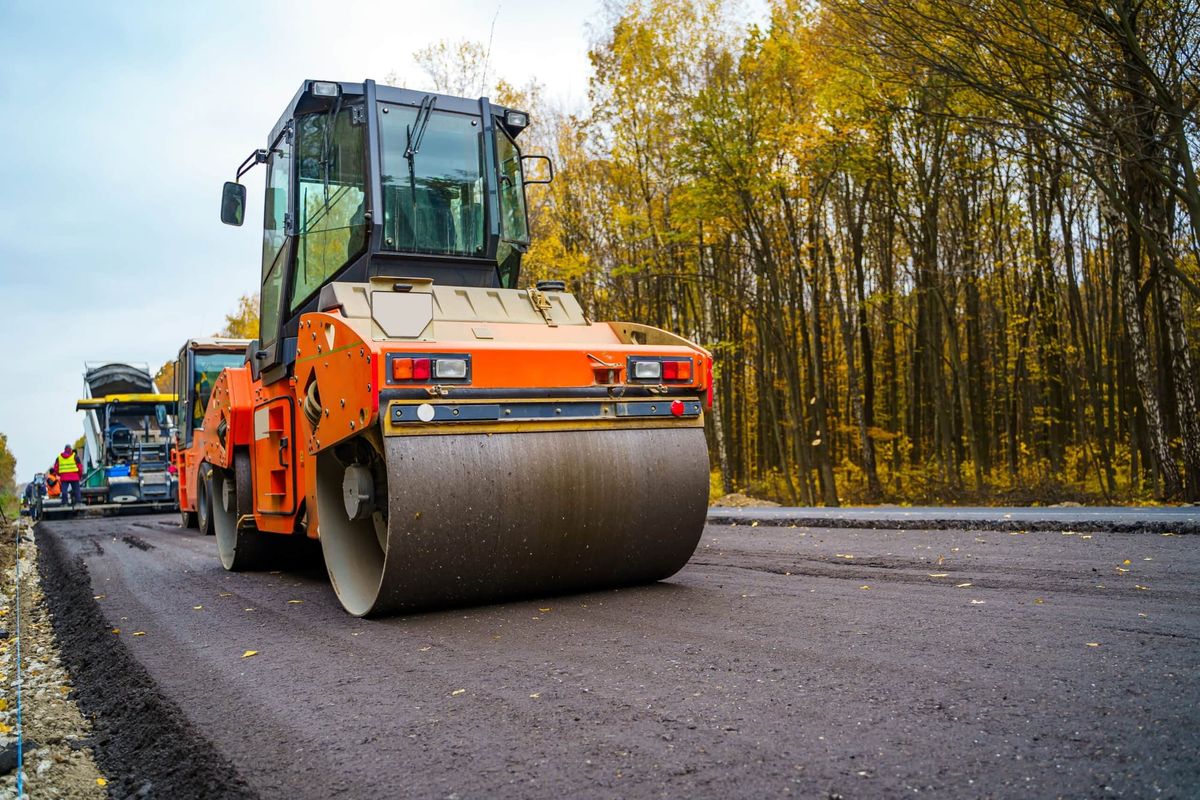
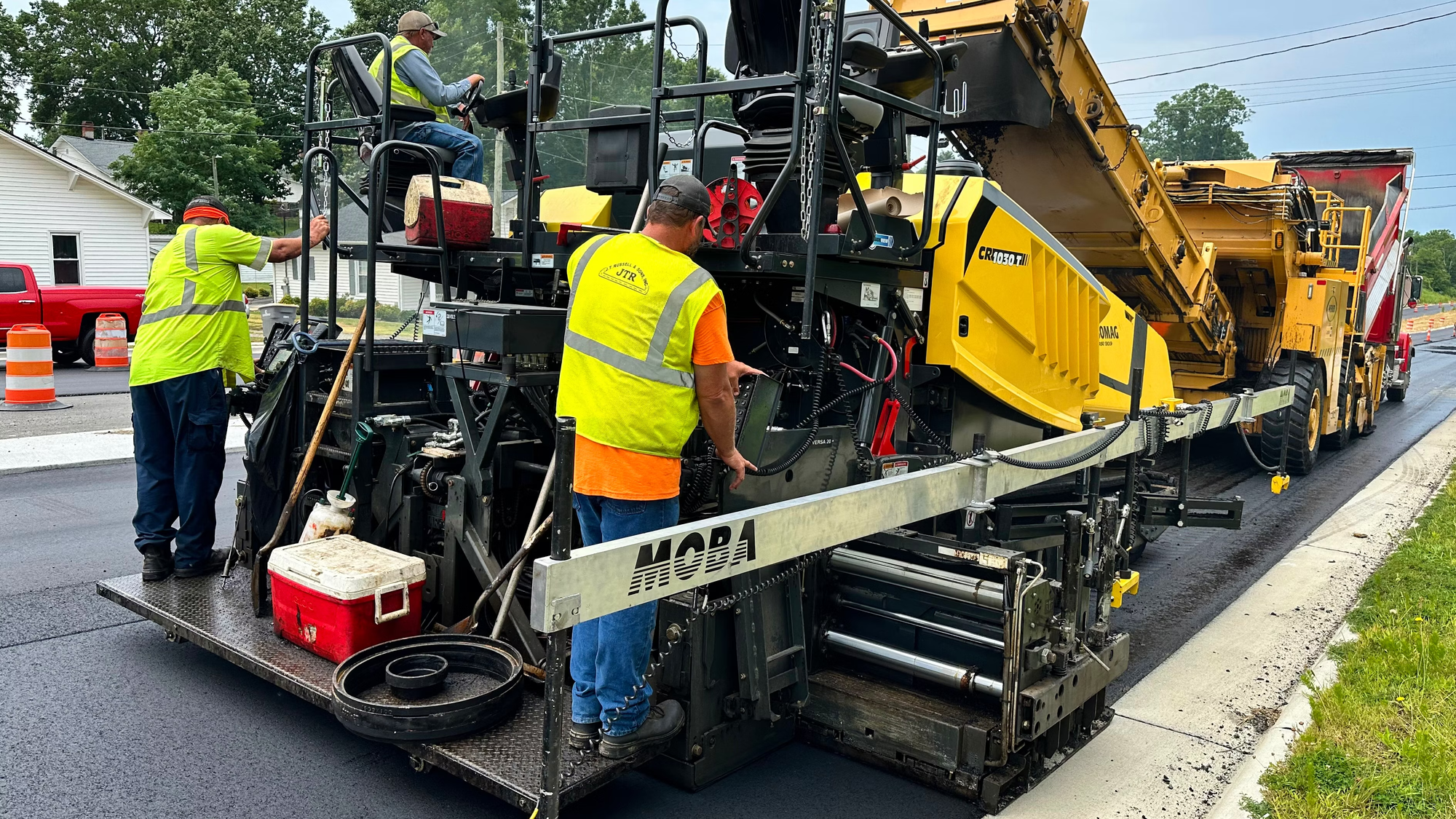
Traditional asphalt production is notorious for its negative environmental impact, but necoTECH is tackling these challenges head-on with innovative approaches:
- 100% Reclaimed Asphalt Pavement (RAP): Reusing asphalt diverts over 75 million tons of material from landfills annually.
- Lower Emissions: necoTECH’s RAPpro plants significantly reduce greenhouse gas emissions by up to 40% compared to conventional methods.
- Resource Conservation: necoPave process to produce Hot Mix Asphalt significantly reduces the amount of asphalt binder needed.
- Operational Savings: RAPpro plants create cost-effective asphalt production by reducing fuel consumption by up to 50%.
In contrast, due to the nature of the industry and manufacturing of asphalt, material irregularities can be largely overlooked. NecoTECH’s use of a recycled base material with the inclusion of additive binders is like the process Marble Plastics uses to create their recycled HIPS and HDPE slabs.
These processes not only supports sustainability but also provide significant economic advantages. By using RAP, companies can dramatically reduce material costs compared to traditional asphalt production, which is particularly impactful for municipalities, transportation departments, and pavers operating on tight budgets.

However, in the latter case, Marble plastics collects pelletized recycled content for their base material, resulting in a 100% recycled product. The biggest challenge for the recycled plastics industry is finding use-cases where recycling is more cost-effective than disposal. This is often hard to impliment given the small but enormous quantity of plastic products and varying material types, often bought and used by a single person.
Additionally, necoTECH’s advancements align with national initiatives, such as the $1.2 trillion Infrastructure Investment and Jobs Act, which prioritizes sustainable infrastructure development. With government backing and increasing demand for environmentally friendly solutions, Ohio is well-positioned to become a hub for green infrastructure technologies.
Asphalt on the other hand is an imprecise material used to manufacture (essentially) the same kind of product that millions of people rely on. Businesses that rely on plastic must identify a true need for recycled content that also saves the company money. If it doesn’t, then recycling simply won't be implemented.
As necoTECH continues to push the boundaries of sustainable asphalt production, its impact on Ohio’s economy, environment, and infrastructure will be profound. Their innovative approach is not just paving roads—it’s paving the way for a cleaner, more sustainable future.
References
Moliterno, L. (2025, March 28). necoTECH leads recycled asphalt innovation. OhioTechNews. https://www.ohiotechnews.com/stories/necotech-leads-recycled-asphalt-innovation