Numbers
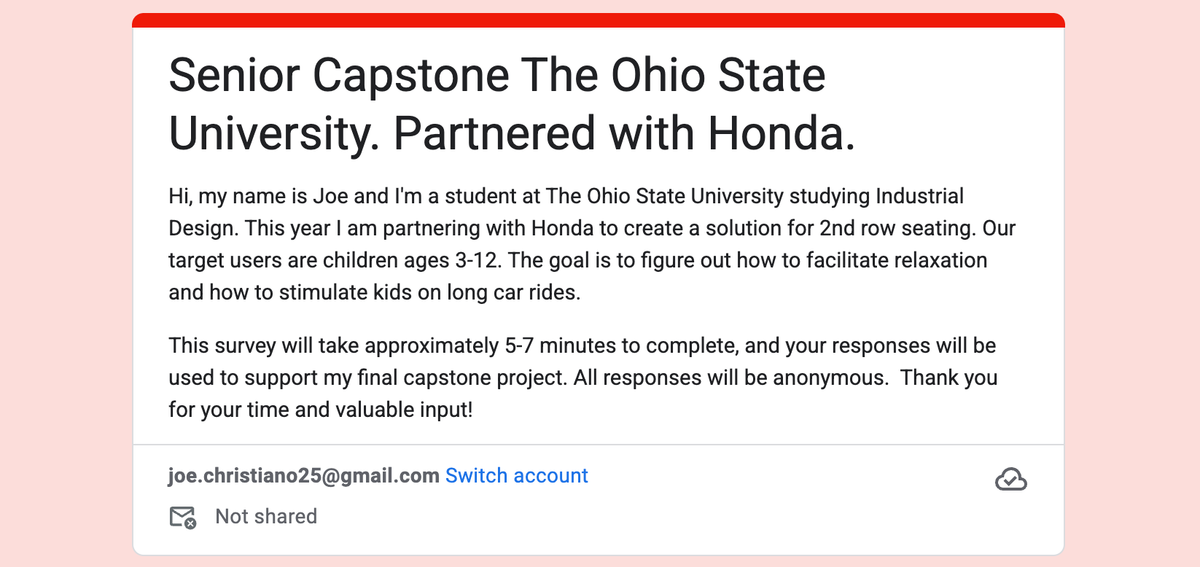
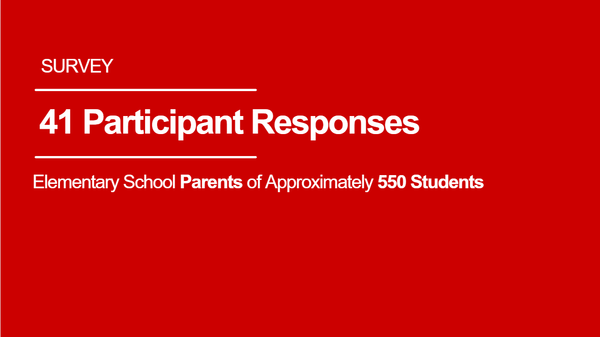
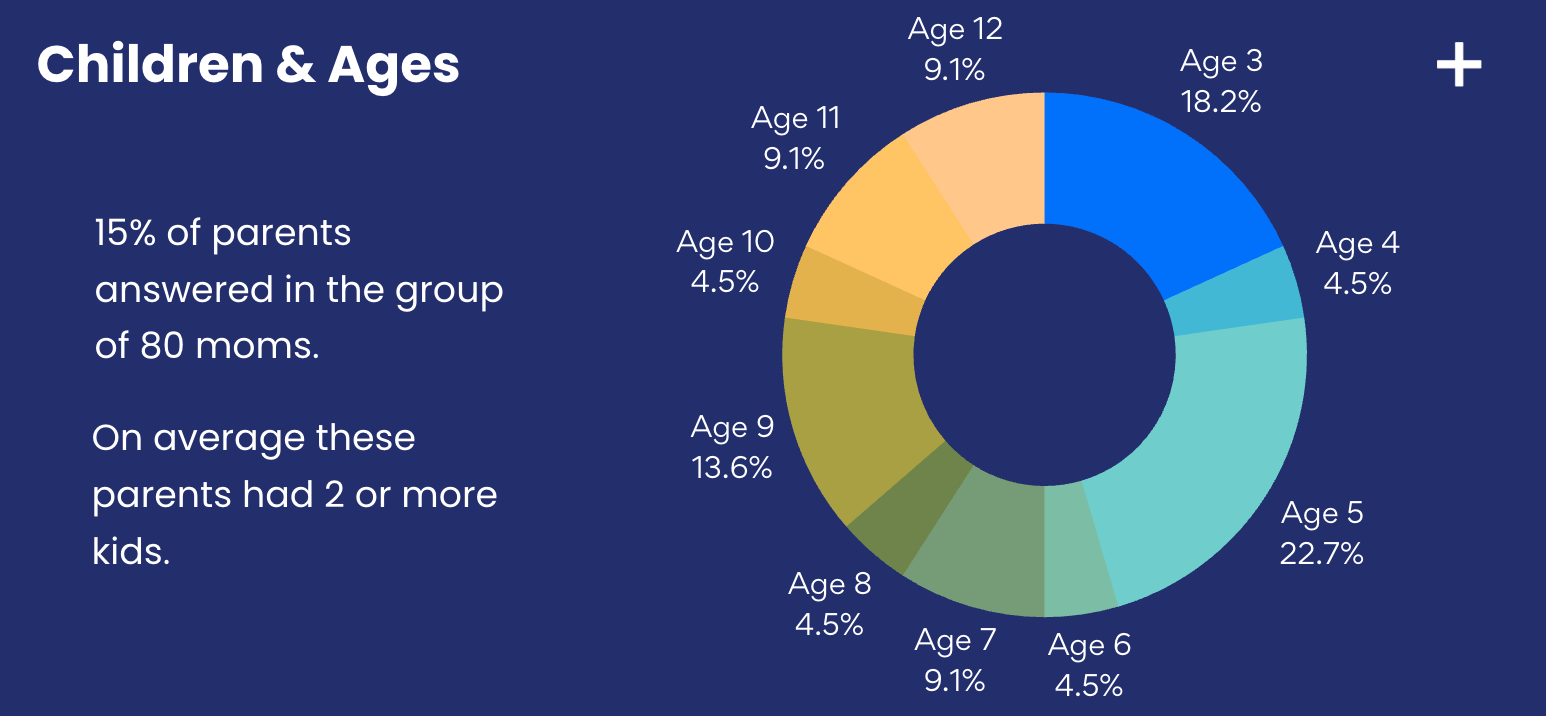
One of my goals was to narrow down a target group for the survey. I chose a group of mothers aged 28–35 from across the USA who frequently communicate, share experiences, and support one another.
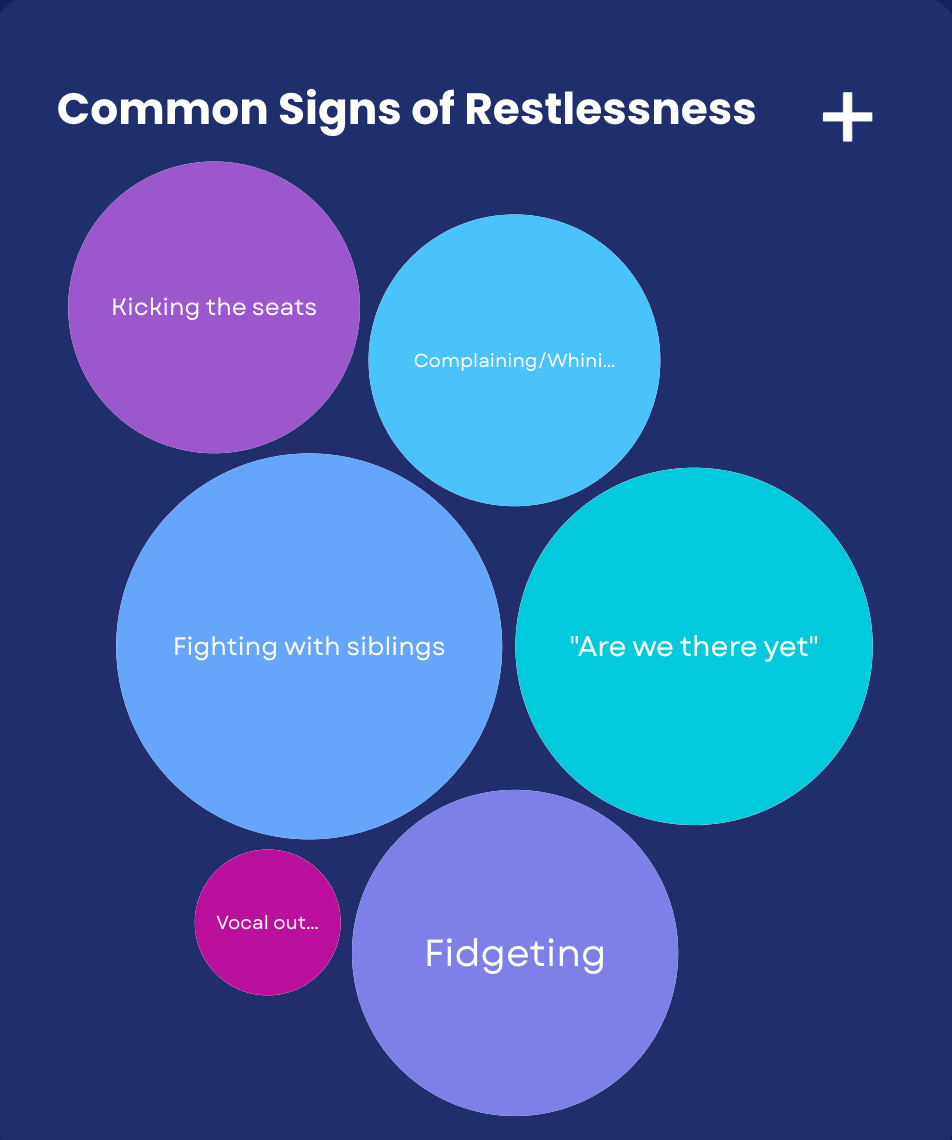
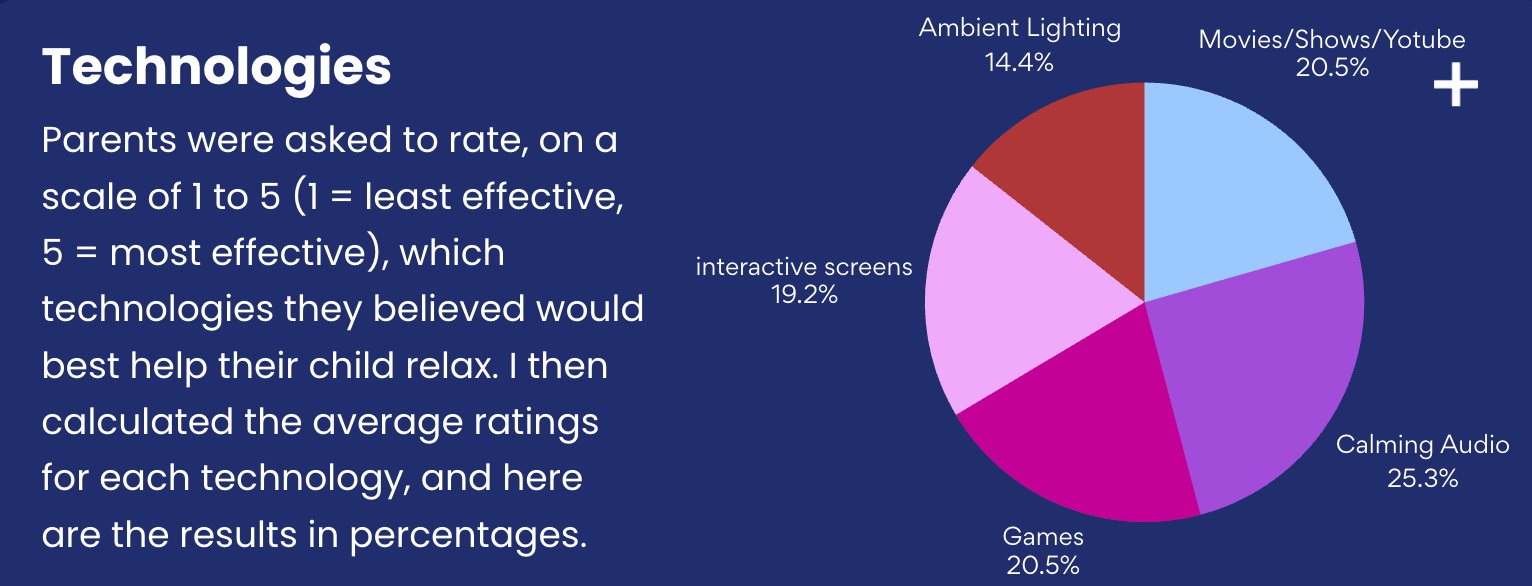
The next question I asked was, What are the most common signs that your child becomes restless or bored in the car?' (Select all that apply). This helped me identify early signs of restlessness and situations in the backseat and help me find areas that could benefit from design solutions to keep children calm. This data is visualized in a word cloud.
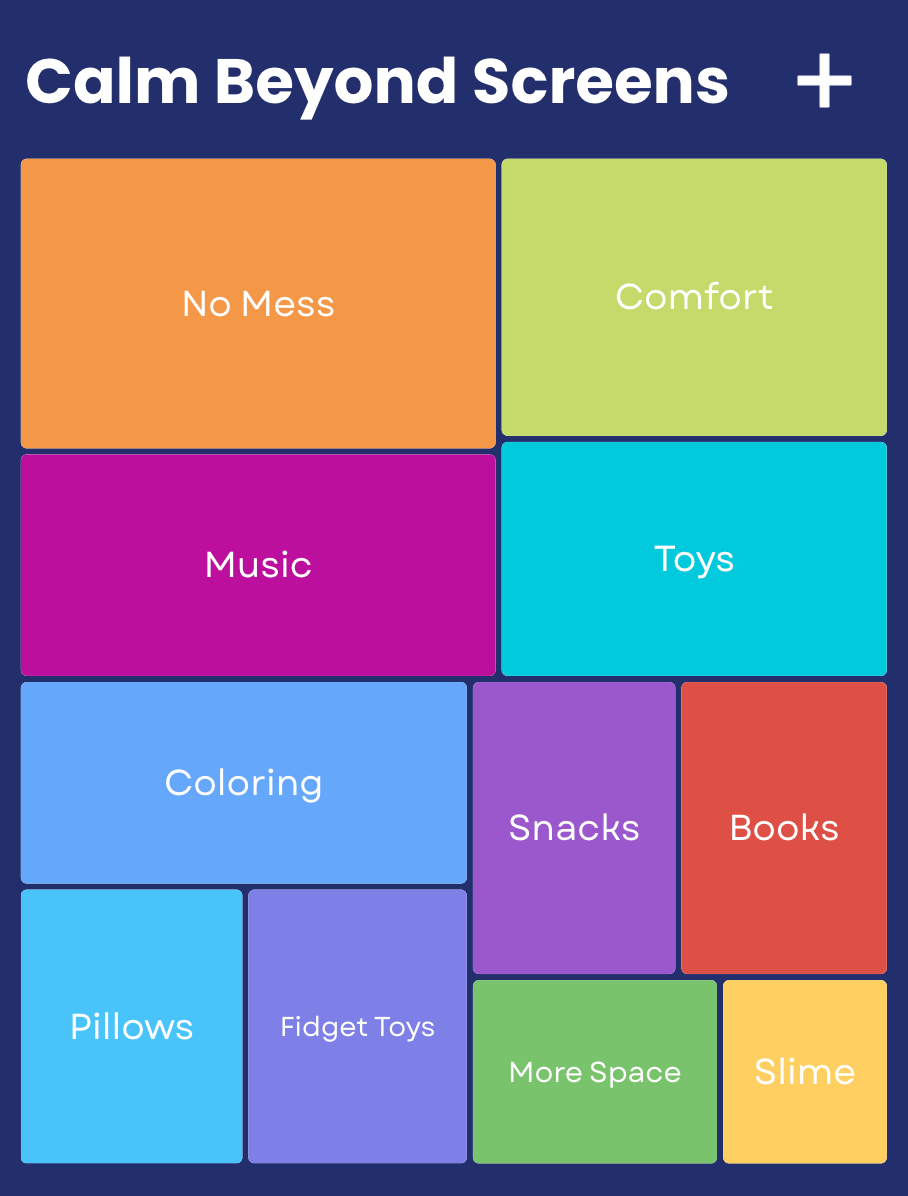
I was also interested in their ideas for making the backseat a more relaxing environment. Their responses were short answers, so I analyzed them for key words and phrases to convert their input into a word cloud.
The last question I asked was, In your own words, what do you believe meditation or mindfulness for children means? I compiled and summarized all of their responses.
- Self awareness and emotional regulation: Meditation and mindfulness for children involve helping them learn to pause, notice their feelings, understand calmness and stillness, and listen to their bodies before reacting.
- Breathing and relaxation: Key aspects include taking a quiet moment to breathe, relax, and breathe with intention.
- Finding peace and calmness: It helps children understand themselves, find their peace, and be calm while taking in the world around them.
- Calmer distractions: One response mentioned redirection towards calmer distractions and lower noises.
- Present moment awareness: It means helping children stay present, calm, and aware of their feelings. Refocusing their attention on the here and now and their current surroundings.