One Car, Two Perspectives

This article discusses how generational traits also influence business strategy. Companies aren’t just selling products; they’re shaping experiences that resonate across age groups.
The youthful forms of behavior we discuss here are influencing all generations and, ultimately, attitudes toward consumption as well. Three forces are emerging in a powerful confluence of technology and behavior.
This more pragmatic and realistic generation of consumers expects to access and evaluate a broad range of information before purchases. Gen Zers analyze not only what they buy but also the very act of consuming. Consumption has also gained a new meaning. For Gen Z—and increasingly for older generations as well—consumption means having access to products or services, not necessarily owning them. As access becomes the new form of consumption, unlimited access to goods and services (such as car-riding services, video streaming, and subscriptions) creates value. Products become services, and services connect consumers.
The core of Gen Z is the idea of manifesting individual identity. Consumption therefore becomes a means of self-expression—as opposed, for example, to buying or wearing brands to fit in with the norms of groups. Led by Gen Z and millennials, consumers across generations are not only eager for more personalized products but also willing to pay a premium for products that highlight their individuality. Fifty-eight percent of A-class and 43 percent of C-class consumers2 say they are willing to pay more for personalized offerings. Seventy percent of A-class and 58 percent of C-class consumers are willing to pay a premium for products from brands that embrace causes those consumers identify with. And here’s another finding that stood out in our survey: 48 percent of Gen Zers—but only 38 percent of consumers in other generations—said they value brands that don’t classify items as male or female. For most brands, that is truly new territory.
As the on- and offline worlds converge, consumers expect more than ever to consume products and services any time and any place, so omnichannel marketing and sales must reach a new level. For consumers who are always and everywhere online, the online–offline boundary doesn’t exist. Meanwhile, we are entering the “segmentation of one” age now that companies can use advanced analytics to improve their insights from consumer data. Customer information that companies have long buried in data repositories now has strategic value, and in some cases information itself creates the value. Leading companies should therefore have a data strategy that will prepare them to develop business insights by collecting and interpreting information about individual consumers while protecting data privacy.
For decades, consumer companies and retailers have realized gains through economies of scale. Now they may have to accept a two-track model: the first for scale and mass consumption, the other for customization catering to specific groups of consumers or to the most loyal consumers. In this scenario, not only marketing but also the supply chain and manufacturing processes would require more agility and flexibility. For businesses, that kind of future raises many questions. How long will clothing collections grouped by gender continue to make sense, for example? How should companies market cars or jewelry in an inclusive, unbiased way? To what extent should the need for a two-speed business transform the internal processes and structure of companies?
Young people have always embodied the zeitgeist of their societies, profoundly influencing trends and behavior alike. The influence of Gen Z—the first generation of true digital natives—is now radiating outward, with the search for truth at the center of its characteristic behavior and consumption patterns. Technology has given young people an unprecedented degree of connectivity among themselves and with the rest of the population. That makes generational shifts more important and speeds up technological trends as well. For companies, this shift will bring both challenges and equally attractive opportunities. And remember: the first step in capturing any opportunity is being open to it. (Francis, 2018)
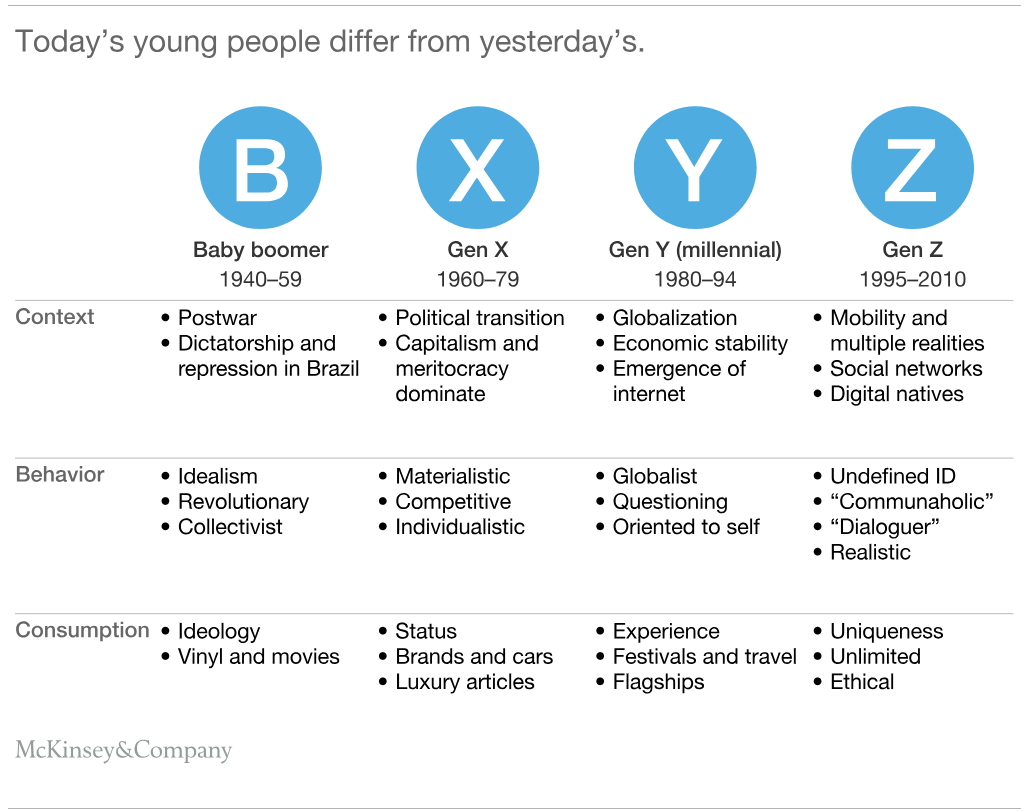
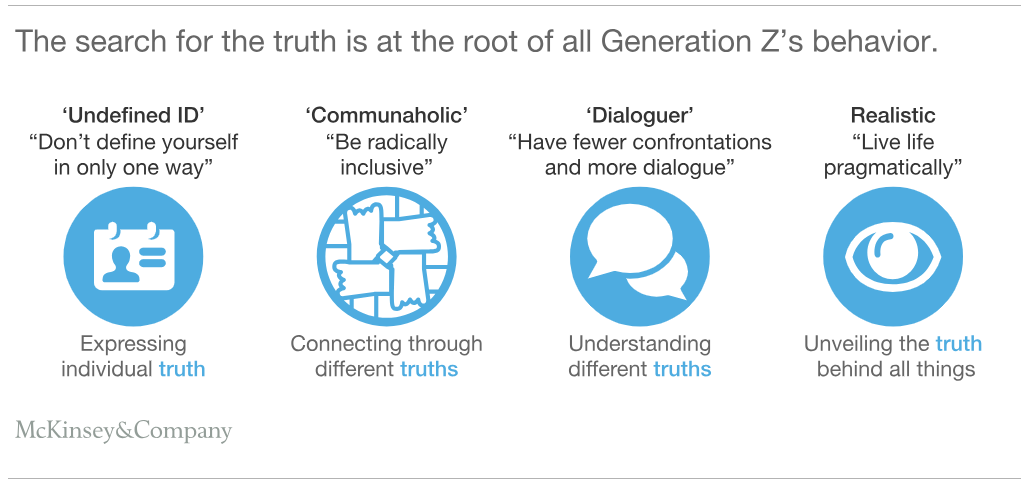
(Francis, 2018)
This article made me think about how generational values shape expectations in ways that directly affect design. Gen Z, and soon Gen Alpha, approach products and experiences with a strong emphasis on authenticity, ethics, and personalized experiences. At the same time, their parents, Millennials and Gen X, bring their own perspectives, often shaped by practicality and a desire for balance.
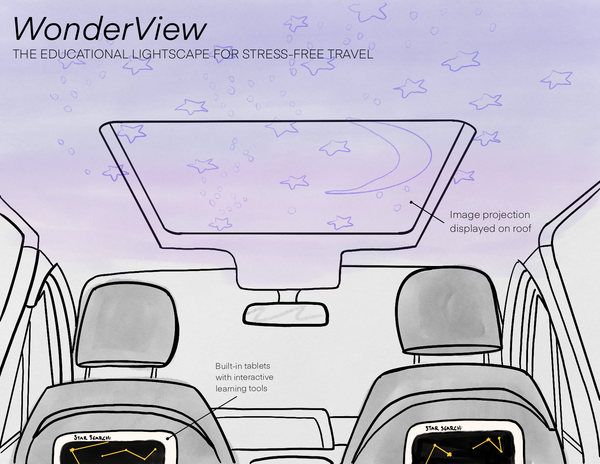
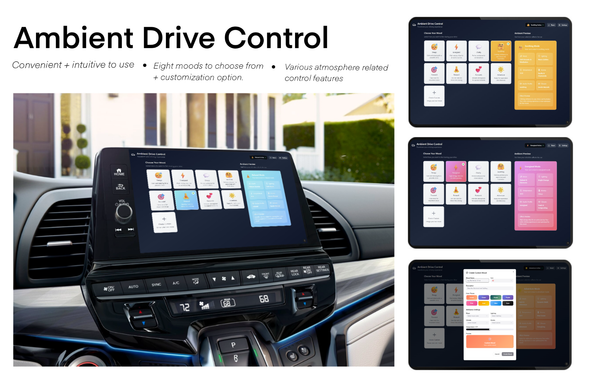
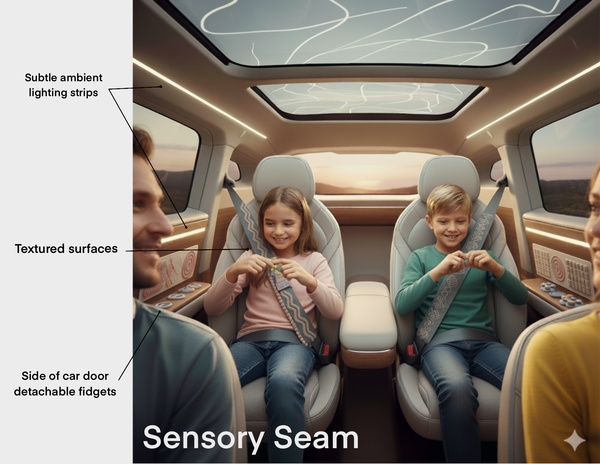
Designing a backseat experience for families means finding the middle ground: meeting kids’ need for engagement while also addressing parents’ need for safety and reliability. For my project, this raises the question: how can a single design solution speak to both groups simultaneously? That balance feels like a challenge, as I look to define a new way for families to share a relaxing environment in the car.
References.
Francis, T., & Hoefel, F. (2018, November 12). “true gen”: Generation Z and its implications for companies. McKinsey & Company. https://www.mckinsey.com/industries/consumer-packaged-goods/our-insights/true-gen-generation-z-and-its-implications-for-companies
This reflection draws ~40% from McKinsey’s & Company article “‘True Gen’: Generation Z and its implications for companies” (2018), ~45% from the author’s own framing of the capstone context and design intentions, and ~15% from AI assistance (synthesizing article content, editing for clarity, and expanding argumentation). All interpretations and final perspectives remain the responsibility of the author.