Valuing Plastic Waste as Creative Fuel: Op-Ed

The subject of plastic pollution raises a broad spectrum of questions. Based on emerging data from microplastics research, the temptation is to frame plastics as an existential threat to us all. While some groups lobby for total or near total bans on plastic production, it is not entirely helpful to frame plastics in a purely negative way. Every product is a result of a human need and a set of constraints. Understanding why plastics have become an integral part of society means being challenged to see beyond a product and into the communities that use them. The Local Loops team has conducted primary and secondary research to problematize the issue of plastic waste in sixteen unique design conjectures.
The following four conjectures in this article: PolyMatrix, PolyToken, PolyCradle, and PolyForm, have been designed by Chipper Orban as potential capstone solutions to plastic waste in local Columbus communities.
Business
The global adoption of plastic began during the 1940's as companies and governments sought to innovate, replace, and ultimately save natural resources during wartime (Anonymous, 1936). However, plastics have existed in many products before this time, and they continue to surround our daily lives far after war. According to an anonymous 1936 article in Fortune magazine, two of the main reasons plastics are used in manufacturing is for their unique material properties, and cost effectiveness. For these reasons, Godtfred Kirk Christiansen, one of the founders of the Lego Group, saw explosive potential in plastic toys for children (Robertson, 2013). After years of innovation, he perfected the famous Lego Brick millions have come to love today.
Despite real business advantages to using plastic materials, many consumers voice concern over the disposal and management of plastic items. The following from Joe Romuno's 2021 RTS article summarizes the dilemma:
The low value of scrap and high costs of recycling, coupled with low oil prices, means that recycling plastic now costs more than manufacturing virgin plastic.
Without top-down incentives from the government, most businesses are going to keep on using plastics without any sort if recycling programs to keep prices low. But what if there was a way to justify using (or not using) plastics beyond cost alone? What if businesses, through education and training, took on the responsibility to manage their plastic waste for the benefit of all?
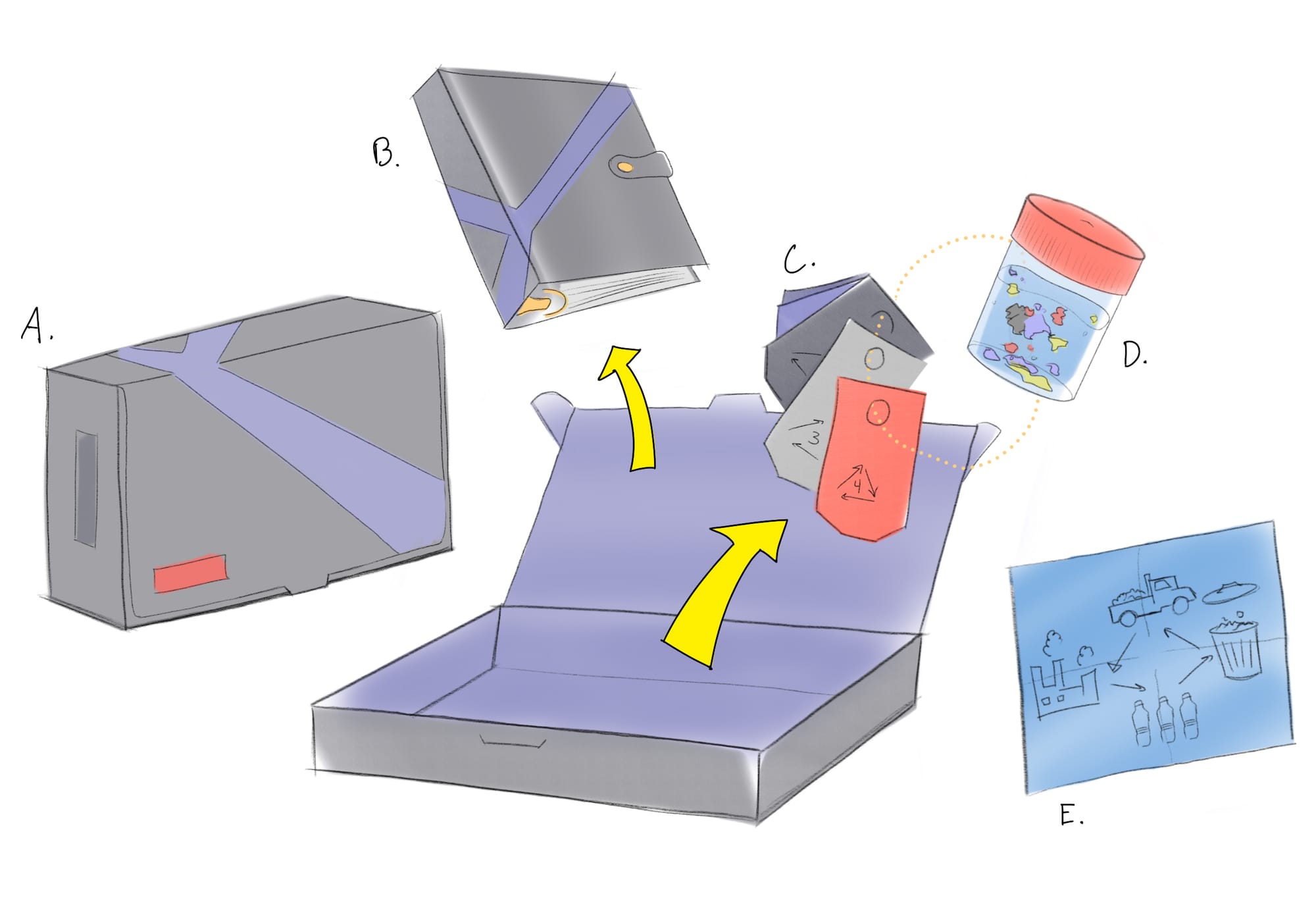
PolyMatrix is a program and designed kit of items with a twofold goal: educate the business team about the chemical and physical properties of different plastics, while also providing an ethical decision matrix to help justify when and how to incorporate plastics into a product / service. This broad approach to understanding plastics encourages designers, engineers, and manufactures alike to evaluate the significance of plastics beyond mere cost advantages.
Science and Technology
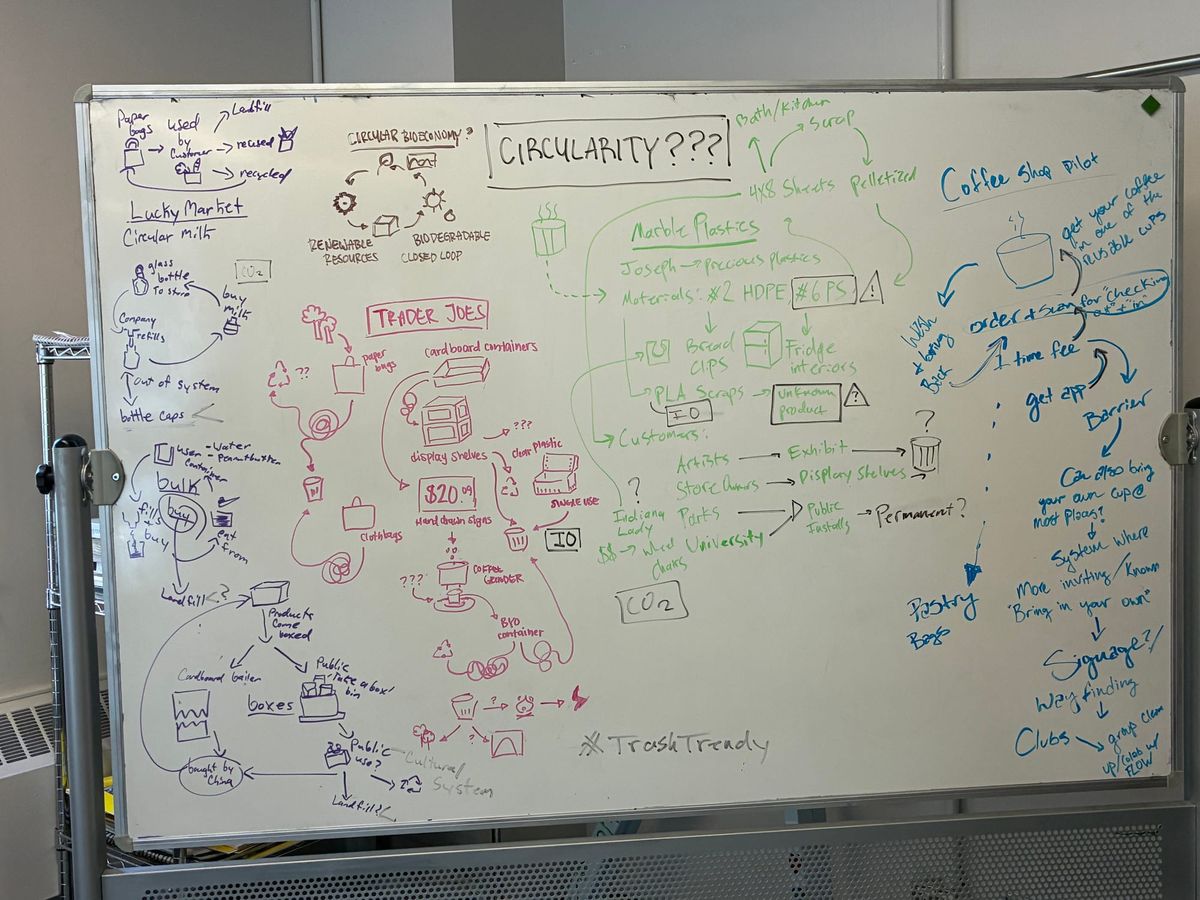
Since about 80% of global plastics are thermoplastics, they offer an intervention opportunity for circular economies. The Local Loops team is particularly interested in thermoplastics, focusing on HDPE (#2) and polystyrene (#6) since the team's sponsor (Marble Plastics) exclusively work with these two materials.
Unfortunately, recycling efforts - and waste management more broadly - do not impact everyone in the same way. A review of the Regional Waste Movement Study reveals how participants in a multi-state study discussed the disproportionate impacts of waste transport—such as noise, pollution, and health risks—on low-income and minority communities, even as some areas benefit economically from hosting facilities. How might plastic waste be managed in a way that produces net good for communities, such as eco-effective cherry tree example featured in McDonough and Braungart's book Cradle to Cradle (p. 74)?
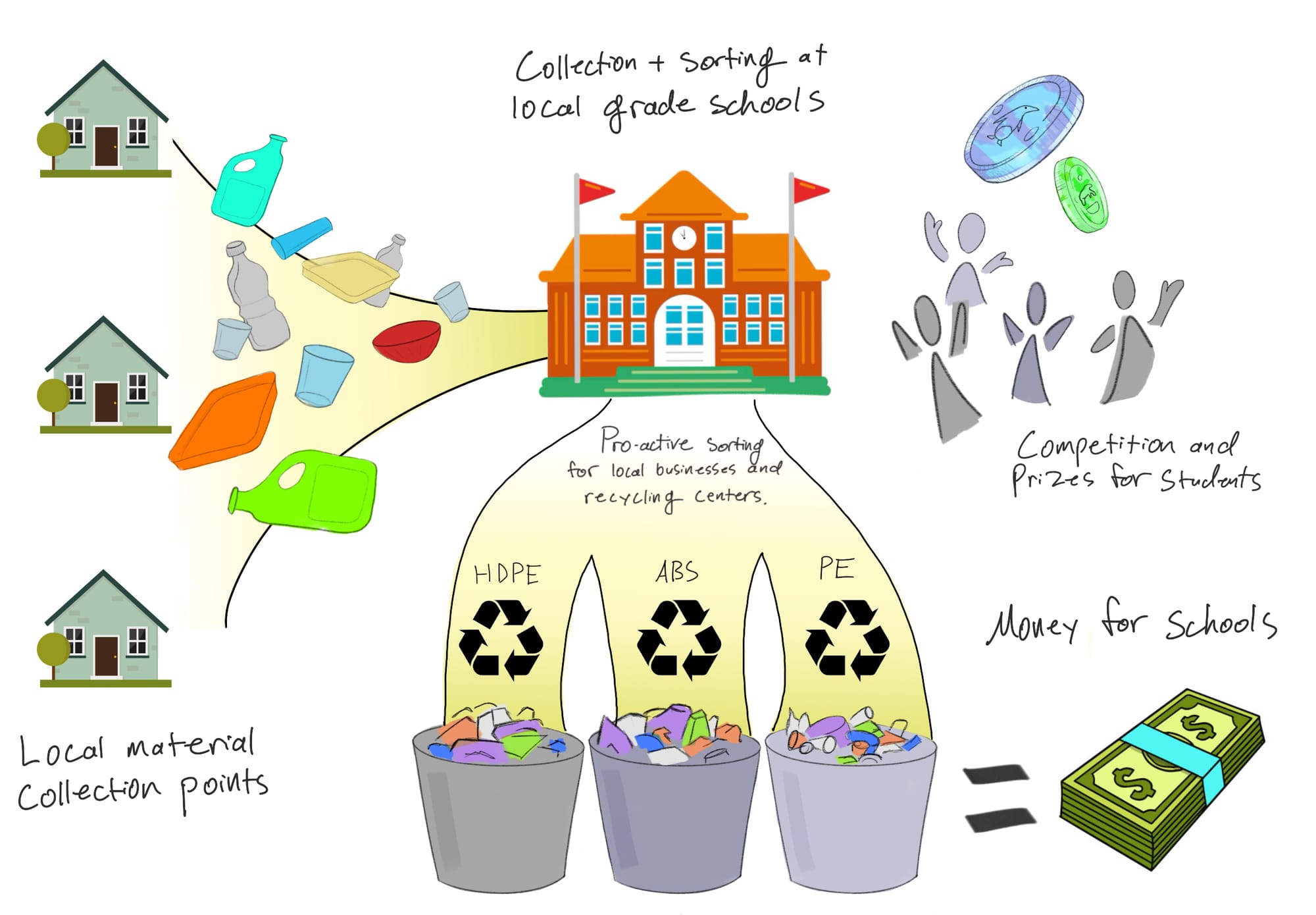
That's what PolyToken aims to address; imagine a fun middle school program that incentivizes plastic collection through friendly competition. Each month, one specific RICs plastic is selected for all of the competing teams to collect. Individual students will receive one token for every half pound of plastic they collect during that month. At the end of the month, tokens can be exchanged for sweet treats, school supplies, or seasonal gear like hats, gloves, and scarfs. The team who collectively receives the most tokens will win a trip to a local zoo or aquarium. Integration with students is something Local Loop's team sponsor, Neighborhood Design Center has experience with already. Together with Columbus youth, they have beautified and co-designed communities around the city.
The tokens are created with recycled plastic material, and pressed to bear the images of wildlife. The process is designed to mobilize local plastic waste out of disposal and into local schools. The collected, sorted plastic bundles can then be sold to waste management companies, which in turn funds the next PolyToken campaign.
Arts and Lifestyle
Plastic pollution rightfully earns public outcry. At the same time, it's easy for the average person to fall into despair when faced with the enormity and severity of the problem. When criticism is exhausted on consumerism, it quickly turns toward the consumer. Thats why brothers Matt and Johnny, founders of Brother's Make run their business differently. Together they make and sell recycled objects while teaching others how to do the same. For them, it's about having fun and spreading positivity while handling a serious issue. This is also similar to how artists Yong-Ho and the Guerra de la Paz create using every day discarded objects. Their work is an attempt to bring beauty and intrigue to an otherwise distressing issue we all face.
The alternative is to minimize waste by limiting human presence and impact on the environment. This is the underlying philosophy that has guided architecture projects the past, such as Ludwig Hilberseimer's industrial cities, or Le Corbusier's grid plan for France (Ambler, 2018, p. 15). Anti-homeless features known as hostile architecture, also send the message that social control leads to better waste management and cleanliness.
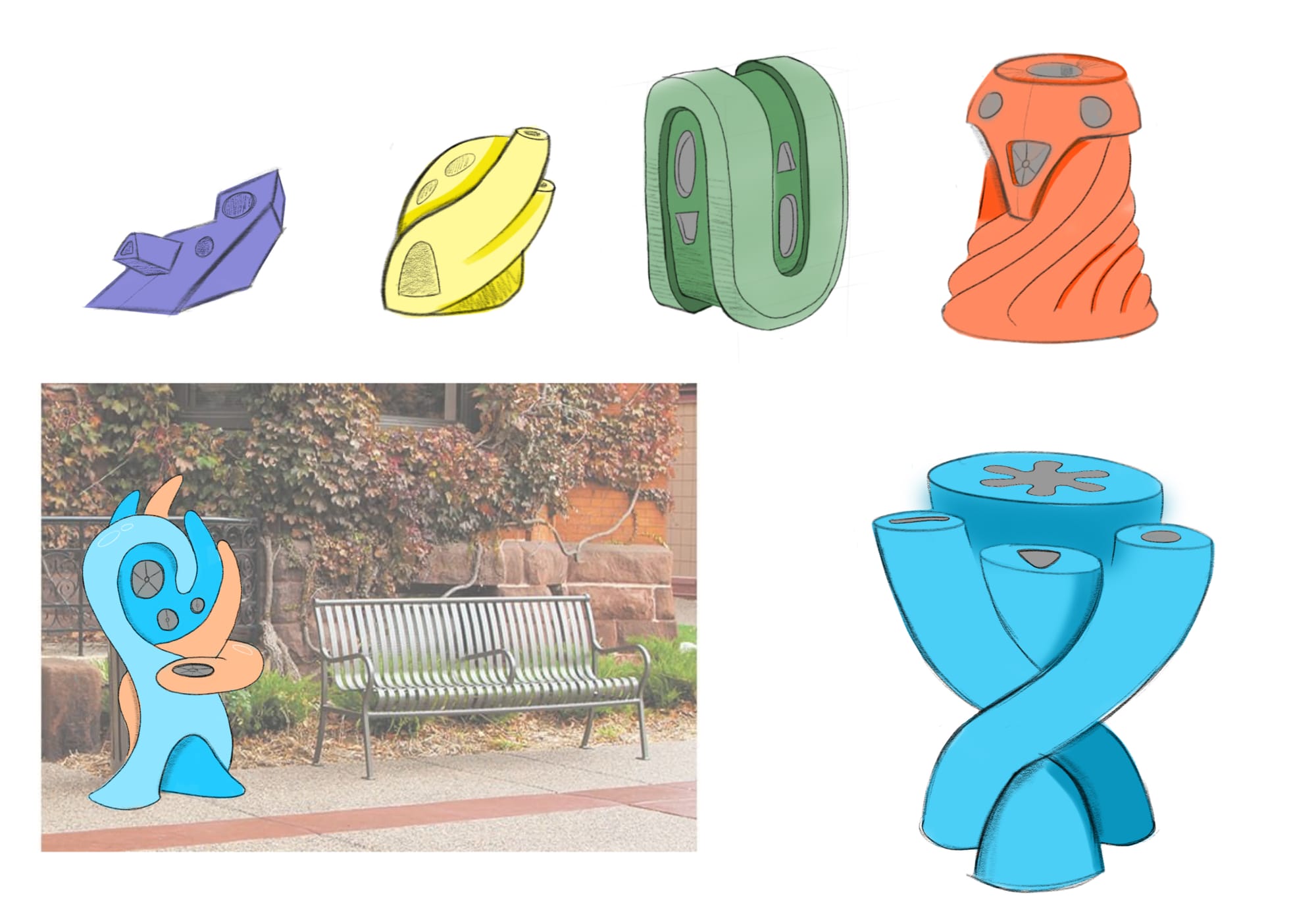
There is an underdiscussed piece to sustainability that impacts these questions; it is the act of "throwing away" waste that ought to be transformed with PolyCradle. This system of products acts as beautiful 3D printed alternatives to trash cans. They feature complex, biomorphic designs intended to connect with the surrounding built environment as well as be pleasing to the eye.
Beyond mere aesthetics, the cradle's serve a practical and systemic purpose. With multiple openings, the cradles sort trash by design. PolyCradle's underlying philosophy celebrates human activity instead of minimizing it or cast shame upon the waste people produce. A slow, thoughtful interaction with these bins encourages the user to see the potential in what they discard, with the cradle symbolizing a chrysalis.
Values and Ancient Circularity (Special Interest)
Does history contain lessons for modern consumers and businesses looking to manage their waste better? By studying examples of circular economies in medieval Rome, Japan, Early America, and even contemporary Amish communities in Ohio, the Local Loops team can propose ways to value plastic materials beyond economic or utilitarian value and foster more emotional and cultural connections to plastic material.
Indigenous perspectives explored in Cultural Survival show that how companies' source, create, and dispose of said products are going to have effects beyond materialism alone and impact people's livelihood more broadly (Angarova, 2022). Of course if an item cannot be recycled, then there needs to be an incentive to either re-use or re-purpose it. Case studies on medieval Jewlery show how religious veneration, family heritage, and cultural celebration motivated many communities to keep particular items in use for many generations.
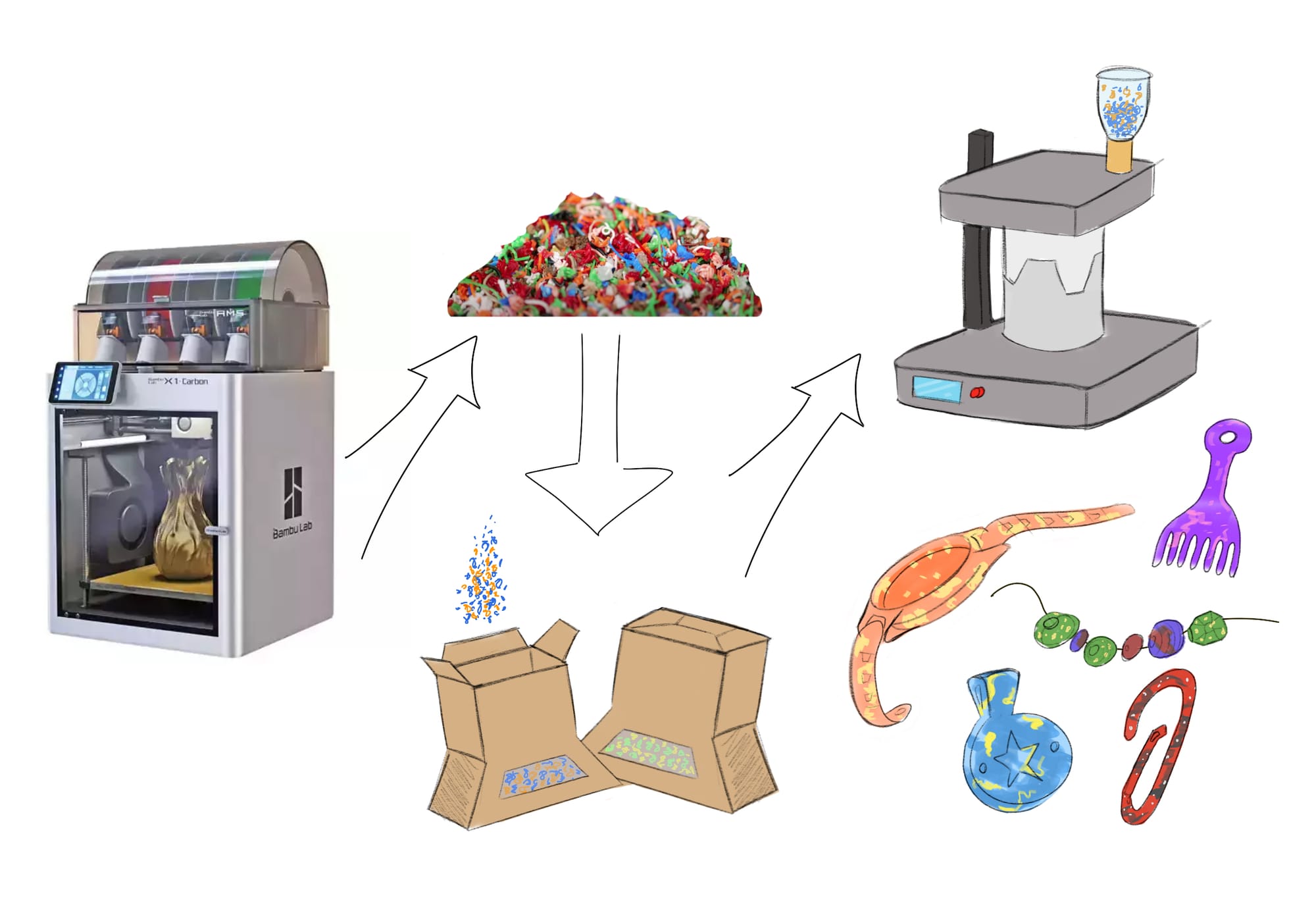
Historic material circularity shows how the culture of consumerism must be challenged. Drawing on practices from antiquity, PolyForm fosters personal connection to plastics by encouraging artistry and craft. Similar to Crayola mold machines and 3D printer pens, PolyForm liquifies PLA scrap and presses it into small molds.
Each of these molds produce Jewlery elements like watchbands, beads, pendants, bangles, and potentially many more. Using PLA scrap promotes a circular system to an already difficult material to dispose of. Additionally, these machines can work side by side with FDM printers, which grows the maker culture. The wearable nature of these items makes plastic a matter of personal expression, and not merely about consumption to meet needs.
Survey Analysis
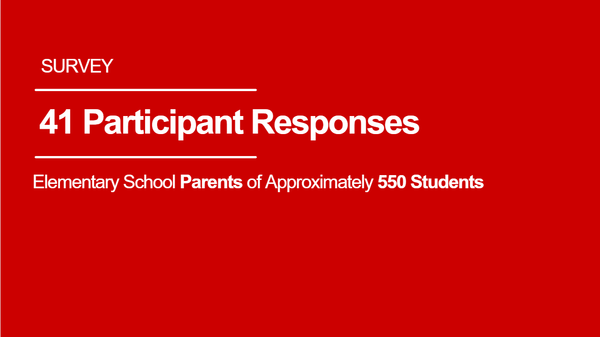
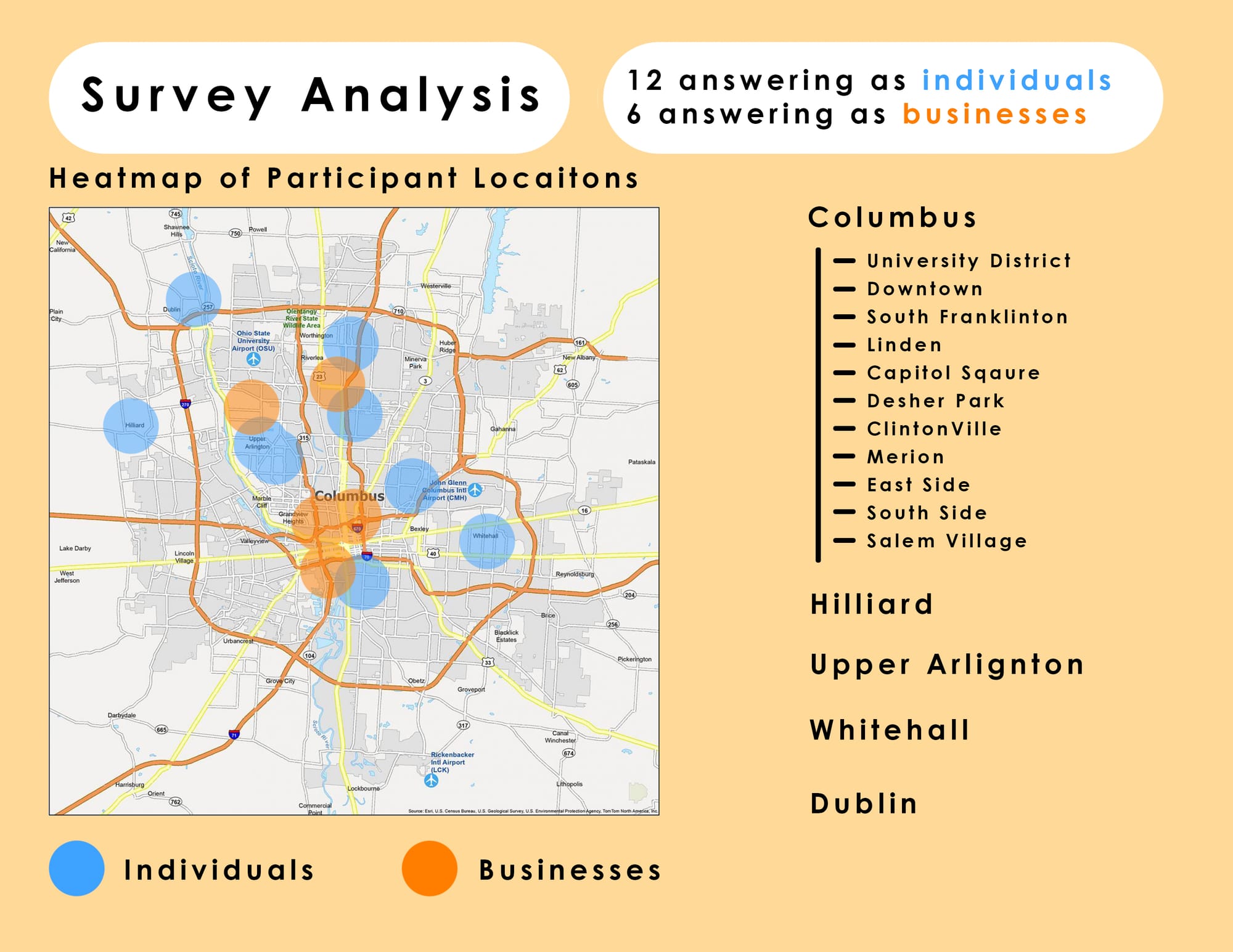
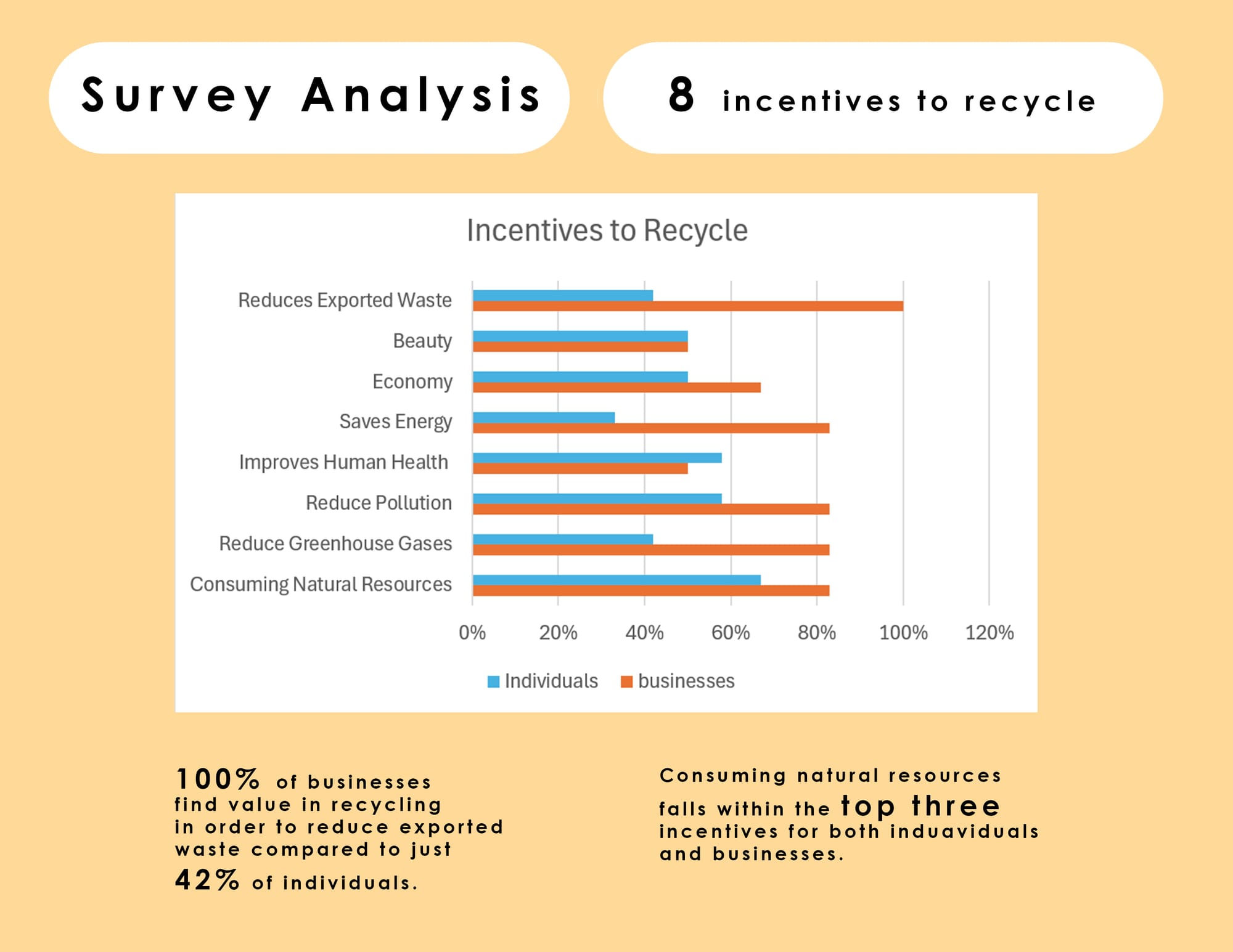
The first round of survey data was collected between September 17th through the 25th and there were 24 total participants. Our analysis focusses on 18 participants who answered every question on their form. The sample size was near 1,000, and was sent through the Neighborhood design center's email list. Participants were split into two categories: those answering as individuals and those answering as businesses. Their locations vary across the Central Columbus area.
Marble Plastic Tour
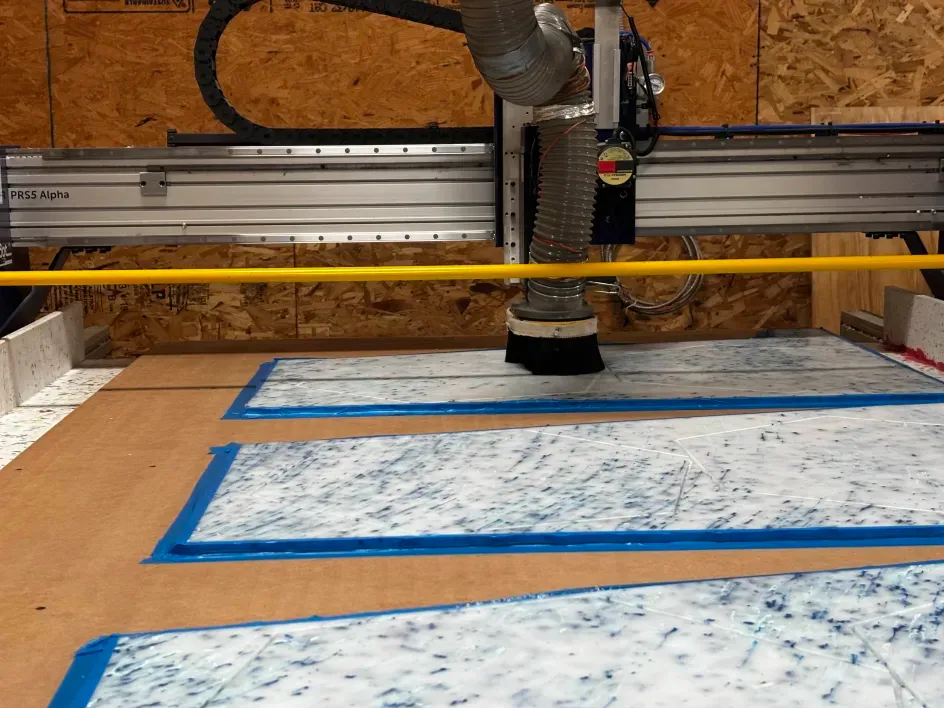
Our team visited Marble plastics to form a personal connection with our capstone sponsor, as well as to learn more about how the company operates. There are two key intervention opportunities the team noted after the site visit. The first, is that while the company has an industrial mass of PLA scrap material, they have no clear plans for it. Another opportunity focuses on the singular collection point for the HDPE bread tags.
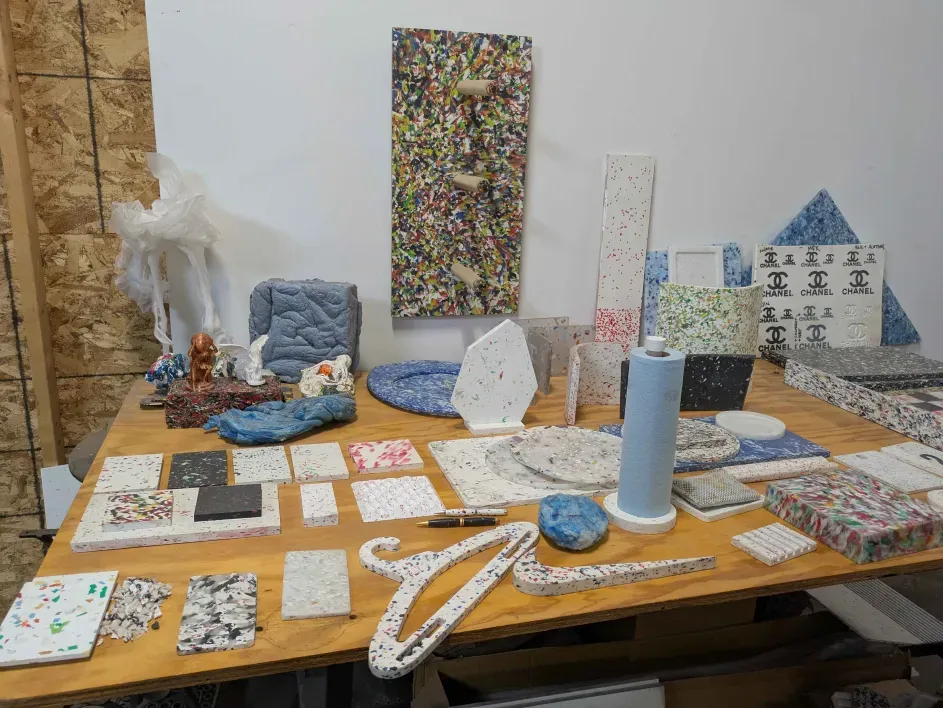
Several collection points could be set up, perhaps participating in a competition similar to the “box-top” in schools. This solution may reduce CO2 emissions caused by shipping across state lines, while also further localizing the source material for Marble Plastics, effectively creating a local-loop.
Goodale Park Make Method
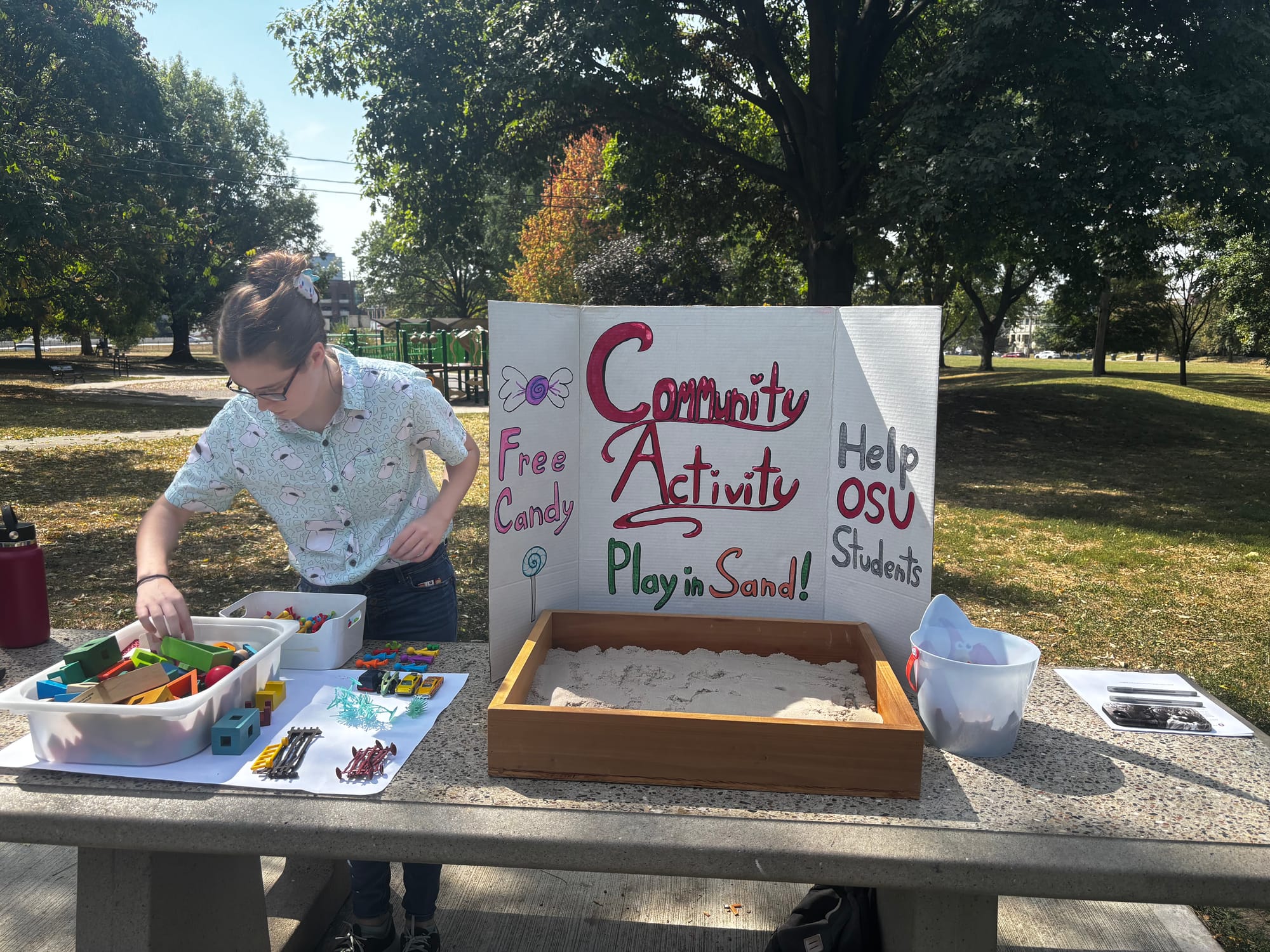
The whole team conducted a convivial make-method in Goodale park in order to better understand the needs of local Columbus communities. Each participant was tasked to create a physical representation of their community within a sandbox using provided blocks, figurines, and toy cars. After being asked to write about their creation, they were then asked to modify their work to create an improved version of their community. These changes were captured on the bottom of the consent form, and each of the participant’s creations were photographed.
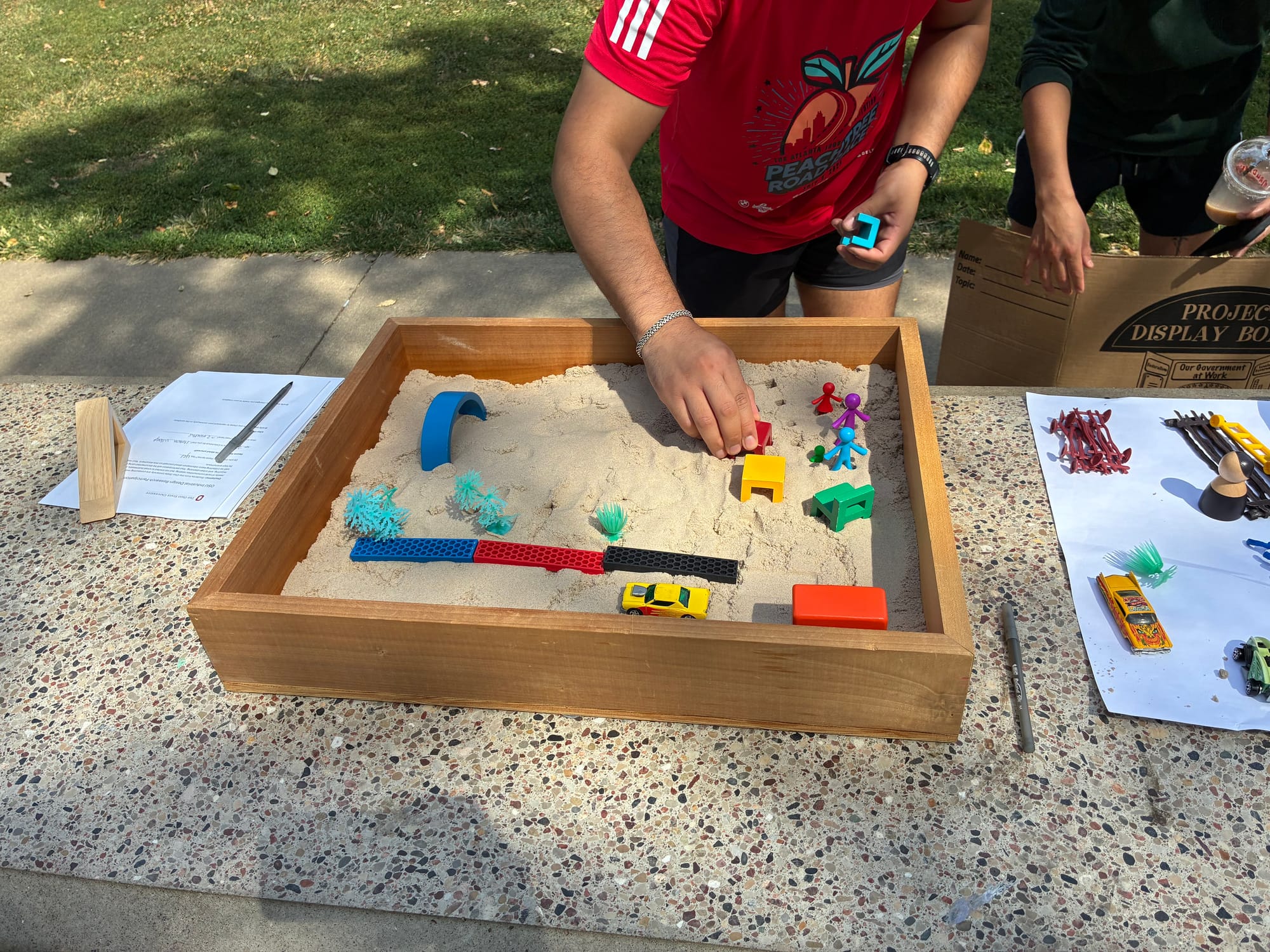
One person expressed the need for their community to be more inclusive of others. Two people made separate comments about traffic related improvements. One person who resides in the Brewery district, made a comment about the importance of historic preservation in her community.
The sandbox make method had a relatively low number of participants compared to the sample sizes documented at different hours. This may also be explained by the non-centralized nature of Goodale park; since people across the city visit this place, diverse communities will be represented in research. Clear trends could be revealed if the method was to be ran again with more participants throughout the day.
Problematizing
Plastic pollution is a symptom of over consumption and under-appreciation for the material world we inhabit. On the surface, this may seem like contradictory statements. The reality is that the modern world makes it easy to draw a line between human activity and nature - as if human beings are not a part of nature, ecology, and the future of the planet. Incentivizing better stewardship of plastic begins by recognizing humans as integral part of nature. This relationship ought to be celebrated, not minimized or degraded. Further still, if time and cost remain the biggest barriers for companies and individuals to recycle (Romuno, 2021), then a design solution to plastic pollution must impart value into a circular material system that is beyond utility and economy. How might a designer do this?
Prognosis
Waste, and the act of "throwing away" needs to be reframed as a positive and creative action that celebrates human culture. However, a design solution must not merely have the veneer of positive psychology; the outcome must also have a measurable reduction of plastic waste in landfills. The PolyCradle conjecture offers the most appropriate solution to this design space. The cradles are aesthetic alternatives to trashcans/waste bins, acting as holding cells for trash. The structures can be manufactured out of locally collected PLA scraps, and 3D printed to allow for complex, beautiful geometry that also fits well into the surrounding built environment. The cradles will feature many portals of different shapes and sizes, featuring debossed icons for materials like glass bottles, metal cans, paper, and plastic utensils. This automatic sorting process completes the work that many businesses wish to avoid. A slow, thoughtful interaction with these installations encourages the user to see the value and future potential in what they discard, instead of mere "waste."
References
Ambler, Frances. (2018). Story of Bau Haus. Ilex Press.
Anonymous. (1936). What Man Has Joined Together... , Fortune Magazine
Robertson, D. C. (2013). Brick by brick: How LEGO rewrote the rules of innovation and conquered the global toy industry. Crown Business.
Romuno, J. (2021, May 11). Is recycling worth it? A look at the costs and benefits of recycling. RTS. https://www.rts.com/blog/is-recycling-worth-it/