Op-Ed: Designing for Circles, Not Lines: Businesses as Catalysts for Sustainability
Overview
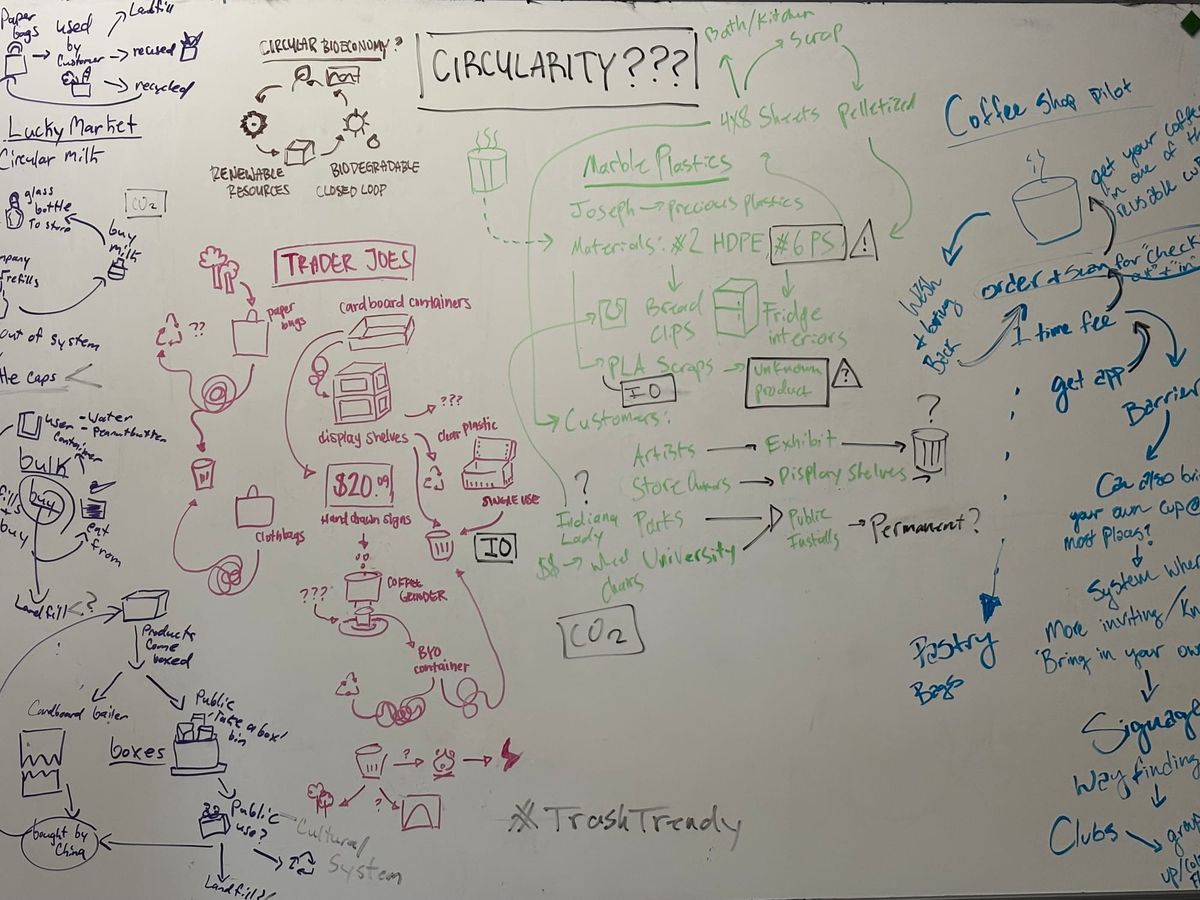
In the beginning of our research, the Local Loops team was, well, in a loop. The thing was, we didn’t really have a problem. There was no direction given. We had amazing partners and plenty of resources but no clue what was going on. All we knew was that circularity was important and that we had to do something about it using design. And so we set off. By “we,” I mean Chip, Cheyann, Jessica, and myself.
This project began by reading articles about recycling, sustainability, and community engagement. Then, the Local Loops team turned to our partners - the Neighborhood Design Center (NDC), Marble Plastics, and the Center for Design and Manufacturing Excellence (CDME) - to conduct site visits in order to properly understand how they connected to this project. We also carried out several other primary research methods, such as facilitating a making workshop and sending out a survey. At the end of our research, we independently diagnosed a problem and proposed possible directions to move forward. These ideas were then translated into design conjectures, each shaped by the different interpretations we drew from our research.
Understanding the Current Space
At the start of this project, I was encouraged to read articles from a plethora of topics. Even ones that are indirectly related to sustainability. These articles were grouped into 4 sections: Arts & Lifestyle, Science & Technology, Business, and Special Interest. From every section, I drew out a specific theme and later addressed them with design conjectures.
Plastic is Nuanced and Everyone Can Have an Impact
From my Art & Lifestyle articles, I had two main takeaways. One: There is a duality to plastic that is dependent on context and culture. And two: Small scale interventions can have a massive impact. In the United States of America, we are privileged enough to view plastic as a toxic enemy. For us, it is something we can use once and throw away because we know there are better and safer alternatives. This is not the case for everyone. Sometimes, a plastic container is a lifeline. To my second takeaway, individual actions can have lasting, positive impacts on the environment in the face of giant corporations. While big companies are often portrayed as the main destroyers, we are not helpless in fighting back.
There are No Good Plastic Alternatives
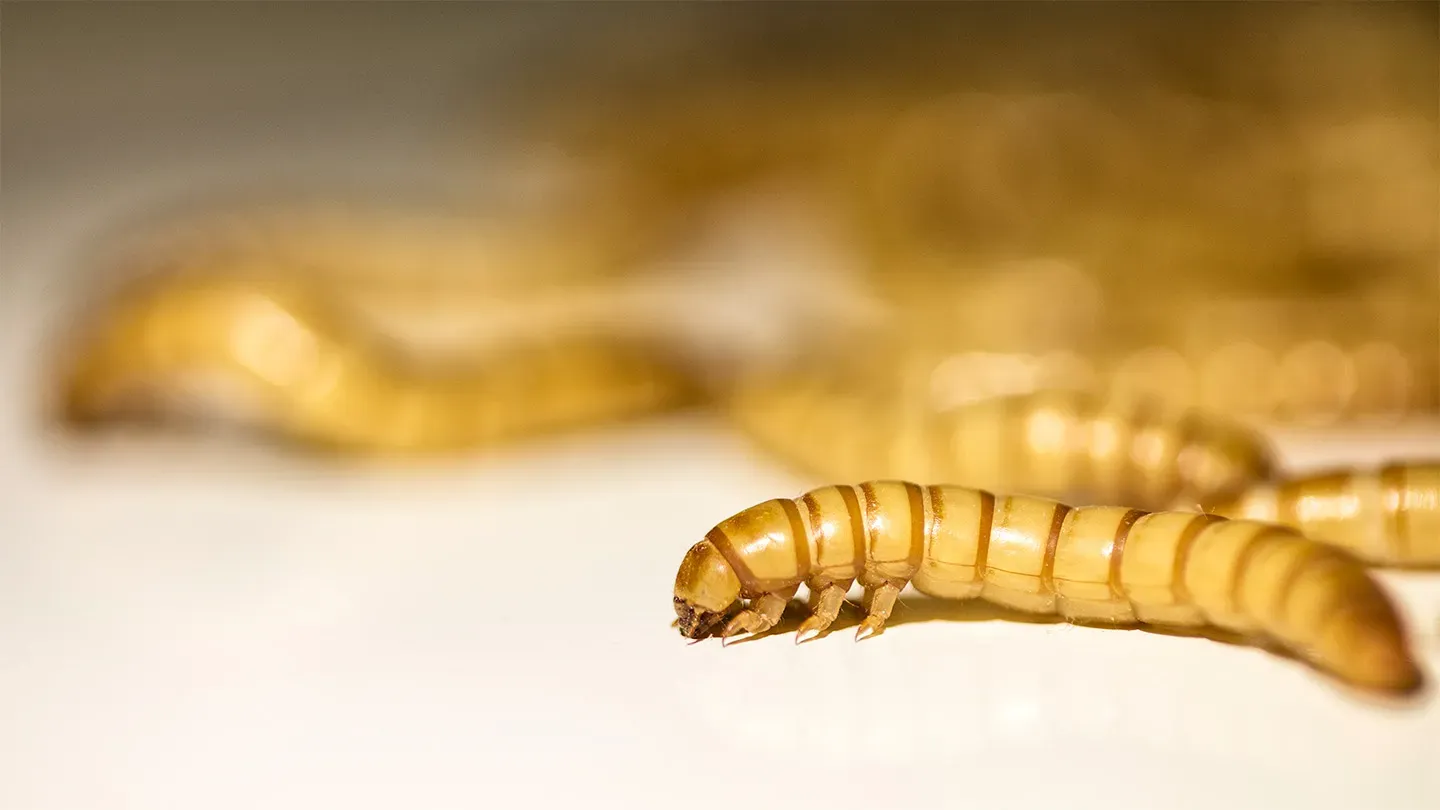
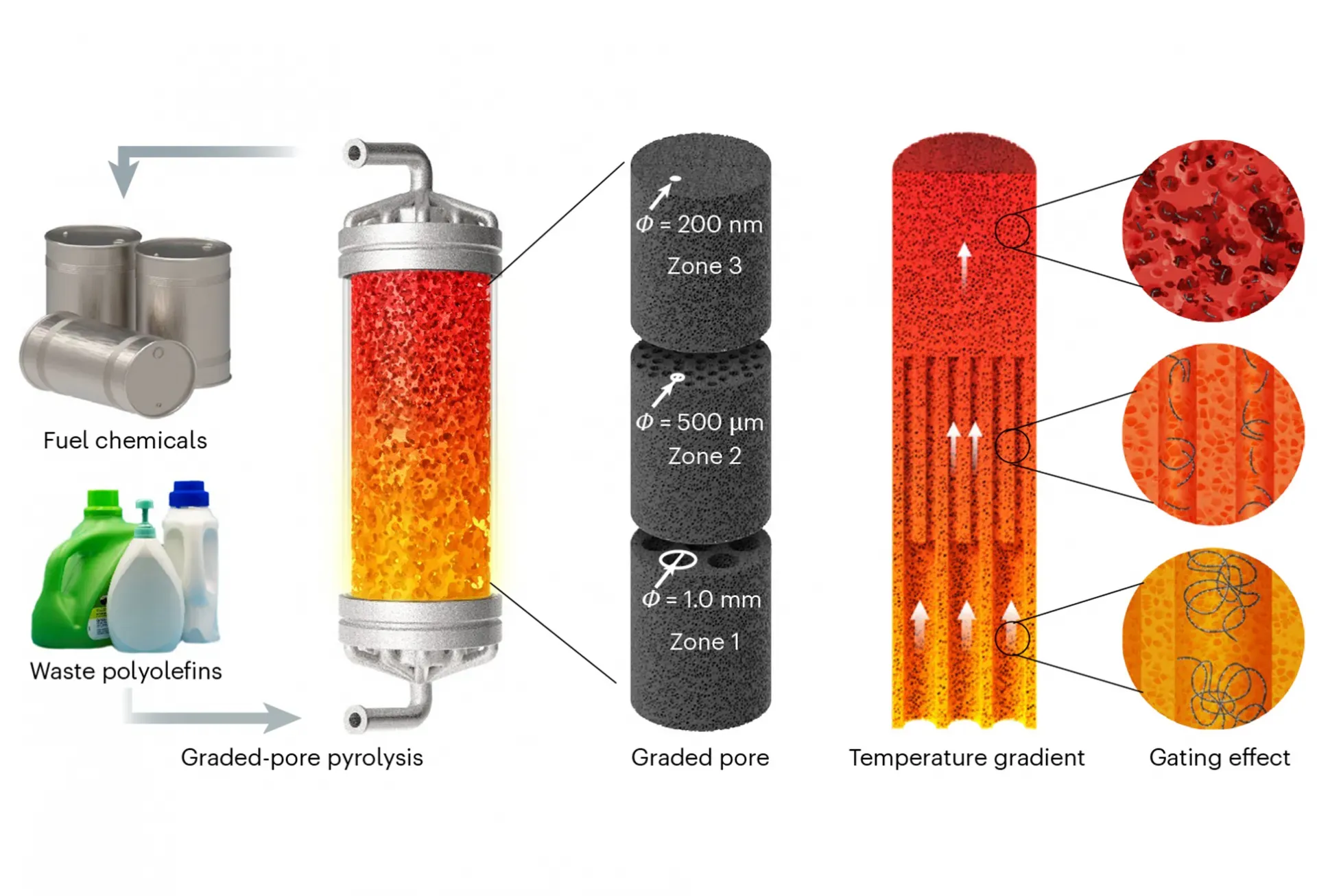
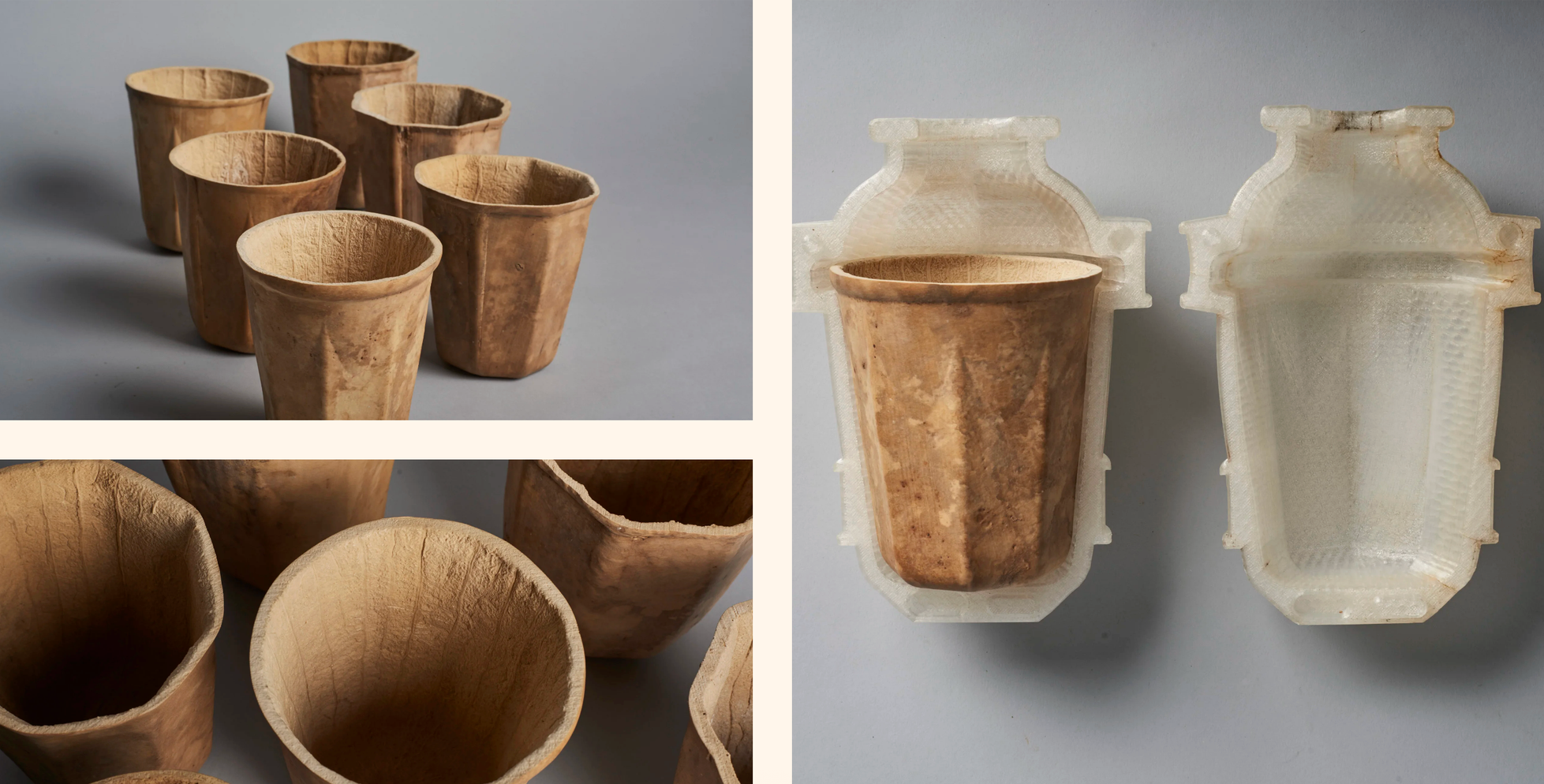
In my Science & Technology section, I specifically searched for good news. There are bugs that eat plastic, although not very fast (Milius, 2025). Researchers have developed a way to turn plastic waste into fuel (A device to convert plastic waste into fuel, 2025). There are bioplastics and plant-based containers (The gourd project). While this is great, I found myself having more questions than answers. What is the scalability of these alternatives? How fast can they be systematically implemented? Is this even a viable solution? There is the big issue of how our existing social/governmental systems around plastic will fit into this.
Recycling Does Not Happen Without Incentives
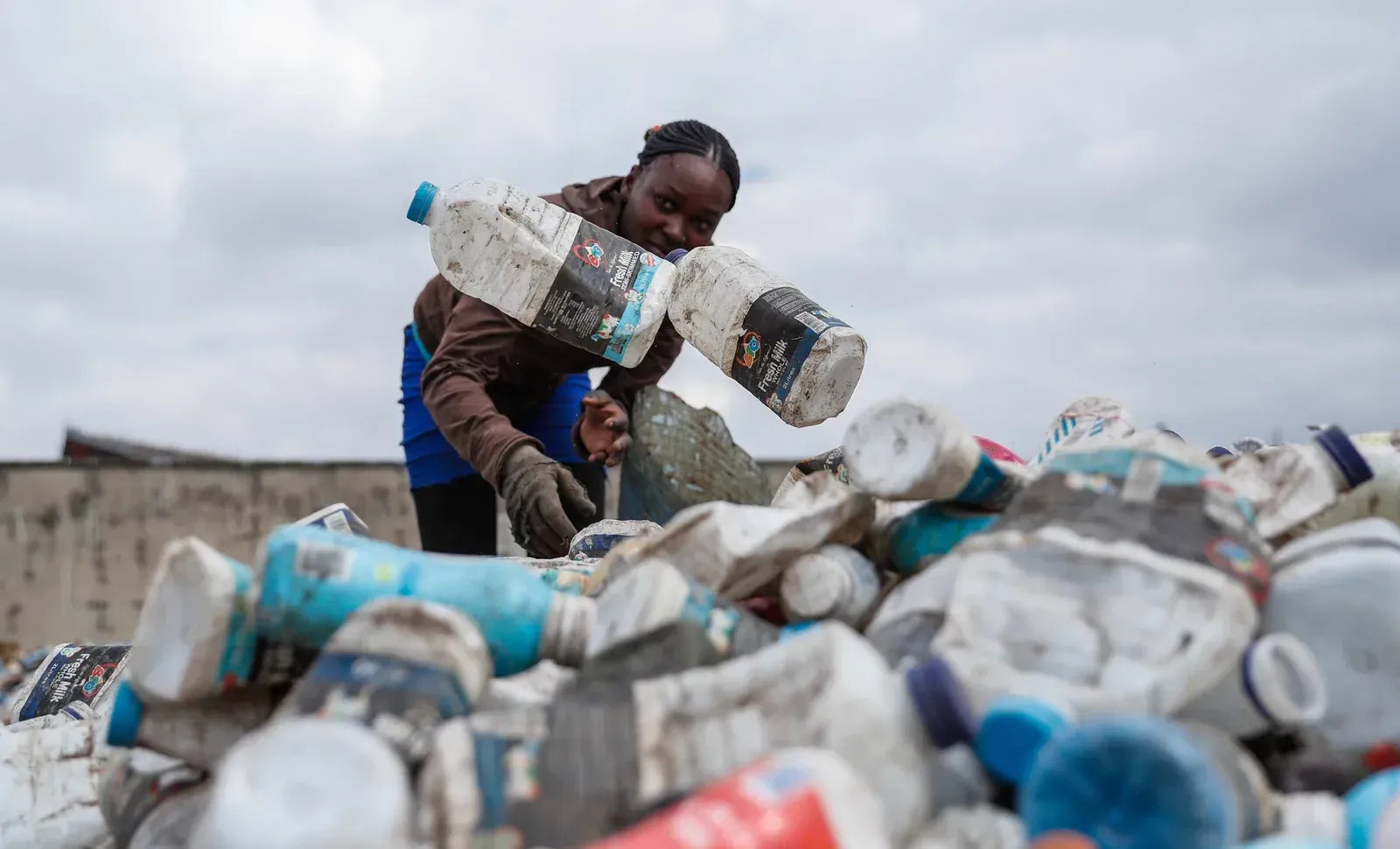
I hoped to answer some of these questions in my Business section as I dived deep into the history of recycling and plastic production. Turns out, everything we know about recycling is a lie. Sullivan (2020) provided a lot of great facts on how oil and plastic companies falsely advertised plastic products as recyclable when they knew - very well - that it’s not. Through lobbying the government, lying to the public, and exporting trash to the Global South, we have been lured by these companies into this false sense of security when it comes to the recycling capabilities of plastic. From a material standpoint, plastic is really not recyclable because it loses durability. But from a business perspective, it is quite difficult because it’s just not economical. “Making new plastic out of oil is cheaper and easier than making it out of plastic trash” (Sullivan, 2020). This is the sad reality of capitalism. Very few people are willing to lose out on profit when there is a cheaper option.
Plastic is Everywhere and We Don't Even Know It
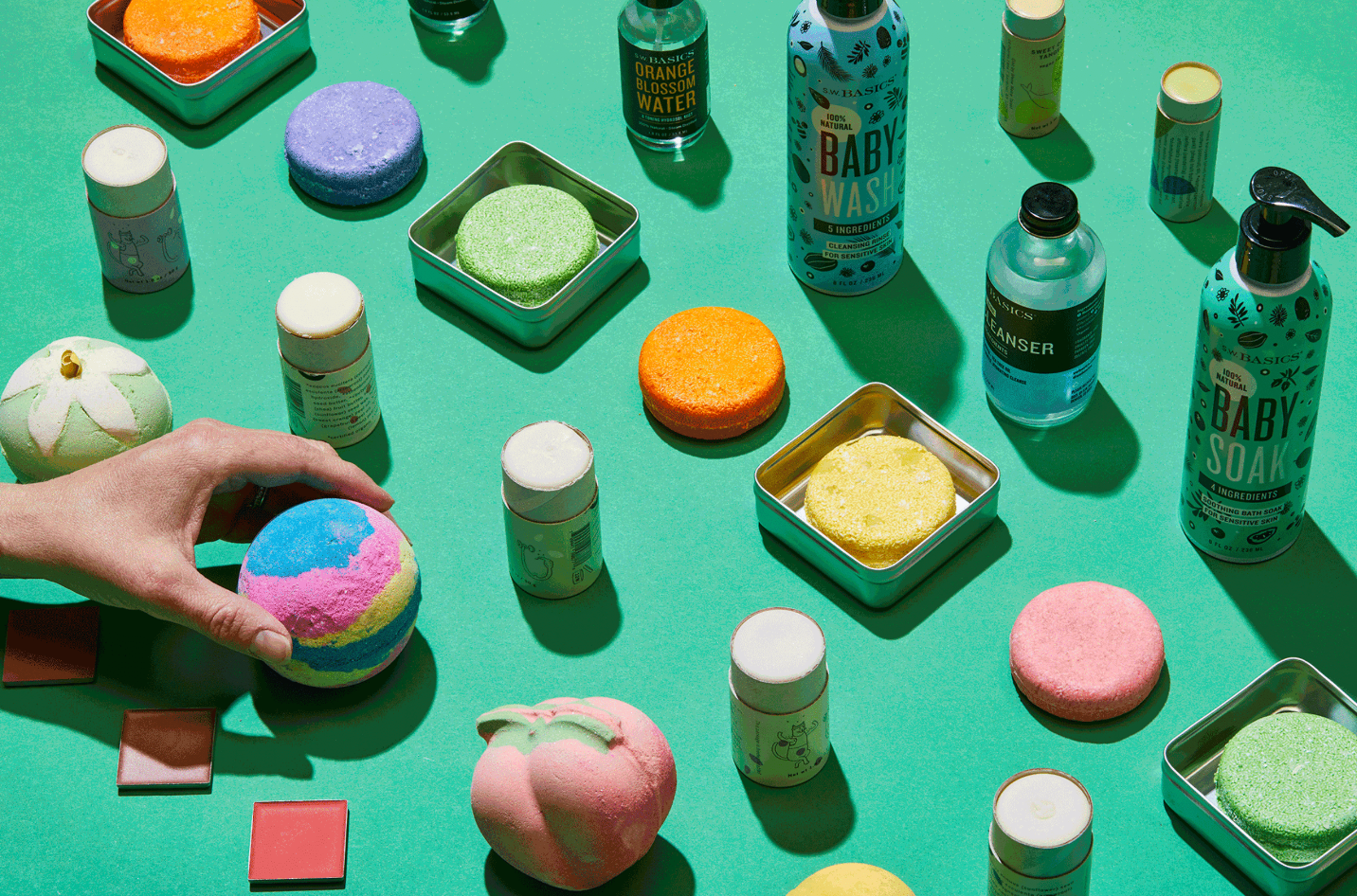
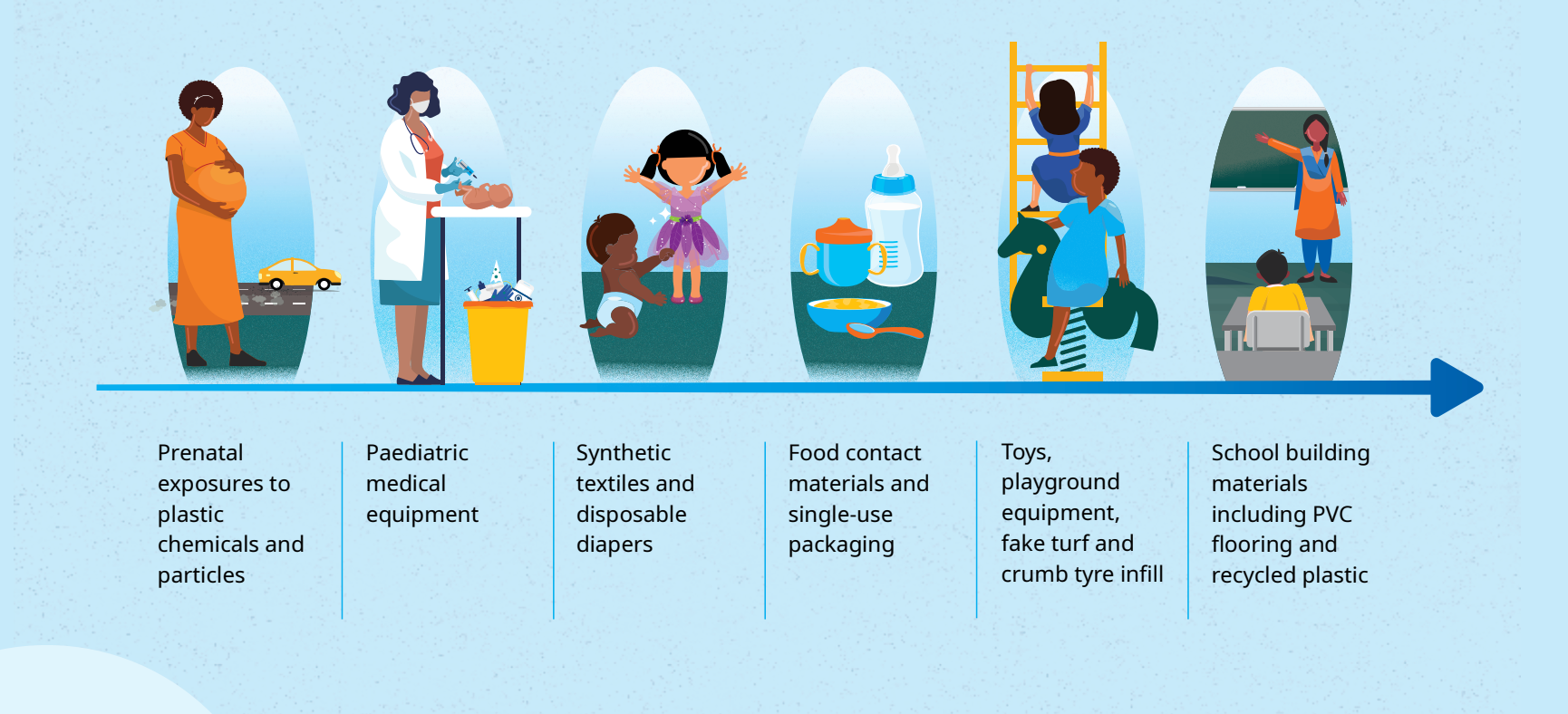
For my Special Interest section, I focused on the intimacy of plastic. Not only is it closely tied to our identity (such as gender, class, and ethnicity) but it is ingrained into our culture and psyche. After synthesizing several articles, I found it especially important to ask: who is doing the recycling? Who is contributing to the circular economy? Who is in constant, intimate contact with plastic? And what do these answers reveal about the social reality that we live in? From Shakuto et. al (2024), I found that “consumer recycling can only be successful if unpaid labour, particularly the domestic labour of women in households, is co‐opted in sorting and warehousing most of the plastic waste before it is picked up by waste collectors.” And from Borunda (2025), who writes on the history of plastic and the beauty industry, "The booming $500 billion per year global personal care industry relies on plastic.” Also, think of the children! "When it comes to plastics, young children also use different plastic products compared to adolescents and adults: disposable diapers, baby bottles, plastic toys and packaged baby foods are marketed specifically at infants and young children" (Generation Plastic, 2024). We often forget how plastic has actively shaped our childhoods. So much so, that we are completely indifferent to plastic products in our adult lives. When thinking about how closely plastic is tied to who we are and how we live, I want to make sure that anything I propose for this project does not exacerbate existing systems of oppression. It needs to be designed with an intersectional lens, local to the area, and nuanced to allow for diverse cultural practices. It should promote equitable access rather than reinforcing the same inequities that plastic has come to represent in our everyday lives.
Experiencing Circularity Up Close
Unlike the secondary research, which we completed individually, Chip, Cheyann, Jessica, and I carried out our primary research as a team. Our goal was to explore different points in the circularity system - recycling, production, markets, waste, and donation. Unfortunately, Rumpke - central Ohio's main trash and recycling service - never got back to us and my connection to a local shelter that handles donations did not make it in time to be in this op-ed. Even so, we investigated existing examples of circularity, community needs, local businesses, and the issue of microplastics.
Site Visits
Between September 2nd and September 20th, the Local Loops team completed seven site visits. Here is what we learned:
- CDME: It is very hard to recycle 3D printing waste.
- Marble Plastics: “Recycling is not the answer” - Joseph Klatt. We can stop plastic from entering our environment by reincorporating it into our furniture, art, and homes.
- Kut City Barbershop: It is valuable to follow up with your client. Context can change everything. People can be unpredictable but it is better to embrace it, and not fight it.
- Walnut Creek Farm: Circular economies are easier when it is small. The more people there are, the harder it is to break free from single-use items.
- Central Ohio Reuse Coalition: Not all circular systems are accessible. Pay-walls, apps, and other inconveniences can seriously affect participation.
- Lucky’s Market: There are some circular systems available to the public but they still exist under capitalist business models that prioritize the bottom line. Some parts of the business may do well recycling and reclaiming, but it can also still promote single-use plastics.
- Trader Joe’s: Branding and visuals will go a long way in encouraging participation and fostering community values.
Make Method
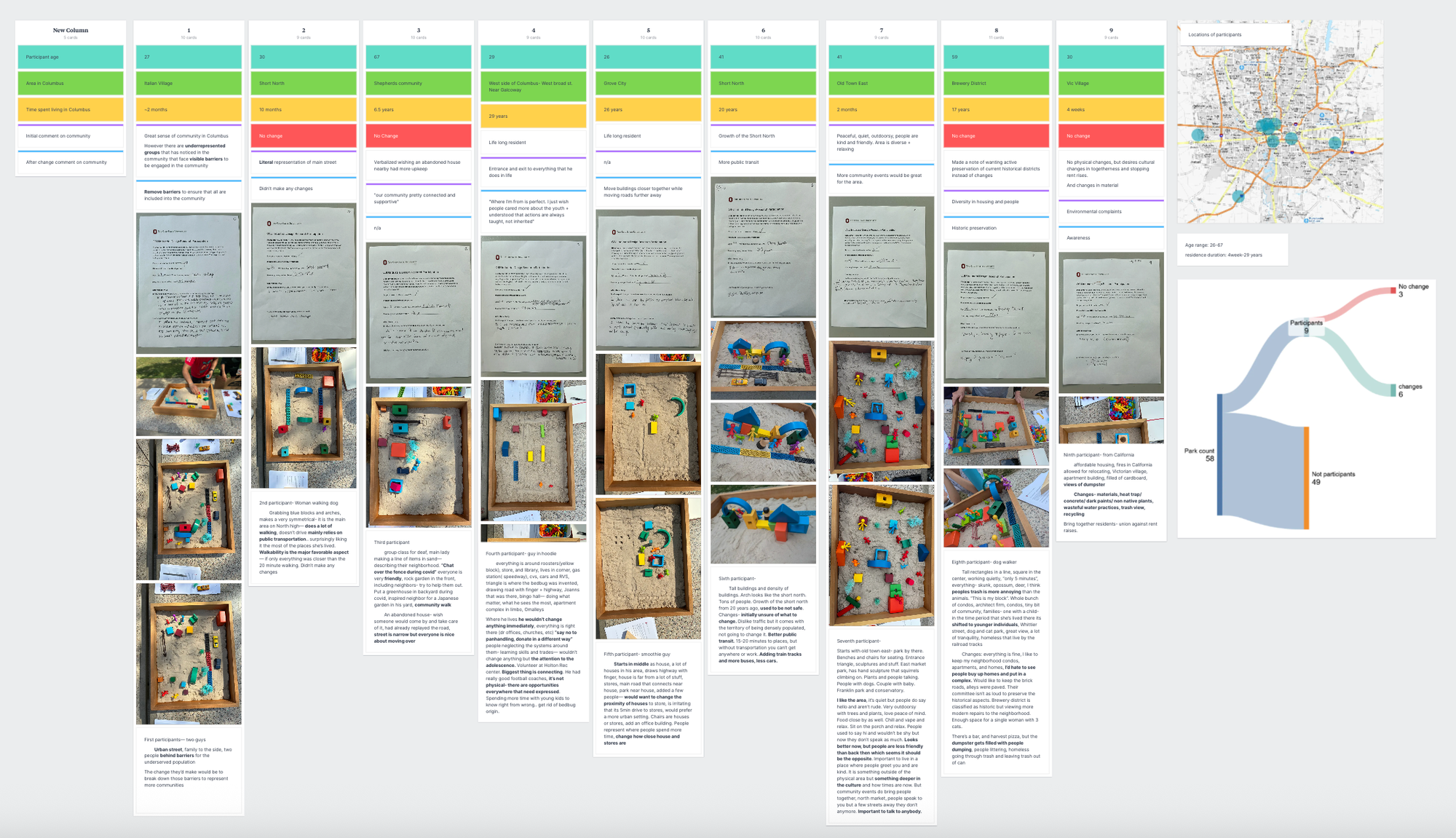
During our make-method at Goodale Park, we focused on community needs. A make-method is a type of participatory design that asks participants to "make" things that represent something. In our case, we asked them to create their neighborhood using wood blocks inside of a sandbox. We then asked them to make their idea of a perfect neighborhood and we compared the changes. Although we didn’t have any significant conclusions, I was surprised to see how strongly people felt about their neighborhoods when given the time to reflect. Our nine participants all had a lot to say - both positive and negative. I think people are more receptive to their environment than they realize. I’m not sure how this affects my project yet, but this was probably the most enjoyable research method we conducted.
Interview
Our last bit of research was an interview with microplastic researchers Dr. Lenhart and PhD candidate Megan Jamison from The Ohio State University. They and the rest of the researchers at the Environmental Surface and Colloid Processes Laboratory are investigating how microplastics go through water treatment facilities. We learned that we don’t know much about microplastics or how it affects our health. There is a big, gaping hole in plastic research but they said that if we want to solve this problem, it starts with waste management and knowing when to use plastic.
Survey
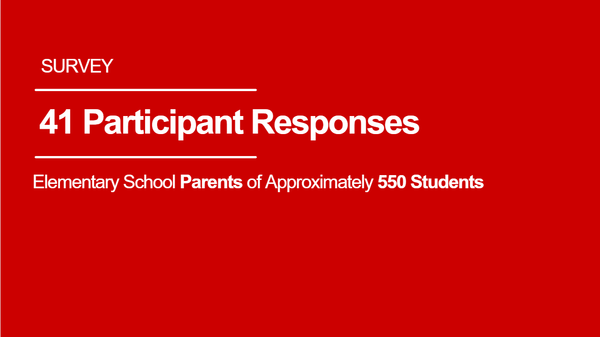
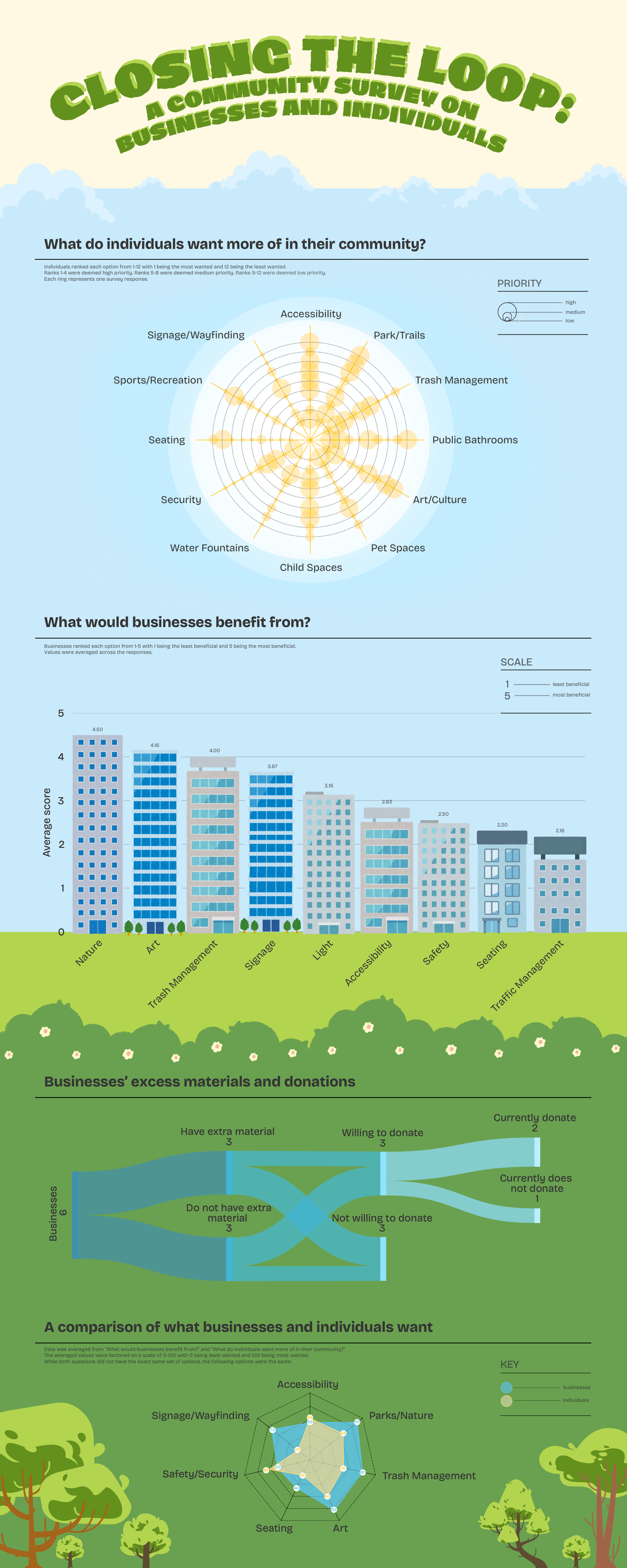
I’ll be honest, the survey was a pain in the butt. A lot of our respondents did not complete the full survey. Qualtrics also was not able to show or analyze our results. We had to export the raw data onto an excel sheet and manually sort through the responses. However, we were able to draw a few insights from it.
- Businesses do have excess materials. Some of them donate and some don't.
- Businesses and individuals both want more nature, art, and trash management in their community.
- People do care about the environment and it is an incentive in itself to recycle.
Below is my infographic:
View more here.
Design Conjectures
Finally, the moment you’ve been waiting for has arrived: what can design actually do about all these problems? In the design world, a conjecture is a speculative idea - not a finished solution, but a way of imagining possibilities based on what we’ve learned. It’s a tool for understanding the issue and testing how design might address it. So before I jump into my conjectures, let's frame the problem given all the research we just did.
FYI, while the Local Loops team conducted our primary research and survey together, we each have separate diagnoses and prognoses for this project.
My Diagnosis of The Problem
For the scope of this project, there are things we cannot change, right? I’m talking about the history of companies lobbying the government, how America exports its trash to poorer countries, and our market system of capitalism. Those things aren’t going to be solved by any one project (and definitely not this one.) But I do see opportunities for how design can address the symptoms of these problems.
Symptom #1: There is a lack of support and incentives for businesses to recycle.
Symptom #2: We live in a culture of over-consumption as plastic permeates through our daily lives without us realizing it.
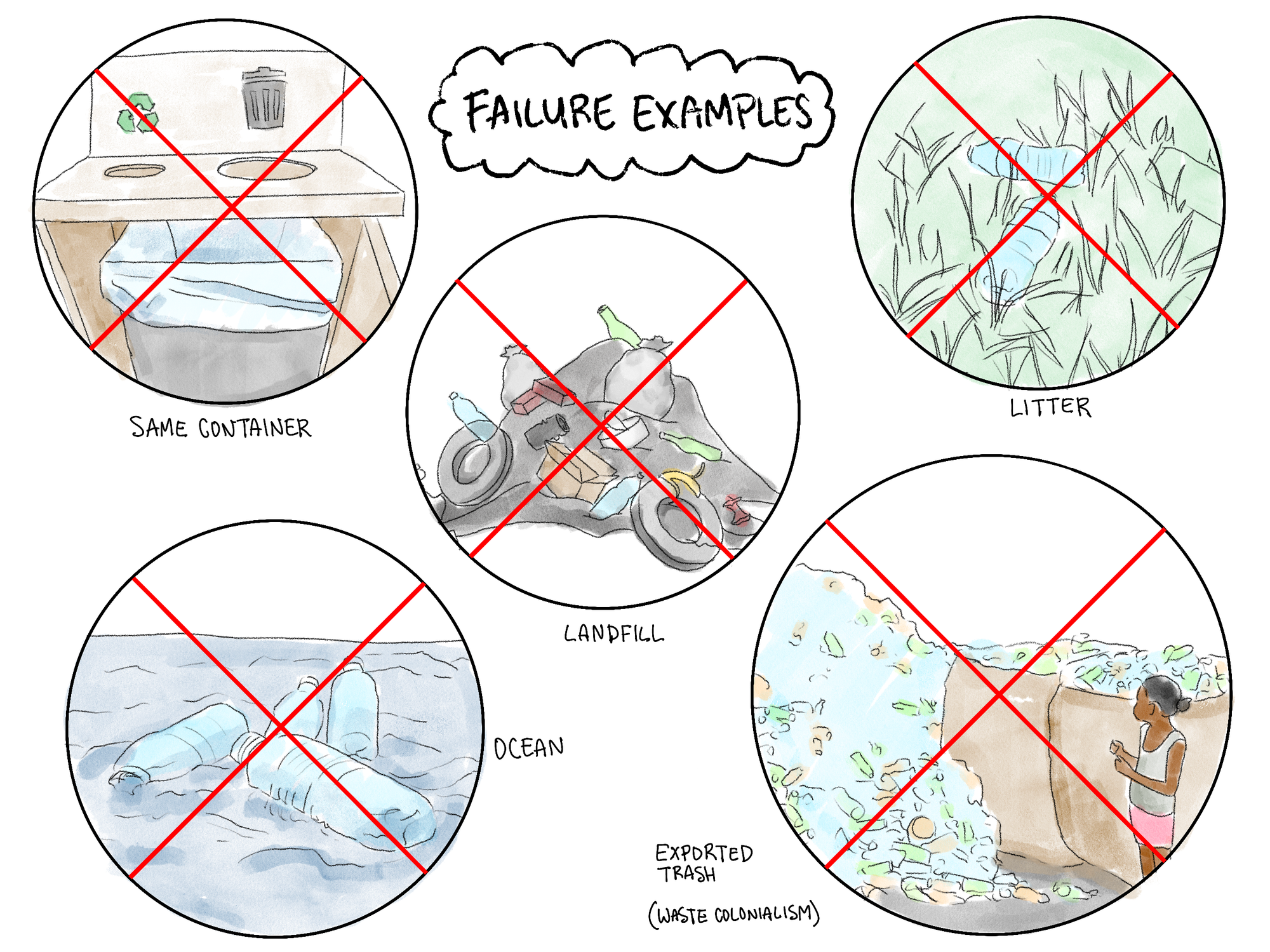
Symptom #3: Plastic/recycling is inherently tied to poverty and waste colonialism, and not enough people realize this.
Symptom #4: As of this moment, there are no viable plastic alternatives or incentives to create one.
My Tentative Prognoses
For each symptom, I created a conjecture that directly addresses it.
Re:Matched
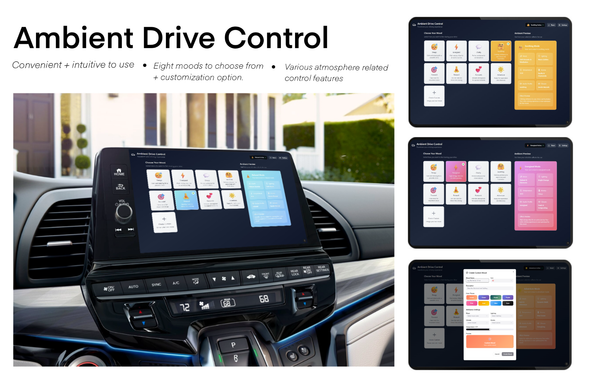
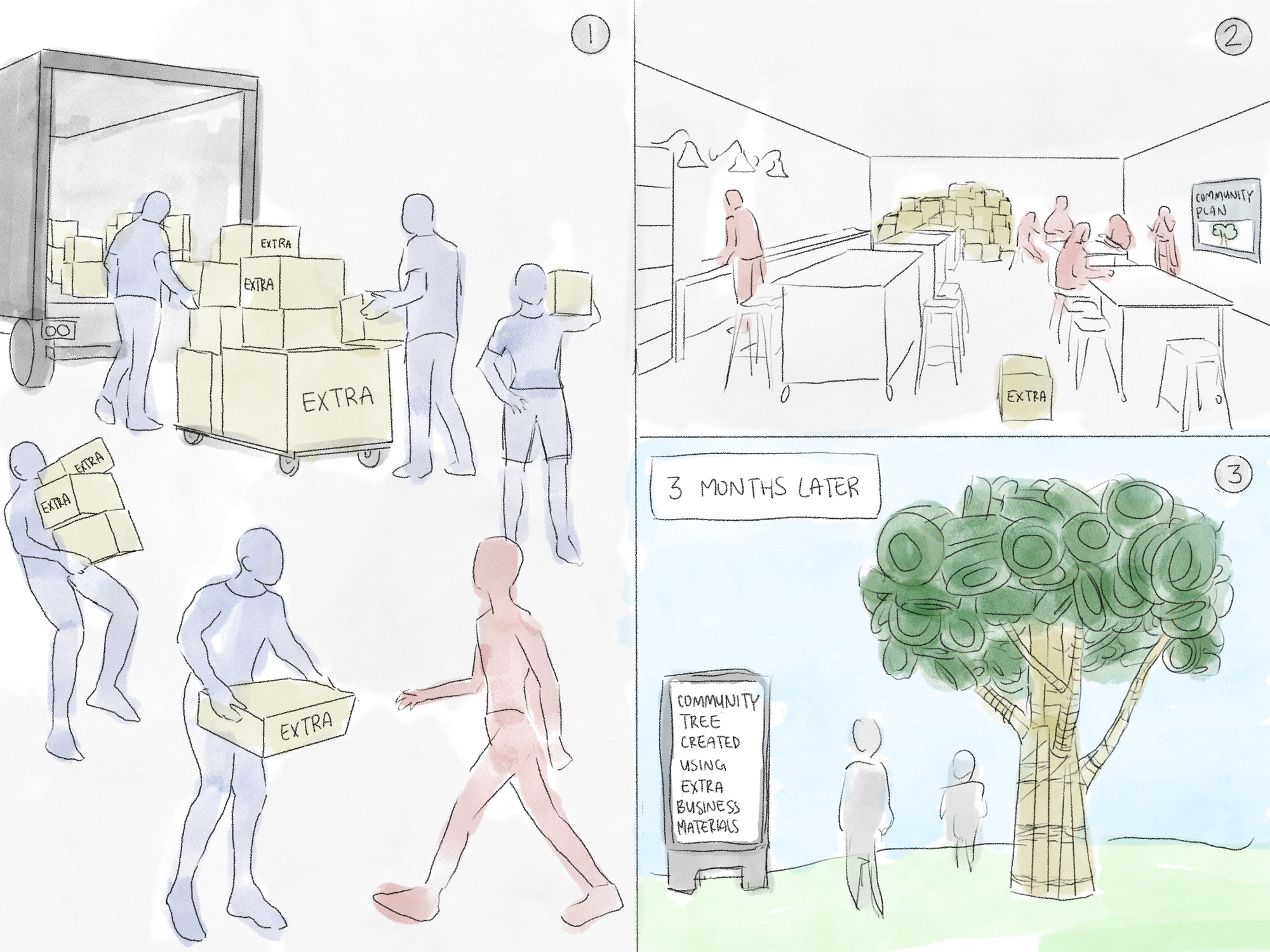
Addressing the first symptom related to business incentives, I propose Re:Matched, an online system that allows businesses and maker spaces to collaborate, reuse materials, and better the community. By relying on each other to meet community needs, hopefully this business plan will inspire people to work together and use materials more efficiently.
Plastic Wrapped
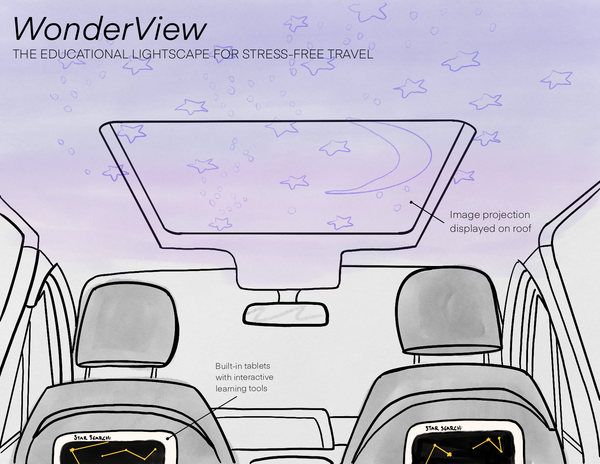
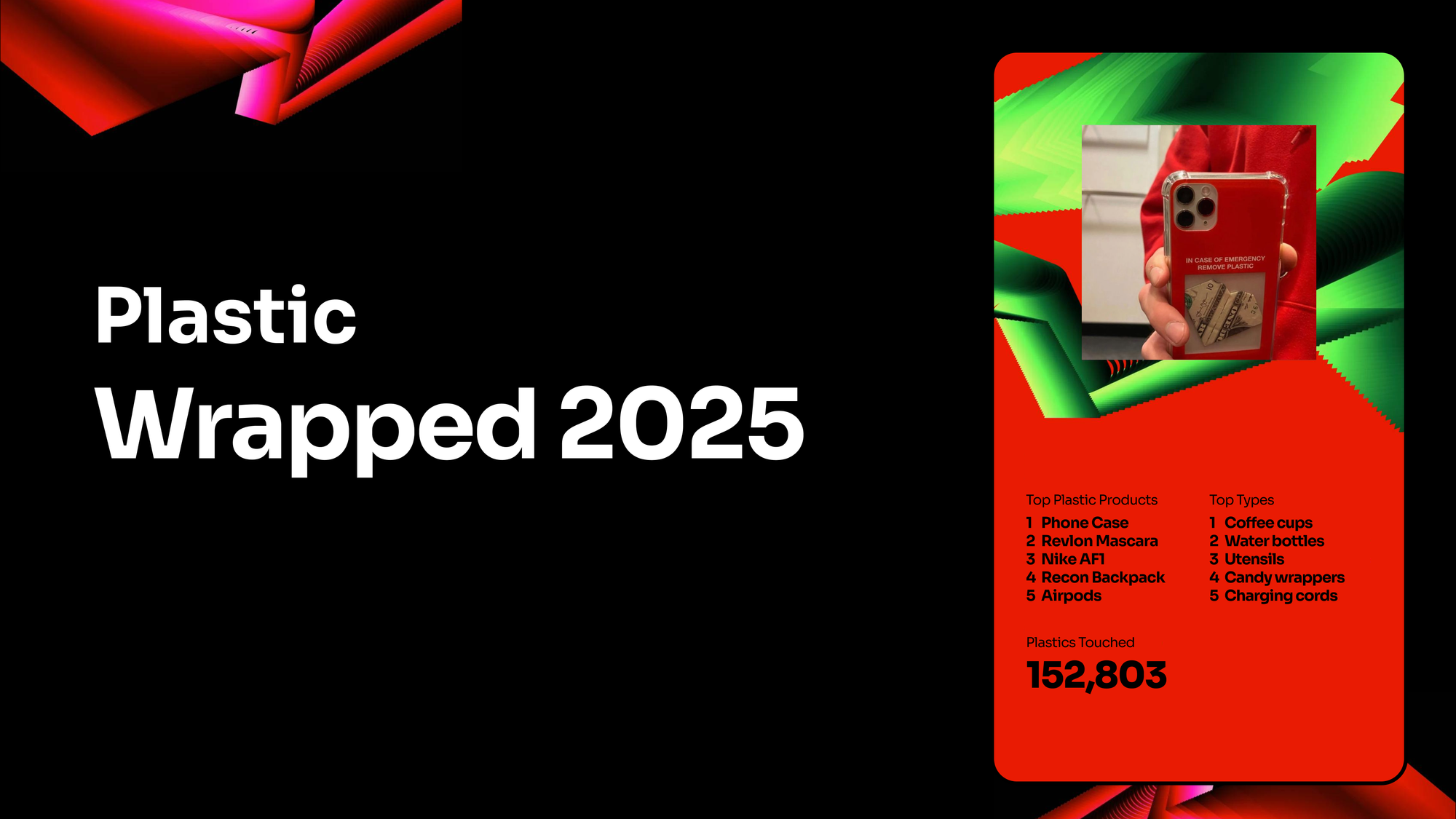
Plastic Wrapped, like Spotify Wrapped, tracks your plastic usage over time and allows you to compare your data with other people to better understand how social differences contribute to experiences on plastic. I created it with the hope that it could allow users to reflect on their own plastic consumption and how consumerism affects their day to day lives.
The Plastic Trail
When it comes to waste colonialism, I came up with The Plastic Trail, a spin off of the game The Oregon Trail. Through screens, players experience all the ways their plastic water bottle does not end up being properly recycled. It is meant to raise awareness on unethical recycling practices, privilege, and how plastic is a part of an oppressive systemic structure.
Unplastic Expo
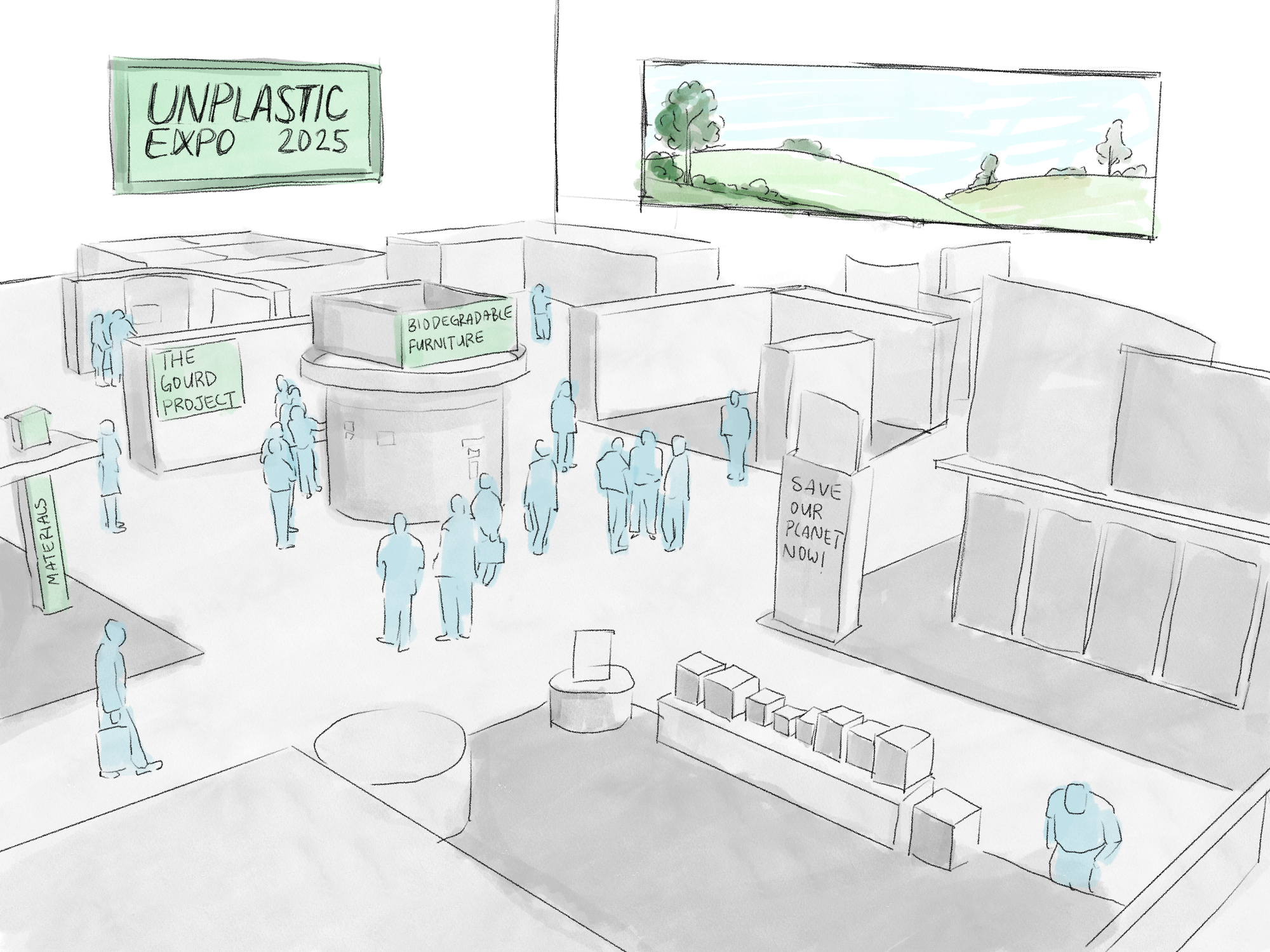
Unplastic is a design/tech expo meant to promote research into alternative materials. Researchers, start-ups, designers, and climate scientists can all meet up to share knowledge, get connected, and better our understanding of plastic alternatives.
Final Thoughts
What these conjectures have in common is that they expose a clear market gap: the lack of systemic support, awareness, and incentive around circularity and sustainable practices. Right now, responsibility is scattered - individuals are told to recycle, while businesses experiment with “green” initiatives. But without a coherent system, these efforts fall short.
I believe design should step into this gap. Not as a band-aid or a marketing strategy, but as a driver of new business models that make circular systems profitable, practical, and accessible. Design must create structures that help businesses reimagine waste as resource, and in doing so, invite consumers to participate in a culture where circularity is the norm, not the exception.
Circularity will not happen by accident. It will only happen if we design it into our economies, our communities, and our daily lives. That is the stand we must take.
References:
A device to convert plastic waste into fuel. Yale Engineering. (2025, July 23). https://engineering.yale.edu/news-and-events/news/device-convert-plastic-waste-fuel
Beadle, A. (2025, July 22). Biodegradable bioplastic designed to tackle deep sea plastic pollution. Applied Sciences from Technology Networks. https://www.technologynetworks.com/applied-sciences/news/biodegradable-bioplastic-designed-to-tackle-deep-sea-plastic-pollution-402599
Borunda, A. (2025, July 30). The beauty industry generates a lot of plastic waste. Can it change?. National Geographic. https://www.nationalgeographic.com/environment/article/beauty-personal-care-industry-plastic
Milius, S. (2025, March 17). Here’s how long it would take 100 worms to eat the plastic in one face mask. Science News. https://www.sciencenews.org/article/worms-eating-plastic
Moyer, M. W. (2025, July 29). I Left a Plastic Water Bottle in a Hot Car. Is It Safe to Drink? . The New York Times. https://www.nytimes.com/2025/07/29/well/eat/plastic-water-bottle-health-microplastics.html
Sullivan, L. (2020, September 11). How big oil misled the public into believing plastic would be recycled. NPR. https://www.npr.org/2020/09/11/897692090/how-big-oil-misled-the-public-into-believing-plastic-would-be-recycled
Shakuto, S., Yeoh, B.S.A., Reynolds, D., Rahadini, I.A., Tan, Q.H. and Pang, N. (2024), Household Plastic Waste Management and Gender Dynamics in Circular Economies. Sociology Compass, 18: e70023. https://doi.org/10.1111/soc4.70023
Sherlock, R., & Arrasmith, C. (2025, July 29). This underwater sculpture garden protects Italian fishing grounds. NPR. https://www.npr.org/2025/07/29/1256371479/this-underwater-sculpture-garden-protects-italian-fishing-grounds
The gourd project. The Gourd Project. (n.d.). https://www.thegourdproject.com/
United Nations Children’s Fund, Generation Plastic: Unpacking the impact of plastic on children, UNICEF, New York, 2024.