Op-Ed: Local Loops

This Local Loops capstone project addresses the environmental issue of plastic waste, specifically post-consumer plastic such as single-use items and 3D printing scraps. By working with a community driven circular economy model, centered locally within the Central Ohio area. The initiative explores how design can expand the end-of-life for plastic items and encourage local empowerment by turning waste into functional public assets.
The outcome of my Local Loops Capstone will likely reflect this balance: a hybrid model that incorporates community-specific needs, emphasizes material integrity, and resists being swallowed by the profit-first mindset that dominates American industry. My goal is to design something that not only makes waste useful, but makes sustainability visible, tactile, and meaningful.
Stakeholders include; the Columbus Neighborhood Design Center (CNDC) who focuses on beautifying initiatives for underrepresented local communities, Ohio State’s Center for Design and Manufacturing Excellence (CDME) whose exploring practices in collecting/recycling PLA plastics, and recycling company Marble Plastics who manufactures sheets of plastic material for specialty uses. the Local Loops team is exploring how design can intervene in existing waste systems and generate community-based solutions.
Understanding the Problem Space
Local loops team including, Jessica Angst, Chip Orban, Sophie Chu, and I, conducted primary research methods that include digital surveying and make methods.
From a business lens, I learned that recycling programs can succeed, especially when driven by innovation. Lego, for example, has transitioned towards sustainable practices and recycle-made products. This year they have reached “...a record on net profit,” suggesting that sustainability and commercial success are not mutually exclusive (Whitten).
Yet, incorporating circular recycling methods into the current culture is not simple. Companies like Amazon send tens of thousands of products to the landfill weekly because it seems more beneficial to function this way. In fact, Amazon is willing to find ways around the law to continue these practices, such as forcing workers to cut clothing so it can be legally destroyed (Abelvik-Lawson).
Even individual consumers, while approving of recycled products in concept, fail to buy these products because the materials are associated with inferior quality. Products made from recycled plastic are often generalized as lighter in color and speckled in texture, characteristics that unfortunately lead to negative perceptions, despite no evidence that these materials are less reliable (Polyportis). It is clear new boundaries need to be broken to shift this public opinion and raise awareness.
But what could these groundbreaking solutions look like? Public art installations have been shown to increase neighborhood pride, improve safety, and encourage economic growth (Young). The Arts and Culture literary reviews give insights on this picture, connection to community, and why the visuals are important. Designers like Andrew Ashey highlight the power of playfulness and curiosity in urban environments.
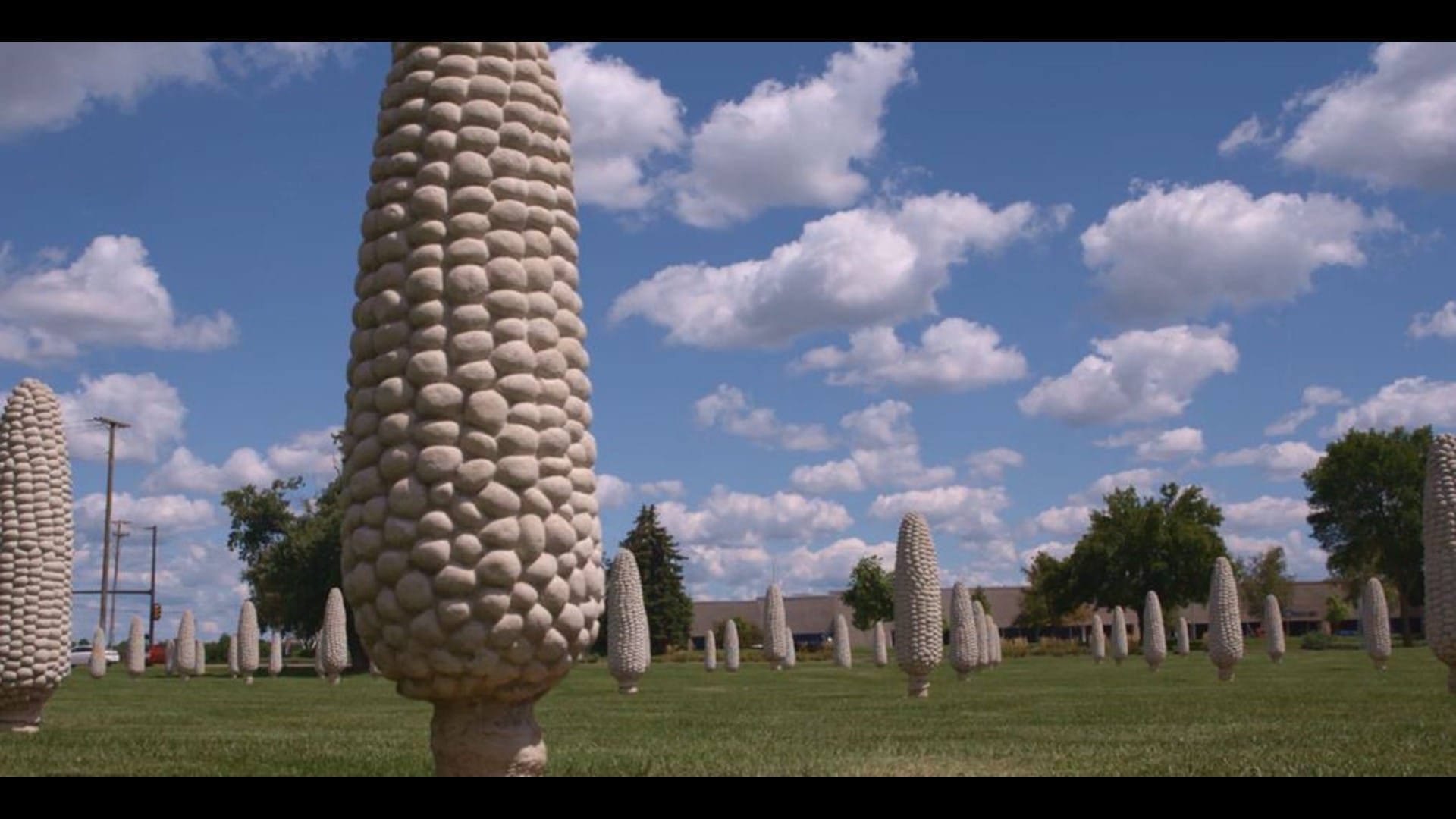
Art installations like the Dublin corn sculptures serve as successful examples of central Ohio art projects. The piece celebrates local identity and shows a possible use case for recycled materials (Associated Press). Recycled plastics could create something equally meaningful for our neighborhoods.
Other innovations inspire my approach to take on out-of-the-box thinking and a creative outlook. For example, industrial waste is transformed into resources by a Dutch company that recycles wind turbine parts into housing, parks, and benches (Cairns).
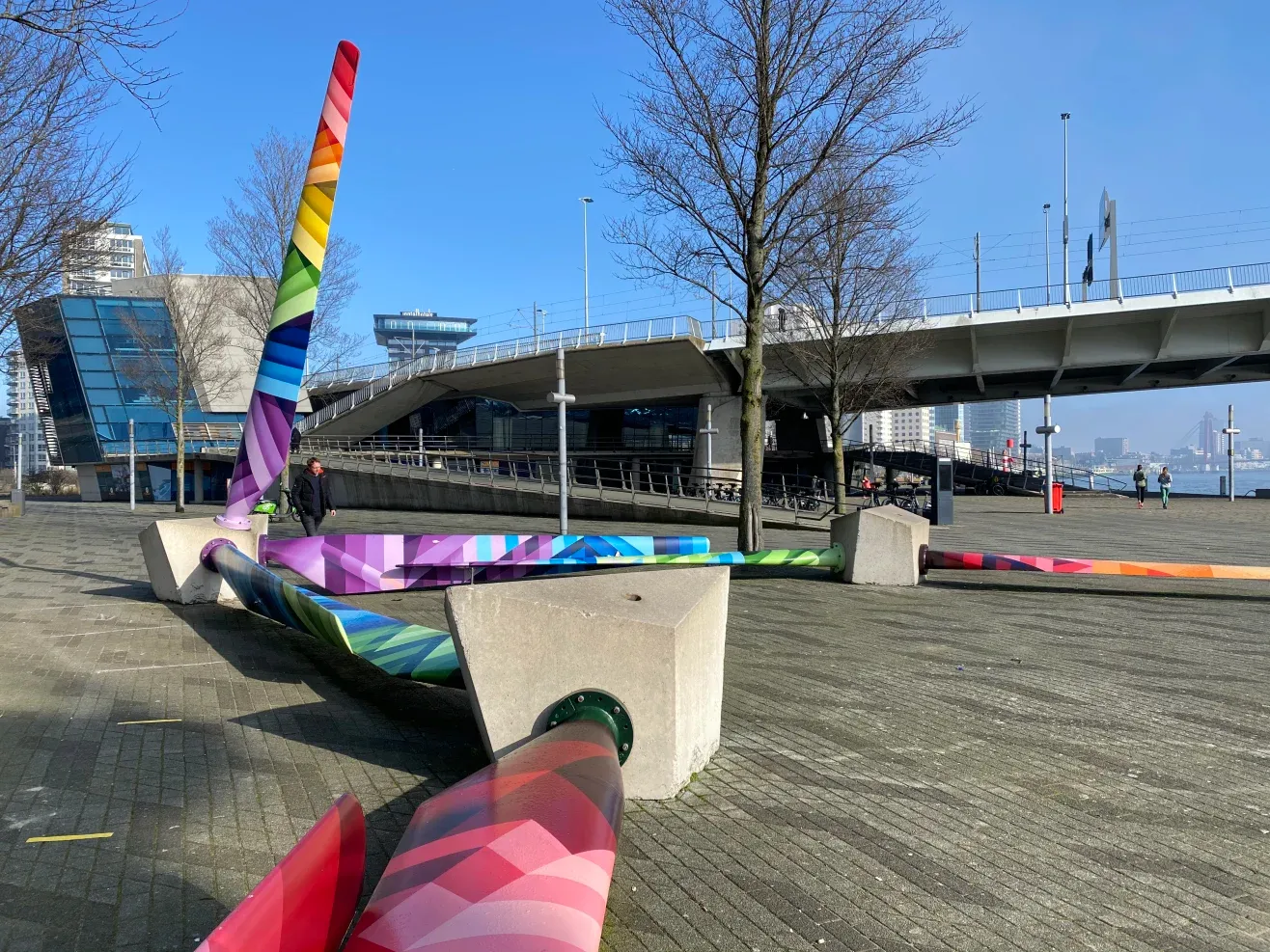
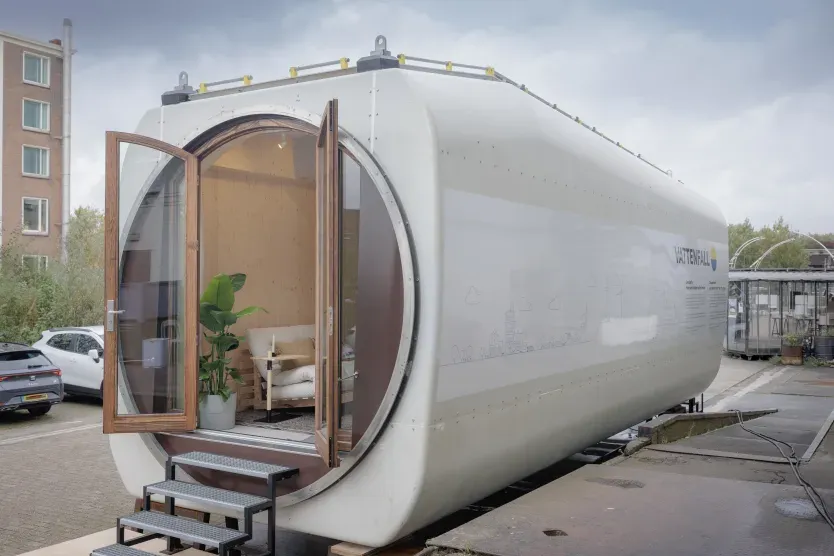

Superuse Studios Wind turbine projects (Jorrit Lousberg/Blade-Made)
Additionally, designer Jolie Ngo has a vibrant style fueled by identity and playfulness, all attributes I think have an important place in my outcome. Her work influences me to embrace the unique qualities of 3D printing and plastic as a medium to highlight texture and color as features instead of flaws.
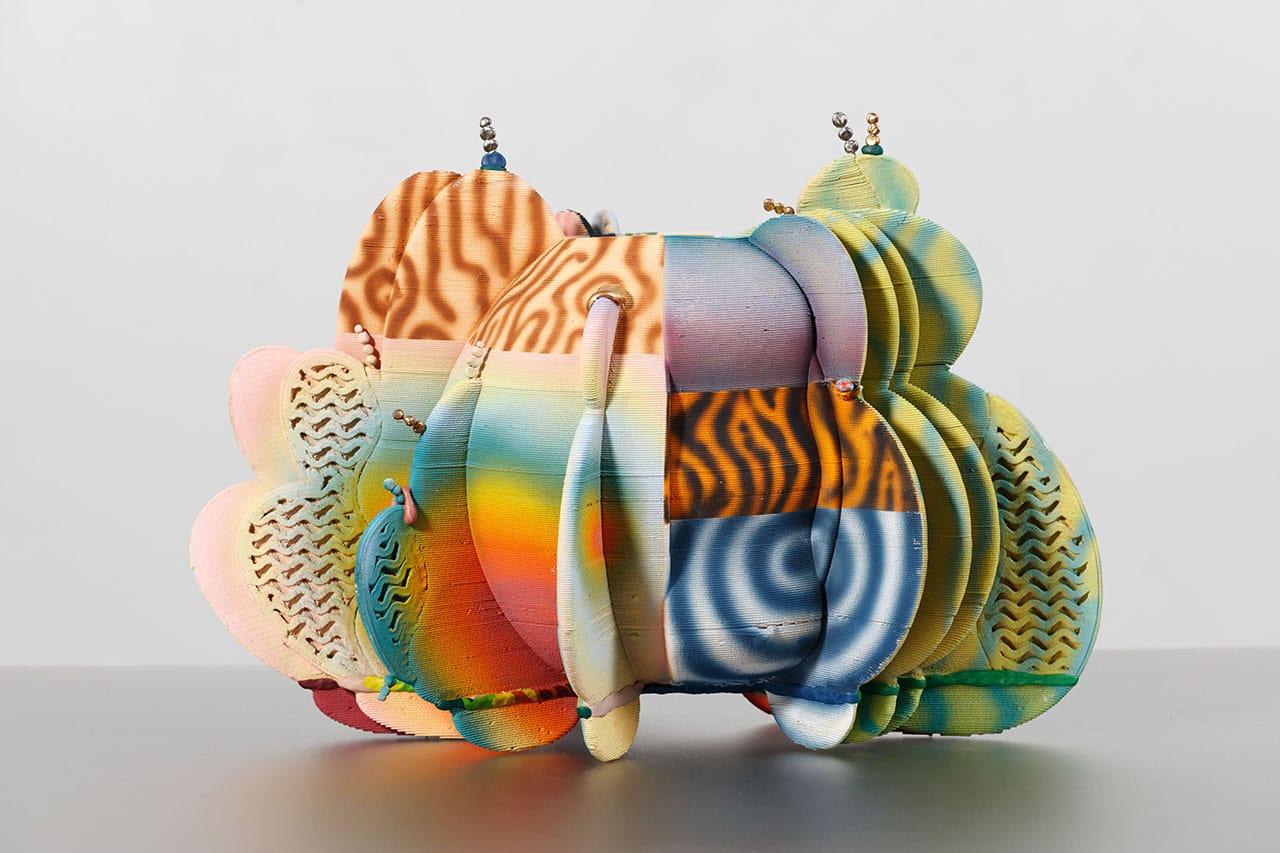
Lantern Vessel in Collage, 2024 \ Stoneware, glaze, PLA plastic, epoxy, wire, luster \ Photo: Logan Jackson
The Science of Plastic and Impact
The science and technology articles show an emerging circular economy within the process of handling plastics. Sea robots are collecting ocean litter (Cordis), and a new process has been discovered to convert polypropylene, which usually holds scent and impurities, into virgin-like pellets for production (Cook). These exciting advances in litter collection and recycling make full circularity theoretically possible and eliminate the need for more plastic production.
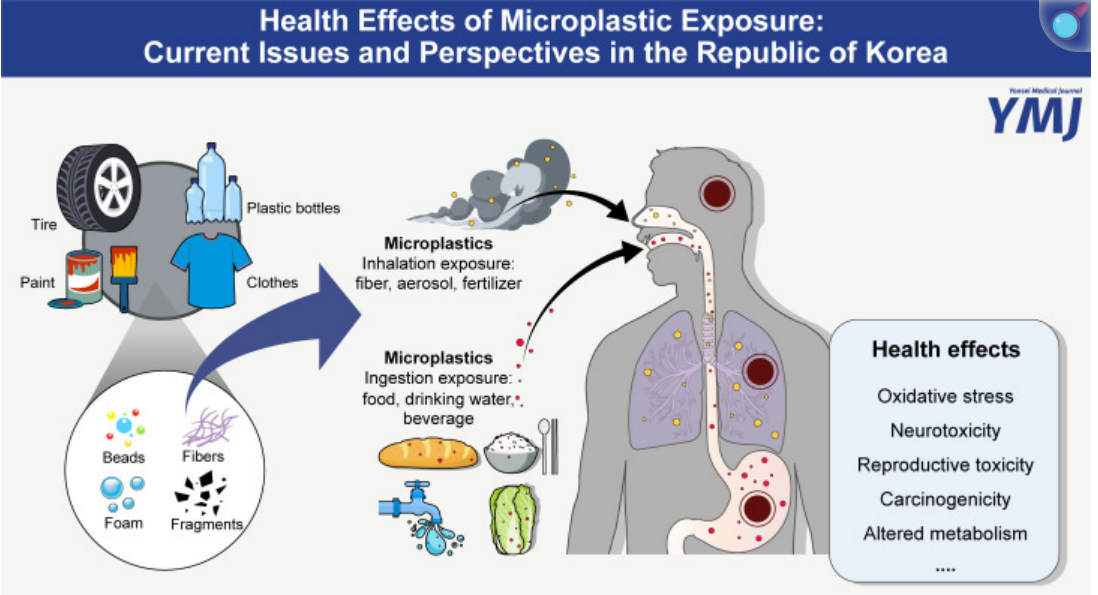
My special interest within this project is on environmental and health impacts of microplastics. While some discourse exaggerates or minimizes microplastic effects, the truth lies somewhere in between. The current use of plastic and continued inaction may lead to serious long-term consequences. Nanoplastics, even smaller than microplastic, can enter human cells, and their effects remain largely unknown. This makes minimizing exposure from plastic bottles, utensils, and airborne particles important. As OSU researcher Megan noted during our interview, “The dose makes the poison.” Total avoidance is impossible, but thoughtful design can help reduce risk and exposure.
Primary Research
Primary research was conducted with my fellow Local Loop members and consisted of:
- Six site visits: Trader Joe’s, Lucky’s Market, Walnut Creek Amish farm and store, the Central Ohio Reuse Coalition, CDME, and the Kut City Barbershop.
- Two interviews: One with Marble Plastics, another with microplastic researchers at The Ohio State University.
- One make-method: A public sandbox activity at Goodale Park.
From our interview with Professor Lenhart and graduate researcher Megan, we learned that the science of microplastics is still developing. Major unknowns include the rate at which plastics shed from plastic items like clothing or benches, and how nanoplastics affect our cells and organs. The most damaging exposure often comes from litter degrading in natural environments. According to our interviewees, real change requires a multi-pronged approach: reducing landfill waste, capturing existing plastics before they reach nature, and investing in new materials and systems. They emphasized that “bioplastics” are not a true solution, and we should try to focus on the reduce section of reduce, reuse, and recycle. (Jessica Angst, Sophie Chu)
Marble Plastics shared their innovations in recycling, particularly their development of standard 4x8-foot compression-molded plastic sheets. The products they make are 100% recycled material and beautifully done. However, some challenging points remain. UV degradation limits the color palette of their sheets, and their source of bread clips are time intensive to sort. It begs the question; how can their process be more incorporated into the local economy and encourage circularity?
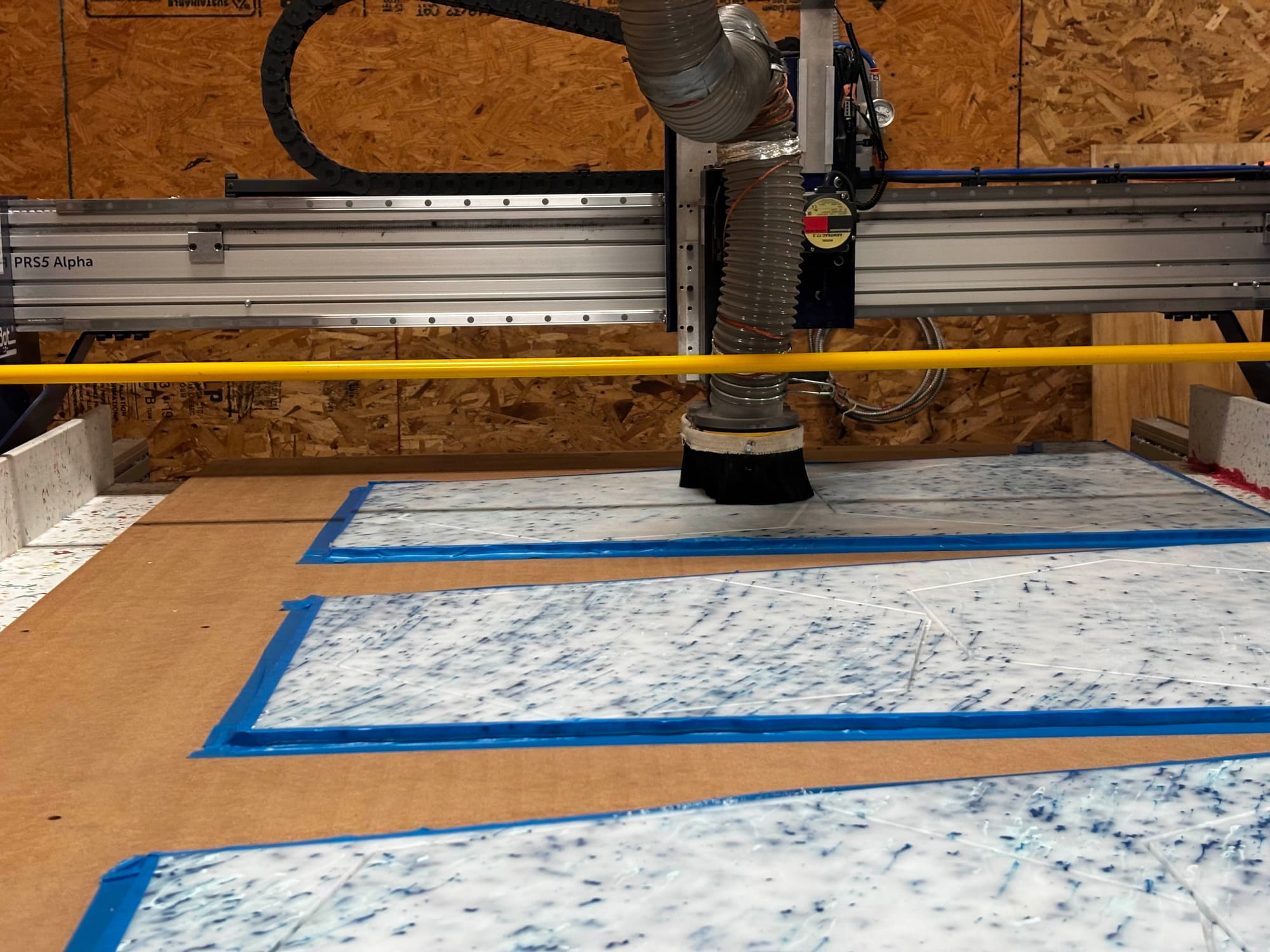
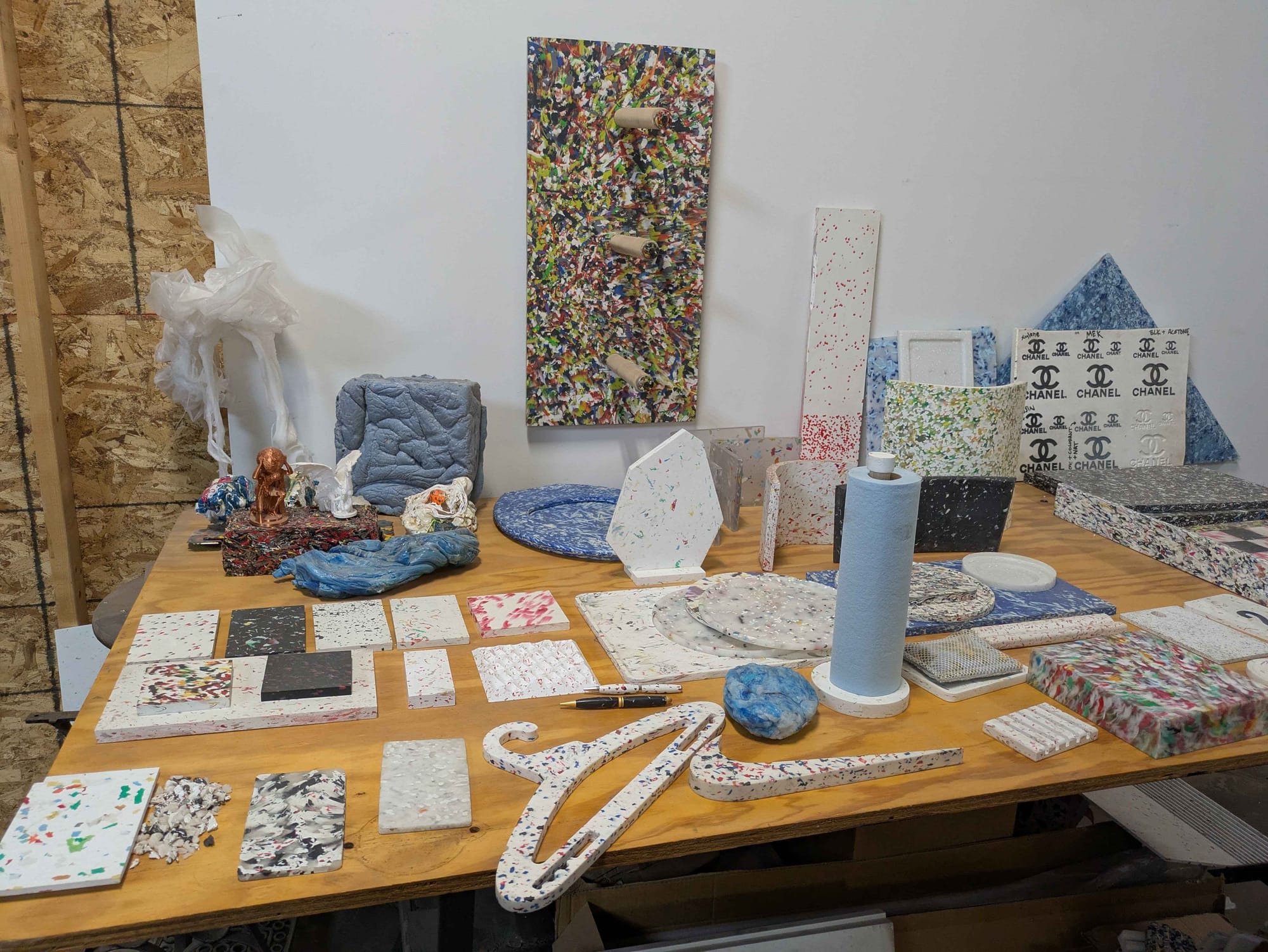
Marble Plastics
Other plastic tests are being facilitated at CDME with PLA. This includes shredding the material into pellets and pressing them into sheets. The main pain point, besides organization of the material into colored bins, revolves around the collection of unwanted material from individuals in the community.
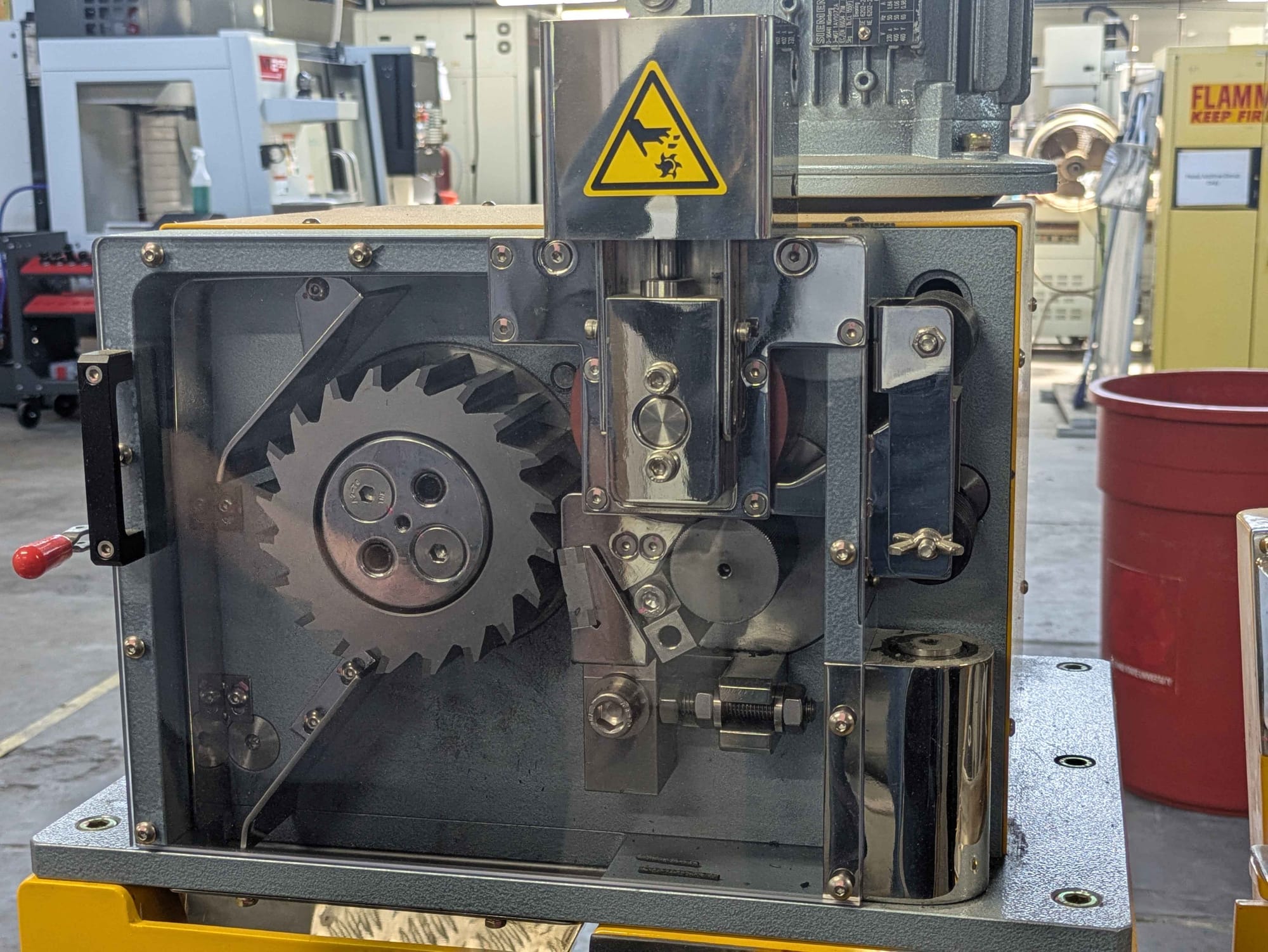
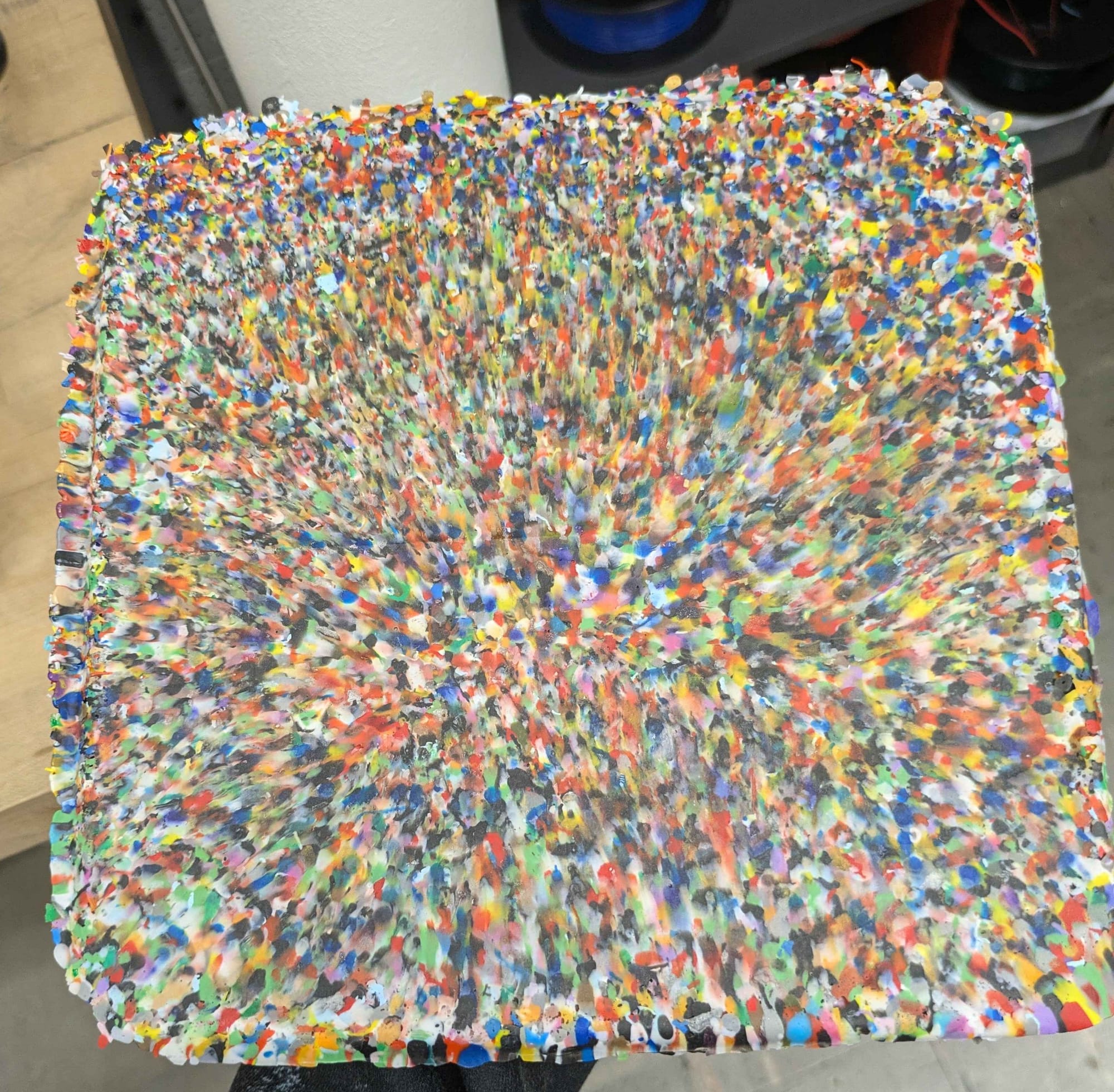
CDME Site Visit
Local Insights
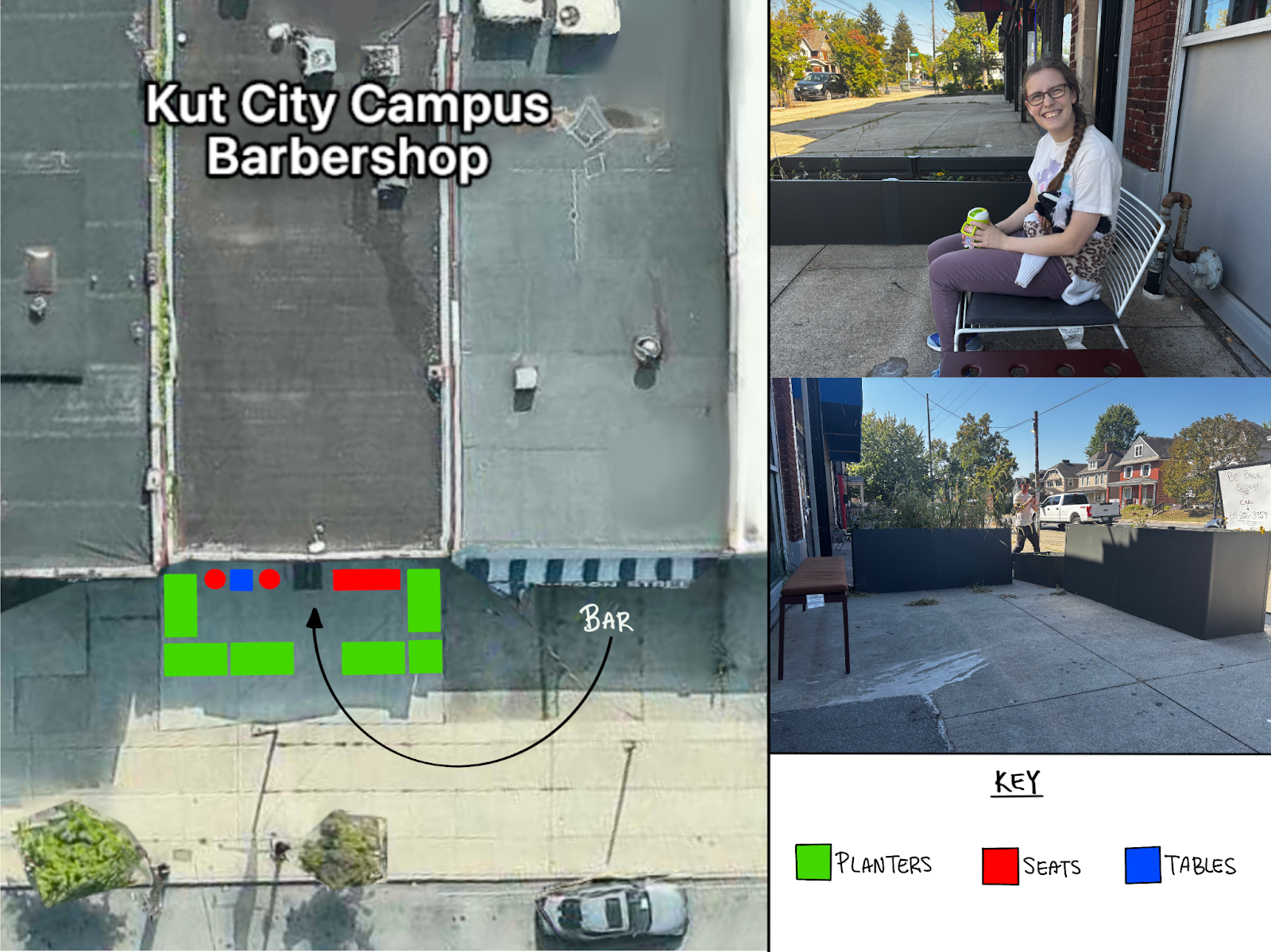
The Kut city Barbershop site visit explored some of CNDC’s past work. The added furniture and planters were found to boost community involvement, not only from the bar next door but also with OSU students/fans around football season. The adaptable pieces were very useful for engagement, and I wonder if similar artifacts made from recycled materials could create building blocks for future projects.
The Central Ohio Reuse Coalition is piloting a tumbler system for reducing disposable coffee cup waste. While we didn’t observe anyone using the official system during our site visit, many customers brought their own reusable cups, highlighting the potential of unofficial, community-driven practices. This insight raises the question: how many similar systems are already happening under the radar? And how might design help support and scale these informal networks?
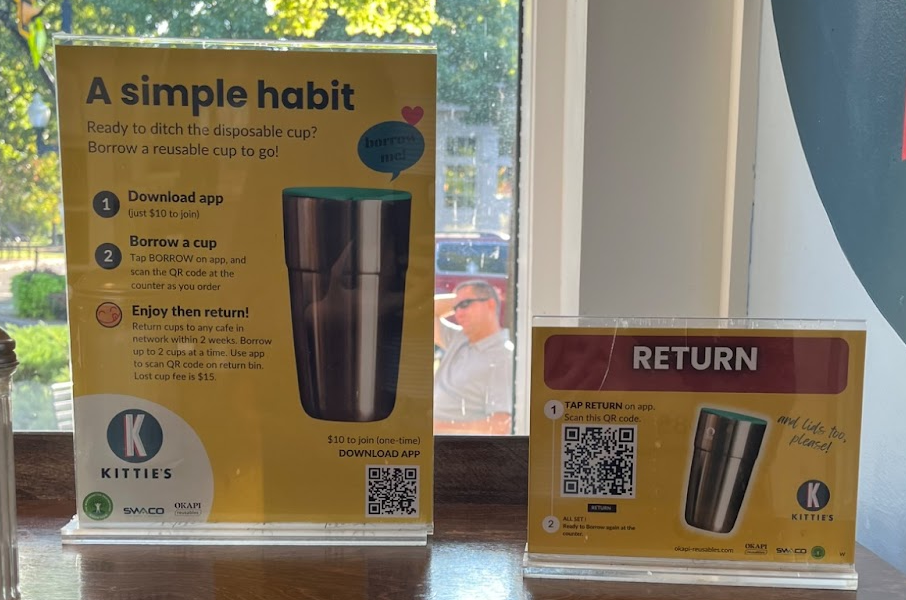
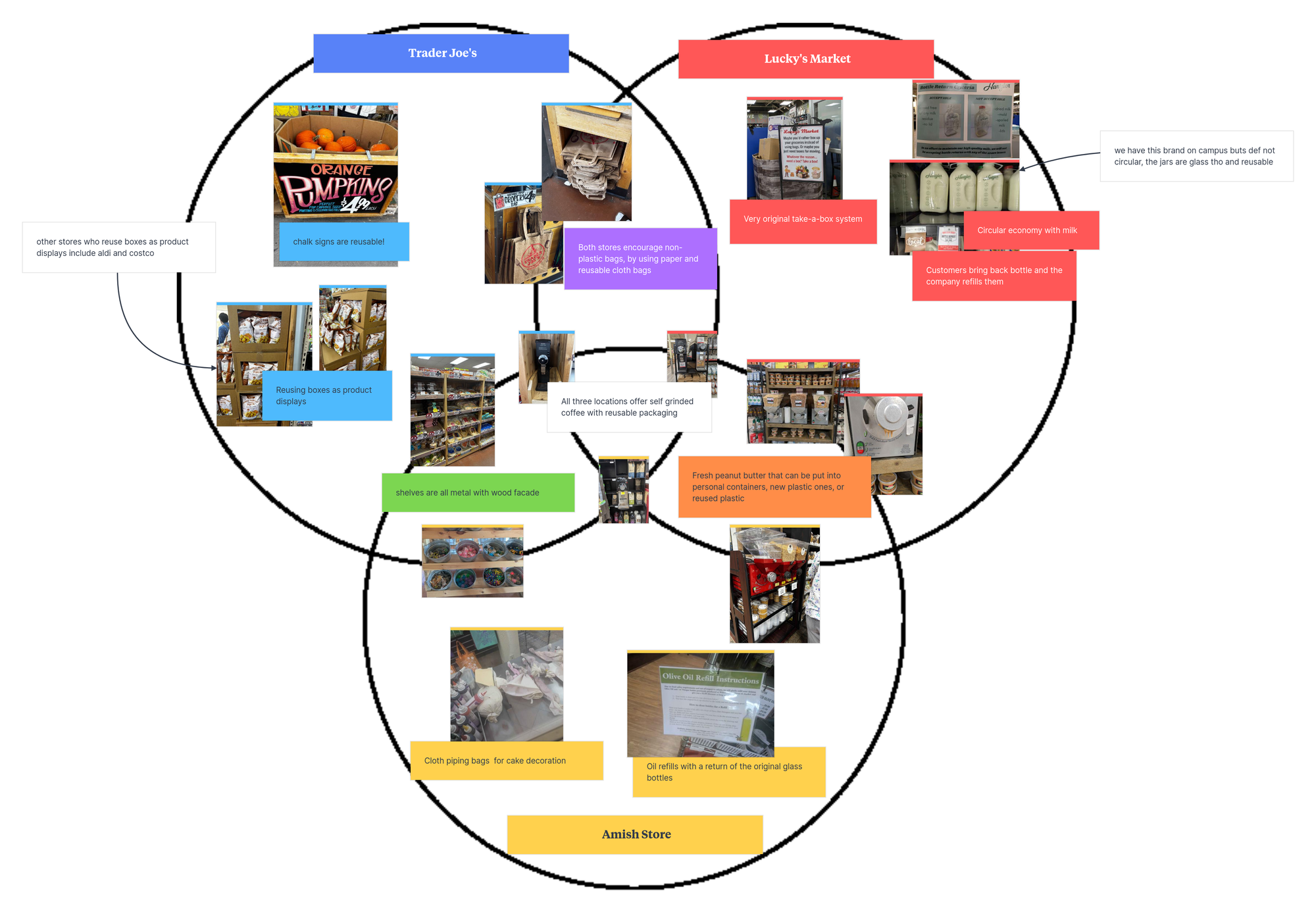
Three other site visits looked out for more of these unique community systems in grocery stores. Trader Joe’s boasts unique blackboard and cardboard signage that limits plastic. Lucky’s participation in a milk bottle return program with Hartzler’s Dairy stood out as a strong example of practical circularity. The Walnut creek visits revealed unique building blocks of their community that directly affected materiality.
Solutions: Physical Conjectures
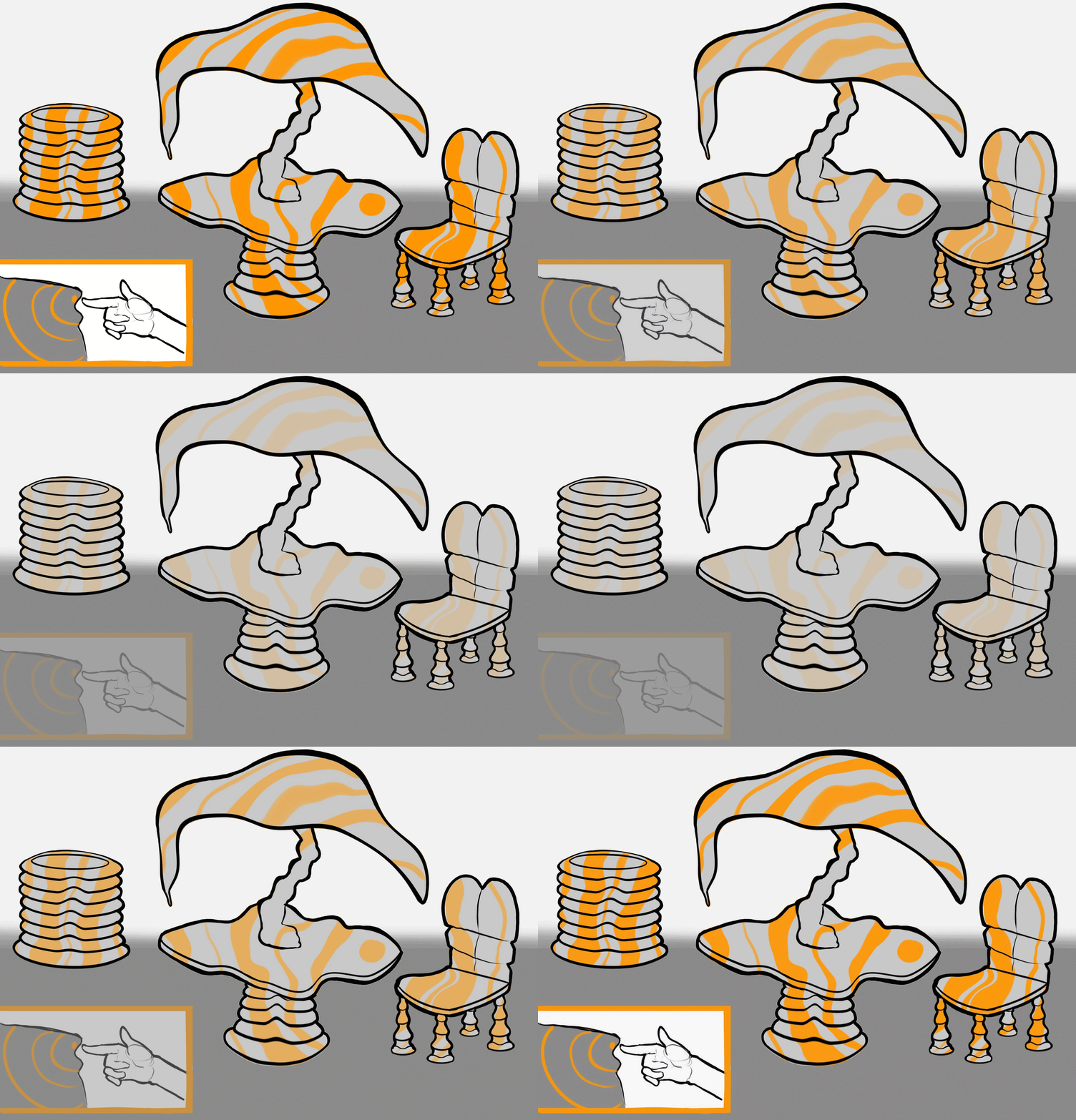
My physical based design conjectures include two designs, one concept is a collection of interactive public furniture, inspired by Jolie Ngo’s playful aesthetic and insights from the Cut City Barbershop observations. These pieces are highly textured to embrace the materiality of 3D printed plastics, as well as initiate touch. When touched, the furniture reacts, serving as a moment of joy and subtle reminder of our community/environmental impact.
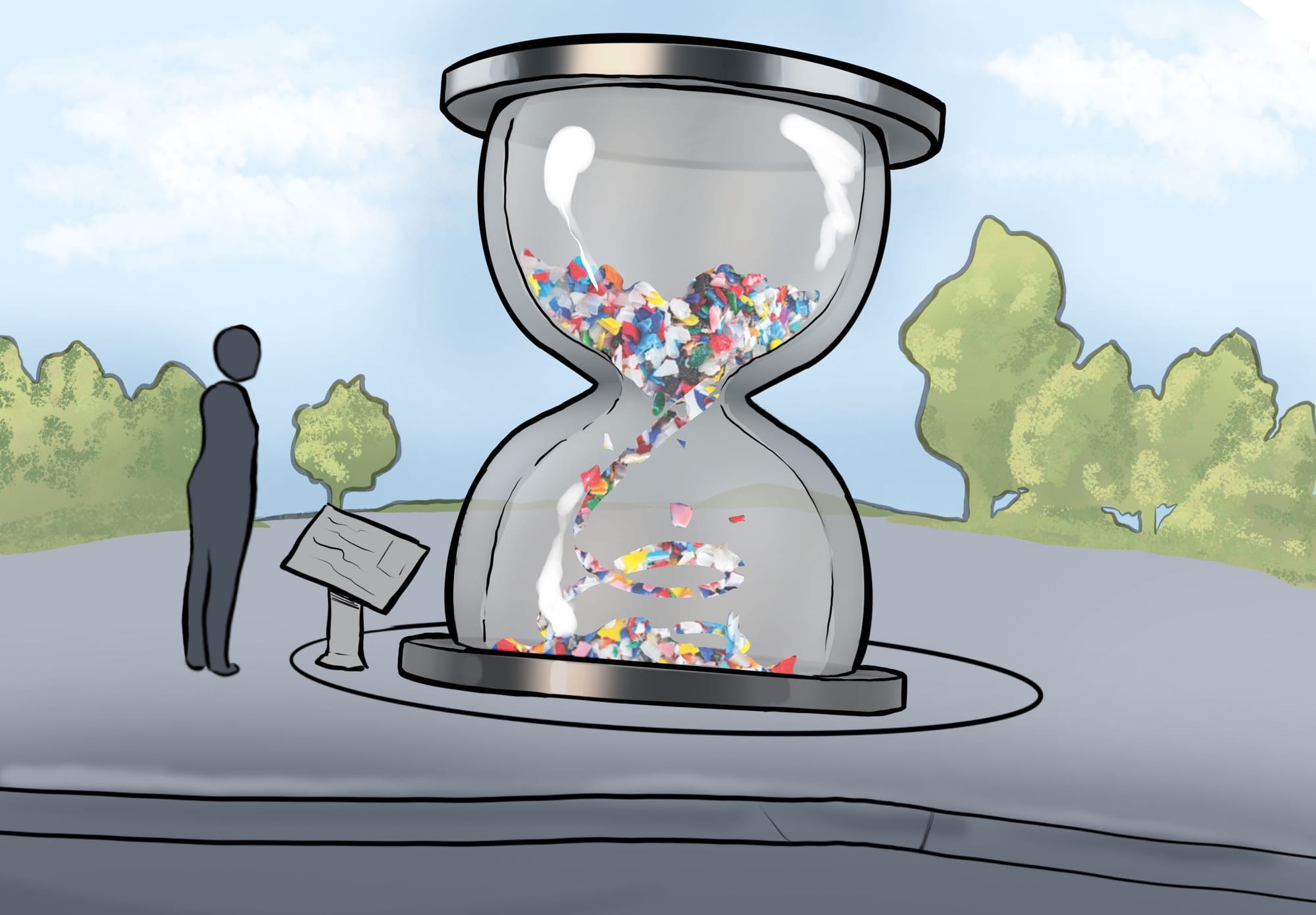
Concept two is a public art installation that functions as a tool for education on microplastics, littering, and recycling options. The visual and emotional storytelling would raise awareness and drive community change.
Solutions: Systemic and Conceptual
I also propose further exploration of plastic as a medium. As Marble Plastics pointed out during the interview, industries like woodworking benefit from centuries of refined tools and methods. While plastic remains unexplored in the context of fine craft. What if we treated recycled plastic with the same craftsmanship and care as more “traditional” materials? This conjecture would focus on refining techniques for plastic craft.
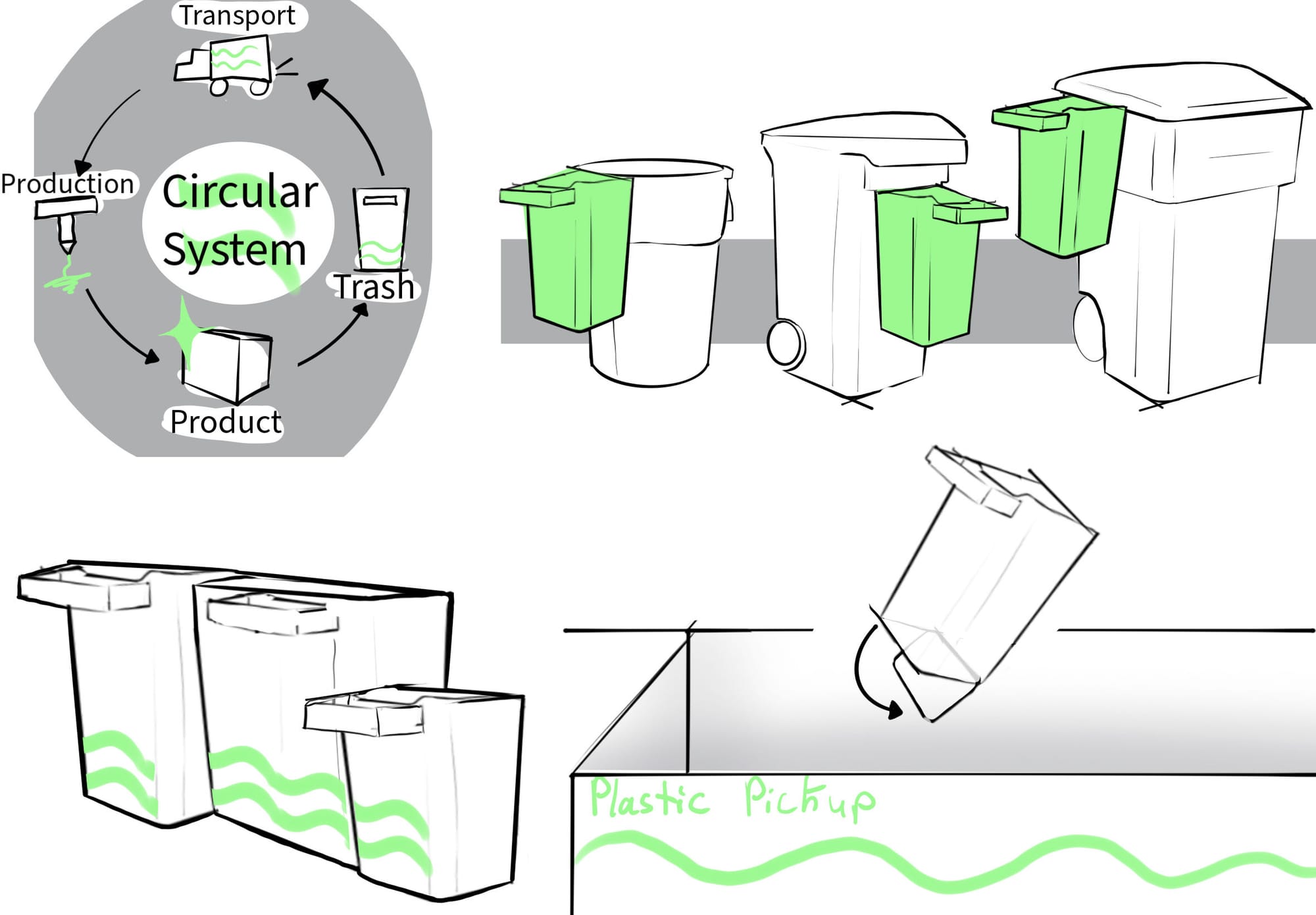
Another option is implementing a circular system that fills the current gaps in the picture of Recycling. While technologies exist to collect plastic waste (CORDIS) and recycle it into virgin-quality material (Cook), there is a gap in local logistics. My design conjecture explores the lack of transportation and purposes modular containers to aid in moving recycled plastic efficiently between collection, processing, and production on a local scale, making it easier for communities to participate.
Conclusion:
It is likely that my final solution will be a combination of physical artifacts and systemic strategies. A thoughtfully designed object, in the form of public furniture, educational sculpture, or something not yet explored can serve as a physical anchor for broader change. Likewise, invisible infrastructure, such as local networks for transport and sorting can make circularity more feasible and efficient for central Ohio.
Sources:
Abelvik-Lawson, Helle. “Why Amazon Is Throwing Away Millions of Unused Products – and How We Can Stop Them.” Greenpeace UK, 13 Nov. 2024, www.greenpeace.org.uk/news/stop-amazon-throwing-away-millions-unused-products/.
Associated Press. “Dublin Celebrates Corn Sculpture’s 25th Anniversary | 10tv.Com.” 10 WBNS, 22 Oct. 2019, www.10tv.com/article/news/local/dublin-celebrates-corn-sculptures-25th-anniversary-2019-oct/530-e0053463-2d67-4bcb-8ce2-a9296de9477c.
Bailey, Morgan, et al. “Plastic Pollution Hits the Root: Microplastics Disrupt Plant Growth.” Microplastics in Plants Shown to Disrupt Growth, 2025, www.rti.org/insights/microplastics-plant-growth-effects.
Cairns, Rebecca. “Wind Turbines Are Tough to Recycle. This Firm Wants to Transform Them into Micro Homes.” CNN, Cable News Network, 29 Aug. 2025, www.cnn.com/style/wind-turbine-blade-made-tiny-home-hnk-spc.
Cecchini, Chiara. “How Mushrooms, Microorganisms Could Transform Food Packaging.” World Economic Forum, 2021, www.weforum.org/stories/2021/10/how-mushrooms-and-microorganisms-could-transform-food-packaging/.
Conlin, Bennett. “3D Printing Applications for Business.” Business News Daily, 5 June 2024, www.businessnewsdaily.com/9297-3d-printing-for-business.html#what-is-3d-printing.
Cook, Stacey. “Innovations in Recycling.” Science, 10 May 2024, www.nationalgeographic.com/science/article/paid-content-innovations-in-recycling.
CORDIS, cordis.europa.eu. “Robots Detect and Collect Litter in Marine Environments.” CORDIS, 21 Aug. 2023, cordis.europa.eu/article/id/445678-robots-detect-and-collect-litter-in-marine-environments.
Dutchen, Stephanie. “Microplastics Everywhere.” Harvard Medicine Magazine, 13 June 2025, magazine.hms.harvard.edu/articles/microplastics-everywhere.
Hanson, Hilary. “Yoplait Yogurt Cups Have Been Killing Small Animals for Years.” HuffPost, HuffPost, 24 Sept. 2015, www.huffpost.com/entry/yoplait-yogurt-wildlife-danger-skunk-cups_n_5602dde9e4b0fde8b0d0d5cf.
Lee, Yongjin, et al. “Health Effects of Microplastic Exposures: Current Issues and Perspectives in South Korea.” Yonsei Medical Journal, U.S. National Library of Medicine, May 2023, pmc.ncbi.nlm.nih.gov/articles/PMC10151227/#abstract1.
“Microplastics: Research Needed, Underway.” Plastic Makers, 2025, plasticmakers.org/microplastics/.
Okamoto, Katie. “Microplastics Are Everywhere. Here’s How to Avoid Eating Them.” The New York Times, The New York Times, 2025, www.nytimes.com/wirecutter/reviews/how-to-avoid-eating-microplastics/.
Petcash, Doug. “Officials Highlight Tiny Homes, Modular Apartment Factory in Columbus Affordable Housing Talk.” 10 WBNS, 2025, www.10tv.com/article/news/local/officials-tiny-homes-modular-apartment-factory-affordable-housing-columbus/530-2d584fd3-c978-4474-a7c7-bdc1182b1122.
Polyportis, Athanasios, et al. “Consumer Acceptance of Products Made from Recycled Materials: A Scoping Review - Sciencedirect.” Science Direct, 2022, www.sciencedirect.com/science/article/pii/S092134492200369X.
Shopping, BuzzFeed. “25 Reusable Products That’ll Replace Expensive Disposable Versions for Good.” HuffPost, HuffPost, 7 Aug. 2025, www.huffpost.com/entry/reusable-products-thatll-replace-disposable-versions_l_688289aee4b0c2d9e4d95363.
Whitten, Sarah. “Lego Hits Record Revenue in First Half of 2025, Boosted by Brick Flowers and Cars.” CNBC, CNBC, 27 Aug. 2025, www.cnbc.com/2025/08/27/lego-first-half-2025-earnings-post-record-revenue.html.
Young, Caitlin. “How Public Art Can Improve Quality of Life and Advance Equity | Housing Matters.” Urban Institute, 16 Nov. 2022, housingmatters.urban.org/articles/how-public-art-can-improve-quality-life-and-advance-equity.
Zappia, Anna. “Andrew Ashey on Accidental Design, Empty Spaces, Plants + More.” Design Milk, 8 Aug. 2025, design-milk.com/f5-andrew-ashey-on-accidental-design-empty-spaces-plants-more/.
Zappia, Anna. “F5: Jolie NGO on Chicago Bricks, Her Favorite Clogs + More.” Design Milk, 14 Feb. 2025, design-milk.com/f5-jolie-ngo-on-chicago-bricks-her-favorite-clogs-more/.