Op-Ed: Impact of heavy recreation on the environment

Overview
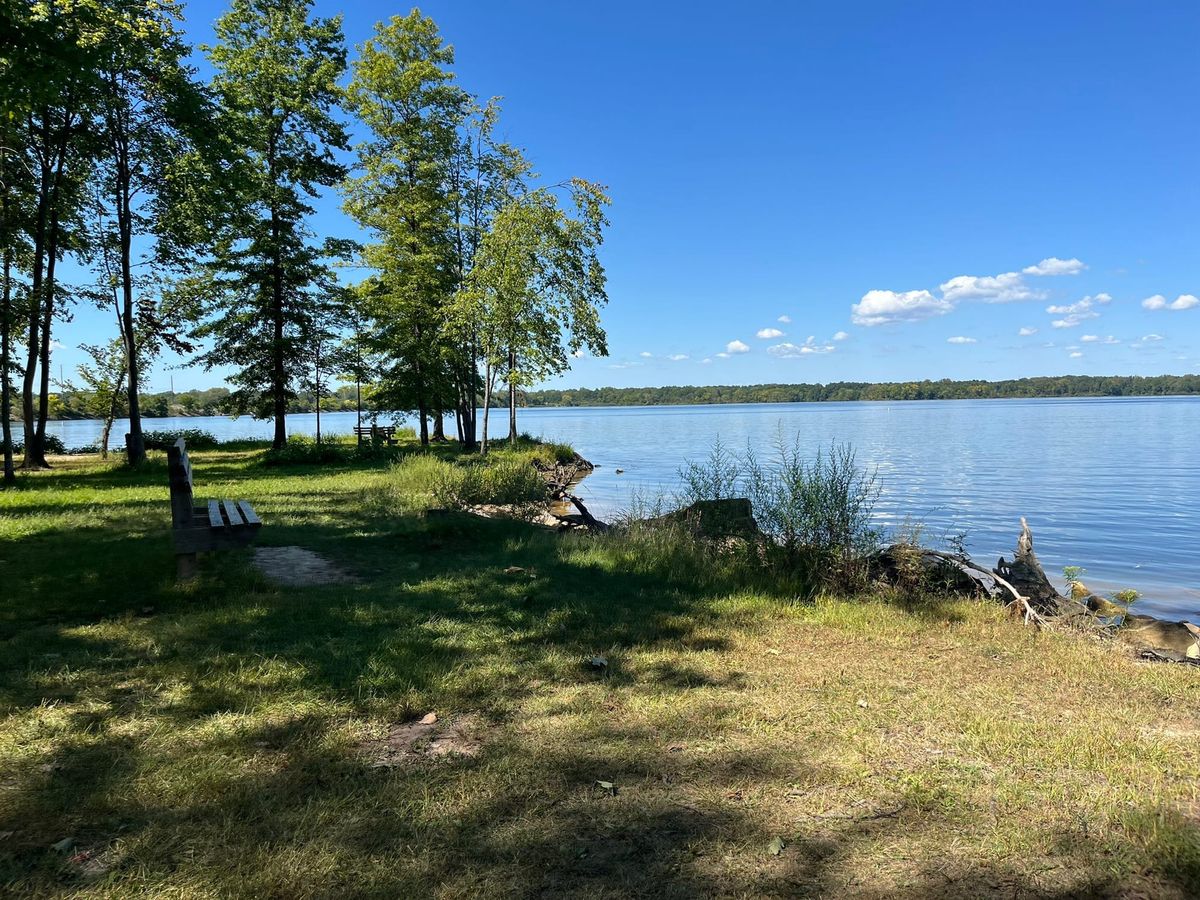
Studies have shown that parks are essential to the economy. Not only do parks generate sizable revenue from tourism, travel and recreation, but they support countless jobs and local businesses. This in return increases the property value of areas around the parks, further generating revenue (WeConservePA, n.d.). Aside from the economic benefits of parks, they also benefit people’s health and wellbeing. “Trees and shrubs on conserved farms, in forests and parks, and along trails remove air pollutants that endanger human health” (The Trust for Public Land, 2021). Parks protect greenspaces that provide clean water and air that improves the health of visitors. Parks also provide opportunities to a wide range of recreational activities, all of which enhance physical health. Not to mention the benefits that park preservation has for the wildlife and natural environment.
With that said, the overuse of parks has an opposite effect; they negatively affect the environment that people sought to protect. The main topic for this capstone project with the Ohio Department of Natural Resources (ODNR) is “low-impact recreation”. At state parks, frequent visits and recreational amenities cause a high impact on the environment. High use of parks makes it unsustainable as it degrades habitat and disturbs wildlife. The topic of low-impact recreation seeks for ways to balance conservation and recreation. In other words, finding a way to reduce the environmental impact of recreation while also providing a positive visitor experience is the primary objective.
While visiting park managers from ODNR at Alum Creek State Park, sustainability coordinator Heather Bokman, Clean Marinas coordinator Tracey Coe and trails administrator Mark Allen discussed some key consequences of high impact recreation at state parks. This includes the impacts on trails, marina and waste management. To understand the impact of recreation on trails, marina and waste management a few parks around the Ohio Columbus area were visited, such as the Alum Creek State Park, Glacier Ridge Metro Park, Highbanks Metro Park and Columbus Park of Roses.
Trails
Parks have designated trails. Some people like to go off the designated path, creating what is called a “man-made trail” that breaks into natural habitat and disturbs wildlife.
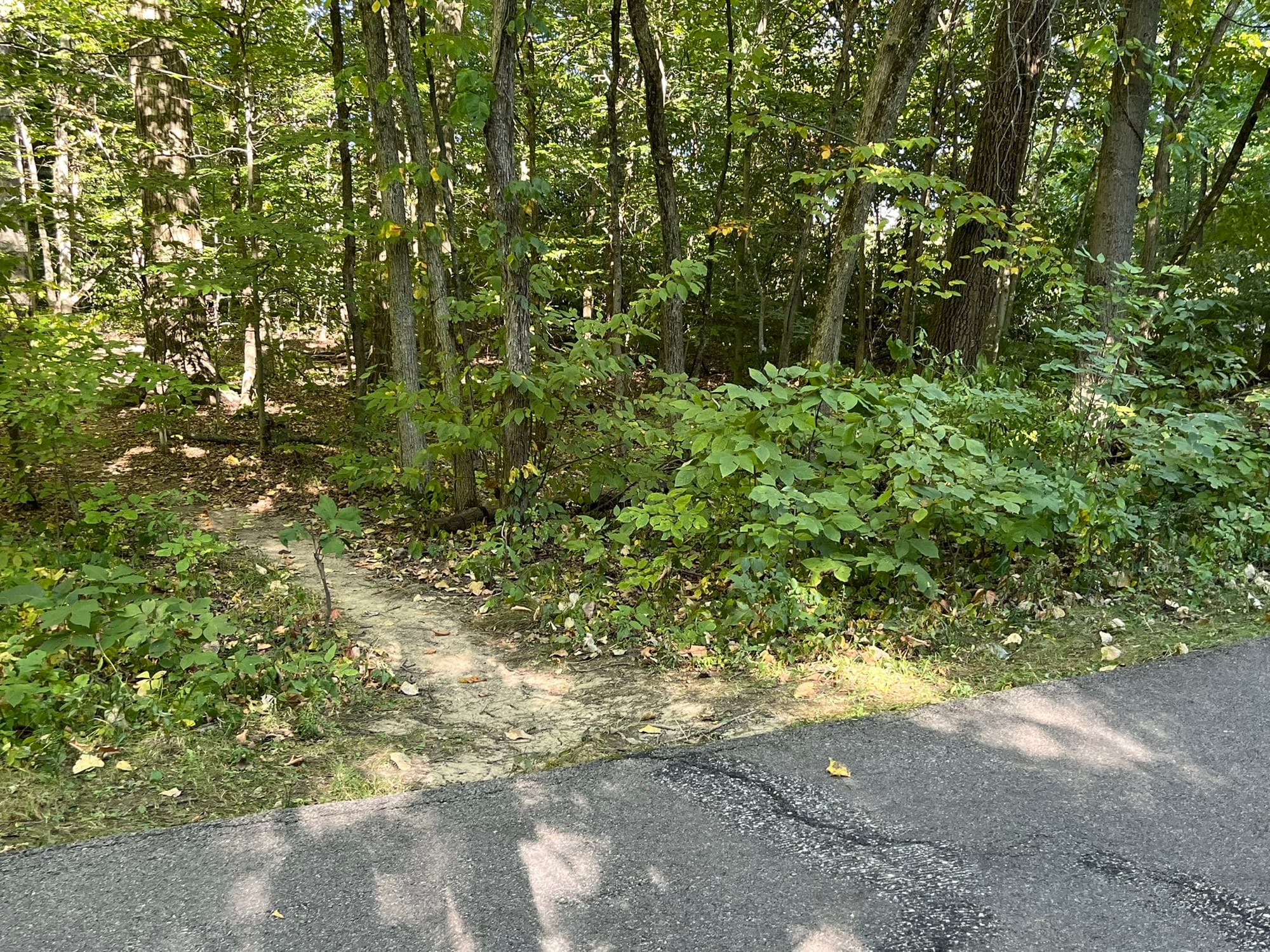
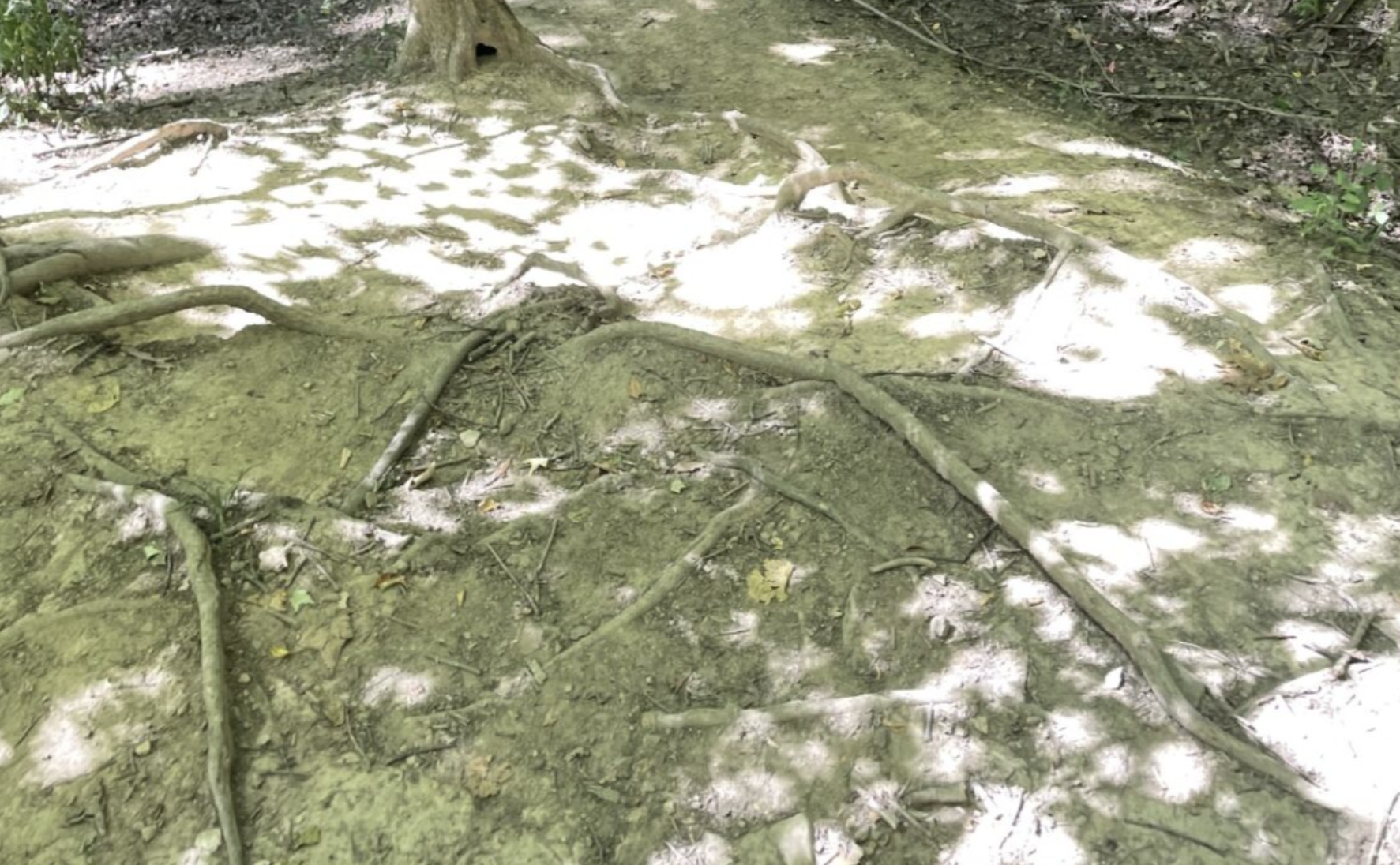
There are also trails intended for specific users, such as bikers or equestrians. Mark has mentioned that these users may see themselves as privileged and feel entitled to make their own trails due to them having their own designated trails, which could greatly affect the natural wildlife. This is just the effect on the environment - creating trails can also be dangerous for the users due to the possibility of getting lost, disturbing unfriendly animals or hazardous terrain. Another issue of trails is that the overuse wears down the trail until the roots of trees stick out. This can be a hazard to people on the trails and to avoid the roots, people will walk towards the edge. Though unintended, this action causes the trail to expand and destroys wildlife habitat, which becomes another issue of creating safe trails while protecting natural habitats.
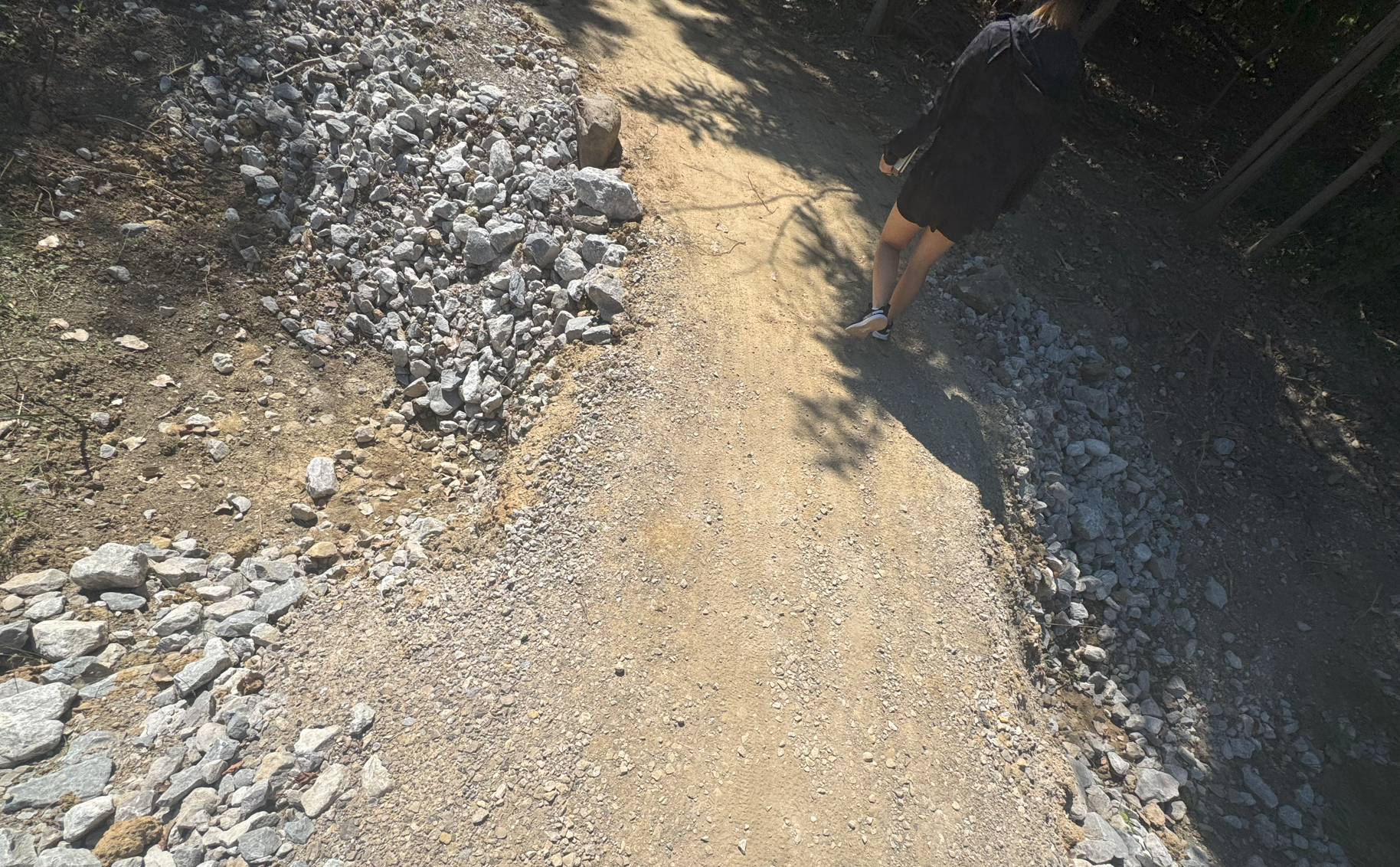
Trails are thoroughly thought out not just for the people who use them, but also functions to keep people safe. From the ODNR visit, Mark discussed the specific design of trails to keep people safe when it rains. When water hits the trails, it can flow or flood that make it hazardous for visitors, so trails are finely designed to improve visitor safety. Trails are often made with a little slope as a way to guide water off trails when it is wet. Water bars are placed on trails to prevent erosion on trails by slowing down flowing water with sediment. Water bars also function to protect people by guiding water off the trail.
A lot of effort goes into creating the trails in parks, whether it's to keep people safe or designing intended trails for visitors that are hiking, biking or riding horses. These are the main issues to tackle when it comes to trails. The challenge is finding the balance of protecting trails from wear while also maintaining their function, providing a positive experience for visitors and protecting natural wildlife.
Marina
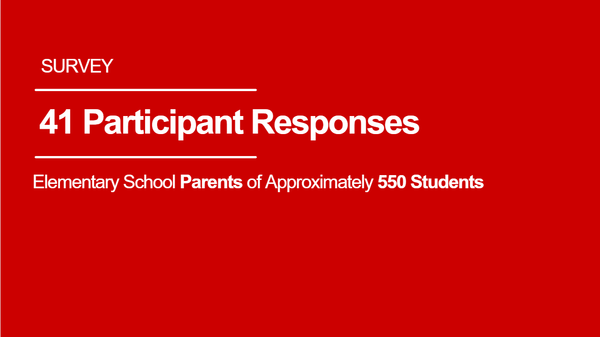
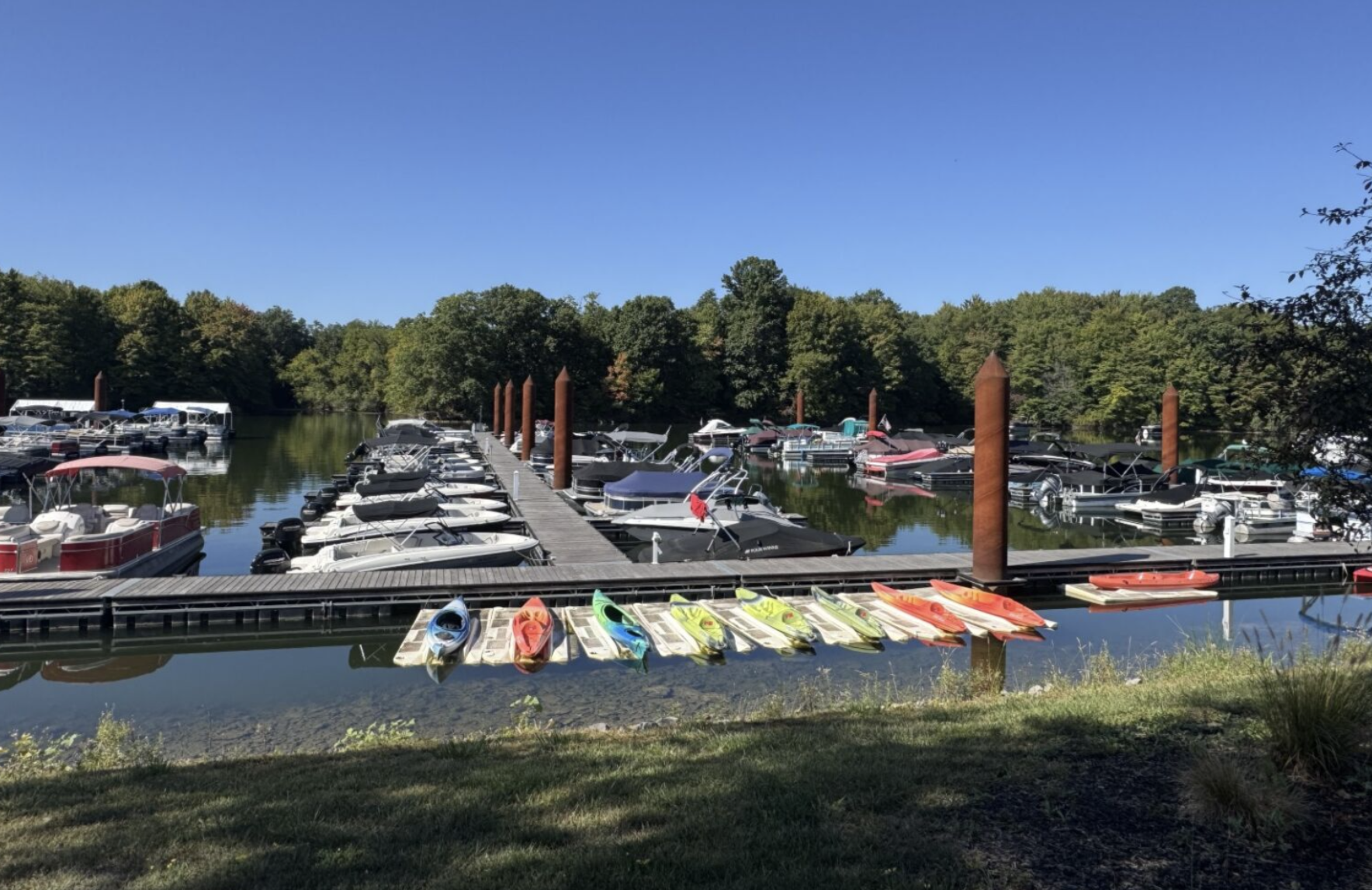
The marina is a small harbor designed for watercraft recreation such as boating, kayaking and fishing. The main issue surrounding marinas in parks is the impact they have on the water and wildlife that thrive in the water. With the marinas, there are three general problems as stated by ODNR park managers from the survey: waste, invasive species and habitat damage.
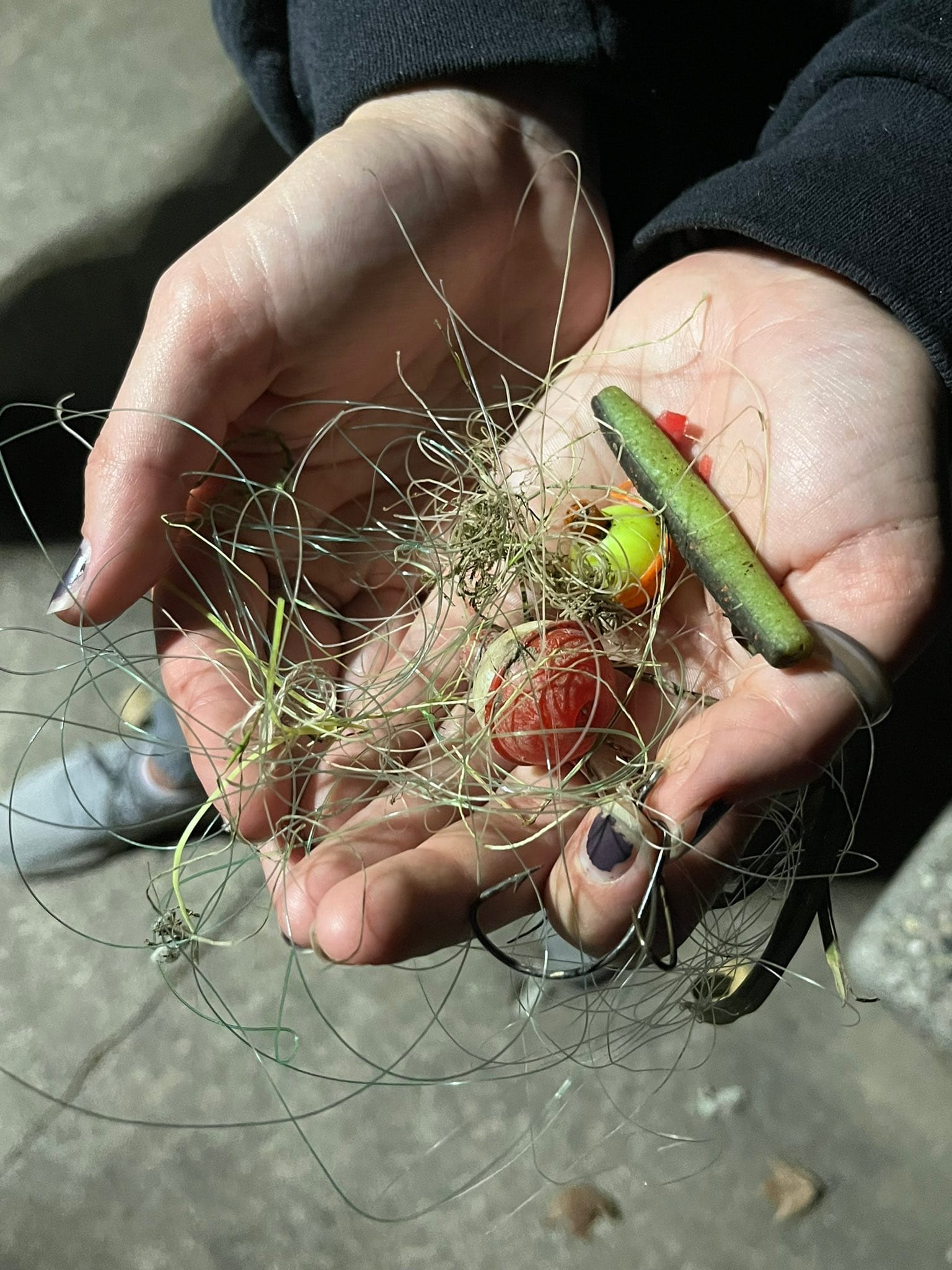
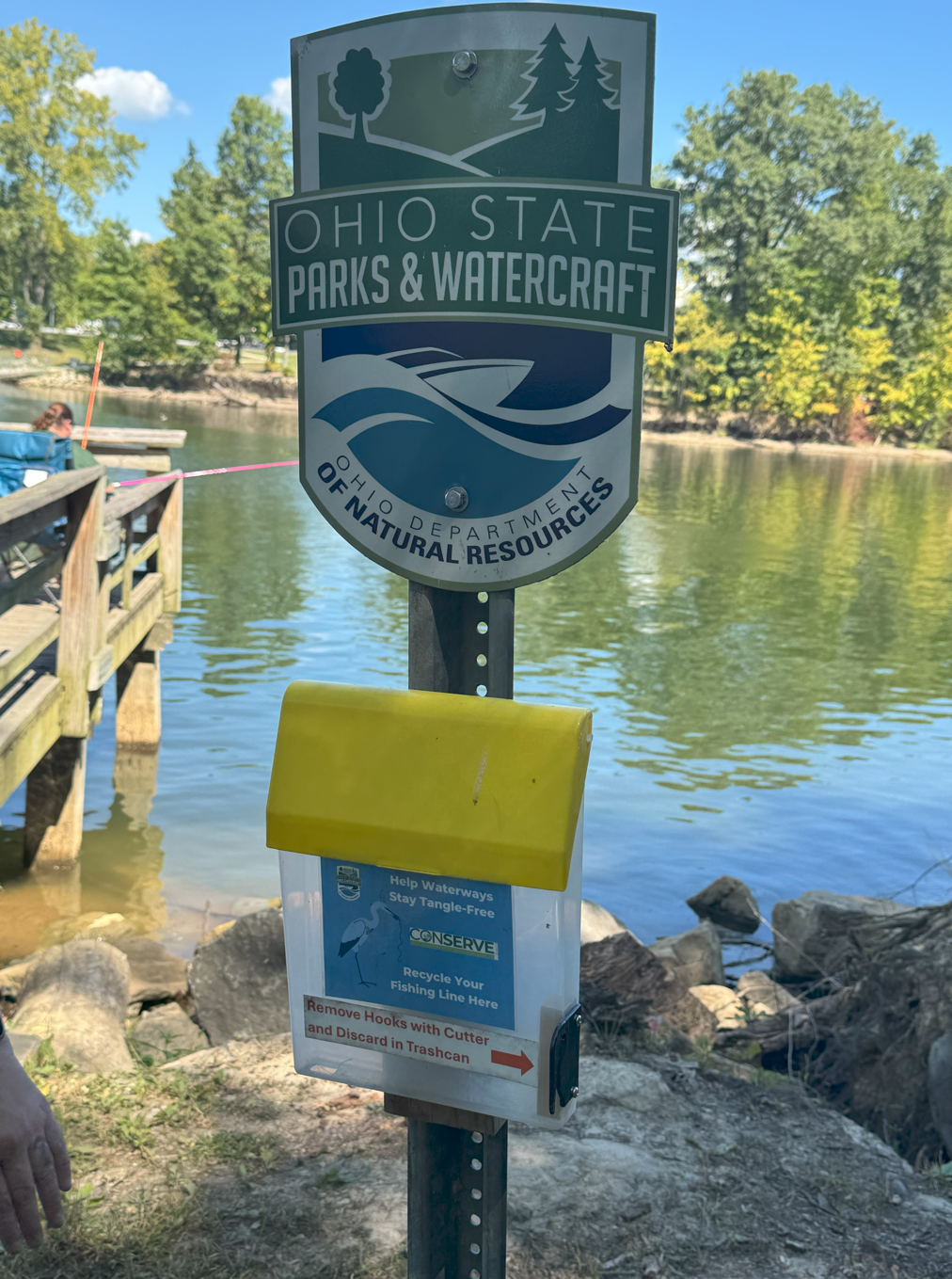
When it comes to waste, the two main factors stated by Heather and Tracey were angler waste and marine debris. Angler waste comes from improper disposal of fishing gear. During a night walk through a trail at Alum Creek campgrounds, many fishing lines, hooks and weights were found around small ponds. Despite the park providing small bin posts to dispose of angler waste, a lot of angler waste was found outside of the bin while regular waste such as napkins or wrappers were found in the angler waste bins instead.
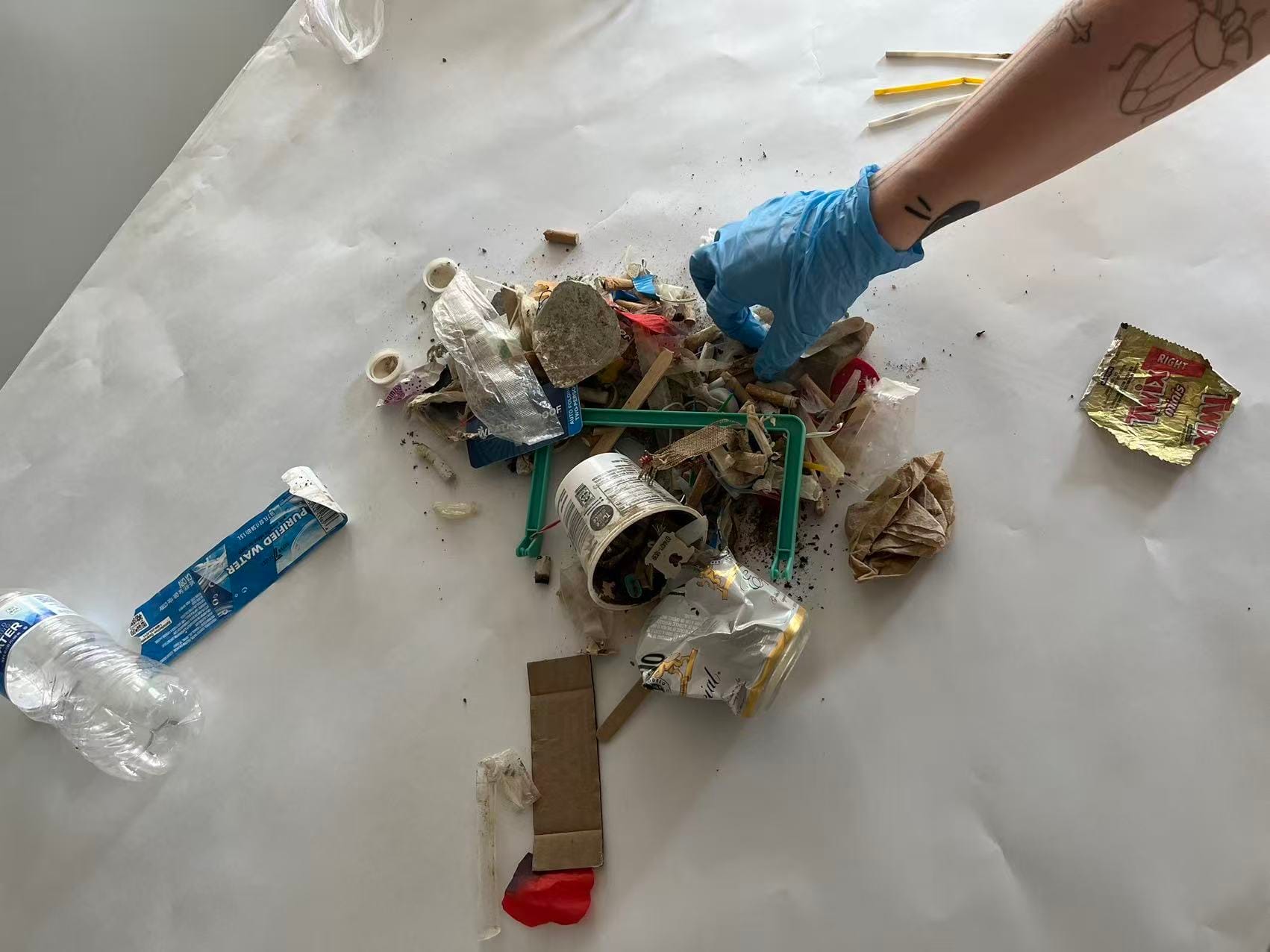
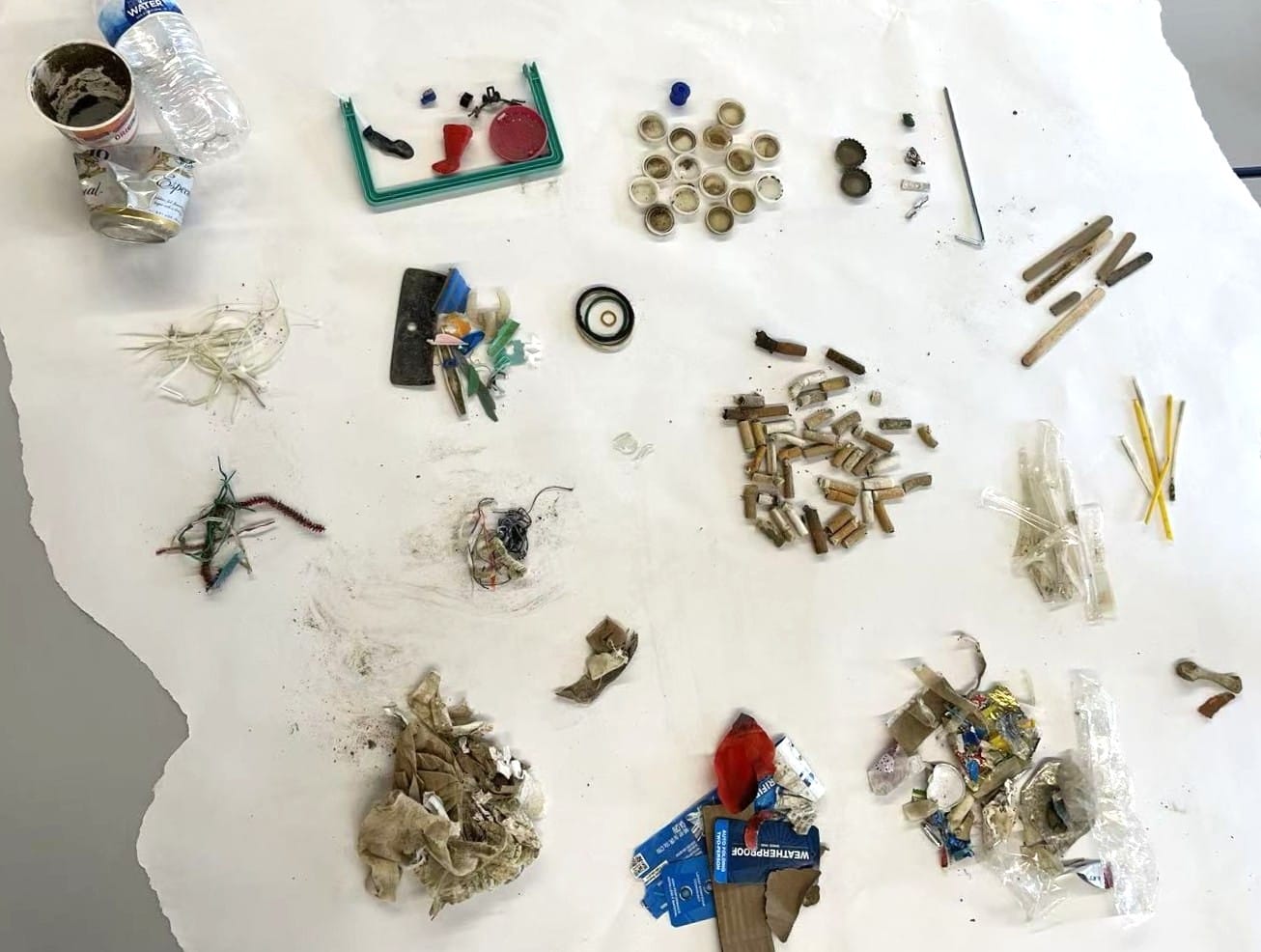
Aside from angler waste, there were all kinds of debris found in the Alum Creek beach. The waste found along the shore includes items like plastic containers, cigarettes, toys, plastic and paper packaging, bottle caps, straws and napkins. This was just the waste found along the shorelines, not including the waste found in the water. The National Park Service (2025) mentions how the waste found can “help resource managers develop strategies that target the source of marine debris. Although the work begins on the shoreline, meaningful solutions lie upstream”.
Another issue that marinas have are invasive species. Clean Marinas coordinator Tracey states that invasive species, particularly zebra mussel and hydrilla, are often introduced to a new ecosystem by sticking onto boats. According to Tracey, this occurs because boats are not cleaned down after being used, so any debris or invasive species that latch on can be carried by the boat into a new area. Some ODNR parks provide a boat cleaning system that powerwashes boats after use, but not every park provides this system as many do not know the importance of clean boats (ODNR, 2021). Heather and Tracey mention that Ohio is one of the few places that doesn’t require boat cleaning. The issue of invasive species comes with a lack of awareness of how they spread, providing both education and service are needed to create change.
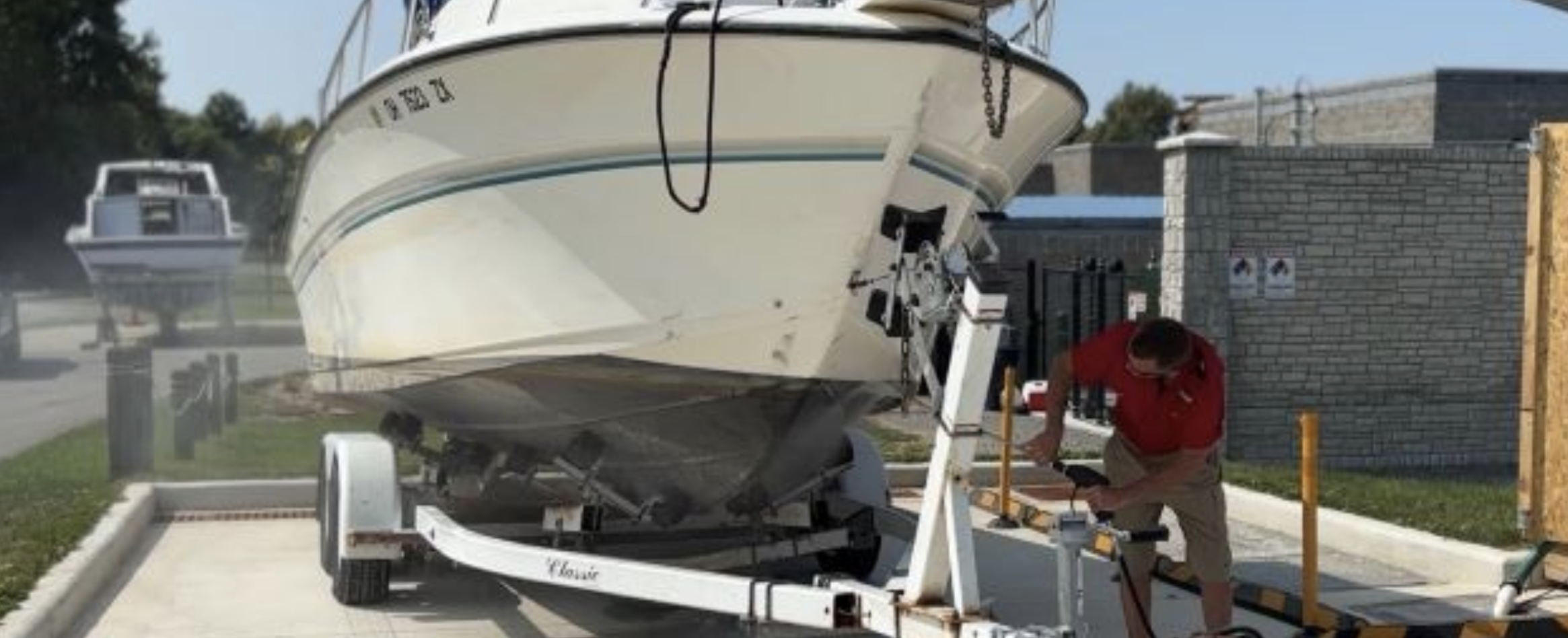
Just like other forms of recreation, watercraft recreation also impacts the environment and can damage natural habitats. The use of water recreation can disrupt the natural balance of the water, causing shoreline erosion and disrupting aquatic ecosystems. It can not only destroy aquatic ecosystems, but can also destroy nearby habitats and drive away wildlife that rely on the body of water.
According to park managers Heather and Tracey, there is also an issue of covering boats during the winter season. Many people will invest in shrinkwraps to protect boats when not in use, but when the wrap is no longer needed it is thrown away. There is a lot of plastic being used once only to be thrown in the trash afterwards and it is not a sustainable practice. The issue here would be to spread awareness of the unsustainable nature of shrink wrap and to find a new way or material to substitute the existing shrink wrap.
To sum up the issues regarding marinas in parks, recreational water activities result in waste and the spread of invasive species which have heavy impacts on the natural environment. Unchecked water recreation becomes unsustainable and harmful to the environment. These issues stem from the lack of responsibility from visitors, but more importantly a lack of awareness of the impacts of recreation. Finding ways to educate people and providing services or systems to assist people to be more responsible may reduce the impact of recreation.
Waste Management
Waste is also a key issue at parks. While meeting up with the ODNR team and reviewing reports about waste, a noticeable factor that arose was that there is a lack of trash retrieval service in remote areas. In more remote areas, it’s even more of a challenge to find service while some parks may not have the funding for it. This can lead to two main routes when it comes to waste management: the first one is to completely remove trash bins while the other is to have them only in areas with big foot traffic in parks. The ODNR staff has stated that completely removing trash bins led to two situations. Waste became a carry-in and carry-out, whatever visitors brought to parks had to also be taken out by them. This method has worked for some parks, but for others waste has been seen in other places like pit toilets. This creates a whole other issue where service that cleans pit toilets have refused service.
By moving trash bins to key areas of the park such as visitor centers, people must hold onto their waste until they reach a trash bin. Studies have shown that through this method less waste has been seen throughout the entire park, according to (Van Doesum et al., 2021) and (Wang et al., 2022). Minimizing the amount of trash bins also makes it more efficient for services that take out the trash.
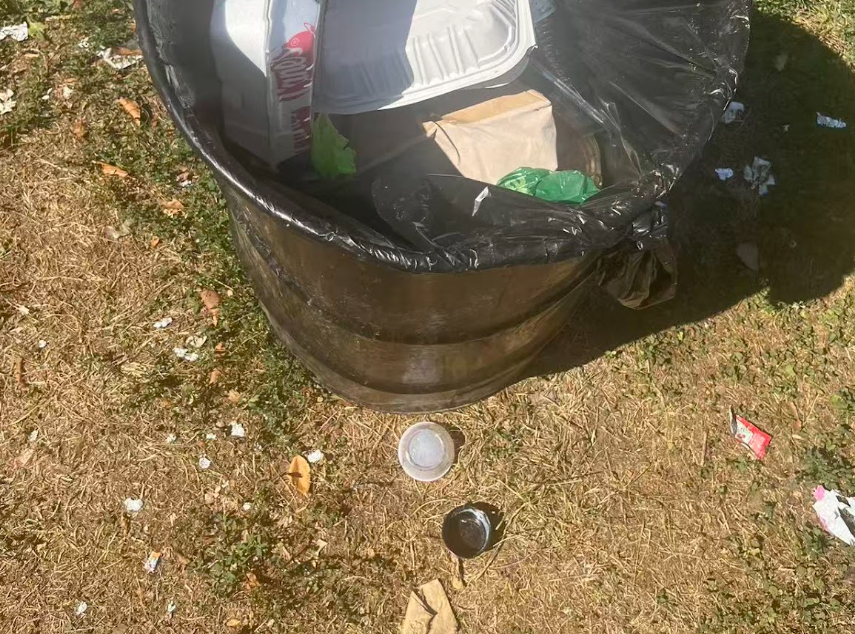
With a visit to several parks such as Alum Creek, Highbanks Metro Park, Glacier Ridge Metro Park and Park of Roses, there was significantly less waste found around trails without trash bins. However, areas where people can rest along the trail, such as benches, some parks had trash bins and no trash was seen. On the other hand, some parks had no trash bins and some waste under the benches. In areas with high foot traffic, such as visitor centers, trash bins can frequently be seen in the park, but some trash could be seen around the bin. Tracey from ODNR mentions that this likely occurs because of visitor carelessness or waste flying out of the bin. With all that said, another reason for littering could simply be that visitors do not want to hold onto their trash, so they leave them in the park.
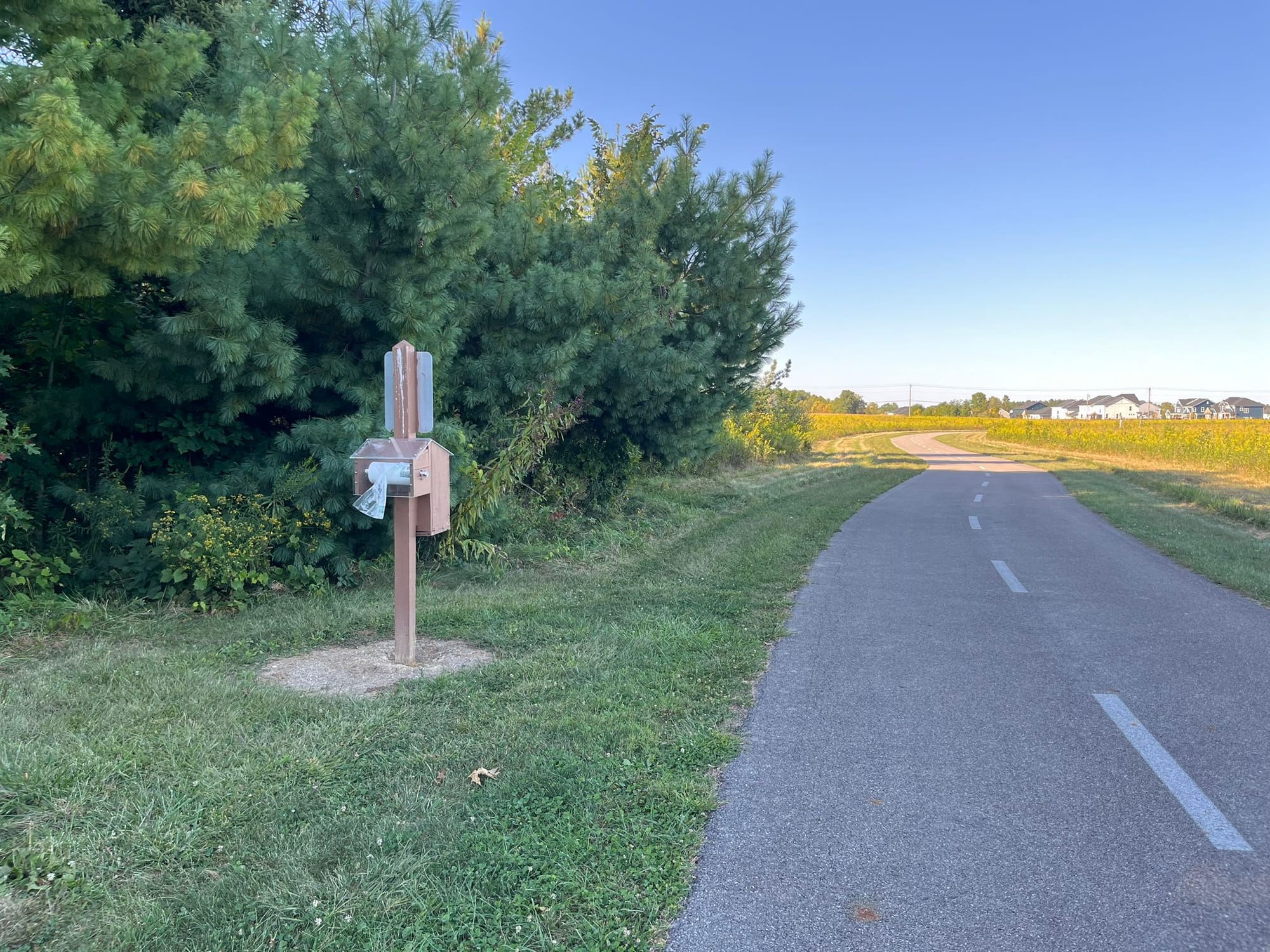
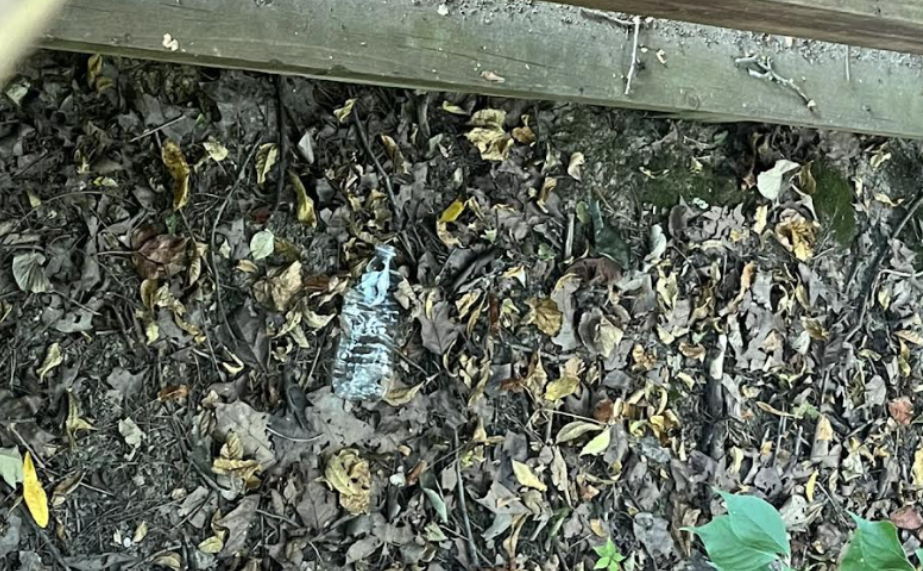
Another effective change, this time pertaining to the angler bins, was centered on making the bin transparent. After this change, the ODNR park managers stated that there was noticeably less angler waste around the area and was instead found inside the bin. An article that was reviewed states that transparency is a factor in reducing waste (EnrgTech, 2024). The transparency made visitors more aware and held accountable of what was going into waste bins. It also allowed services that pick up waste to easily identify bags that contained regular trash versus bags with recyclable materials. Transparent materials could be an aspect of the design for this project to reduce waste in parks. Trash bins could be transparent or include portions that are transparent to make visitors more aware of what they’re throwing away.
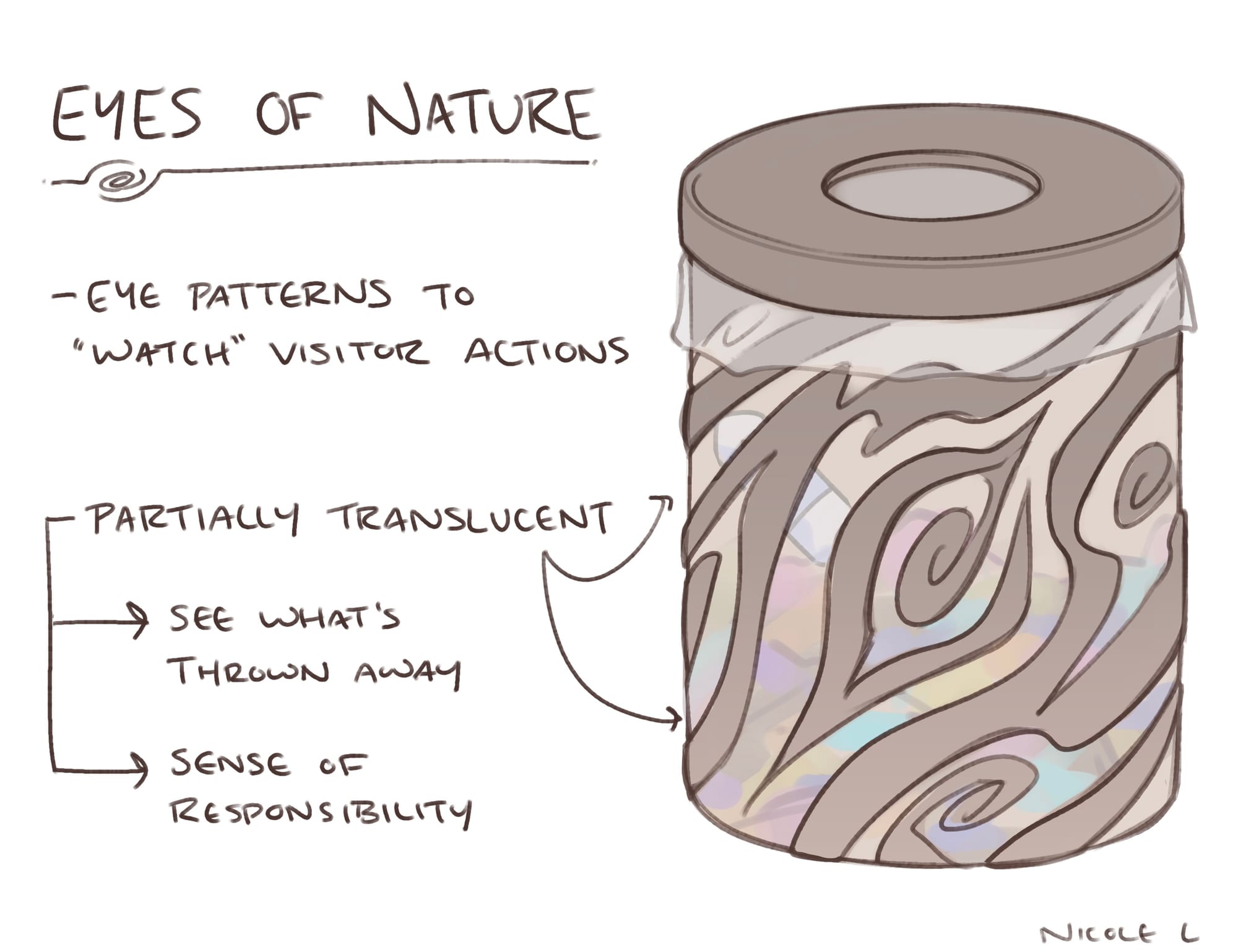
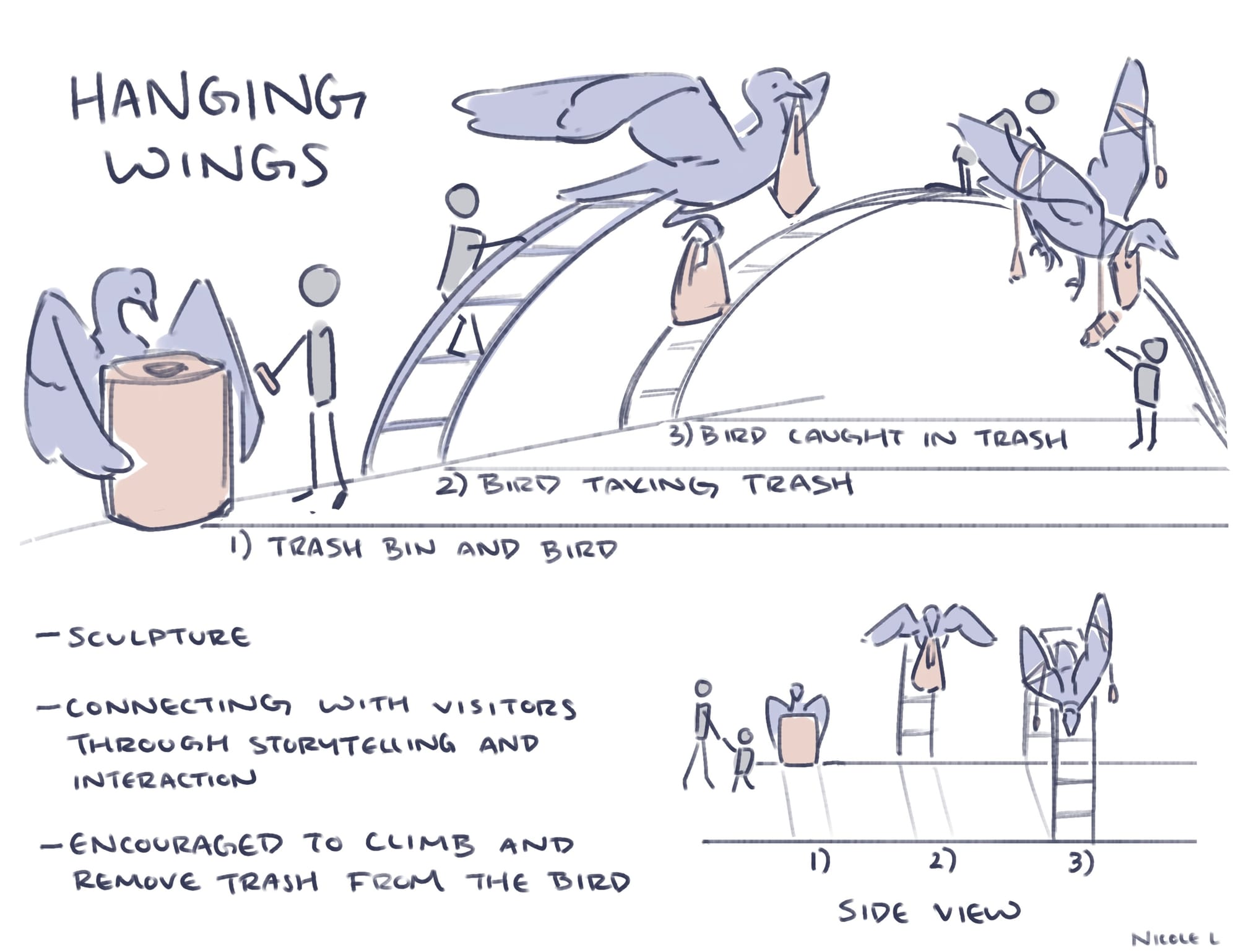
Overall, there is an issue with waste management in parks. It seems that there are methods being integrated to reduce waste found in parks, yet littering is still an issue. ODNR staff Heather, Tracey and Mark, have stated that the core of the issue could be that not all people are mindful of their waste habits and that there is an issue of human behavior. A study by Wang et al. (2022) discusses how people’s social and personal norms play a part in whether they use trash bins or not. Being able to influence people’s behaviors could reduce the amount of waste. For example, if a designer were to design an interactable structure in parks that tells a story of how waste affects wildlife, would people feel more inclined to change their behaviors?
There are many small details that can lead to waste found all over a park, whether it’s a lack of awareness of its effects on the environment, visitor carelessness or trash flying out of bins. From the ODNR visit and literature reviews, it seems that placing trash bins in prominent areas of the park was the best at reducing litter. With that said, there are still issues of people not wanting to hold onto trash, in which the next step would be to alter this mindset and behavior. How can designers change the mindset of visitors to be more mindful and responsible of their waste?
Conclusion
It is important to keep recreation in parks in check because of its impact on the environment. Otherwise, instead of preserving parks to provide a safe and clean space for both humans and wildlife, high use of recreation harms the environment and destroys visitor experience. For this capstone project with ODNR, the key is to minimize the impact of recreation on the environment. In other words, to find a balance between conservation and recreation.
The issues of high impact recreation from trails and the marina negatively impacts the natural wildlife. Recreation also generates waste that further degrades the environment and visitor experience. A reason for this unbalance in recreation stems from the lack of awareness of recreation. Then the question that comes up is how to increase awareness of these pressing issues? How can designers effectively communicate these issues to people in a way they will understand? How can these designs emotionally connect with people in order to make them feel more responsible for their actions? If a designer were to design a statue of a bird consuming waste, how would that connect to visitors? Would a competition to find and collect trash in a park make visitors more aware of their environment? Is the solution to provide more educational signage or campaigns about waste? If people can be made aware of these issues in parks, people are more likely to change their behaviors. The more people that change, it can slowly but surely alter societal norms and thus reduce the impact people have on the environment.
References.
Bokman, H., Coe, T., & Allen, M. (2025, September). Visit to ODNR and discussion on park management [Personal communication].
EnrgTech. (2024, May 21). How Translucent Bin Bags are Changing Waste Management. Medium.https://medium.com/@joddiemarshall6/how-translucent-bin-bags-are-changing-waste-management-26e140a9e228
National Park Service. (2025). To Meet the Challenge of Marine Debris, First Collect It. Nps.gov. https://www.nps.gov/articles/000/psv39n2_to-meet-the-challenge-of-marine-debris-first-collect-it.htm
Ohio Department of Natural Resources. (2021). New Boat Wash Station at Geneva State Park Helps Protect Lake Erie Waters. Ohiodnr.gov.https://ohiodnr.gov/discover-and-learn/safety-conservation/about-ODNR/news/boat-wash-station-geneva
The Trust for Public Land. (2021). The economic benefits of conserved lands, trails, and parks on the North Olympic Peninsula. https://www.tpl.org/wp-content/uploads/2021/01/NOP-Economic-Benefits-Report.pdf
Van Doesum, N. J., van der Wal, A. J., Boomsma, C., & Staats, H. (2021). Aesthetics and logistics in urban parks; can moving waste receptacles to park exits decrease littering? Journal of Environmental Psychology. https://doi.org/10.1016/j.jenvp.2021.101669
Wang, P., Han, L., & Ai, F. (2022). What Drives Visitors’ Use of Bins in Urban Parks? An Application of the Stimulus-Organism-Response Model. International Journal of Environmental Research and Public Health. https://doi.org/10.3390/ijerph192114170
WeConservePA. (n.d.). Economic Benefits of Parks. Library.weconservepa.org. https://library.weconservepa.org/guides/98-economic-benefits-of-parks