Op Ed: The Potential of Children's Backseat Experiences
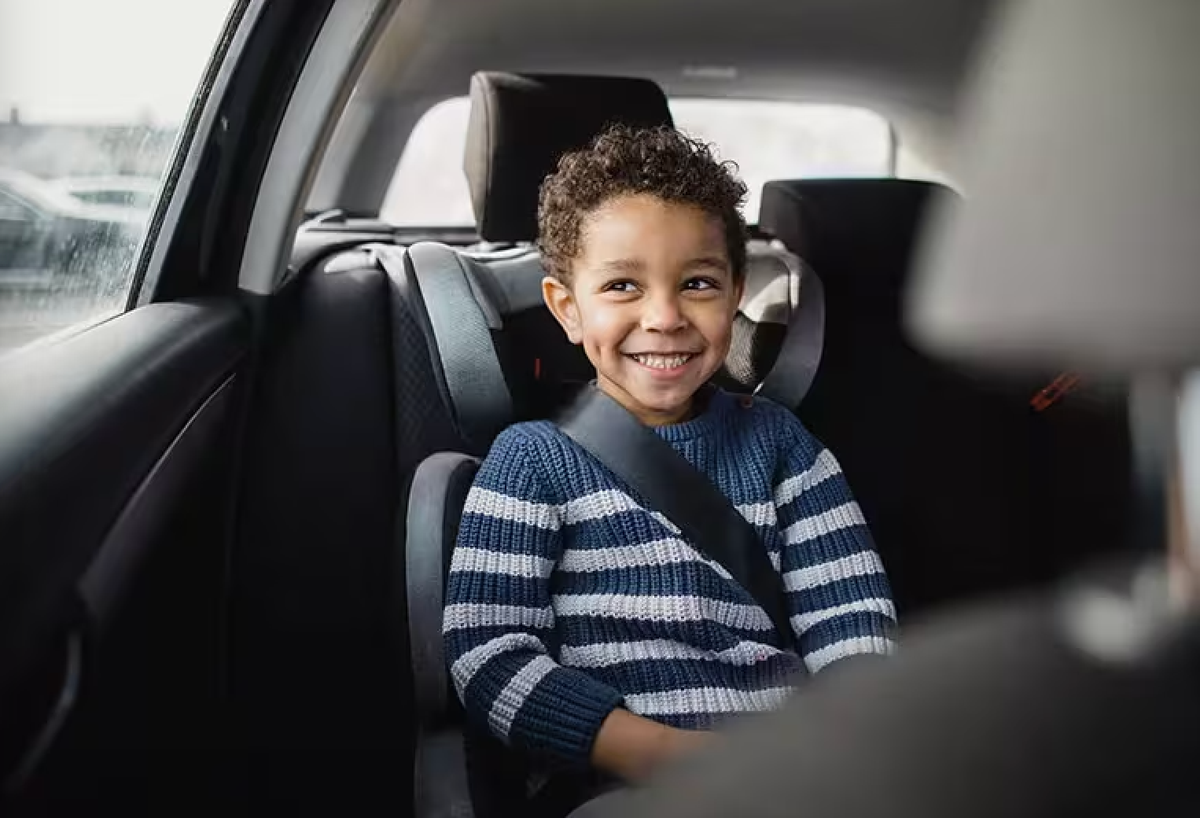
Children experience travel in ways that are significantly different from adults. Viewing the world from the backseat offers a unique perspective, especially during key developmental stages. For children, car journeys can evoke a wide range of emotions and present various challenges. Long rides often lead to irritability, creating a stressful atmosphere for both passengers and drivers. This tension can distract drivers and increase the risk of accidents (Charlton, 2013). I am partnering with Honda to better understand children’s backseat experiences and to explore innovative design solutions that can enhance comfort and well-being.
To keep children calm and entertained, various strategies are employed by drivers to occupy them until they reach their destination. However, this time spent on distraction is often wasted. Cars have the potential to be spaces for exploration and learning, rather than simply a way to travel from point A to point B. By designing experiences that make car rides more engaging and enjoyable for children, we can transform travel into opportunities that promote learning and support their emotional well-being.
Mindful practices, such as meditation, have been shown to promote relaxation, reduce anxiety, and support emotional stability (Cleveland Clinic, 2022). Integrating mindfulness into the car environment has the potential to transform car rides into meaningful and engaging experiences that promote a child’s emotional and physical well-being both in the present and in the future.
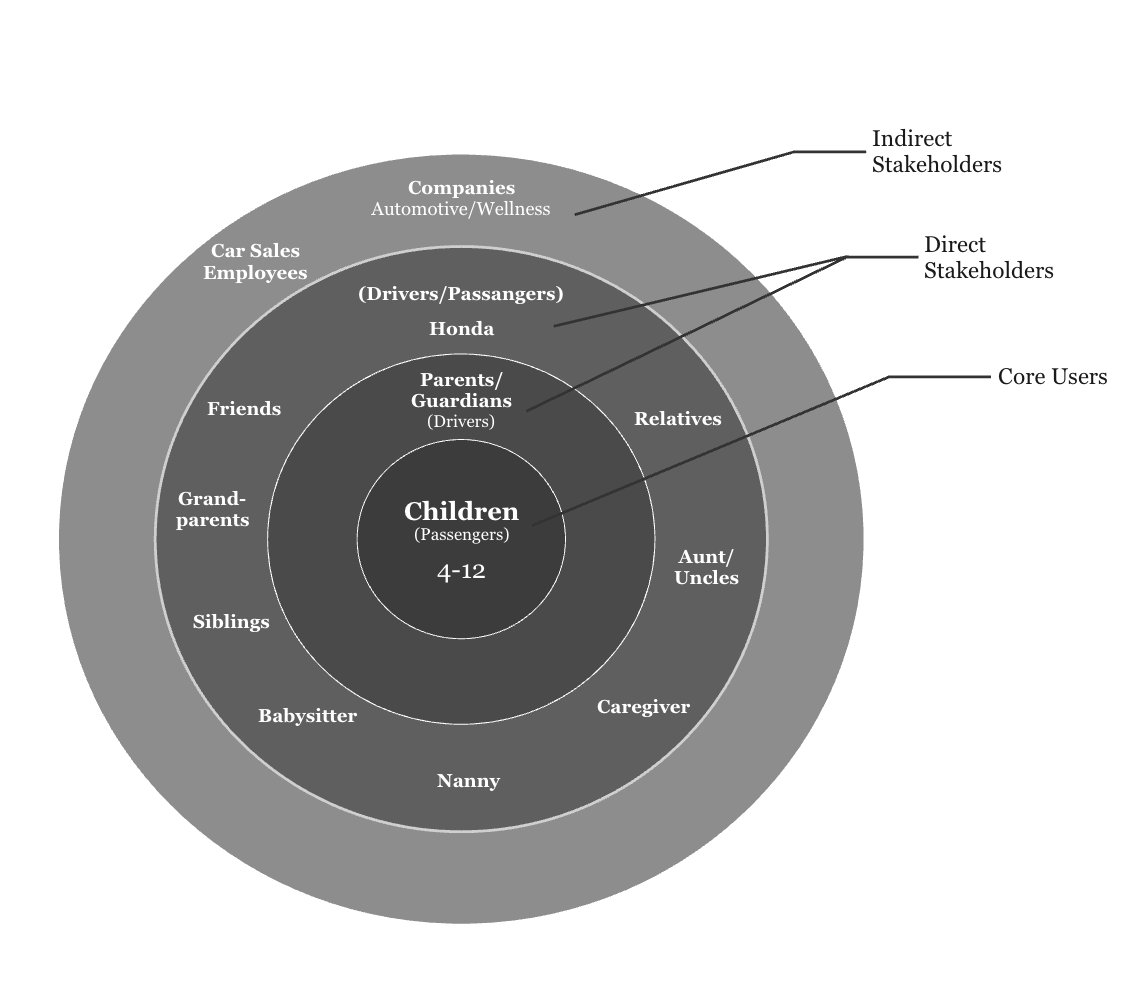
The scope of my project focuses on the backseat experience of children aged 4–12 years old. The primary stakeholders are the children within this age range who travel as passengers in automobiles. Secondary stakeholders include the drivers, such as parents, grandparents, caregivers, babysitters, siblings, or other family members who are directly affected by the car’s atmosphere. Additionally, Honda is another stakeholder as their branding and technology is a main consideration in the project. Much of my primary research will center on insights gathered from the adult drivers who regularly travel with child passengers in the back seat.
To better understand the backseat experience in current Honda vehicles, I visited the Dublin Honda dealership to explore models firsthand. During the visit, I examined interior features and spoke with an experienced salesperson, who provided valuable context about their customers. These observations helped me identify key elements of Honda vehicles, including their aesthetics, comfort features, and technologies such as Cabin Talk, an in-car PA system, and rear-seat display screens. These insights will help inform future design considerations.
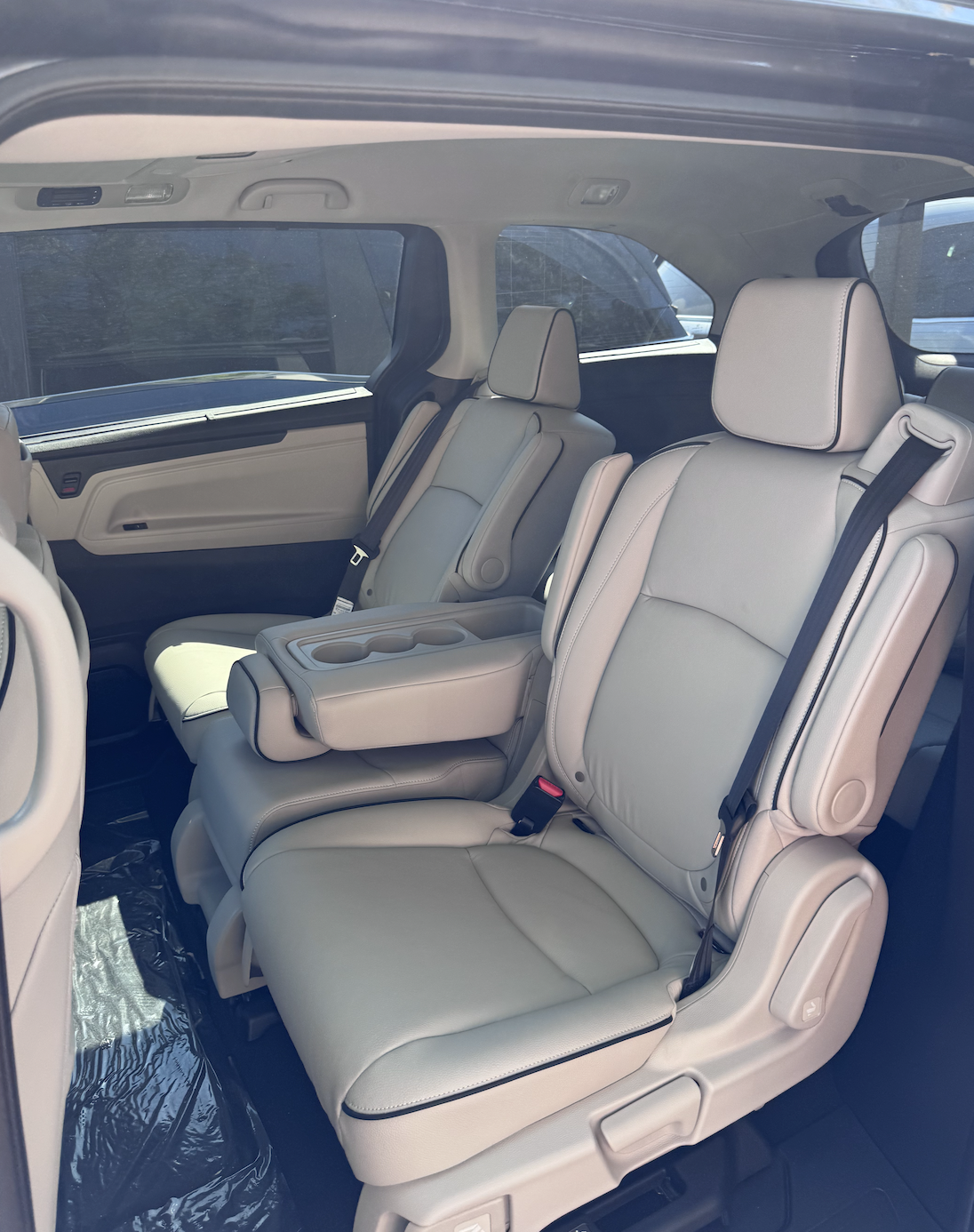
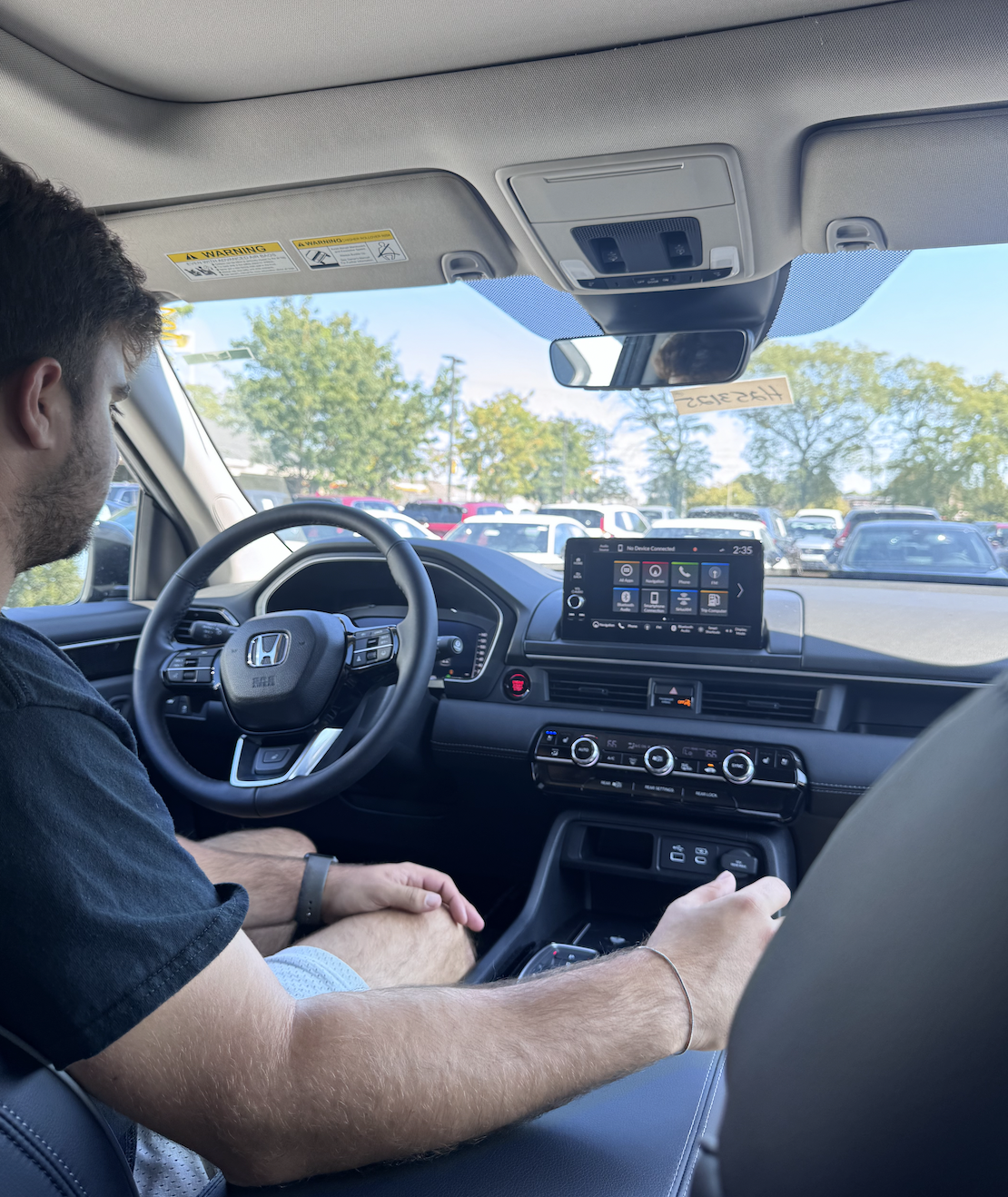
For many children, cars are more than just a mode of transportation, but are often viewed as an extension of the home (Barker, 2009). Cars play an essential role in daily life for children, serving as the primary means of transportation to school, sports activities, entertainment, and more. The duration of these trips can be more amplified when considering traveling for holidays, road trips, or long daily commutes.
Because children spend significant time traveling, various challenges can arise during these journeys. In the car, children are restricted from their usual ways of engaging with the world. Play is a central part of childhood, but is limited in vehicles due to the restraints of car seats, seatbelts, and the requirement to remain seated and still while traveling. These restrictions can be especially difficult during long rides, often leading to restlessness, agitation, and discomfort. This can create distractions for drivers and increase safety risks if children shift out of their proper seating positions (Charlton, 2013).
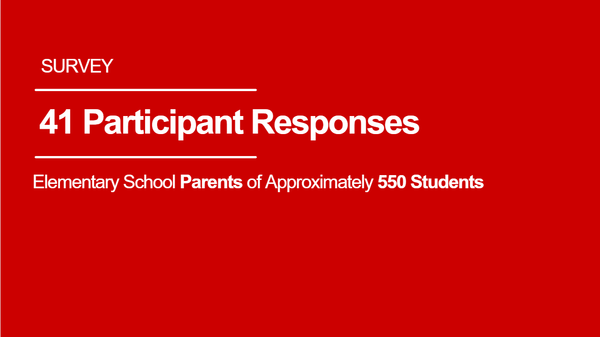
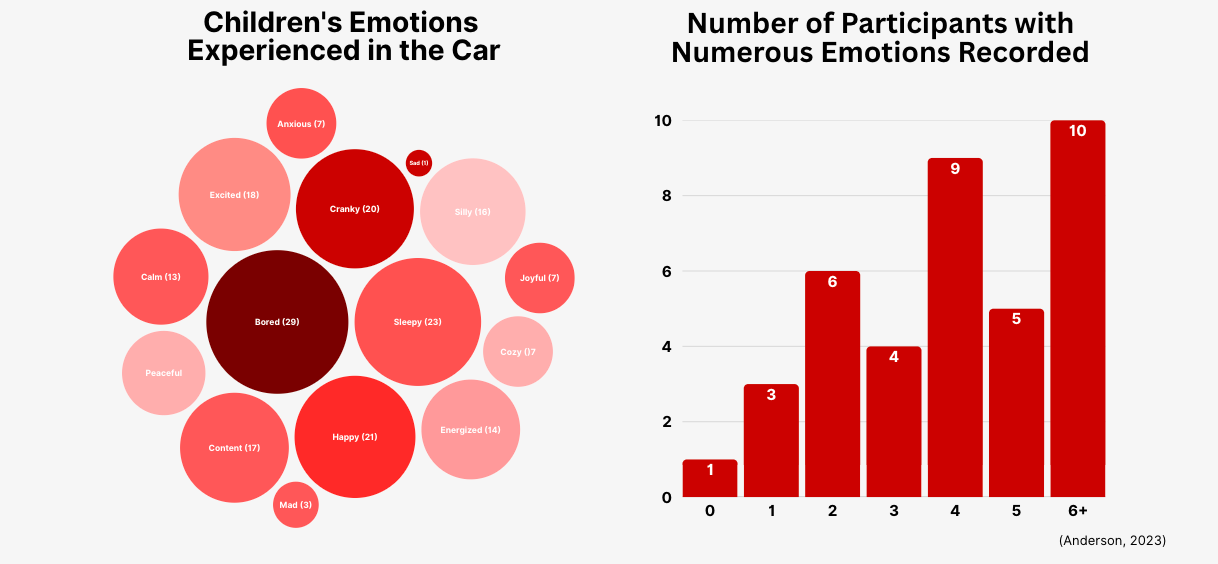
To further explore experiences in the back seat, I developed an 11-question survey to better understand stakeholders’ experiences, challenges, emotions, satisfaction levels, and current strategies for creating a calm car environment for children. I shared the survey link on a North East Ohio Community School Facebook page for the City of Fairview Park, to reach a condense demographic that experience traveling with child passengers. The Facebook group had approximately 1,700 members. I received a total of 38 completed responses were collected from participants across various age groups.
The results revealed that the car is a space where many emotions and challenges arise for both children and caregivers. The most common challenge and emotion identified for children during car rides was boredom (n=29). Additionally, the survey highlighted the most frequently used strategies to entertain children, being conversation (n=36), packed snacks (n=34) and music (n=29). I also identified participants’ experiences with using mindfulness practices with children, as 66% of participants use a form of mindful practices with children (n=25).
I found that common issues for child passengers include discomfort, boredom, and sibling conflicts. To address these challenges, drivers often rely on external items such as devices, toys, music, and snacks to keep children entertained in the back seat. However, these strategies tend to provide only temporary relief, as challenges continue to arise for both children and drivers during car rides. By focusing primarily on distraction during long trips, a valuable opportunity is overlooked. What if this time and space could be used to support children’s learning and emotional development? Incorporating semi-stationary mindfulness practices into the car environment can help improve children’s emotional well-being, foster a calmer atmosphere, and contribute to a safer driving experience (Powell, 2018) (Charlton, 2013).
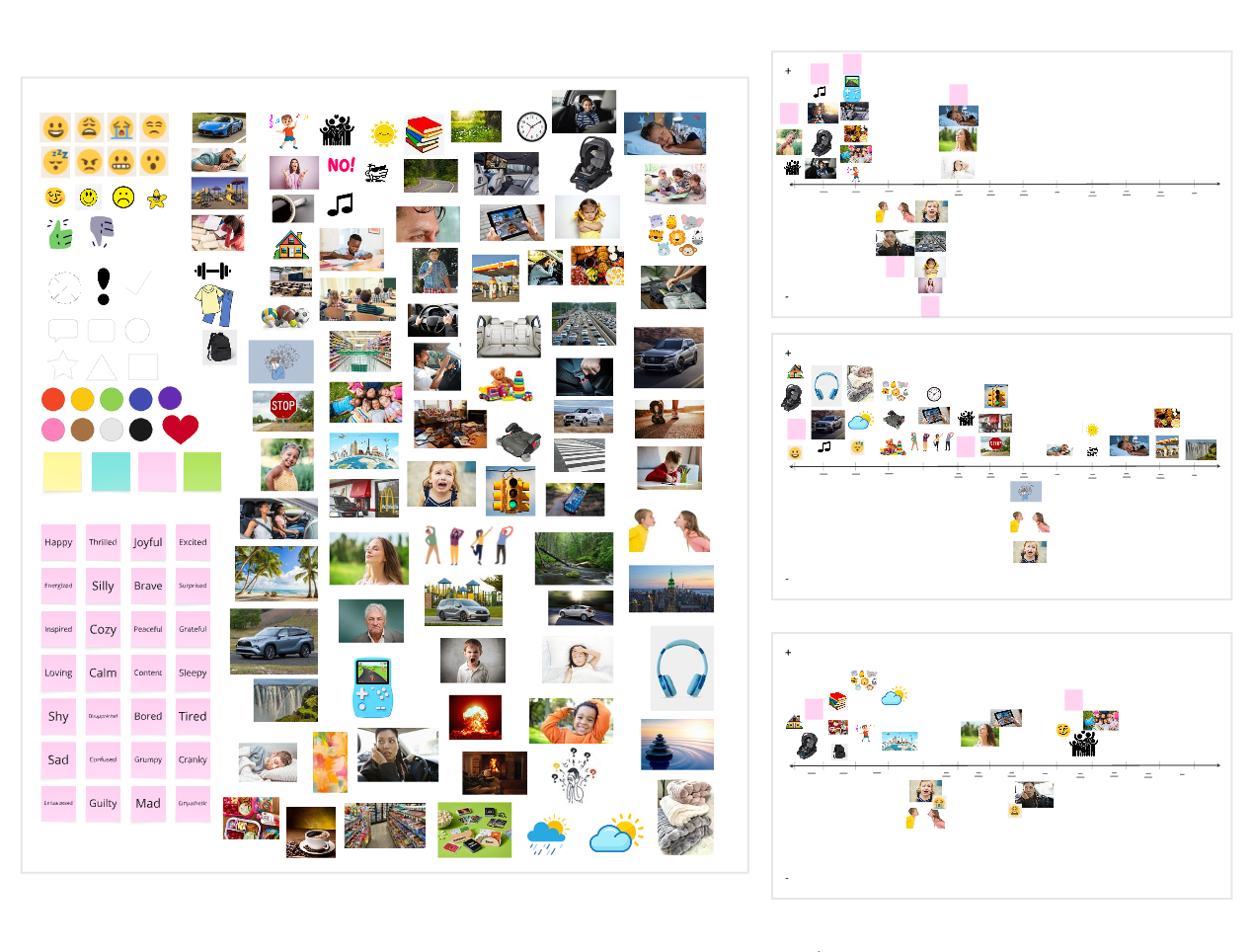
Additionally, I conducted experience mapping sessions with participants (n=3) who have experience traveling in the car with children, in order to better understand key touch-points throughout their journeys. Each participant shared a memorable car travel experience involving children and created a timeline collage to highlight moments of both positive and negative emotions. Afterward, they were asked to explain their thought process and elaborate on their experiences. Across all sessions, participants identified similar challenges when traveling with a child for long durations of time (over an hour).
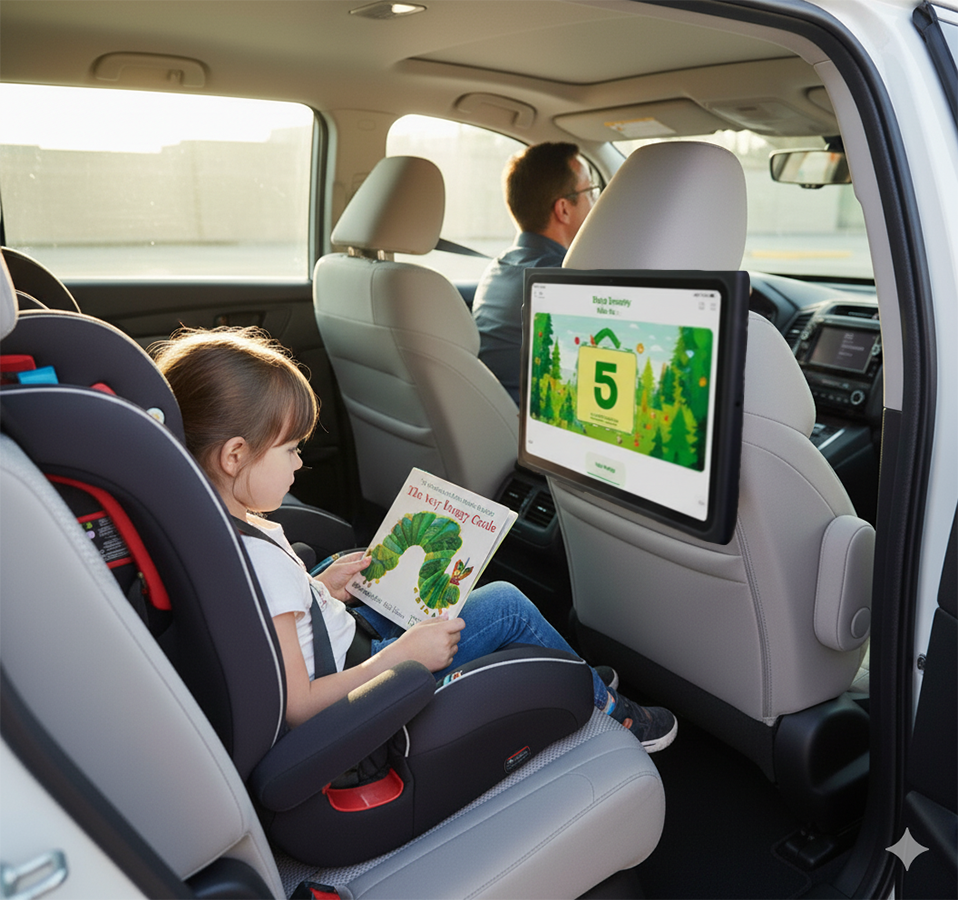
The car ride experiences consisted of both negative and positive attributes. Sibling conflicts and irritability were negatively mentioned across all participants. There were numerous activities presented to children in the car, with users noting specific preparation before the journey. They referenced packing activities, snacks, and books for long journeys. A potential idea can be implemented in the back seat of cars with the collaboration with local libraries to create curated children’s books with interactive mindful activities. An idea of how this may look is shown below. This conjecture brings up the questions, how would Honda collaborate with libraries across the country to make this design accessible?
Mindfulness practices are widely used to support healthier lifestyles. Techniques such as deep breathing and staying present have been shown to promote mental clarity, improve emotional stability, and reduce stress (McGreevey, 2012). These benefits suggest that incorporating mindfulness into settings like the car can not only help children relax in the moment but also support their ability to regulate emotions in the future. Research has shown that individuals who meditate regularly tend to have healthier brains and a stronger capacity to process negative emotions such as fear, anger, and grief (Cleveland, 2022).
To further support this evidence, I spoke with a nurse practitioner who works with children to help them find emotional balance during serious medical diagnoses. She focuses on deep breathing techniques and gentle movement to support patients and families in the oncology unit. She shared her methods and real-world experiences, emphasizing the transformative power of meditation and the deep sense of peace it can create. While this hospital setting is more intense than the scope of my project, it offered a valuable perspective on the significant impact mindfulness can have in helping individuals navigate challenging emotional experiences (Kristine, Lynelle, personal communication, September 19, 2025).
Meditation has not only become a valuable tool in hospitals to improve patients’ well-being, but it is also increasingly being integrated into classrooms. To learn more about how mindfulness is used in educational settings, I interviewed an Upper Arlington School Intervention Specialist about their methods for addressing behavioral challenges in children. She offered valuable insights and shared a range of techniques to help children regain focus and calm themselves during moments of heightened emotion. She emphasized that the most effective time to practice mindfulness is when children are bored, as this presents opportunities for deeper engagement and understanding of the techniques (Weaver, Mary, personal communication, September 12, 2025). These practices focus on helping children recognize their emotions and achieve a sense of calm, an approach that directly aligns with the focus of my capstone project.
With the increase of in-car technologies, we can reimagine interactive ways to deliver these practices to young passengers. To explore the potential of technology, I investigated new artificial intelligence devices and interactive media at the Cleveland Museum of Art. Recent advancements in AI have led to the development of wearable products that promote simple, intuitive engagement (Chen, 2025). Additionally, the Cleveland Museum of Art created an interactive exhibit that uses motion capture and eye-tracking technologies to allow visitors to explore and create through movement (Cleveland Museum, 2017). These examples demonstrate how technology can be used to engage audiences in dynamic and immersive ways.
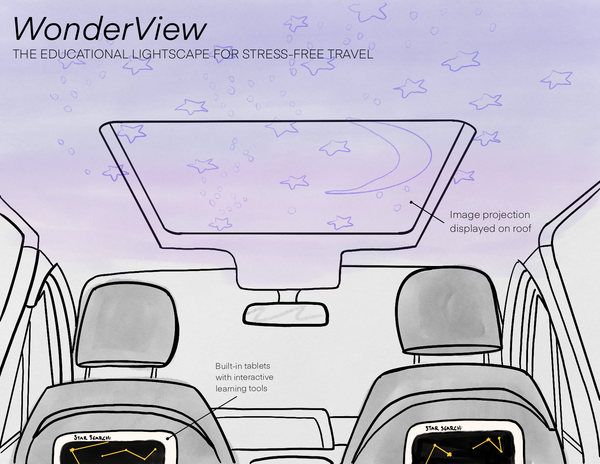
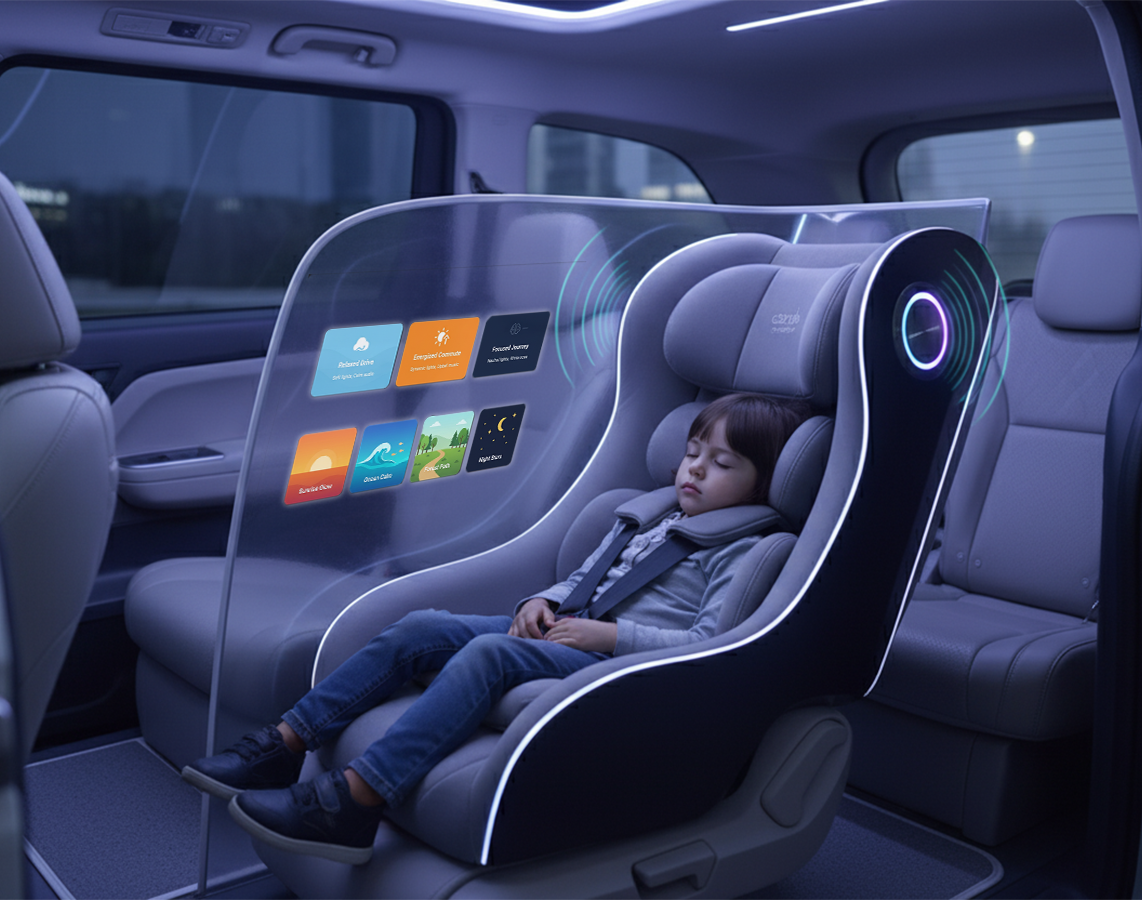
Similar approaches could be adapted for vehicles, enabling semi-stationary and hands-free methods for children to explore their surroundings and learn in enjoyable ways during travel. While advancing technologies offer exciting opportunities for innovation, it is essential to ensure that these practices remain accessible and easy to use. My goal is to provide children with a sense of freedom and agency through guided, technology-enhanced mindfulness activities that encourage exploration and support their overall well-being. This idea can be imagined as an interactive backseat design to promote exploration and relaxation, with an example below. This conjecture raises important considerations for in-car design. Incorporating movement-activated visuals could unintentionally encourage children to become more physically active or fidgety as they attempt to interact with the car’s interior. This behavior poses a safety concern, as children being out of position is a leading cause of accidents and driver distraction (Charlton, 2013).
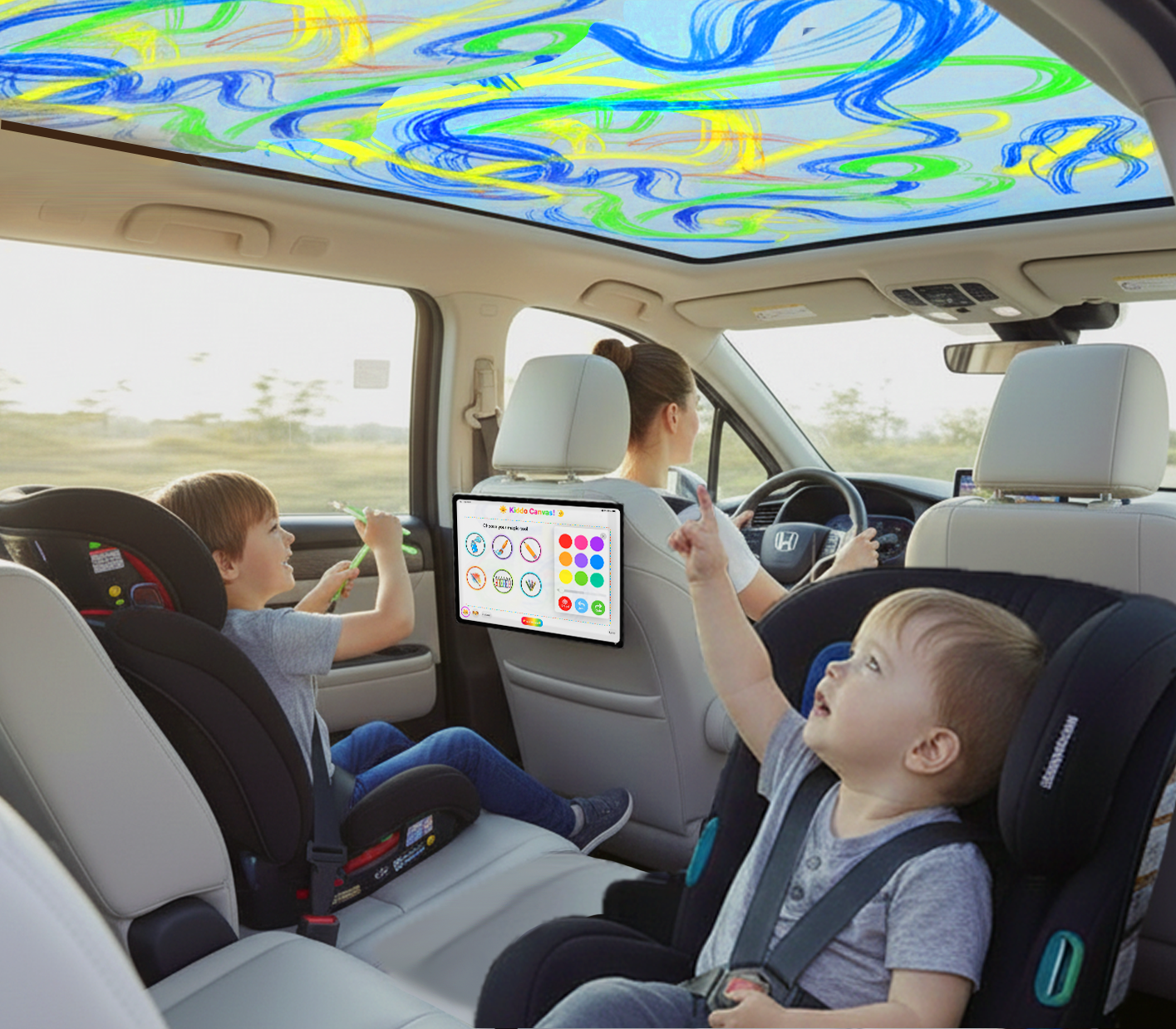
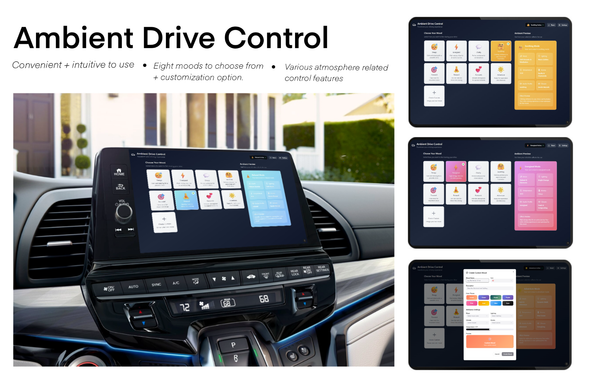
External factors can also influence behavior. Color theory suggests that people associate specific colors with particular emotions, and these colors have the potential to evoke emotional responses in their audience. Shades of green, blue, and white, for example, have been shown to promote feelings of calm and peace (Myers, 2025). How might we adapt the aesthetic choices of the car to promote a calm environment for children in the backseat? An idea of how this may look is pictured below. This conjecture brings up the question, how much control should children have over car features?
Mindfulness practices have become an increasingly popular method for relaxation and stress relief. Numerous studies have demonstrated the health benefits of mindful practices as it can cause physical changes in the brain that support emotional functioning (Powell, 2018). The use of meditation to promote healthier lifestyles has also expanded to younger audiences, through parenting and the classroom.
These techniques have proven effective in other settings, so why not bring them into the back seat? Implementing mindfulness practices during car rides can help reduce stress and irritability for children, foster a calmer atmosphere for drivers, and create safer driving conditions. Additionally, incorporating these practices can have long-term benefits by supporting children’s emotional development as they grow.
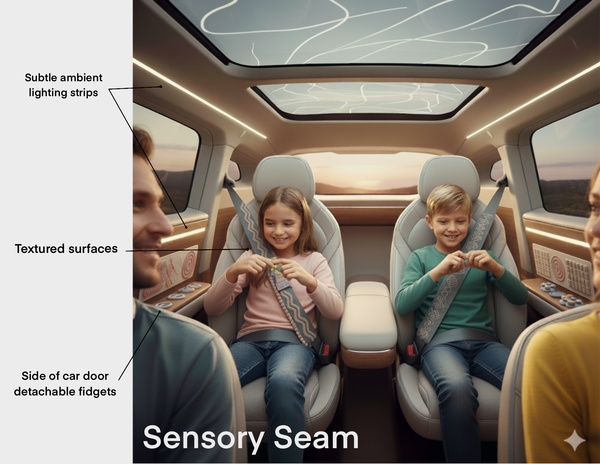
Overall, children’s experiences in the car often come with a variety of challenges. Restrictions, sibling conflicts, boredom, and discomfort can lead to irritability, creating a stressful atmosphere for everyone in the vehicle. This tension can contribute to distracted driving, as drivers attempt to de-escalate situations from behind the wheel. The current techniques in place to control these situations are temporarily distracting kids, when the time spent in the car has the potential to transform their emotional stability, and be a space for learning. Incorporating mindfulness practices can help children develop a sense of calm that not only enhances their travel experience but also supports their long-term emotional well-being. Keeping kids engaged in the car should be more than just a means of distraction. Car rides present a valuable opportunity to foster a peaceful environment for drivers while introducing children to healthy practices that can benefit them in the future. Design offers the opportunity to reimagine car interiors as spaces that promote peace and well-being. Through the integration of thoughtfully designed digital systems and tactile elements, the backseat can be transformed into an environment that encourages both calm and exploration for child passengers.
References:
Barker, J. (2009). “Driven to distraction?”: Children’s experiences of car travel. Mobilities, 4(1), 59-76. https://www.tandfonline.com/doi/epdf/10.1080/17450100802657962?needAccess=true
Charlton, J., Koppel, S., Cross, S., Kuo, J., Rudin-Brown, C., Arbogast, K., Loeb, H., Eby, D., Bohman, K., Svensson, M., Jakobsson, L., & Stockman, I. (2013, December). Naturalistic observation of children in cars: An international partnership https://www.researchgate.net/publication/301893570_Naturalistic_Observation_of_Children_in_Cars_An_International_Partnership
Chen,Brian, & Mickle,Tripp (2025, September 8). The New York Times. A.I. Could Make the Smartphone Passé. What Comes Next? The New York Times. https://www.nytimes.com/2025/09/08/technology/personaltech/ai-iphones-android-smartphones.html
Cleveland Clinic. (2022, May 22). Meditation: What it is, benefits & types. Cleveland Clinic. https://my.clevelandclinic.org/health/articles/17906-meditation
Cleveland Museum of Art. (2017, June 21). ARTLENS Gallery: A touchscreen-free approach to integrating art, interpretation and technology [Press release]. Cleveland Museum of Art. https://www.clevelandart.org/about/press/cleveland-museum-art-introduces-artlens-gallery-touchscreen-free-approach-integrating
Kristine, Lynelle. (September 19, 2025). Personal communication Interview.https://capstonenews.ghost.io/ghost/#/editor/post/68dacd6c848f2a00016eea2f
Myers, B. (2025, January 16). Color me impressed! Psychology research links colors and emotions for over a century. Psychonomic Society. https://featuredcontent.psychonomic.org/color-me-impressed-psychology-research-links-colors-and-emotions-for-over-a-century/
Powell, A. (2018, April 9). Harvard researchers study how mindfulness may change the brain in depressed patients. Harvard Gazette. https://news.harvard.edu/gazette/story/2018/04/harvard-researchers-study-how-mindfulness-may-change-the-brain-in-depressed-patients/
Weaver, Mary, (September 12, 2025). Personal communication interview. https://capstonenews.ghost.io/ghost/#/editor/post/68dac990848f2a00016ee9b8
This text draws on original survey findings and design reflections by the author (~40%), the author’s writing and conceptual framing (~30%), and AI assistance (~30%) for language refinement, structural editing, and synthesis of ideas. All interpretations remain the responsibility of the author.