
Pamola, the Protector of Mount Katahdin
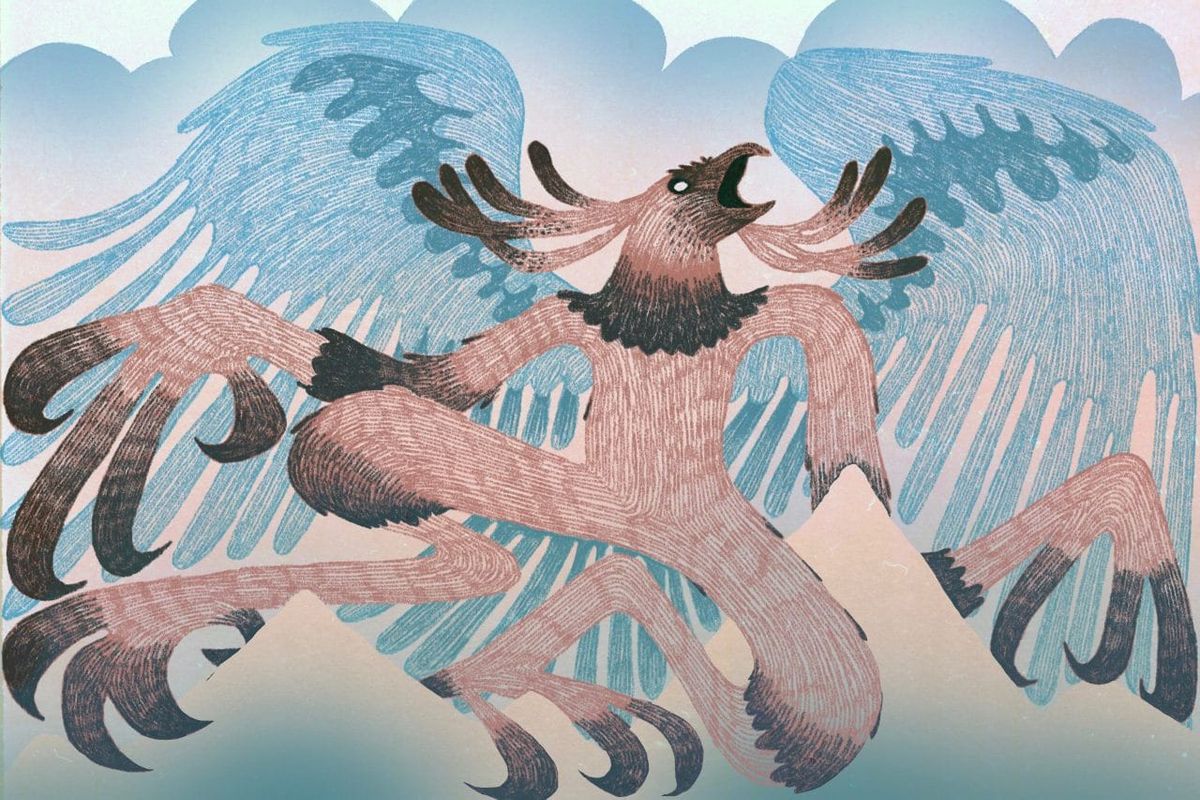
Mount Katahdin, Maine's tallest mountain and the northern terminus of the Appalachian Trail, is notorious for sudden, unpredictable changes in weather conditions. One minute, its sunny and bright, and the next you find yourself caught in a violent thunderstorm. In this article from Atlas Obscura, Schipani describes the creature allegedly responsible for this phenomenon according to the traditions of the Penobscot people and discusses how the perception of this legendary spirit has evolved over time.
"Locals have a simple explanation for the capricious conditions: It’s Pamola, the guardian of Katahdin—or K’taadn, as it is more closely spelled in the language the area’s Indigenous people, the Penobscot Nation of the Wabanaki Confederacy. Centuries of Penobscot legend describe Pamola as hideous and birdlike, with spindly legs, long arms, a sharp beak, and a violent temperament that demands respect for it and the mountain it resides on" (Schipani, 2022).
"Today, though, the Penboscot’s protective spirit has become an icon for summiters of Katahdin —the very people it once frightened away. More contemporary renderings of Pamola are comparatively Disneyfied from the legends of yore, with a friendly moose face, a (notably buff) man’s torso, and eagle wings. Though the beast retains its connection to the Katahdin community, the Pamola of today is perhaps less often spotted atop the mountain than on beer cans and Boy Scout badges" (Schipani, 2022).
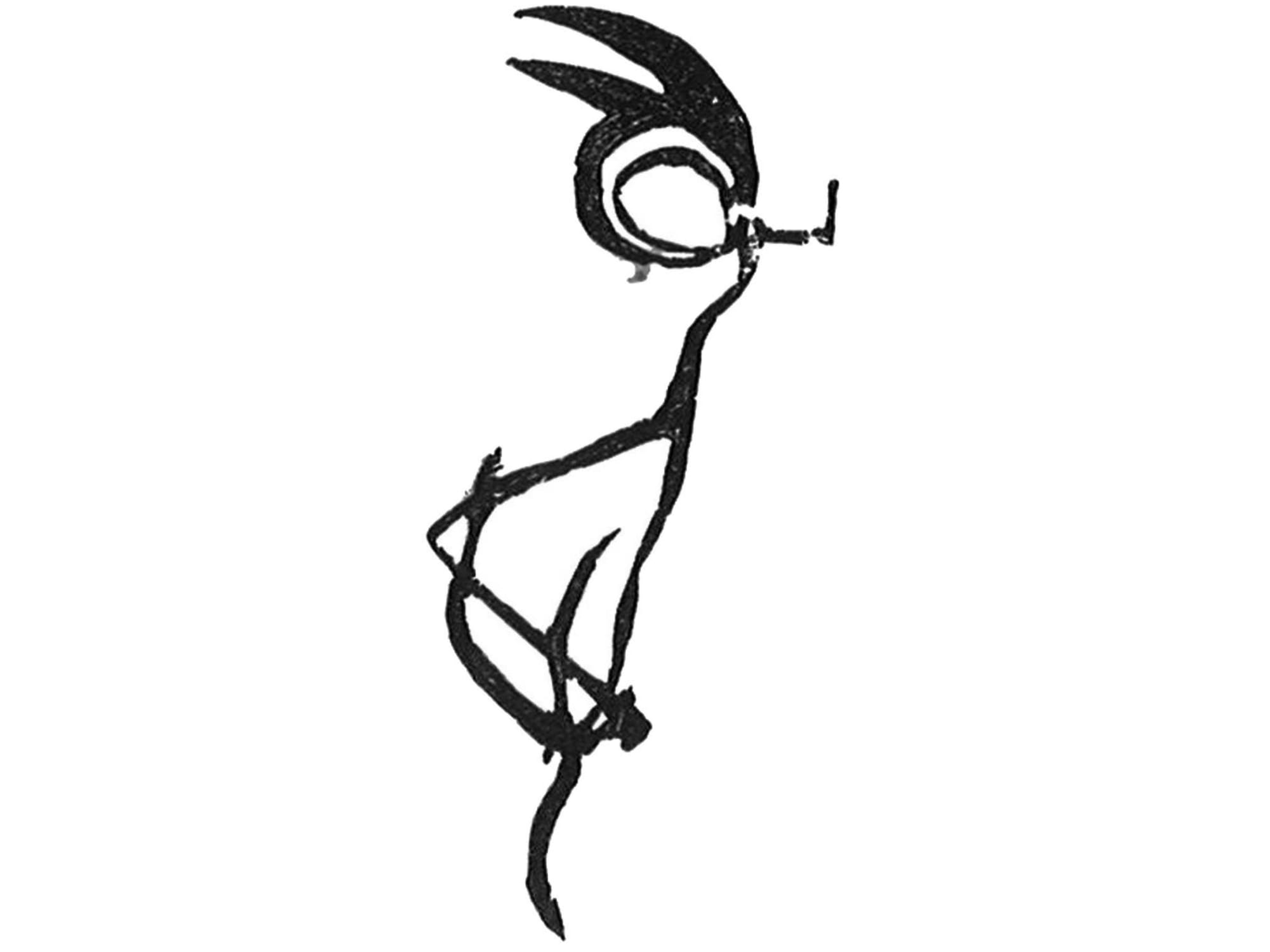
"Pamola has long existed in the oral tradition of the Penobscot people, but it was first documented in written records by white settlers climbing Katahdin in the early 19th century. Christopher Packard, author of Mythical Creatures of Maine, says that in the first recorded ascent of Katahdin by Charles Turner Jr. in 1804, the Wabanaki members of the party told Turner that Pamola 'inhabits Katahdin at least in winter, and flies off in the spring with tremendous rumbling noises.' Henry David Thoreau’s Penobscot guides would not continue with him in his attempted ascent of Katahdin in 1846, explaining that the poor weather conditions indicated Pamola’s fury. 'Pamola is always angry with those who climb to the summit of K’taadn,' Thoreau wrote in his book The Maine Woods" (Schipani, 2022).
"'Instead of climbing the sacred mountain, the Wabanaki would only travel to K’taadn to become closer to the spirits that lived in the mountain but avoided the wrath of the spirit most popular in K’taadn legends—Pamola,' writes Maria Girouard, a historian, activist, and member of the Penobscot Nation. 'With proper respect, it will allow you to climb to the top. Disrespect will get you elsewhere'"(Schipani, 2022).
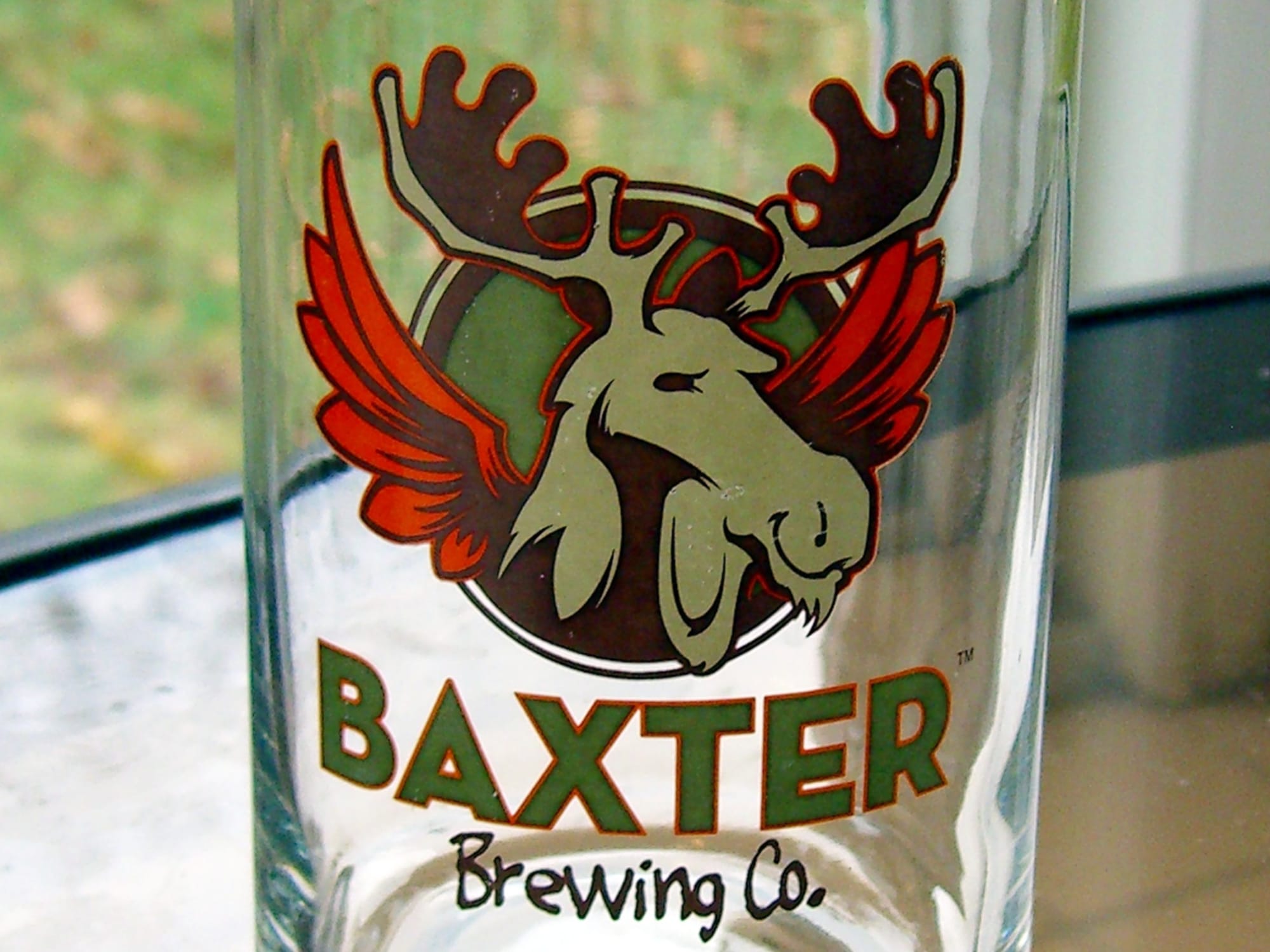
"Luke Livingston, founder of Baxter Brewing Co., said that Pamola played such a central role in the company's original branding because the story 'resonated' due to its deep ties to the company’s namesake region and outdoors community, which aligned with Livingston’s goal to make his beer 'for everyone that you could get anywhere and take everywhere'" (Schipani, 2022).
"Wabanaki knowledge keepers today prefer to keep the most sacred stories about Pamola within the tribe, in part due to a lack of trust towards non-Indigenous communities. Livingston admits that though reception to Pamola in Baxter Brewing Co.’s branding was overwhelmingly positive, he did receive a 'one in a million' email from a critical customer saying that the company’s use of Pamola was 'disrespectful;' he never heard from the Penobscot tribe directly about it. Baxter Brewing Co. retired the logo in 2019" (Schipani, 2022).
Review
Schipani not only gives historical background of the spirit of Pamola and its significance to the Penobscot people but also illustrates how public perception of the figure has evolved since the legend began being documented by white settlers in the early 19th century. What I found interesting was how Pamola has become a mascot for the area despite what the legends say about its violent nature--the included sketch of Pamola by a Penobscot chief depicts the spirit abducting a human. The example of Baxter Brewing Co.'s original logo design promotes the friendly, "Disneyfied" version of the creature (as Schipani put it), and the founder of the company is quoted essentially saying that he thought it made the brand more approachable. Although the spirit is not depicted in a negative light, it's still radically different from the original interpretation of the indigenous people from the area. The emphasis placed on how the figure protects the land from disrespectful human beings is quite powerful, and there is evidence of that narrative being upheld by locals and members of the Penobscot Nation. How might design be used to further uphold the traditional story of Pamola, and translate the narrative to foster a sense of respect for nature that seems to be lacking?
References
Schipani, S. (2022, October 28). The transformation of Pamola, the protector of Mount Katahdin. Atlas Obscura. https://www.atlasobscura.com/articles/pamola-mount-katahdin