Plastic Pollution
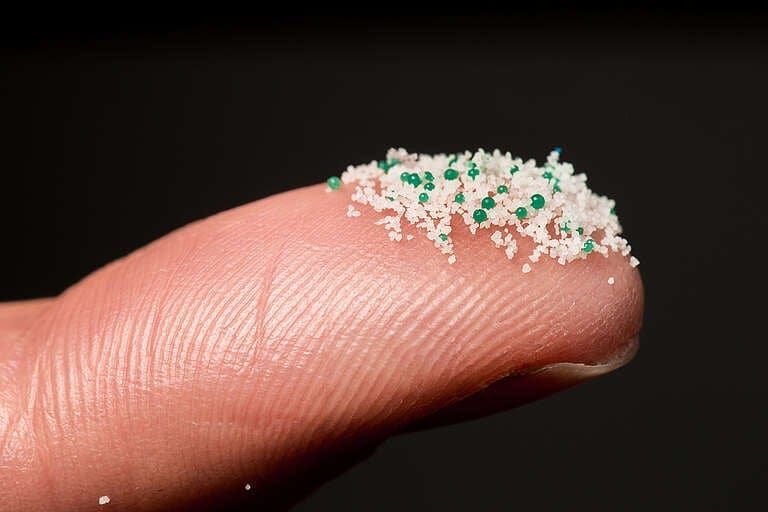
Trying to think of ways to get people to relate more personally to the problem of littering, I looked into the effects of plastic pollution on human health.
Excerpts from Greenpeace (2025)
99% of plastics are made from fossil fuels, and they are harmful at every stage of the plastics lifecycle — from production, to use, to disposal. Plastics are made with over 16,000 chemicals, with more than 4,000 known to be harmful to human health.
Chemicals in plastics have been linked to a range of serious health issues including endocrine disruption, cancers, reproductive disorders, metabolic changes, obesity, premature birth, early puberty, neurological issues, immune dysfunction, respiratory problems, diabetes, heart disease, and learning disabilities.
Plastics do not break down. Instead, microplastics, tiny pieces of plastic, are created as plastics shed and degrade — and they end up everywhere: in the air, waterways, agricultural soils, rivers, and oceans. Bottles, bags, and other plastic junk gradually break into smaller and smaller pieces, which though invisible to the naked eye, cause serious damage to the ecosystems in which they are found.
Awareness of ocean plastic pollution has grown, but concern has also expanded to its impact on other ecosystems and wildlife, food and water supplies, and human health.
Microplastics have been found in human blood, feces, lungs, breast milk, placentas, hearts, and stomachs.
Plastic pollution impacts everyone, but low-income communities living near production, disposal, and incineration sites bear the heaviest burden. They experience higher exposure to toxins and more severe health impacts. This pattern is seen worldwide, as marginalized communities are disproportionately impacted by the plastics industry — from incinerators and landfills to petrochemical facilities and polluted waterways, and excessive single-use plastic packaging pushed onto them.
Although I am sufficiently moved by the impact of littering on animals other than humans, some people may need a more personal, direct reason. Educating park visitors on the dangers of plastic pollution and microplastics to their own health may be a valuable motivator in preventing littering. I imagine it's not well known how persistently plastics can make their way into our bodies, and affect our health. It's also hard to fully comprehend the extent to which plastic can integrate itself into our environment and bodies.
References.
Greenpeace. (2025). The impacts of plastic on human health. Greenpeace USA. https://www.greenpeace.org/usa/plastics-and-health/
No generative AI was used in the creation of this post.