Plastic Pollution Hits the Root: Microplastics Disrupt Plant Growth

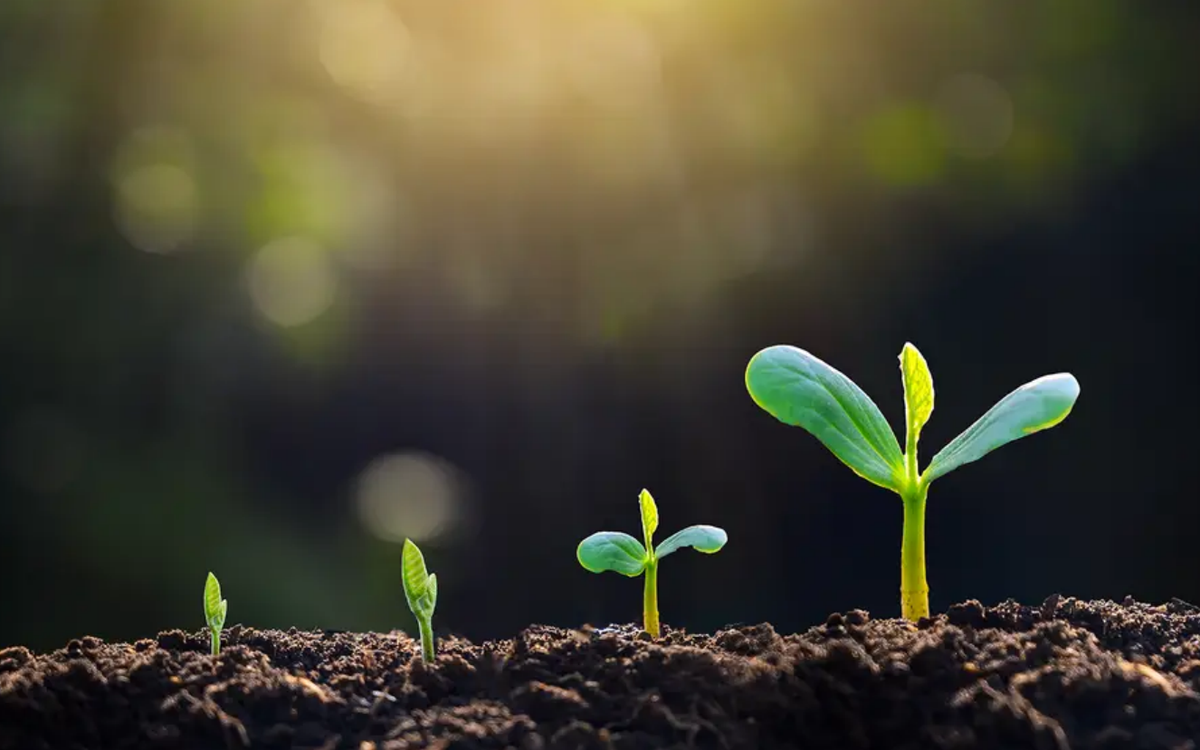
Plants are a living thing, so how are they and global agriculture affected uniquely by the rise in microplastics?
Researchers have discovered that microplastic particles, which are ever present in our global environment, can lower a plant’s ability to carry out photosynthesis. The reduction of a vital biological process utilized by all plants, including food crops (e.g. wheat, rice, and corn) could have unimaginable consequences and lasting effects across the globe.
Plastic pollution has become a growing concern across the world. Large plastic materials are often broken down into smaller particles through exposure to the elements. Microplastics (plastics smaller than 5 mm) retain the same chemical additives and can also be vectors of transport for harmful pathogens and heavy metals. Microplastics have been found in the most remote places on earth like the depths of the ocean, to the top of Mount Everest, and even in the human brain. (Bailey)
The effects of microplastics are wide reaching, that is why it is so important to look for long term solutions and alternatives. It is hard to deny that microplastics have made their way into all aspects of our environment.
The study concluded that there are four effects microplastics have on plant growth: 1.Increased production of reactive oxygen species (ROS), which contributes to stress on the plant and stunts its growth. 2.Changes in the chemical composition in the leaf and roots systems, which are vital for obtaining nutrients from the surrounding environment. 3.Alterations in plant hormone regulation, which can stop physical growth and disrupt the overall health and maturation of the plant. 4.Reduction in photosynthesis through alterations in chlorophyll, which are the pigments that give plants their green color and are vital for providing nutrients for the plants by converting sunlight into energy. (Bailey)
Much like other organisms microplastic interact with, plants also experience negative effects to their hormone regulation. This in combination with multiple factors in the plant's roots and leaves leads to a decreased intake and processing of nutrients, ultimately causing stunted growth.
Impact of global photosynthesis reduction on crops and seafood supply: Plants are essential to life on Earth because they can store energy from sunlight through photosynthesis. This energy is used as food that we eat, the natural resources that we burn for fuel and warmth, as well as materials we use for building and clothes like wood and cotton. Basically, life as we know it requires the products of photosynthesis
In addition to being a key member of our food supply, plants use photosynthesis to contribute to the global oxygen production and carbon dioxide reduction, which allows us to breathe clean air. A major source of the air that we breathe comes from photoautotroph photosynthesis in the ocean (e.g. plankton). Researchers found that microplastic pollution will reduce the chlorophyll levels of these organisms by 10.96 – 12.84%. (Bailey)
A main point of concern is that microplastics reduce the effectiveness of plant photosynthesis. This has the potential to directly affect everything humans eat, from the food we grow as well as other animals across the globe if left unchecked.
This challenge is a human problem and will take a global effort to make sure current and future generations can live healthier and pollution free lives. (Bailey)
This makes me wonder if there are ways to process excessive amounts of microplastics out of soil, water and other avenues. Additionally, I am curious how much of the microplastic exposure plants face could be avoided in the right containers and cultivation methods.
Bailey, Morgan, et al. “Plastic Pollution Hits the Root: Microplastics Disrupt Plant Growth.” Microplastics in Plants Shown to Disrupt Growth, 2025, www.rti.org/insights/microplastics-plant-growth-effects.