Primary Research

This post includes a visit to a variety of parks and some conversations with ODNR park managers. Through these visits and conversations, information about waste in parks were gathered that can serve as insights to guide the capstone project. The parks that were visited include Alum Creek, Glacier Ridge Metro Park, Highbanks Metro Park and Park of Roses.
Night Walk
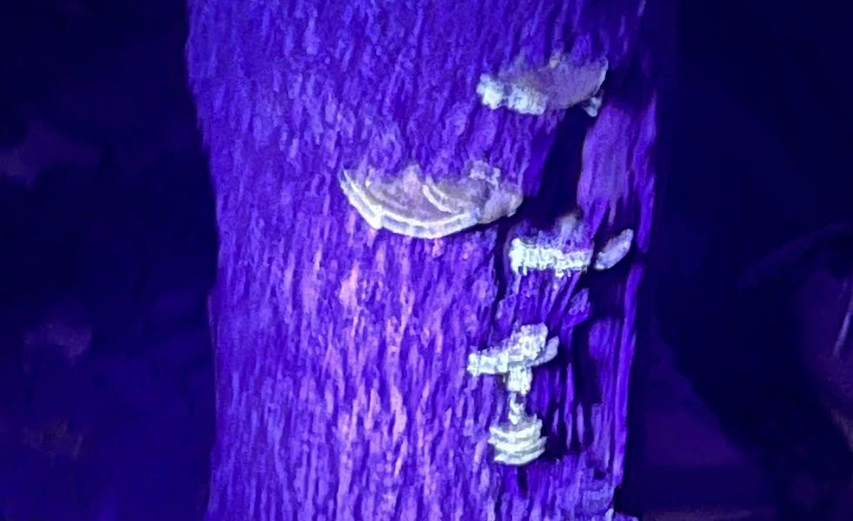
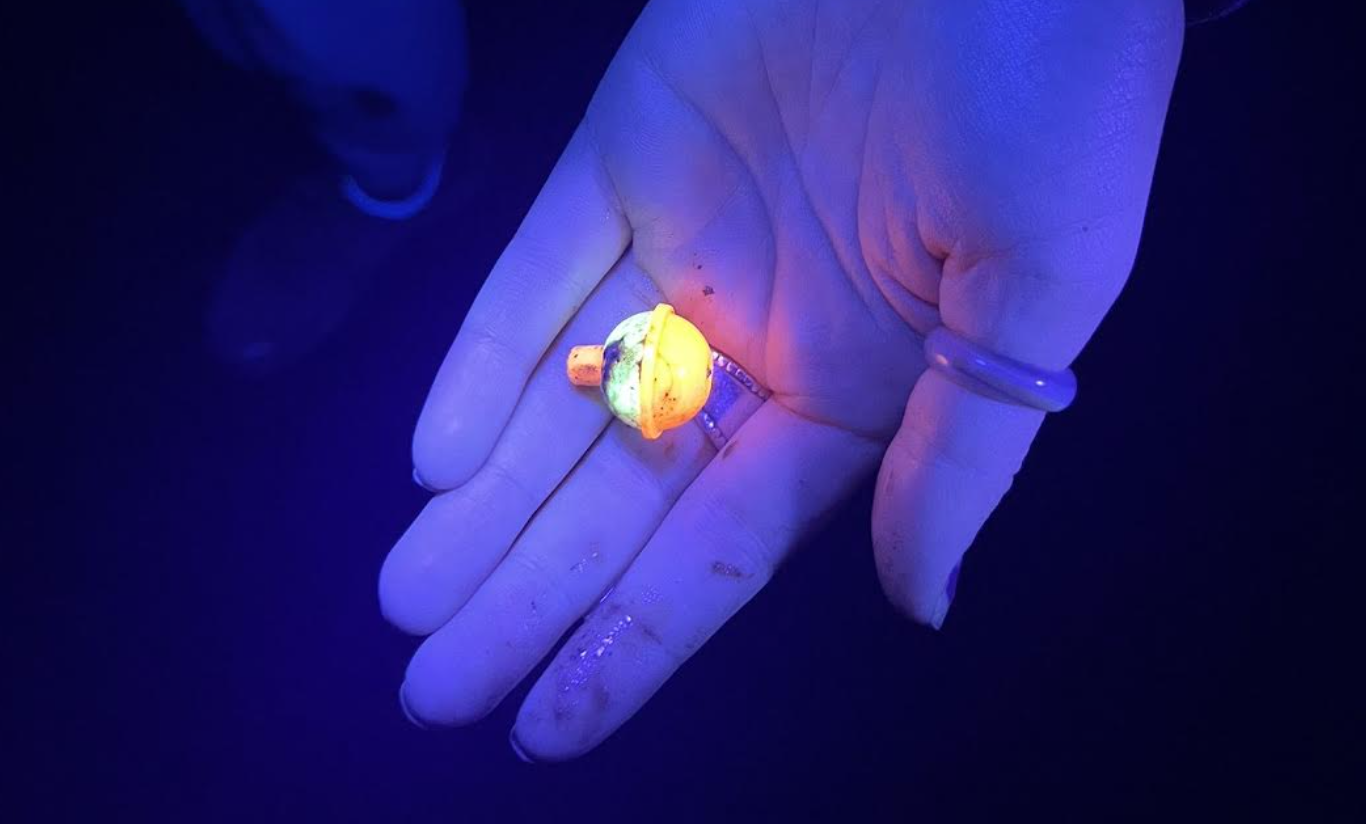
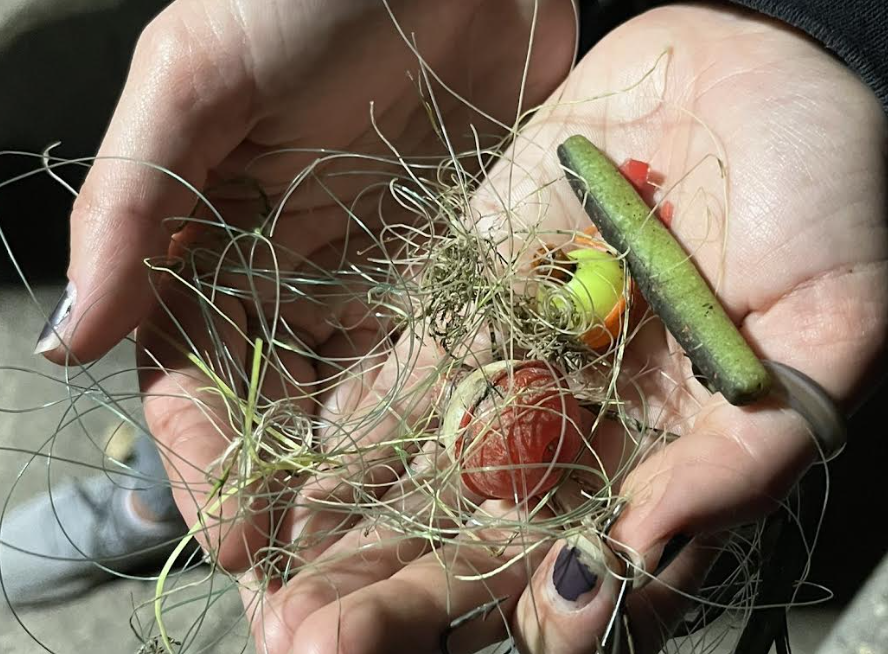
The Night Walk was an event at the Alum Creek campgrounds from 8pm to 9pm. People that went to this event included the students in the ODNR group, a park manager and other civilians. A park manager gave each individual a UV flashlight that can light up certain items or creatures in nature when it’s dark out. Things that glow under the UV light include lichen, spiders, certain plants and animals. Other items that glow include waste, such as fishing lines, fishing weights, cloth and wrappers. The majority of what could be seen from the UV flashlight was waste, which was something quite unexpected and shows just how much trash was being left in nature. With students in the ODNR group, any waste that was seen with the light was picked up until the walk was over.
Overall, there was a lot of litter, particularly angler waste, that cannot be seen during the day. How can waste be reduced or prevent people from leaving their waste behind?



Glacier Ridge Metro Park
A visit to Glacier Ridge around late afternoon with one other student from the ODNR group. The goal of this visit was to observe the trails and how waste was managed in these parks.
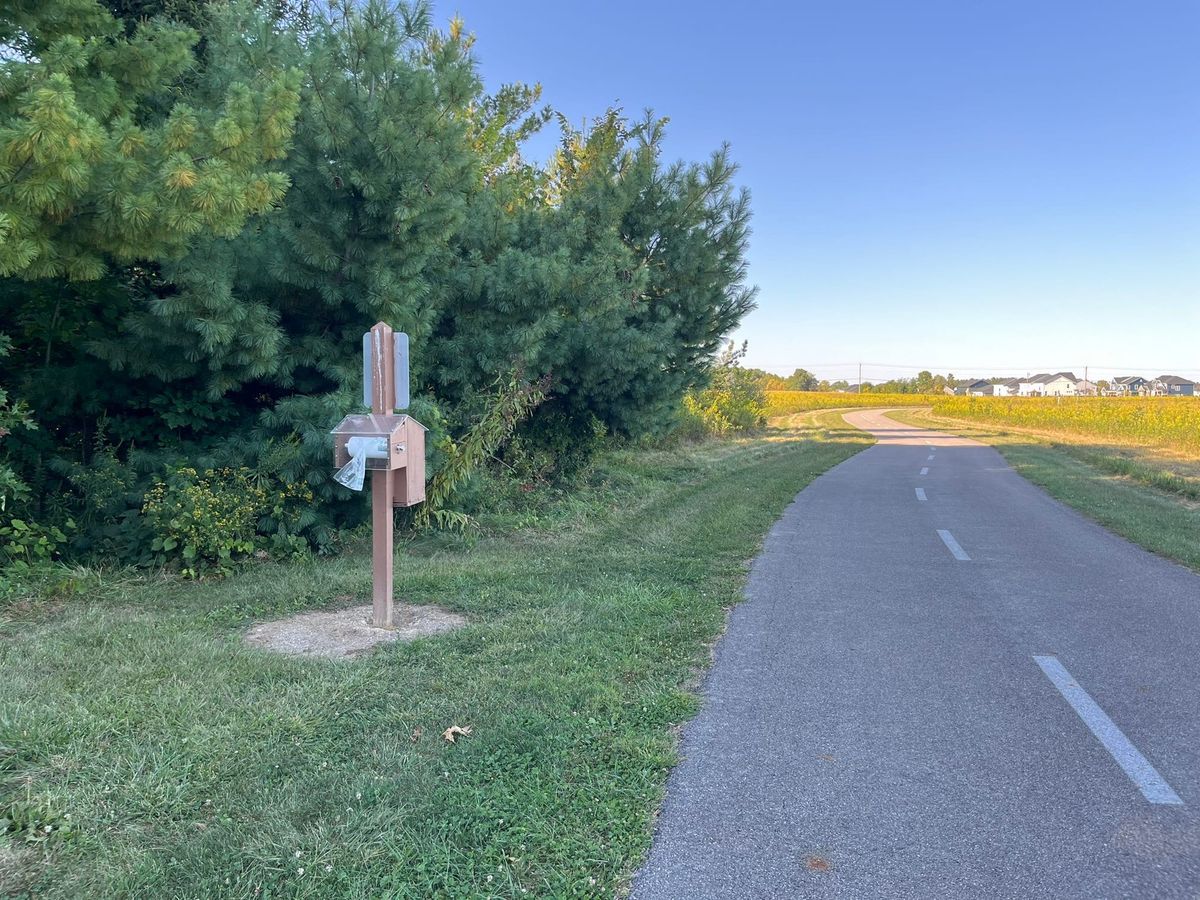
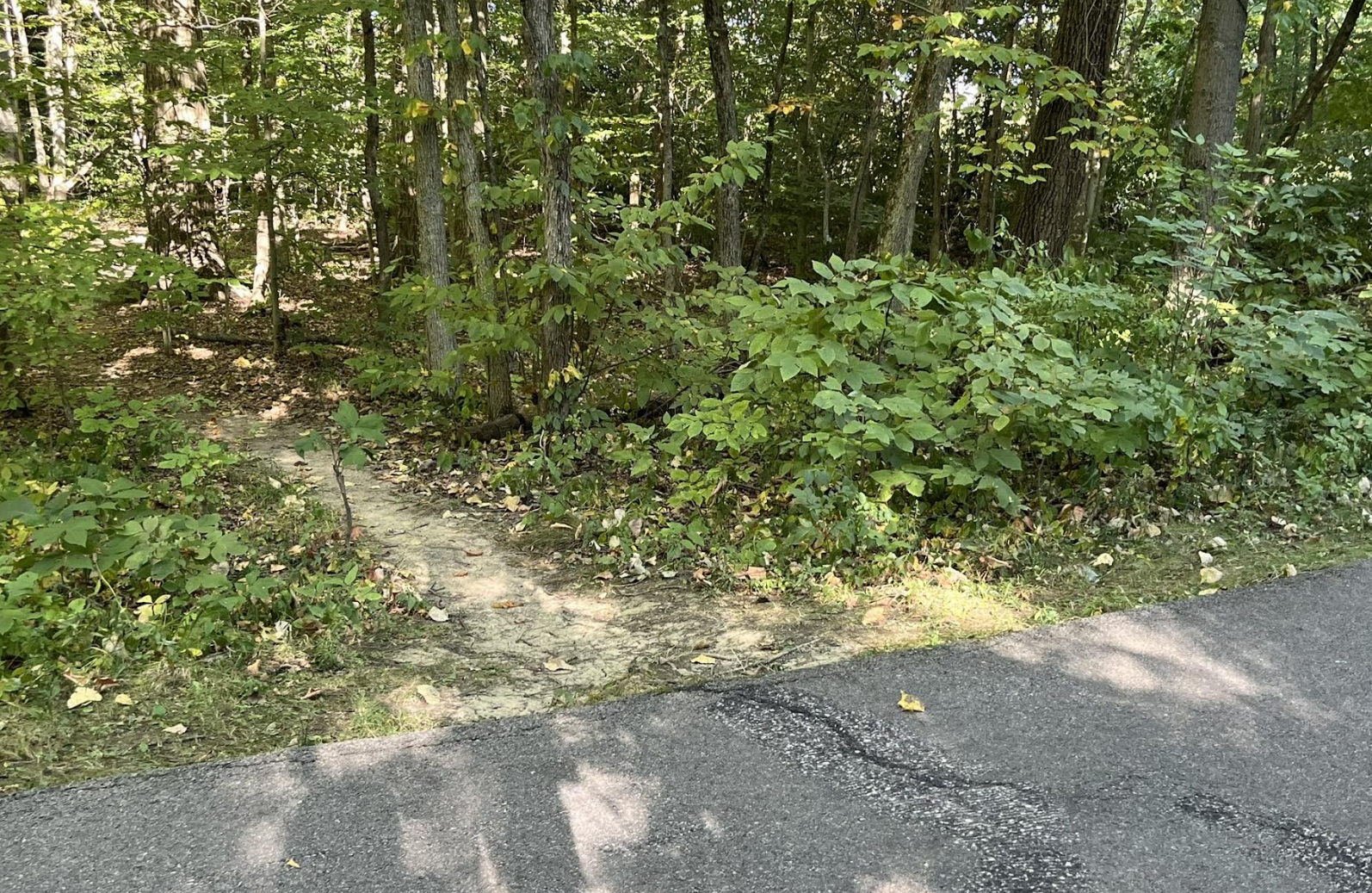
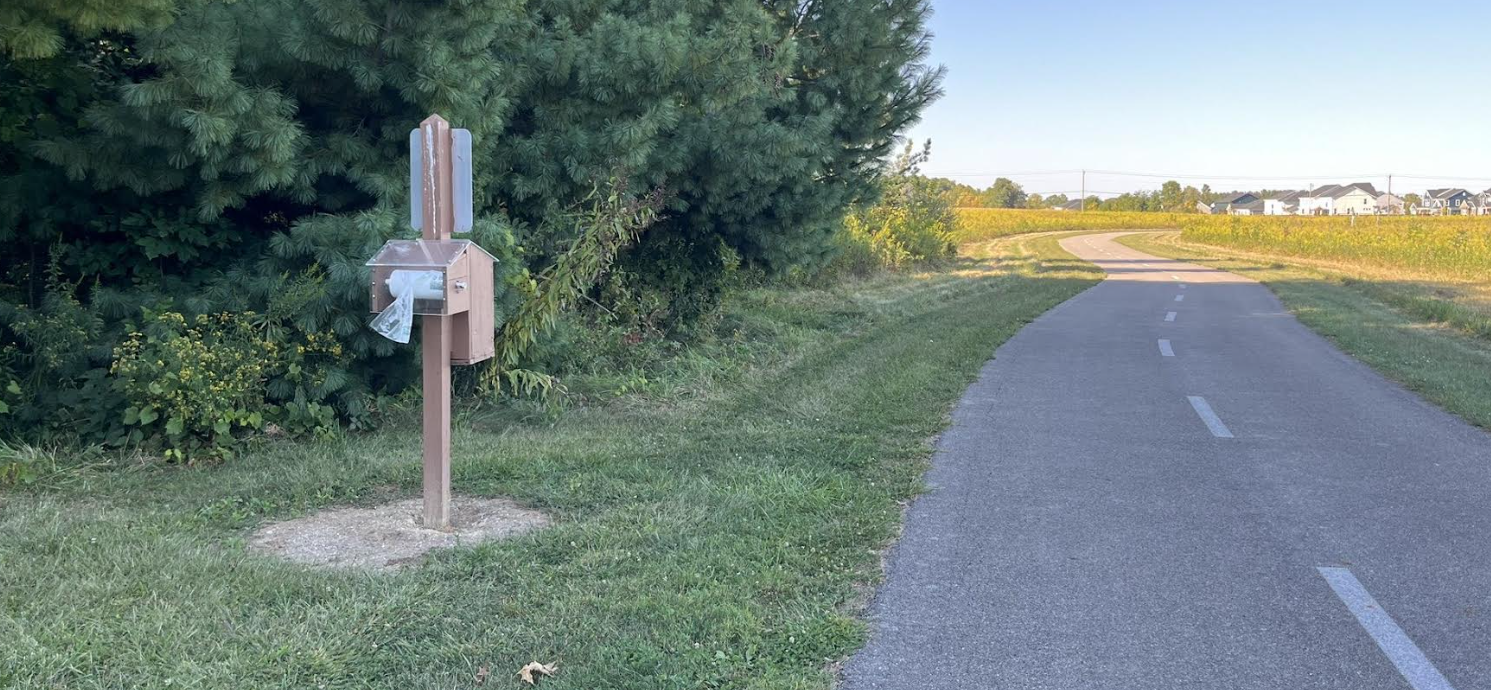
At the visit to Glacier Ridge, there was one main designated trail with some man-made trails splitting that branched off. The main trail was made of pavement with the man-made trails of solid soil or worn down grass. Along the trail, there were some posts that contained bags for dog waste and a small bin to dispose of it. Aside from those posts, there was not a single trash bin nor was there any waste. However, when going back to the main area with a lot of foot traffic, there were a few trash bins and some waste could be seen around the area. Not sure if this is due to visitor carelessness or trash flying out of the bins. Overall, there was no trash along the trails but more at the main area of the park, with that said, not sure if this is due to the location of trash or more foot traffic.
Highbanks Metro Park
Similarly to the visit to Glacier Ridge, the visit to Highbanks took place with one other student from the ODNR group during the evening. The goal of this visit was to observe the trails and how waste was managed in these parks.
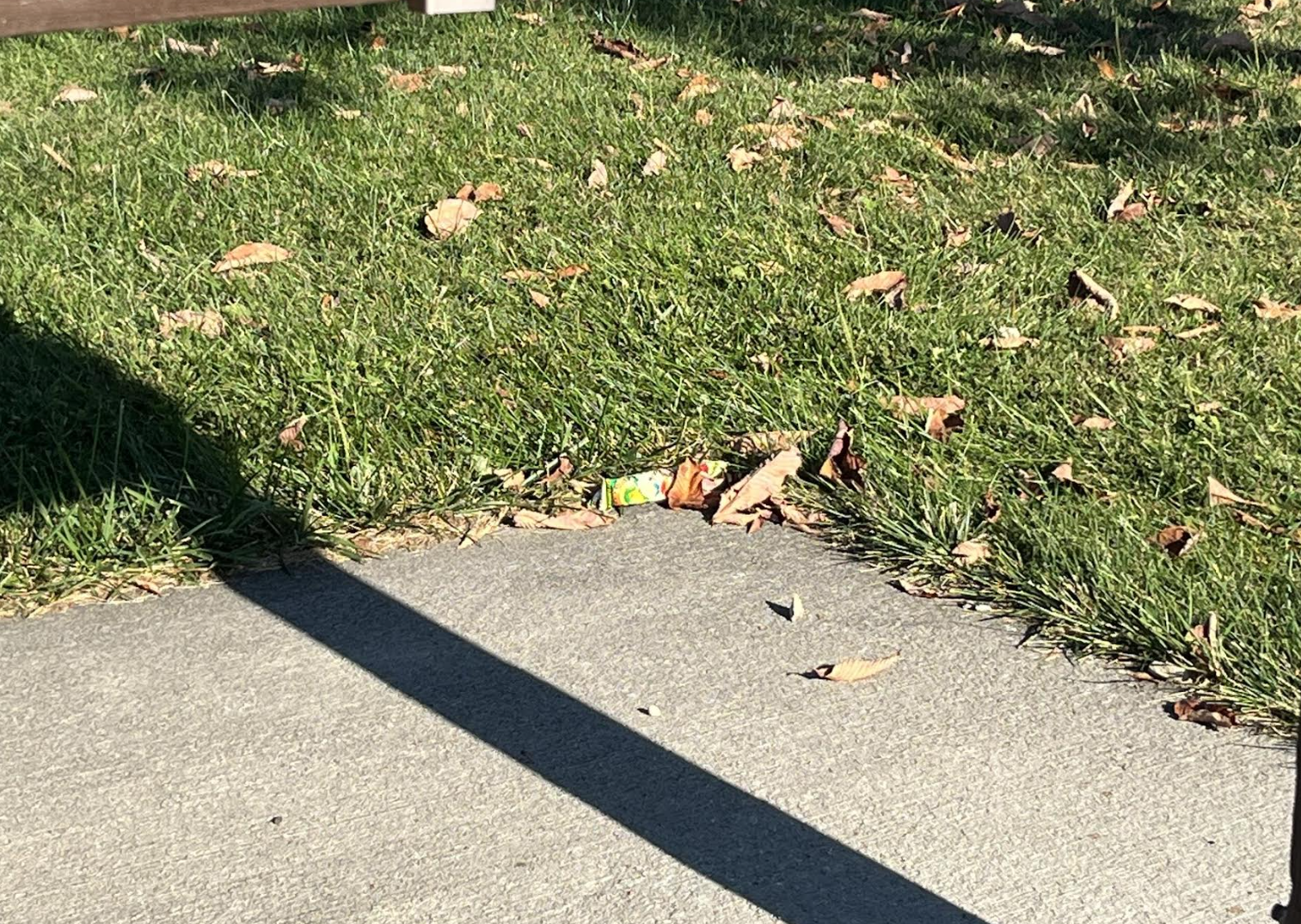
For the visit to Highbanks, majority of what was seen at Glacier Ridge were also seen at this park. There were quite a few man-made trails branching off from the main designated path. There weren't any trash bins along the trail nor was waste found. However, there was a small area to rest and there was some waste. Unlike Glacier Ridge, where there were trash cans, there was no waste seen around it.
Overall, there is very little waste found in both Glacier Ridge and Highbanks, especially along the trails. The places where waste was seen was places with high foot traffic or areas to rest.
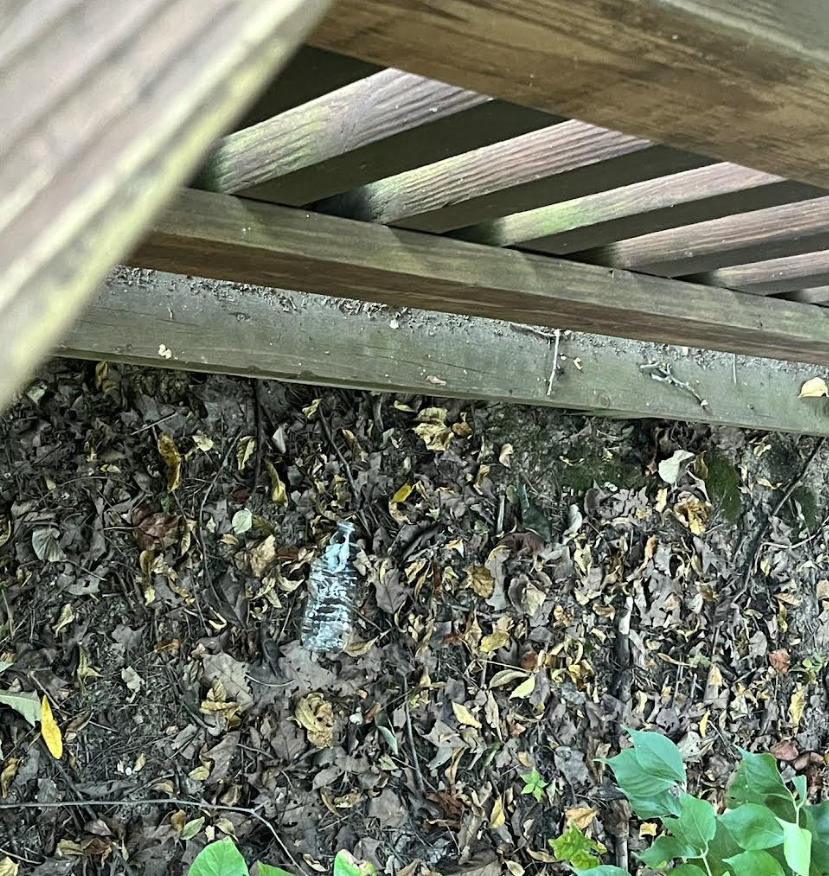
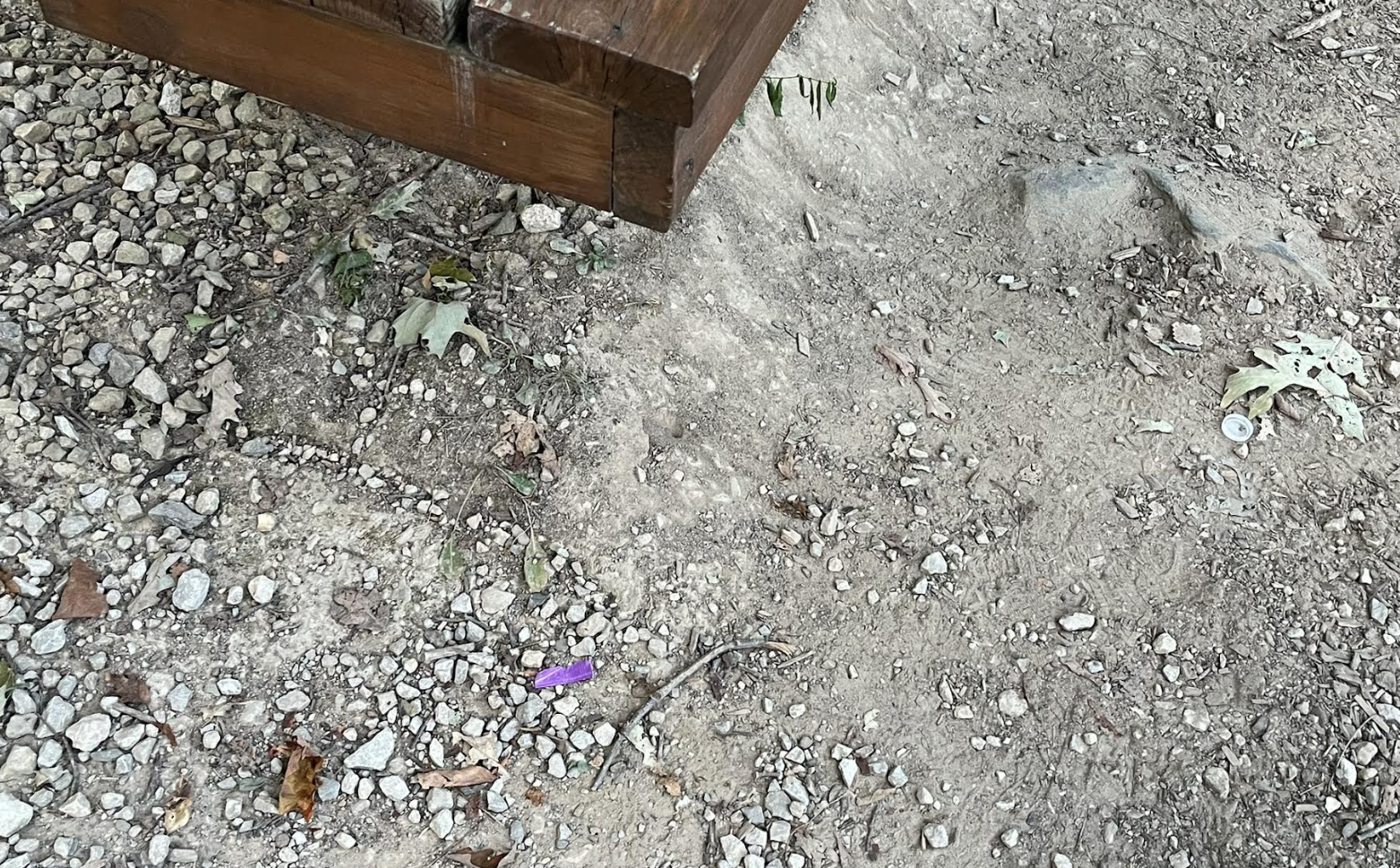
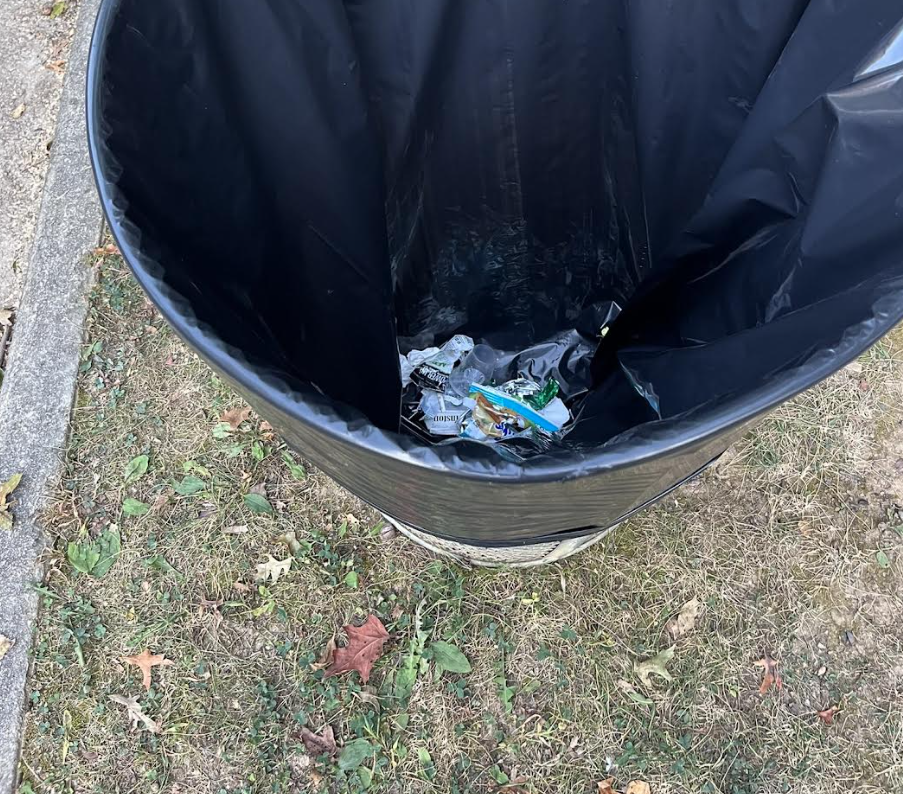
ALUM CREEK BEACH
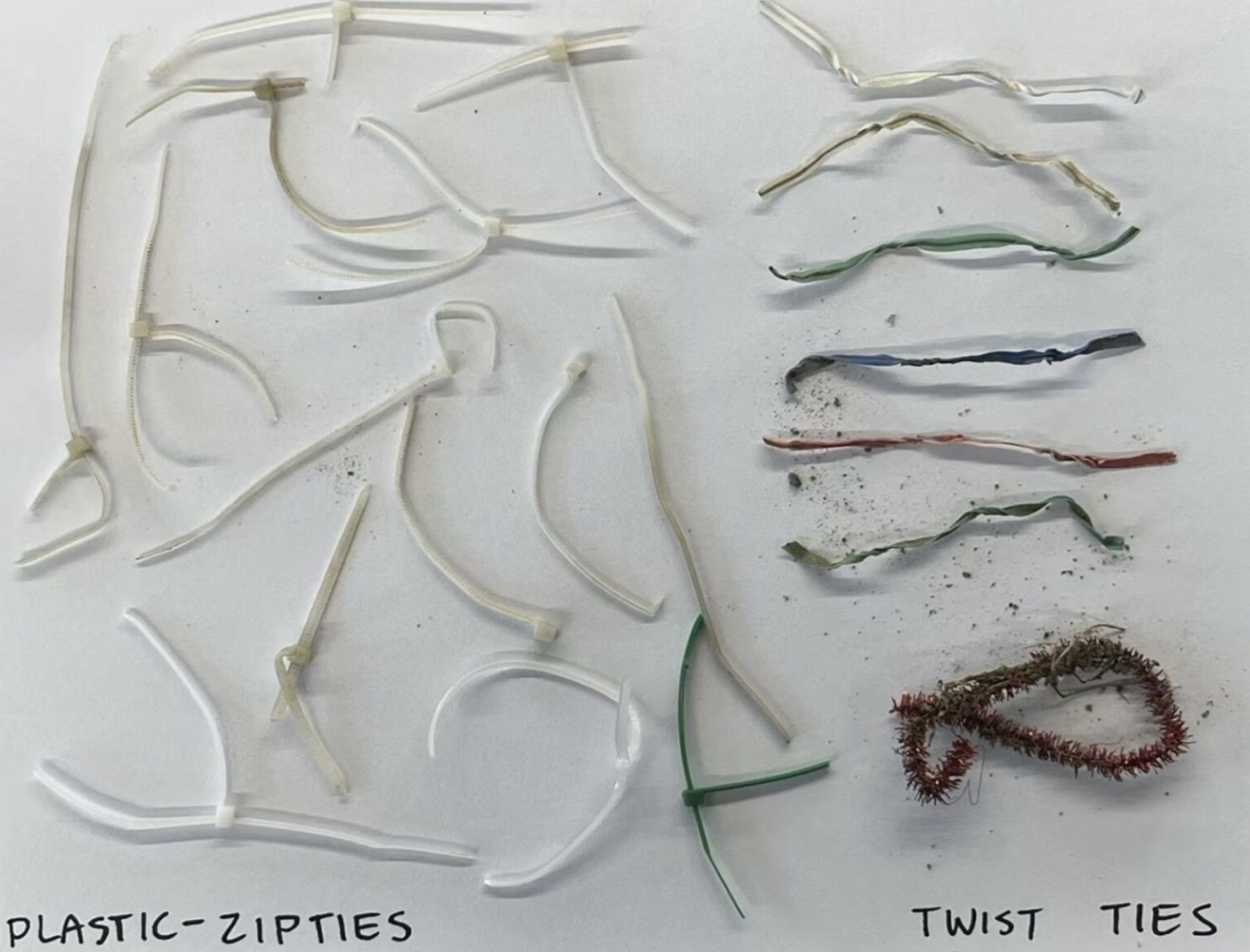
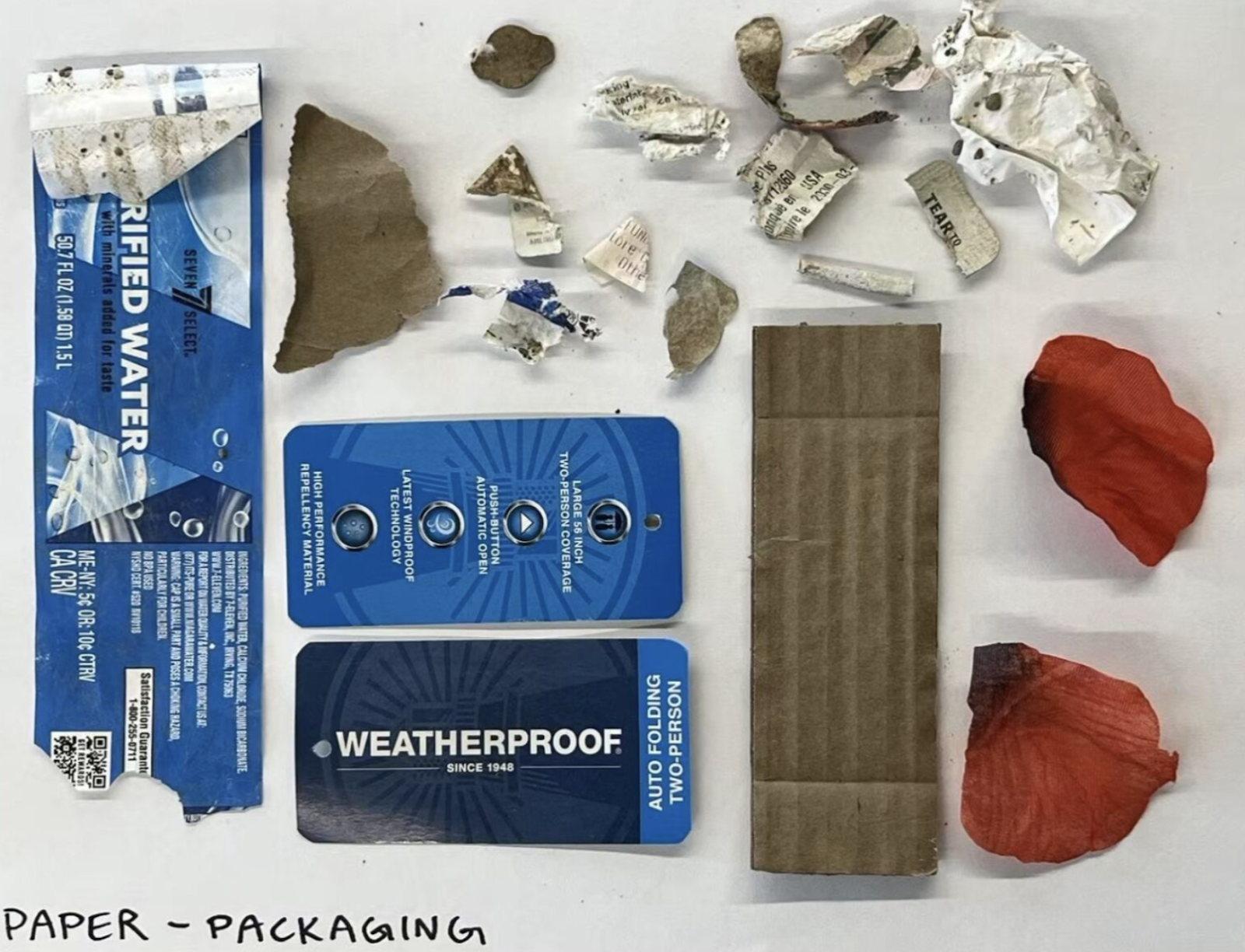
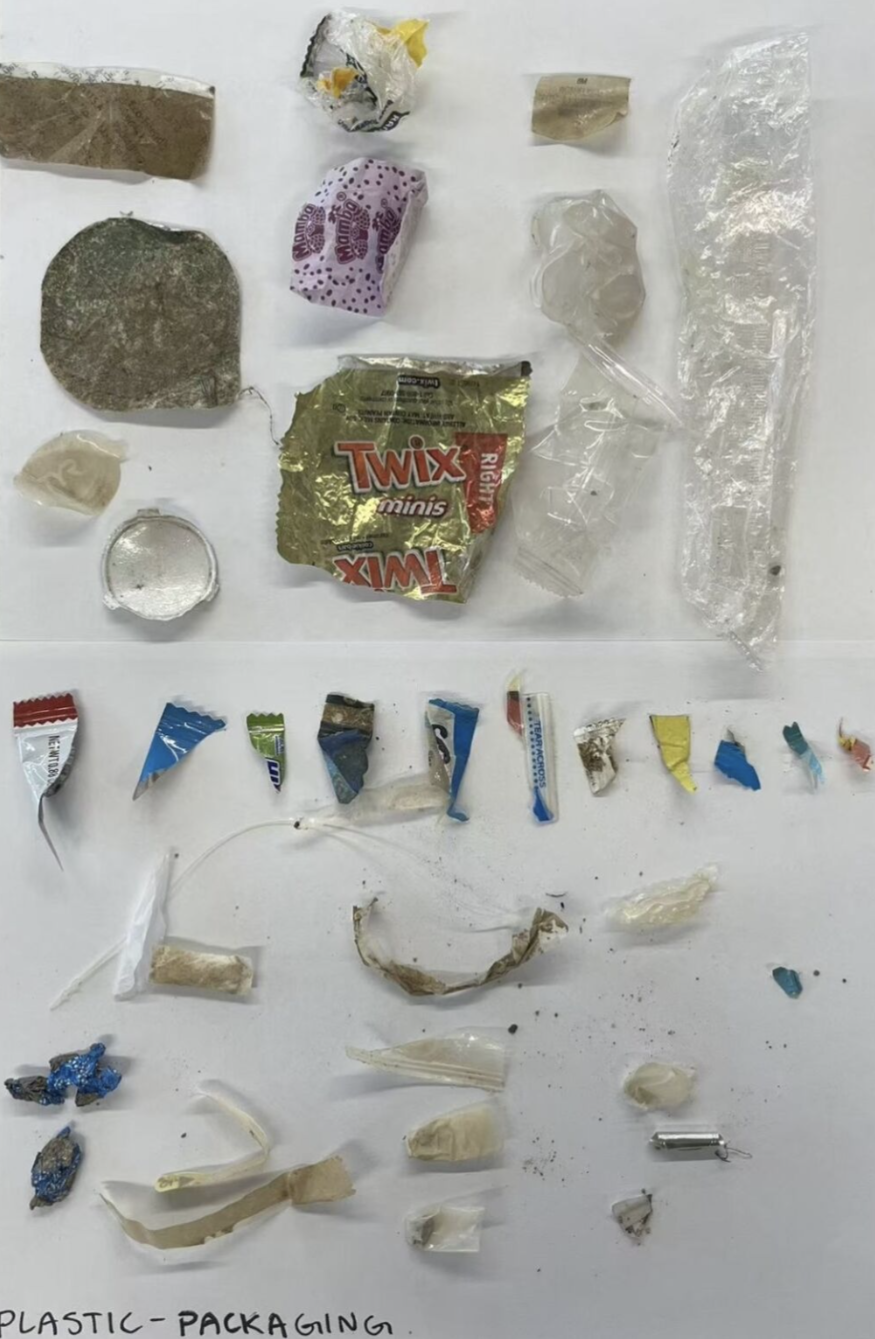
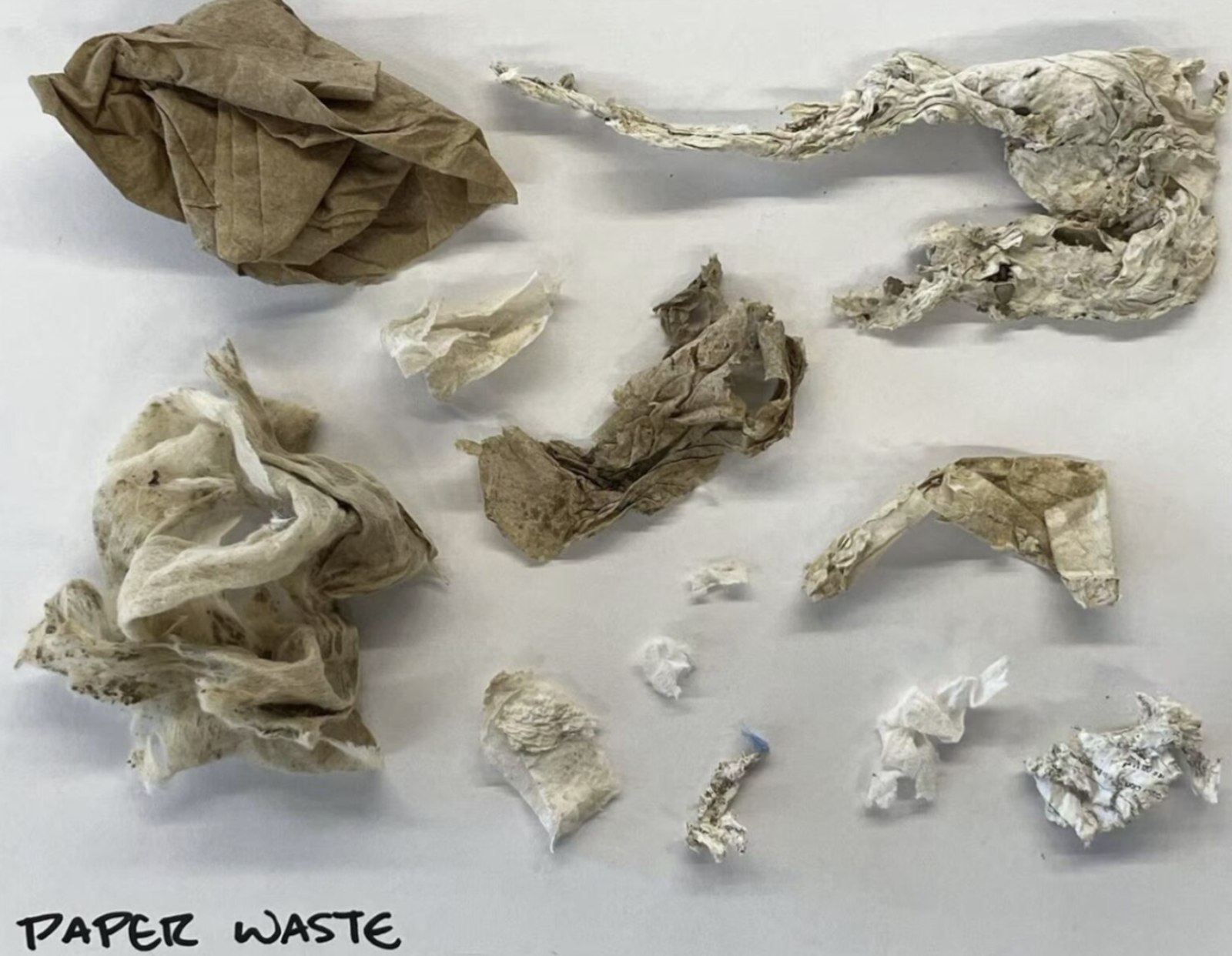
The visit to the Alum Creek beach occurred in the morning with another student from the ODNR group. In this visit, the goal was to see the amount of trash found along the beach to see what people leave behind and understand why. There were many trash bins found around the rest area but none along the beach. After about an hour of collecting trash from the beach with the other student, there was a bag full of waste which was then sorted into categories.
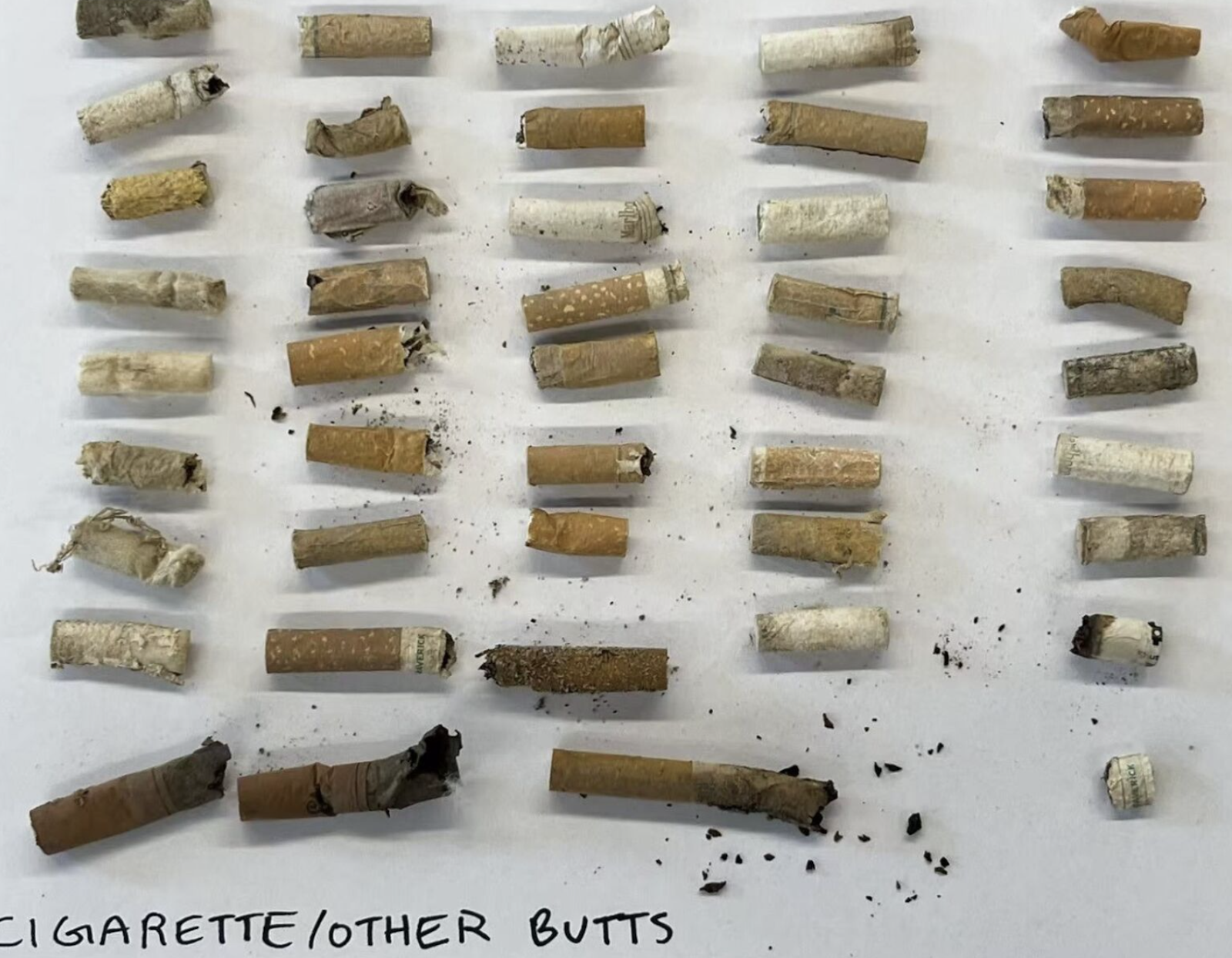
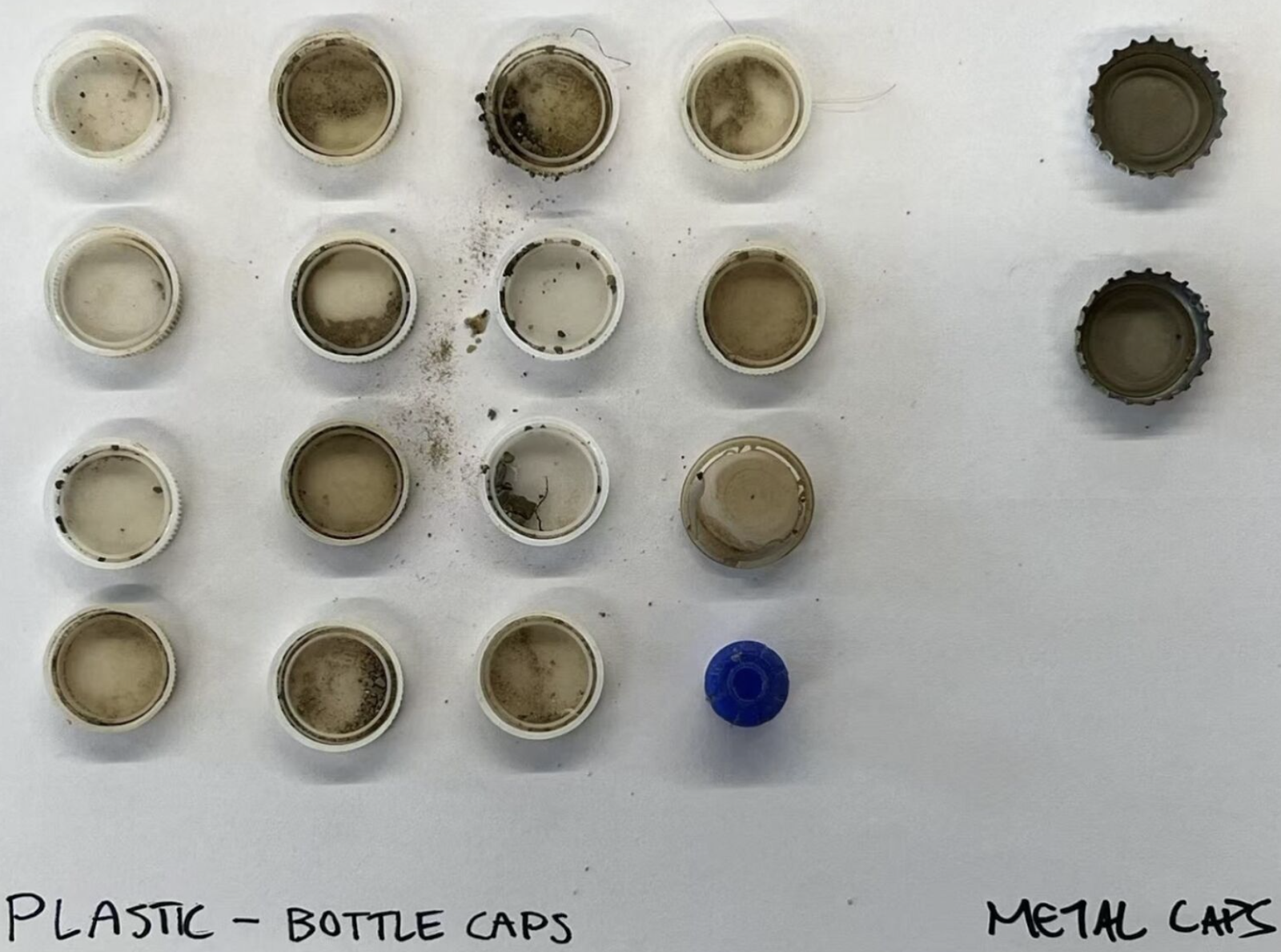
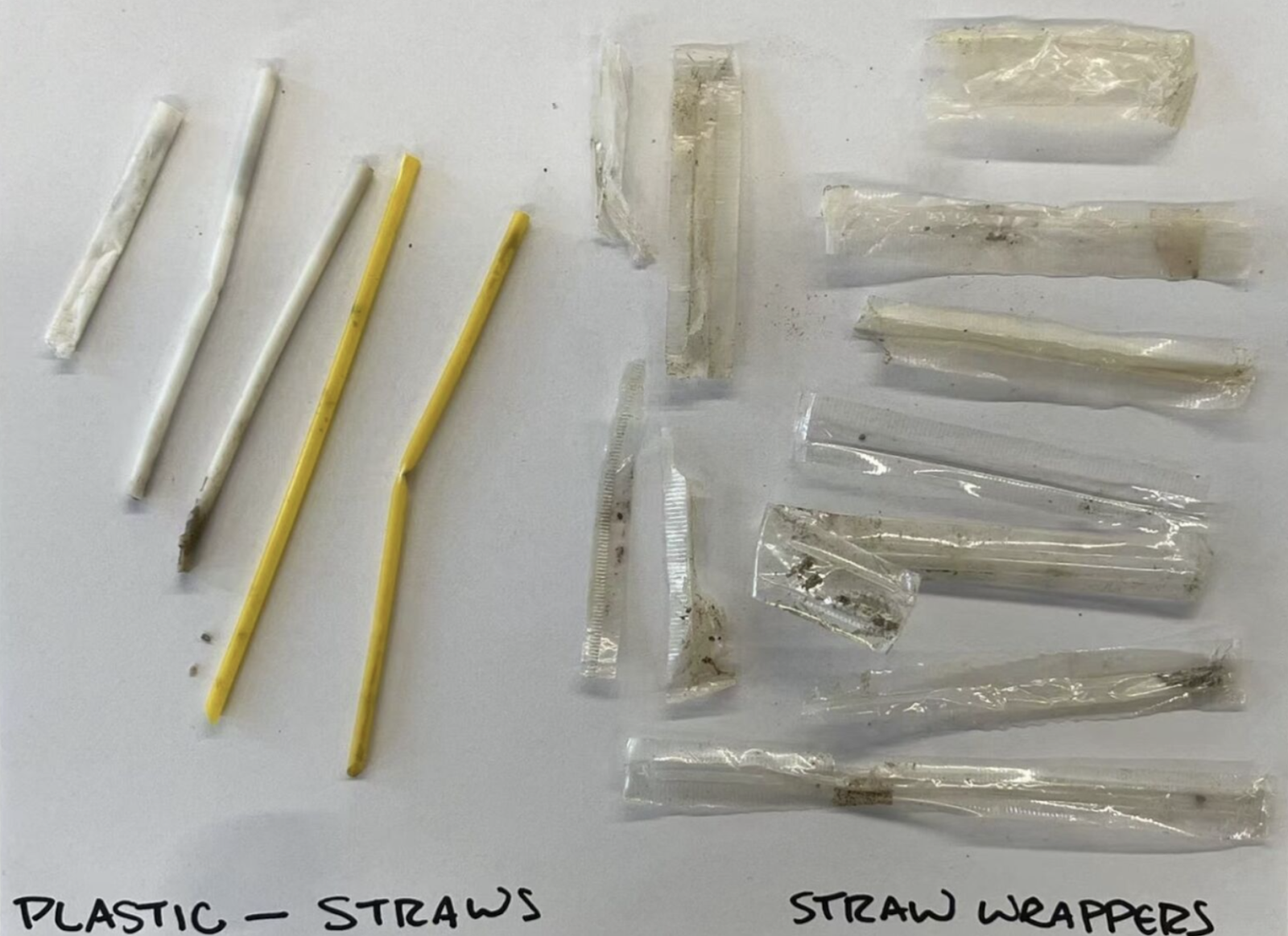
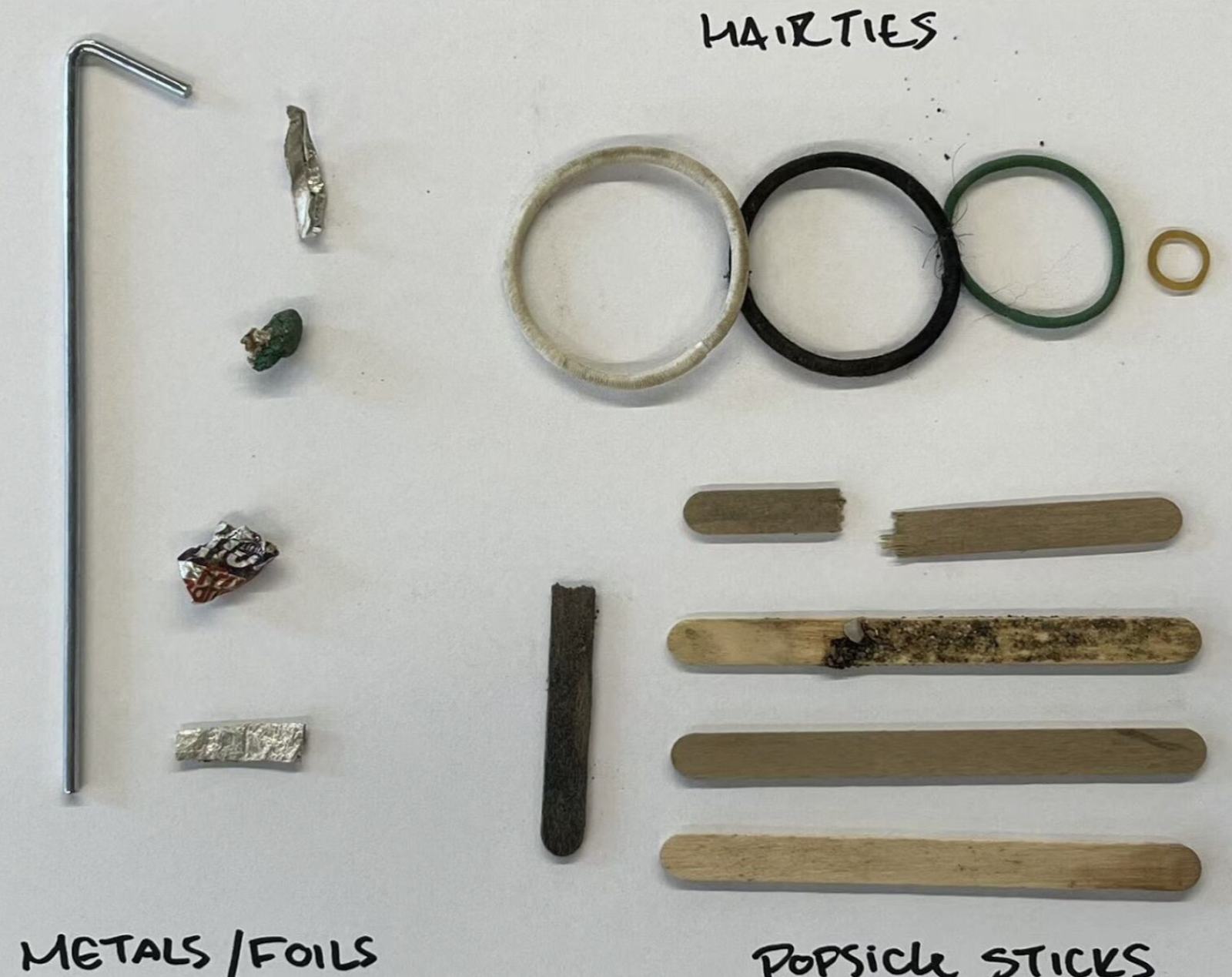
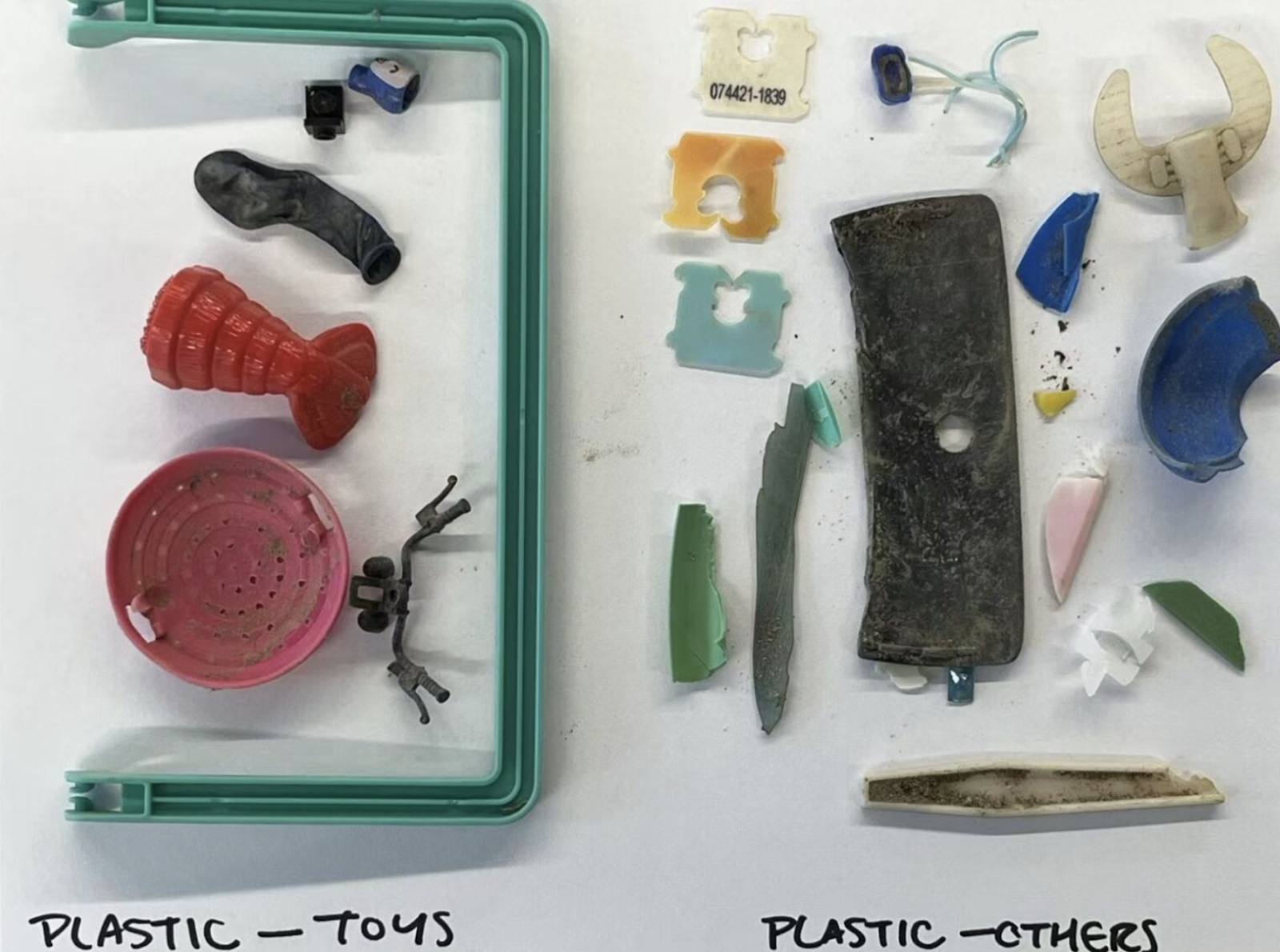
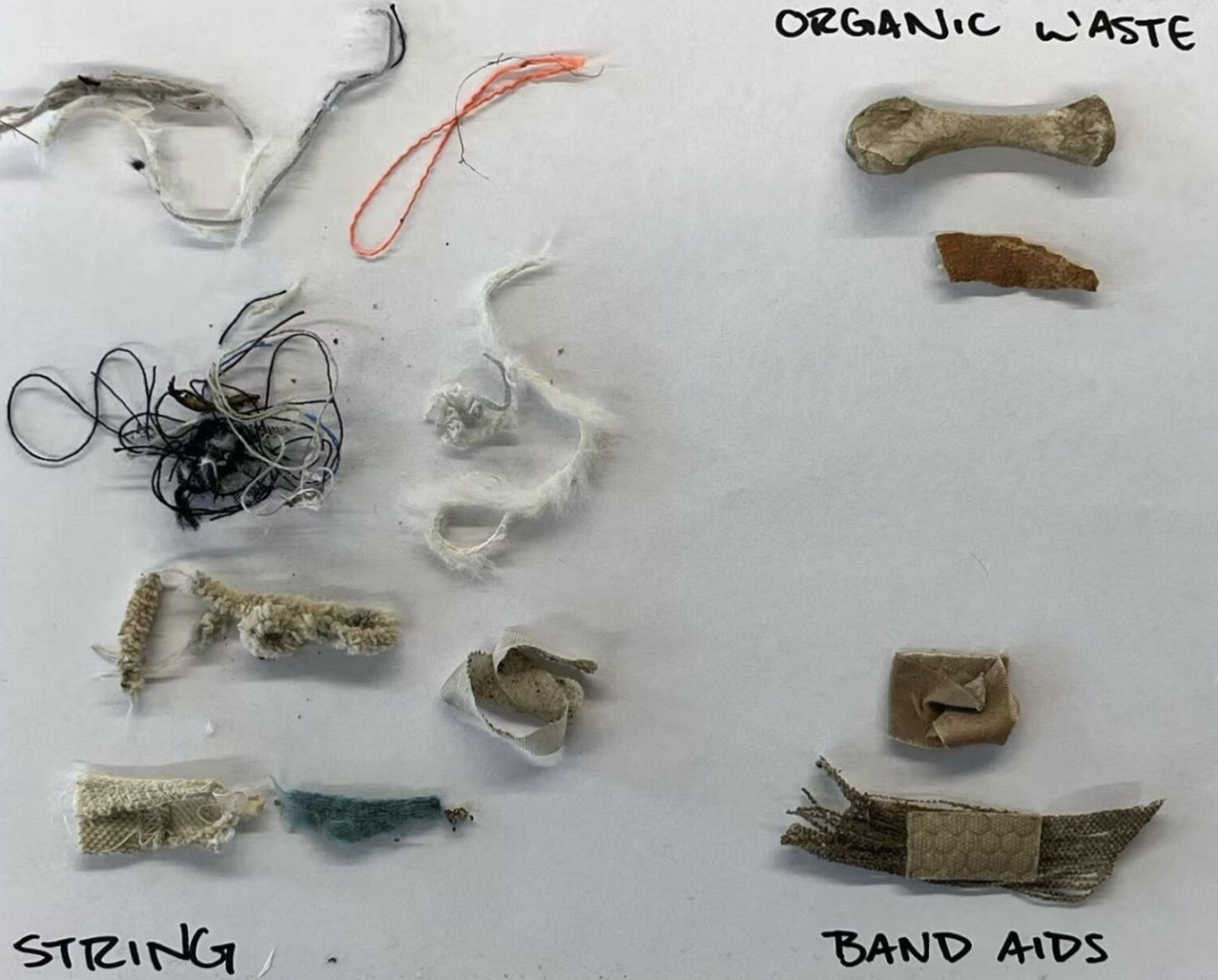
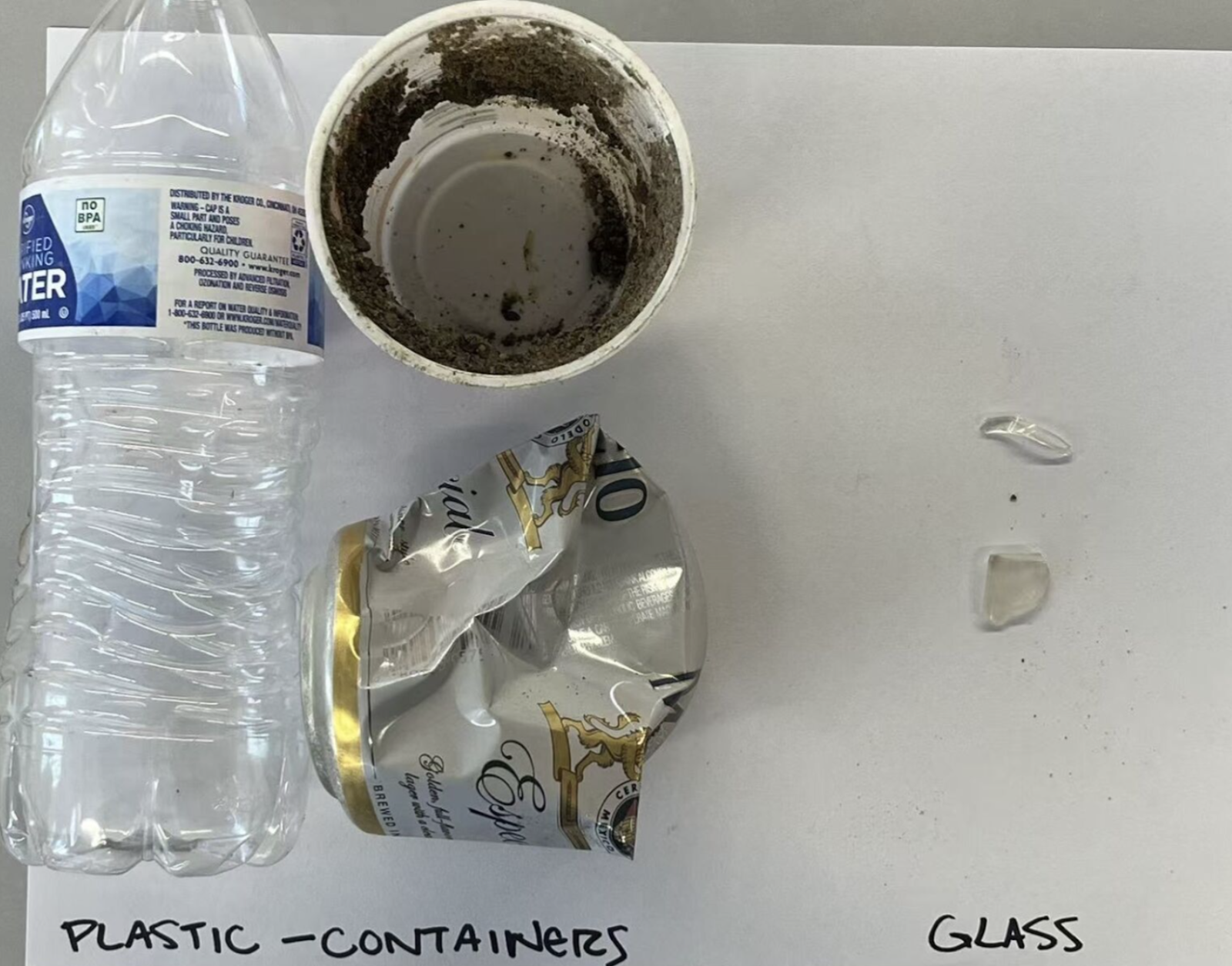
A lot of cigarettes, bottle caps, straws/straw wrappers, zipties/twist ties, packaging wrappers, paper waste and plastics. The majority of items collected are related to food with few for relaxing or play, such as cigarettes or parts of toys. With all this waste along a small portion of the beach, what are ways to get people to be more mindful of what they leave behind?
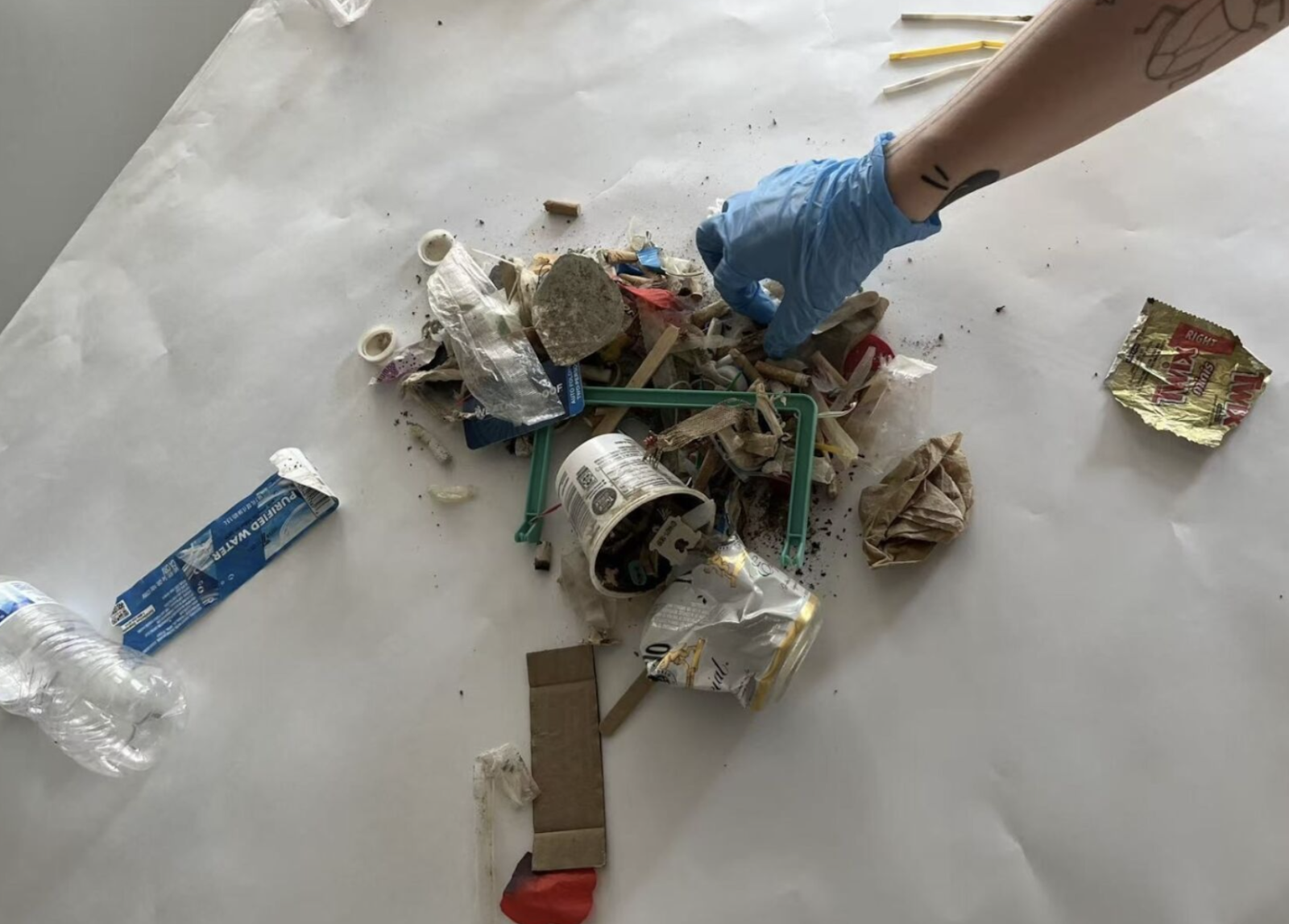
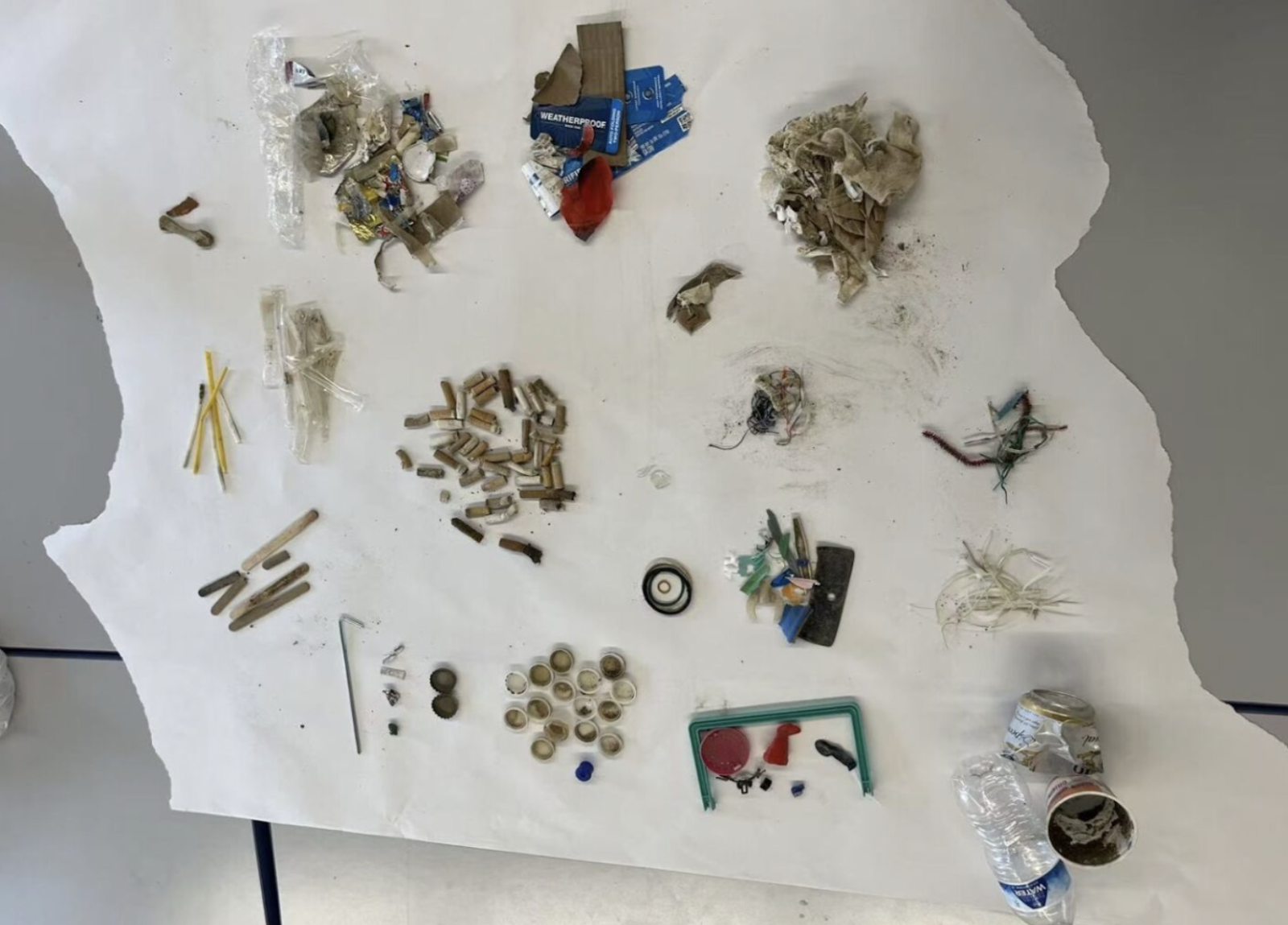
The next few images below are waste categorized into groups.
PARK OF ROSES
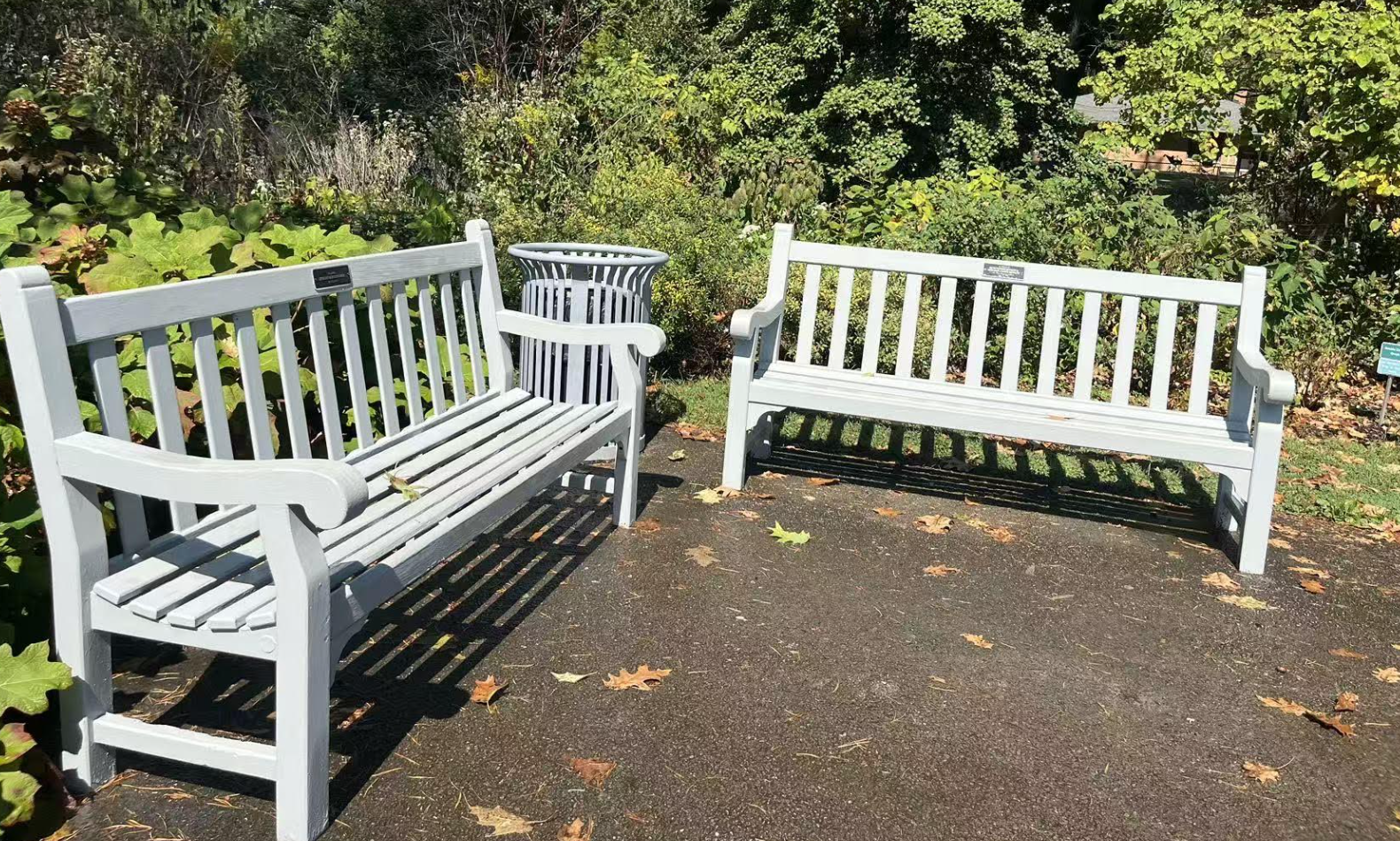
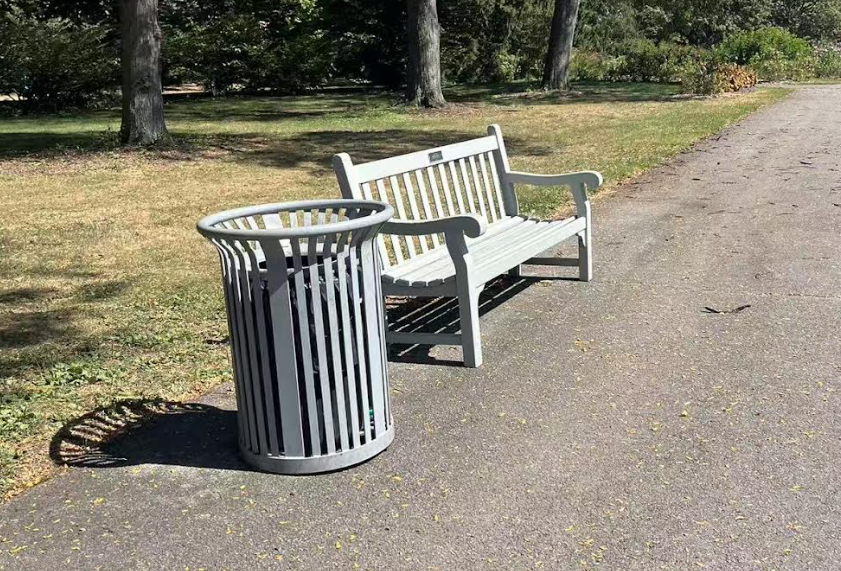
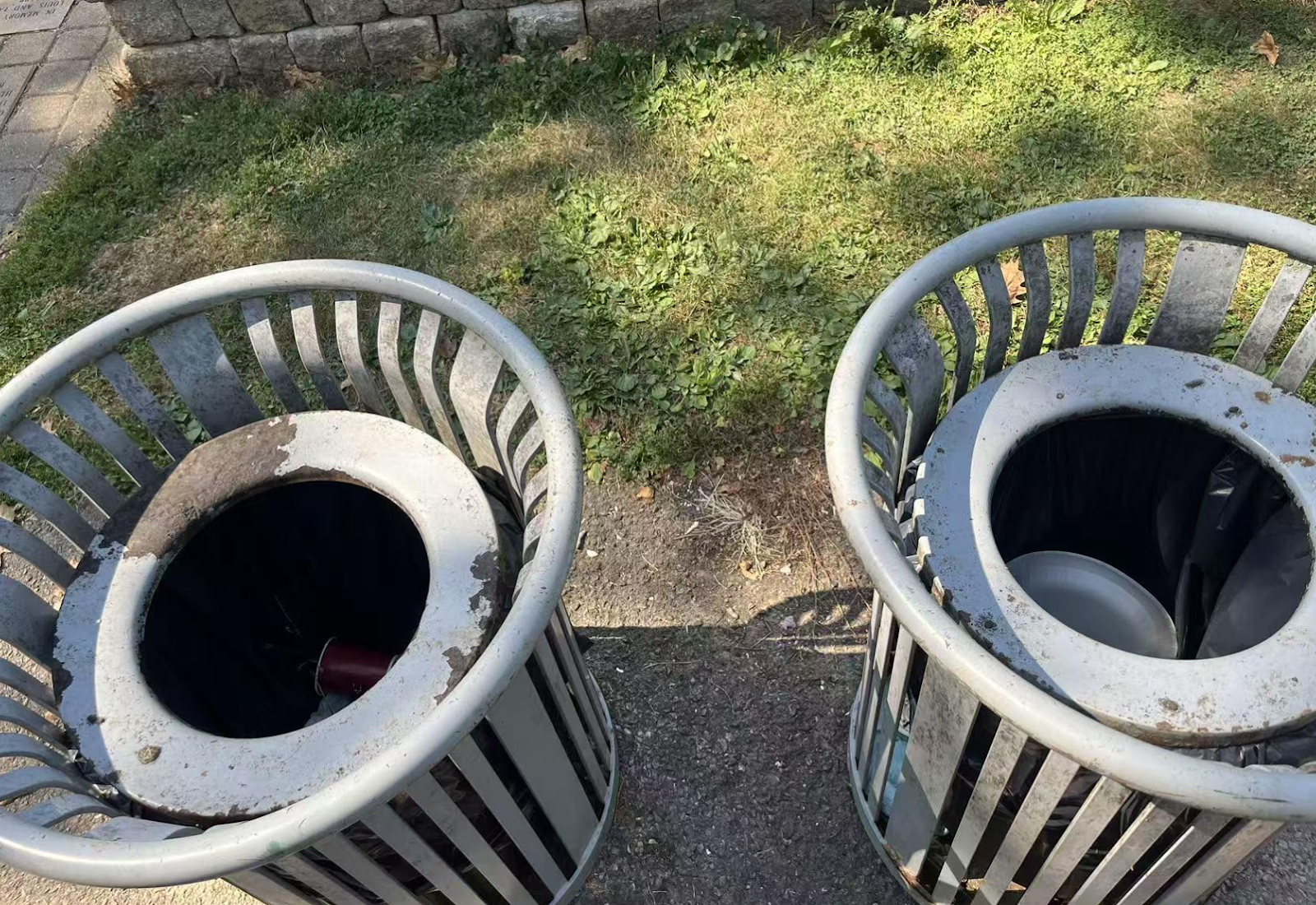
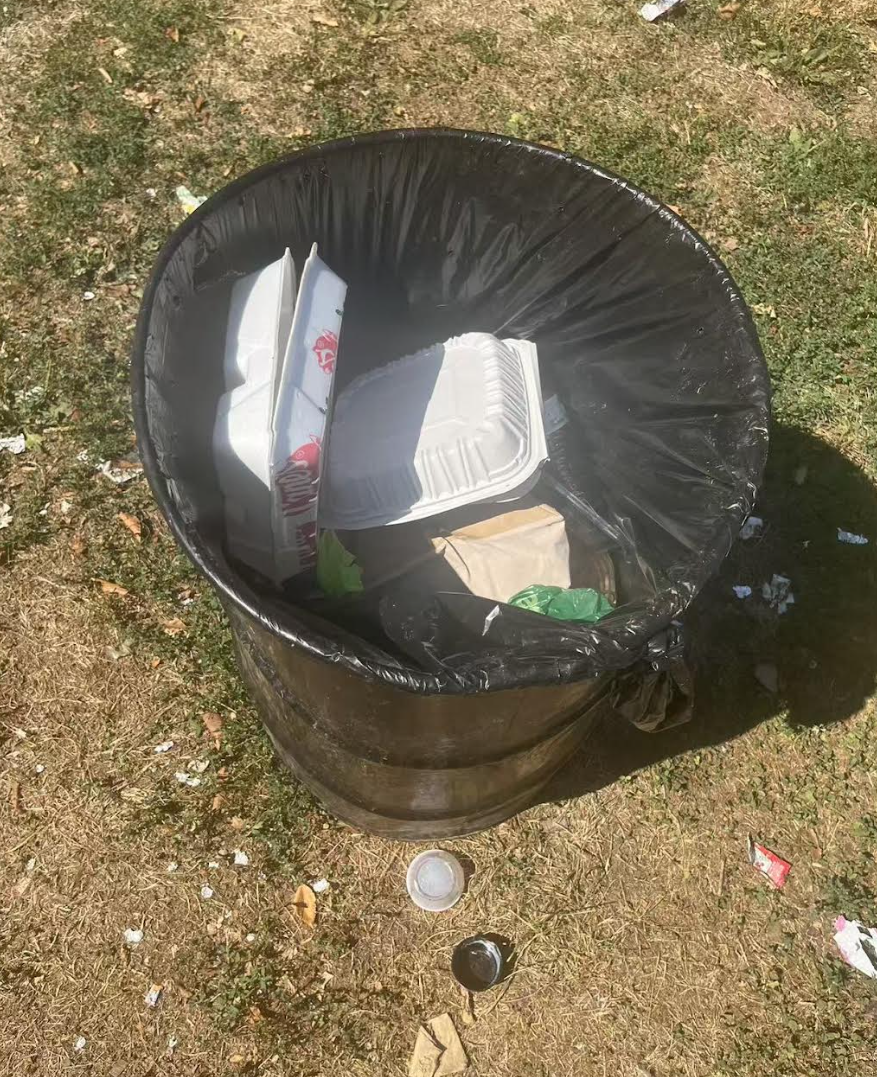
Similarly to previous park visits, the goal was to see the way the park manages waste. This park did not have trails for hiking, mainly a small trail around the gardens. At each corner, there were benches and a trash bin. For a small park space, there were a lot of trash bins. No trash was seen around the trash bins either. However, once leaving the park space into the parking lot, the trashcans had a lot of trash on the ground around it. Like before, not sure if this is due to carelessness or trash flying out.
Overall, there were frequent areas in this park to drop waste and very little waste was seen outside the bins except for the trash bins in the parking lot.
Discussion with ODNR Park Managers
This information comes from a conversation with Heather, Tracey and Mark from ODNR about parks managing trash. One big factor to managing park waste comes from the service that empties the trash bins. Some parks do not have any trash cans because of a lack of funding or the park is remote so it’s difficult to get service to the park. Instead, the parks encourage a carry in and carry system out where everything visitors take in must also be brought out with them.
Heather, Tracey and Mark stated that one park was successful with this system. During the eclipse event in the park where there was a lot of foot traffic, there was not a single trash to be seen at the end of the event. They mention a reason for this could be that these are people who care about what’s going on in the world, so they will care about the actions they have on their environment.
On the other hand, there are other parks that encourage carry in and carry out, but this system didn’t last long. Without trash bins, visitors dumped their trash into pit toilets. Pit toilets are not connected to the sewage where waste is removed, but rather it is removed from services. The pit toilets were filled with trash that services refused to clean.
From these two vastly different experiences with waste management, the differences result from visitor behavior. Some people are mindful of what they leave behind while others are not. The three ODNR park managers described littering this as a “victimless crime”. If the main issue is the lack of mindfulness, how can designers play a role in changing their behavior? How can designers educate visitors in a way they would connect to and understand the issue at hand?