Primary Research: Additional
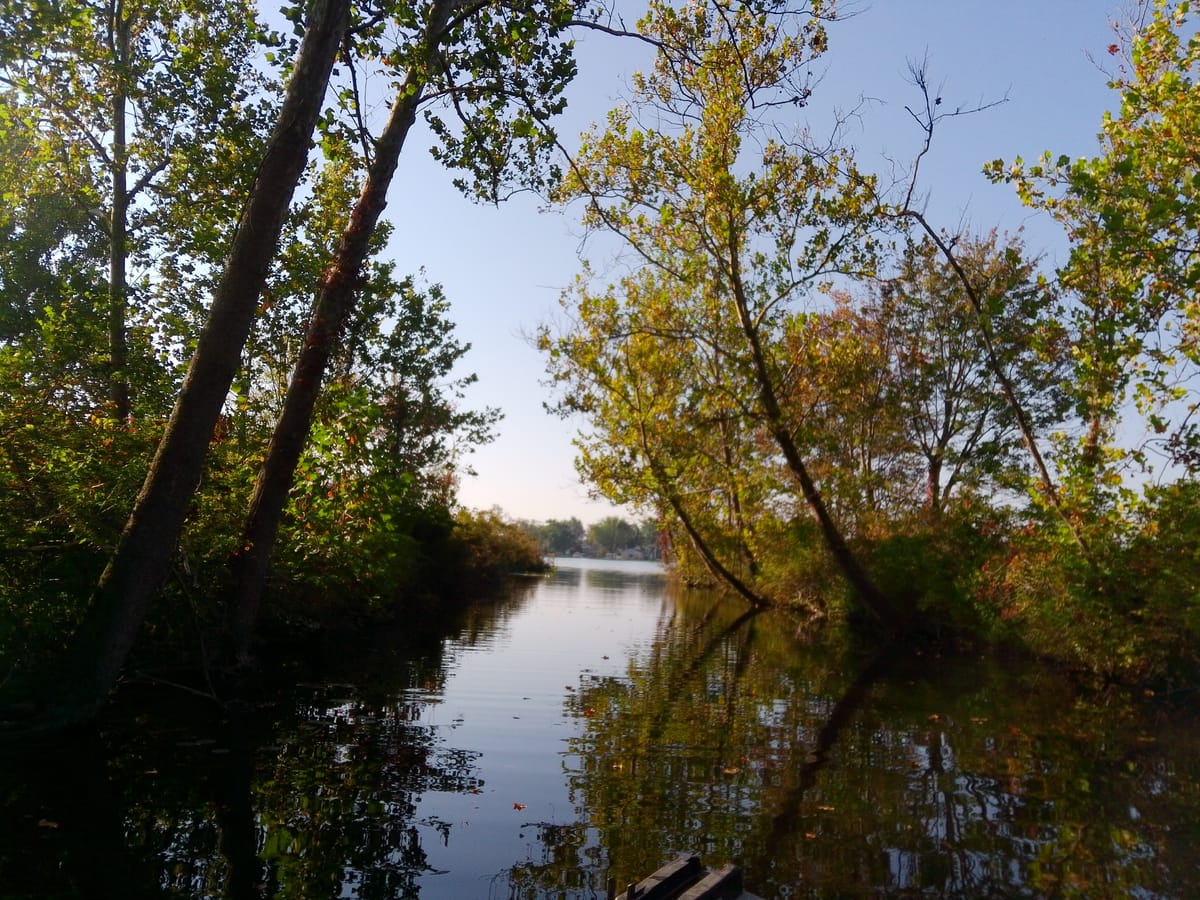
The bulk of this research was conducted from September 17th to September 19th, 2025. The intent was to identify what types of angler waste were present in Noble and LaGrange County waterways in Indiana. I also looked into how IDNR was managing waste and specifically deciphering between what could be deemed "successful" vs. "unsuccessful" efforts. Growing up on this lake system, I knew of popular spots, problems I have experienced in the past, and had plenty of resources to help me explore it in a new light. This experience even helped me to discover hidden treasures in my local area!
Ethnographic Observation
UV Night Hike
As a group, the members of my class working with ODNR (Ohio Department of Natural Resources) participated in a UV Night Hike from 8-9pm (1 hour) hosted by a naturalist at Alum Creek. Outside of us, there were children, parents, older adults, and an overall wide variety of people in attendance. This observation was informal, and I was more expecting to have a fun time with my classmates than conducting research.
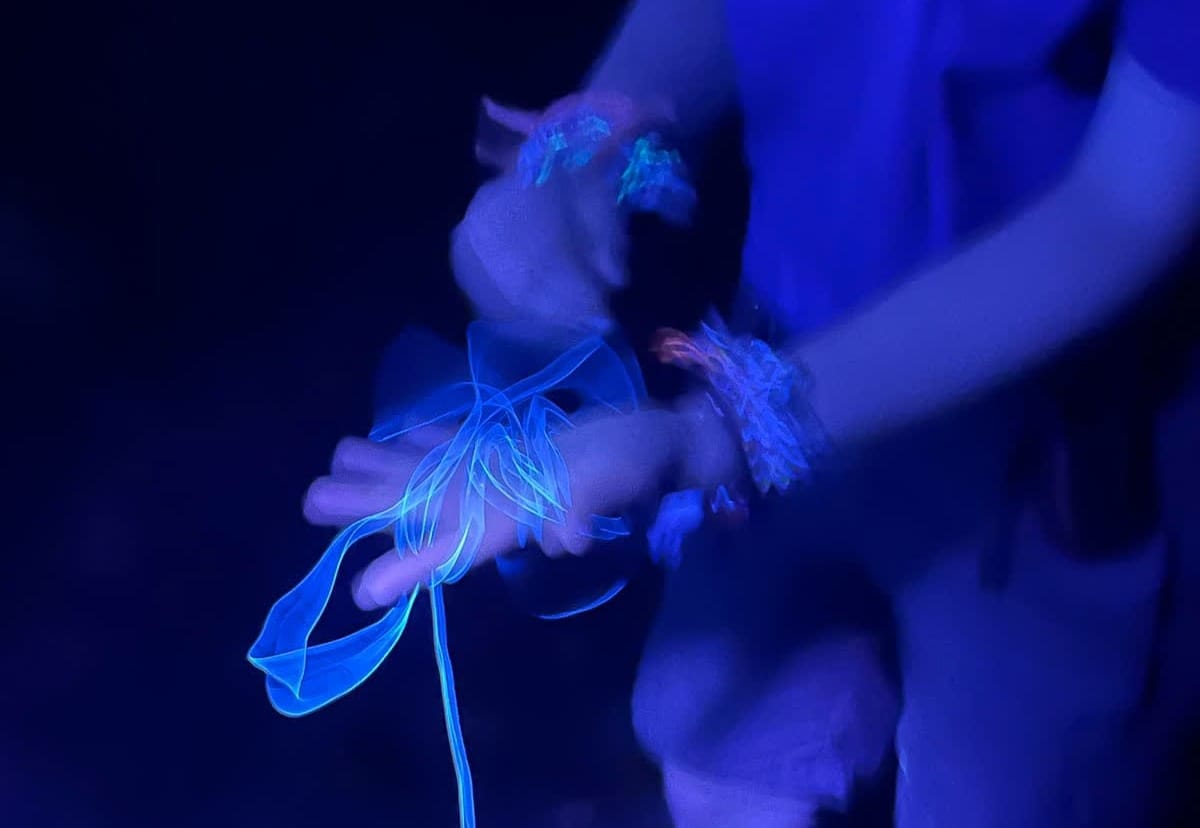
Looking for glowing flora and fauna seemed to be a bit slow going (especially as someone who doesn't enjoy bugs or many nocturnal creatures). We made our way through the woods to a clearing by a pond. That's when things started glowing all around us. Except it wasn't plants or animals. It was fishing line. A lot of it. The plastic line glowed bright under UV even though it is clear during the day. The naturalist saw it as a hindrance in the experience of the hike, but my research group took off with excitement.
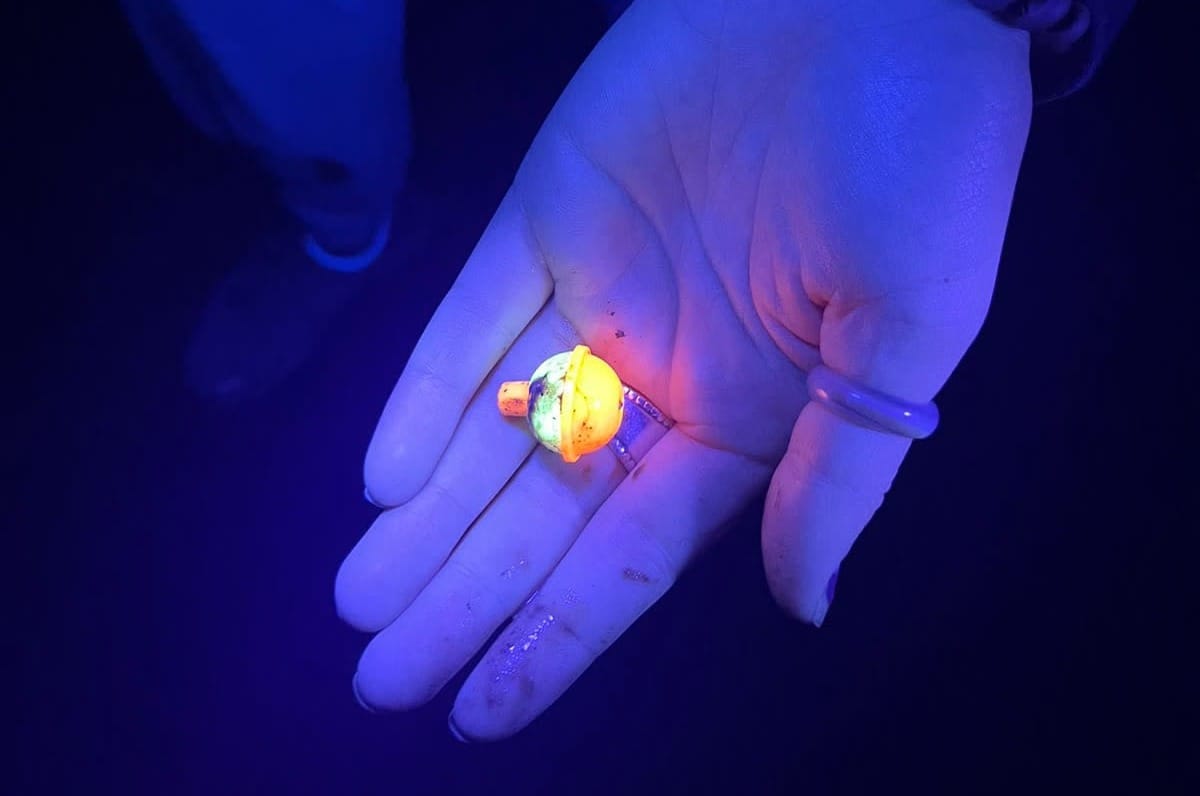
Lying in the pond, covered in muck, I found this bobber glowing like Christmas lights. I had to step directly into mud to retrieve it, but the photo alone shows just how effective UV lights were in procuring angler waste. I also went into the woods to collect another bobber and touched some terrifyingly squishy objects to figure out they were lures.
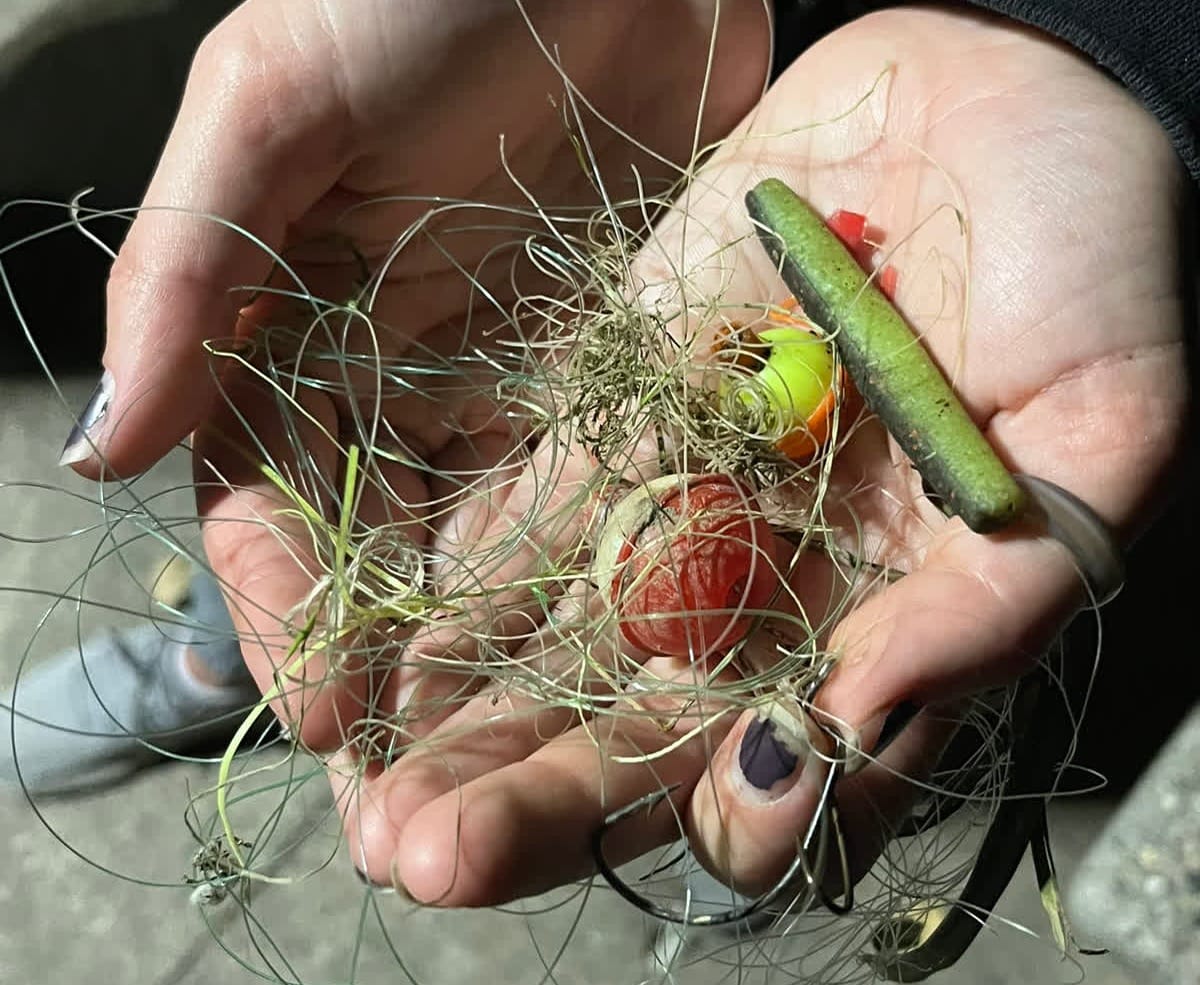
After we had collected this amount of waste in under an hour, I felt accomplished and sad. It was entertaining to keep finding glowing treasures, but the naturalist was obviously discouraged by the anglers' efforts to dispose of their shoreline waste when there was an accessible can on-site. She mentioned that they find the same amount of litter each week, no matter how often they clean up after the recreational fishers.
This made me wonder about other types of fishing. Which types are having the greatest impact? Which type of waste is most commonly found? What current methods of waste management were out there?
Kayak Fishing
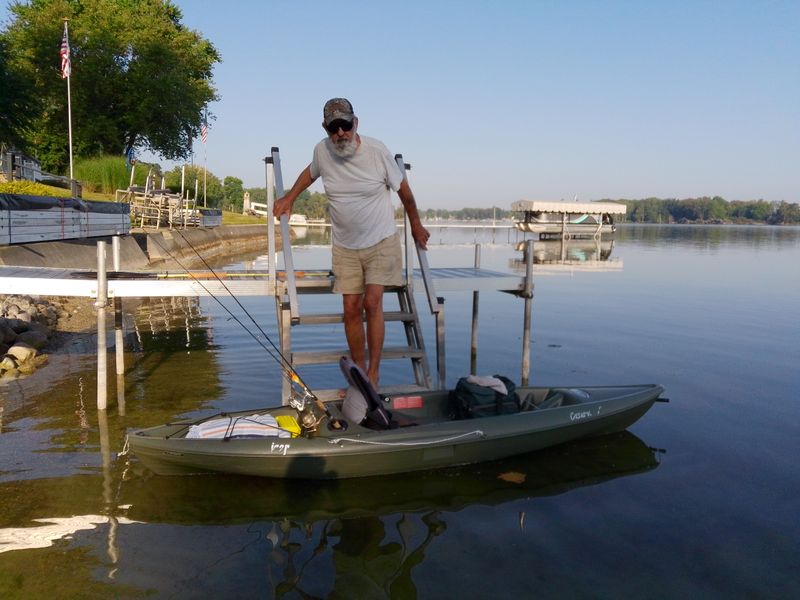
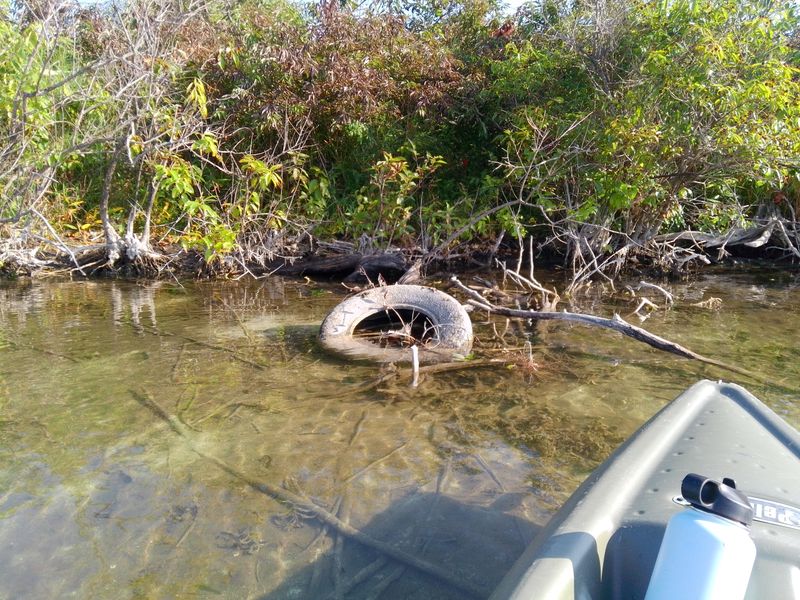
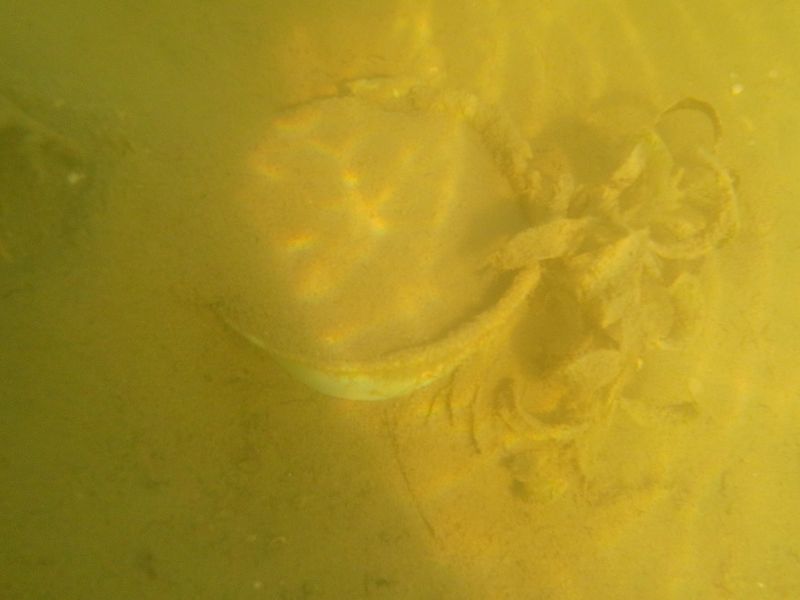
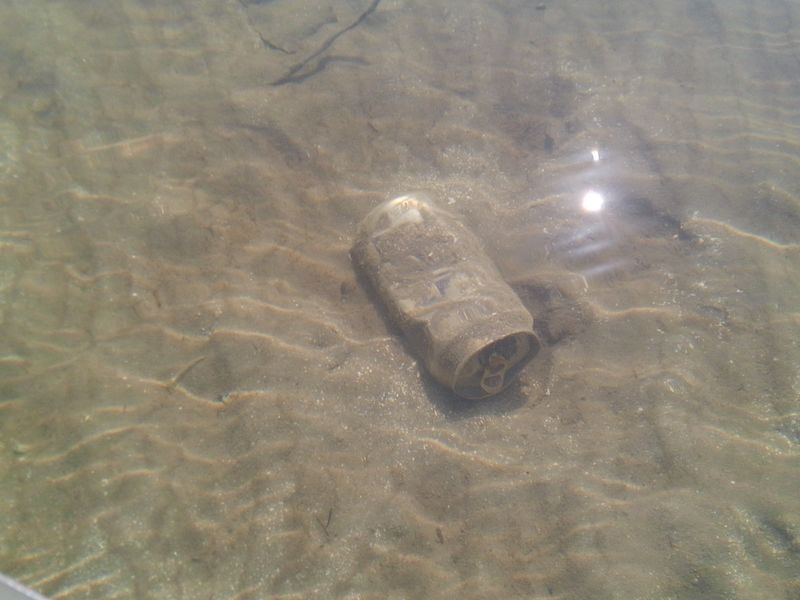
This observation took place September 17th from 9 am to 1 pm (4 hours) on Dallas Lake. To better understand how angler waste happens, I went fishing. I spent two hours fishing in lily pads, shallow waters, and locations otherwise unattainable by motorized boat or foot, keeping an eye out for waste.
In the fishing location, I only observed one bait can, but four examples of industrial waste: a 2x4, two tires, and a cinderblock. A later interview revealed that tires and cinderblocks were used in the 1970's to create fish habitats in Indiana's waterways! During my time fishing, I caught my lure in the weeds and lily pads more than five times, tearing up some vegetation and almost having to cut my line. The only angler waste I accrued was the loss of one live bait worm.
During the two hours, I encountered one motorized boat with two anglers and one man fishing off his dock. As far as I observed, they did not contribute any waste to the area.
I brought a tackle bag with live bait (red worms from local bait shop), cleaning and hook removal supplies, and replacement lures and parts for poles, two fishing poles, pocketknife, camera, life jacket, fishing license, and some accessory items like towel and water bottle.
For the next two hours, I traced about half a mile of shoreline, encompassing a popular fishing spot and then a recreational beach used almost every single day from May to September.
The fishing spot had the four prior examples of industrial waste, one bait can, and one example of recreational waste: a glass bottle.
At the beach location, I found 3 examples of Industrial waste including a clothes line, dock, and dock post. Since there was an established sea wall, I assume the location used to have a house/property before it became a popular hang-out spot. I have been to this location every year of my life, and I had never noticed this before! The woods where the waste was located is now a protected nature space. I then found one example of angler waste: a part of a live bait trap. Also, there were seven examples of recreational waste that included aluminum cans, plastic cups, foot containers, and children's toys.
The conclusion I drew from these observations told me that angler waste seemed to be somehow well-managed in the waterways. I was unable to strictly identify if this was due to anglers having superb waste management practices or if they simply weren't producing waste in these locations.
Sylvan Dam Shoreline
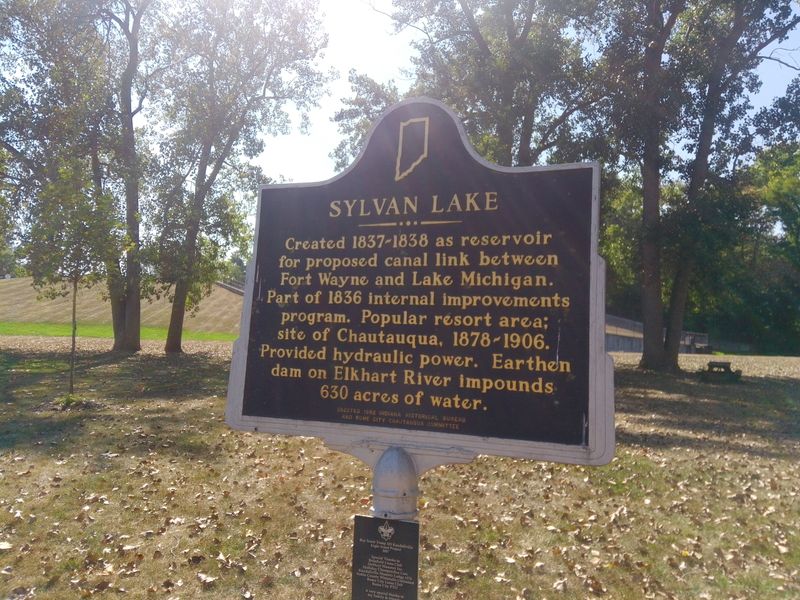
This observation occurred on Thursday from 3-3:45 pm (45 minutes). Upon arrival, we climbed up to the top of the dam at Sylvan Lake (the hill in the left side of the photo), observing so much recreational waste that I decided then and there to only focus on angler waste. The top site was a small pond where I didn't observe any angler waste during my short scan.
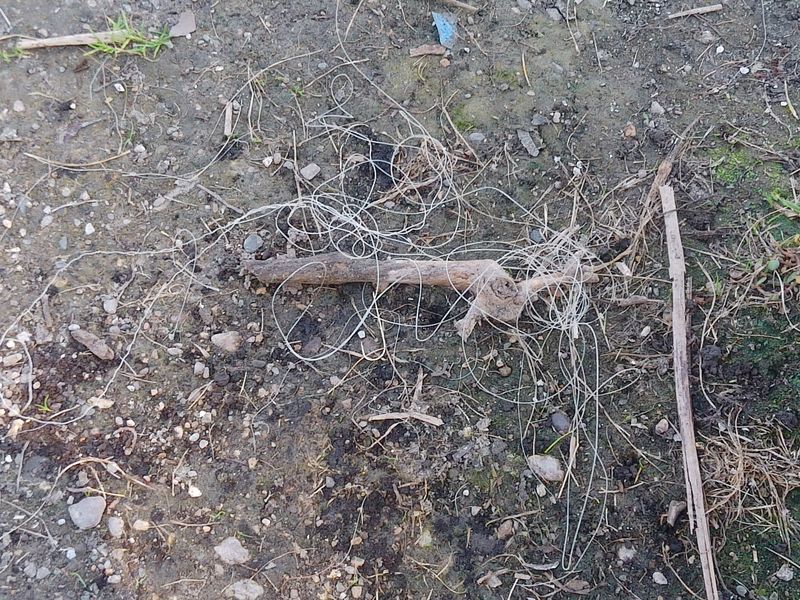
After climbing back down the hill, we looked around the available shoreline fishing area. About 3/4 of the area was grass, but the paved/gravel areas that included benches were riddled with fishing equipment. Within minutes, we discovered eight sites of discarded fishing line. These included bobbers, hooks (see above), lure packaging, etc. We noticed that spaces with benches, there were two bench sites, accumulated more angler waste than on the shoreline itself in regards to fishing line.
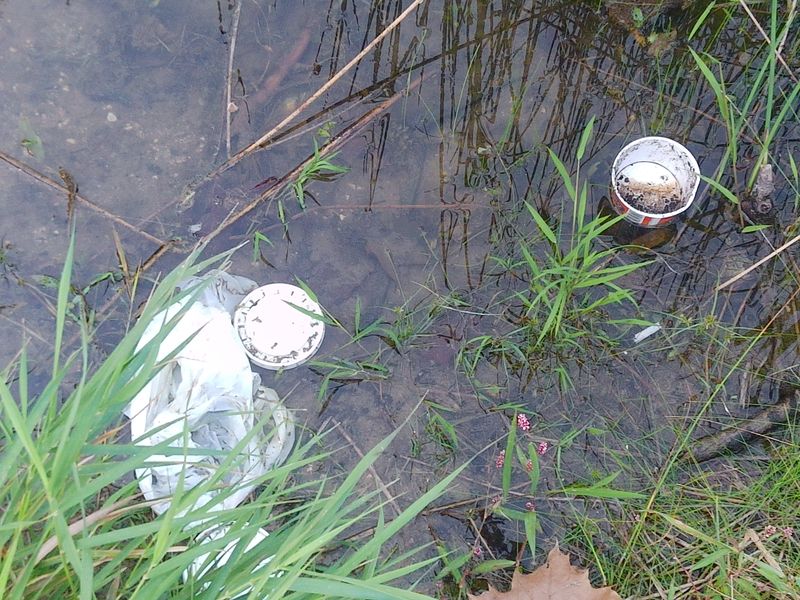
Bait cans were also a huge issue. There were nine clearly identified bait cans in this waterway, on the shoreline alone. These included paper cups, plastic cups, and Styrofoam boxes (see later in Bait Shop examination).
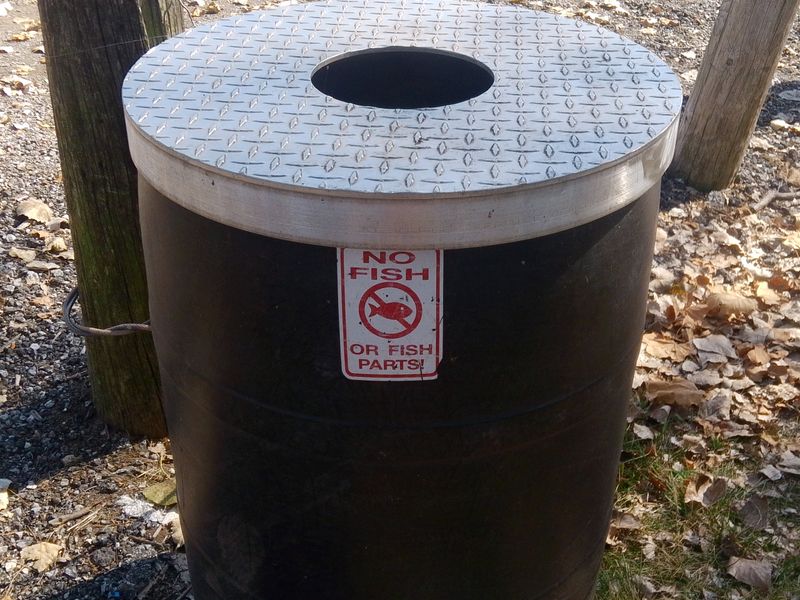
We located one waste receptacle on-site, next to the parking lot. It was chained to one of the posts as well. This receptacle was not near any of the benches and also did not allow for fish parts to be discarded on location.
This site visit made me realize a stark difference between the etiquette of boat anglers and shoreline fishing. Thinking farther, perhaps this is because your boat can act like a giant trash can. You can drop things, and they will be there for you to gather and discard later. When shoreline fishing, you have to intentionally gather items and find a bin. If you change locations, you'd have to bring the trash with you. I also wondered if it could be a matter of skill or dedication level. Shoreline fishing is accessible to anyone with a pole, but fishing in niche fishing holes by boat requires quite a large monetary and time investment. Not only must you purchase a boat, but you must also be licensed to operate the boat, know how to launch a boat, recognize waterway rules and etiquette, have a vehicle equipped to haul a boat, pay for boat registration, etc.
Moving forward, I became vastly more interested in exploring shoreline fishing angler waste.
Bait Shop
Preparing for a boat fishing trip the next day, my grandpa took me and my group to the local bait shop that we have used all my life. I had purchased my fishing license at this location months earlier, and I never thought about all of the waste these offered containers were contributing to the environment.
With this visit, I hoped to see what kinds of bait were stocked (local or imported), and what packages the bait came in.
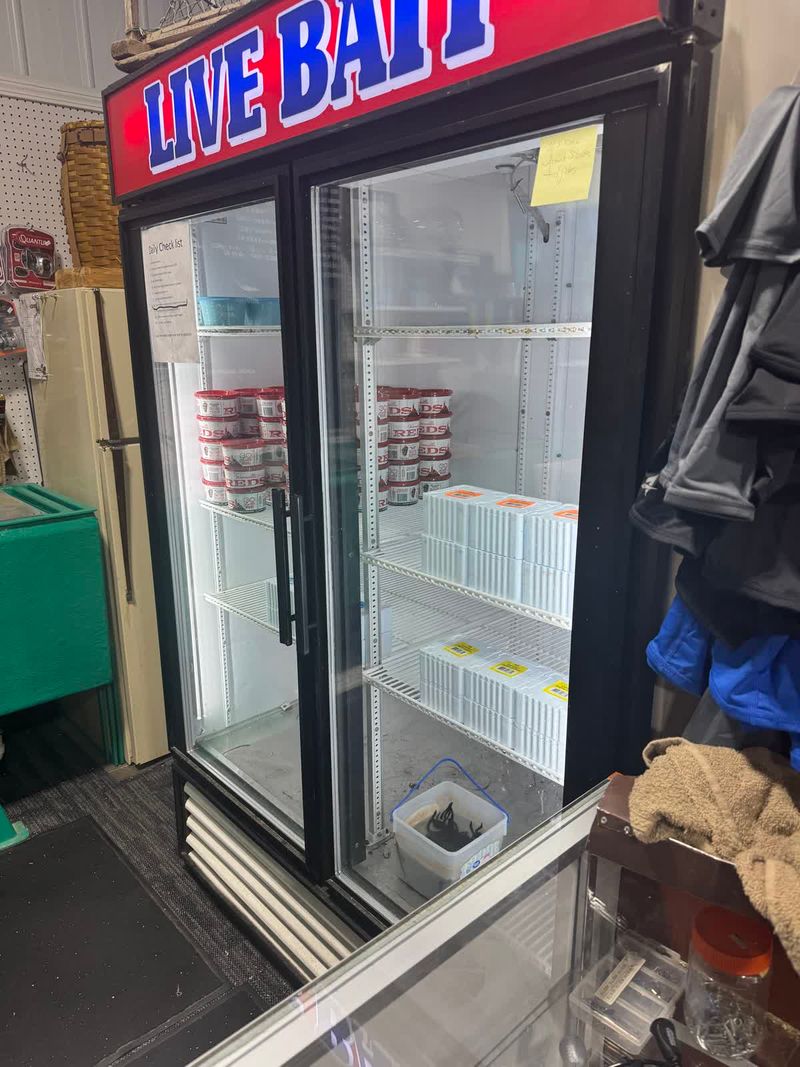
The Live Bait fridge showed me every single type of bait can that I had seen littering the shoreline of Sylvan Lake (about 15-20 minutes away).
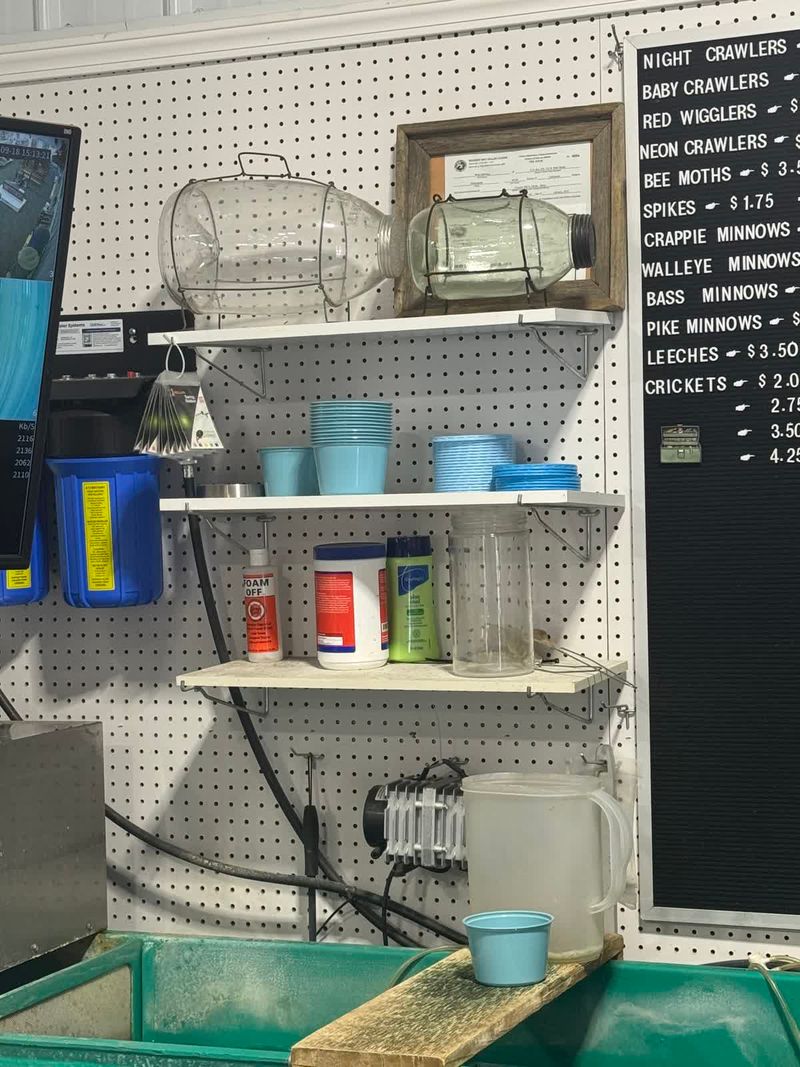
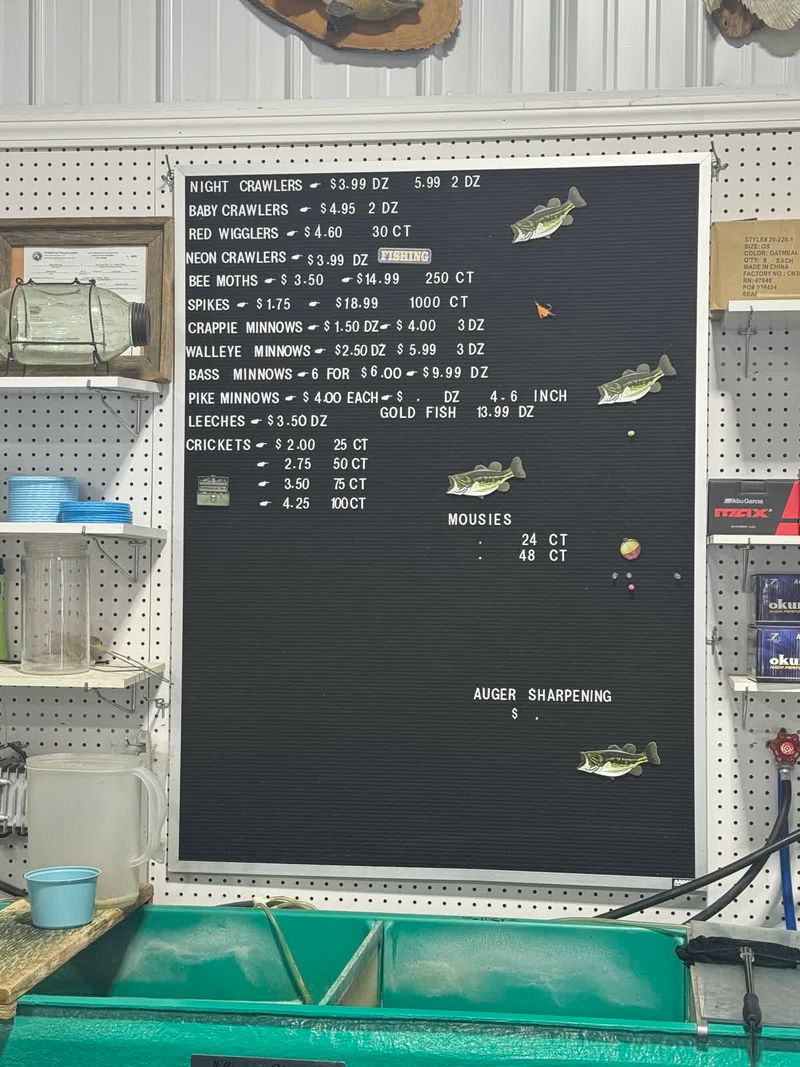
Minnow Tank, Bait Containers, and Pricing
Behind the counter, I noticed the blue bait containers that I had seen at the bottom of Dallas Lake (about 5 minutes away) I also looked at the Live Bait Species list on the price board and noticed that all of the minnows were fish that were also available in the lake. This means that if someone were to dump their minnows in one of the local lakes, the species would already exist in the area which would not contribute to a spread of invasive species. I was unable to find out if the worms, leeches, and other live bait was local or imported.
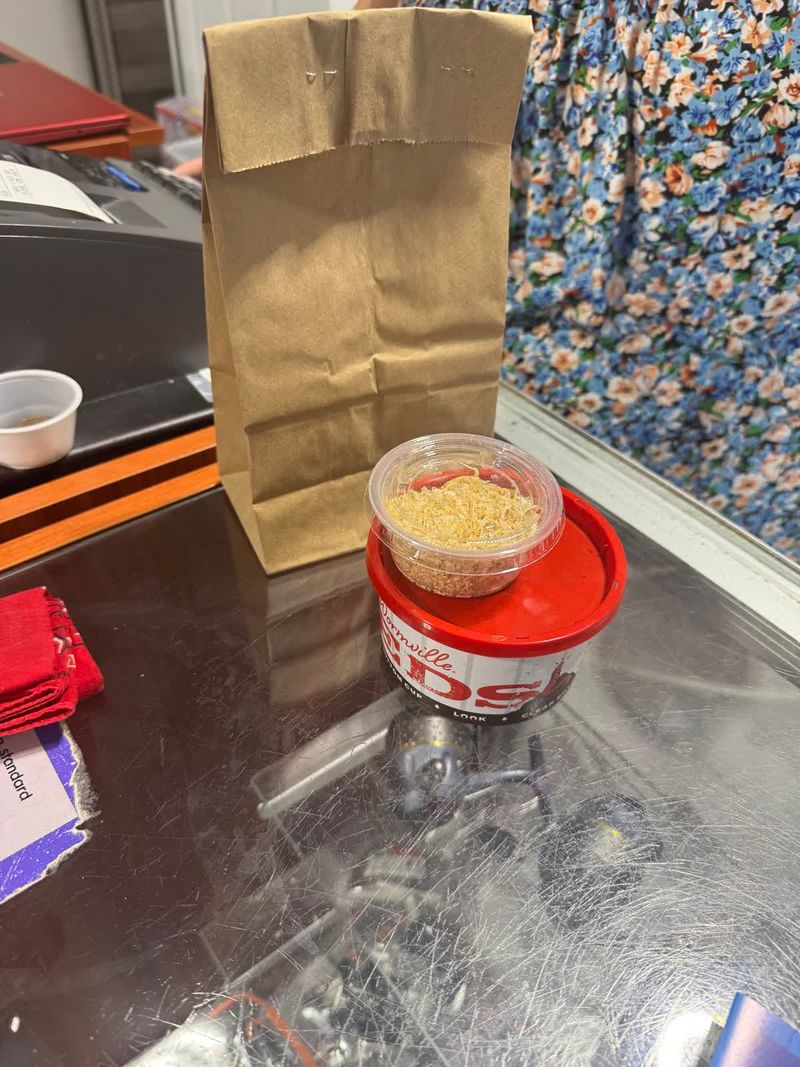
We purchased red worms (red can), bee moths (clear container), and crickets (paper bag). I know from prior experience that nightcrawlers come in the blue containers. We normally bring our reusable cricket bucket to fill on-site as well. Since we forgot it, the crickets were given to us in the stapled paper bag that we used to fill our reusable container later on. I, however, did not notice any signage encouraging people to bring in these reusable containers. I am also not sure if they would fill another container with live bait, as they are pre-portioned in the current container method.
Boat Fishing
The boat launch took place at 9:30 am and we trailered it again around 12 pm (3.5 hours). Oliver Lake was the location of launch. However, we used a channel to get to Olin Lake, where the majority of research took place. Olin Lake is a nature preserve, so there are no direct access points or houses on the water. The water was also extremely low, which made navigating shallows and channels especially difficult (even for my grandpa with over 6o years of experience. I have about 10 and struggled in this water).
This research was to figure out what kinds and what quantities of waste fishing from a boat produces.
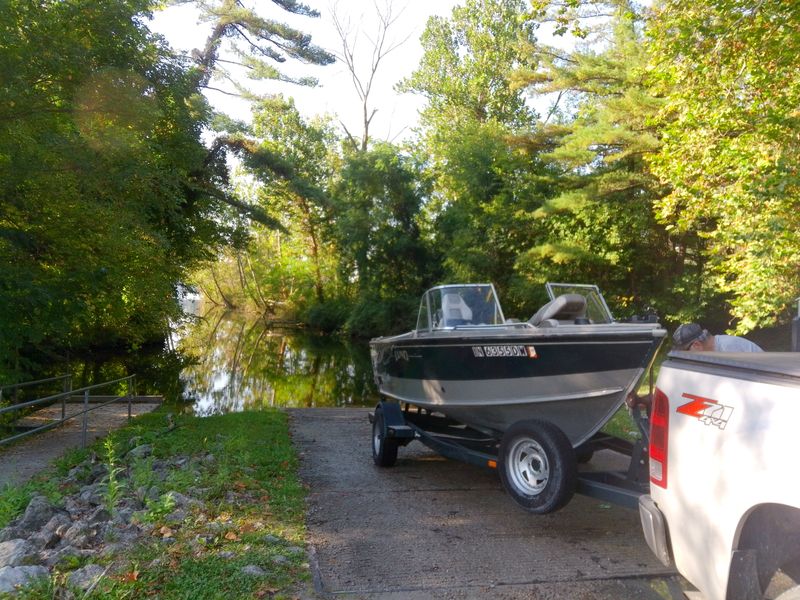
My grandpa and I arrived at Oliver Lake after uncovering, quality checking, and loading the boat. When launching, I was on the lookout for any pollution (gas or oil from the side of the boat), any habitat damage done when launching, and anything else that would stand out. While launching, I did not notice any oil/gas pollution (even though it has happened before), but I did notice habitat disruption since our motor kicked up the bottom sediment and plant life. We did not seem to produce any waste during this process.
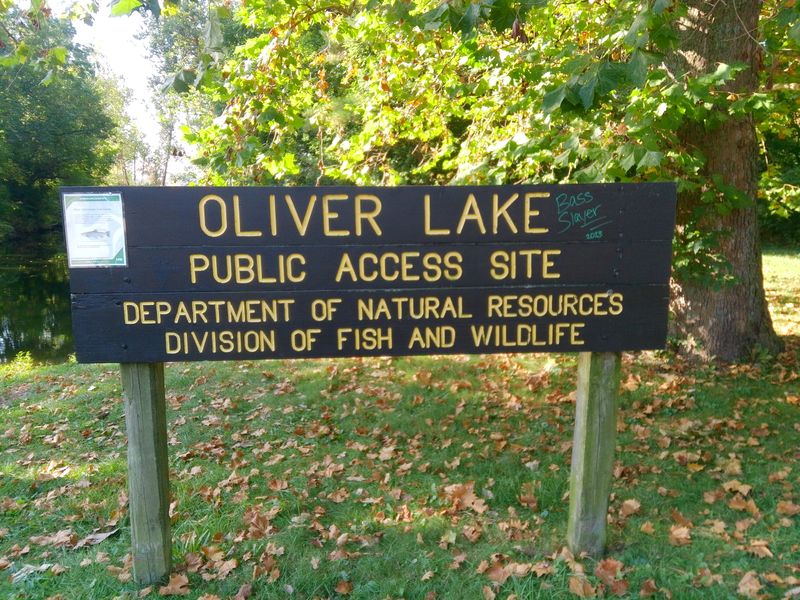
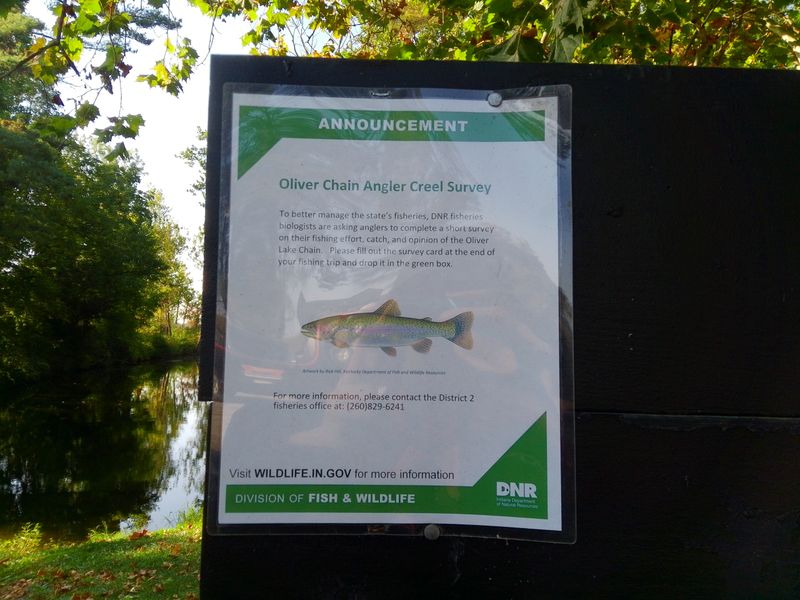
Oliver Lake & Trout Signs
This sign notified us that Oliver and Olin (adjoining lakes) were stocked with trout and encouraged anglers to participate in a survey after fishing.
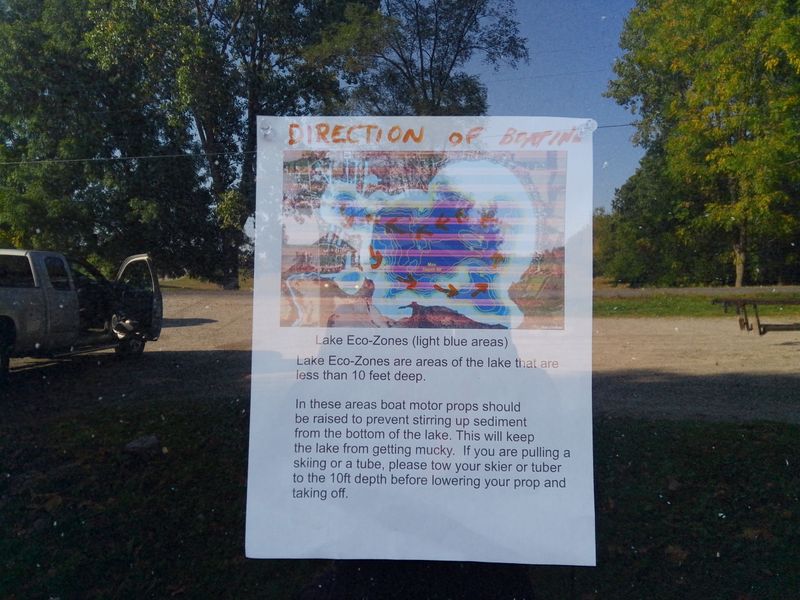
The "Direction of Boating" sign notified boaters about the effects of their motors. It was interesting to me that they emphasized how this would affect their user experience rather than mentioning the amount of habitat damage the motors could cause. The sign also alerted boaters which way to travel around the water, which is an increasing problem in personal experience.
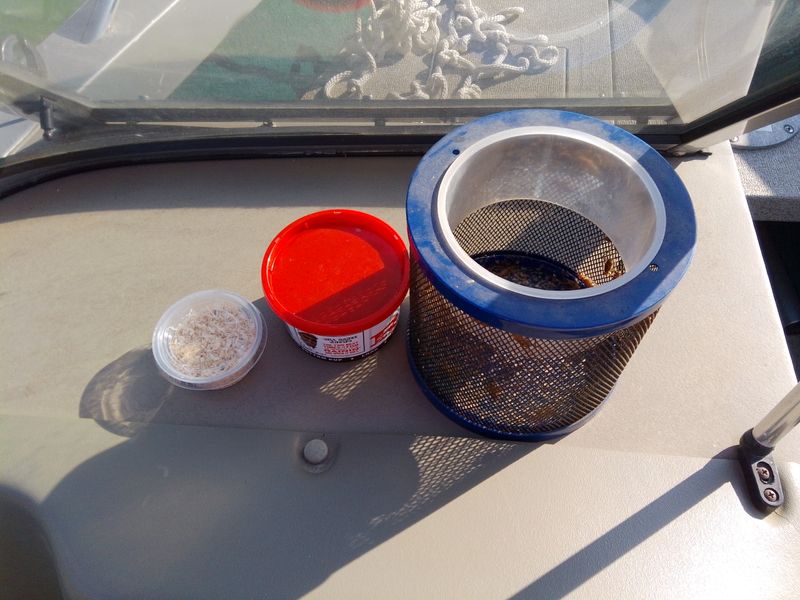
We packed three different types of bait for this fishing trip, as seen in the Bait Shop section above. We repacked our crickets into the reusable bucket seen above. I primarily used wax worms, and my grandpa used crickets until we both switched to lured lines. I did spill the wax worms at one point, and the wood shaving flew through the wind and into the water. No bait escaped, however. I am unsure of any effects from this.
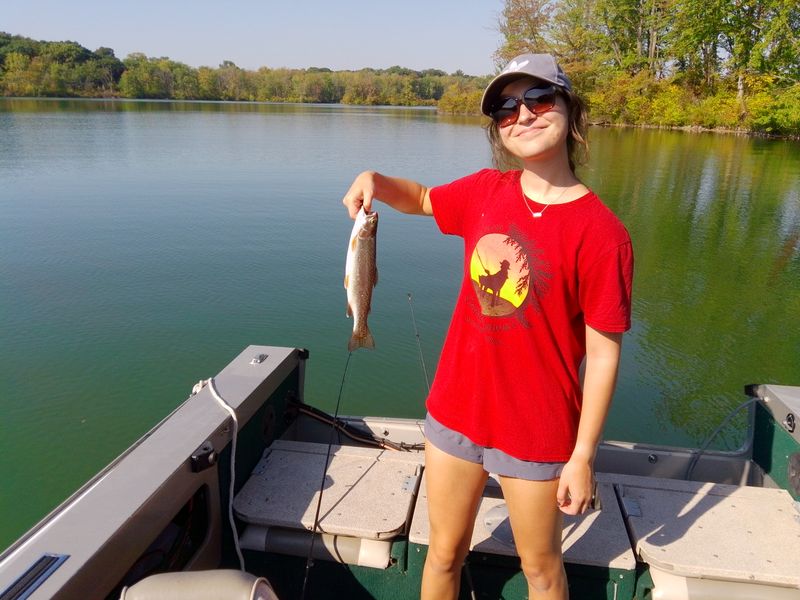
After about 2 hours of fishing with two different poles, my grandpa and I each caught a trout that we stored in the live well of the boat. We didn't seem to produce any waste in this location. We could see clearly to the bottom of the lake so we could clearly see weeded spots where our lues would get caught. We also used a Fish Finder tool to track the depth of fish populations, as well as checking the depth of the water to keep us from running aground or into any habitats.
Overall, this trip made me realize that any waste I produced would either just sit and wait for me to retrieve it out of the boat when we trailered it, or it would be lost in the water for good. This was different from shoreline fishing where your waste would have to be kept up with, or you risk leaving it behind. Also, much of the shoreline fishing waste was easily retrievable and unnecessary.
Fish Cleaning
After visiting a few fishing locations and seeing signs for "no fish parts", I wondered how my grandpa dealt with his fish part waste all these years. This took approximately 20 minutes (all on video) for my grandpa to teach me how to clean the fish we had just caught.
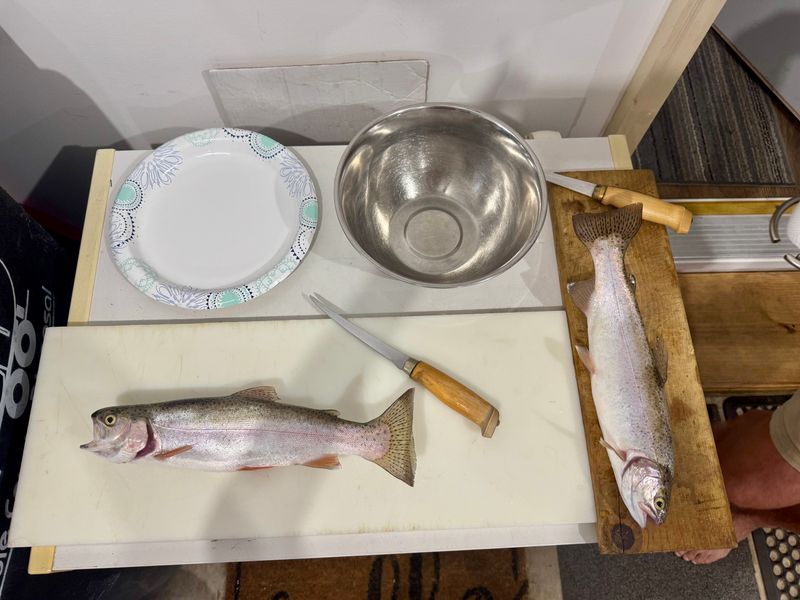
We used my great grandfather's filet tools, had a paper plate for guts, and the bowl was for clean filets. The process was a lot more difficult that my grandpa made it seem.
WARNING: GRAPHIC CONTENT (DISEMBODIED FISH)
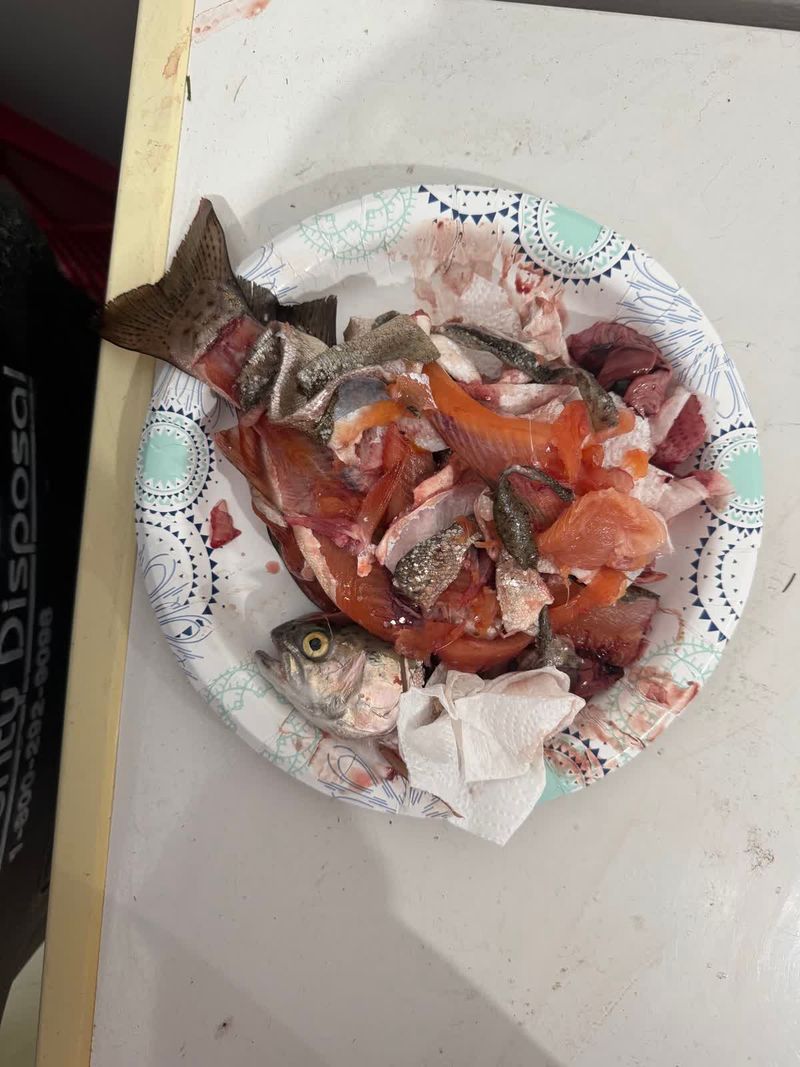
This process resulted in a lot of waste. When I asked my grandpa what he did with he waste, he told me that he put it in our swampy area (kind of a compost) for raccoons to snack on, Obviously, park managers and park-goers probably do not need a raccoon digging through their trash cans. This made me wonder about the importance of on-site parts disposal bins. I didn't notice any place to dispose of them, but I also didn't see an area where people were discarding them out of necessity. What else are anglers supposed to do with the discarded remains?
Interviews
Interviews happened over the course of two days: September 18 and 19, 2025. The format was informal, over the phone. I wrote six structured questions, but I often had more questions as the calls transpired. Both calls were conducted in the afternoon, at a time of the participants choosing. Participants were recruited from the IDNR event and personnel website. I emailed about 20 people and received two emails requesting participation.
The purpose of conducting interviews was to hear directly about efforts, results, ideas for the future, and gauge the feeling around the subject of angler waste (hopeful, discouraged, apathetic, etc.).
Interview 1
Sandra Clark- Kolaks
Fisheries Research Biologist and South Region Fisheries Supervisor
Indiana Department of Natural Resources
Division of Fish, Wildlife & Nature Preserves
This interview took place September 18th from 1:30 to 2 pm (30 min). My questions to Clark-Kolaks revolved around the effects of angler waste on the environment and her ideas for solutions.
When asked about what changes she would like to see in fishing equipment, she answered:
We need to spread the news about the effects (lead sinkers) are having on birds. The information is available, but not accessible.
She also referenced her own experience of picking up other people's waste, and wished there was a way to ensure people would clean up after one another because she believes:
If you have to pick up another person's litter, you are less likely to litter.
In the same breath, she made reference to Woodsy the Owl and Smoky Bear Campaigns. Clark-Kolaks found these "mascots" integral to educating people more easily.
One thought-provoking quote she said was:
What is trash, what is habitat?
She mentioned this after being asked what kinds of waste she seen integrate into the environment (making reference to the tires and cinder blocks I found in the fishing spots of my own lake). She was adamant about educating people that not all plastic is bad, and that plenty of things that aren't plastic are also bad for the environment.
Interview 2
Branndon Castellano
Outdoor Education Coordinator: Hunting, Recreational Shooting, and Trapping Programs
Indiana Department of Natural Resources
Division of Fish and Wildlife
This interview took place September 19th from 2-2:15 pm (15 min). My questions for Castellano were centered around an event he hosted the day before that I was unable to attend. The event was "Fishing Basics" at Eagle Creek in Indiana. The event was open to any self-identifying beginner angler above the age of 16.
When asked about his role as an Outdoor Education Coordinator, he said he was responsible for:
Encouraging/recruiting newcomers, maintaining relationships with current members of the community, and bringing back past members.
This led me to inquire about the curriculum he had in place, and he responded by saying:
We are piloting an entirely new curriculum...that educates people on species (in the case, fish), basic gear, safety measures, the mechanics (in this case, of things like casting, reeling, etc.), how to access the activity (locations, licensure, etc.), and regulations/etiquette to ensure newcomers can join the culture of the hobby, respectfully.
Castellano was proud of the success of the program so far. He implied that the new program engaged with a wider variety of people than ever before and has helped as a sustainability measure, because there are more people who care and can contribute to the locations with their education. Although his class was small, he was excited more that it was people of differing backgrounds.
From these interviews, I came to the conclusion that the Eagle Creek event is obviously doing something right when it comes to education as a conservation practice, which encourages me to look deeper into the topic. I am also recognizing that more education seems to be needed to not only break stigmas on things like plastic, but also to inform people of the consequences of their actions.