Primary Research
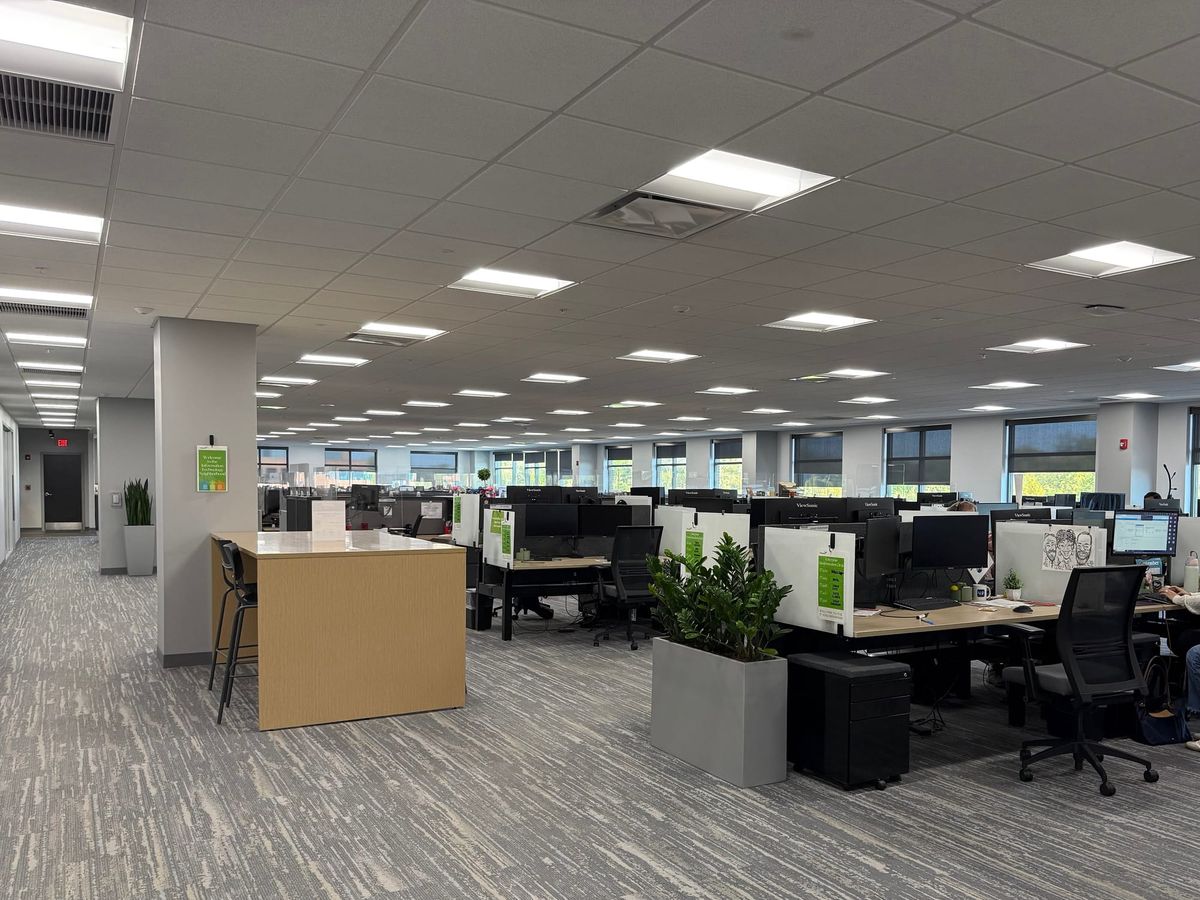
For the rest of my primary research I decided to do a series of semi-formal interviews that were followed immediately with a brainstorming session, as well as onsite observations of the IT department of The Marzetti Company (The respondents of my survey)
Interviews/Collective Brainstorming Data
Interviews/Brainstorming Data Analysis
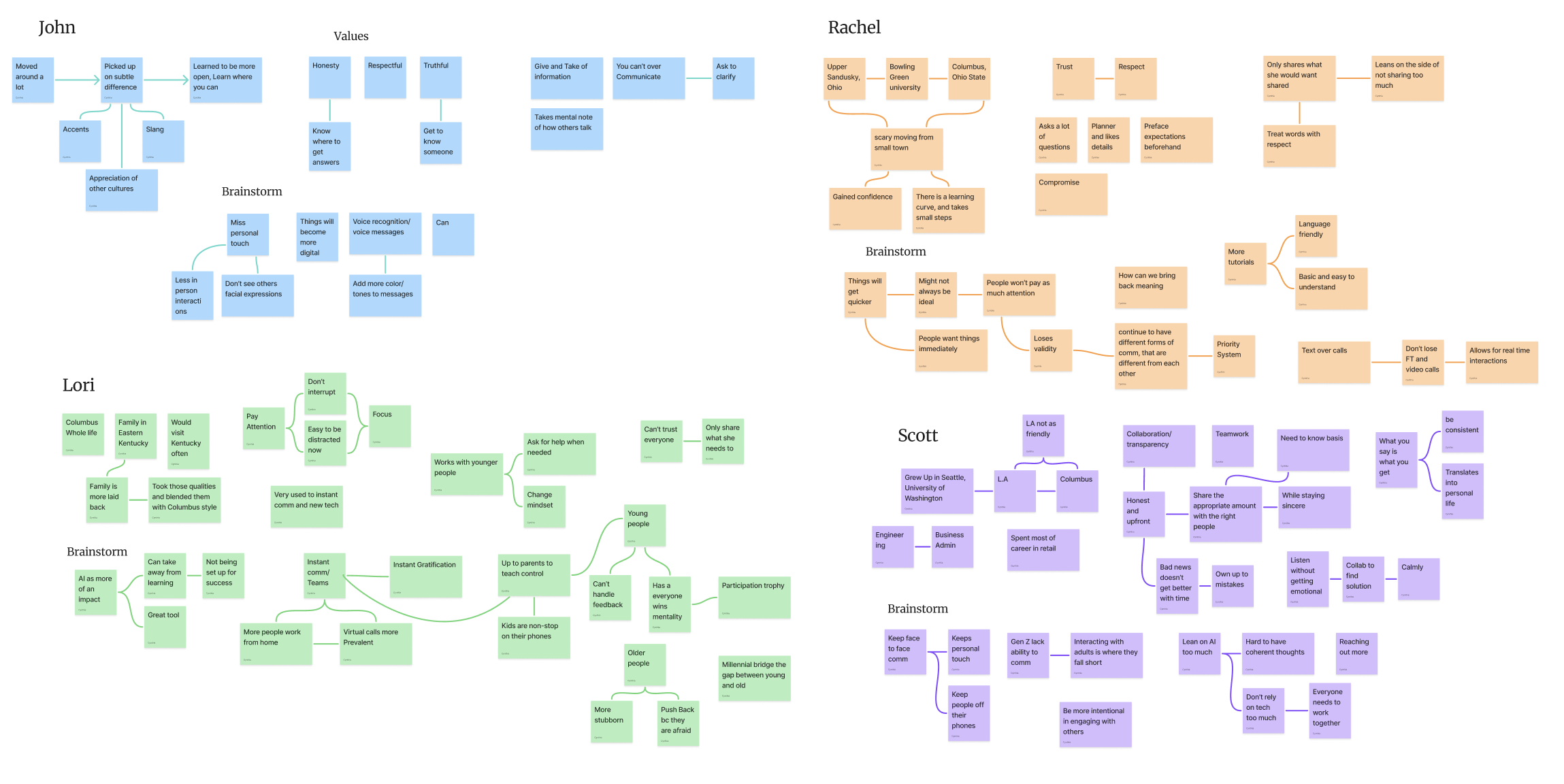
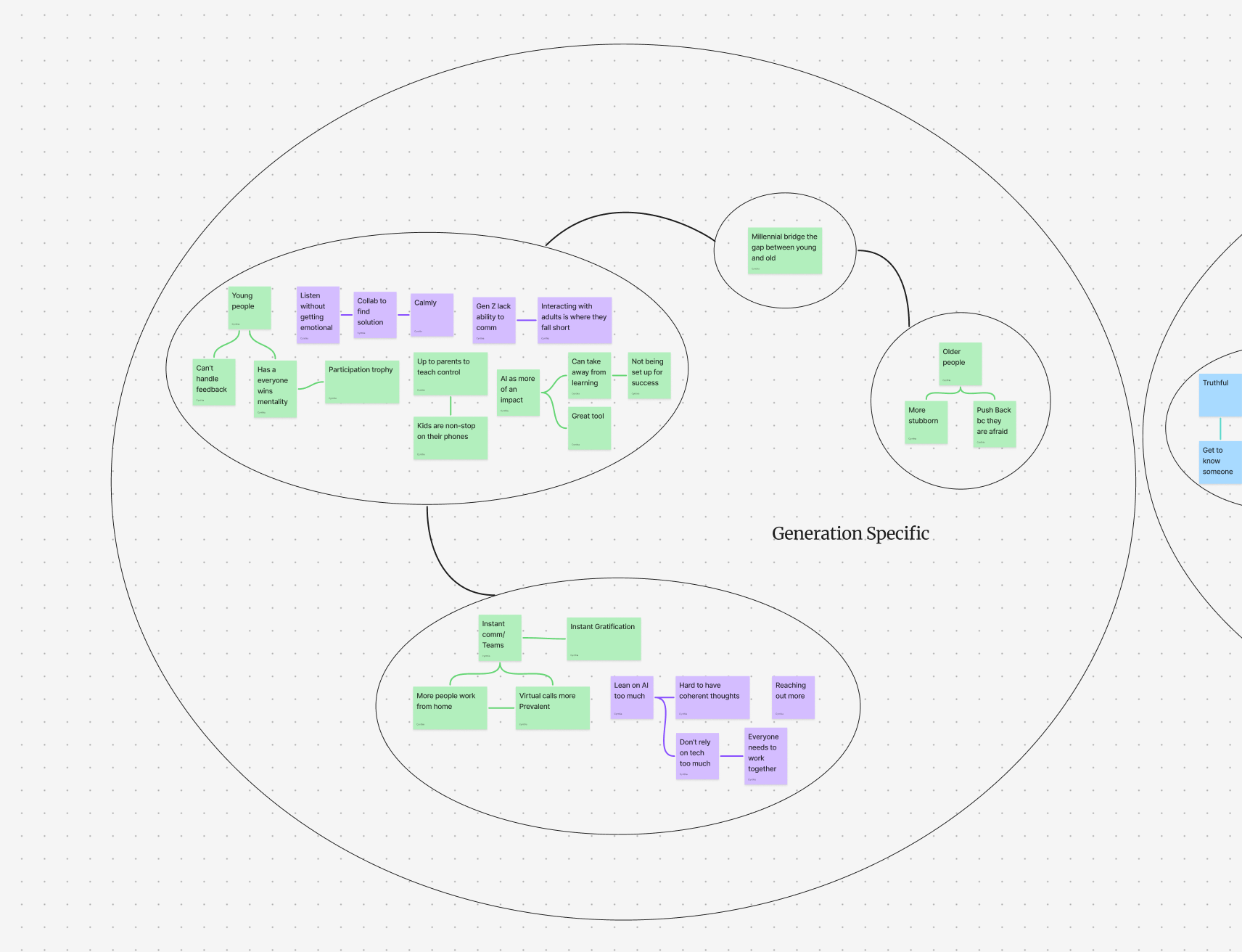
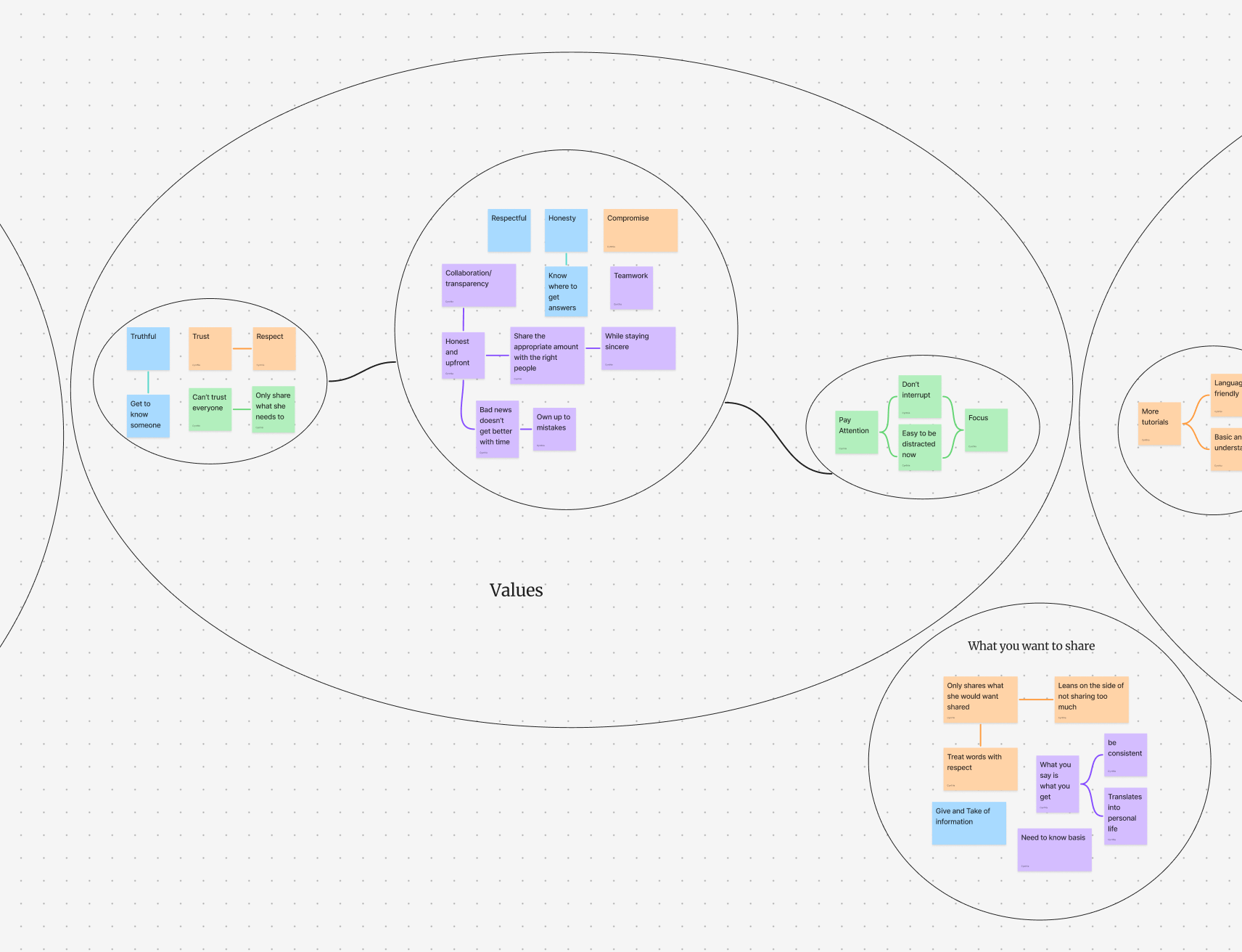
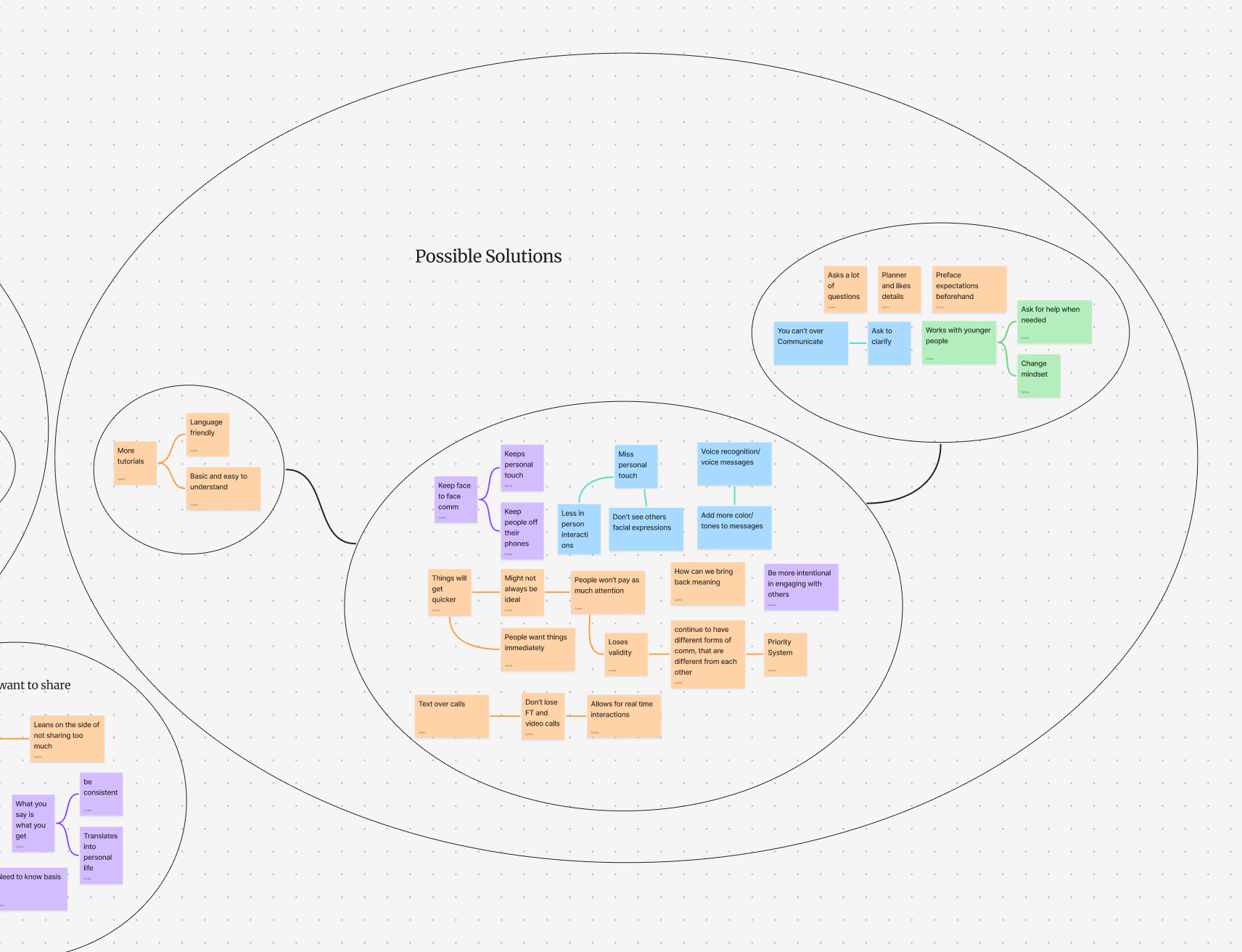
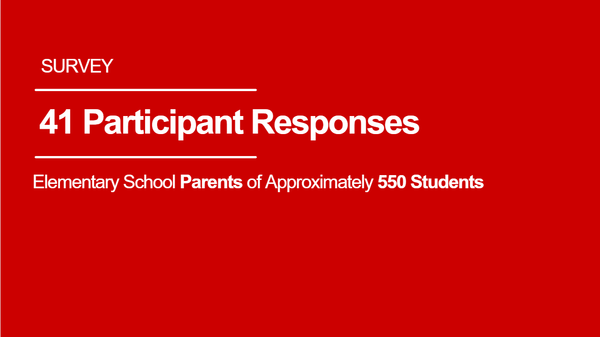
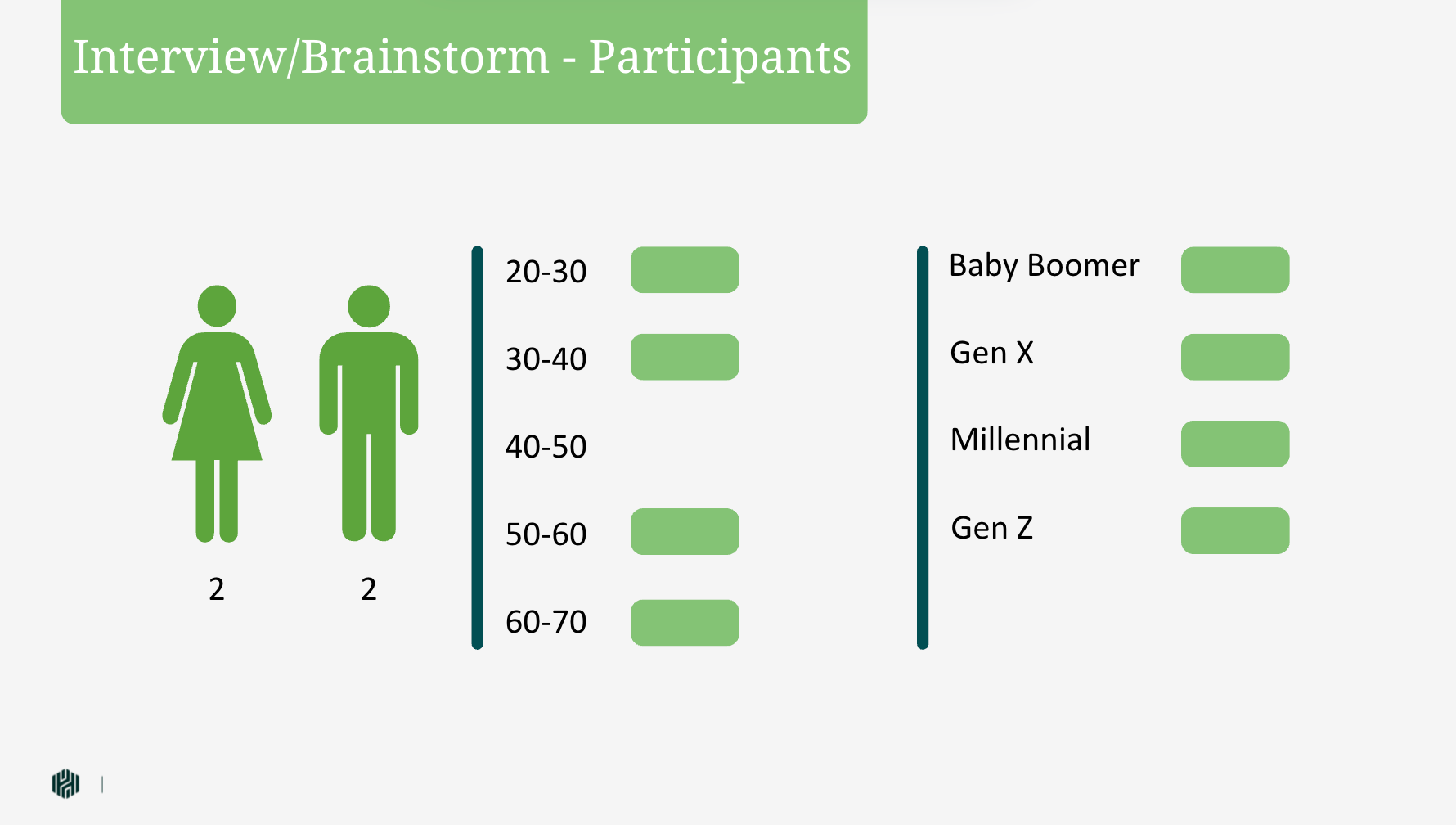
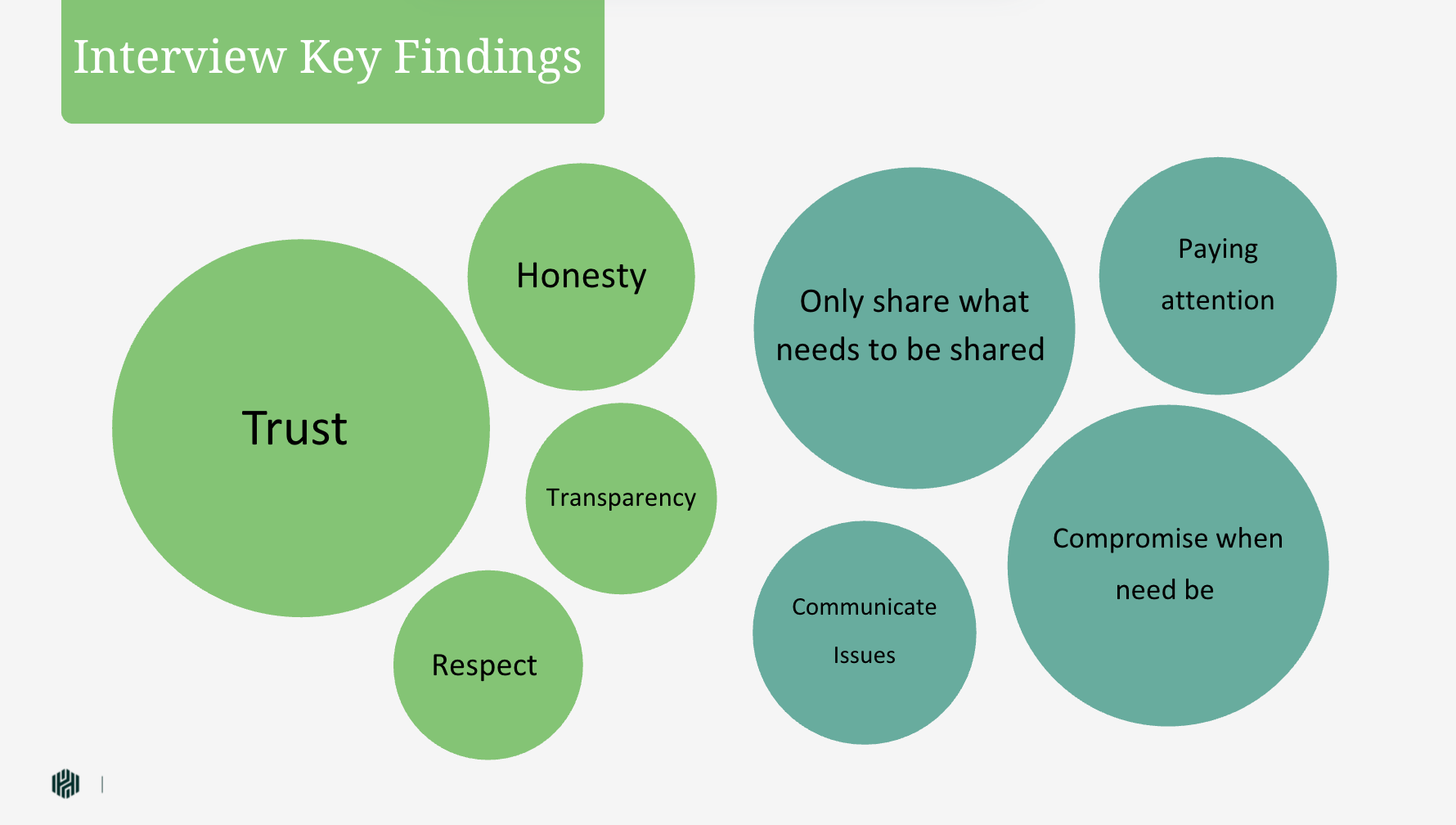
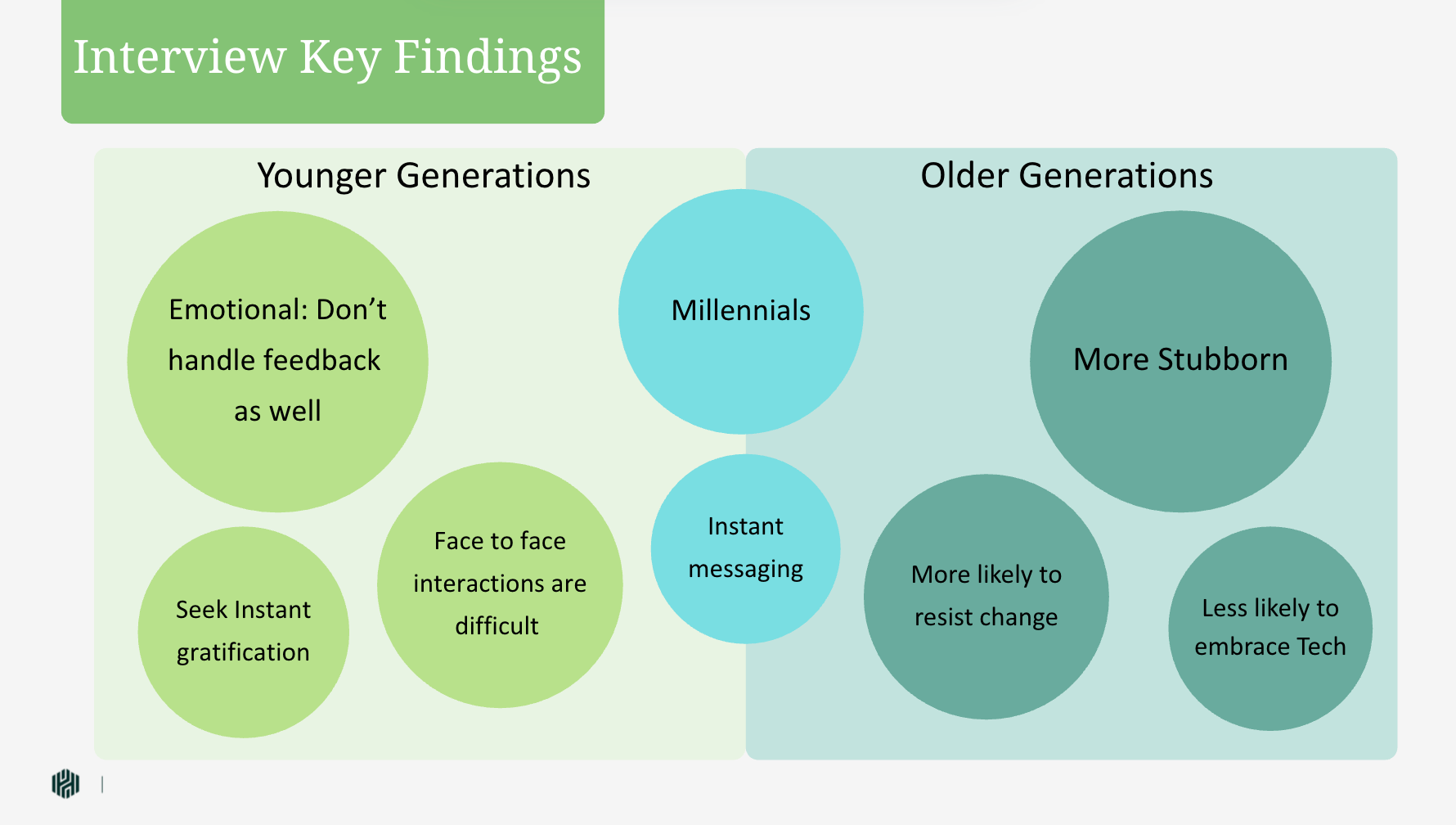
At the end of my survey, respondents were given the option to sign up to do interview sessions with me. Of the 42 respondents 15 signed up for interviews. After sending out a followup email 4 people scheduled a time with me. The structure of the interviews were simple. Beginning with questions about their background, then more in depth questions on communication, finally a brainstorming session where we discussed what the future of communication could look like. When reviewing the information I realized that certain themes appeared over and over again. I sorted the information based on reoccurring words and phrases to create the mind map above.
Interestingly enough many of the same themes came up again and again. Beginning with perceived generational differences, much of the answered focused around what is seen in younger generations. Instant communication is something that younger people find the easiest to use and has become their preferred method of communication. Along with this young people tend to have a hard time with face to face contact. With the idea that in-person meetings is their biggest issue being said multiple times. For older generation, the main thing that was shared is that they are more stubborn and have a harder time adjusting. Often times pushing back on new tech.
As for things they like in conversations, a major value shared between everyone was trust. After gaining trust ideas of compromise, teamwork, transparency and respect come more easily.
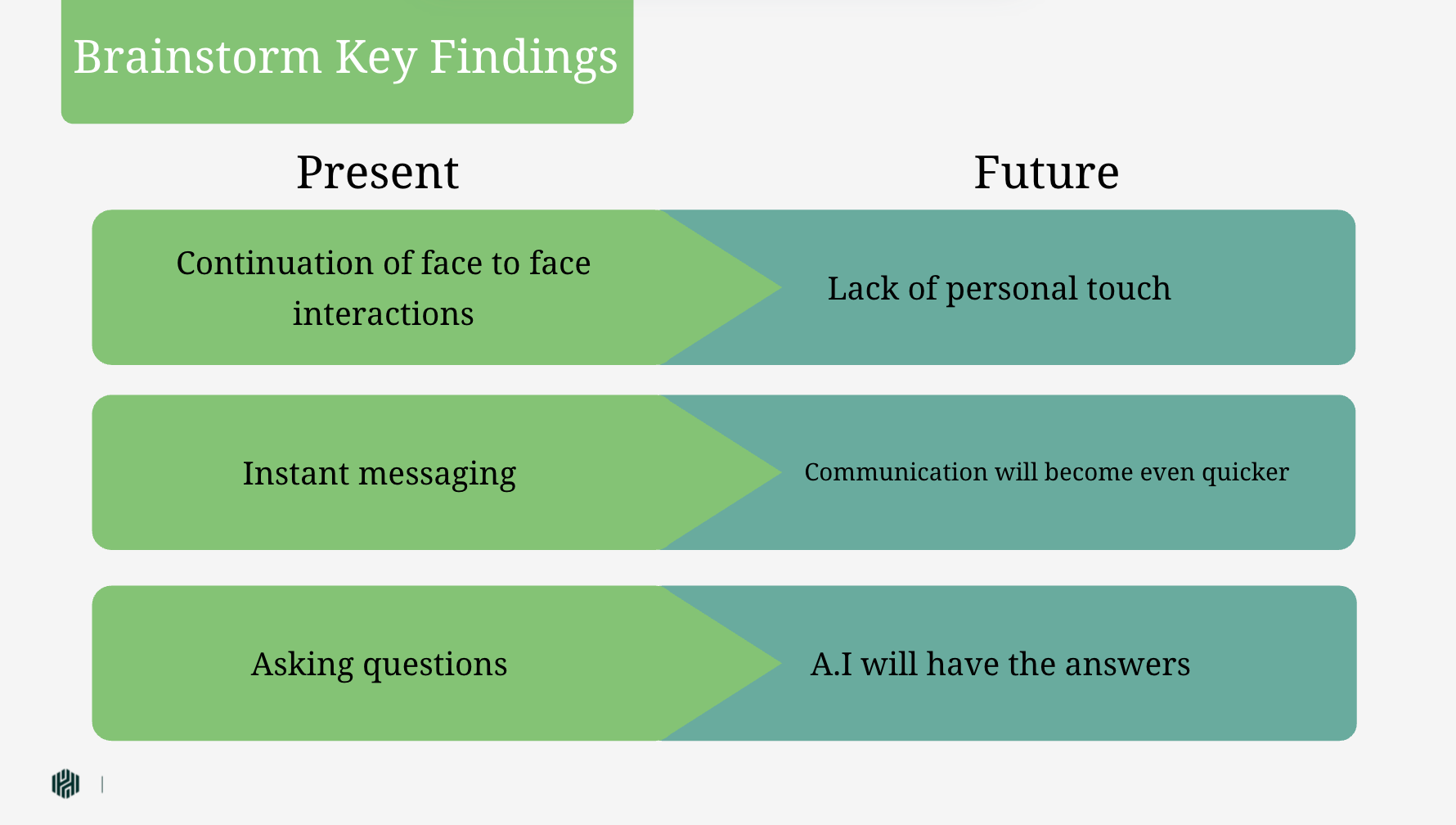
In the brainstorming session, I asked them to think about the future and what they want to see stay the same, how it might change, and what they think would be helpful. I found out that three of the four participants wanted face to face interactions to remain, whether it be in-person or through face time. Also needing a way for people to ask questions when needed, clarifying what they heard or said was another major talking point.
Observations
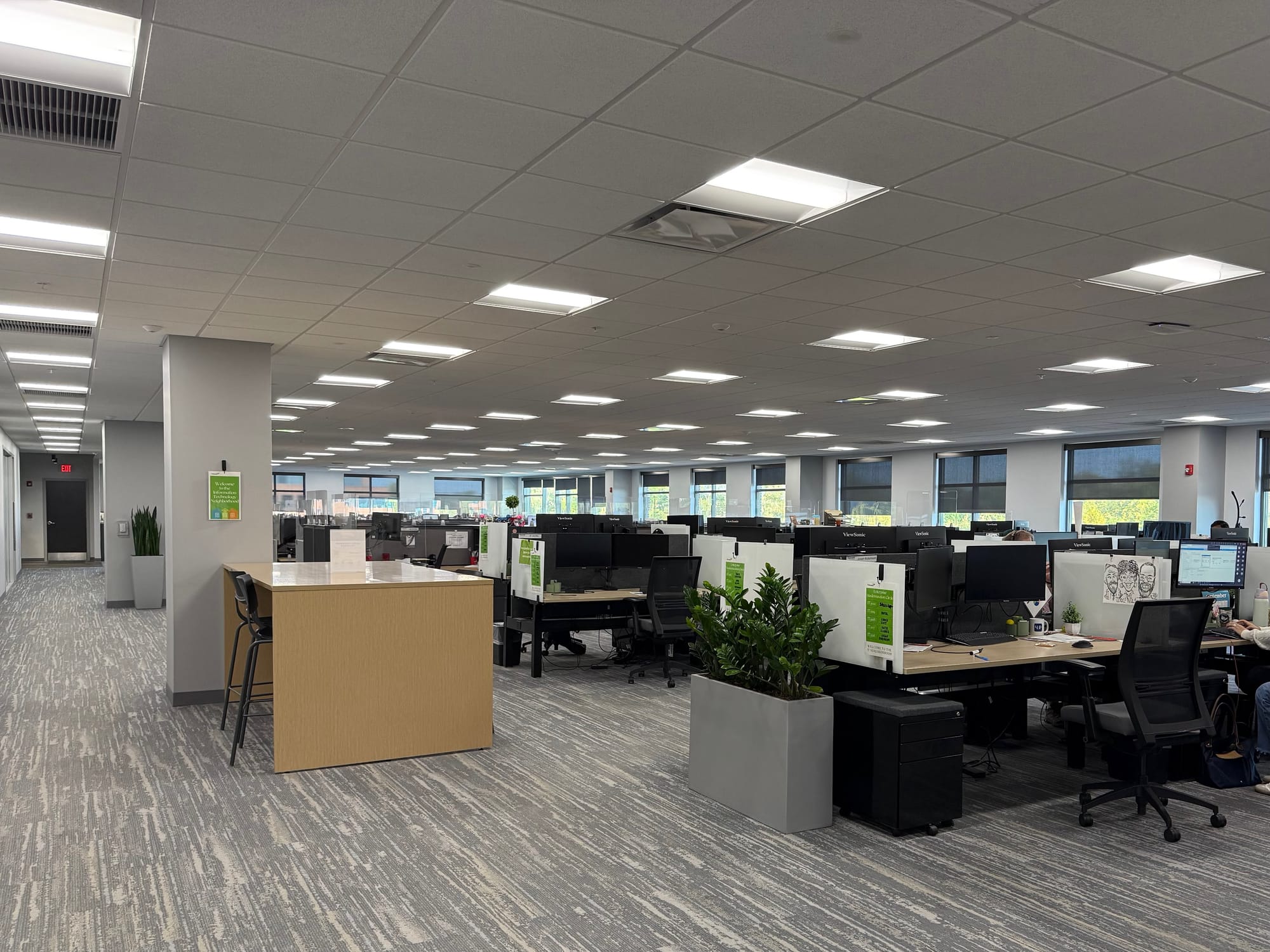
In a visit to the corporate building of The Marzetti Company, I was able to watch the the interaction of the workers there and sit in on a few of their meetings. I broke the day into two sessions using lunch hour as the dividing line. To focus my attention I utilized the AEIOU method of observation which stands for activities, environments, interactions, objects, and users. Using this method allowed me to get a sense of my surroundings so I could then move on to finding smaller details about the space.
In my observations I was able to watch coworker relationships in the office and sit in on meetings. I discovered that every desk has multiple monitors and almost everyone has a Teams chat pulled up next to their work. Talking through Teams was used very frequently. Along with this, many meetings are held virtually even if there are members of the team in the same building. But I also saw many people either walking up to others or rolling their chair over to speak to someone if they has questions or comments. In-person conversations were not uncommon.
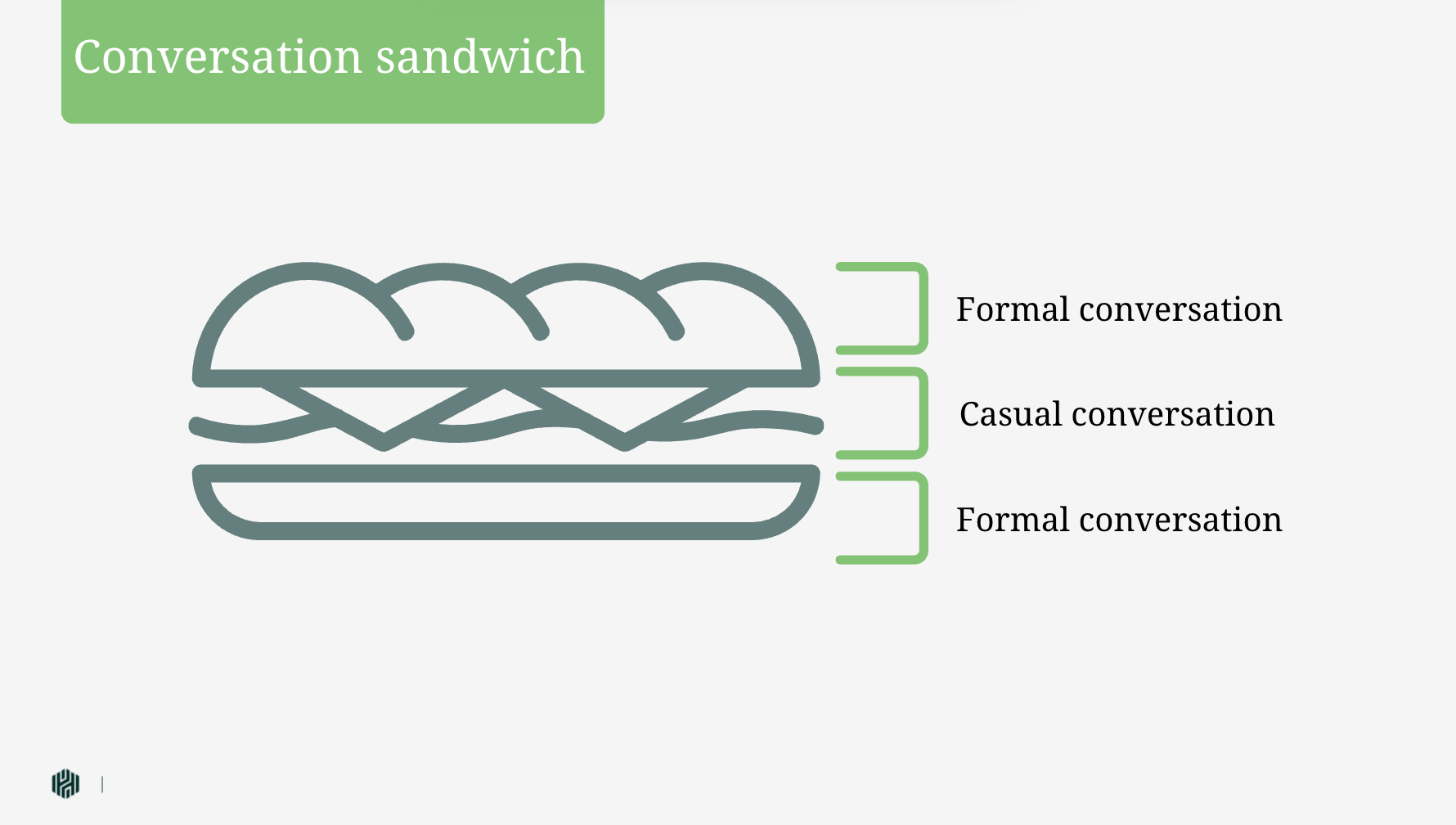
When watching these conversations I began to notice an interesting habit. A lot of the times people were talking about formal things relating to work. But in the middle of that conversation, something casual/personal was thrown in before resuming the formal conversation.
My primary research really helped me get a better idea of what people do in practice and what they think of other people. It was really interesting to see that a lot of what was said in the survey was confirmed in the interviews.