Primary Research
Link to a Milanote board which contains the entirety of my research efforts and documentation, both primary and secondary.
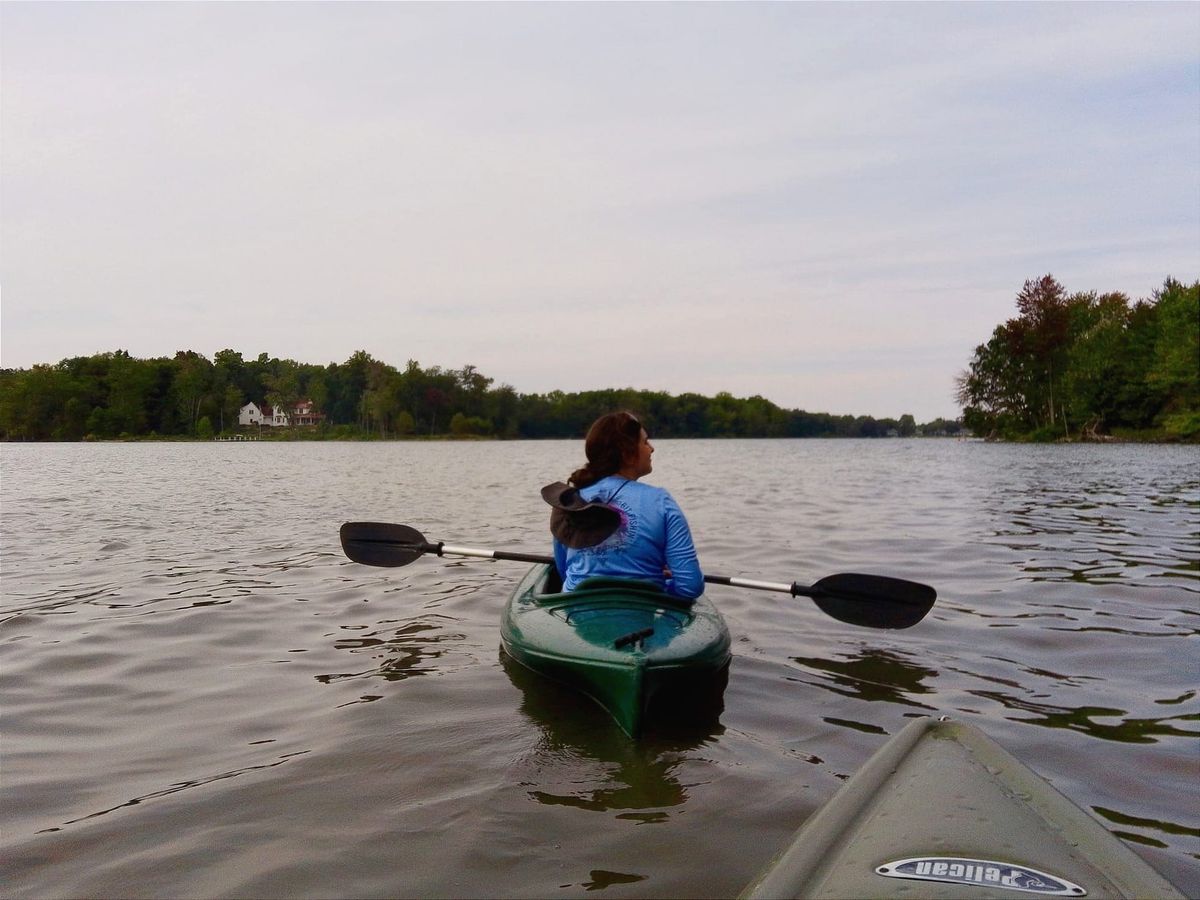
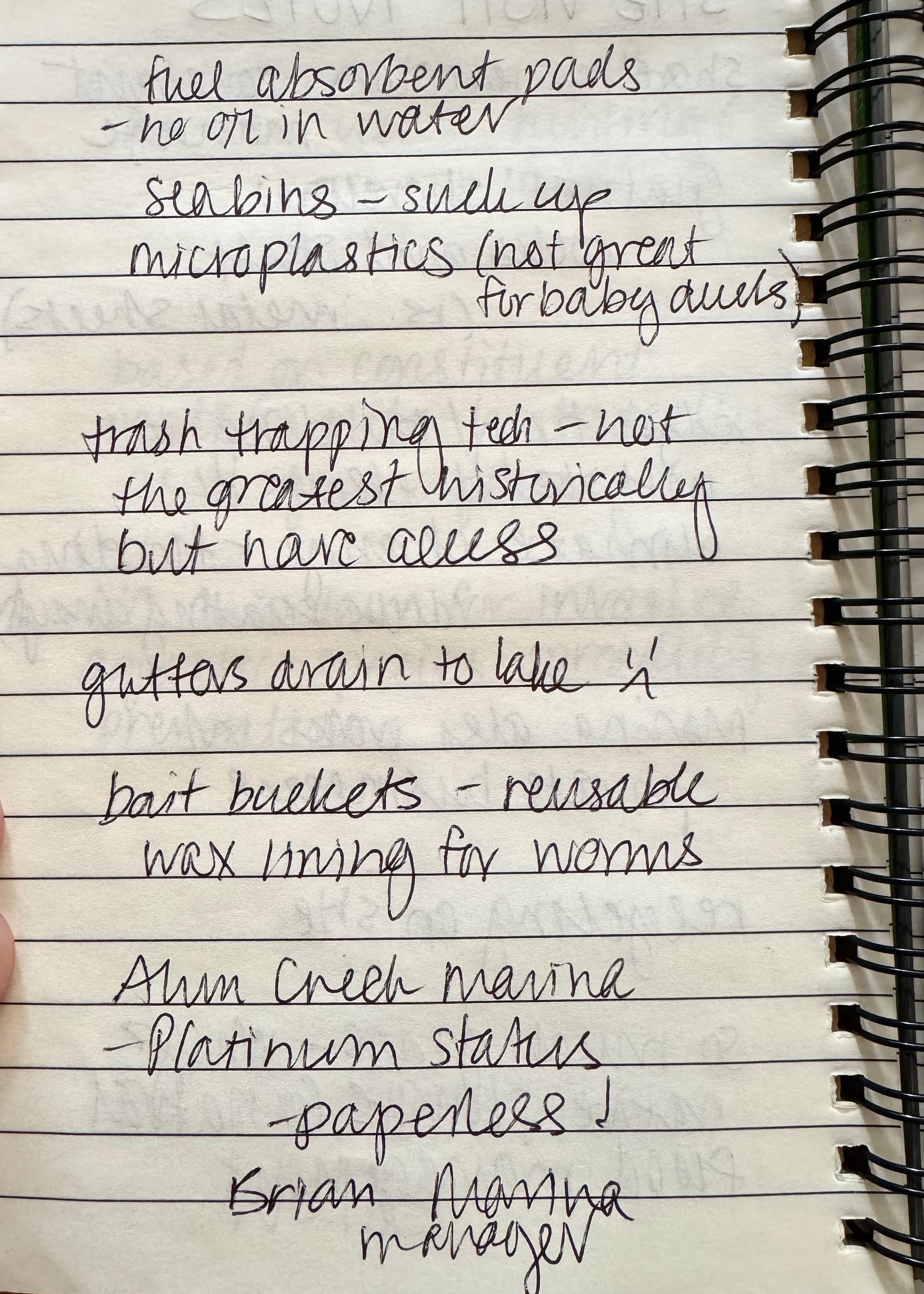
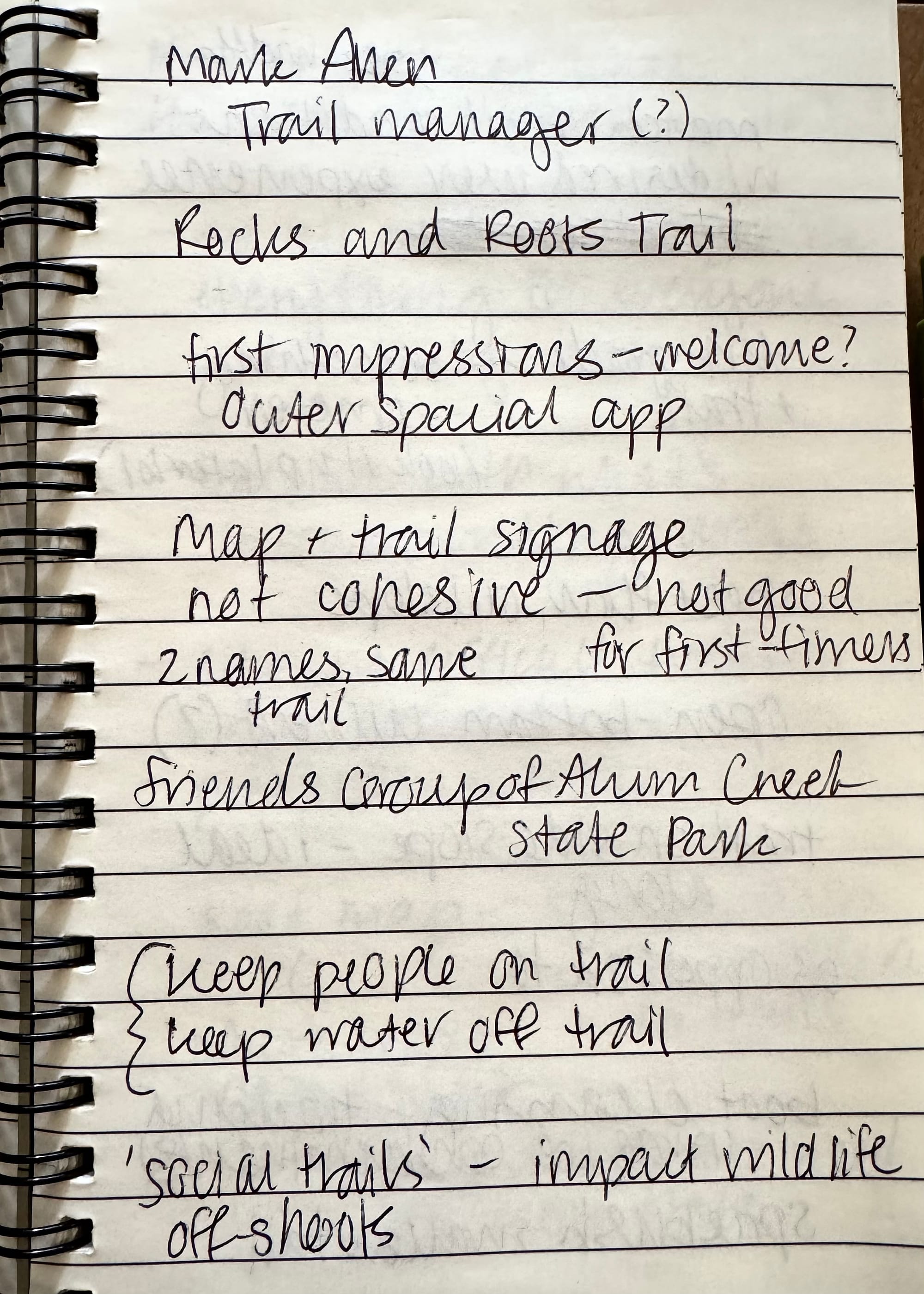
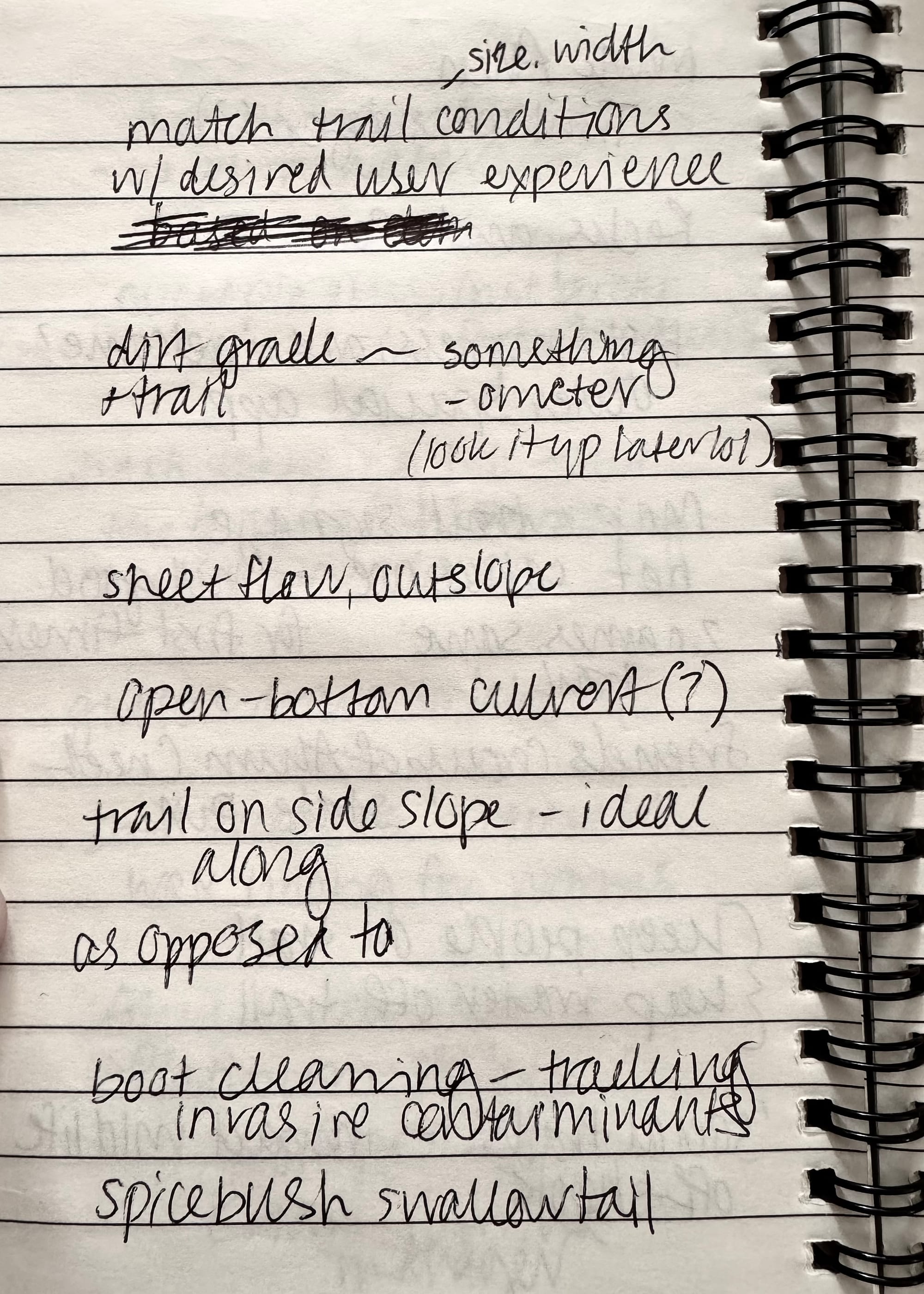
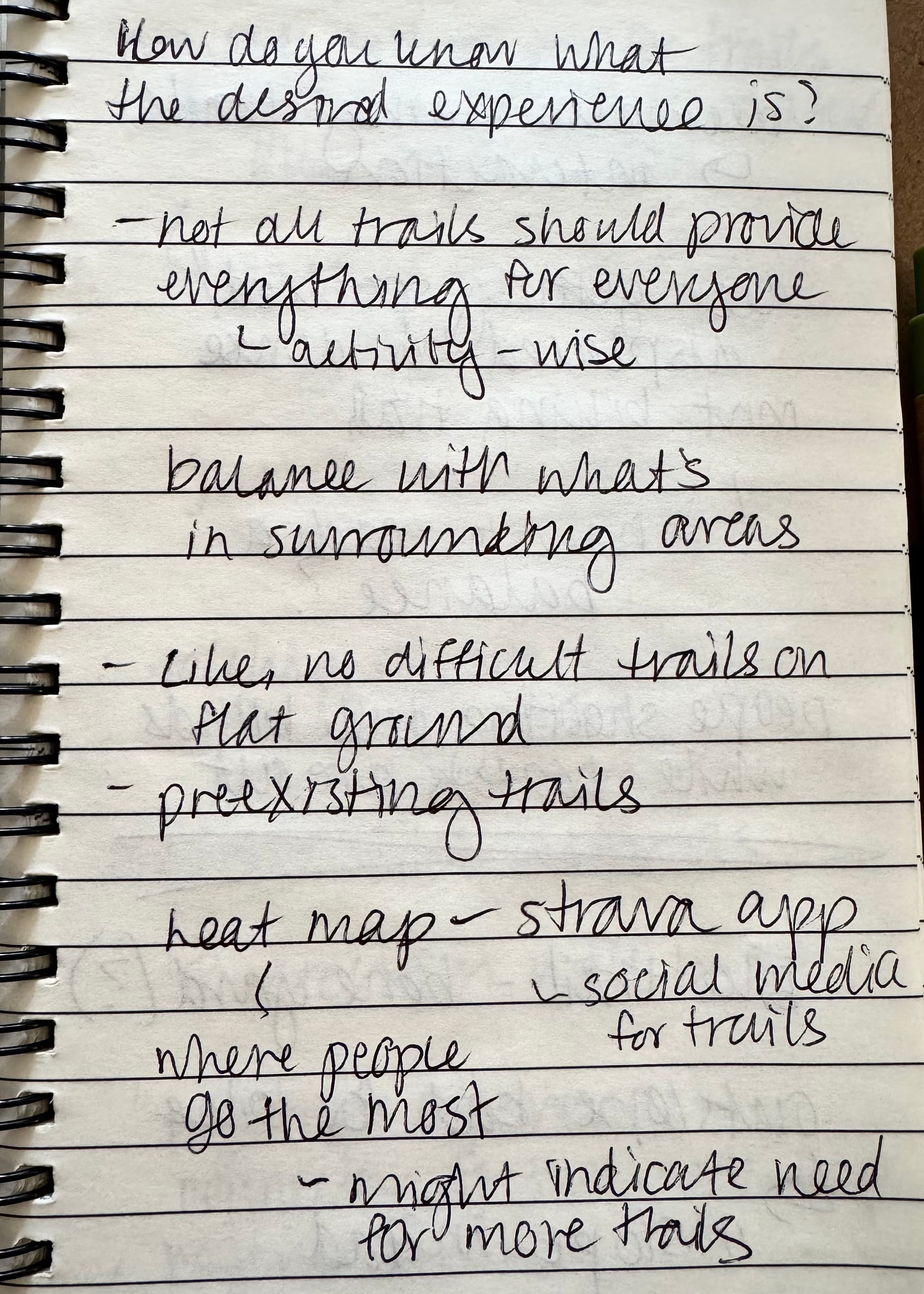
Site Visit: Alum Creek State Park & Marina
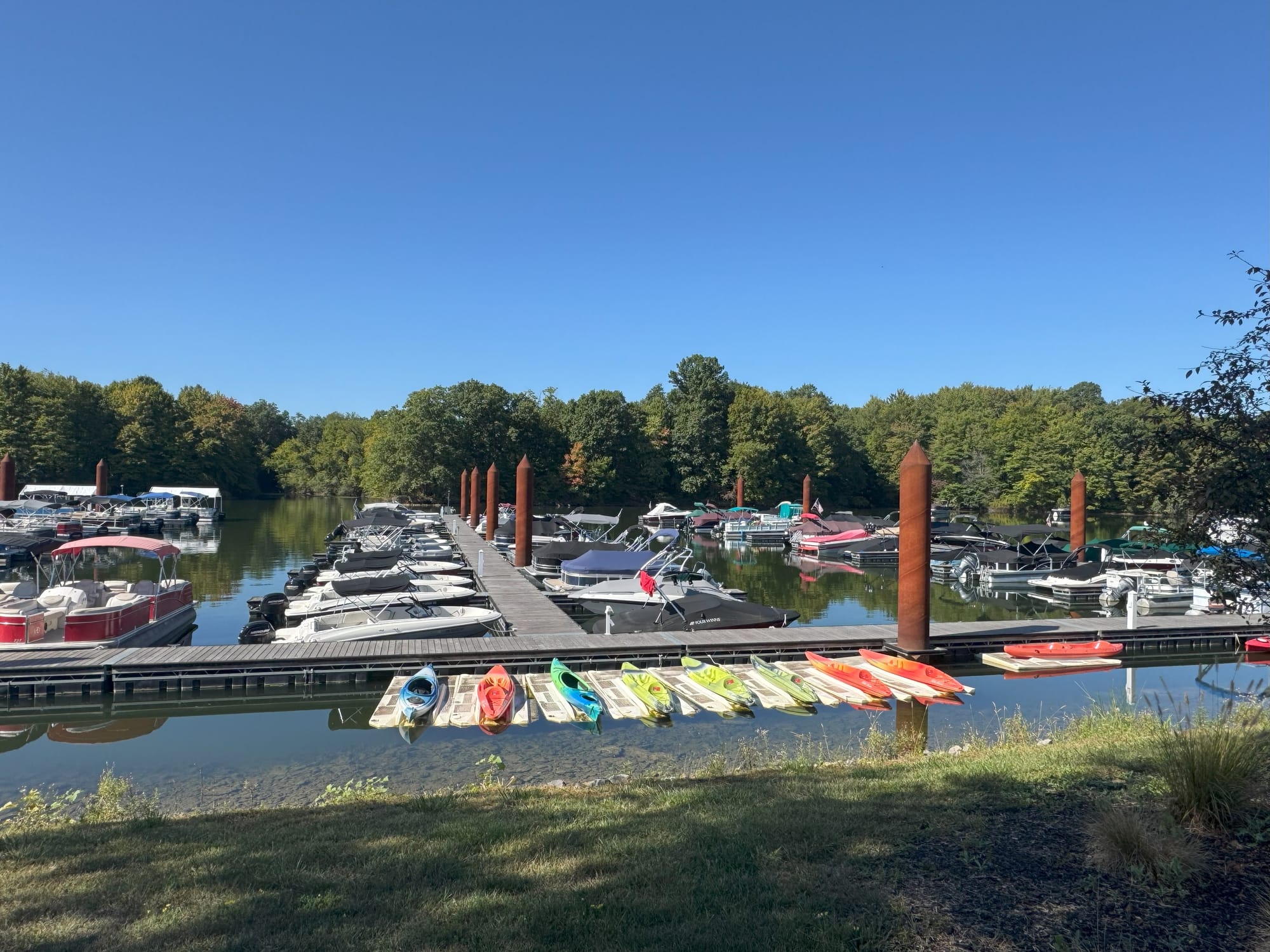
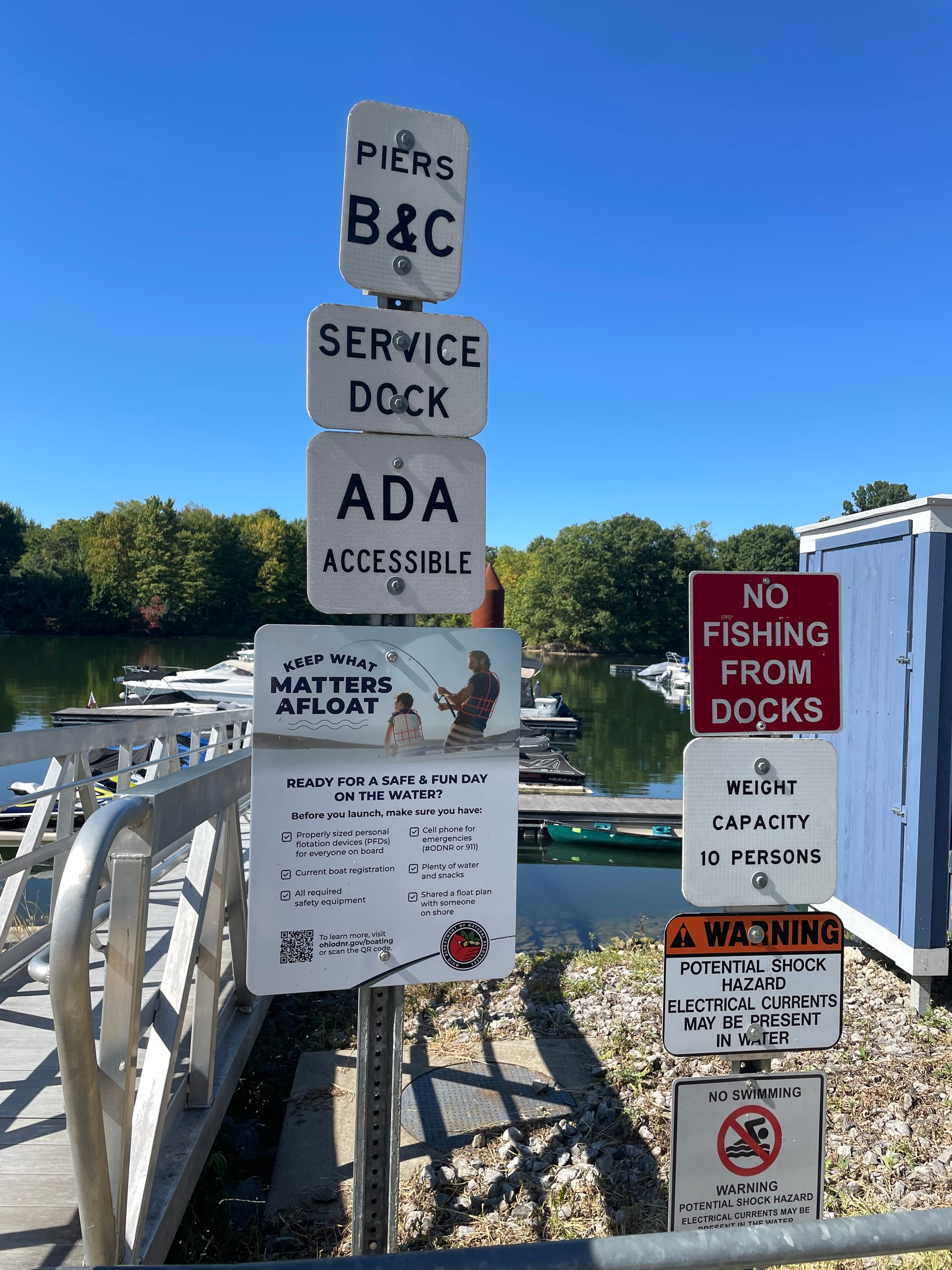
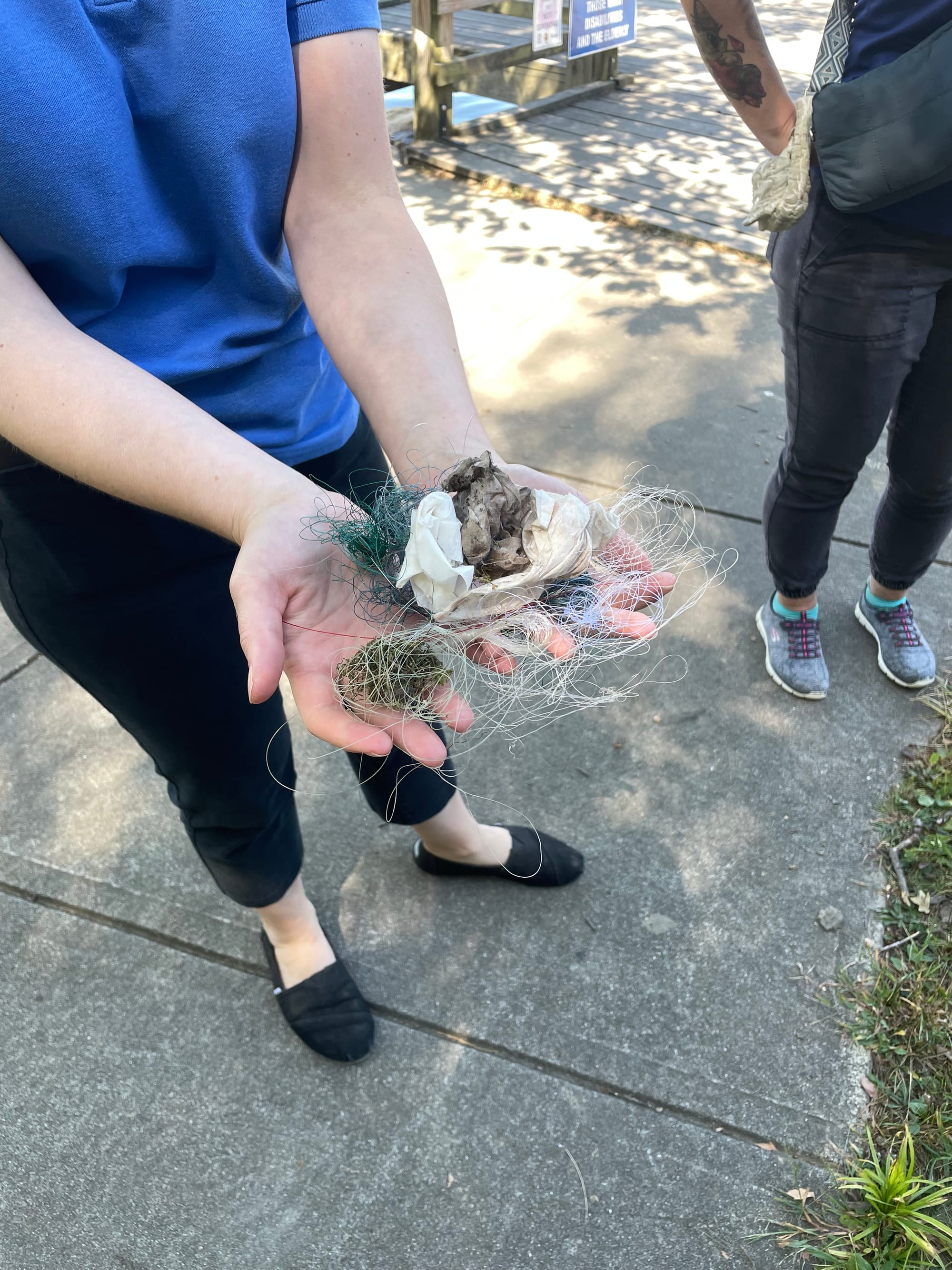
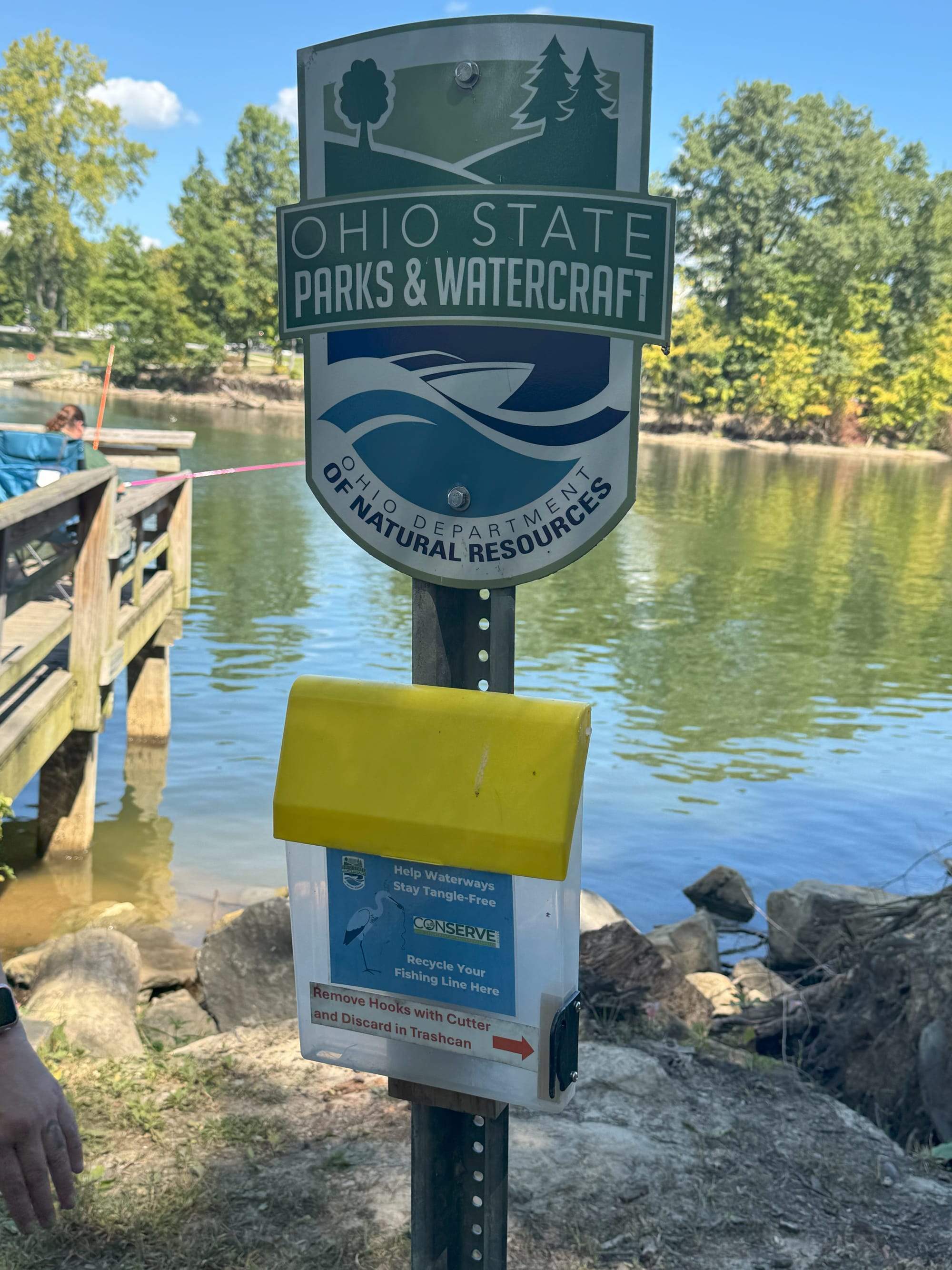
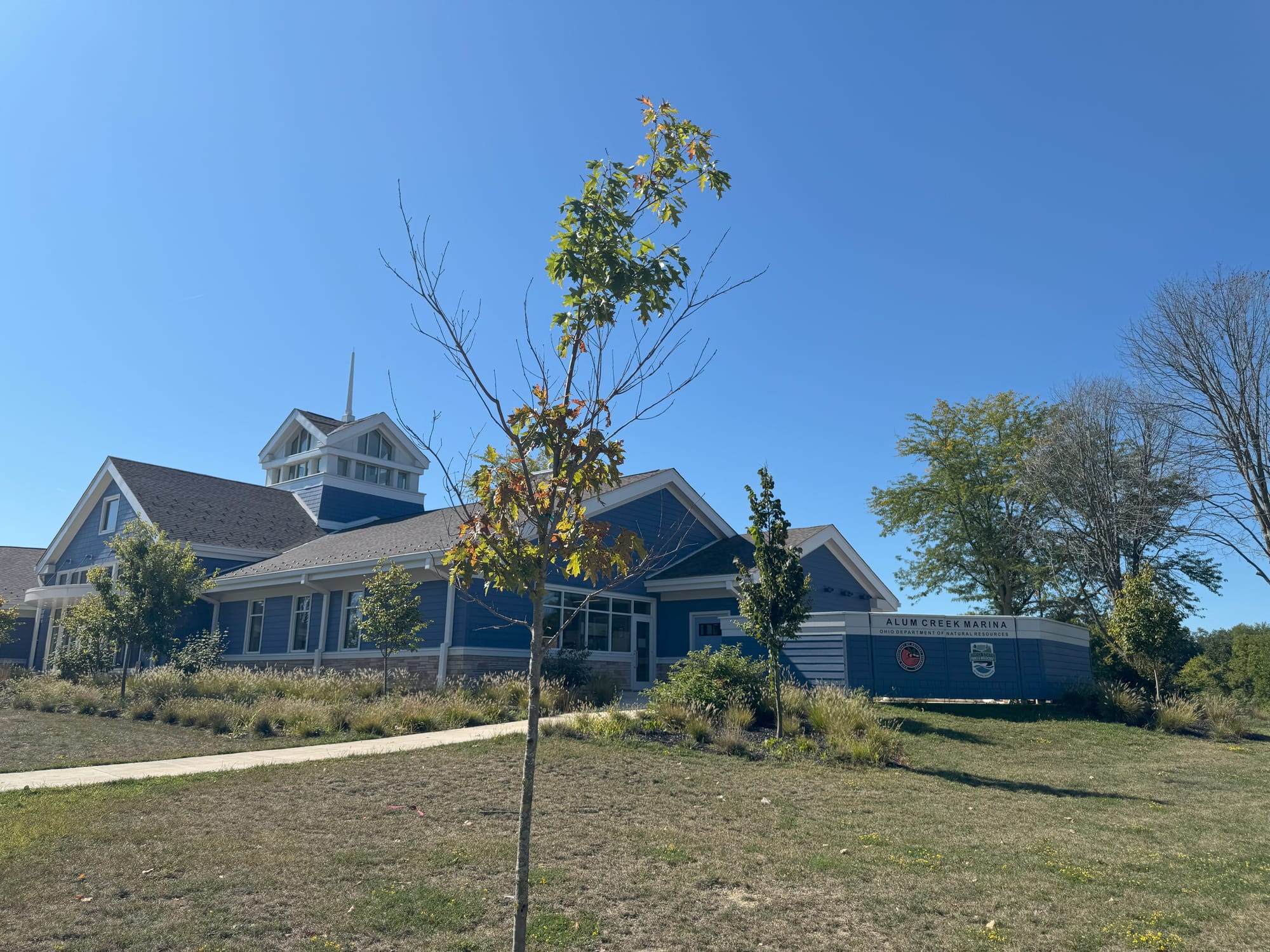
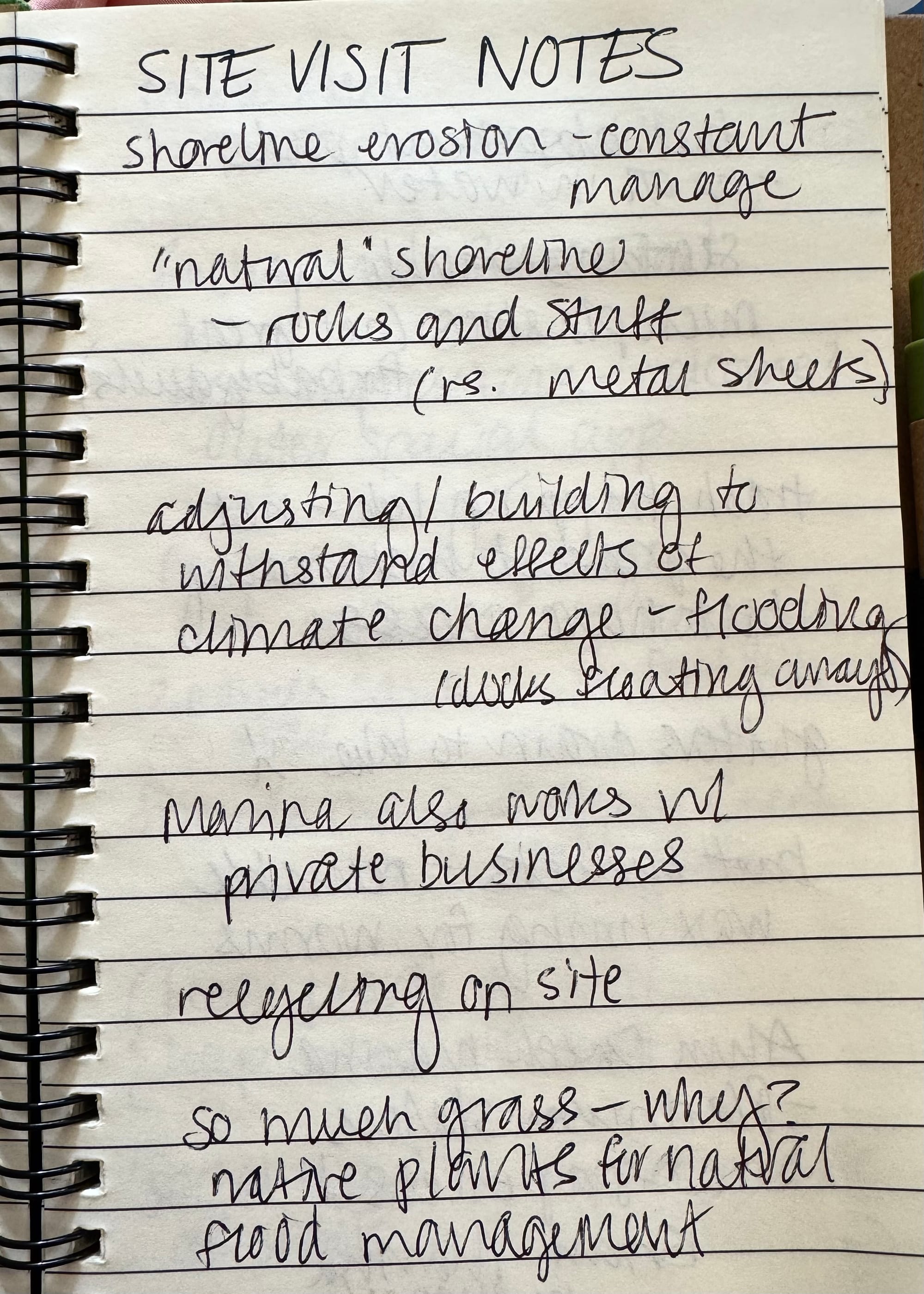
Marina Documentation
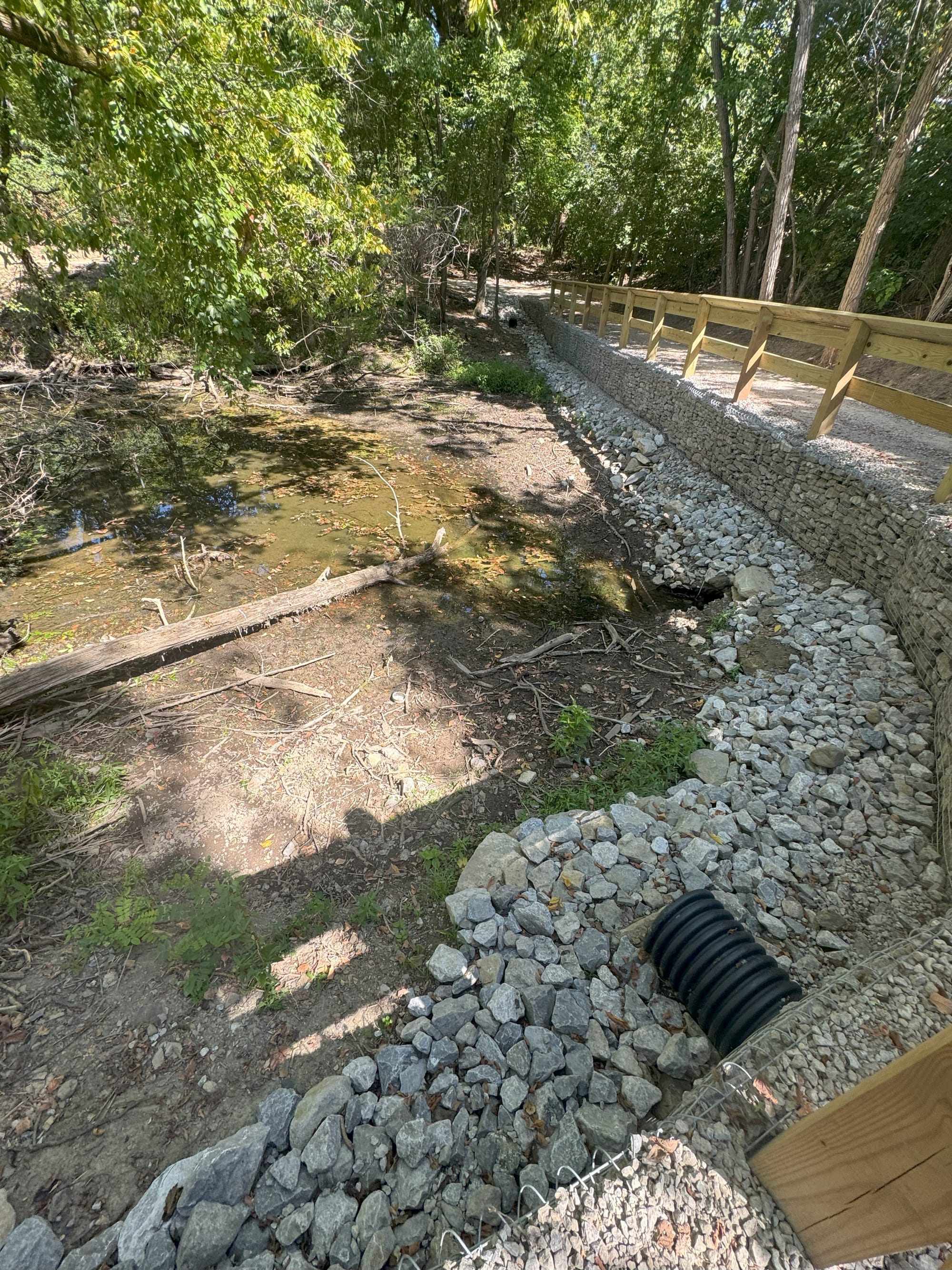
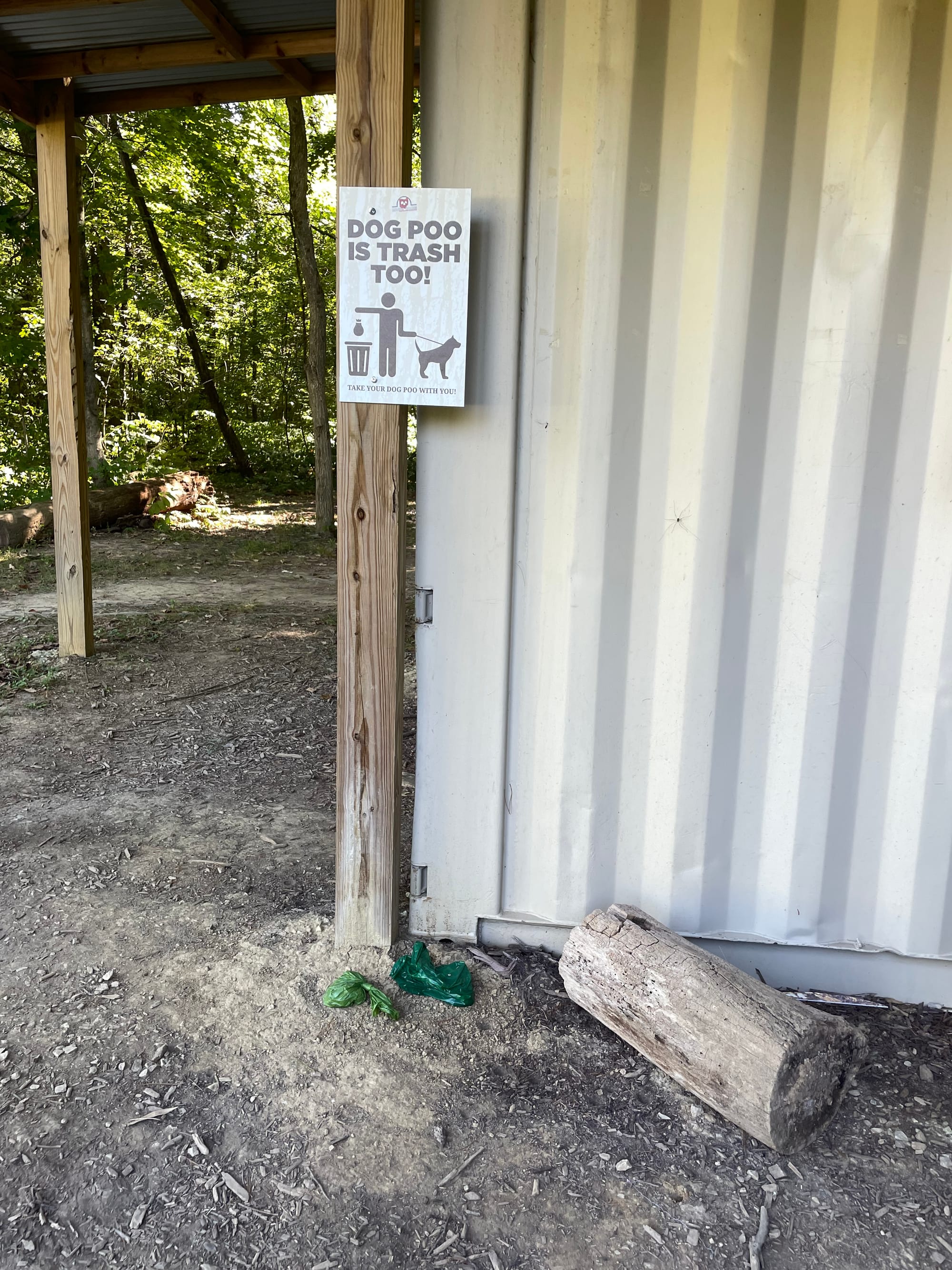
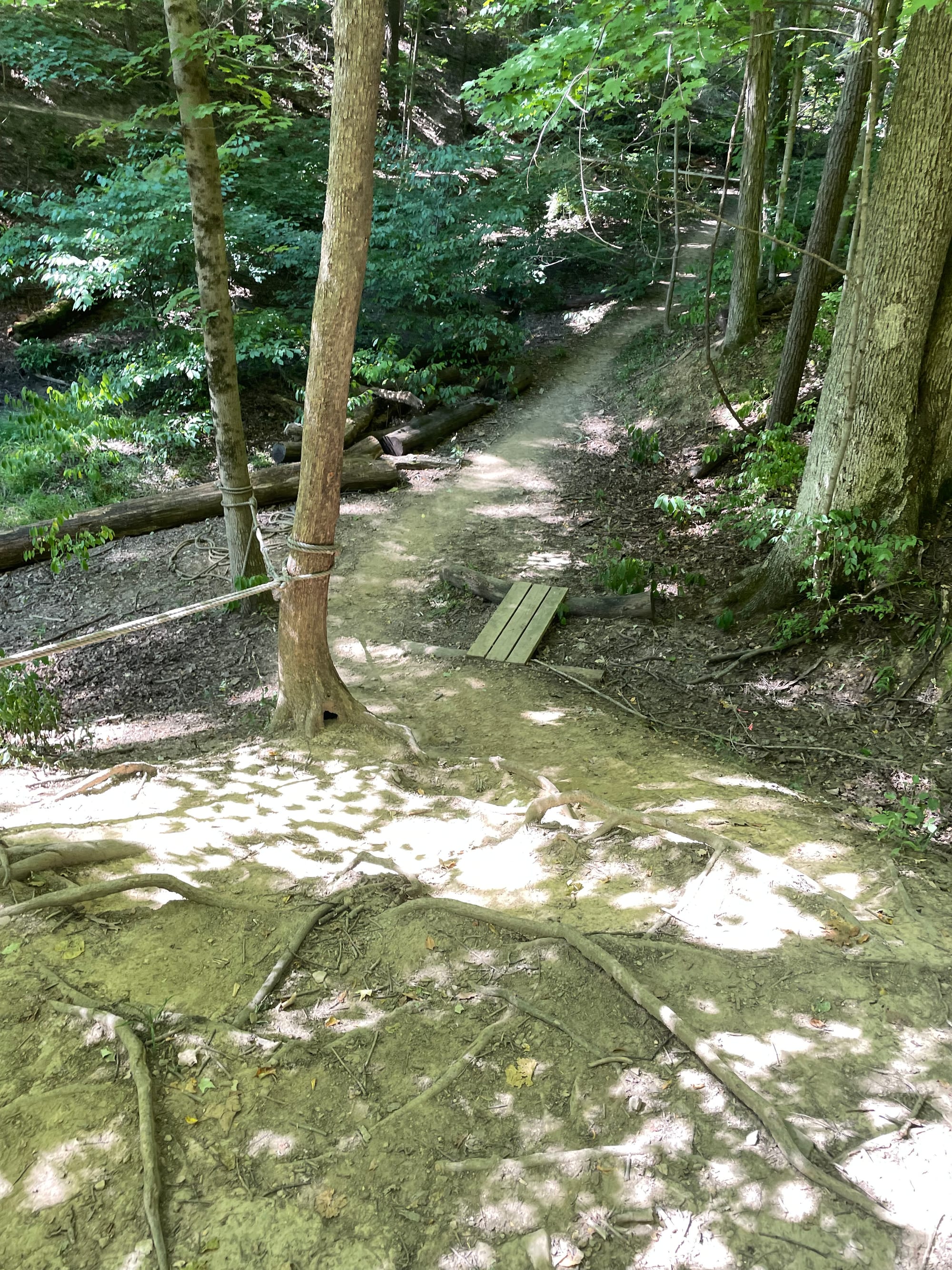
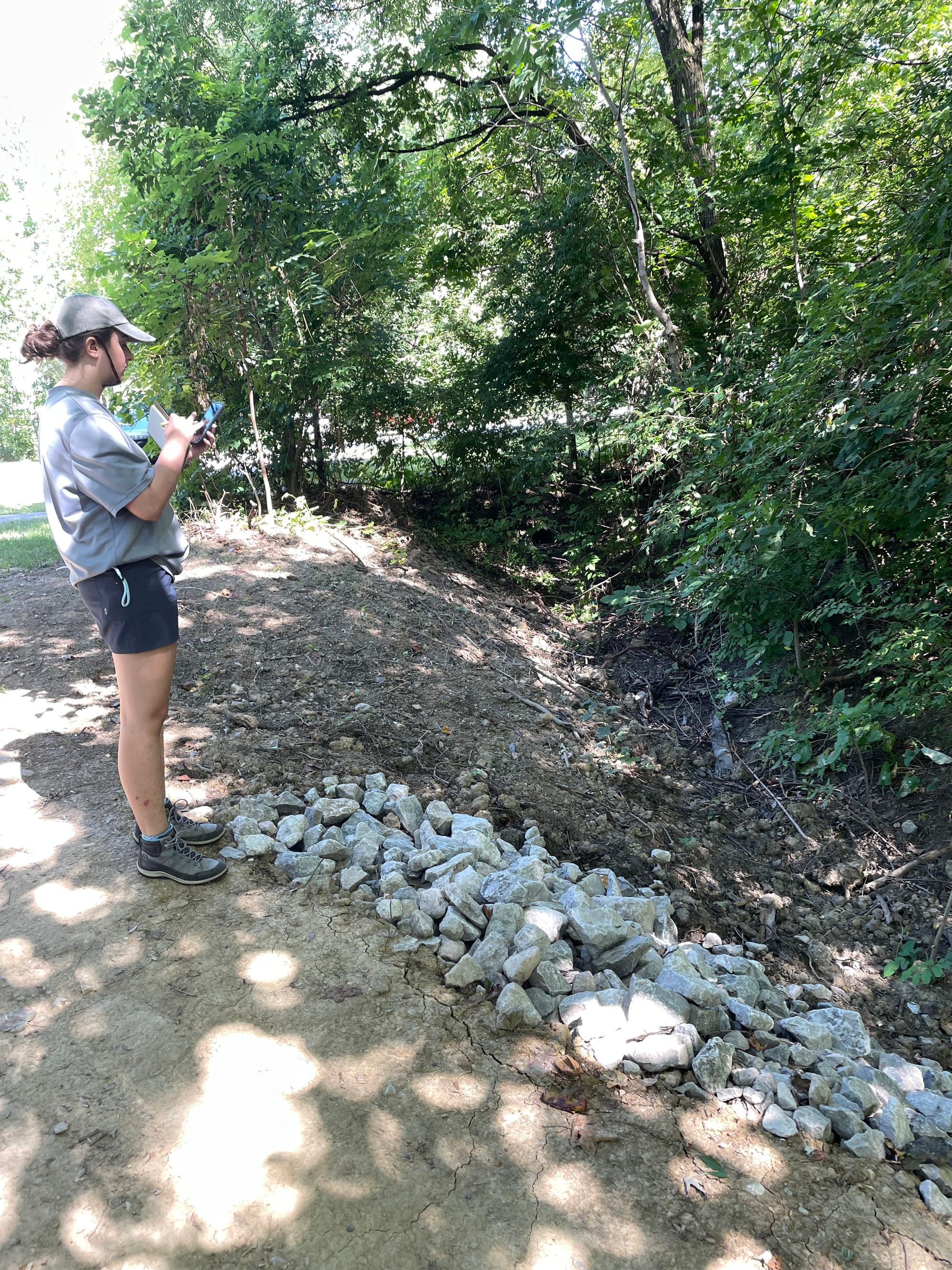
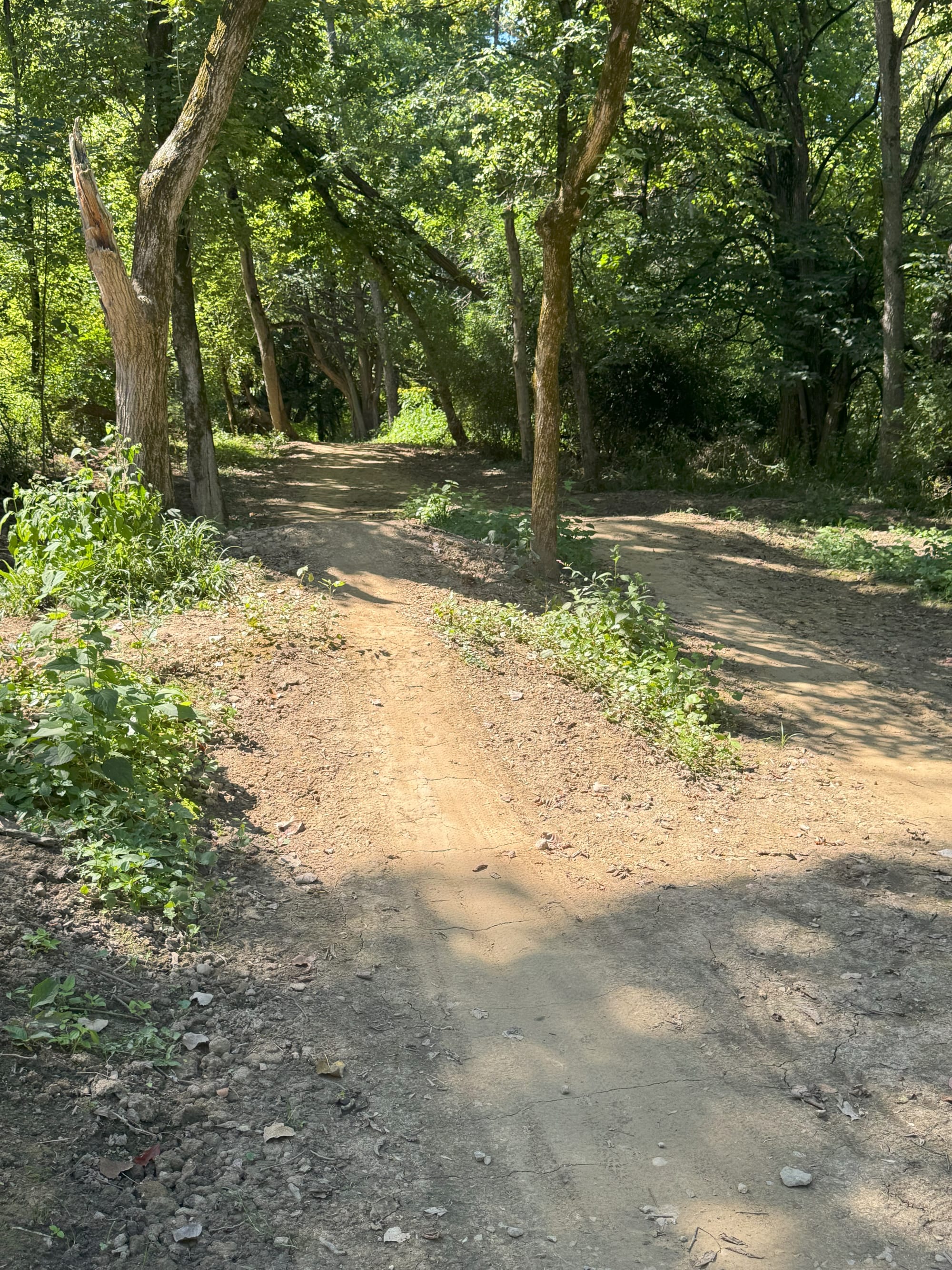
Hiking and Biking Trail Documentation
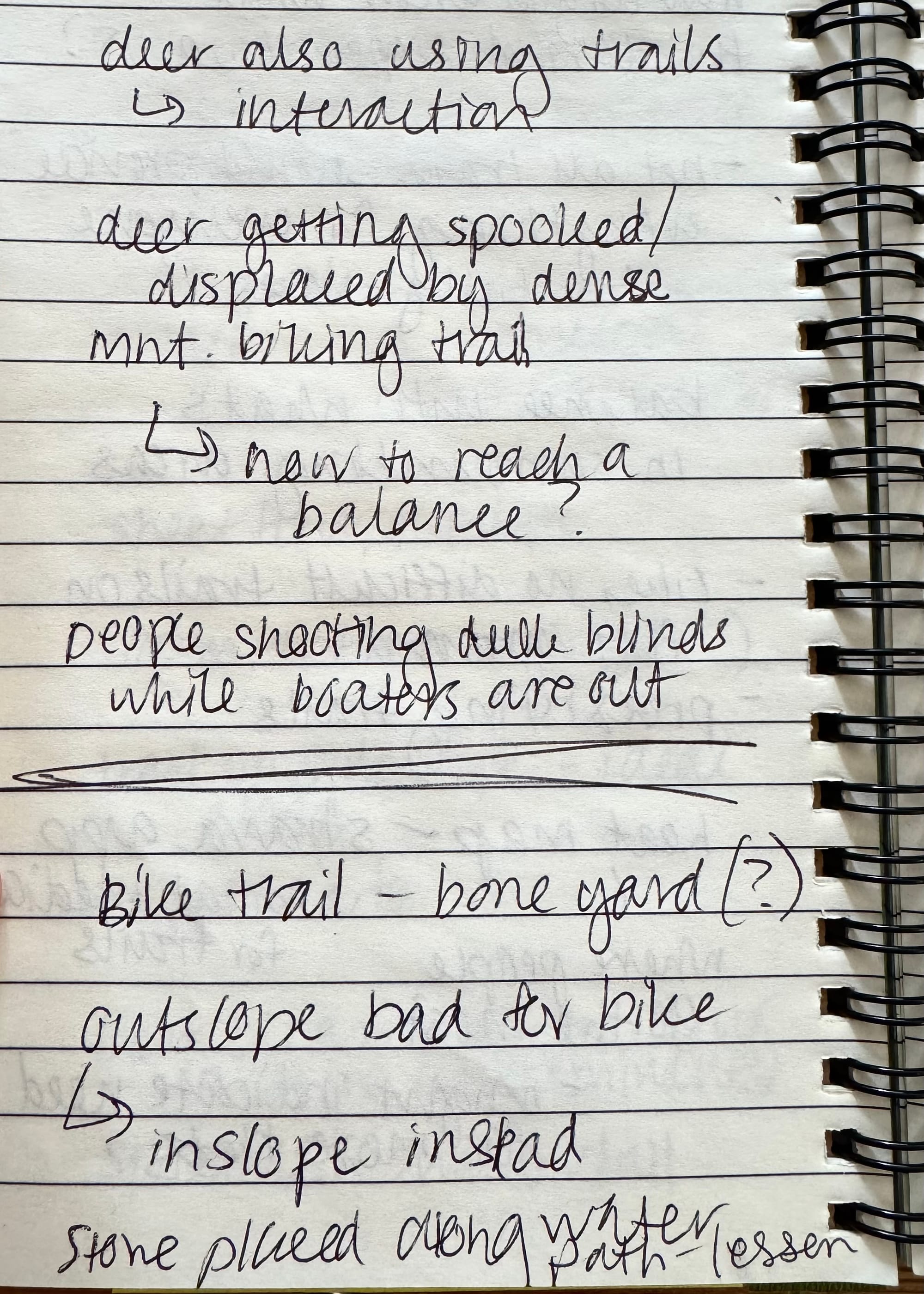
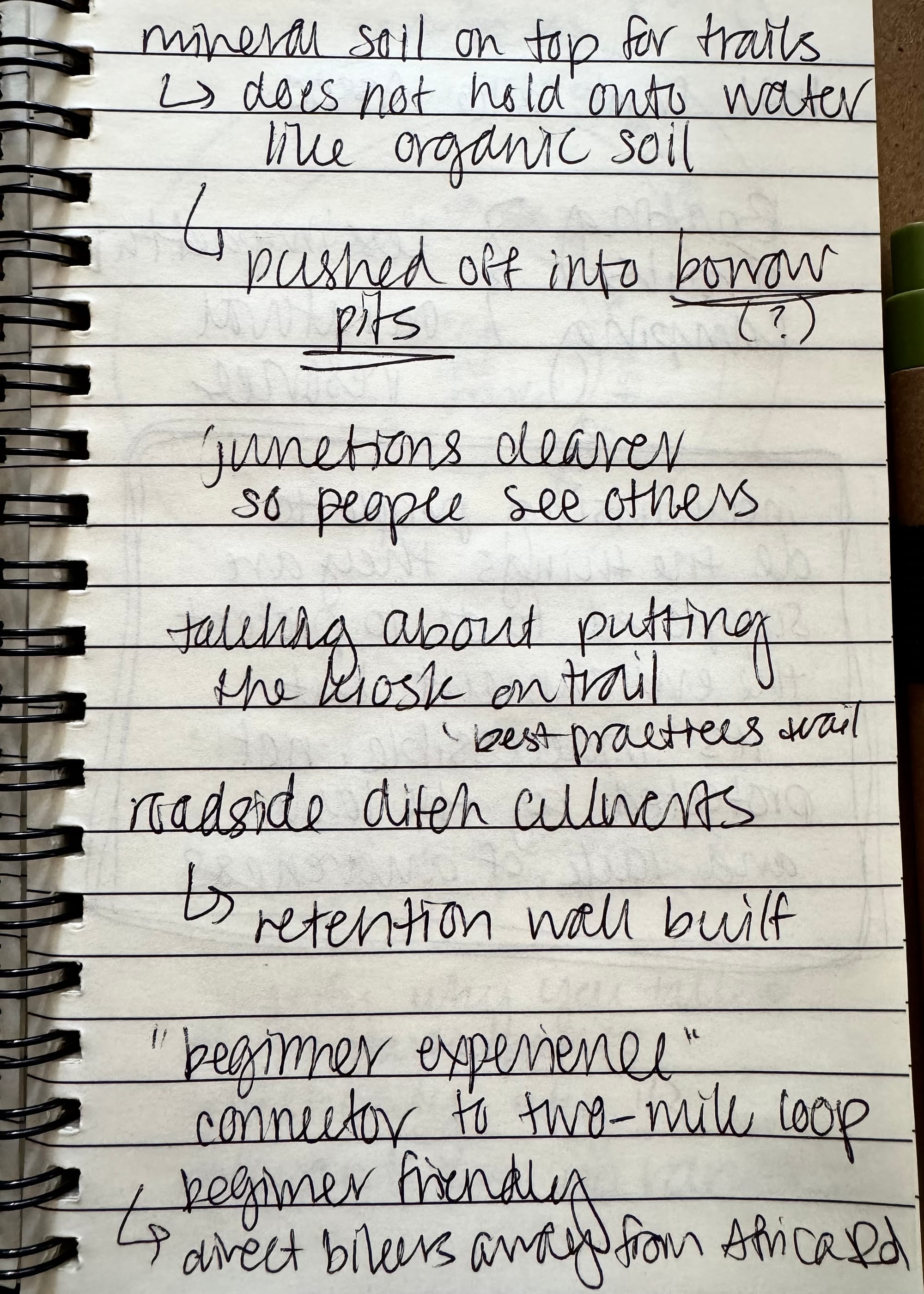
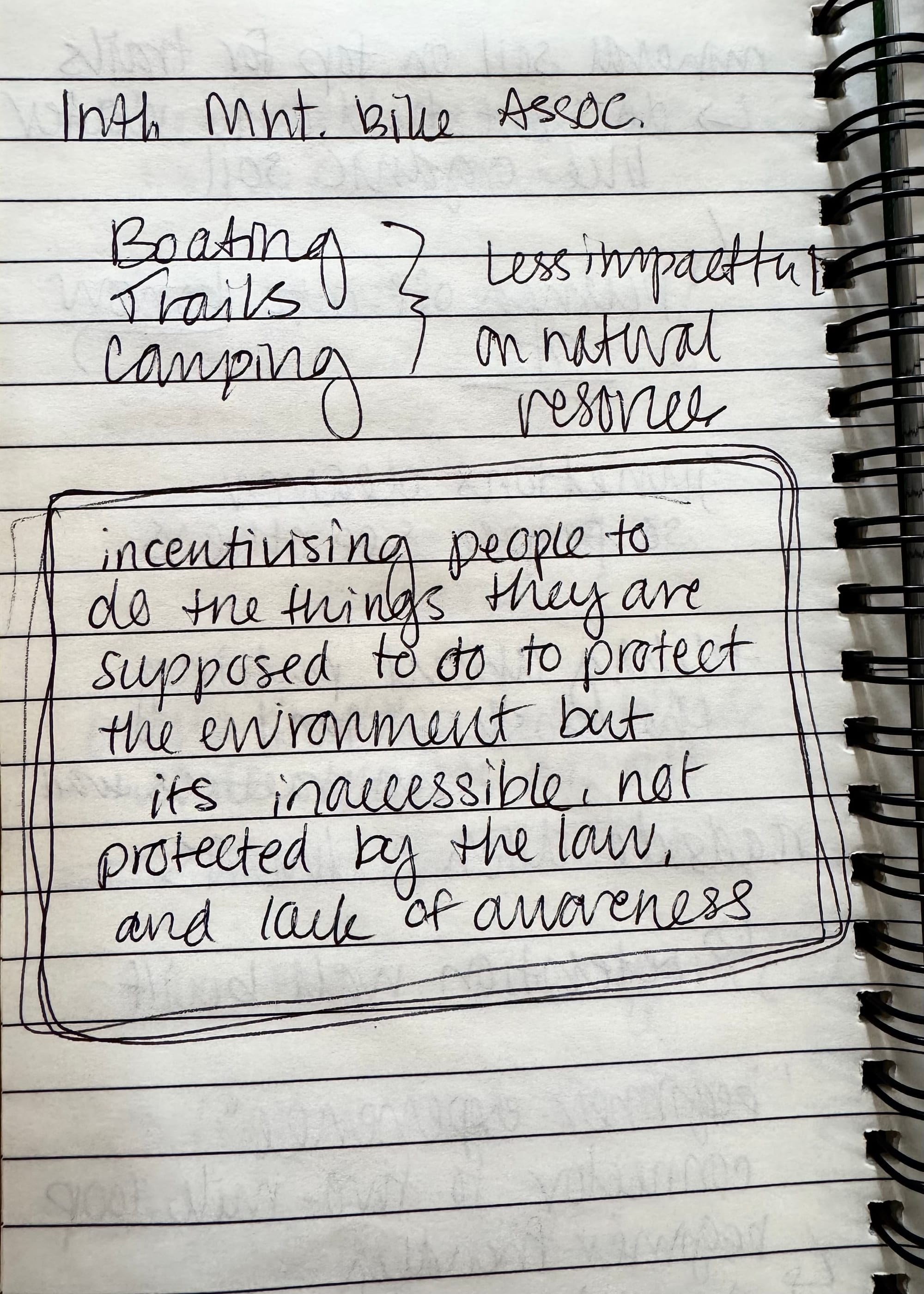
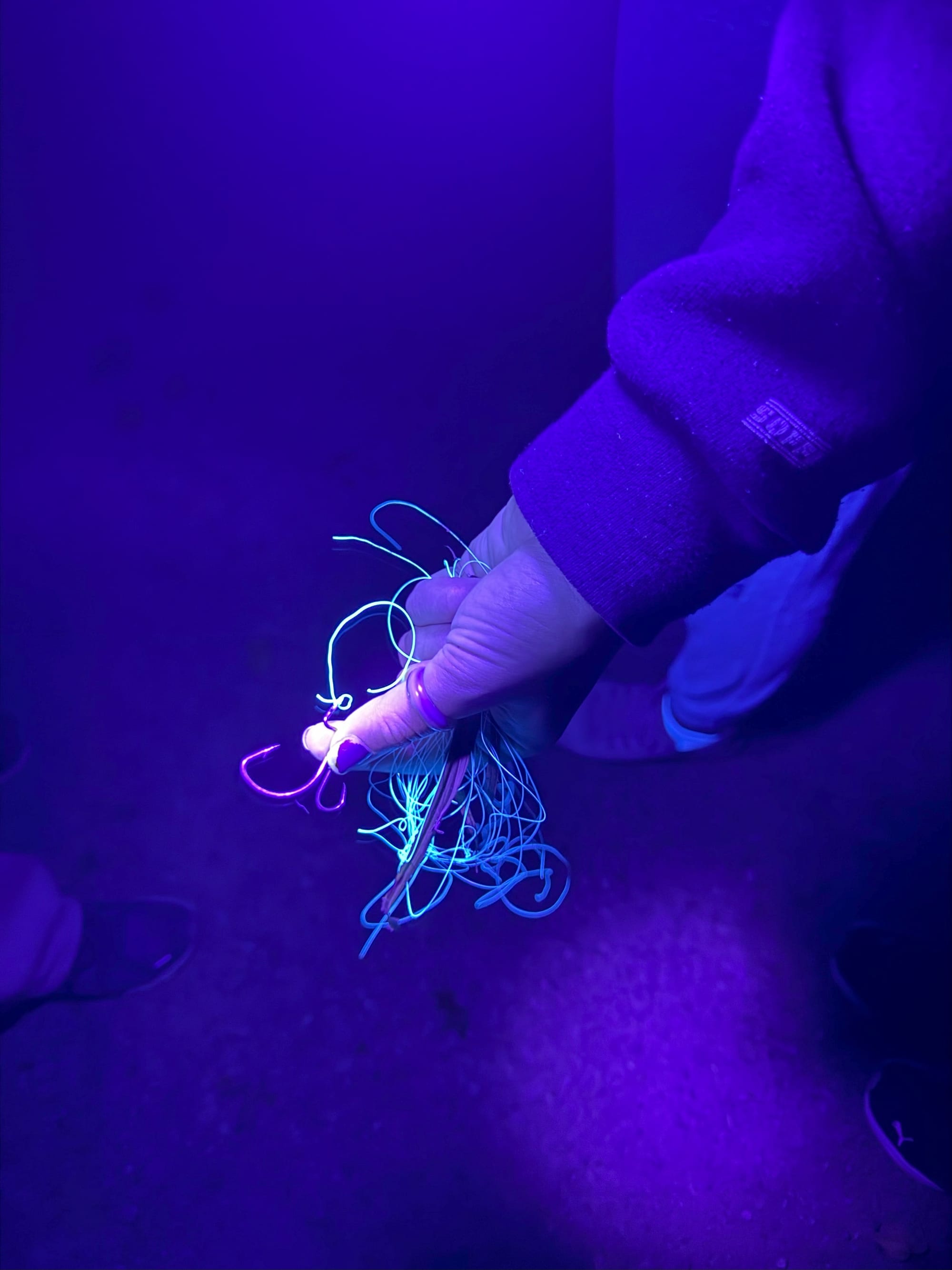
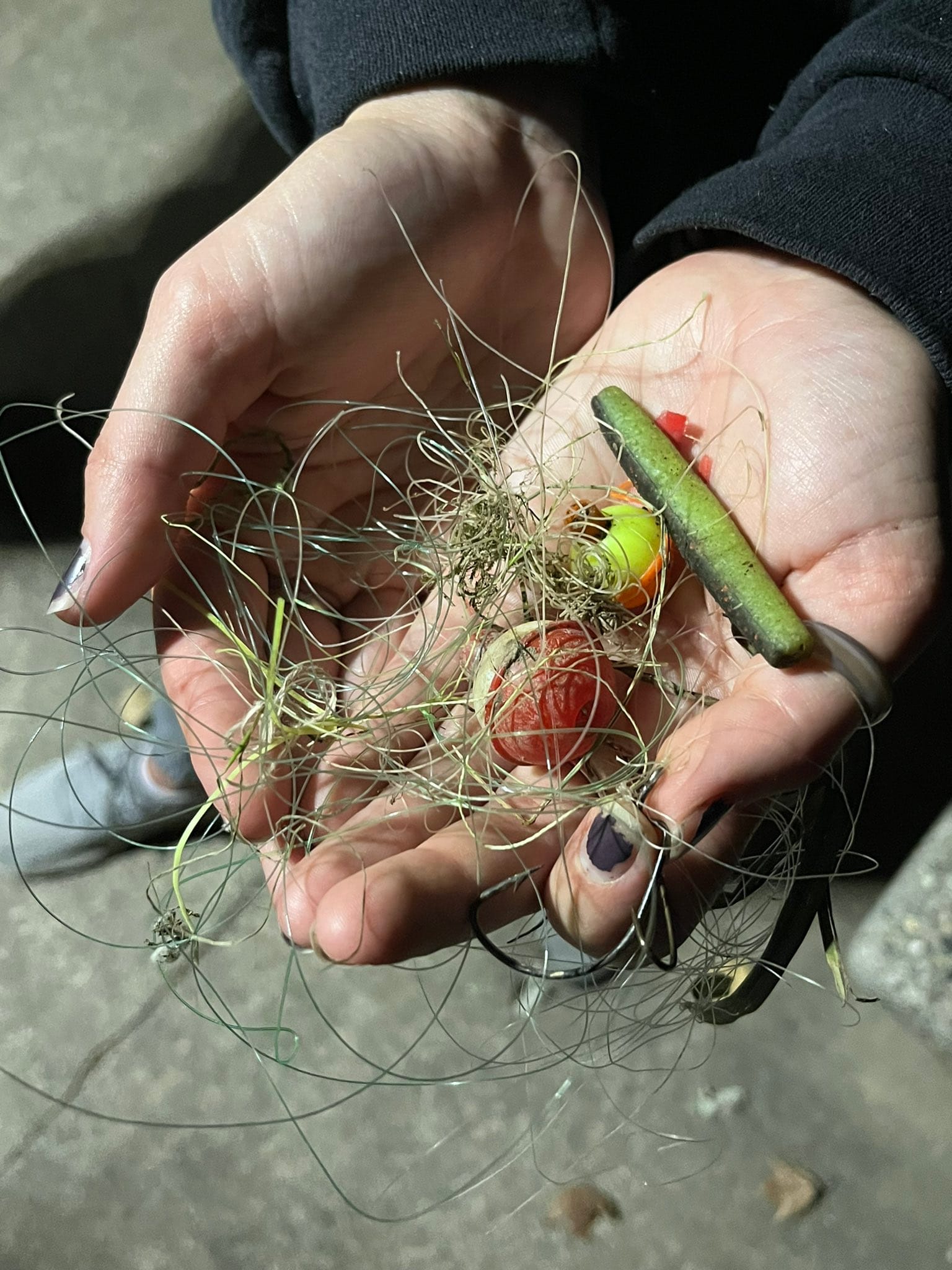
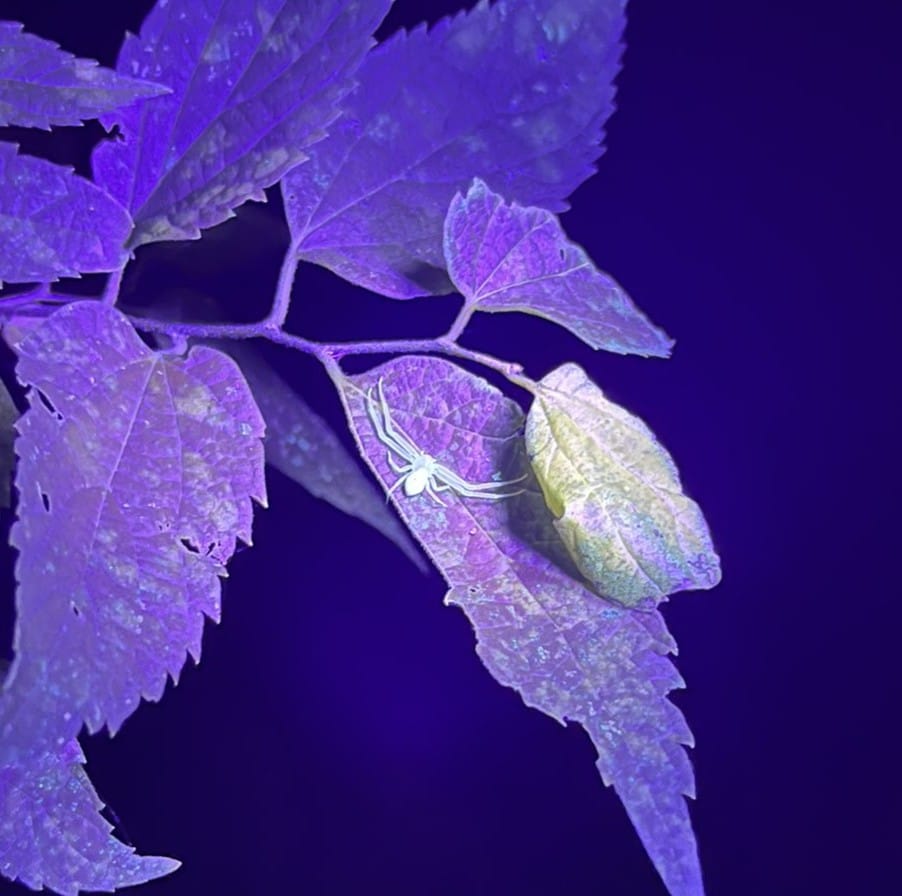
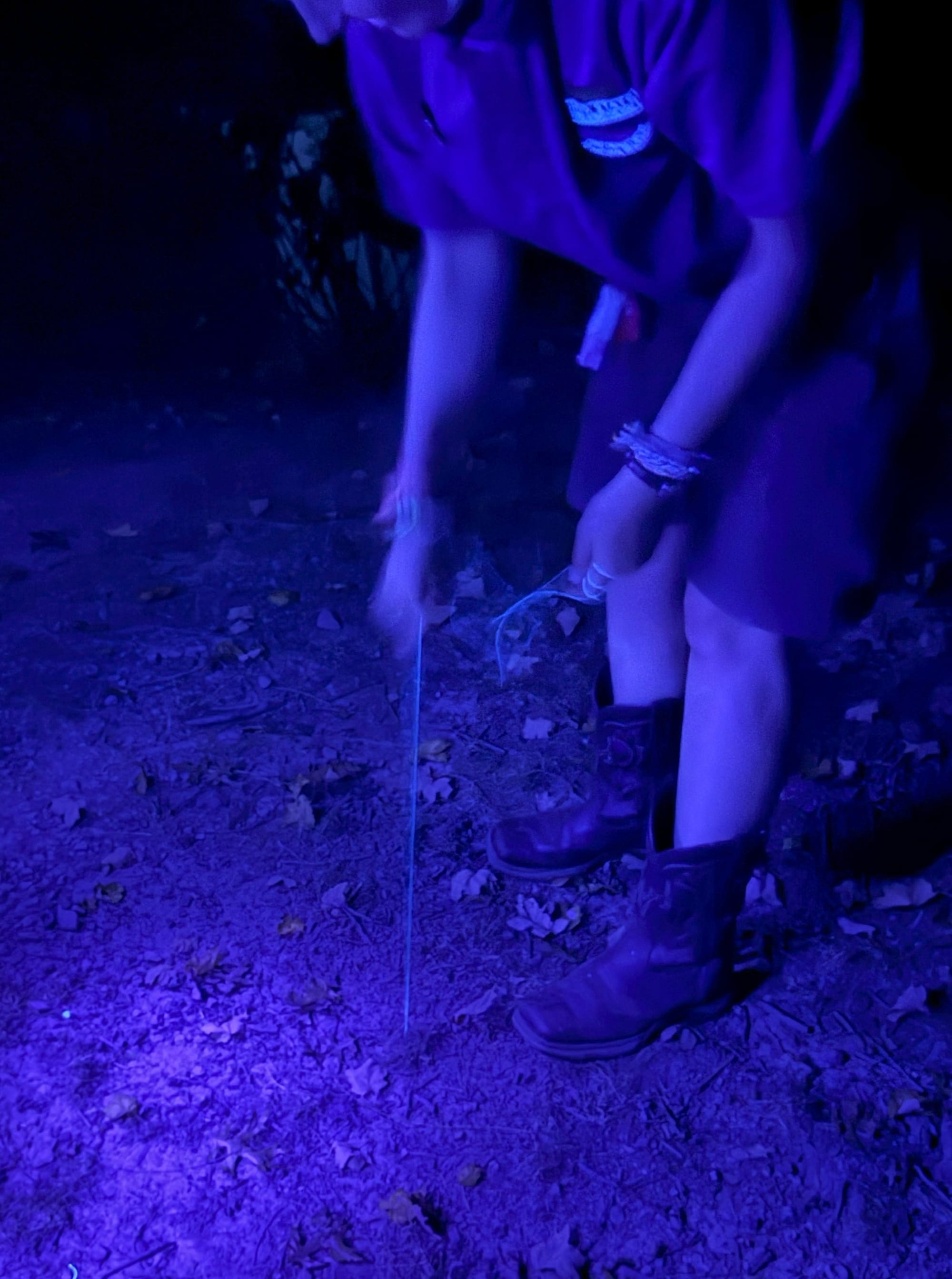
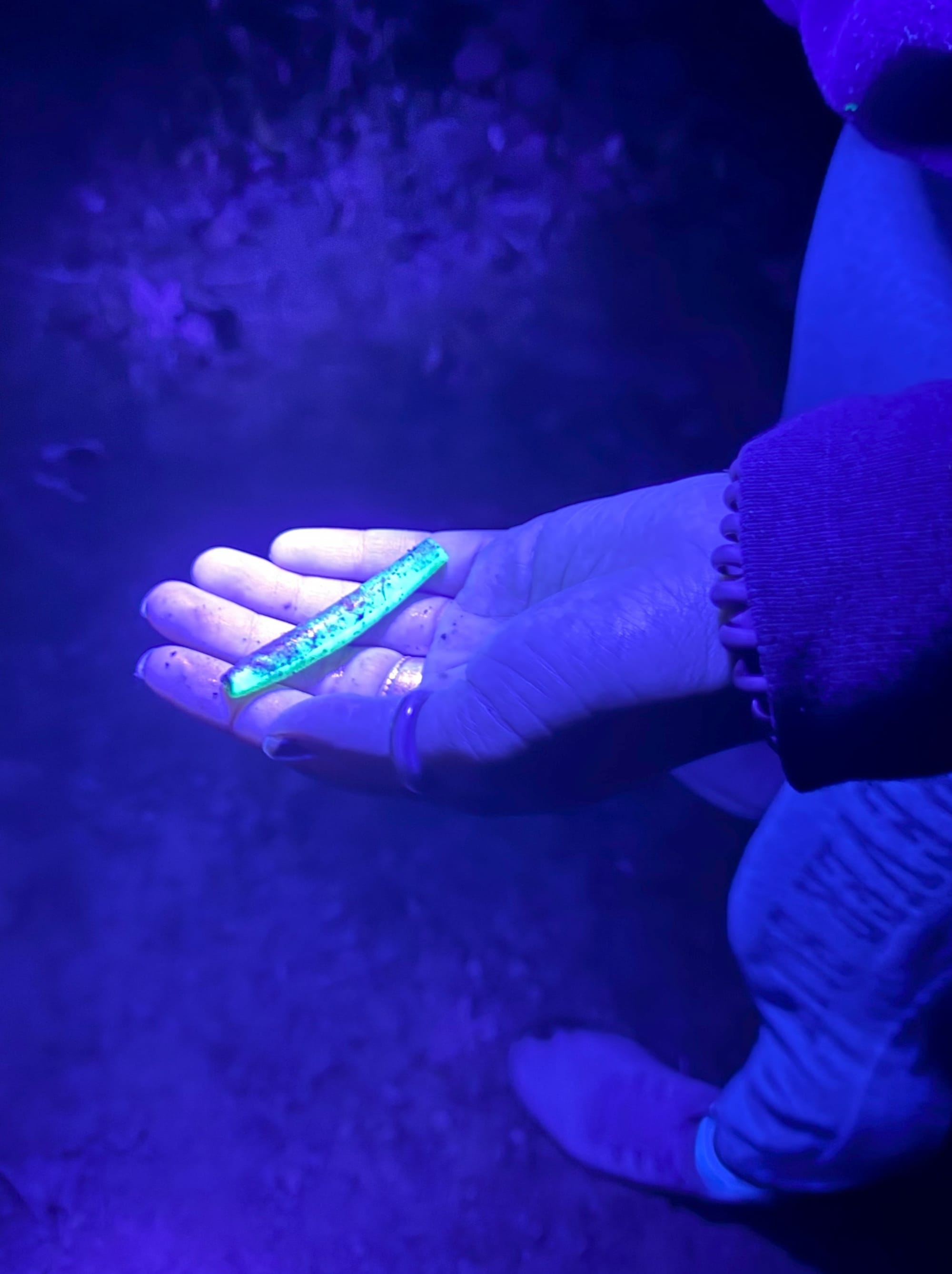
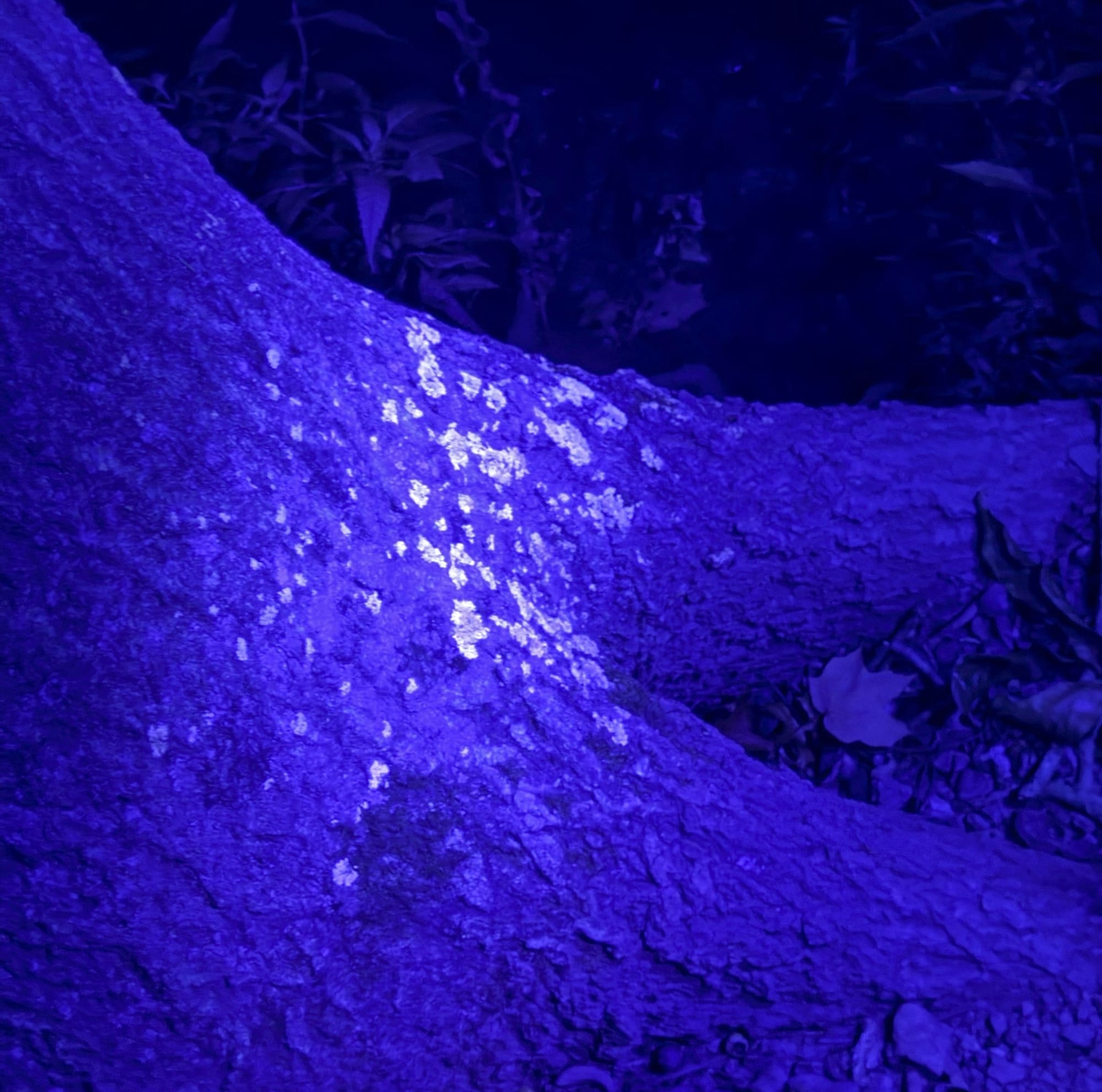
Event: Alum Creek UV Night Hike
A Chat With: Mountaineers of The Ohio State University
OSU Mountaineering Club members Audrey and Natalie share their experiences from two of their most recent outings. These conversations were originally recorded as audio and later transcribed for the purpose of this article. Individuals pictured have consented to having their photos appear.
Appalachian Trail
- Audrey led this trip, which included 11 people total. The group drove to multiple national parks throughout the trip which took place during OSU's spring break in March 2025.
- This was a partial hike of the Appalachian Trail that the group decided to take on during their visit to the Great Smoky Mountains.
- They planned for the hike to be 8 miles total, with a viewpoint to stop at halfway through.
- The day started with "perfect" weather, and it was sunny and warm when they decided to take a lunch break.
- Hikers' hair starts to stick straight up, "Like it does when you are about to get struck by lightning." Clouds rolled in and it began raining lightly.
- "Three miles in it started raining, but we thought it wasn't anything we couldn't handle, we can hike in the rain."
- "This is the Appalachian Trail, we're doing this"
- Thunder, lightning, and hail start suddenly, soaking the hikers being pelted with hail
- It became very cold with the high elevation, and there was some difficult terrain. Snow, slush and ice patches were present on the trail, which was along a cliffside.
- Audrey slipped and fell due to a "Weird big step on the cliff face. Everyone was grabbing onto trees to help them get down."
- She made a quick recovery, stating that "We had to move even though I was scraped up since we still had 3.5 miles to go."
Q: Could you tell if other people were falling down at the same spot? [They didn't really answer my question]
- There was visible ice
- Saw no one else around besides the group
- "AllTrails sucks" the milage was wrong
- Saw a random kid, alone, on the trail miles out from the trailhead
- Apparently, he was instructed by his parents to go back to the car, walking back alone in a sweatshirt and tennis shoes, soaking wet.
- When asked to stay with the group, he told them, "I'm not supposed to talk to strangers" but stayed near the group as they hiked along.
- "Didn't talk to anyone but when he did, he started to spread the word of God to the hiking group"
- Natalie and another hiker pull forward ahead of the group, booking it out of there
- "Felt like my body couldn't move fast enough to get out of there"
- With about 2 miles left, they are running and jumping over rocks into slush puddles along the trail.
- "We were slipping everywhere, twisting our ankles, but kept running on. I was dying to get out of the forest, and kept repeating to myself 'Don't fall, don't fall' as I'm running down the trail."
Q: Could you tell where the trail was going without having to slow down and look?
- "Pretty open trail, not confusing and there were trail markers visible"
- It felt like the hike was going longer than it should, kept feeling like they should be at the end when they were not.
- Trying to recognize landmarks/terrain from earlier but looked completely different, claimed that the dramatic weather change made it unrecognizable.
- When they finally reached the end of the trail and the sun came out immediately.
Q: Did you guys check the weather beforehand?
- "Yes, it said it would be fine [as in no rain]. It's because we went up into the mountains."
Q: Did you go to a visitor center and talk to anyone?
- "We always go to get maps and stickers"
- The group didn't speak to anyone
- "I was stuffing tissues in my nose because of how bad the outhouse smelled."
Q: When you go on these hikes, are you strict about staying on the trail?
- "Yes, we always stick together."
- "You need two leaders to host a trip. One leader has to be certified in wilderness first-aid. It's like a first-aid class but more about what to do [in the event of an accident] until EMS arrives, what natural resources to use, and things like that."
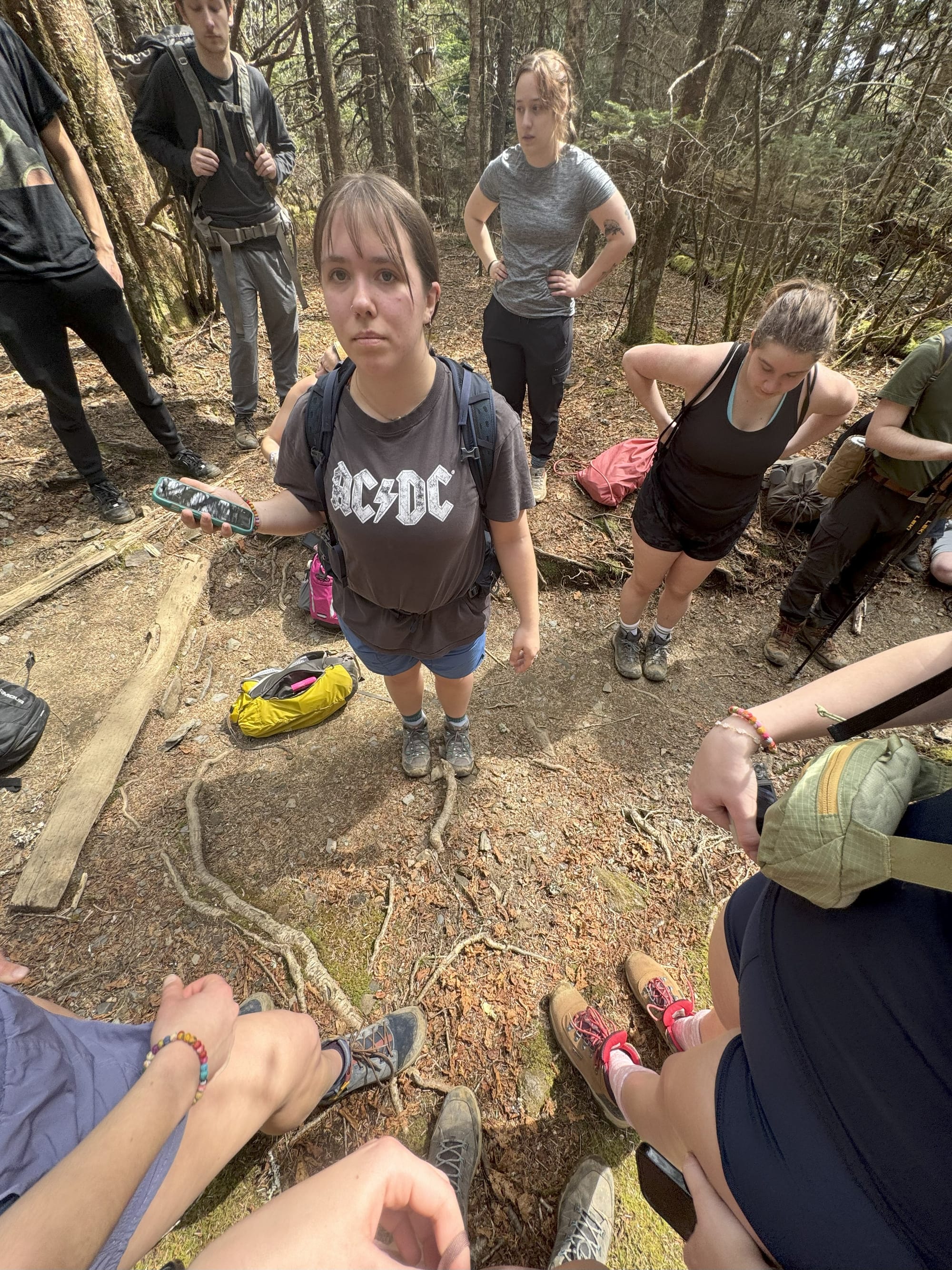
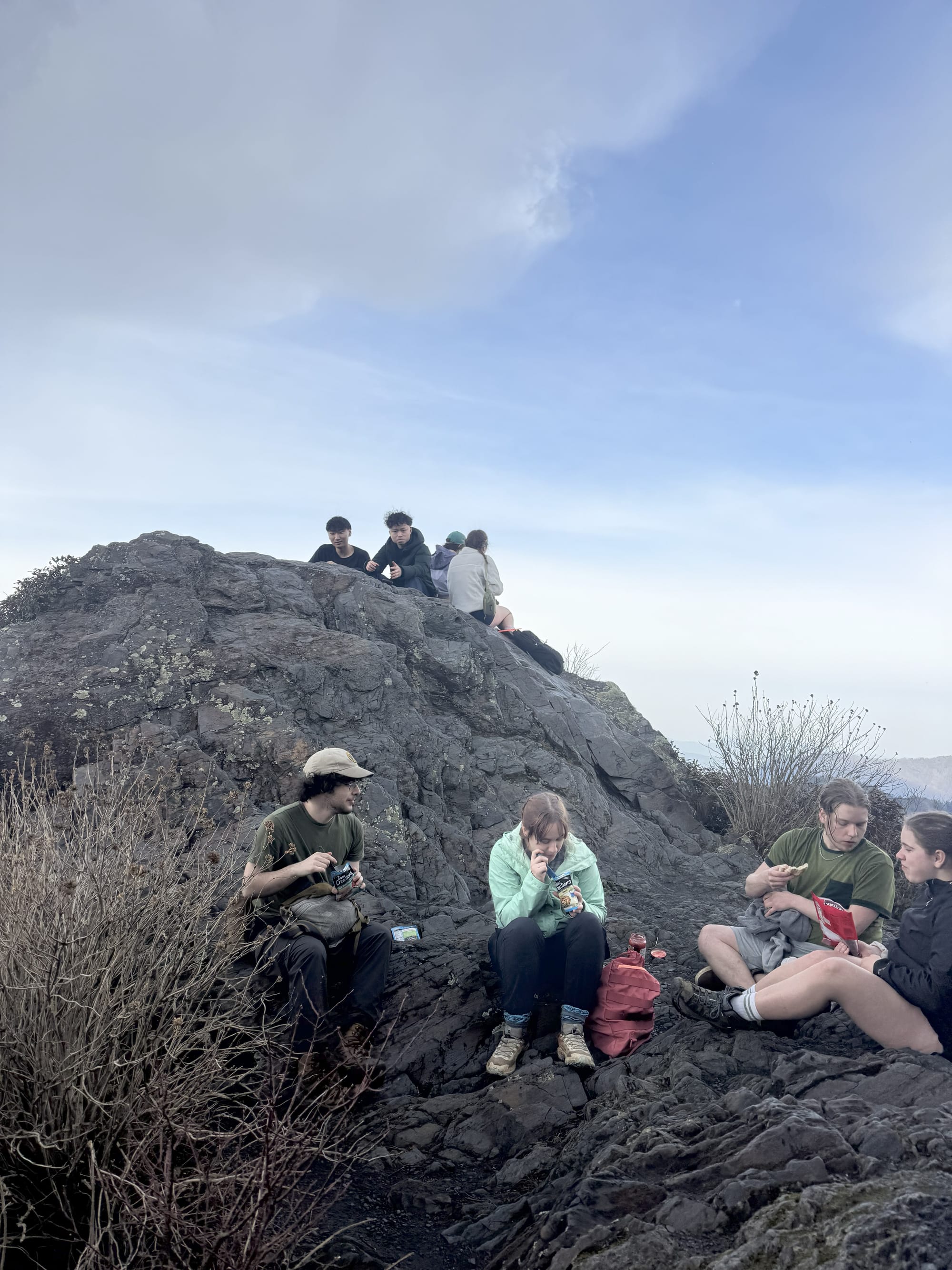
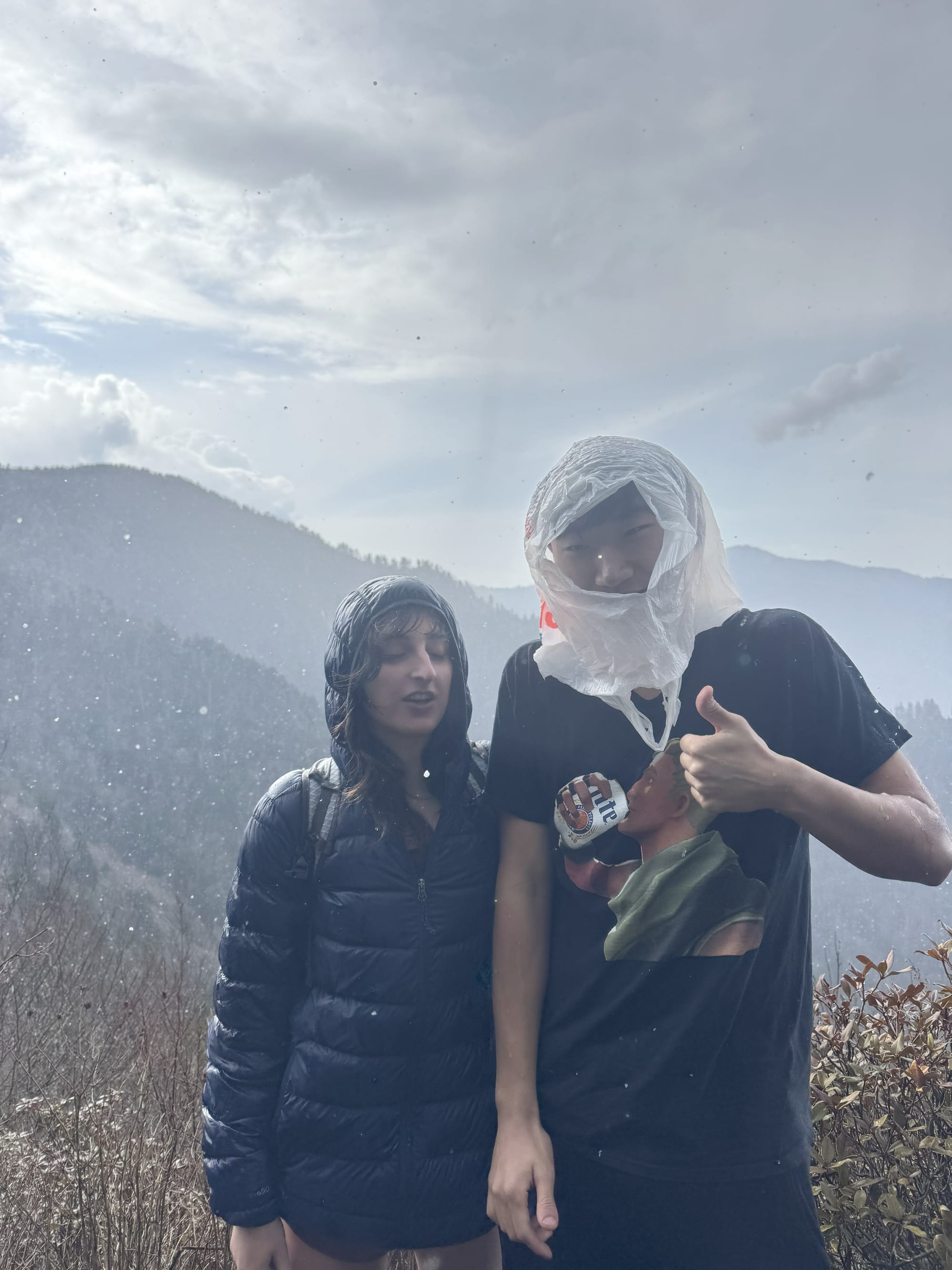
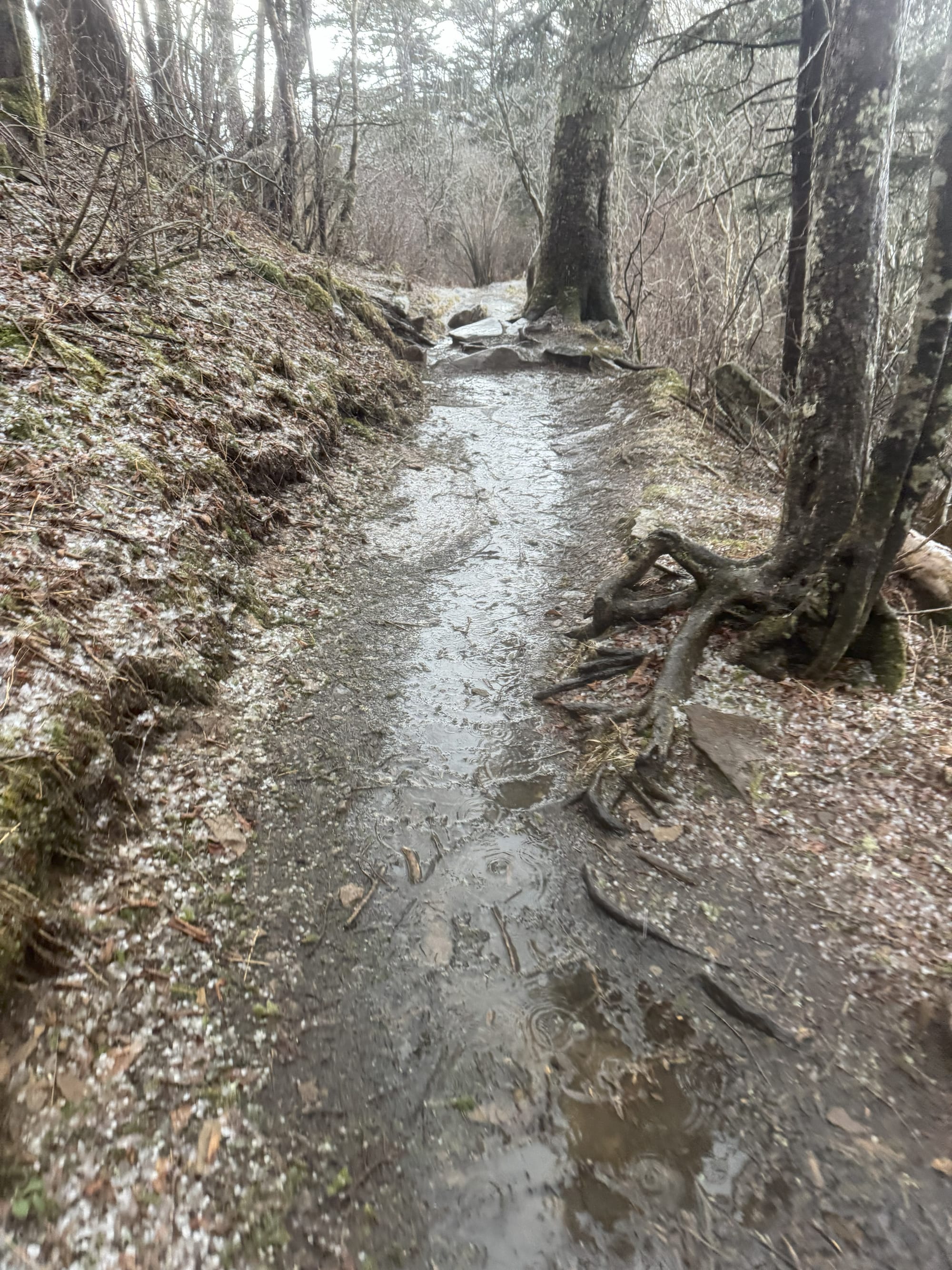
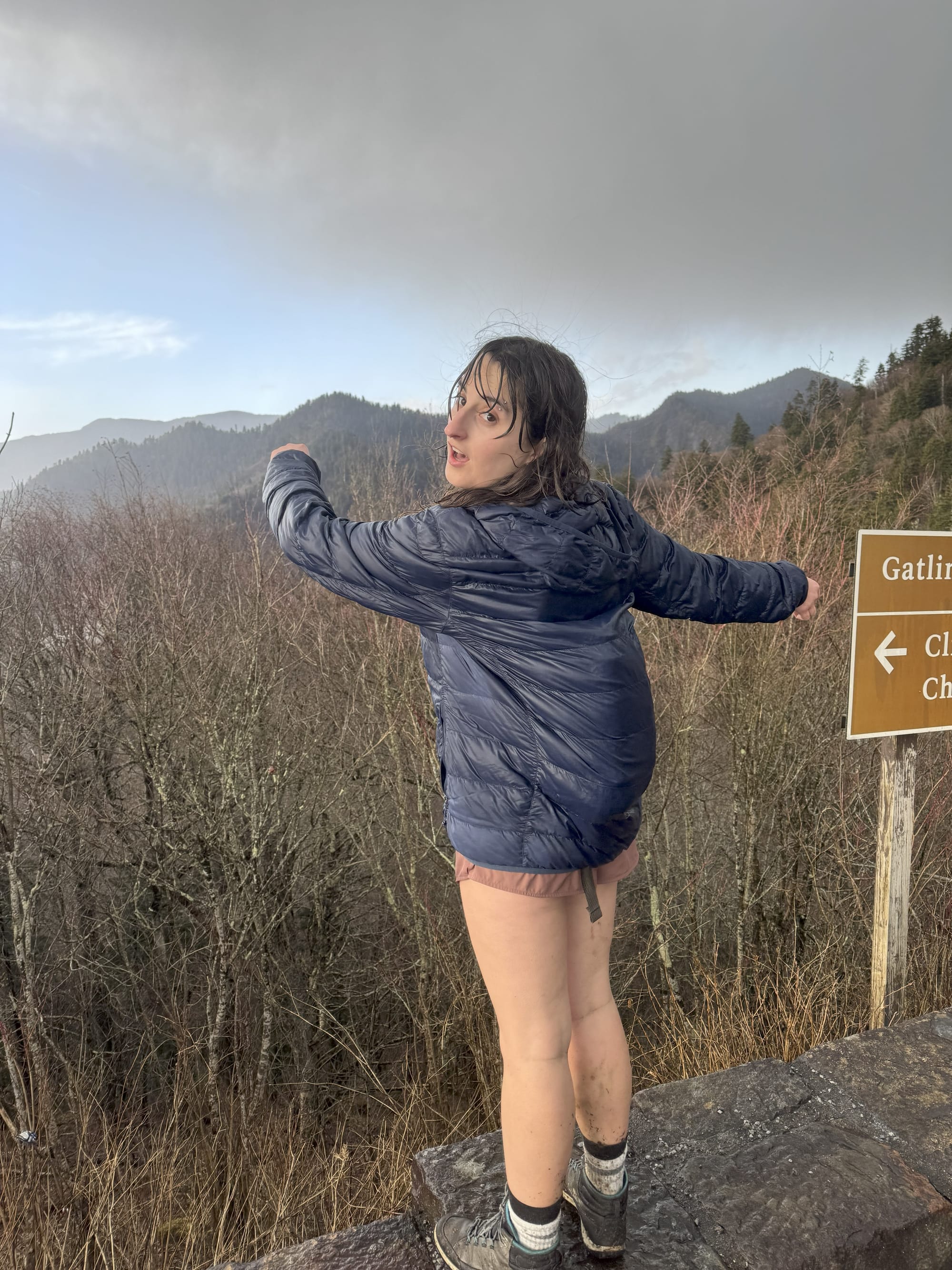
Photo descriptions, from left to right: (1) Sunny weather documented when the group stops for lunch. (2) During the lunch break, clouds began to roll in, hairs began to stick up and rain started. (3) Hikers braving the weather conditions, one uses a plastic bag as a waterproof hood. (4) Rainy trail conditions. (5) Hiker Natalie at the end of the trail, shows clouds on the right and sun/clear skies on the left.
Acadia National Park
- The group was driving through the National Park with no service, decided to park at the first stop they saw. Were able to get a signal and find the trail closest to their location.
- "The trails were so spread out, and it was confusing to figure out where the trailheads were, especially with spotty service."
- Wanted to do a long and somewhat difficult hike that day, found a route on AllTrails that combines usage of 3 different trails (see photo 1 below). It was ranked difficult/hard, with a length of 5 miles according to AllTrails.
- "We couldn't just follow signs because we were going between different trails."
- Combined route from AllTrails didn't match up well with the existing trail markers.
- "We parked the car and had to walk along the highway like hitchhikers. There were no signs, no buildings along this 'highway', just trees."
- Once they found the trailhead, they were met with a sign that read: "WARNING: You are hiking in the backcountry. Tell someone where you are going. Do not go alone. Bring plenty of water."
Q: Was it a trail that is actually managed by the park?
- "Yes, it was just a much less visited 'backcountry' trail."
- The other touristy trails are super busy, which the group wanted to avoid.
- Started on "Ladders" trail, had steps going straight up the mountainside that looked like ladder structures (see photo 4 below).
- "These stairs went straight up for two miles. I started to get really dizzy and wondered if it was from altitude sickness. I took a break to get a drink but was confused as to why I felt so bad because we ate beforehand and I had plenty of water."
Q: Were the ladders well-maintained or were they shady?
- "They were sturdy and felt safe but were a little creaky."
- "They went straight up for about 2 miles, down into a valley, and up another mountain."
- "It was basically like climbing, we needed a leg-up to get over these boulders."
- "There was absolutely no one else around."
- "My toes began to hurt because they were getting all bunched and jammed up in the front of my shoes on the way down."
- "It was the hardest thing I've ever done. It was the most vertical, straight up and down...Going down was worse, since my feet were slanted the entire time."
- AllTrails said their hike was 5 miles, but the group ended up doing 7 miles total.
Q: While you guys are out hiking, do you notice how the trail might be impacted by people walking on it?
- "There are these rock pile things with wood pyramids around them along the trails with signs saying, 'Do not move this'".
- They remember these rock piles being historical and significant to the land somehow but could not recall exactly what they were for.
- Q: Are they meant to trap rainwater/runoff?
- "No, they were more like trail markers but if you tried to follow the trail just using those you would get lost."
[These structures are called rock cairns which I examine in the article, Rock Cairns and Why You Shouldn't Build Them.]
- "Acadia gets really touristy in the summer, and they keep breaking their visitation records. We read online not to go to the super popular trails to avoid getting stopped waiting for people who are clearly not prepared to do any real hiking."
- People who are wearing the wrong clothes/shoes, have no equipment, or might not be physically capable.
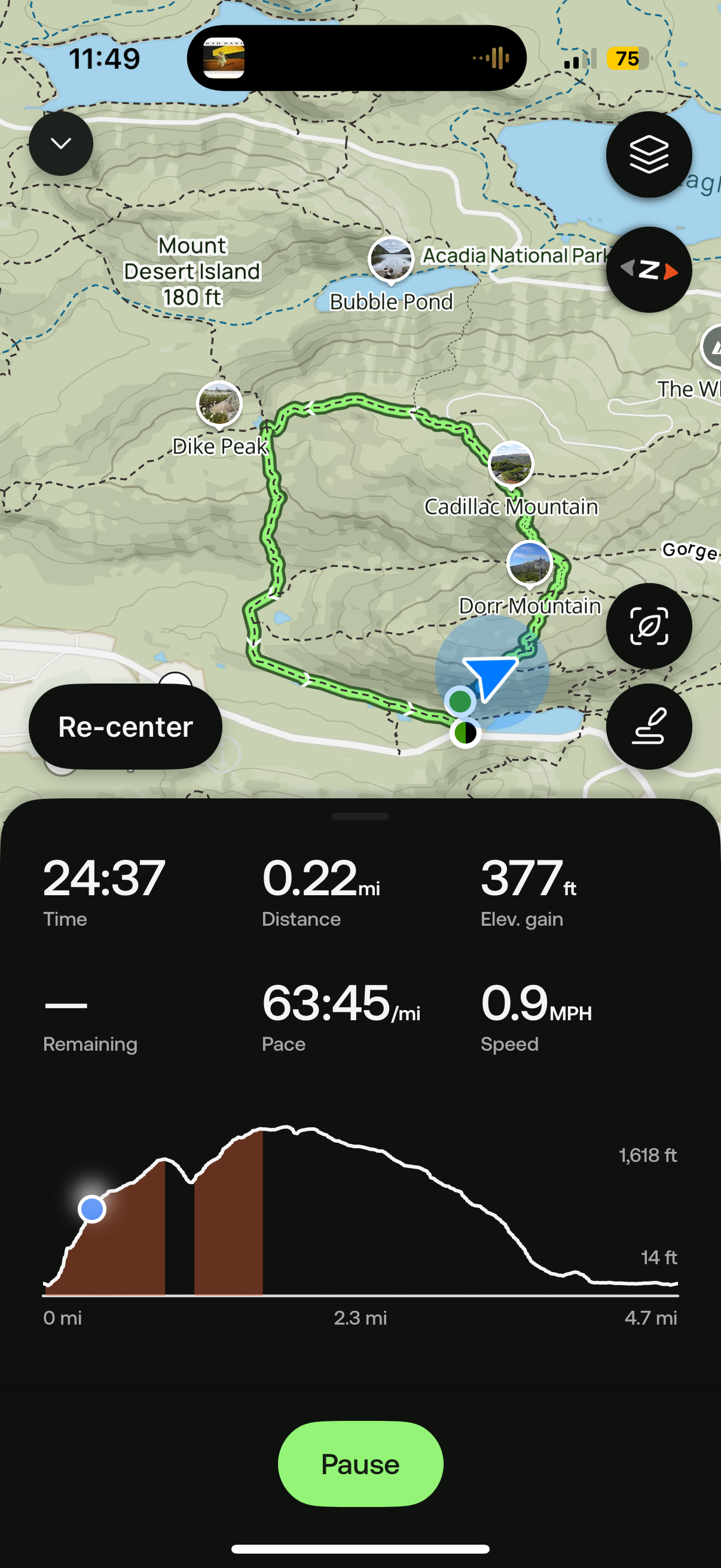
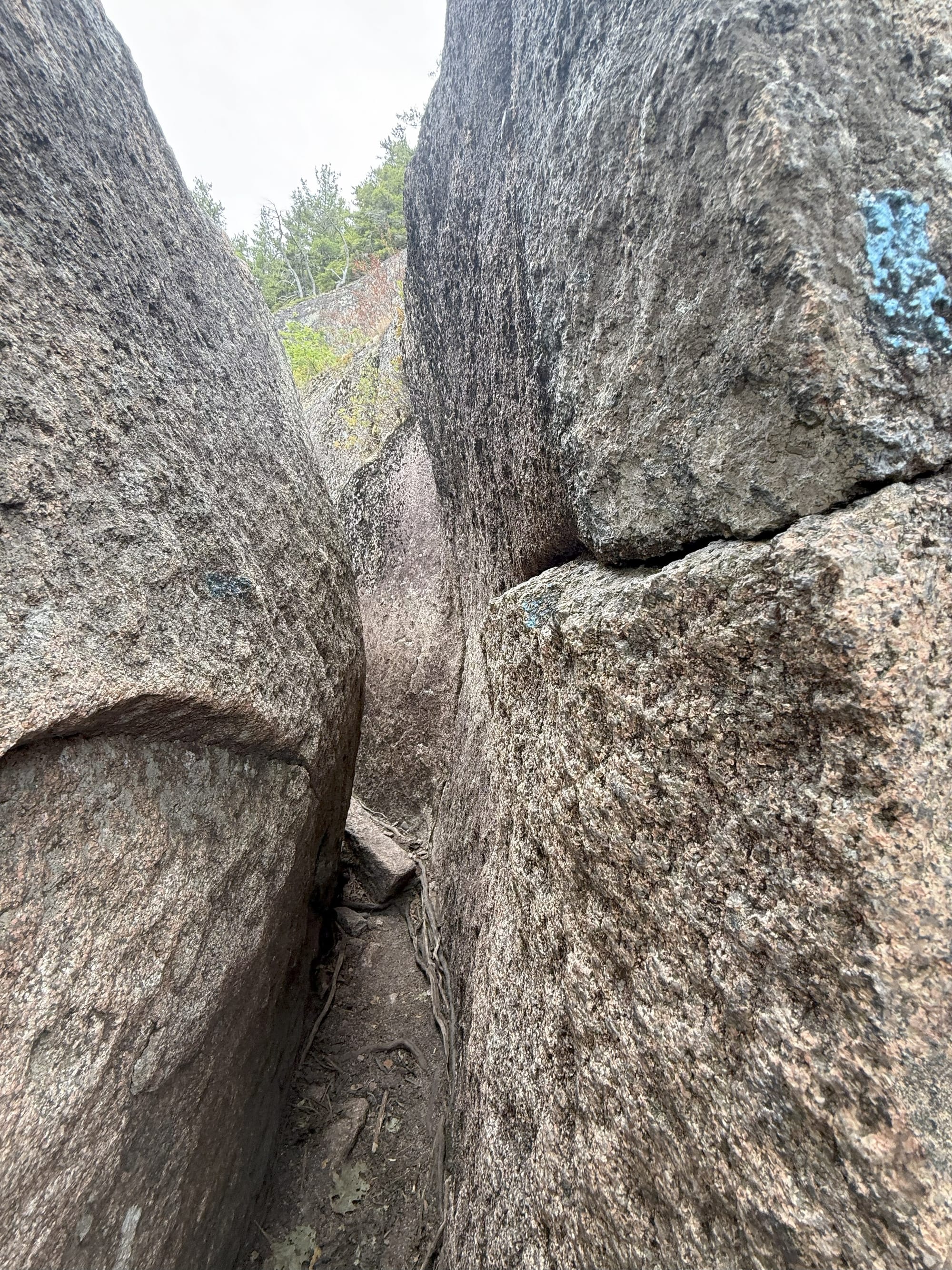
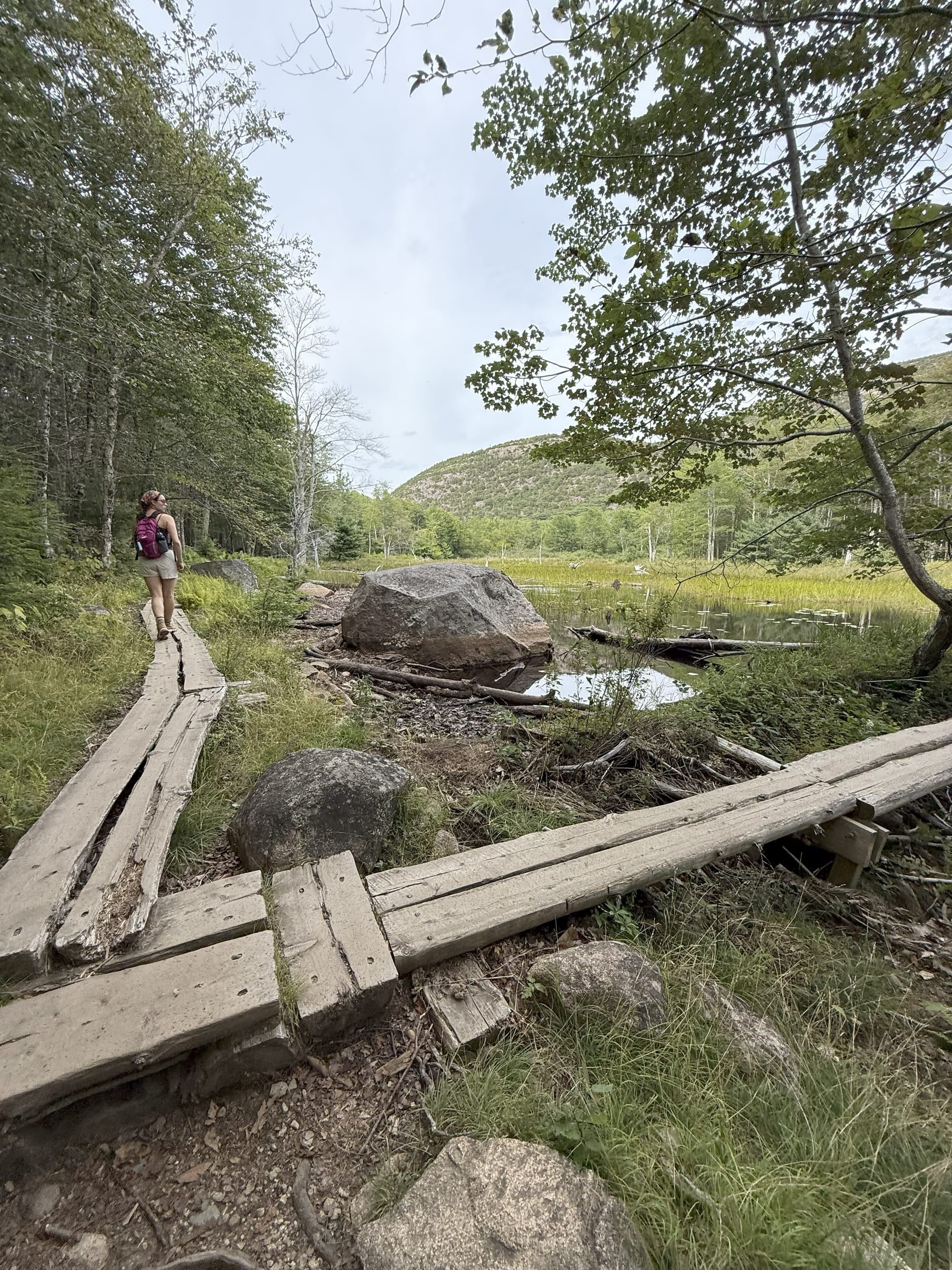
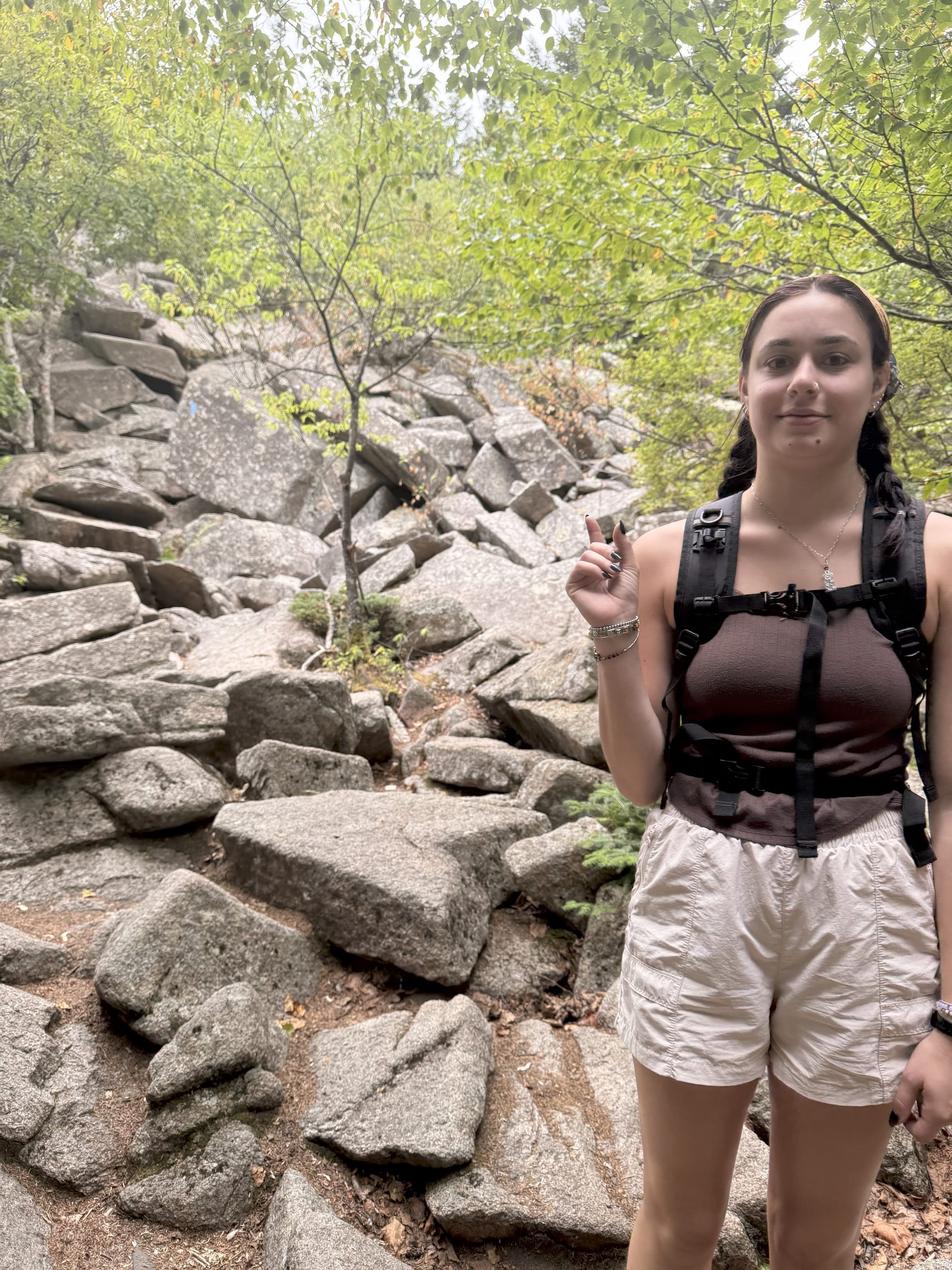
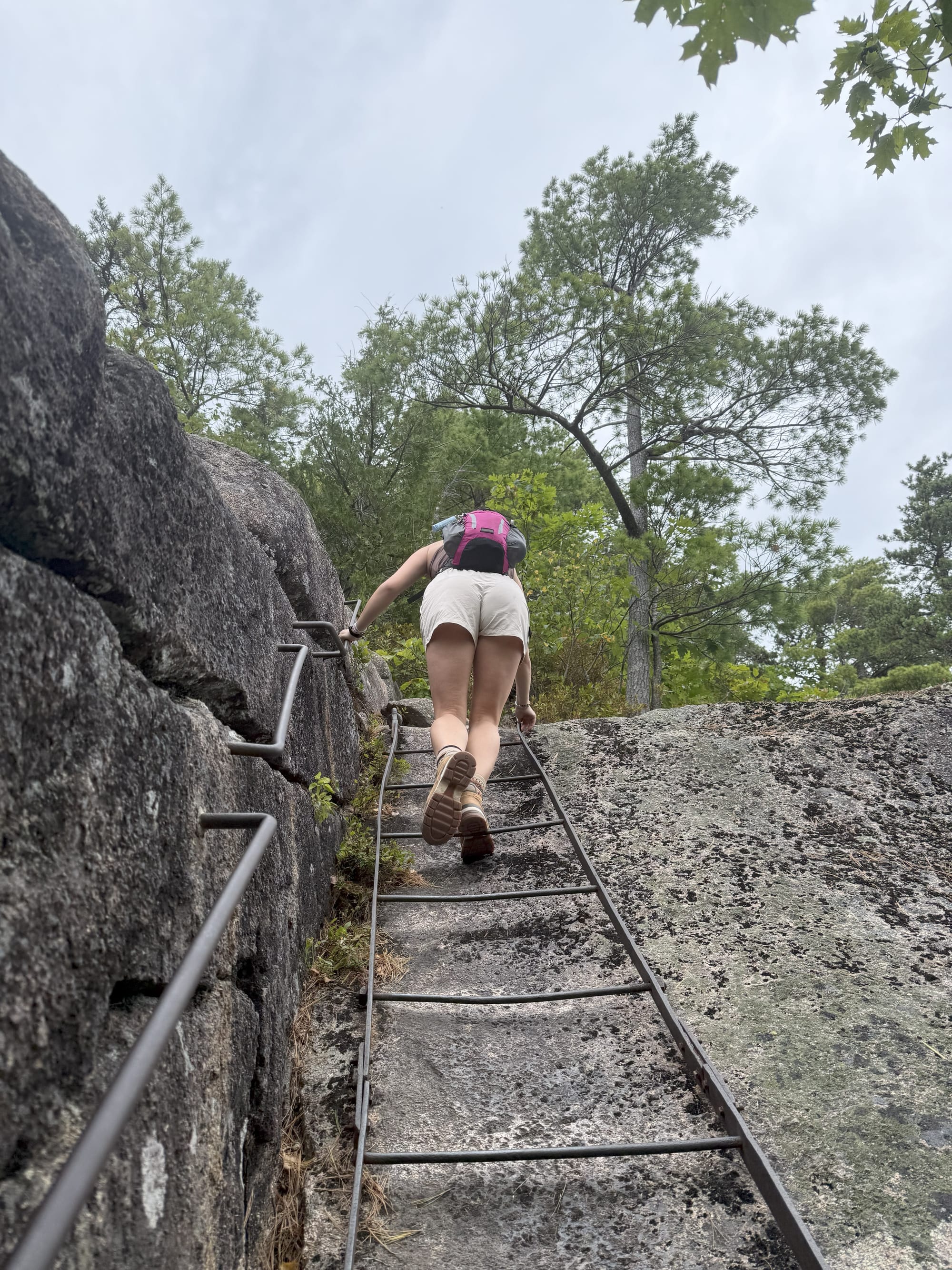
Photo descriptions, from left to right: (1) Screenshot of the AllTrails route. (2) Example of a "blue blaze" trail marker indicating that the trail continues through a very narrow passage. (3) Modifications to the trail architecture. (4) Audrey pictured next to another "blue blaze" marker indicating that the path continues up this pile of boulders. (5) Example of the steps from the "Ladders" trail.
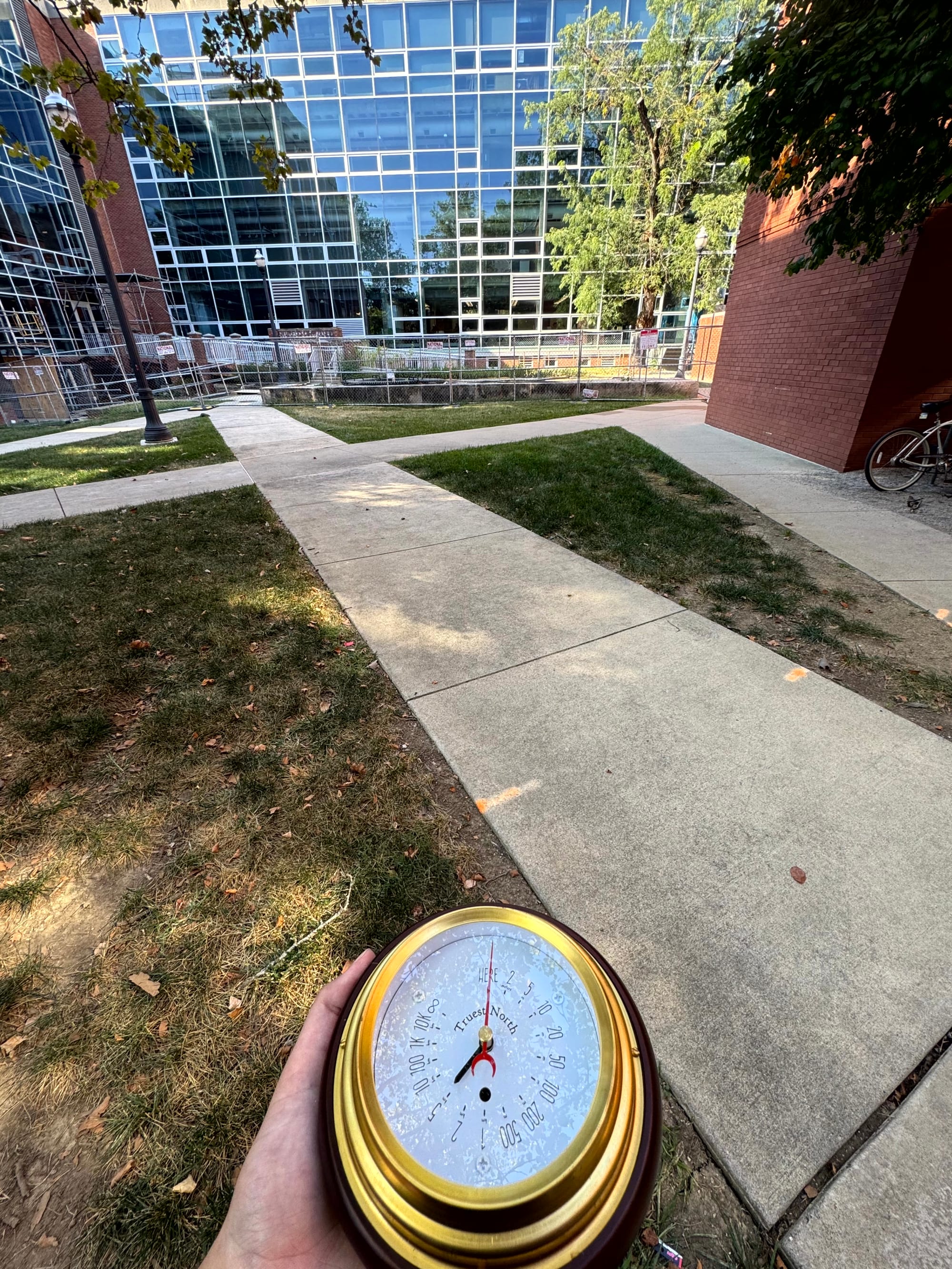
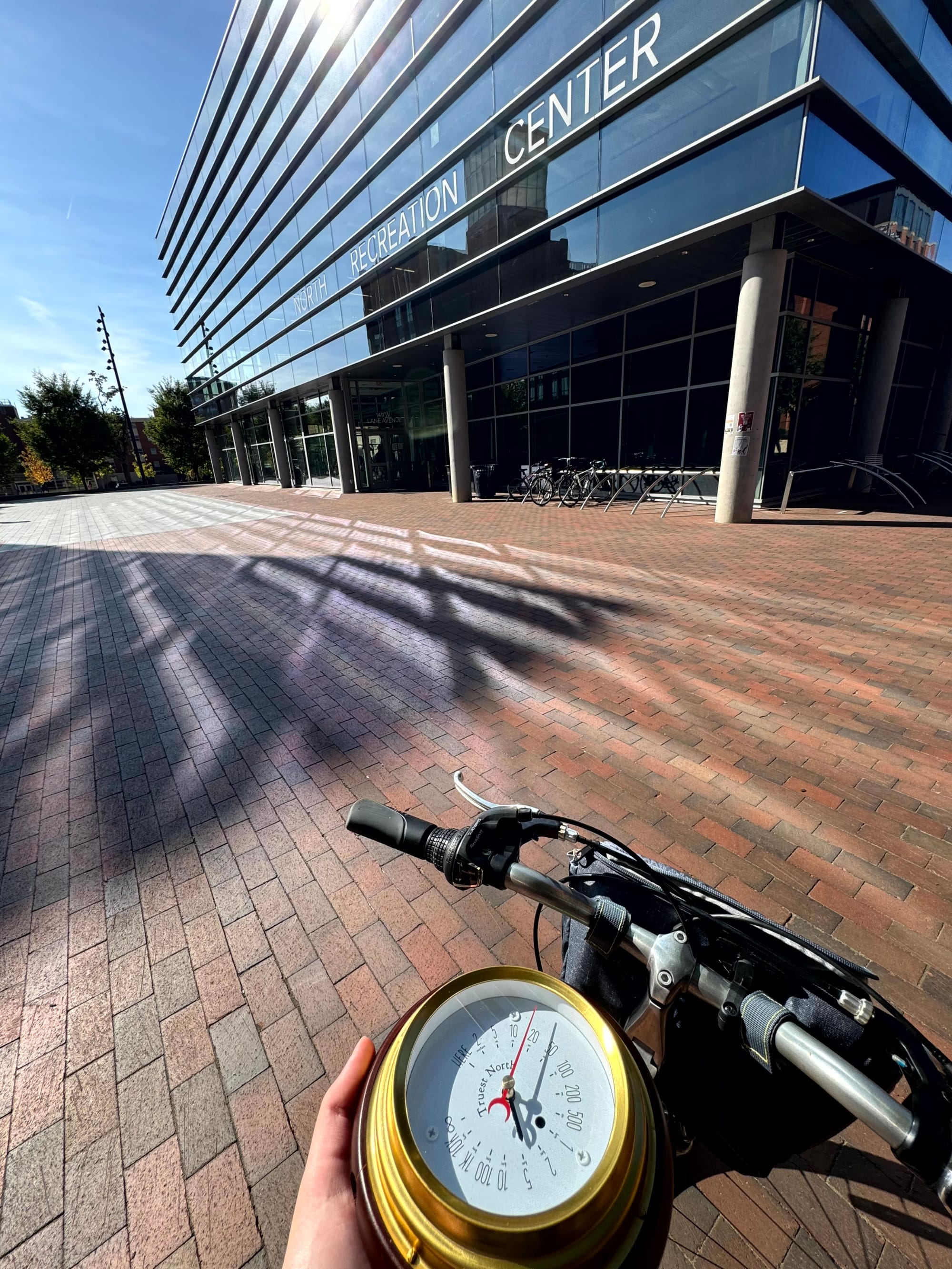
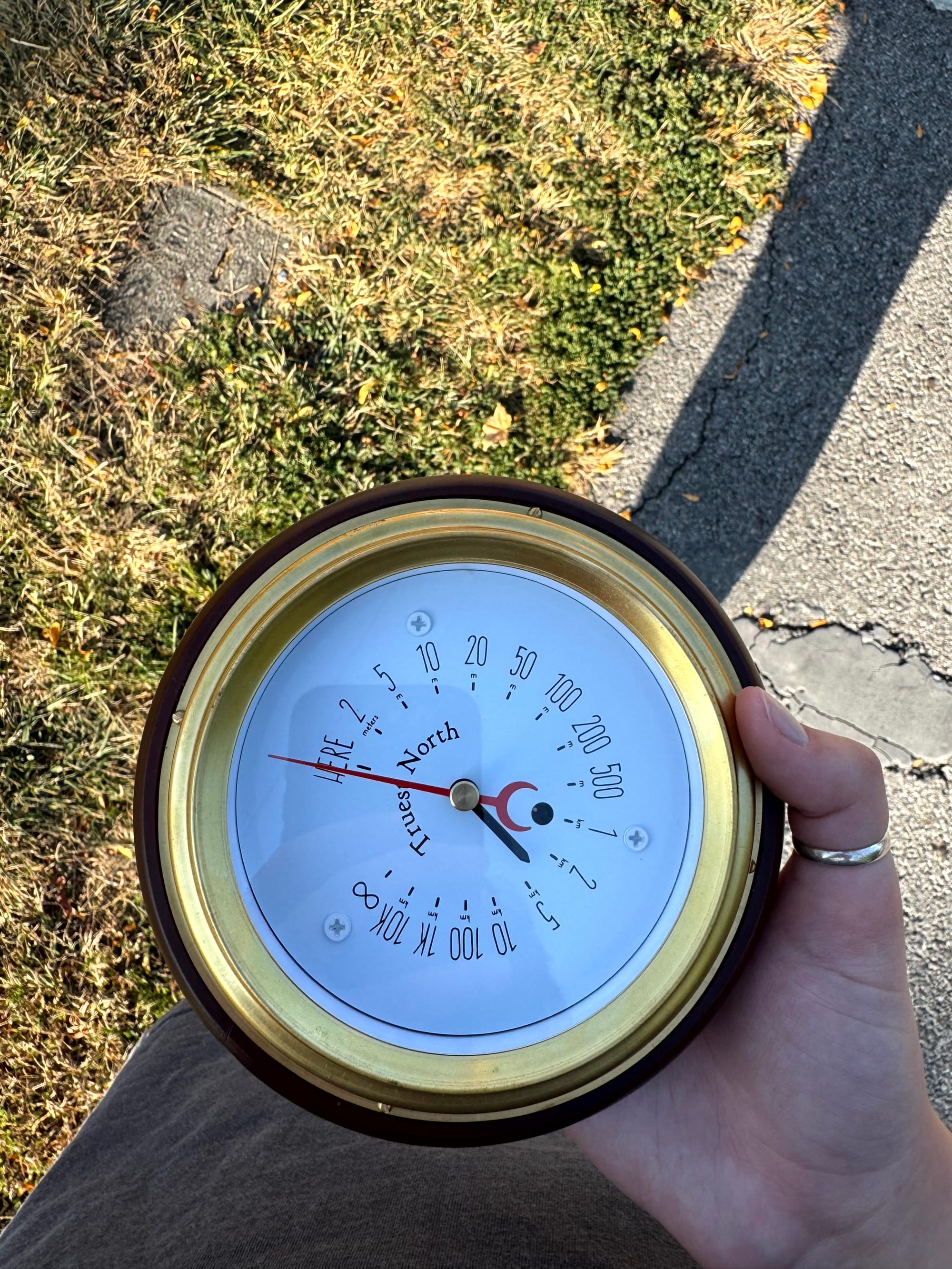
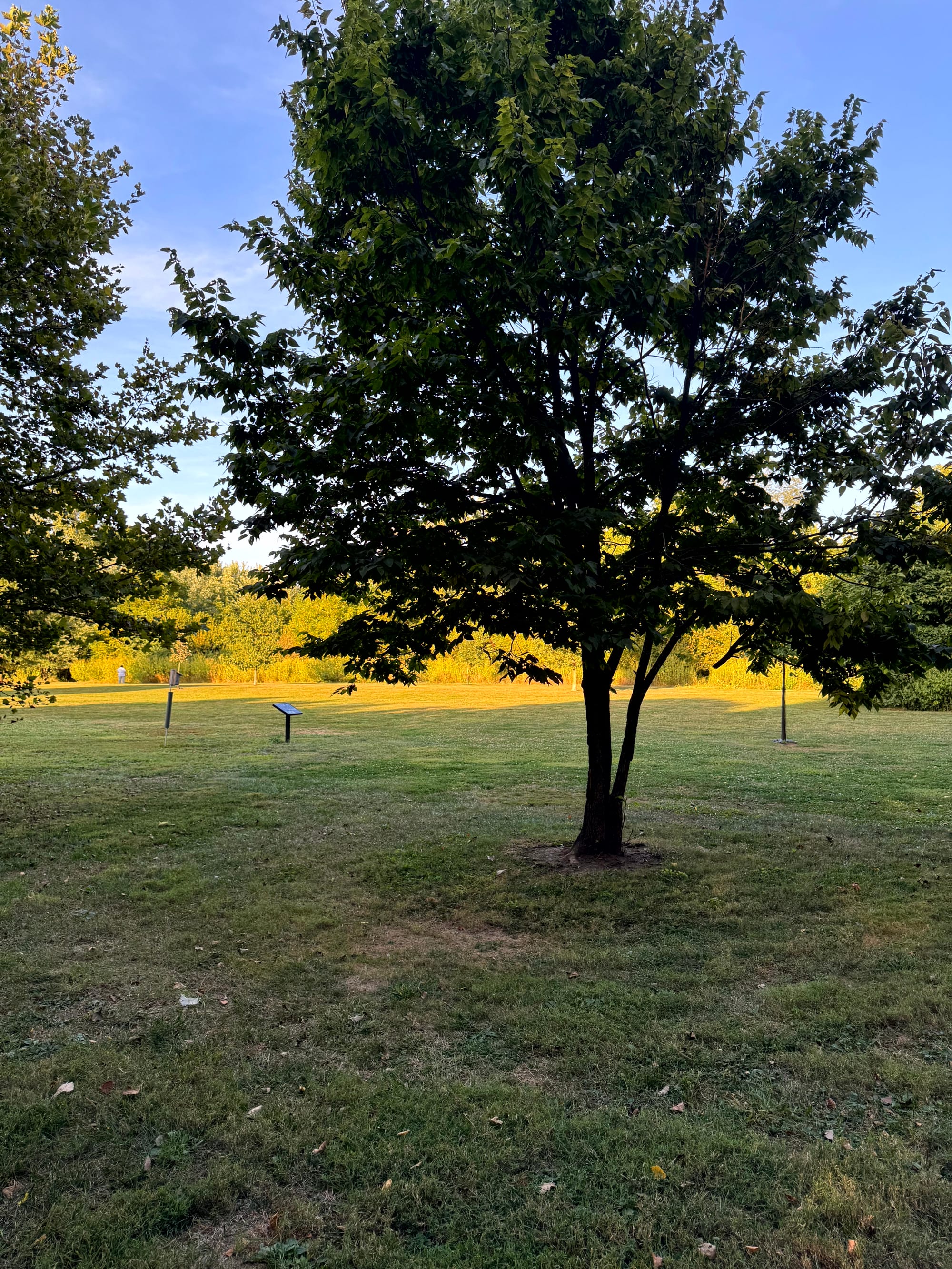
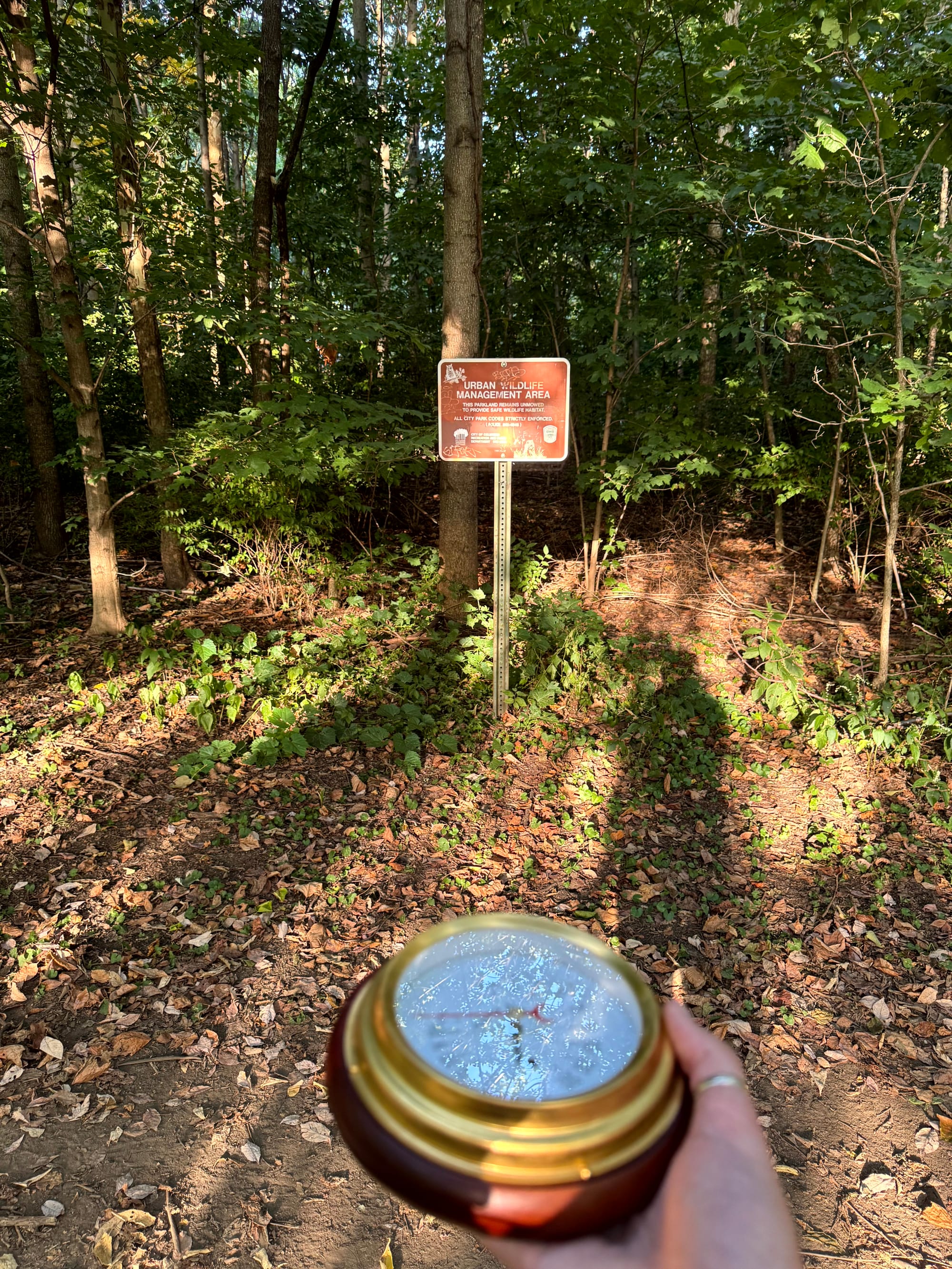
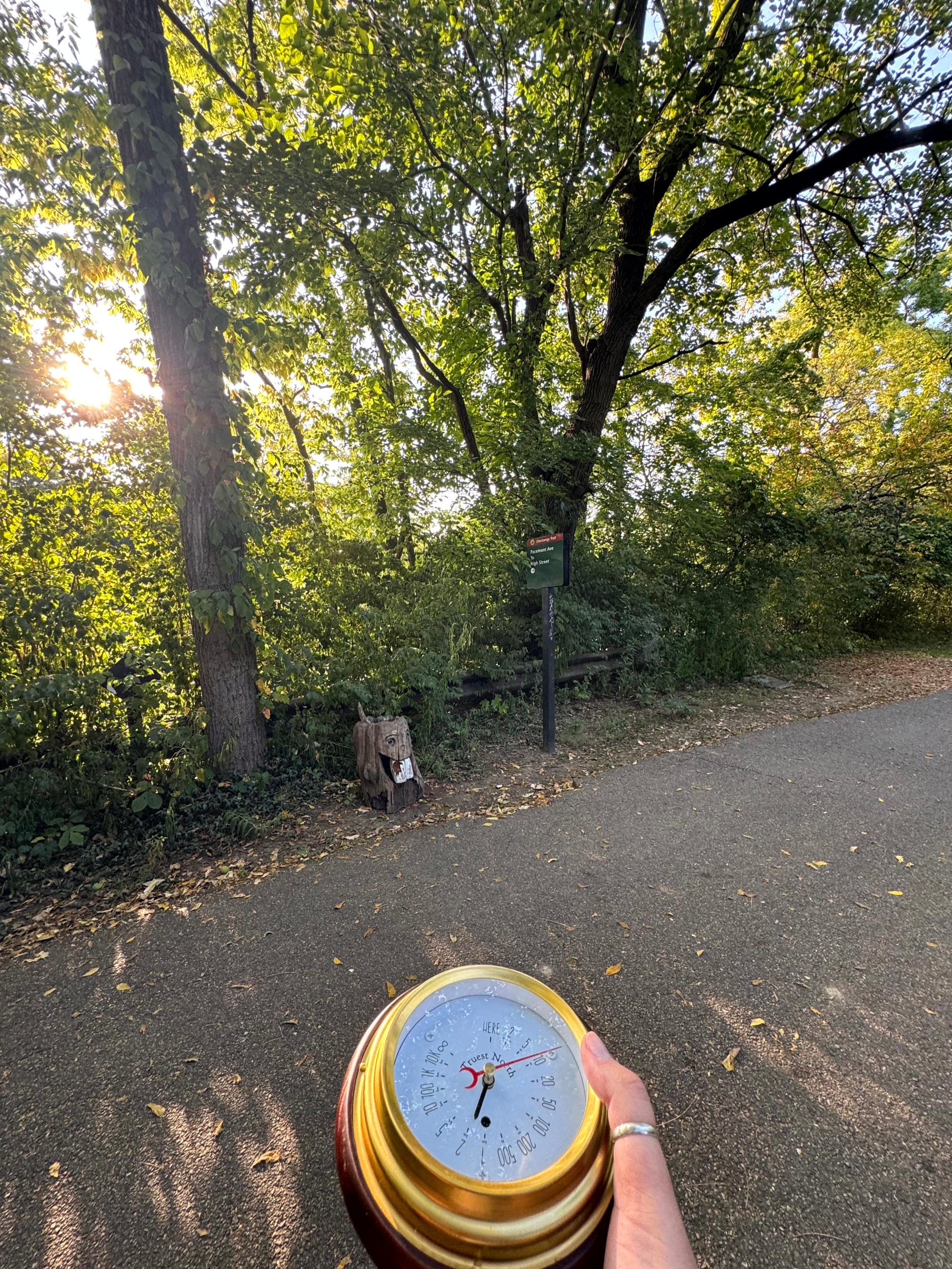
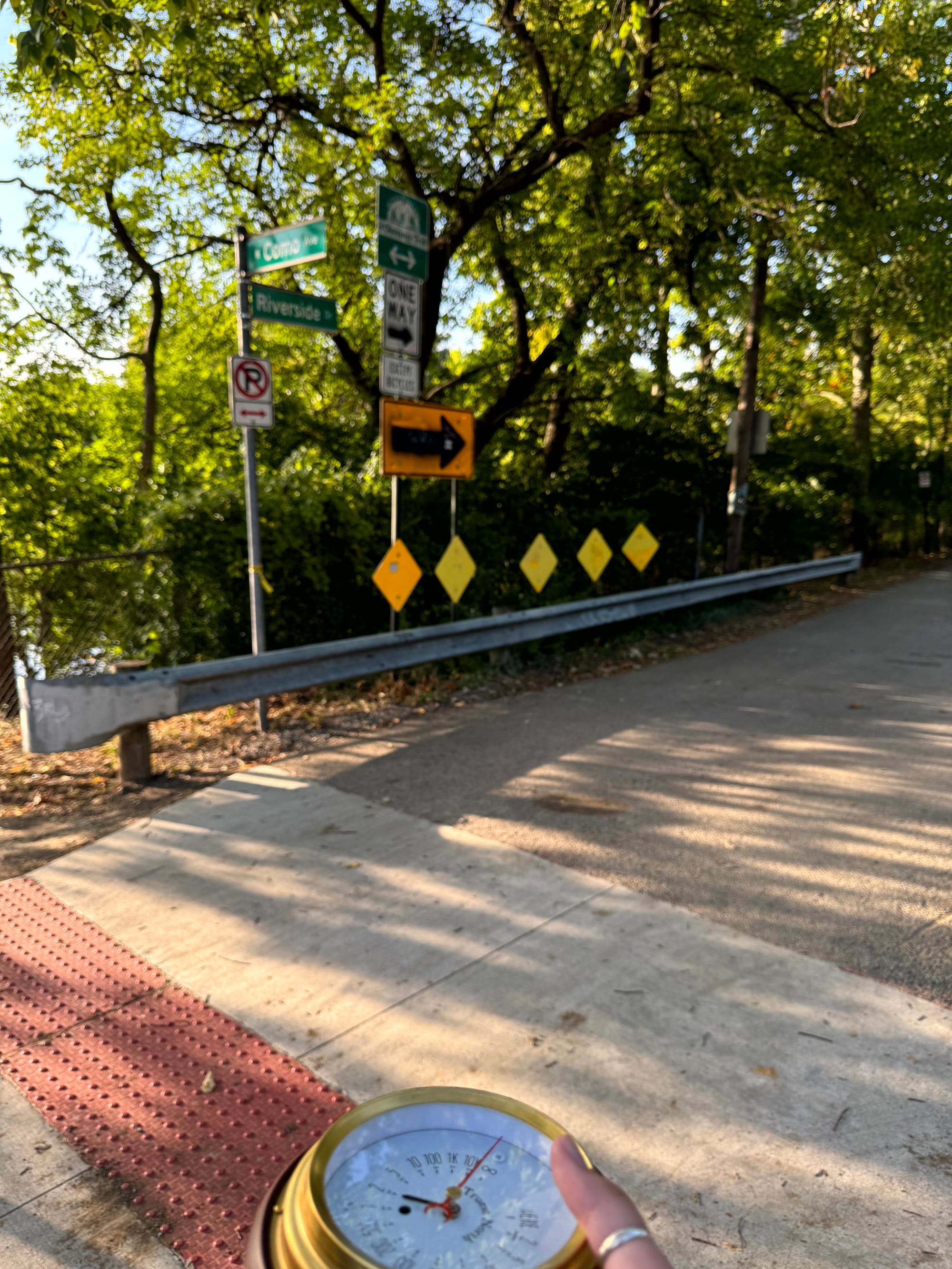
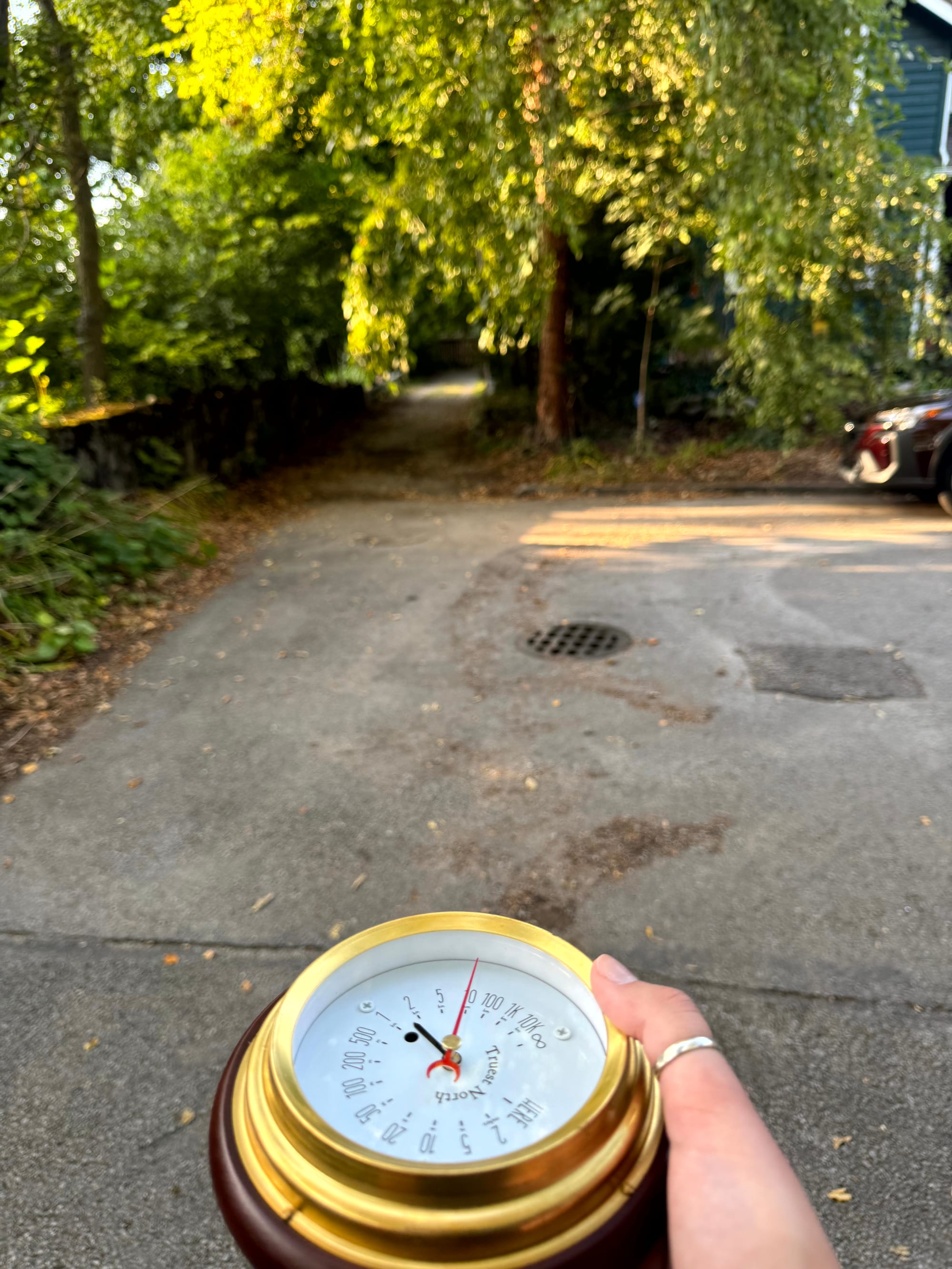
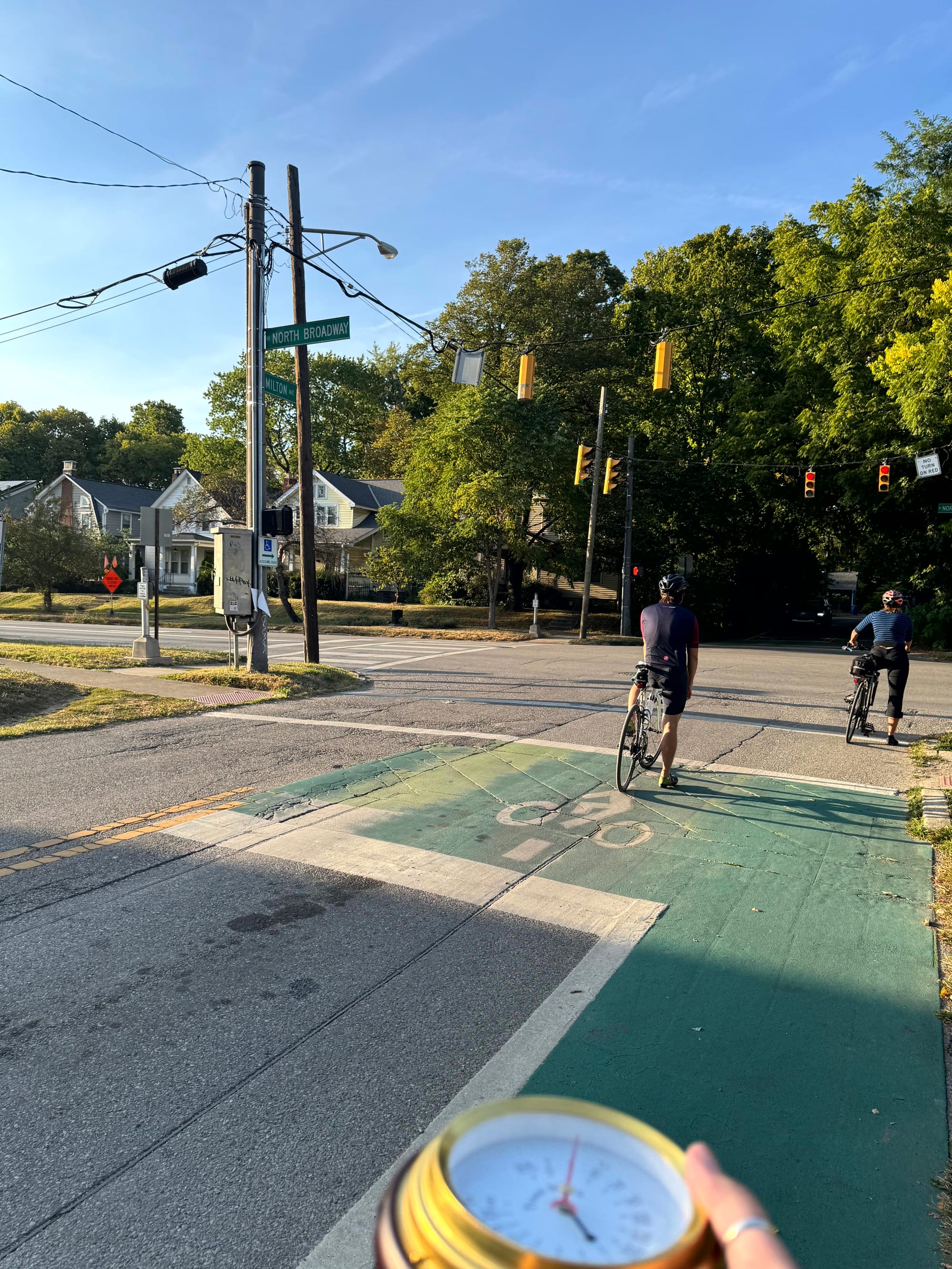
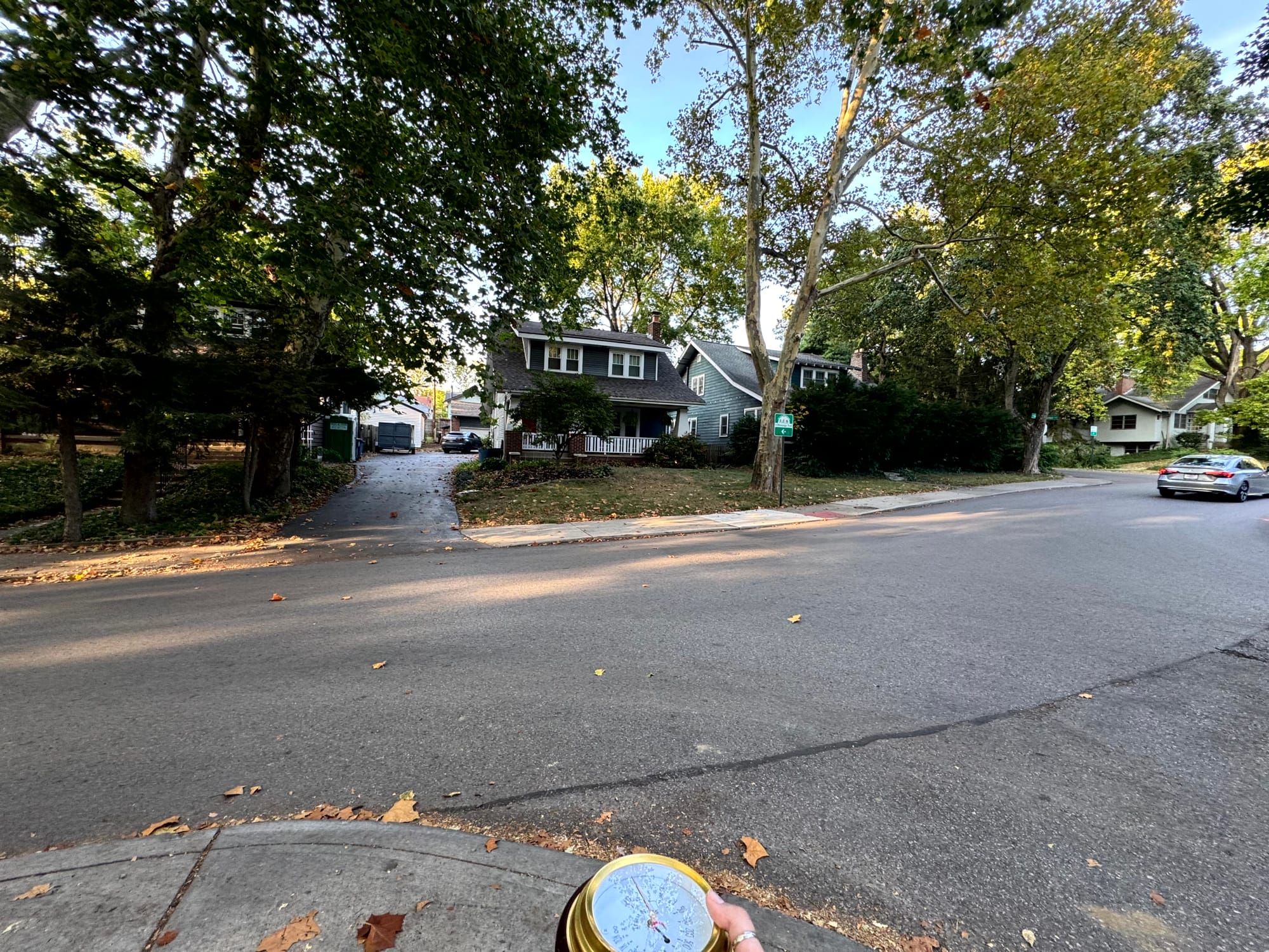
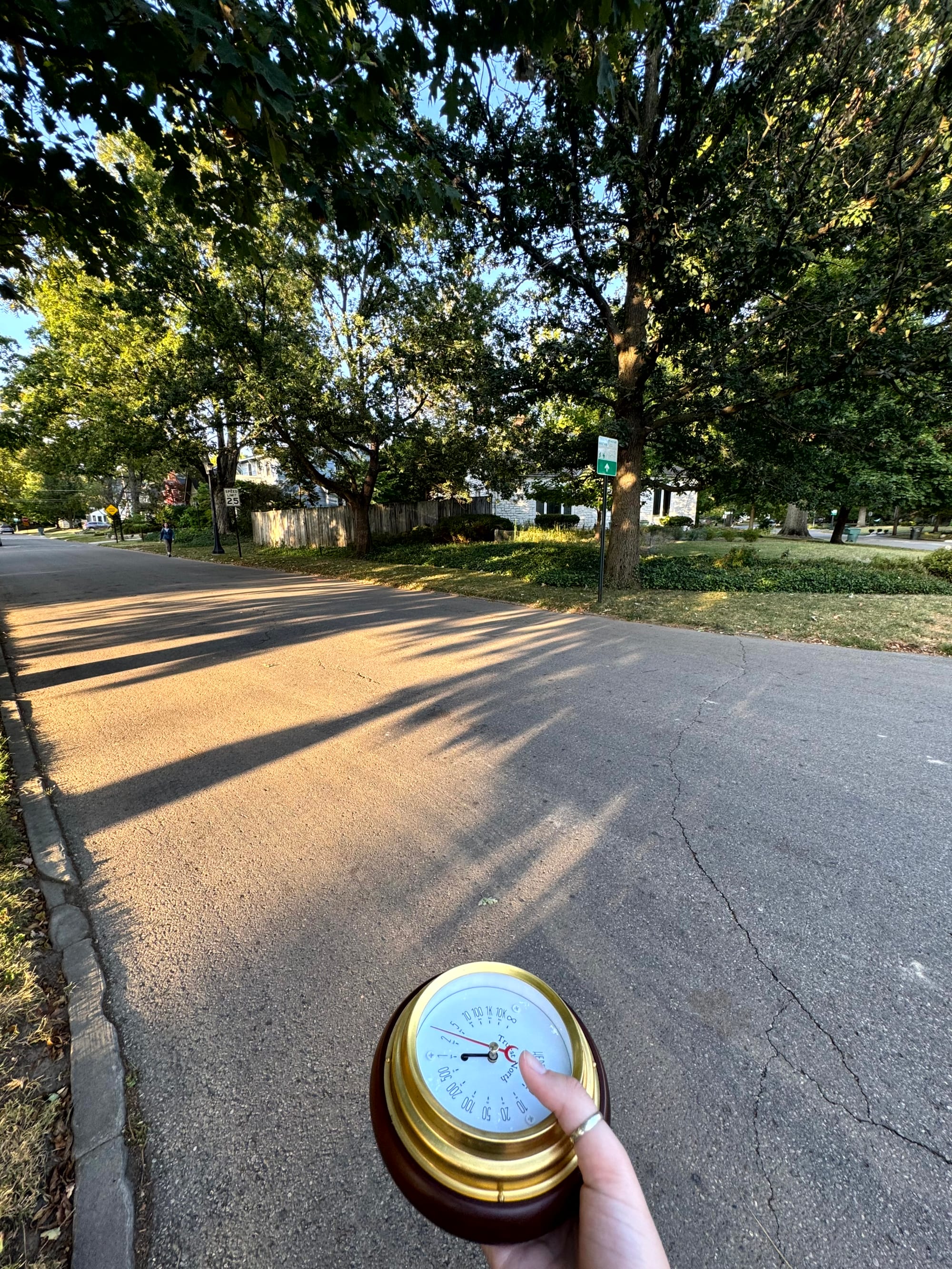
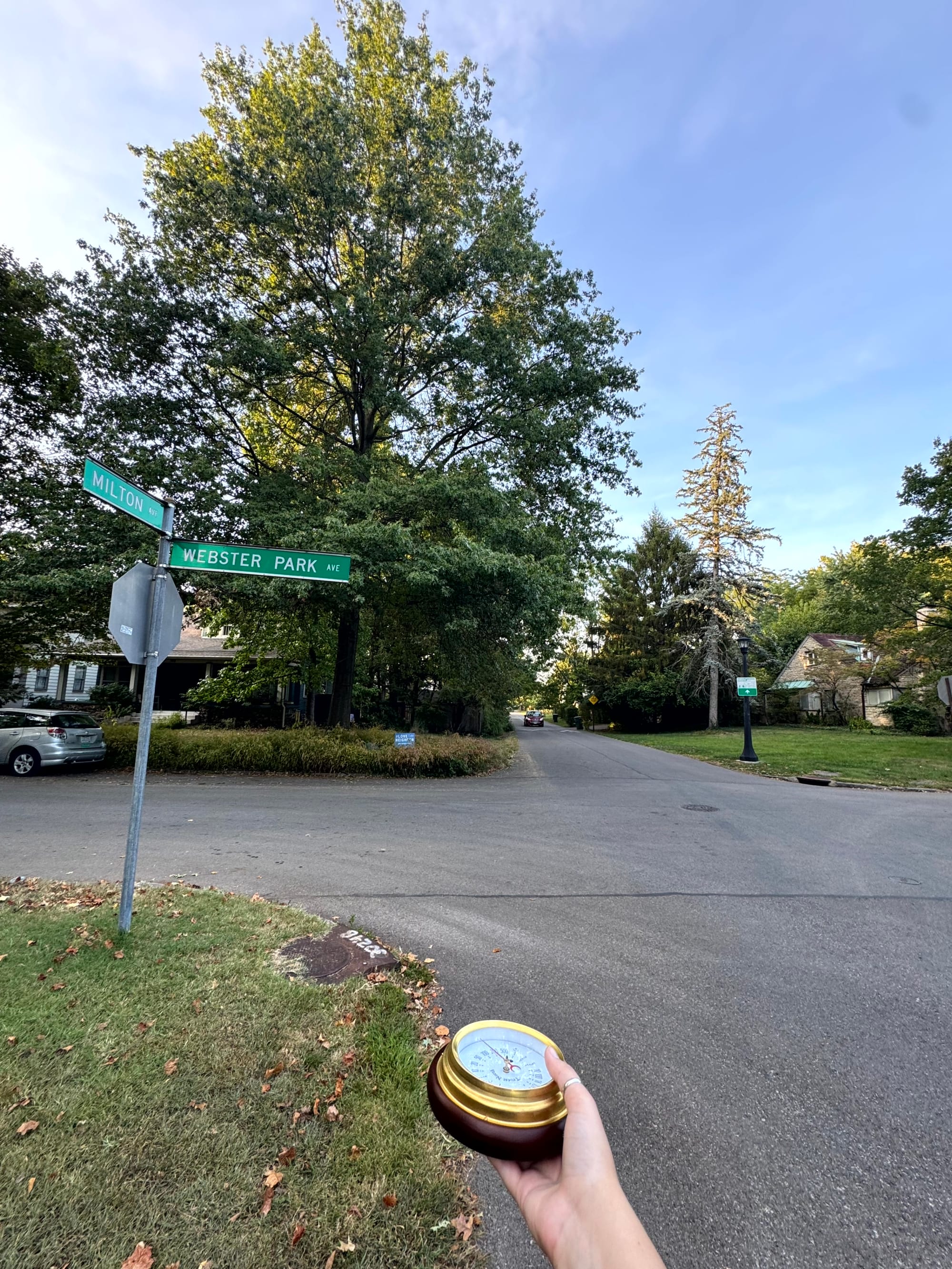
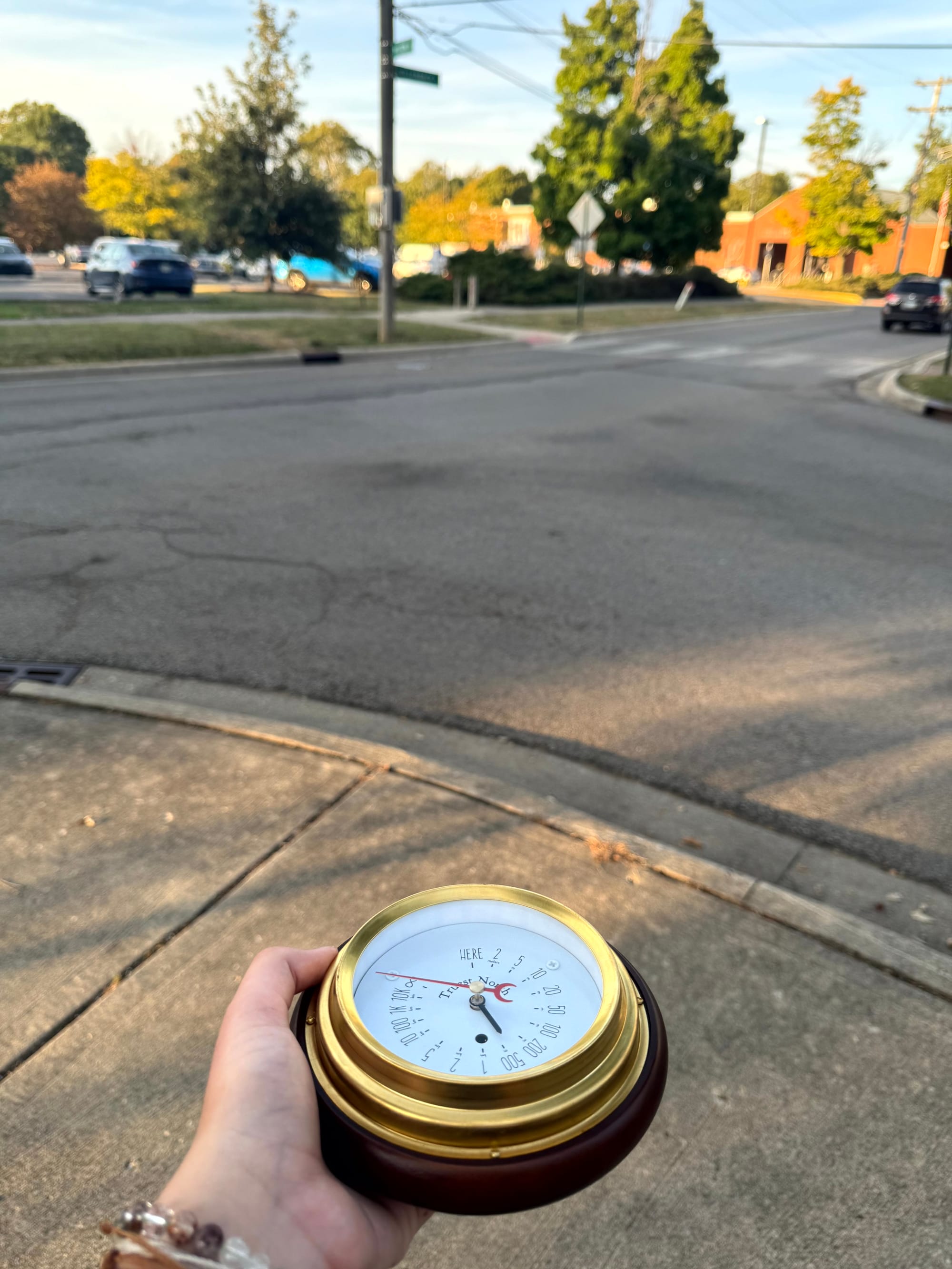
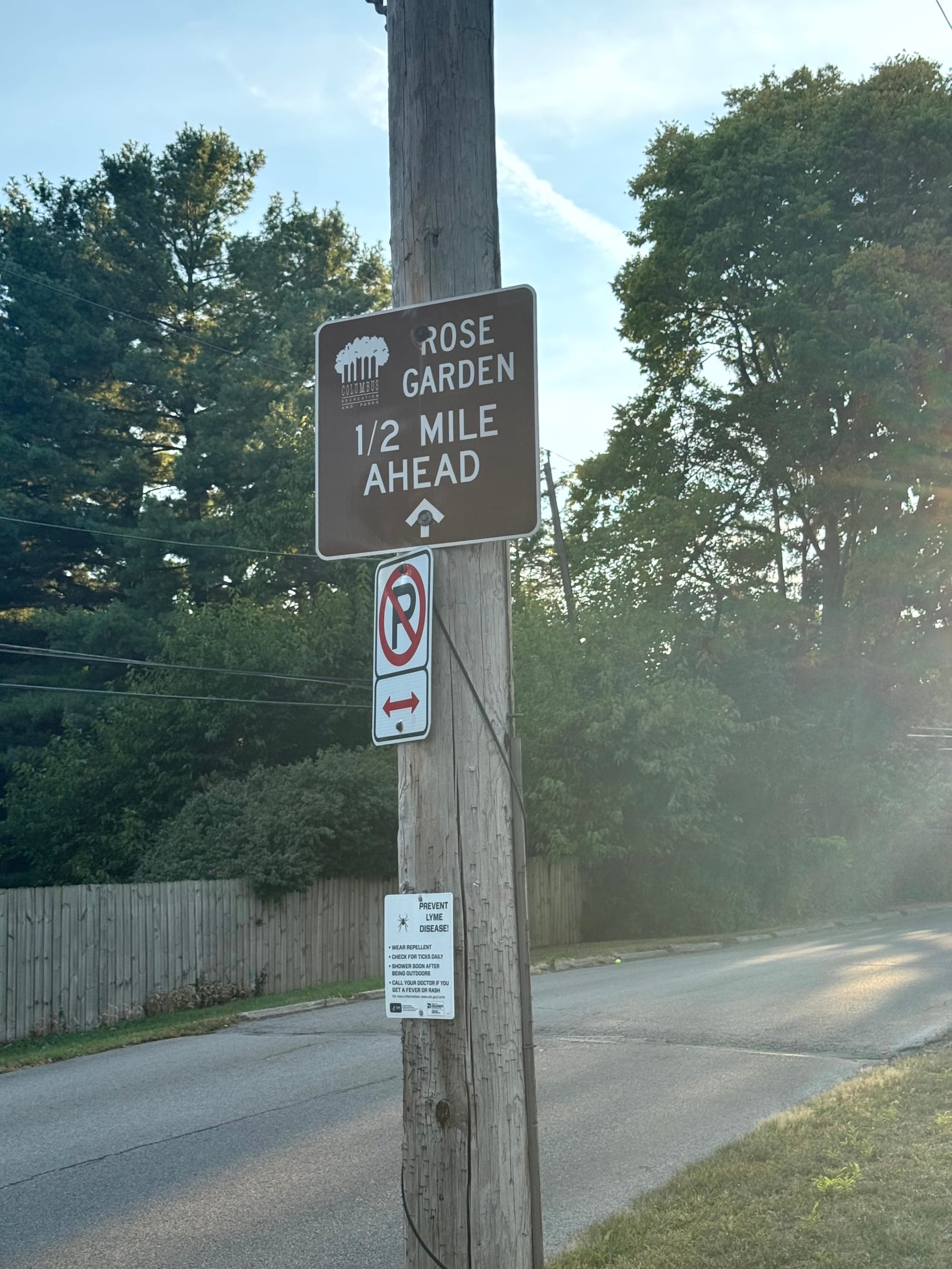
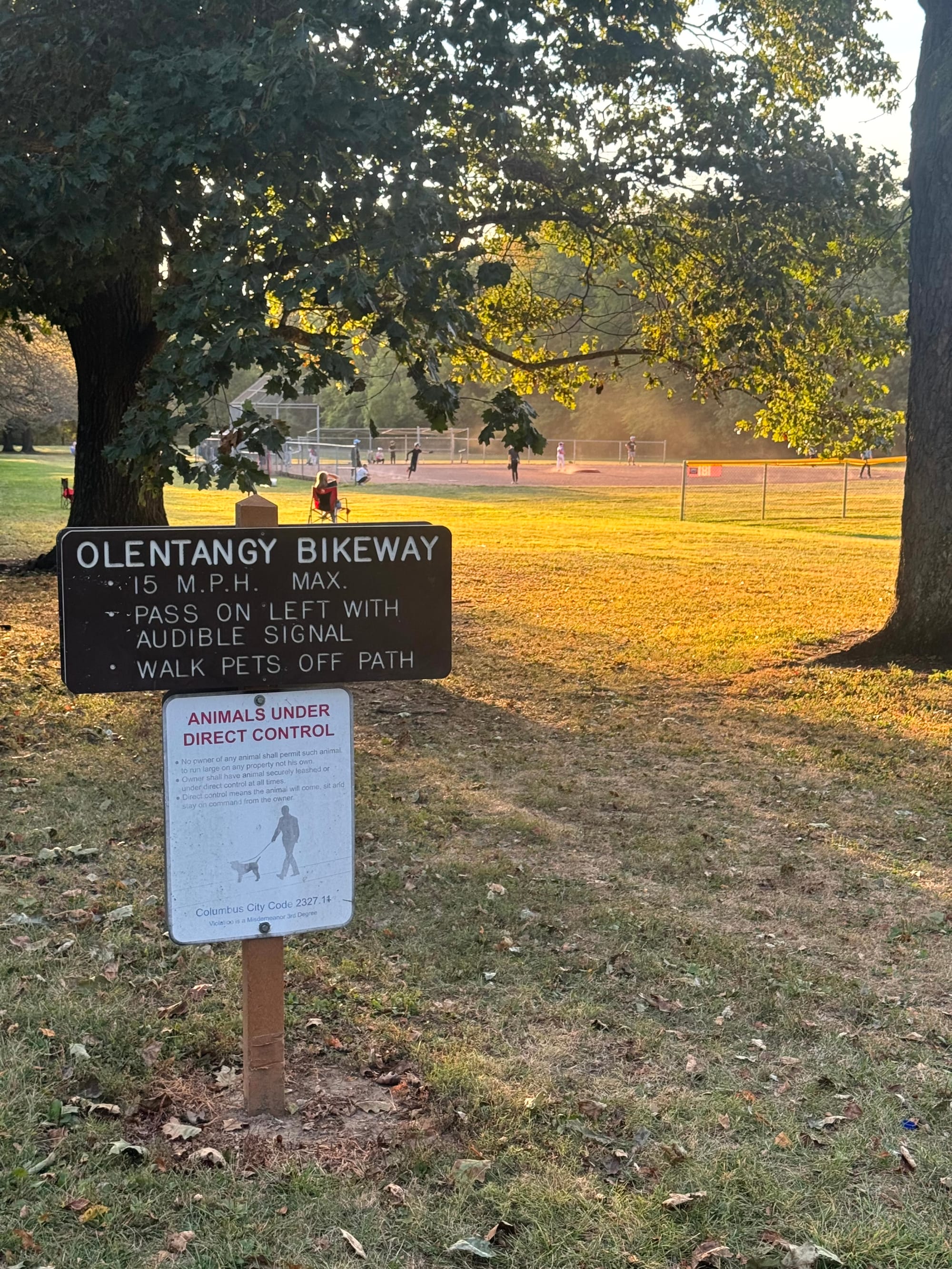
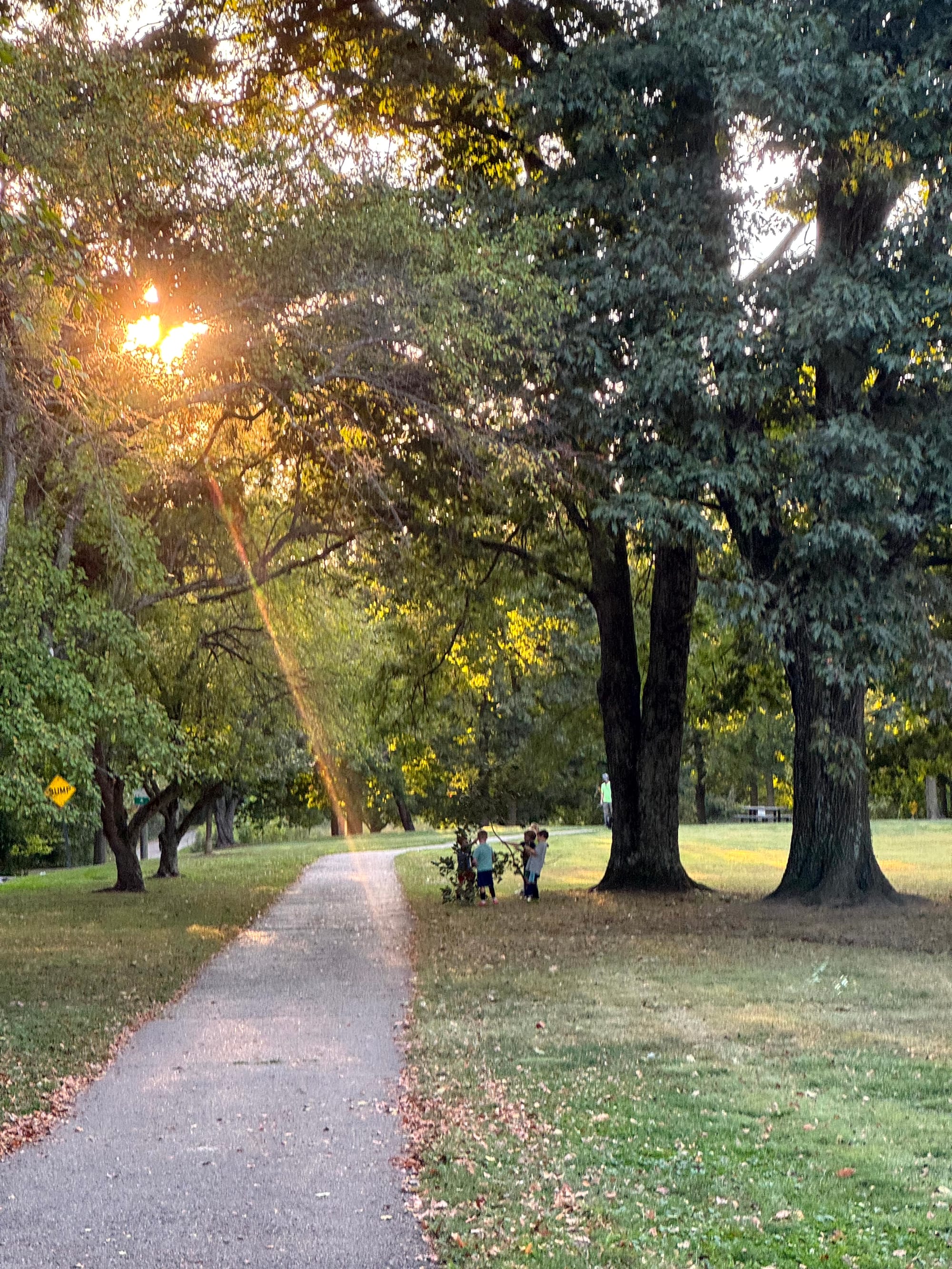
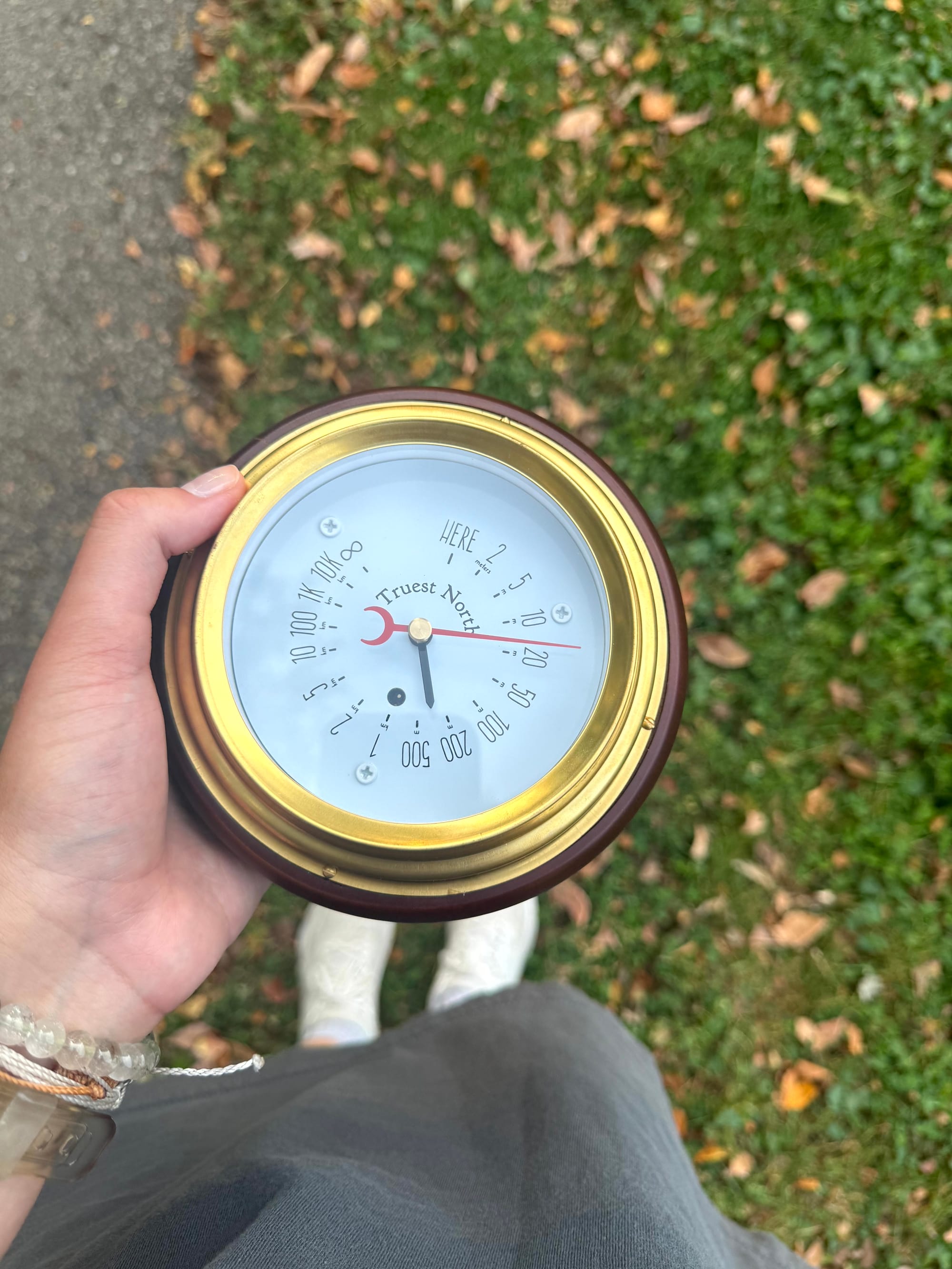
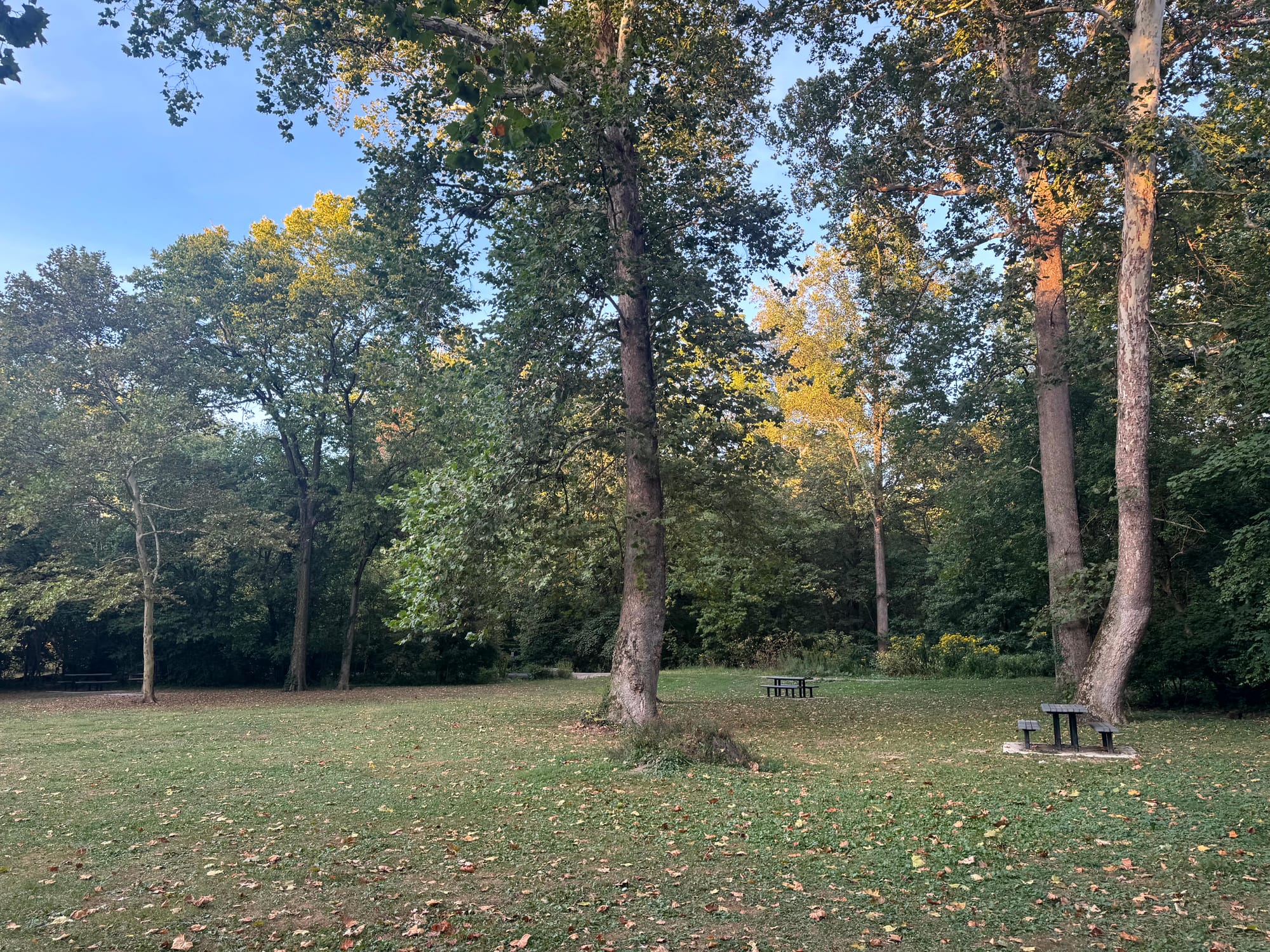
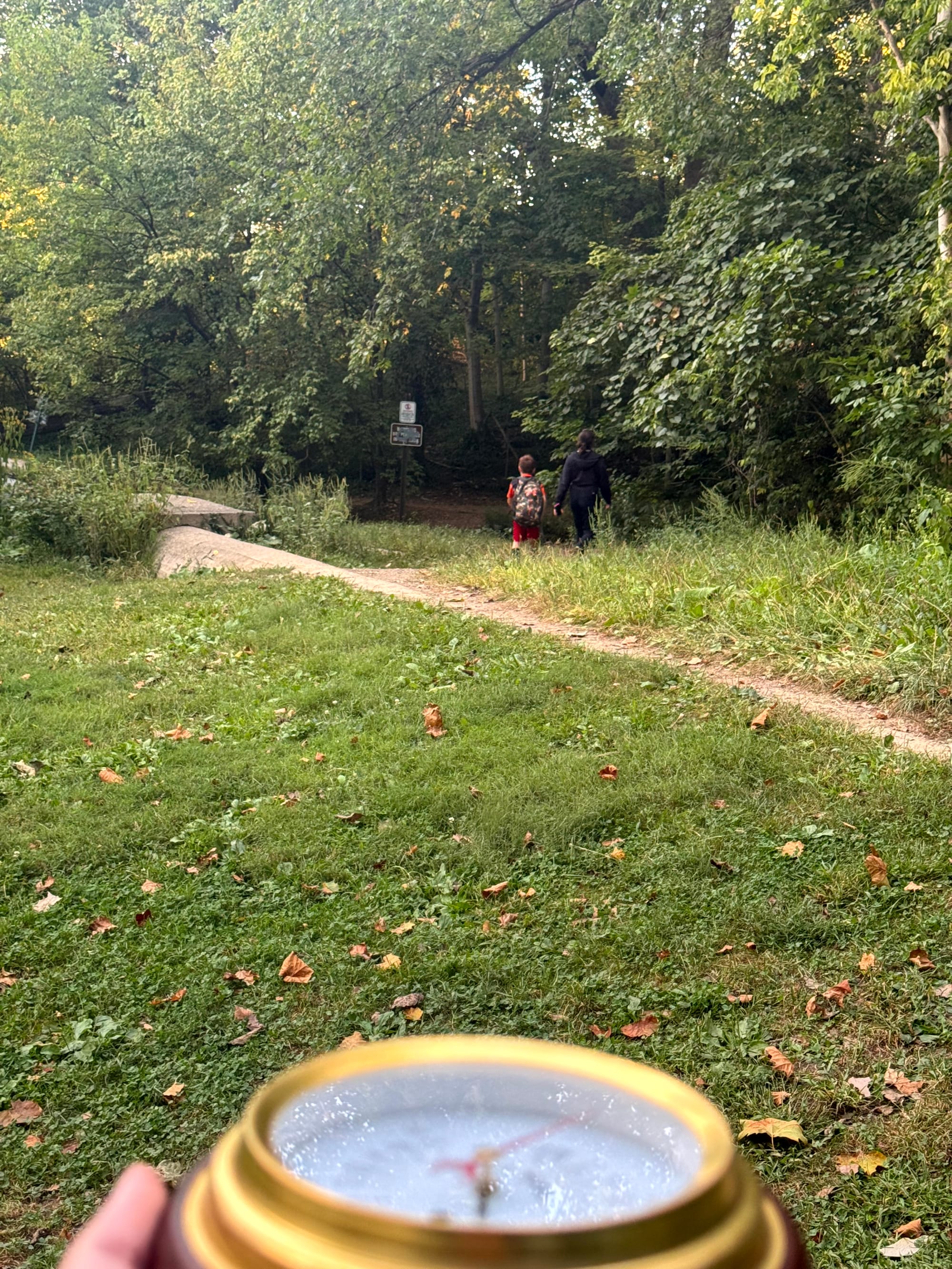
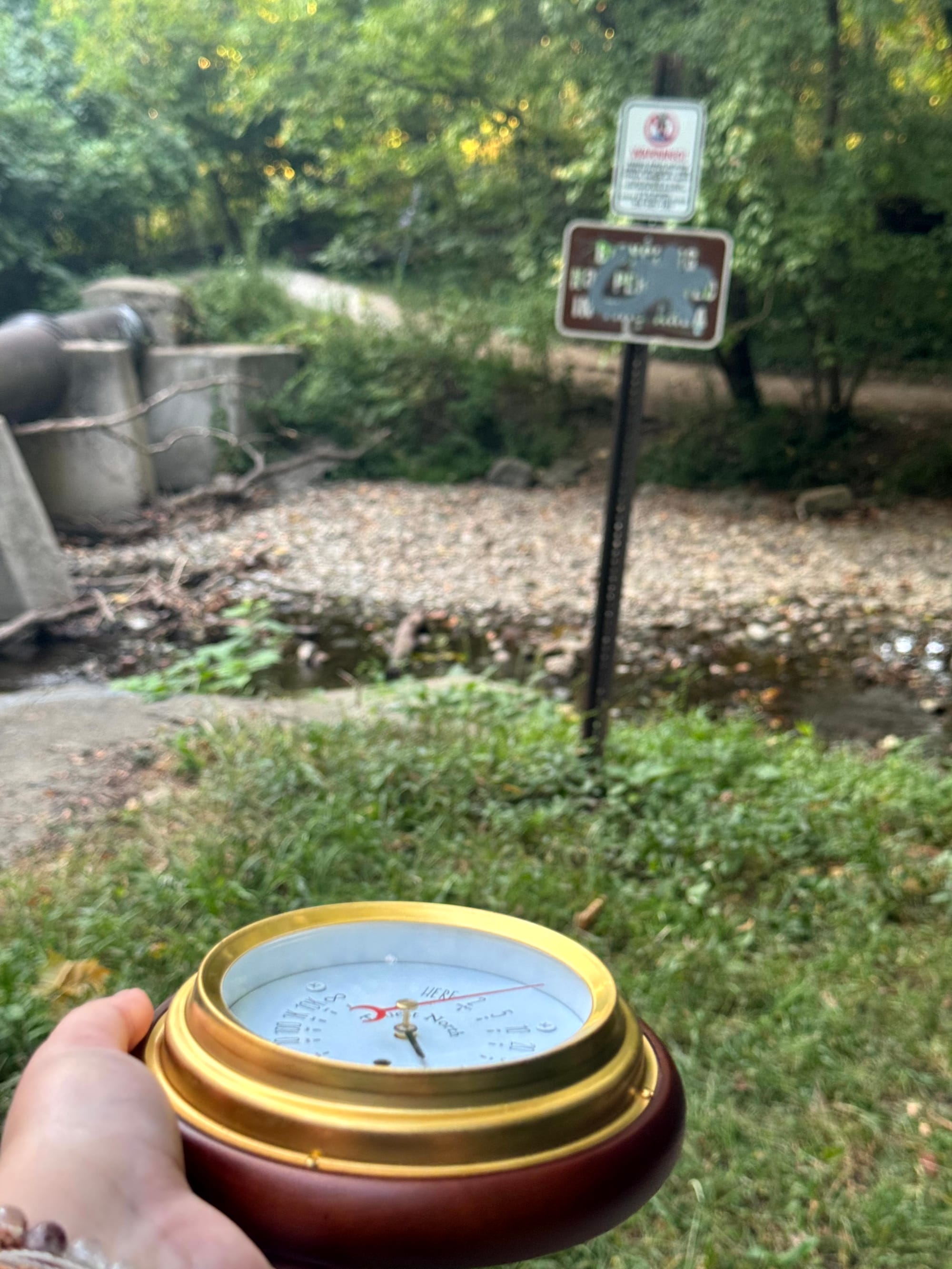
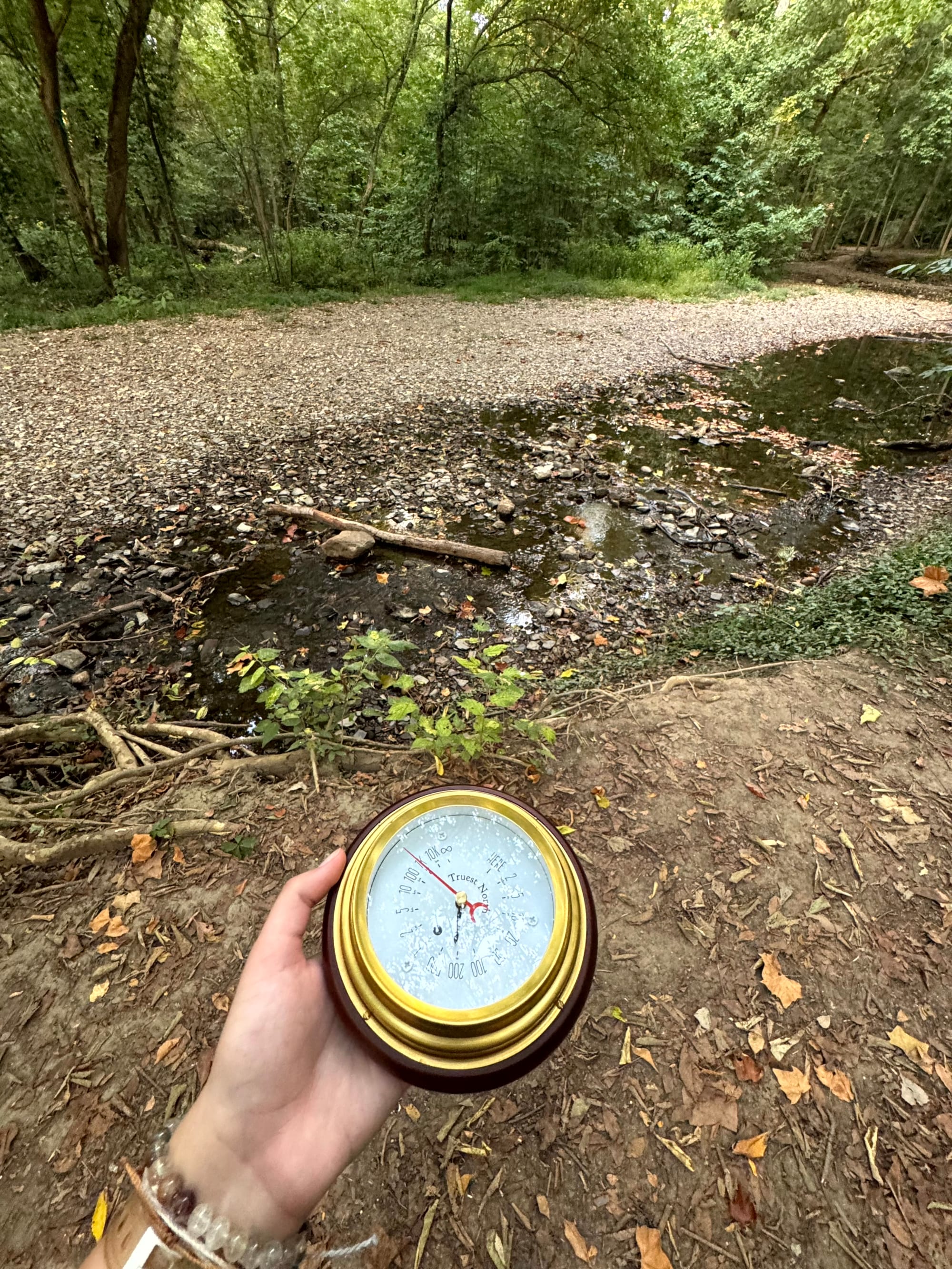
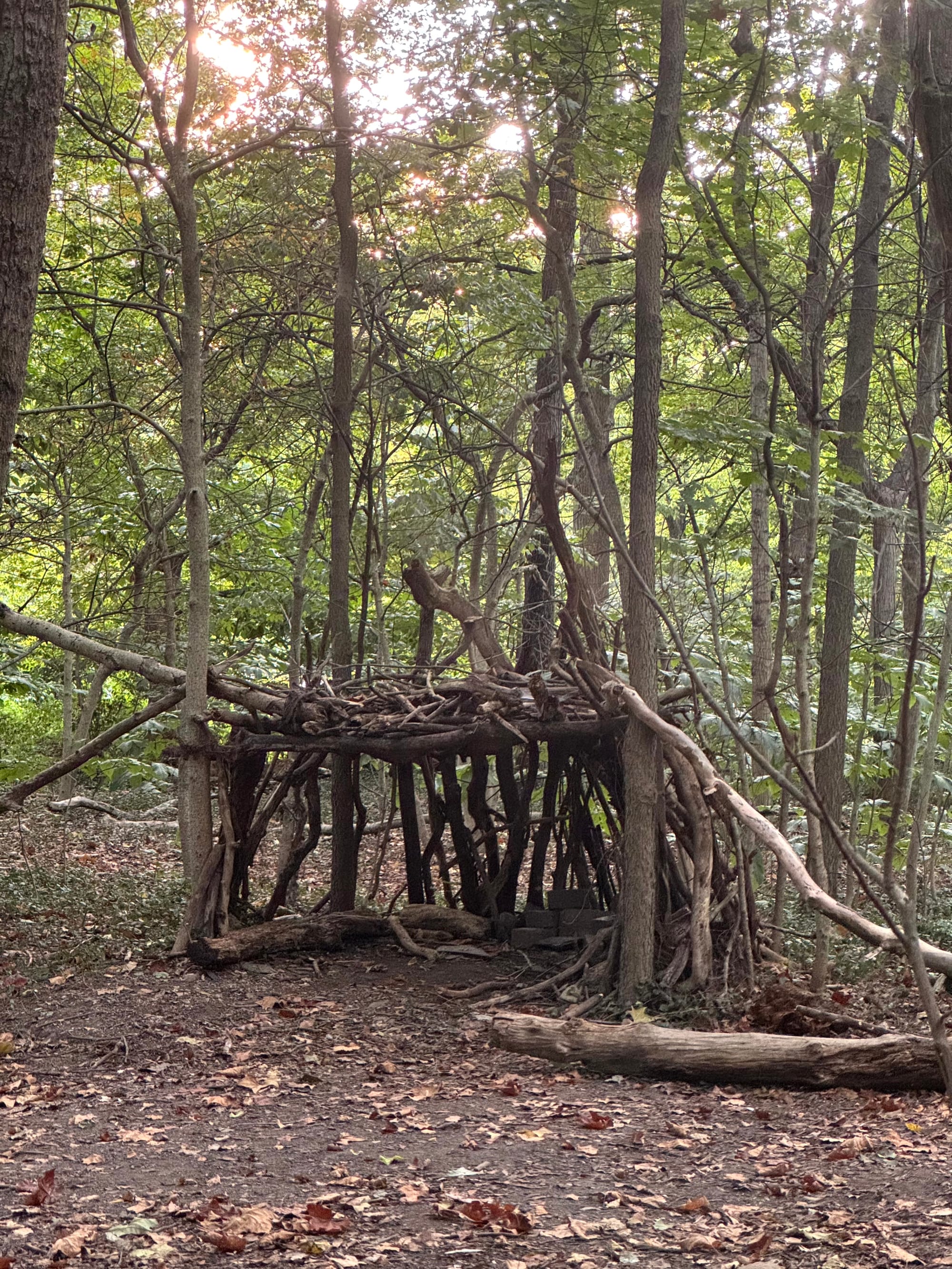
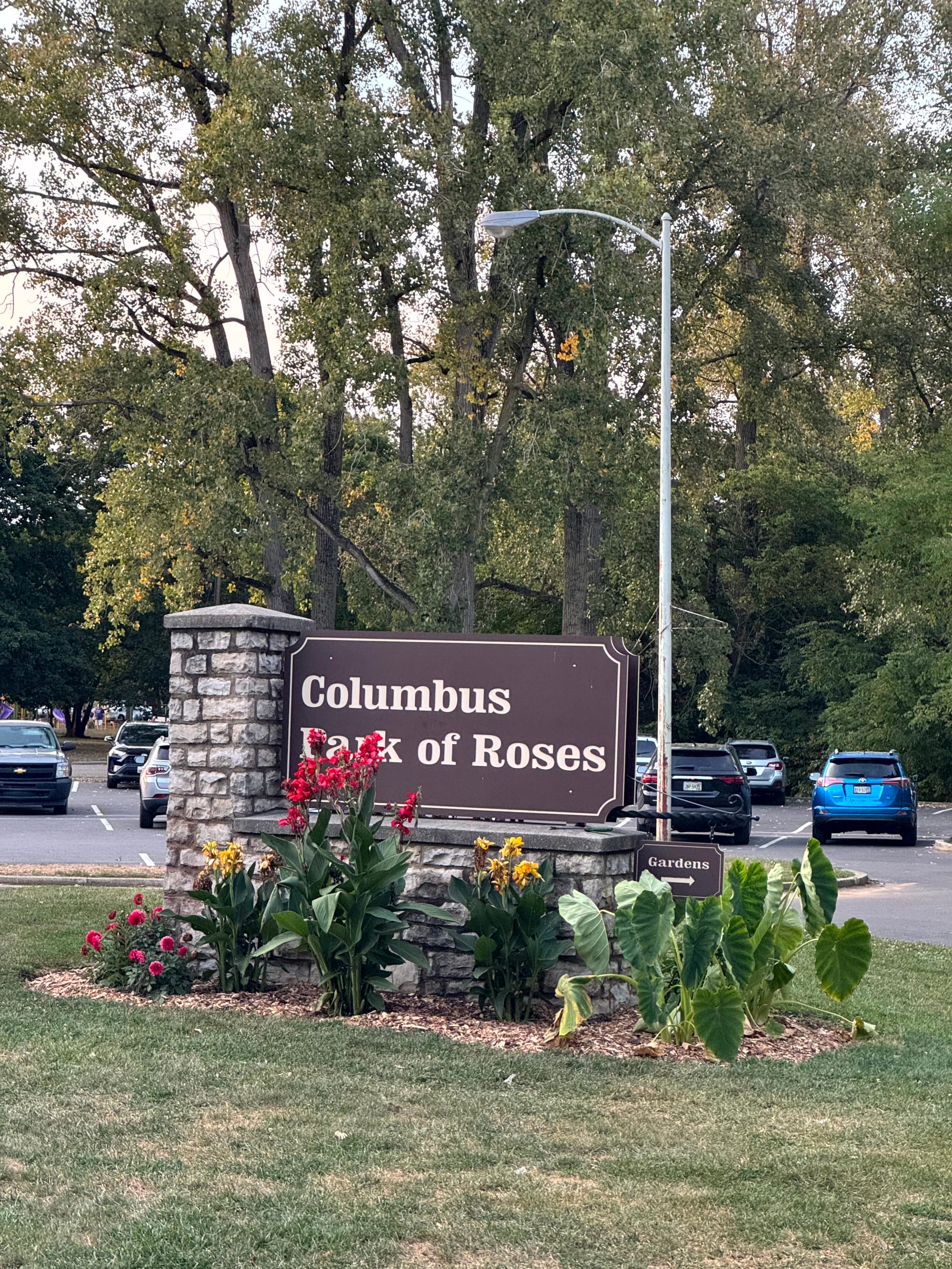
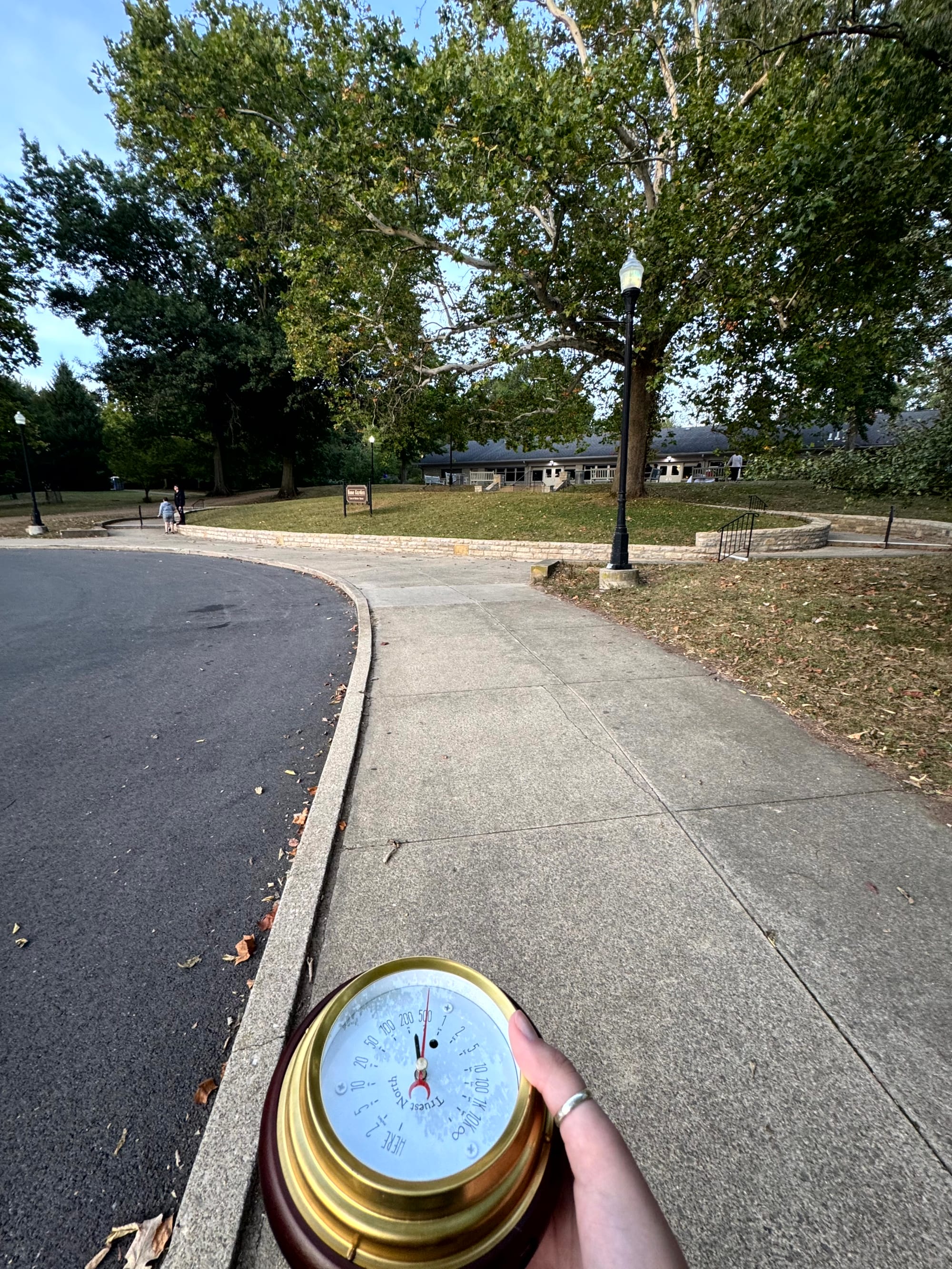
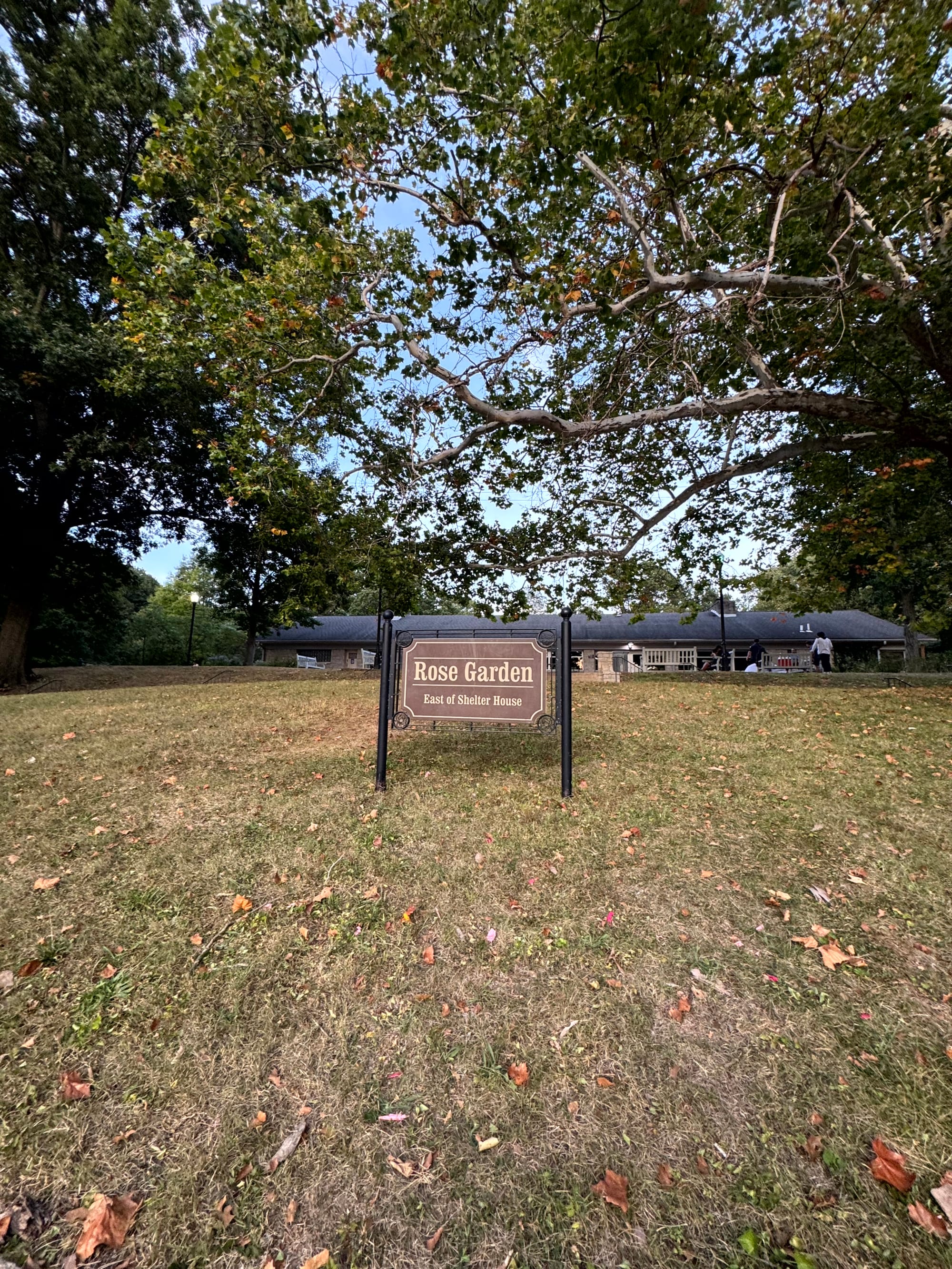
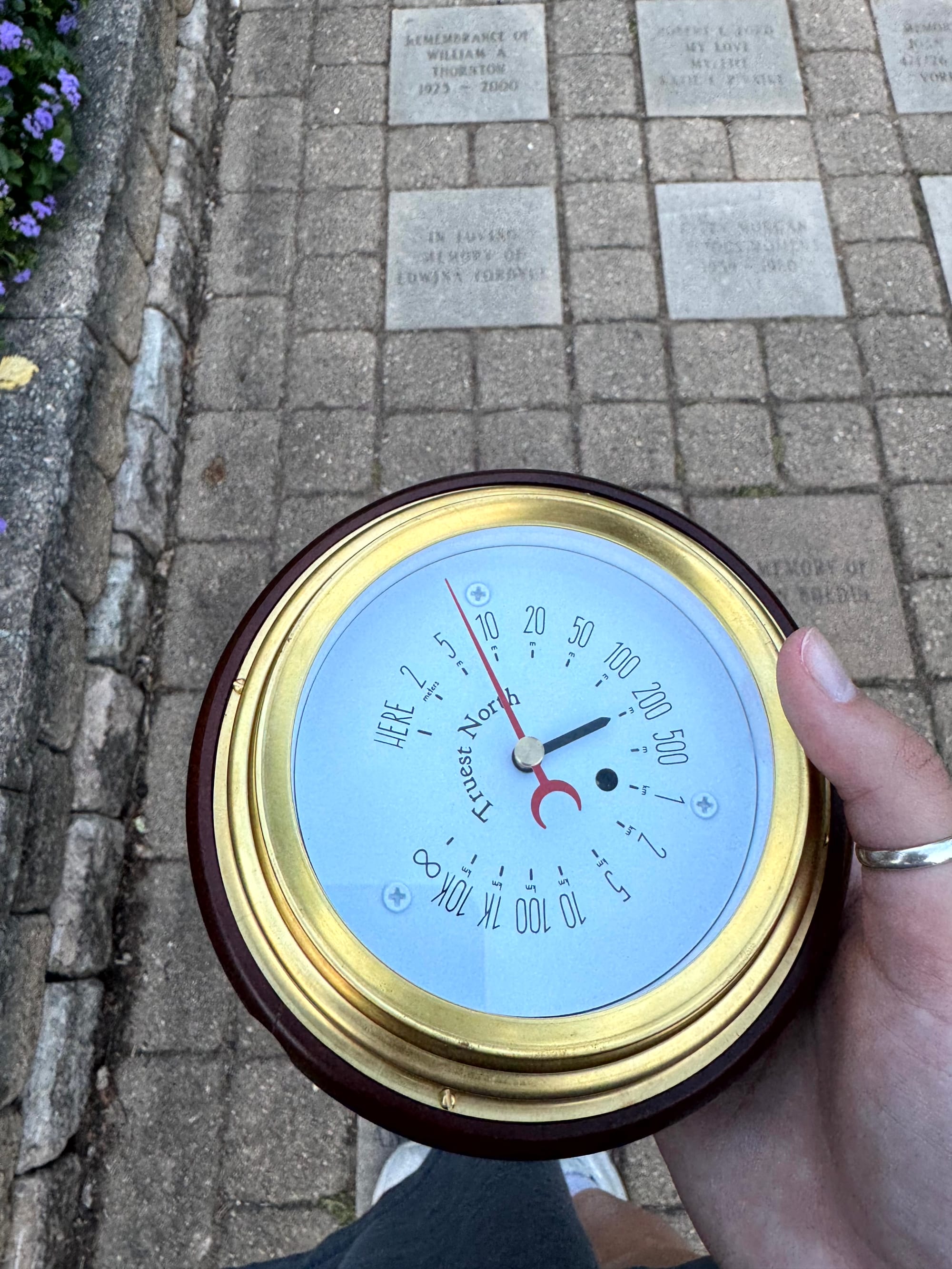
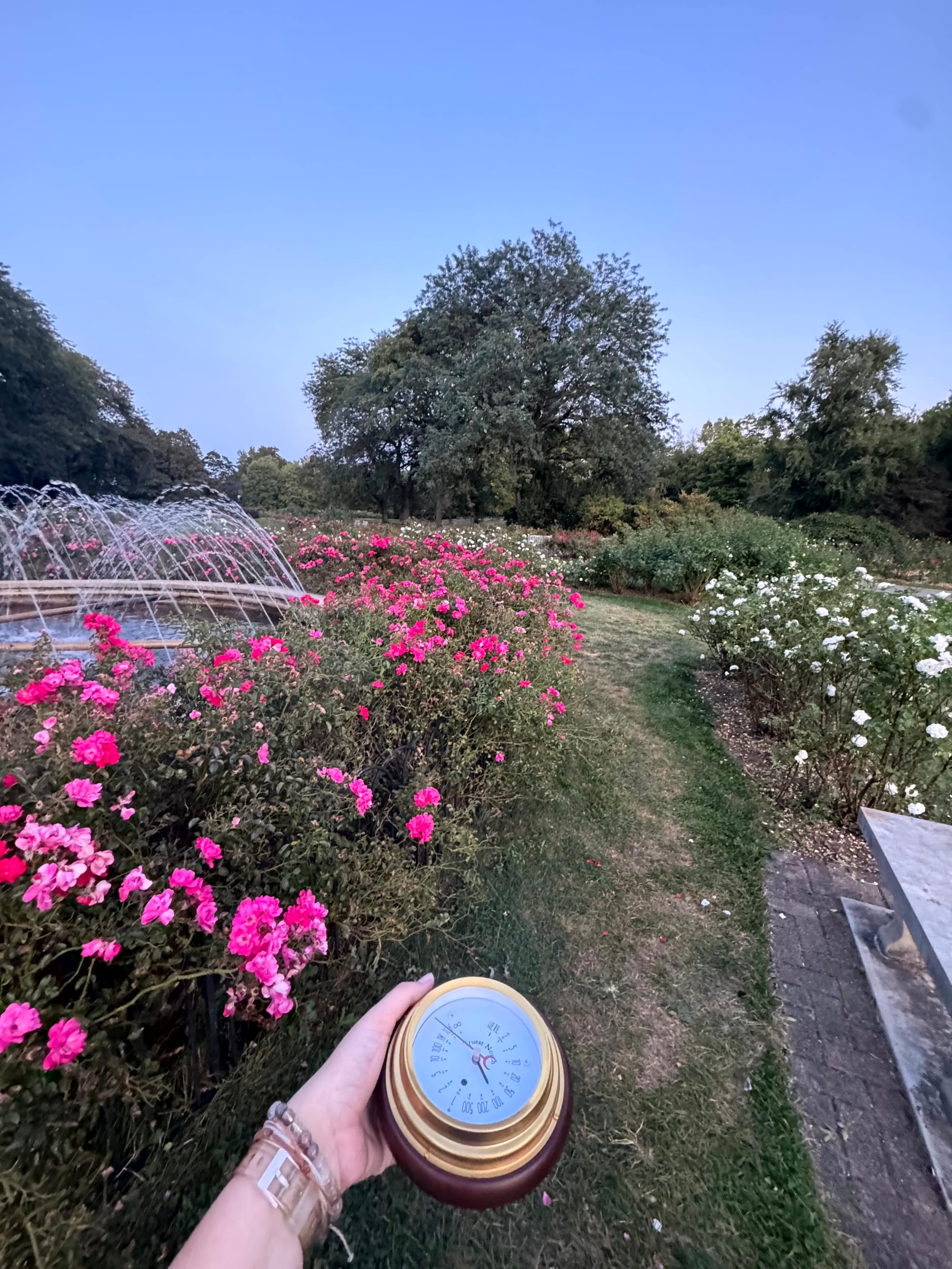
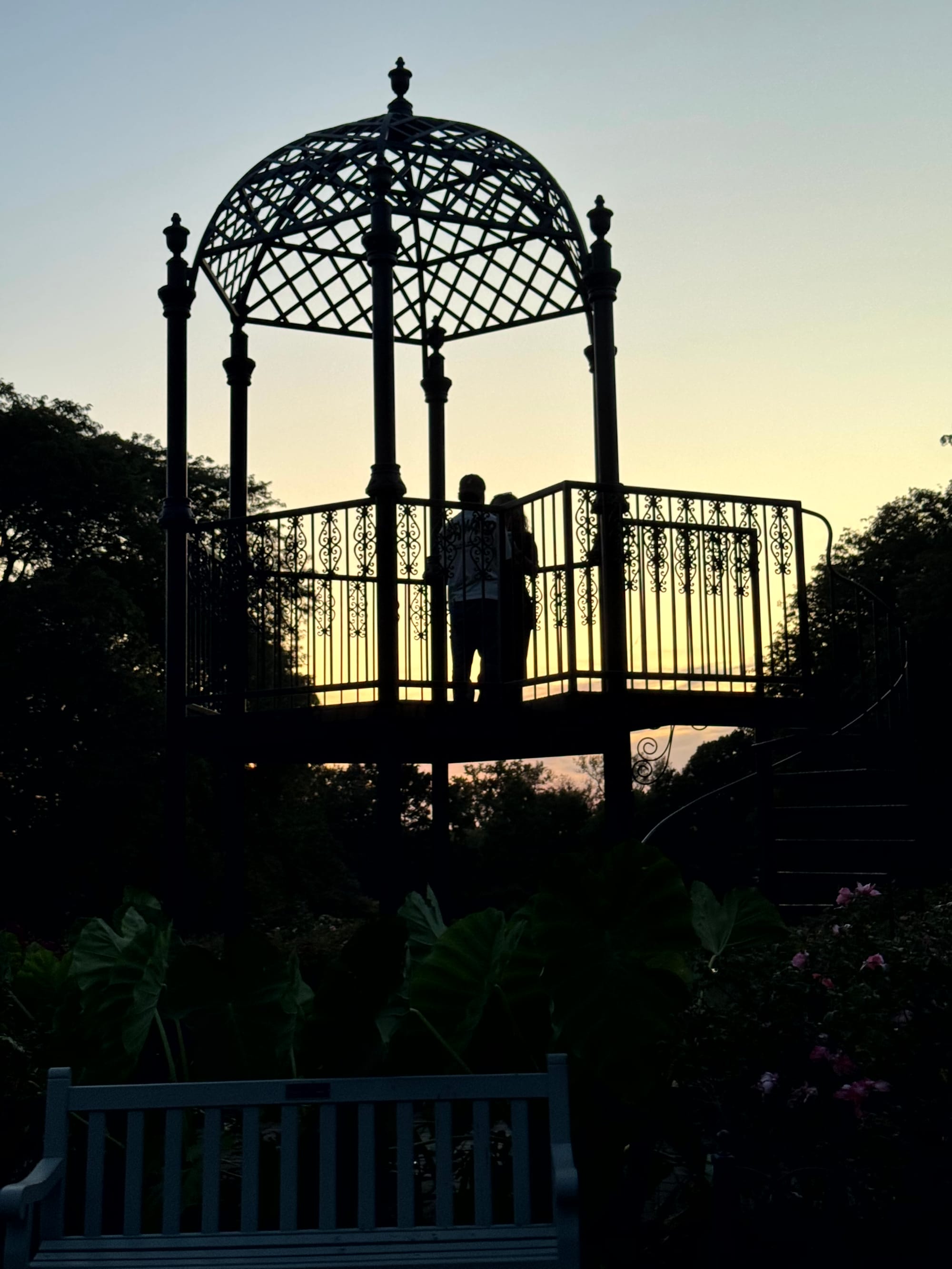
Quest to Columbus Park of Roses
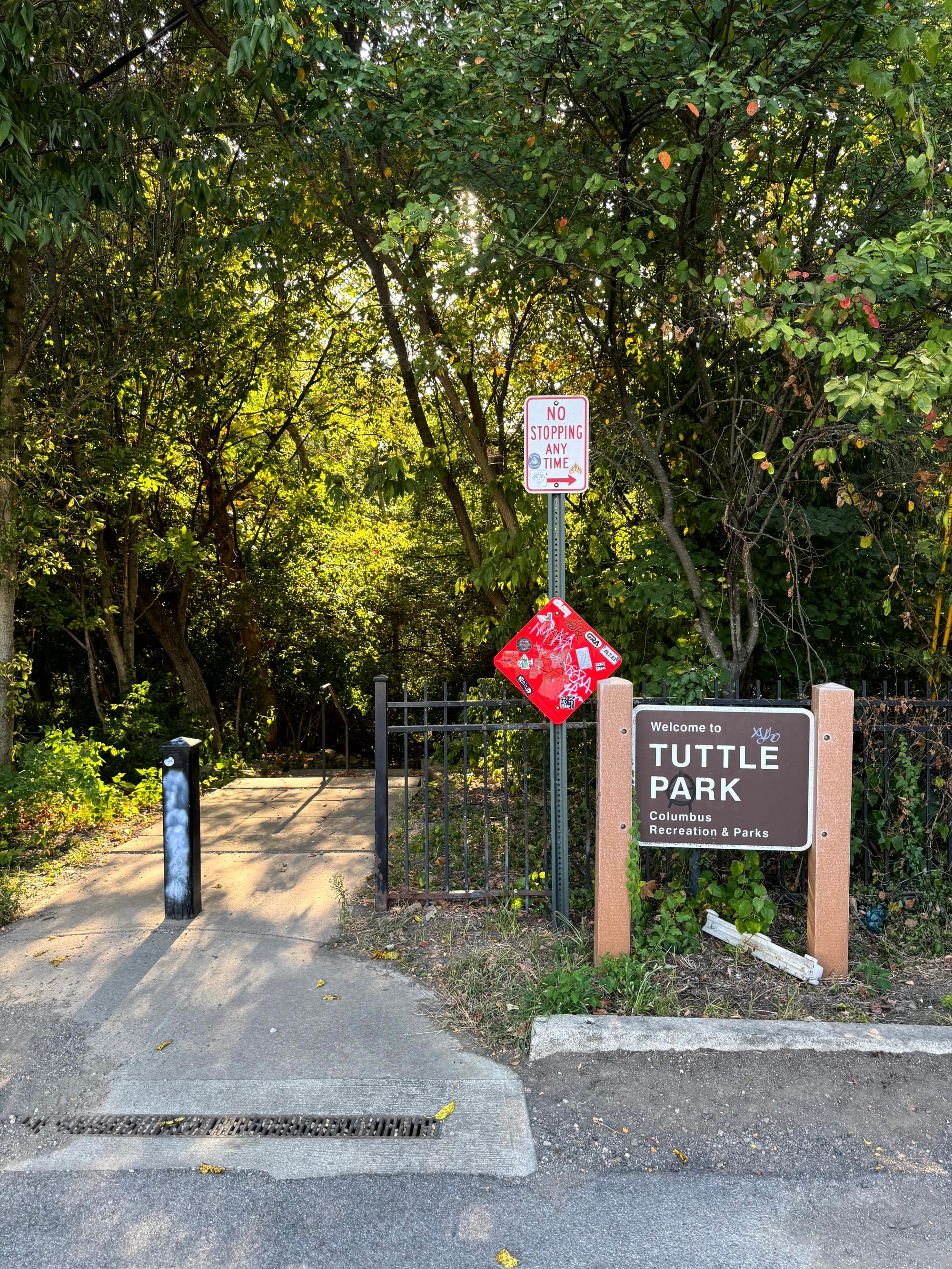
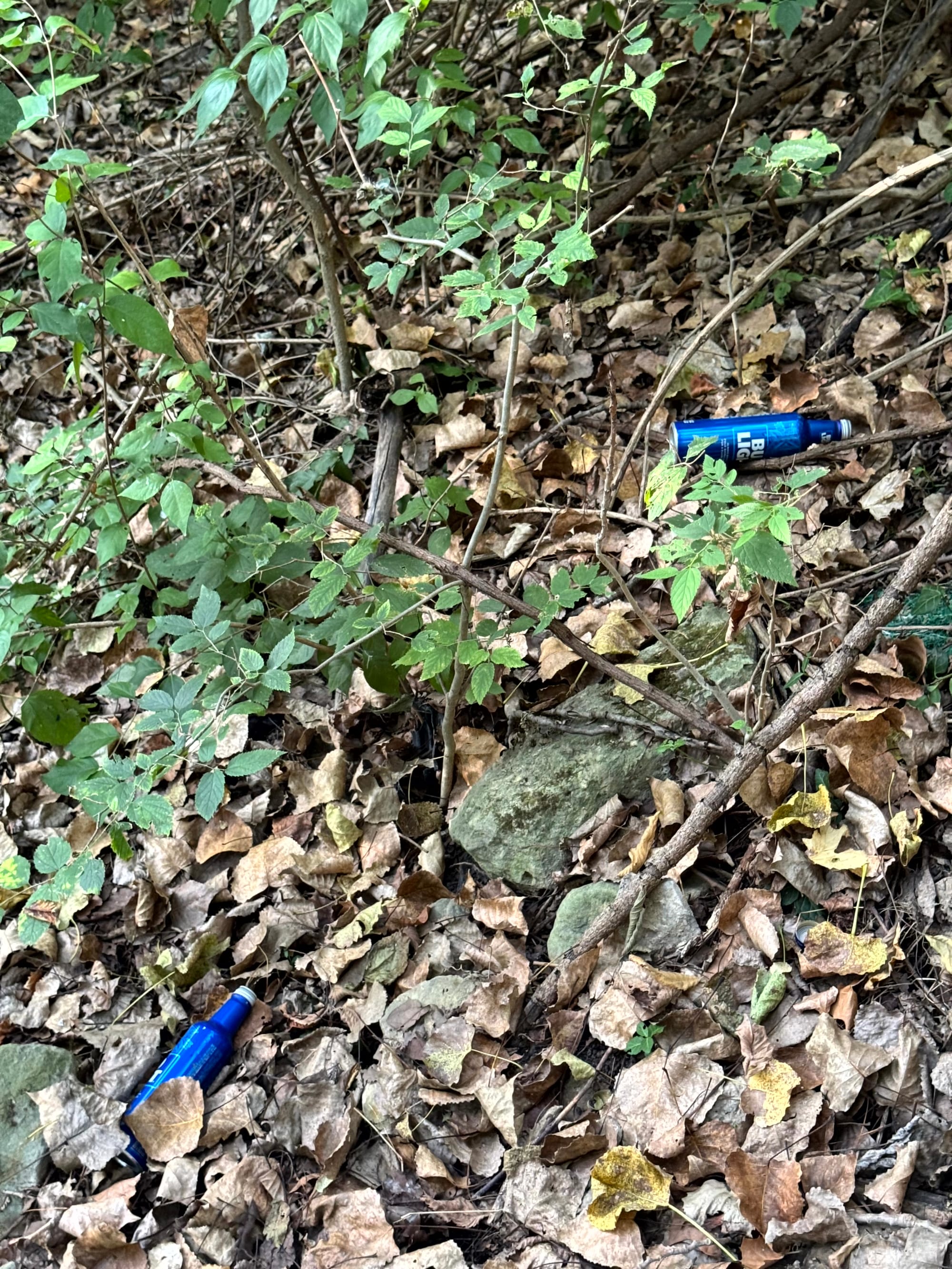
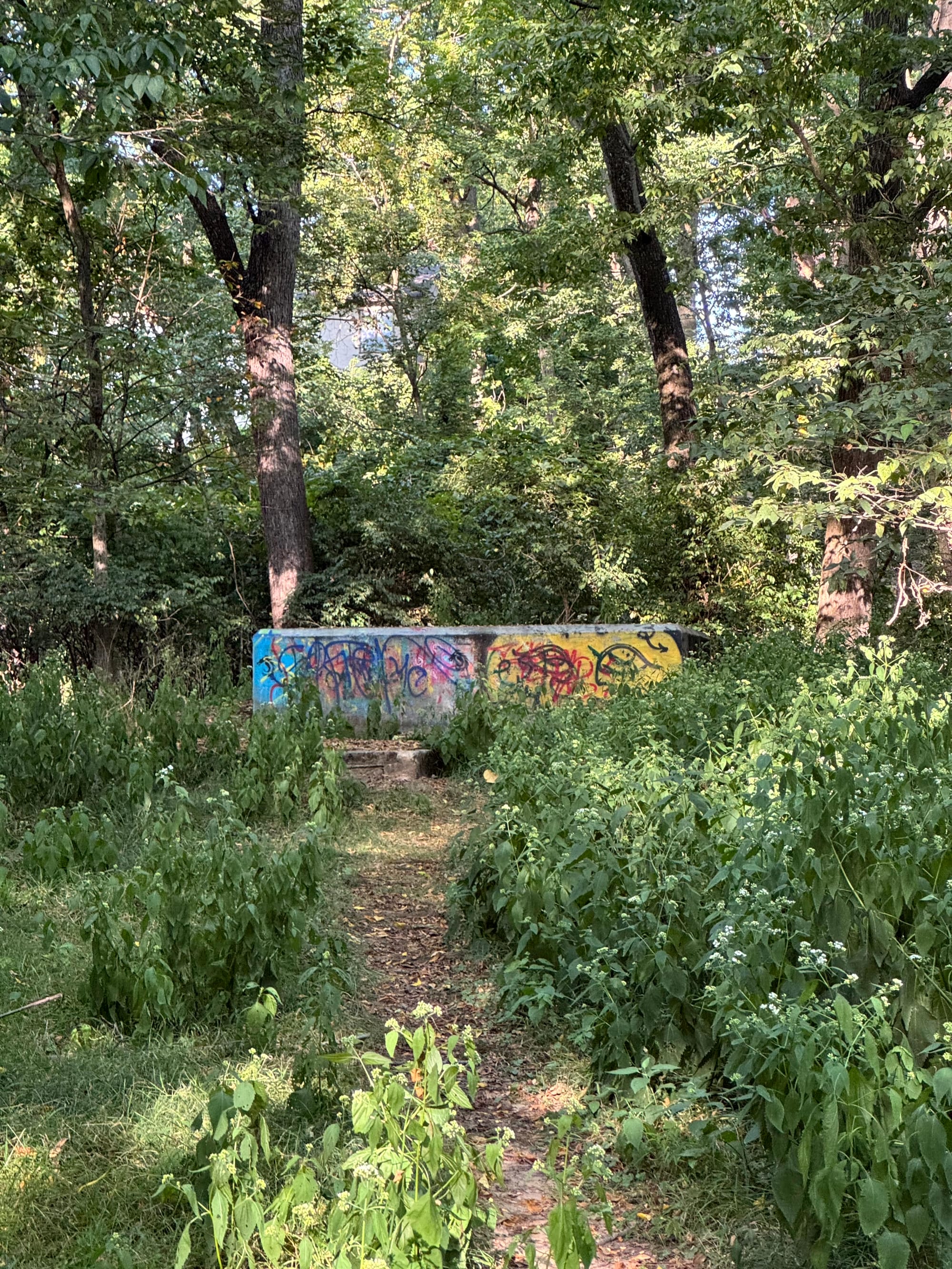
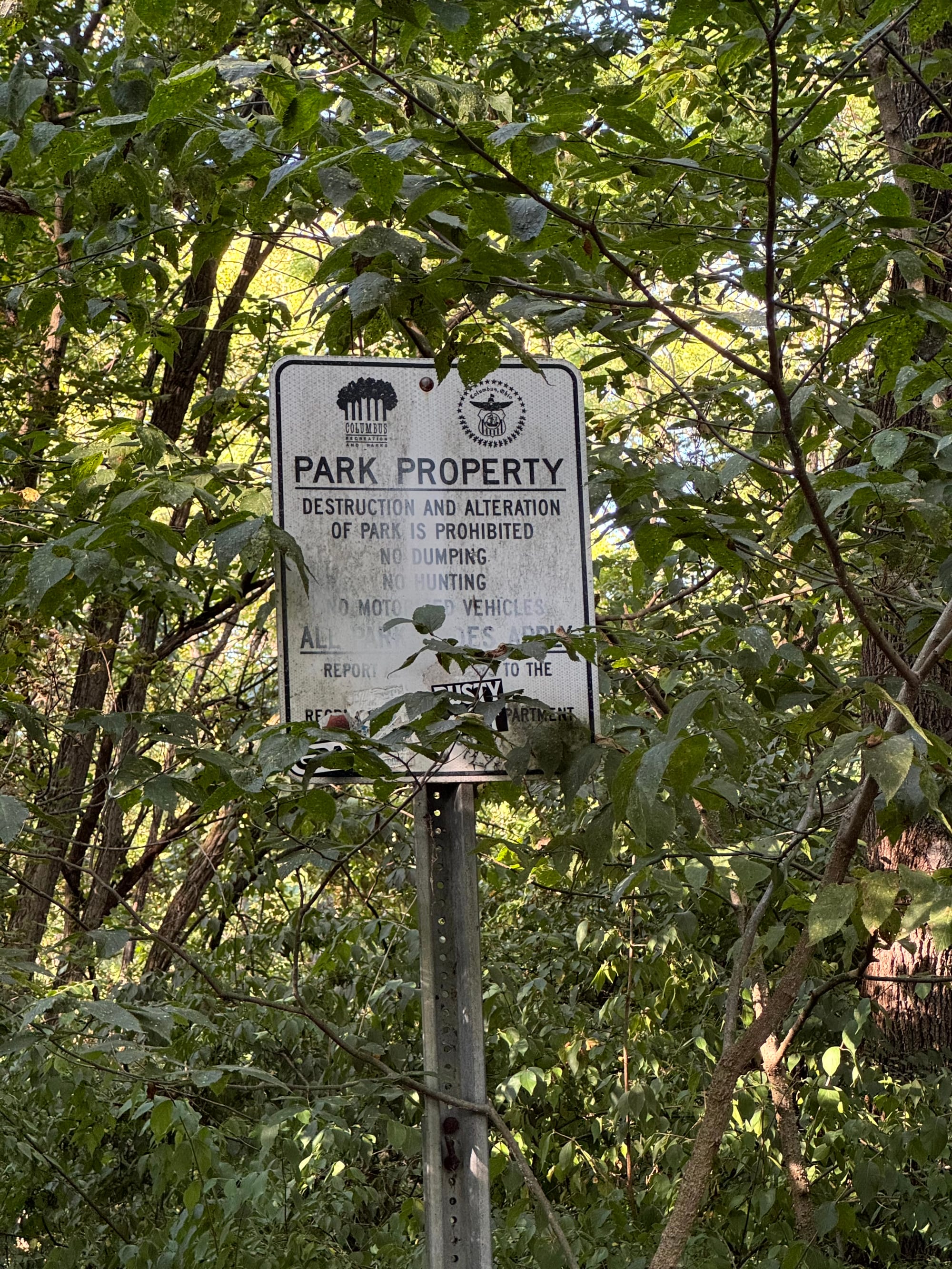
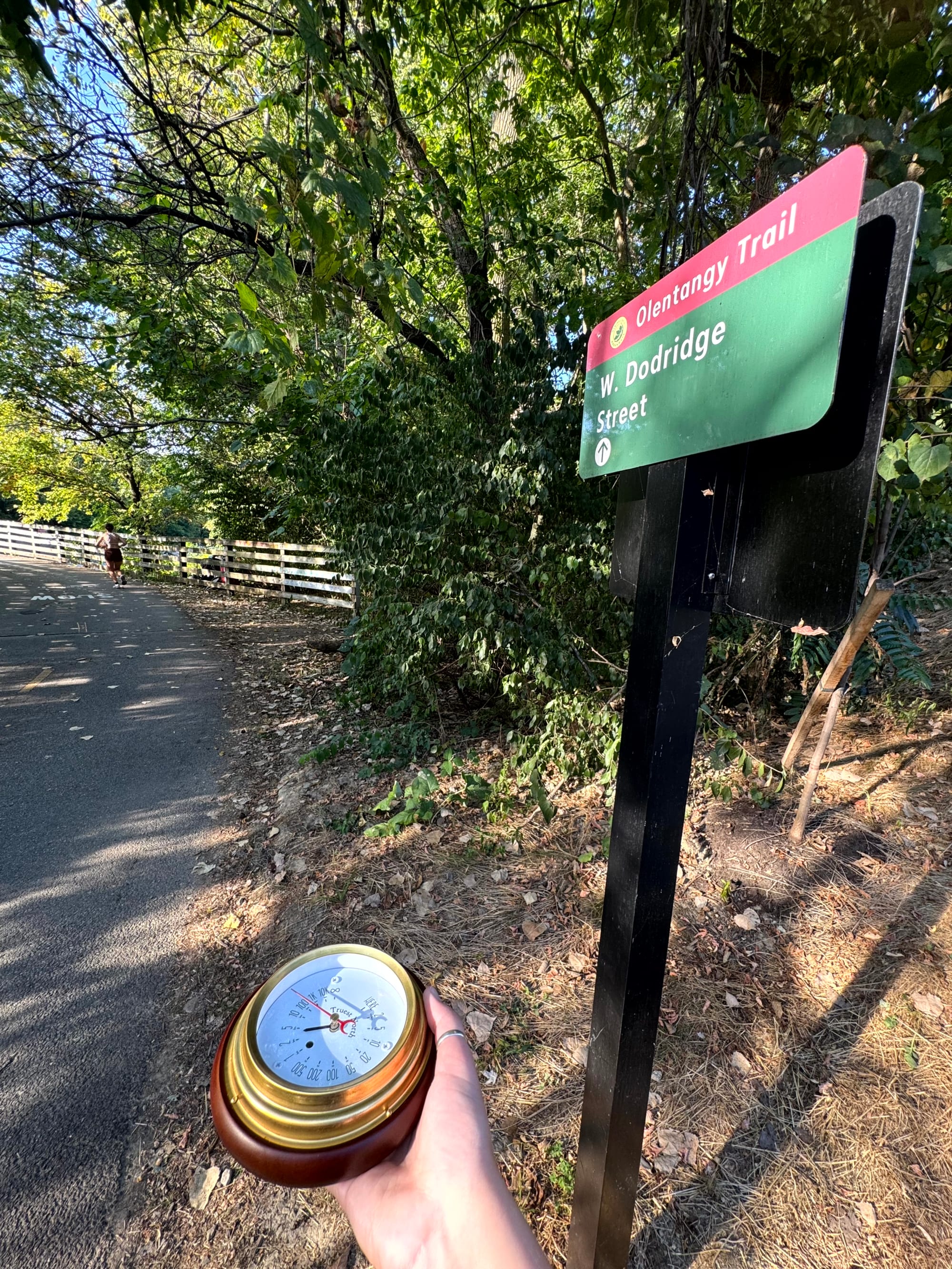
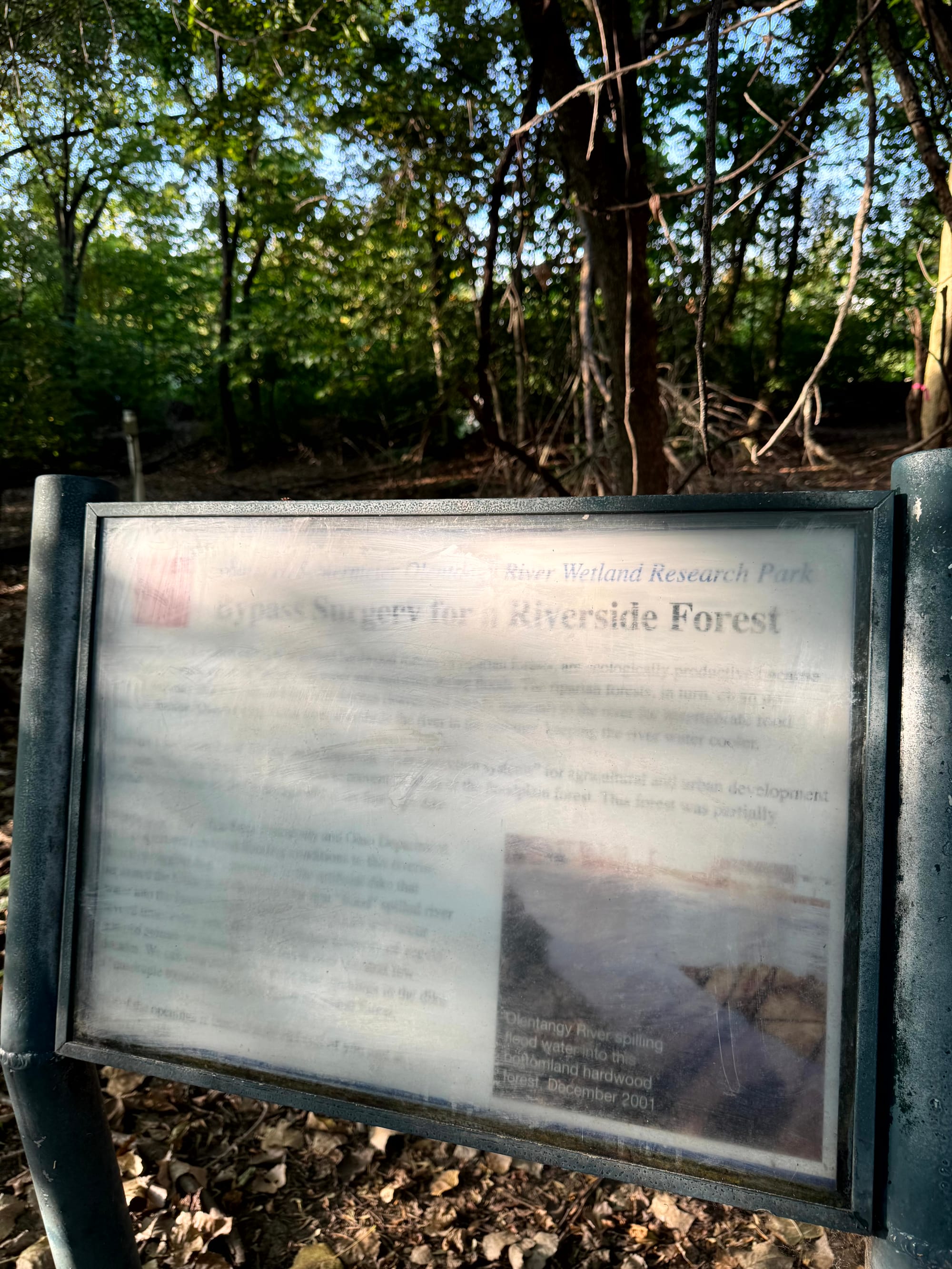
A Chat With: Resident & Employee of Indian Lake State Park
Jade is a Forestry, Fisheries, and Wildlife major at The Ohio State University. She grew up around Indian Lake State Park with a family that often engages in outdoor activities like fishing and boating. She has been employed as a lifeguard at the Indian Lake State Park campground swimming pool. This conversation was originally recorded as audio and later transcribed for the purpose of this article.
- "Indian Lake is a touristy area, and there's lots of boat traffic."
- "The sandbar has lots of crowding, especially on hot days, which draws more pollution."
- People are often drinking, very much a "summertime hangout".
- "The lake is very weedy. We have dredges go through and clear out the weeds, like a wheel that goes through and picks them up."
- The dredge pipe sometimes pops us and boats have collided with it.
- "This creates hazards for boats and can cause damage to the boat that breaks pieces off, could cause fuel leaks, and other stuff that falls into the water from the impact."
- It's a big black circular tube that Jade compares to drainage pipes in fields and is wrapped around a big spool for storage.
Q: have you noticed anyone doing something stupid that you know they should not be doing?
- Indian Lake has a bunch of bars around, Jade lives by a bar.
- "Drinking and driving boats happens a lot."
- "Boats can drive up to bars from the lake and be served. People jump off the boats into no-wake channels where boats are constantly passing. It's dangerous, people are doing this intoxicated and the water is murky, making visibility low."
- Observed an intoxicated man start his boat in a very shallow area, which kicked up mud, plants, and sand from the bottom and sprayed it everywhere.
Q: Do you know if the park has a lot of trash and/or recycling bins around?
- "I haven't seen recycling bins, but there are dumpsters around, quite a few spread around the campgrounds."
- "There's lots of kayaking and canoeing on the lake, and lots of people take alcohol with them."
- Witnessed a woman flip over in her kayak, causing a bunch of empty beer cans to fall into the water. The woman let them float away, neglecting to try and collect the cans.
- "The park added a wetland this past year, but I'm not exactly sure why. There are multiple wetlands now, and they're all relatively new."
- "Indian Lake is a man-made lake. This could be a reason for the number of weeds?"
Q: Do you do any hiking/walking on trails? Notice any hazards?
- In her experience, most of the trails are pretty basic and flat, "It's basically a brisk walk."
- Suggests adding more signs at the trailheads about hazardous areas along the route, descriptions about the terrain/conditions.
[At this point in the conversation, Jade and I discuss our outdoor experiences centered around an appreciation for nature and how that might be implemented into our state parks.]
- Signs explaining the ecosystem, information on the plants and wildlife makes the hike more interesting and engaging for Jade, especially for her two younger brothers.
- How could we remind people that there's wildlife that lives in our parks and encourage them to be more mindful of this fact? It's not just a playground for humans.
- Appreciating that Ohio has native plants and special ecosystems based on what we have learned. How can we educate people to encourage similar thinking?
- Jade is interested in working with park naturalists or possibly becoming one in her future career.
- Shadowed a wildlife officer at Indian Lake, collecting heads of deer killed in automotive accidents to test for diseases impacting the population.
- Observed homeless people camping out in public parks at Indian Lake and at Tuttle Park in Columbus, points out that they are bringing in pollution as well as park visitors and recreationists.
Site Visit: Mohican State Park
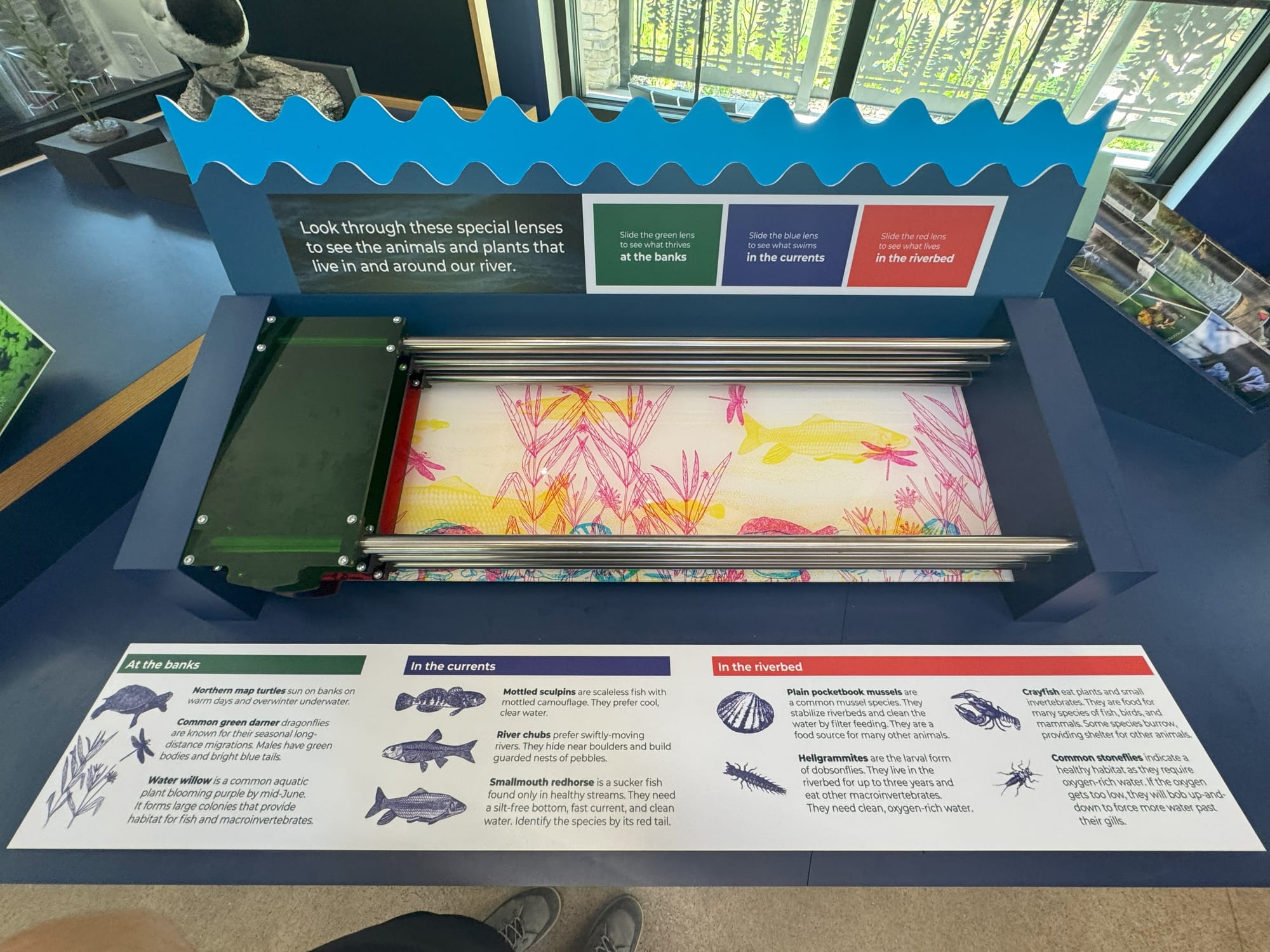
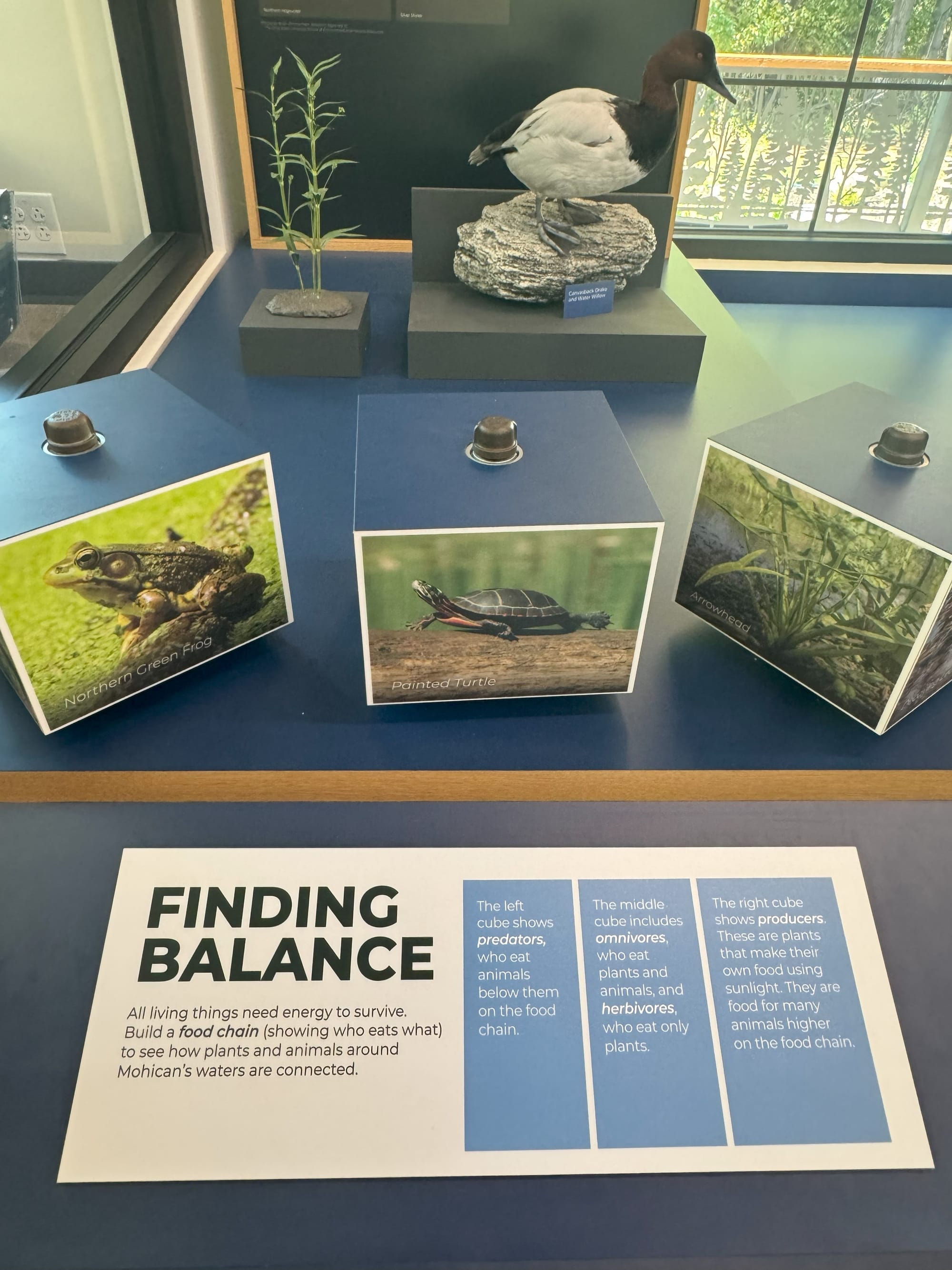
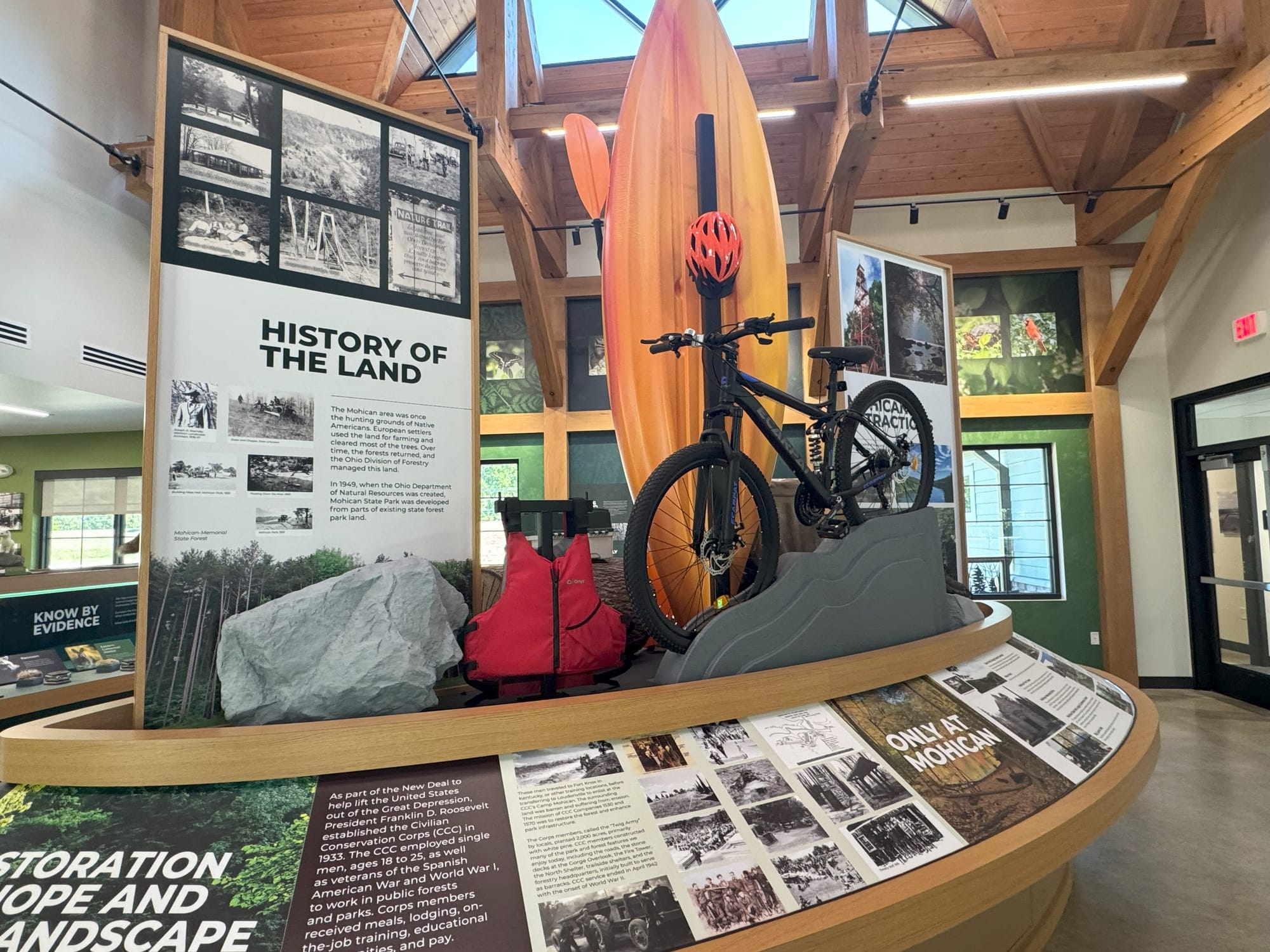
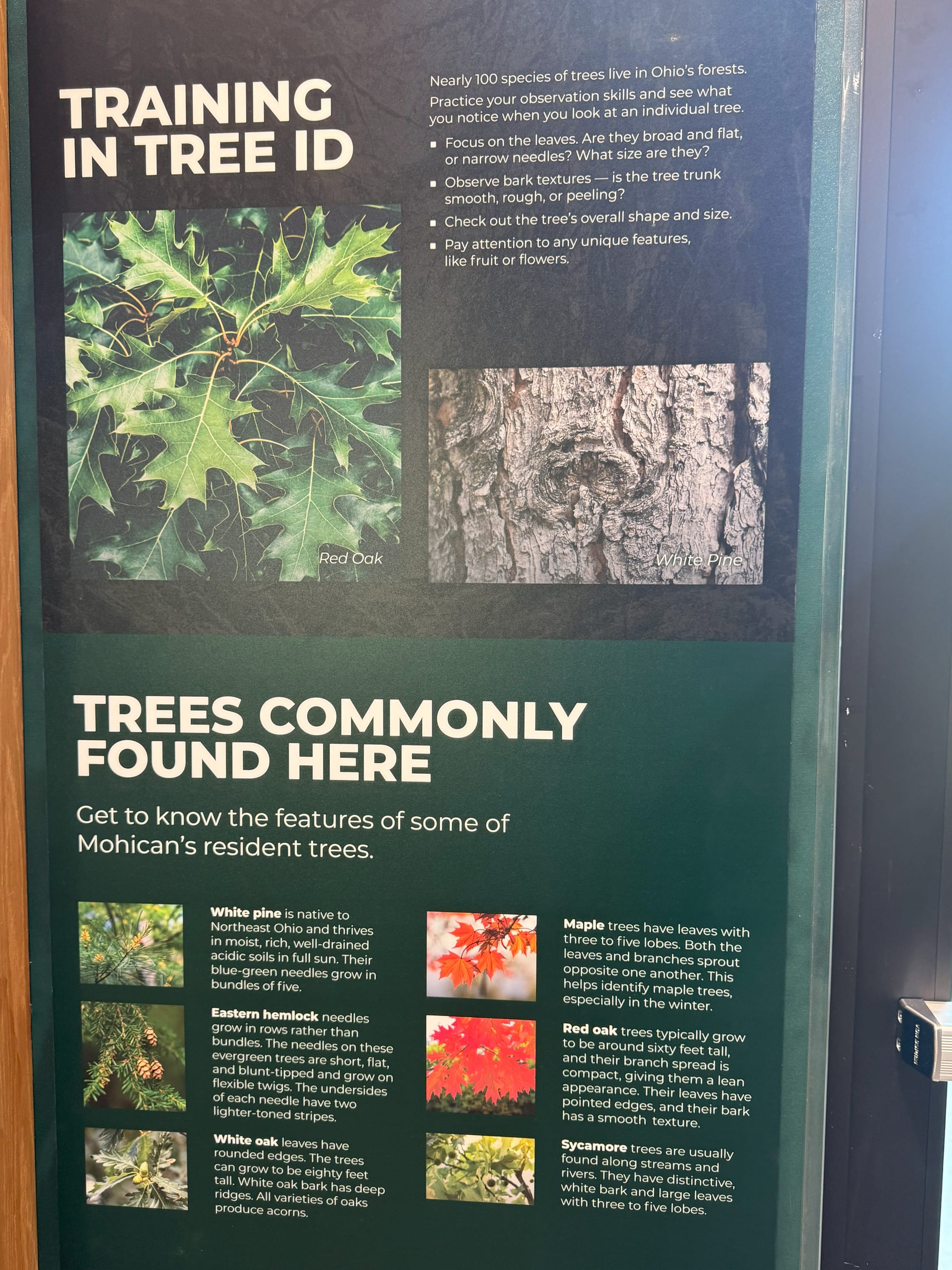
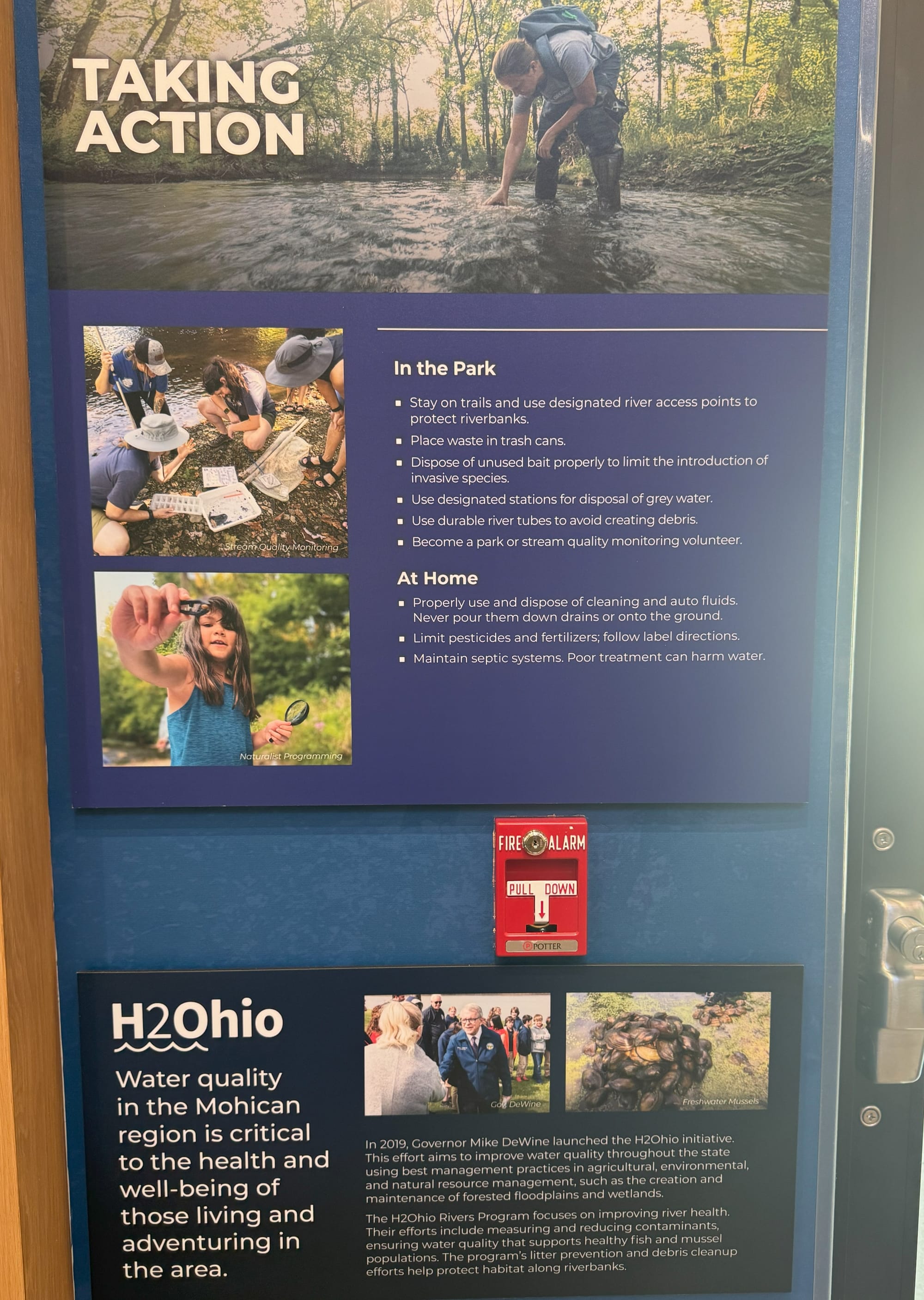
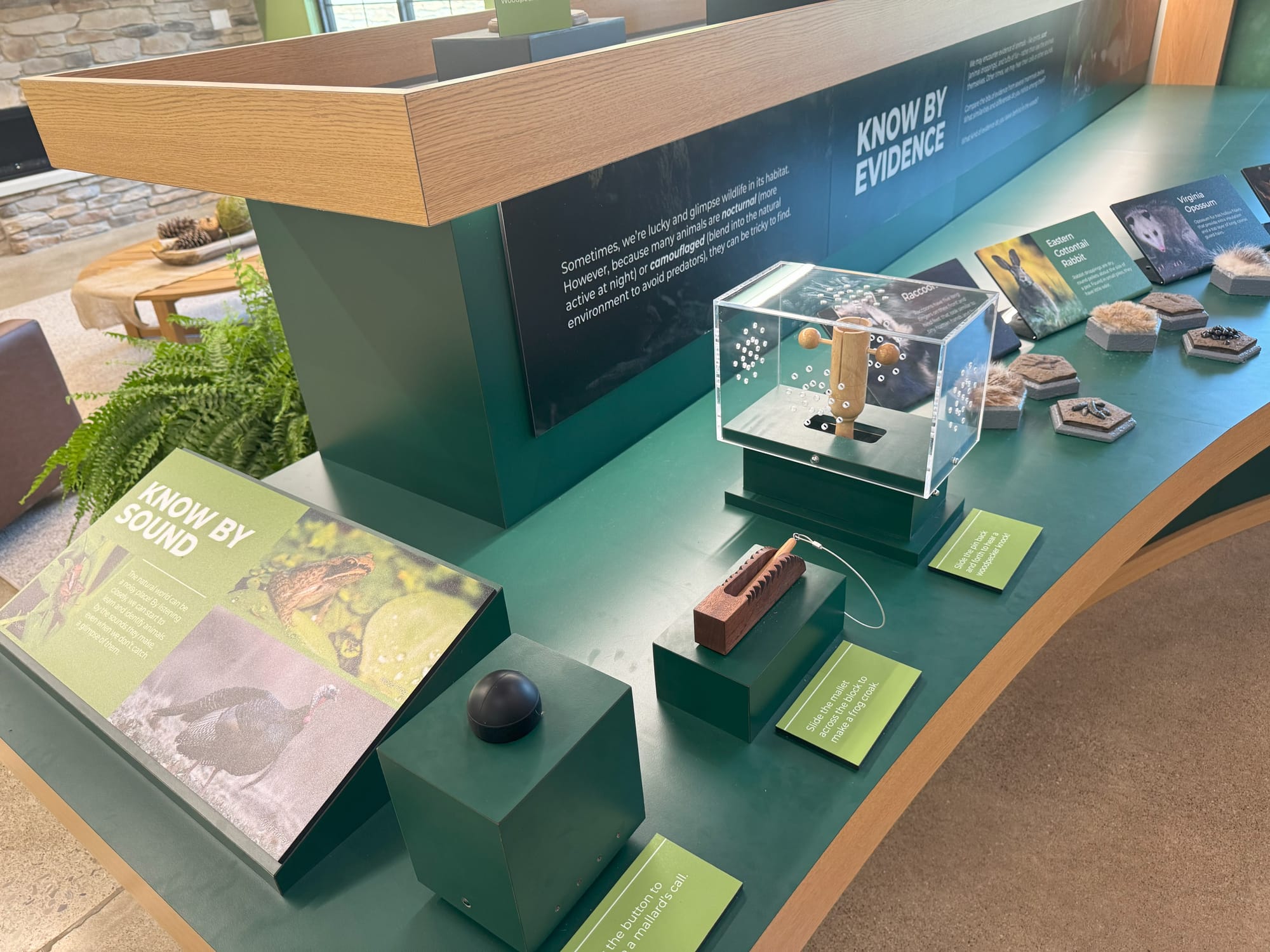
Visitor Center
A Chat With: Campground Employee of Mohican State Park
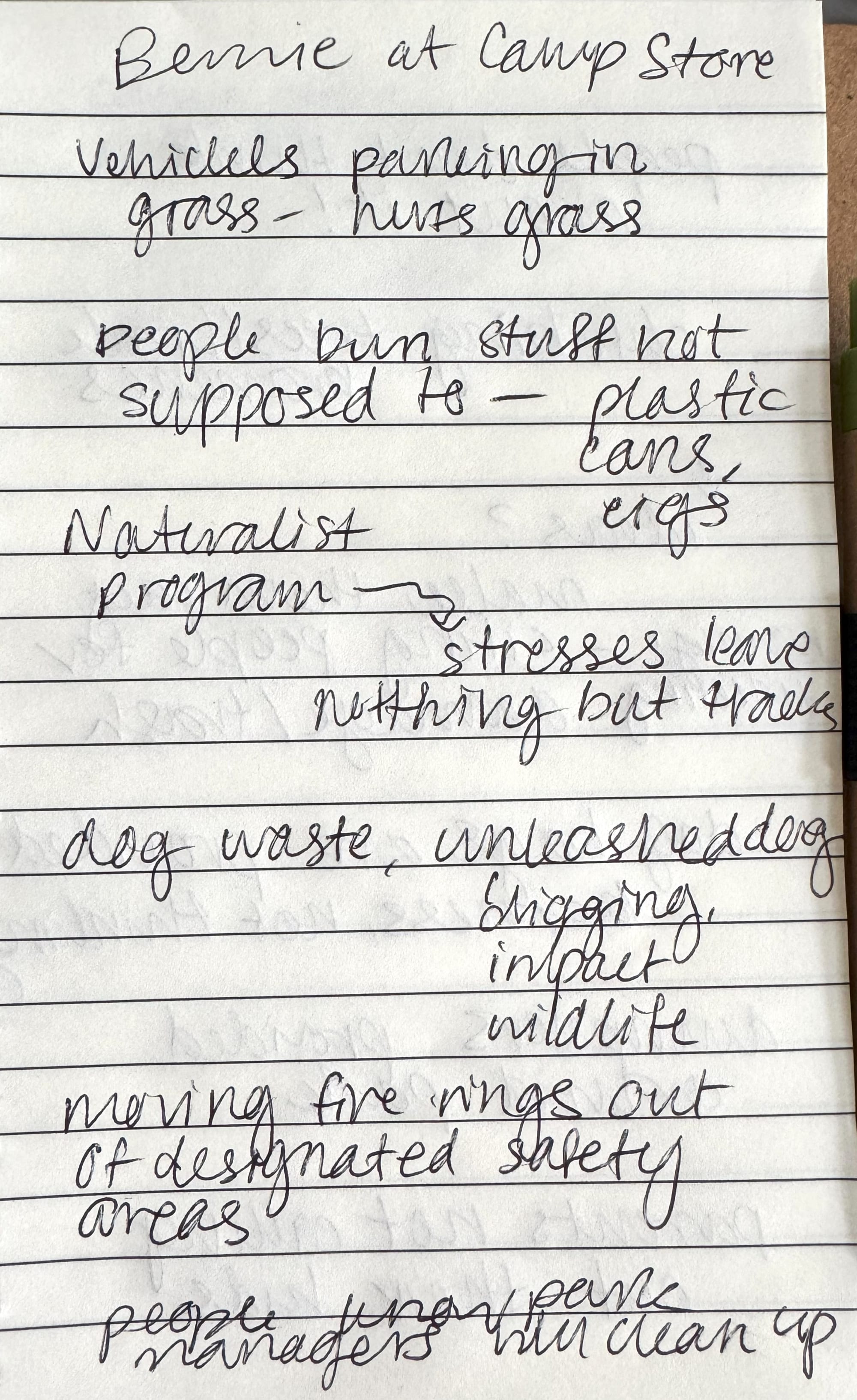
Q: As an employee of the Mohican campground, what have you observed park visitors doing that is detrimental to the environment, or something they should not be doing for safety reasons, or otherwise?
Site Visit: Dallas Lake, Sylvan Lake
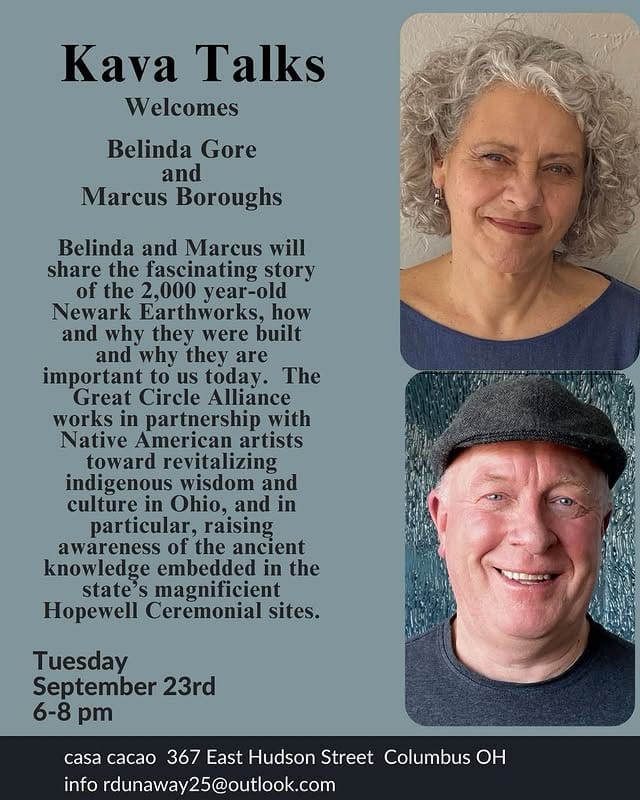
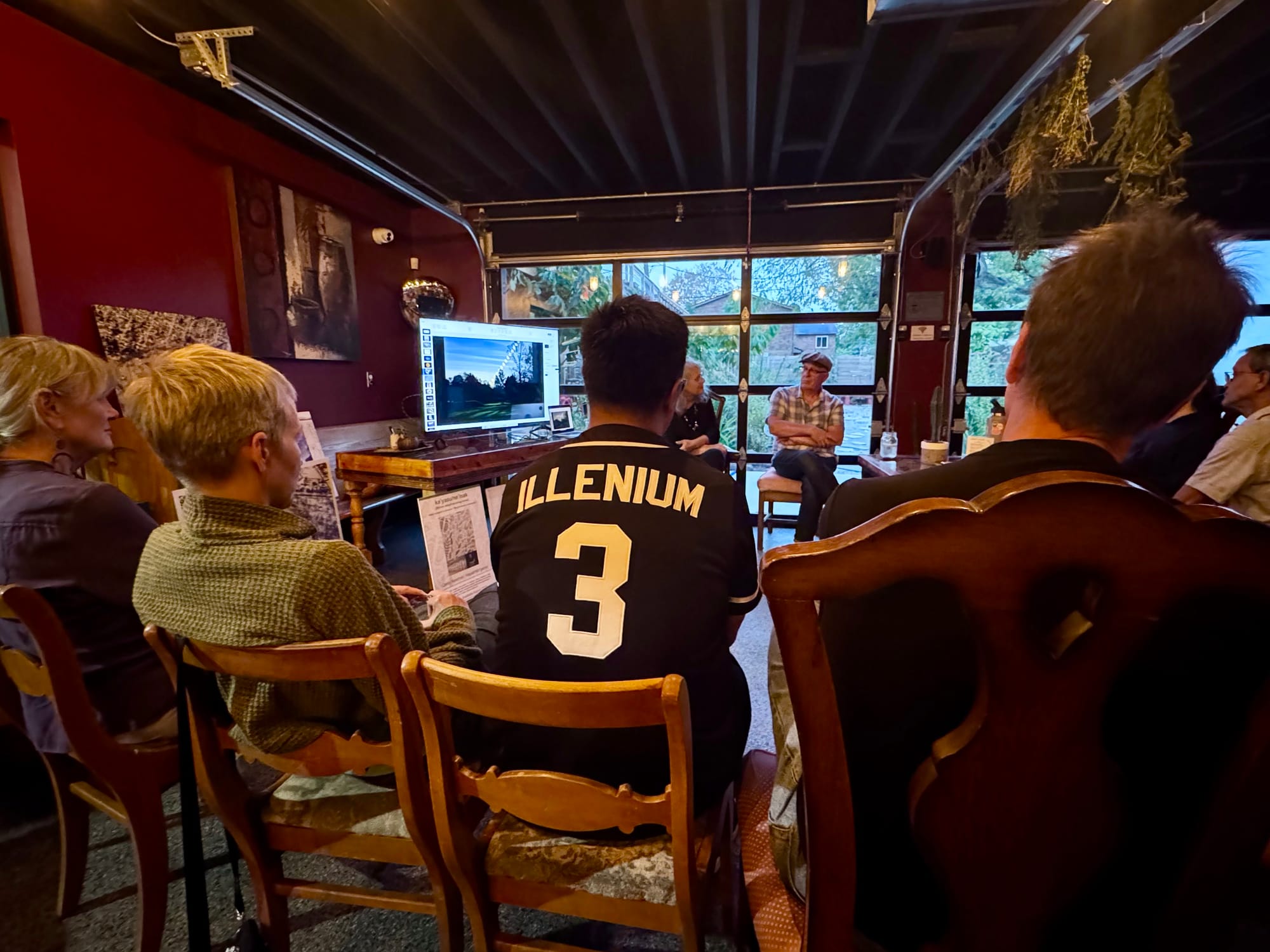
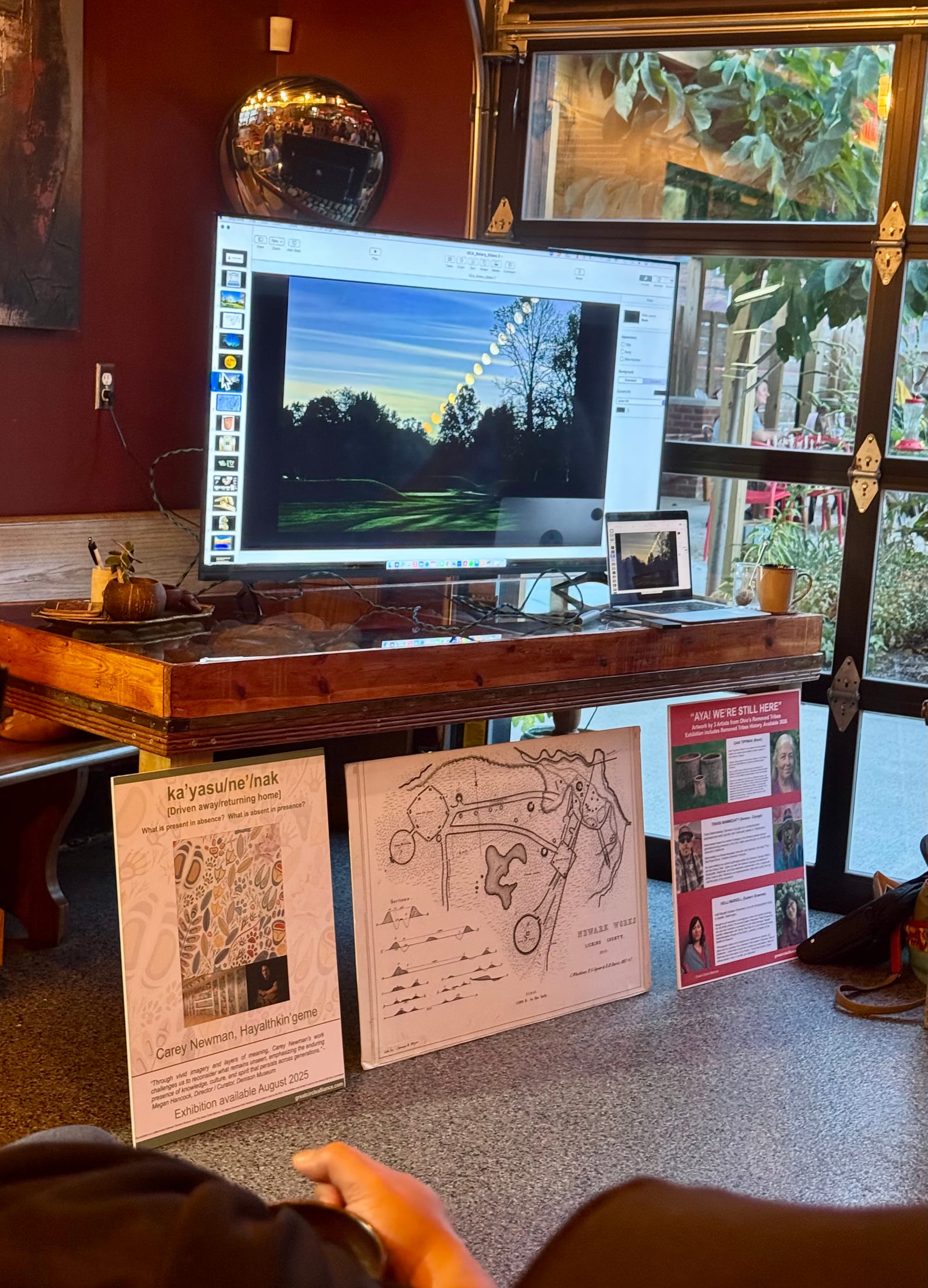
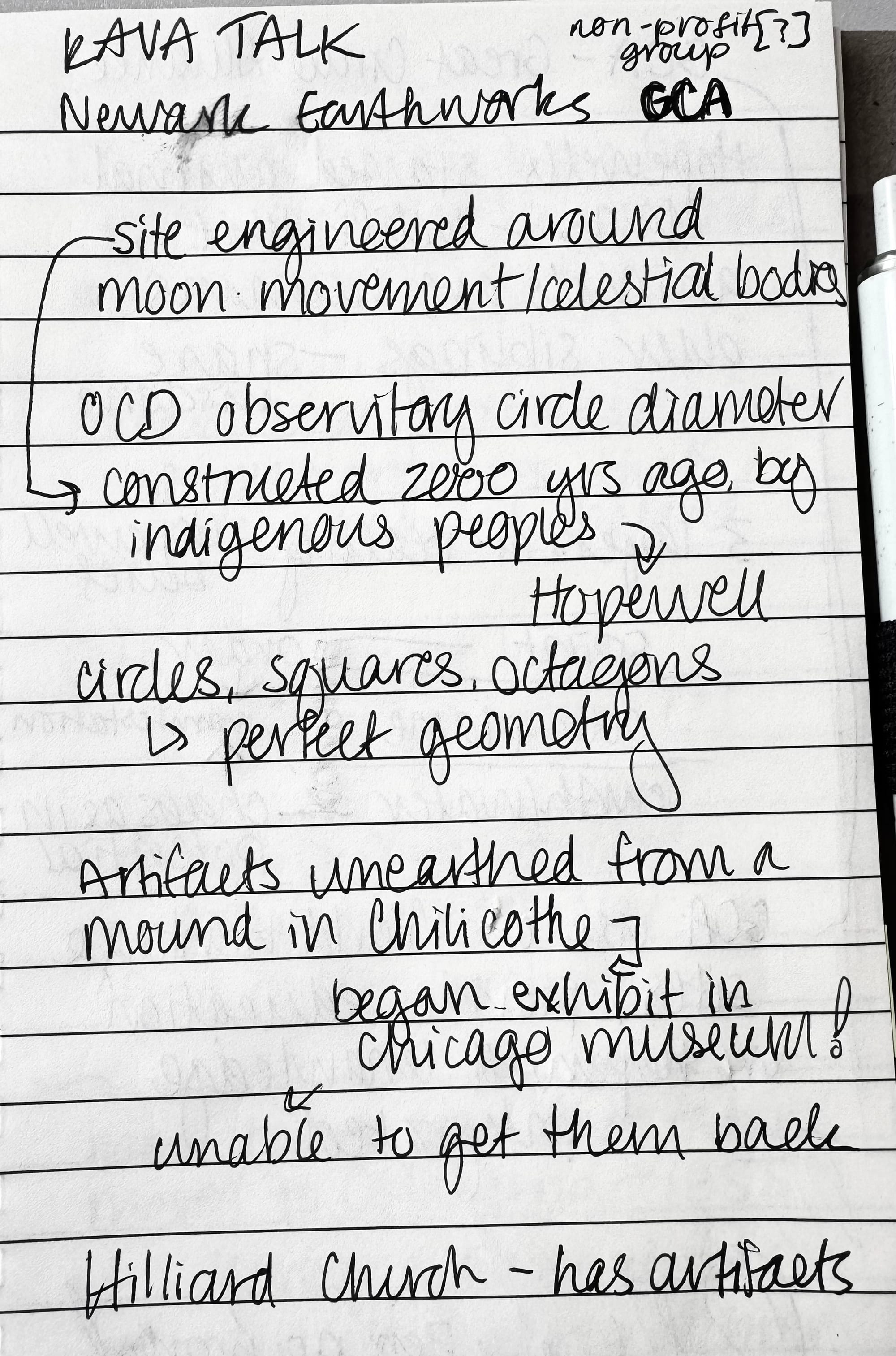
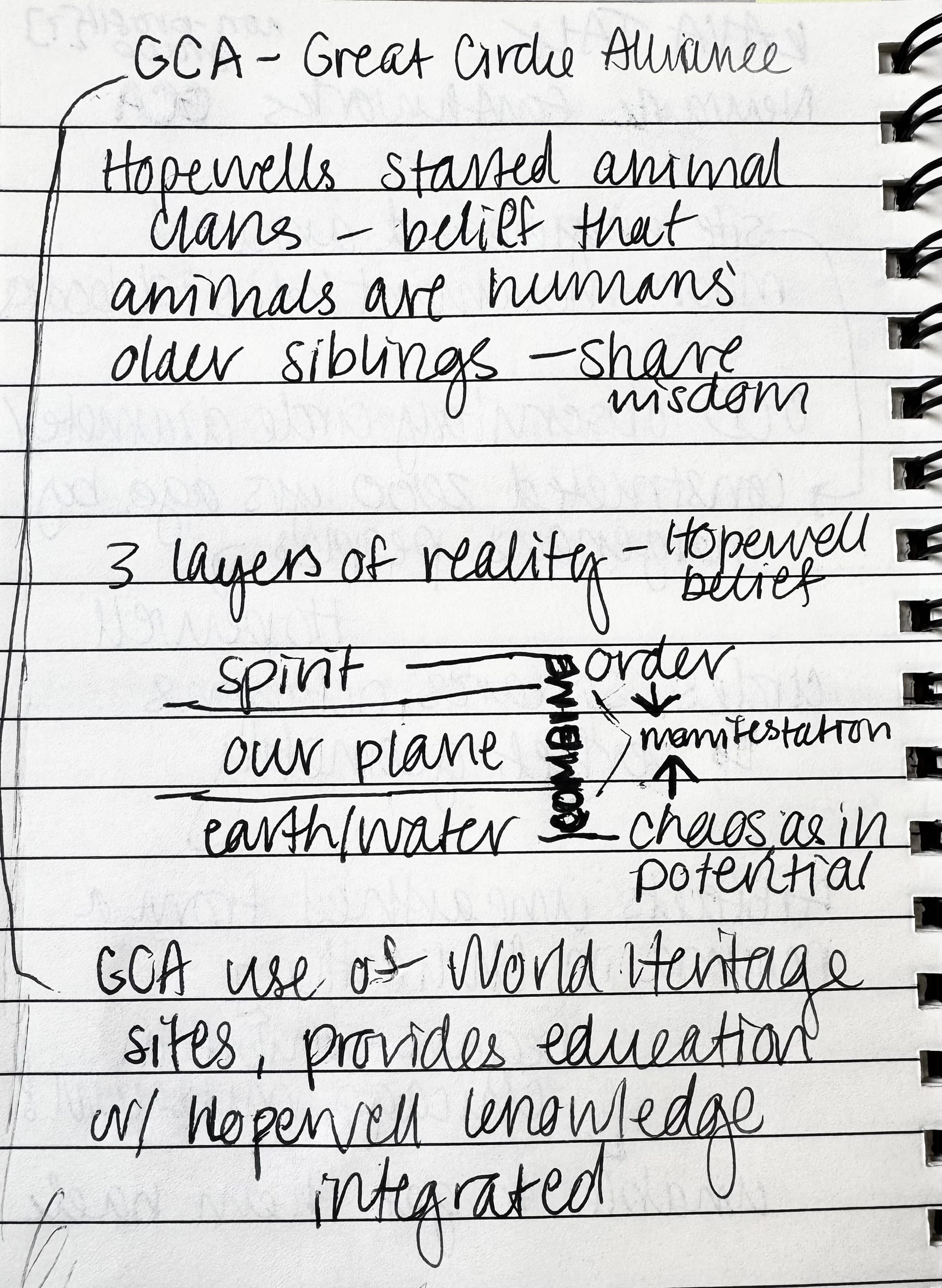
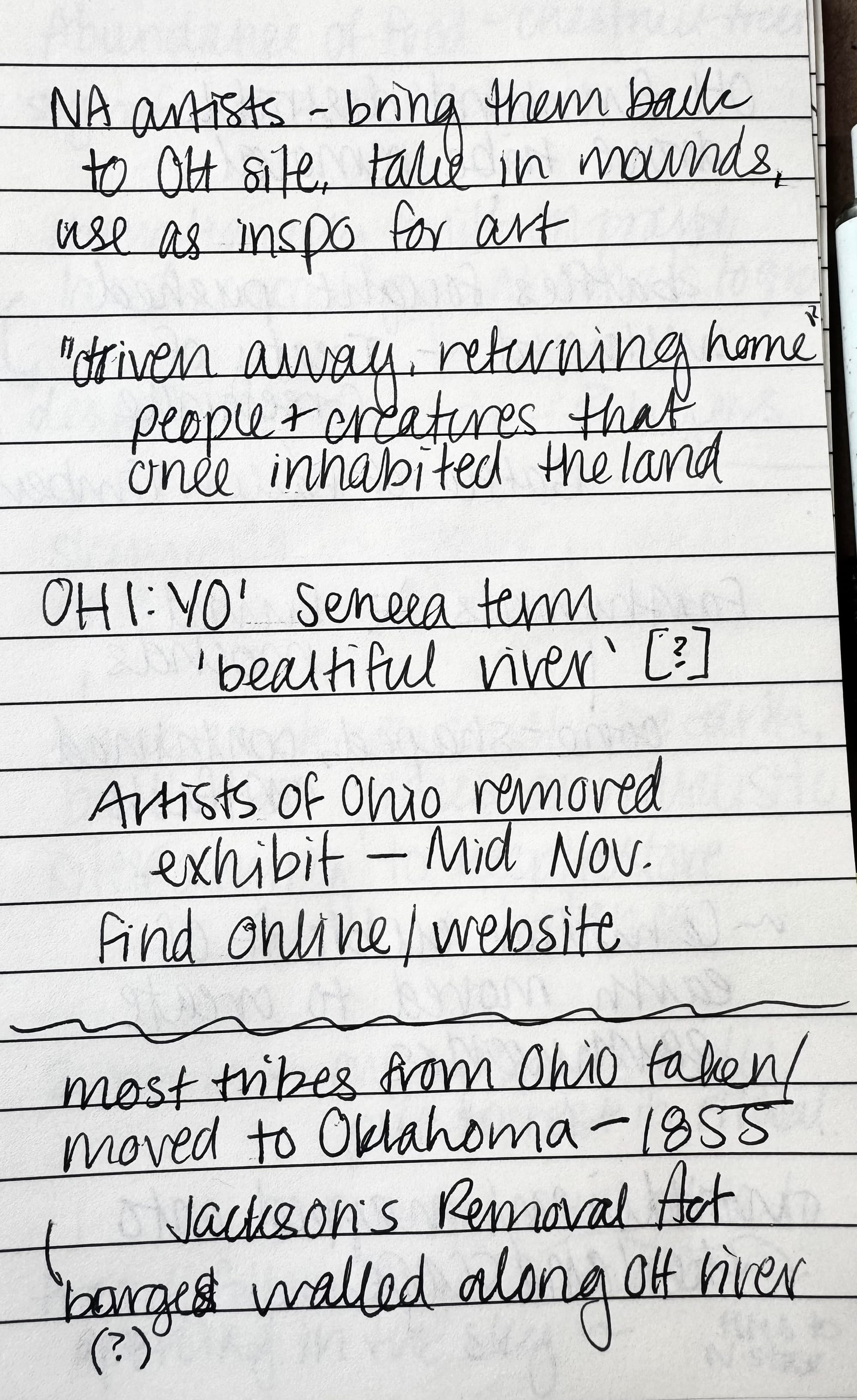
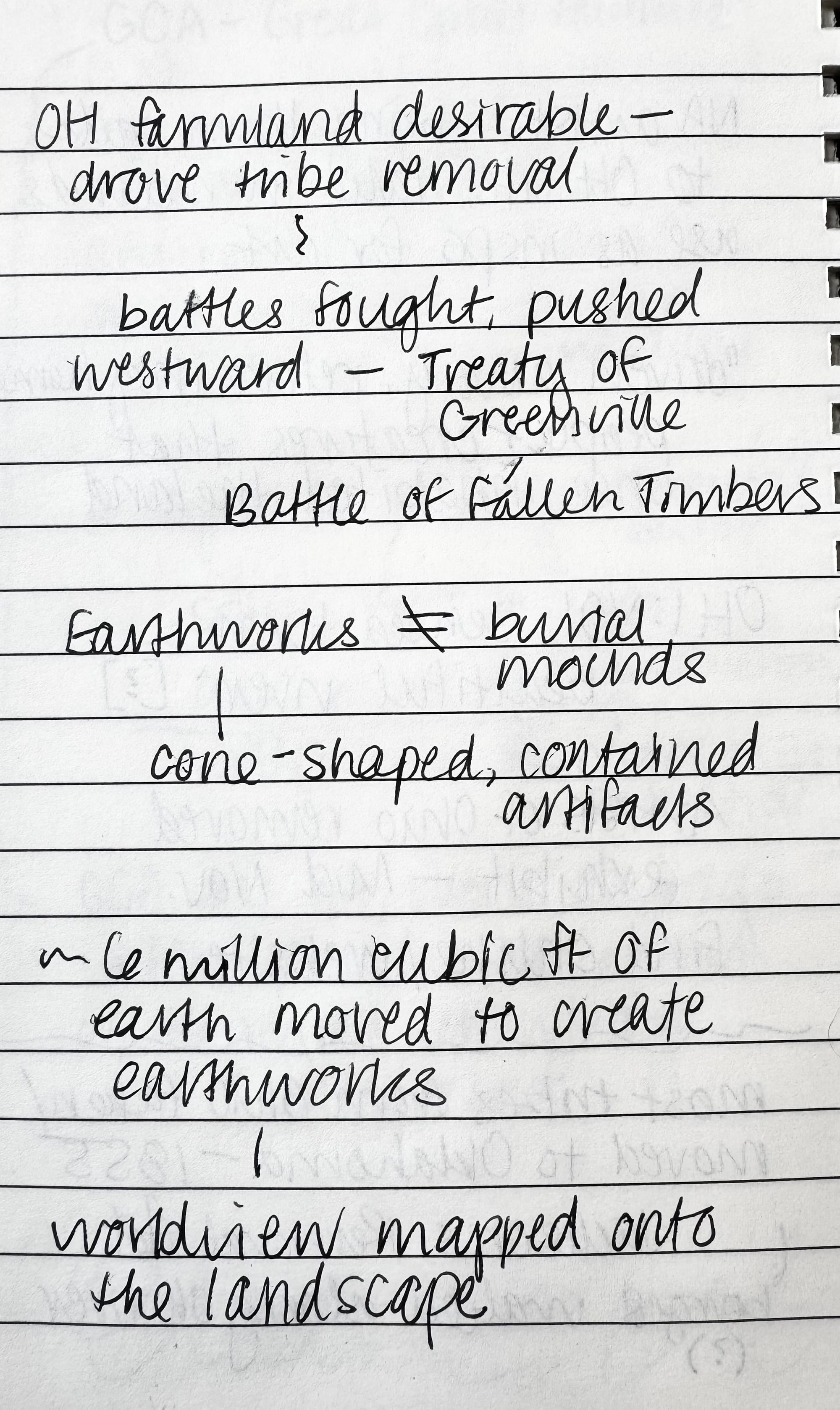
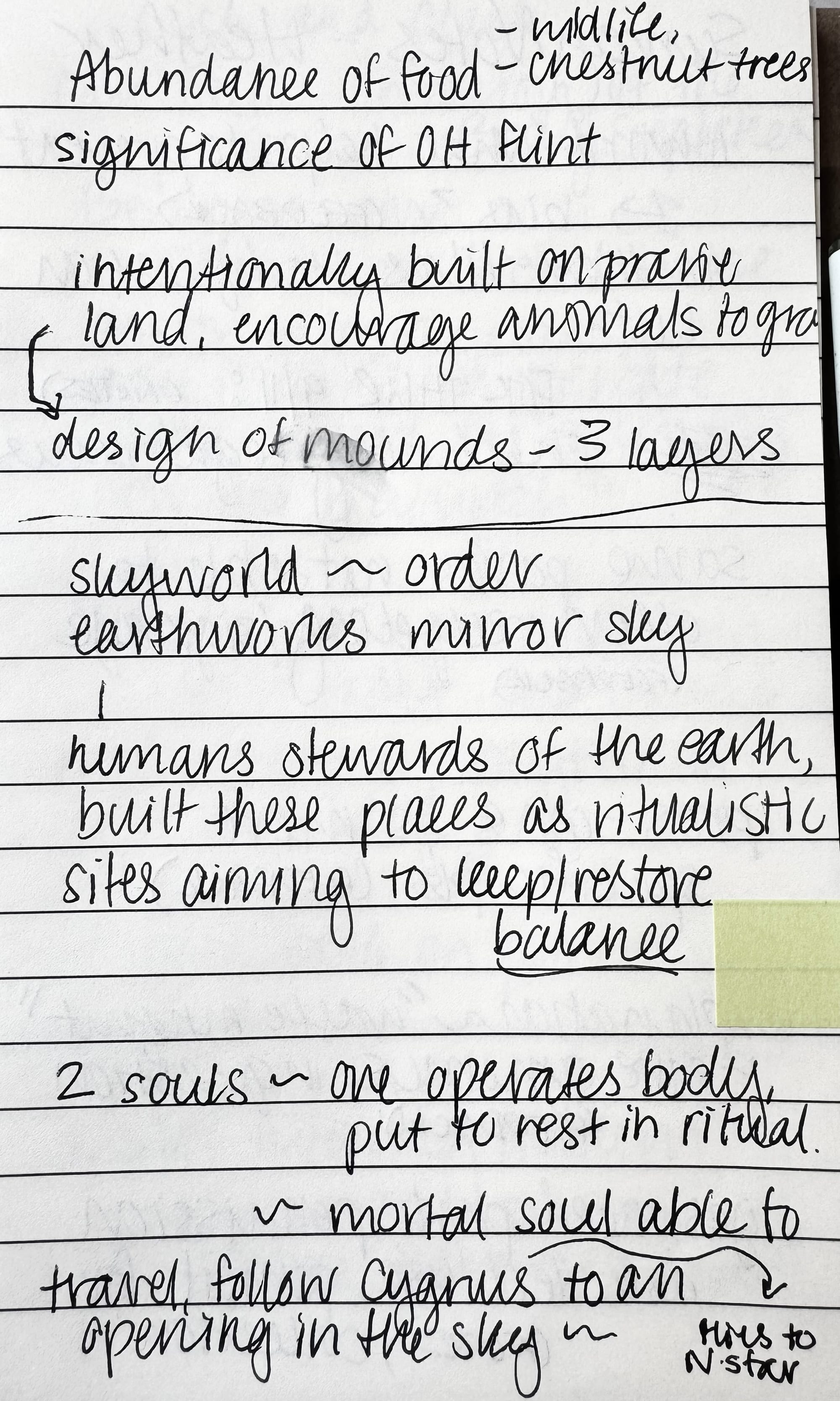
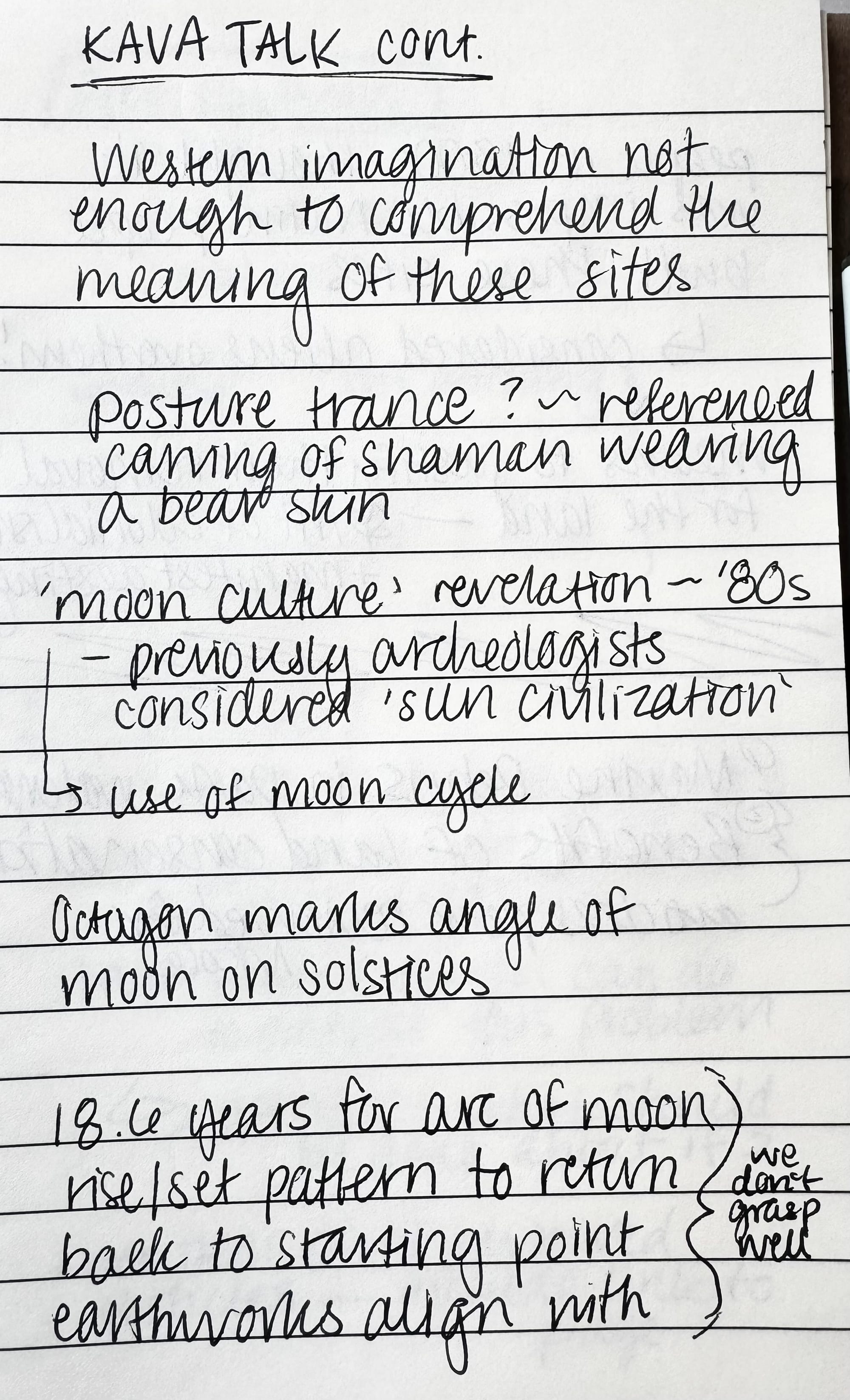
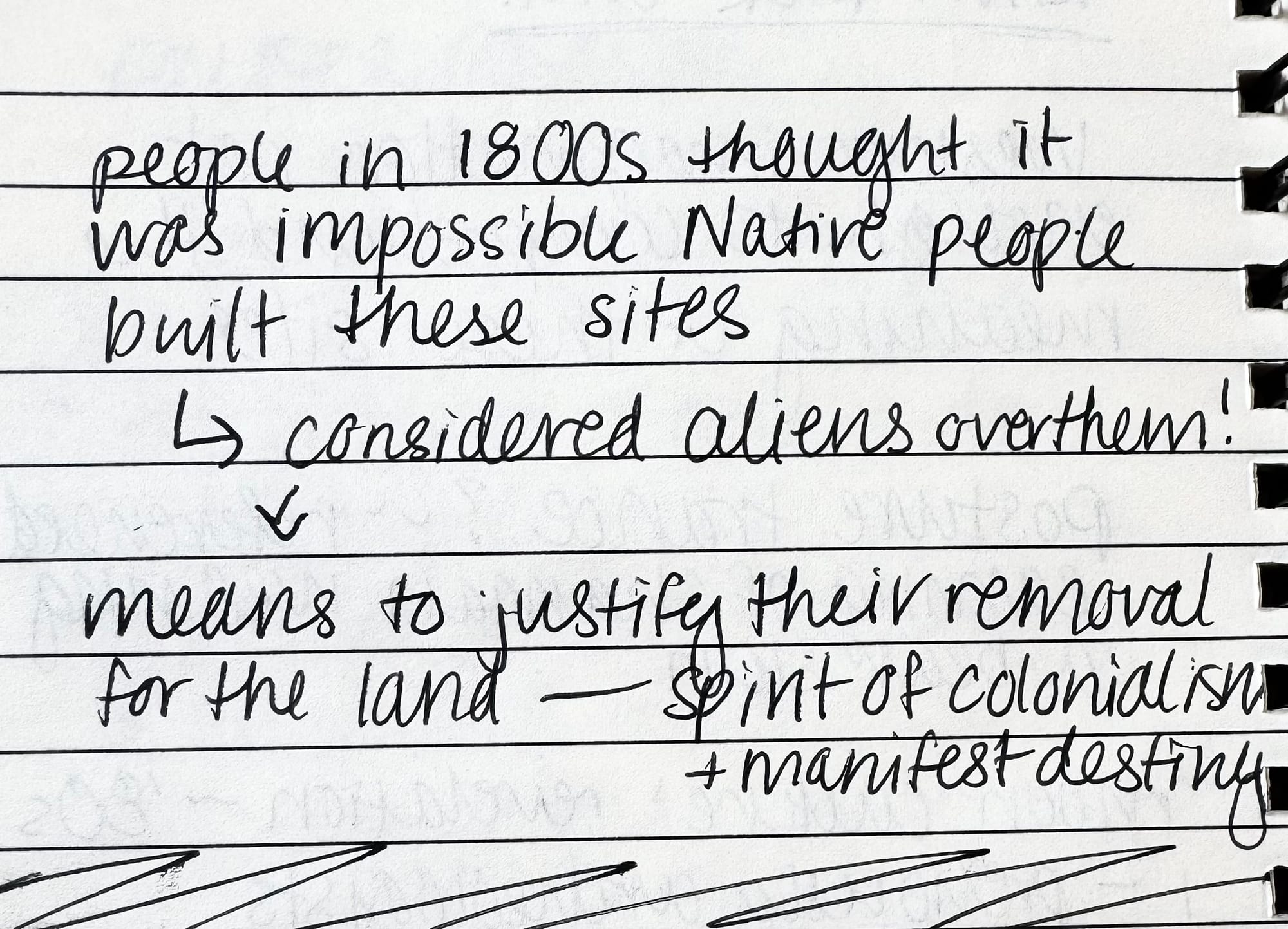
Event: Kava Talk, Newark Earthworks
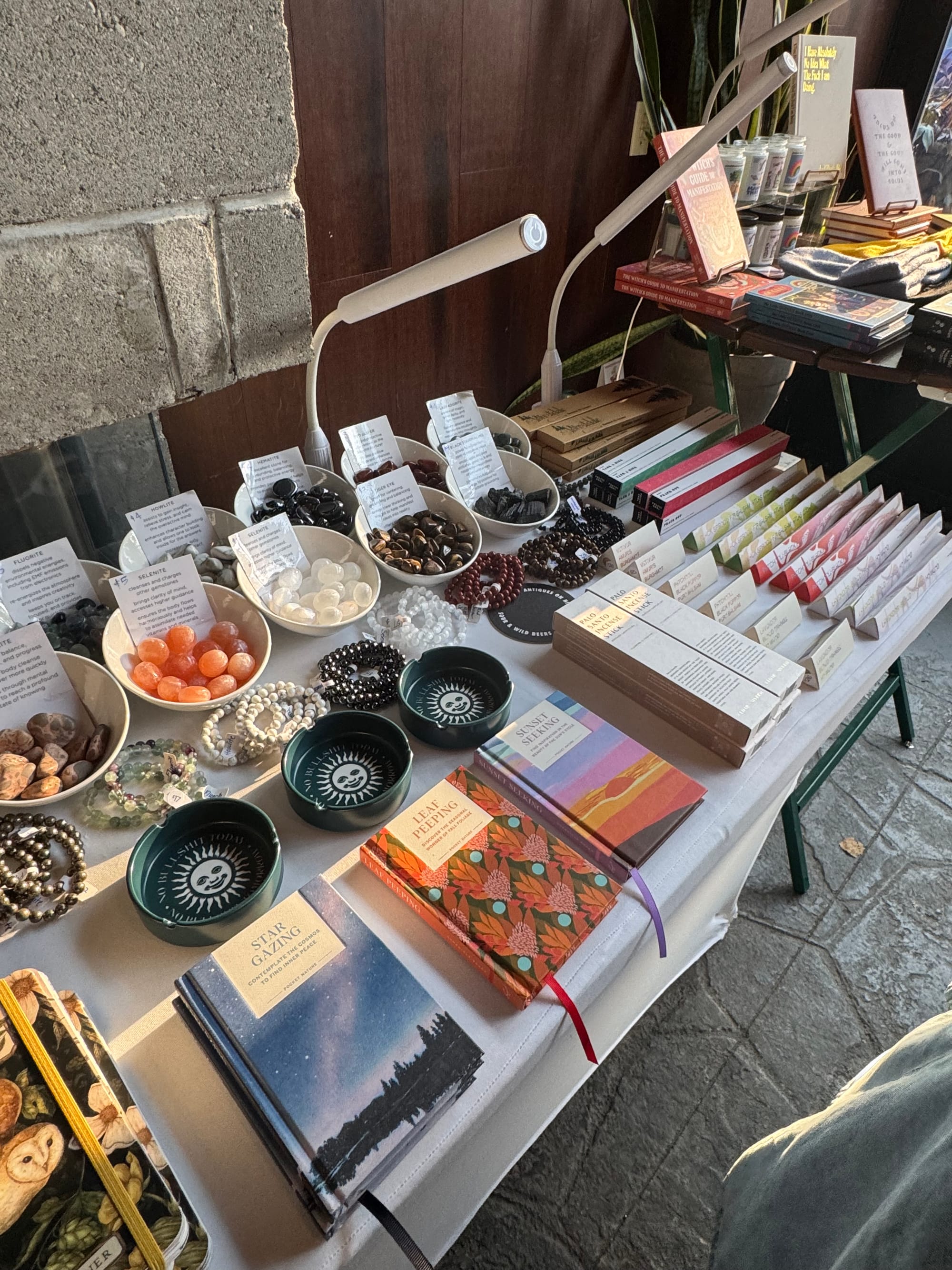
Event: Autumn Equinox Gathering
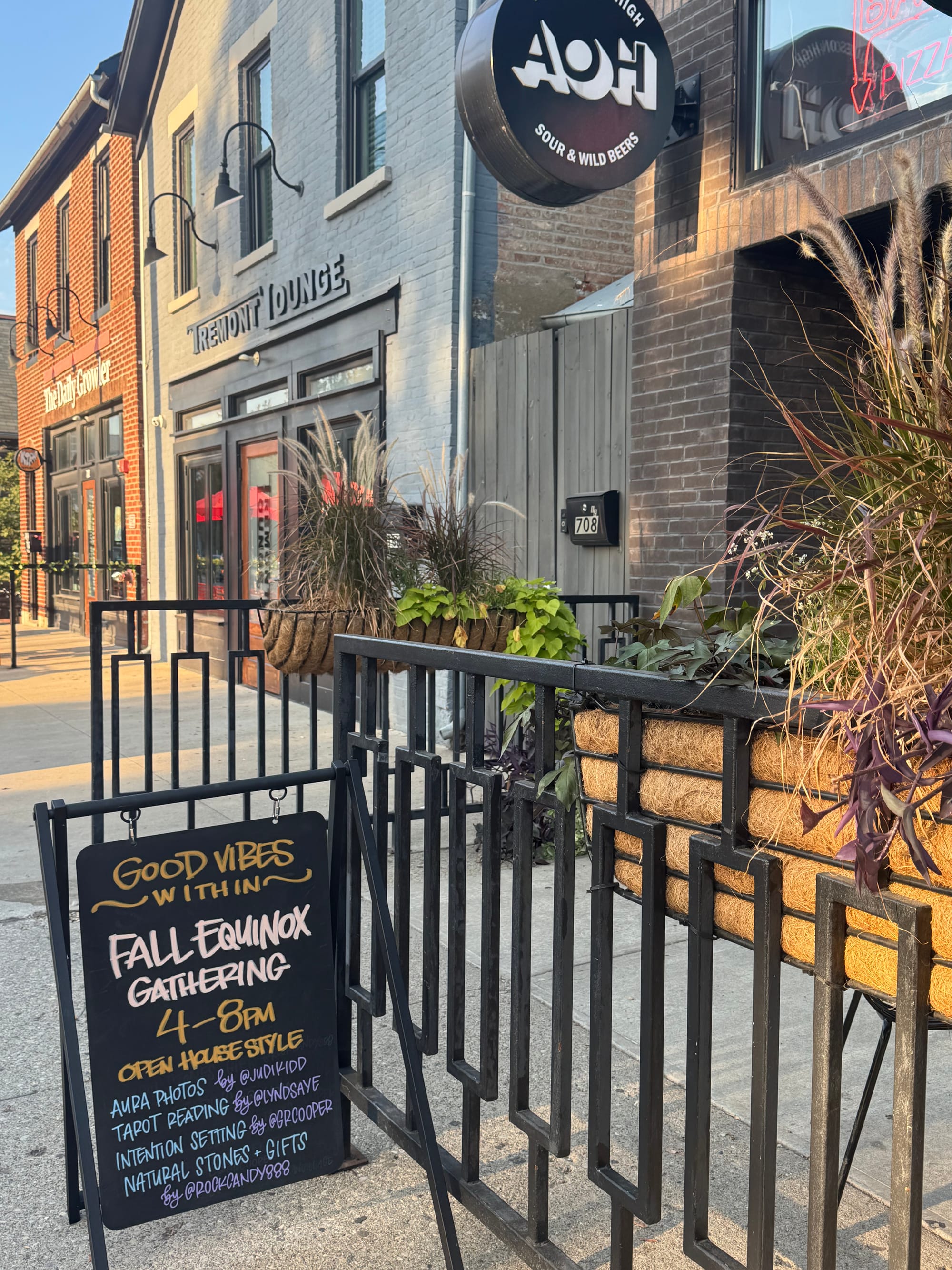
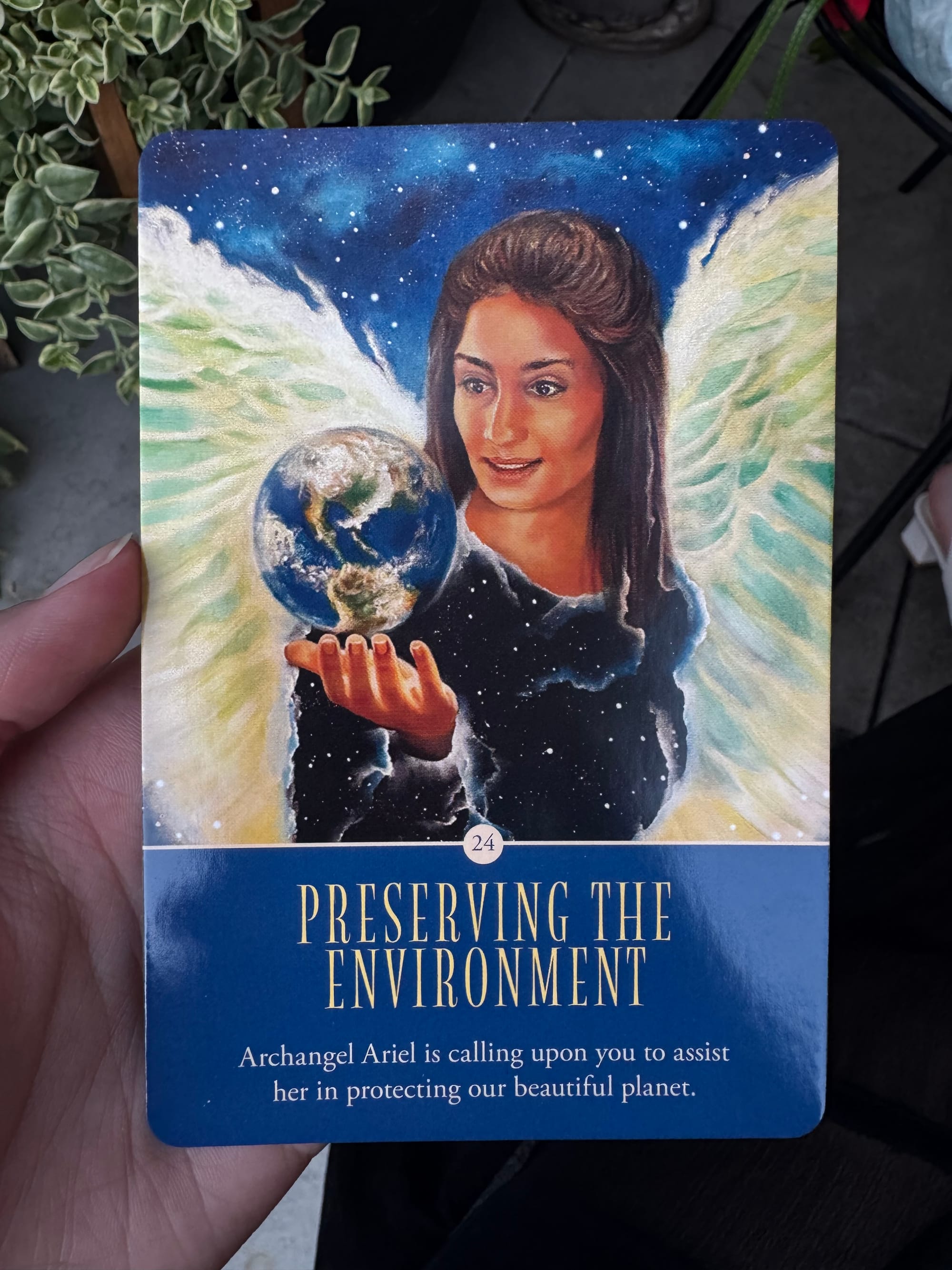
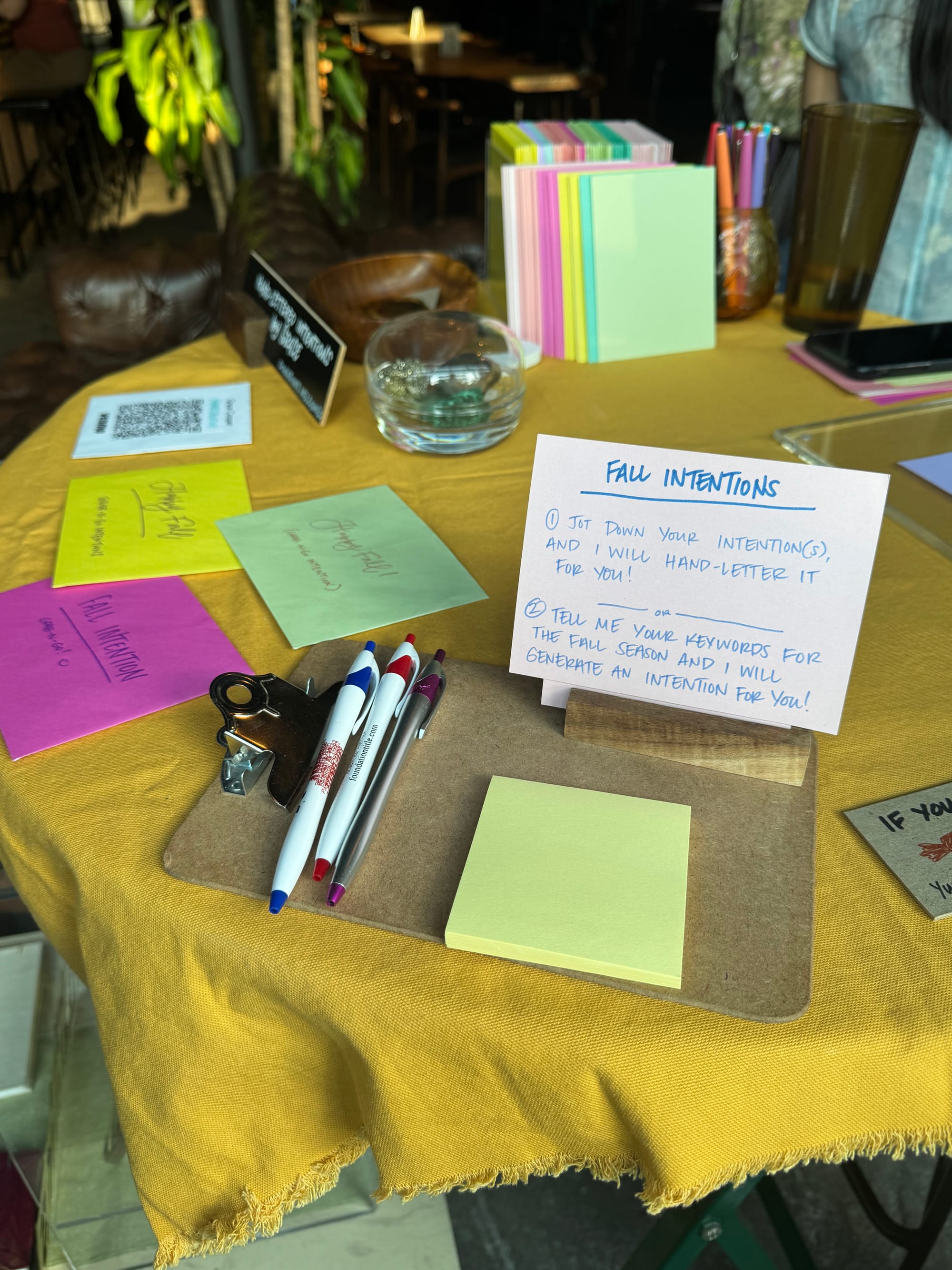
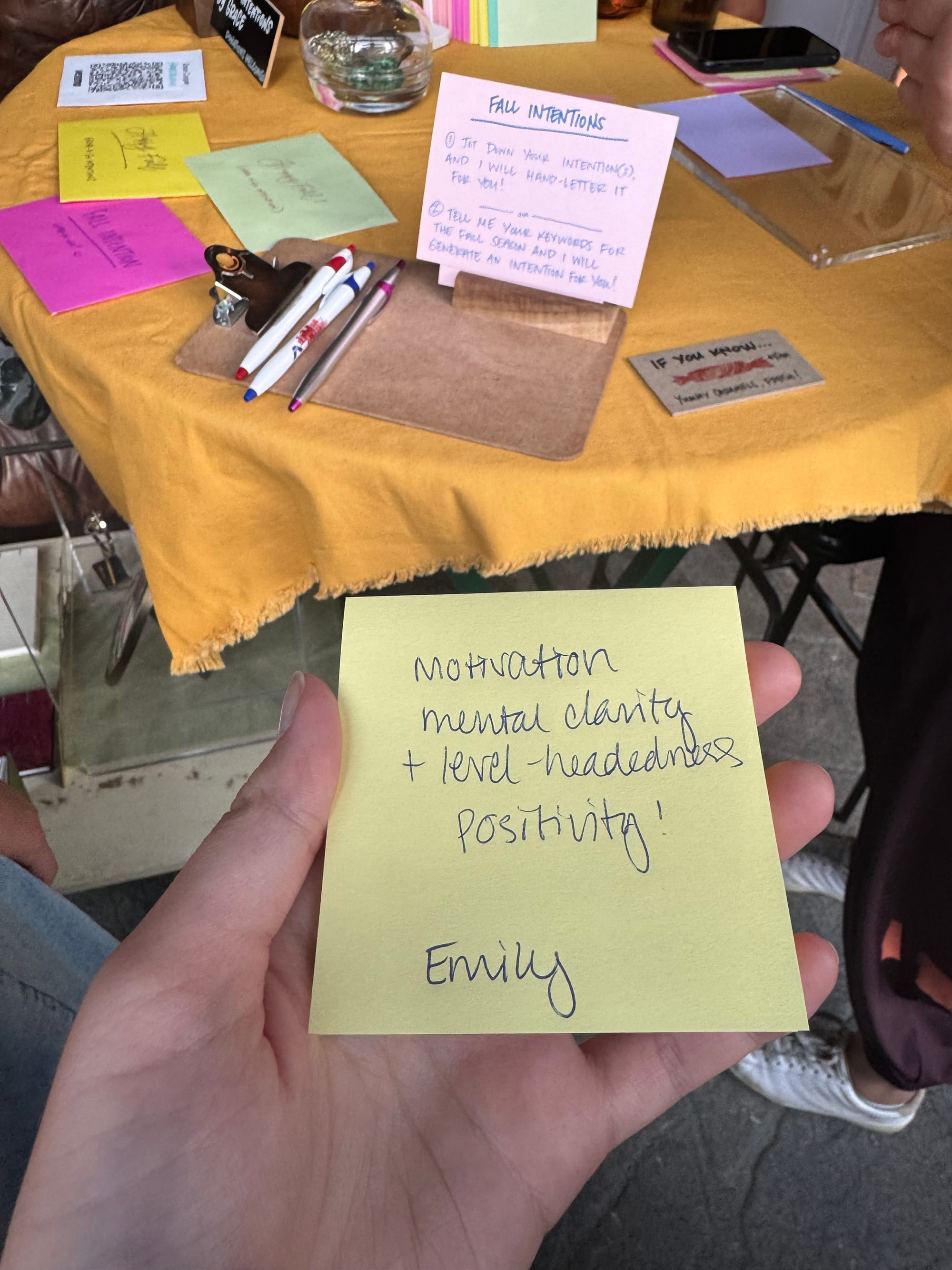
Intention Setting
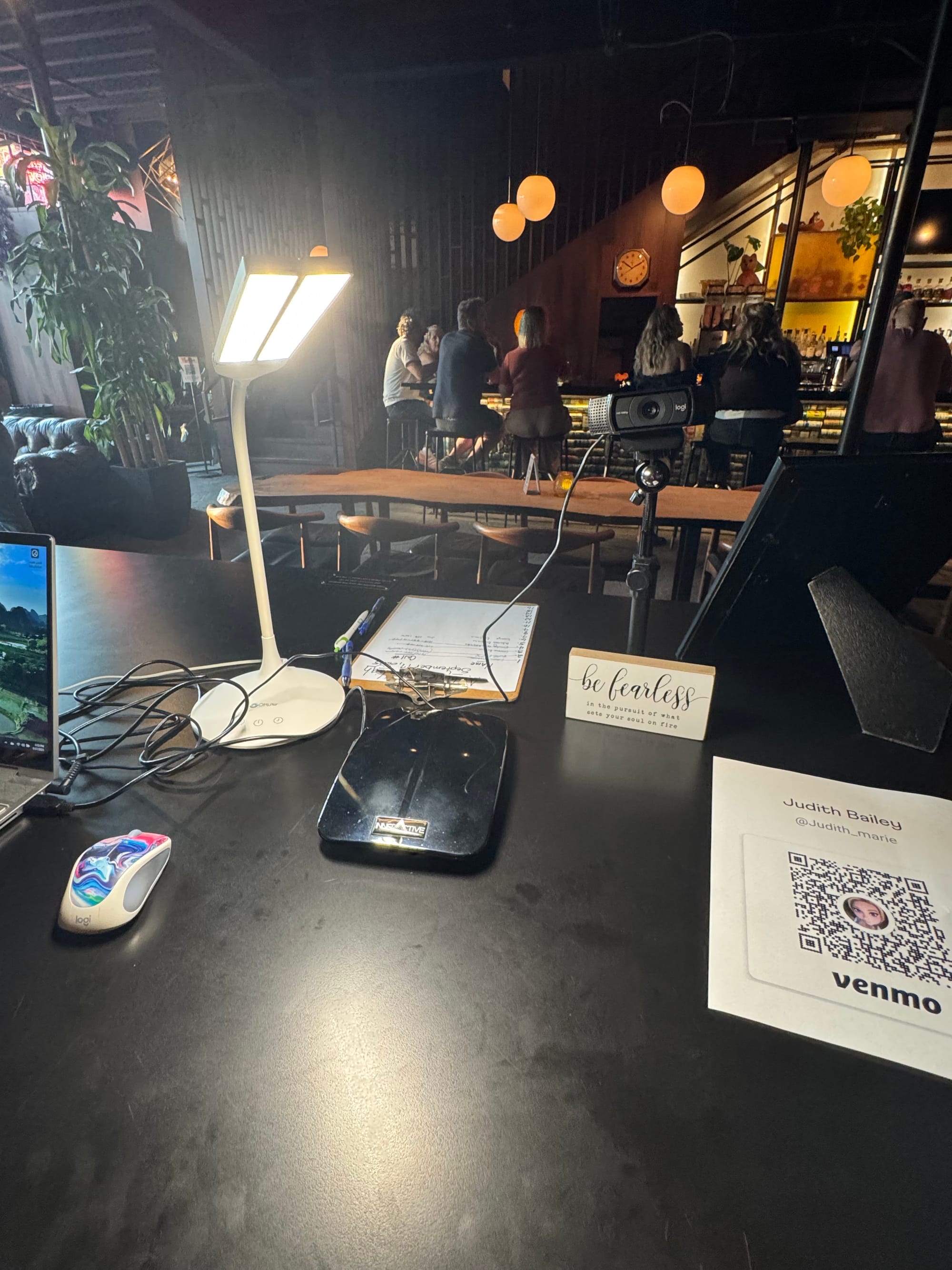
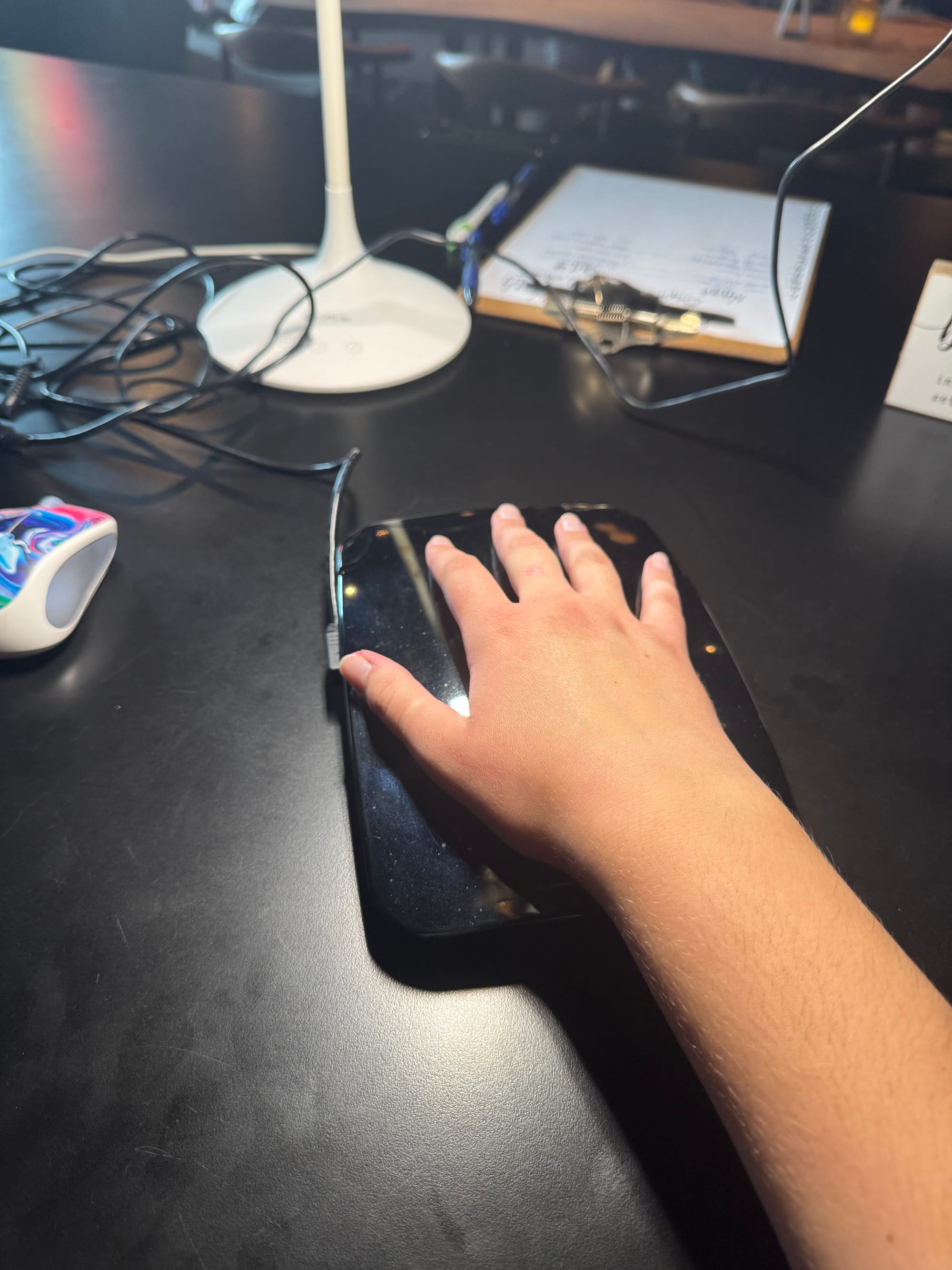
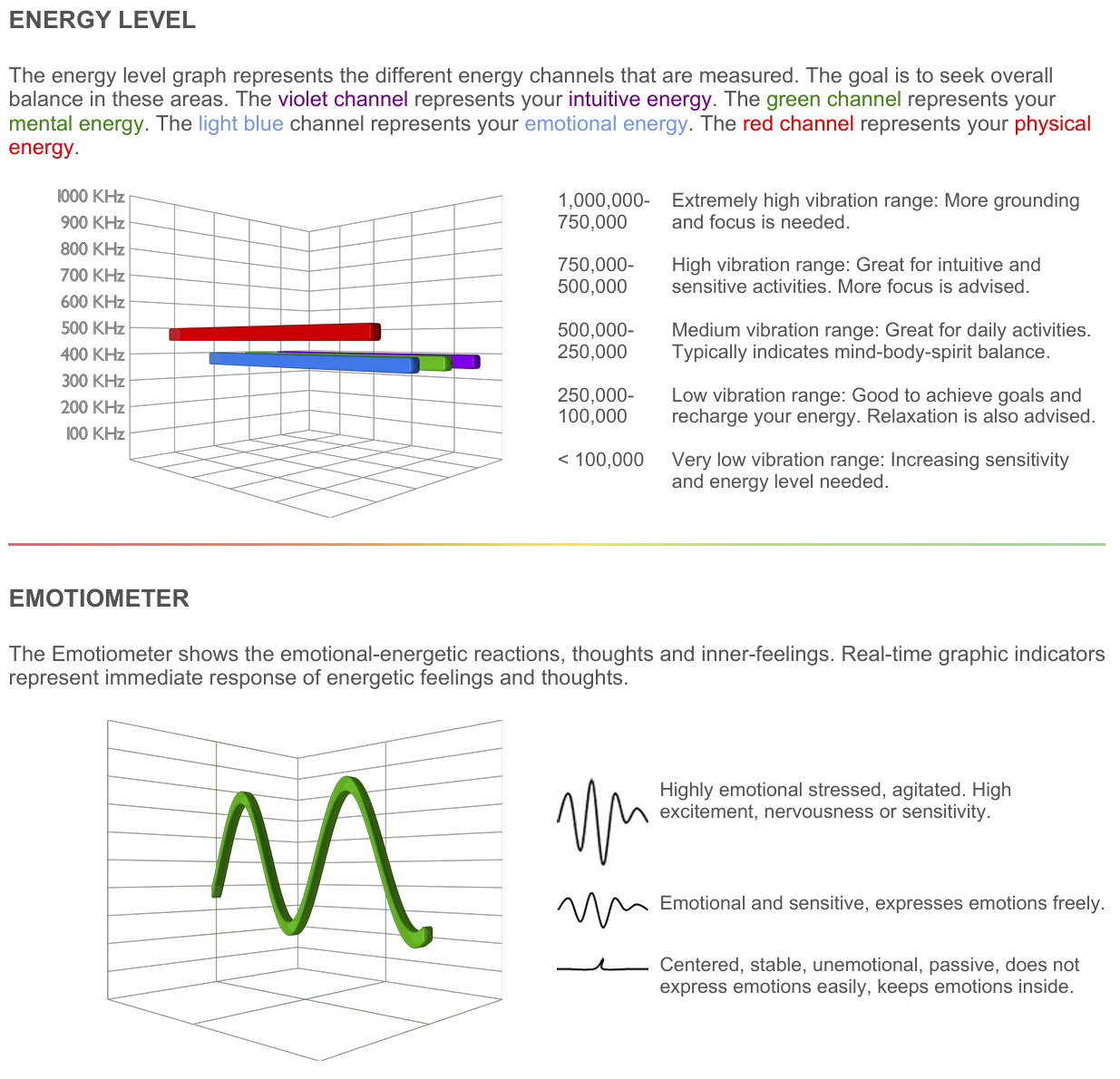
Aura Reading