Reimagining Comfort: From Healthcare Spaces to Car Interiors
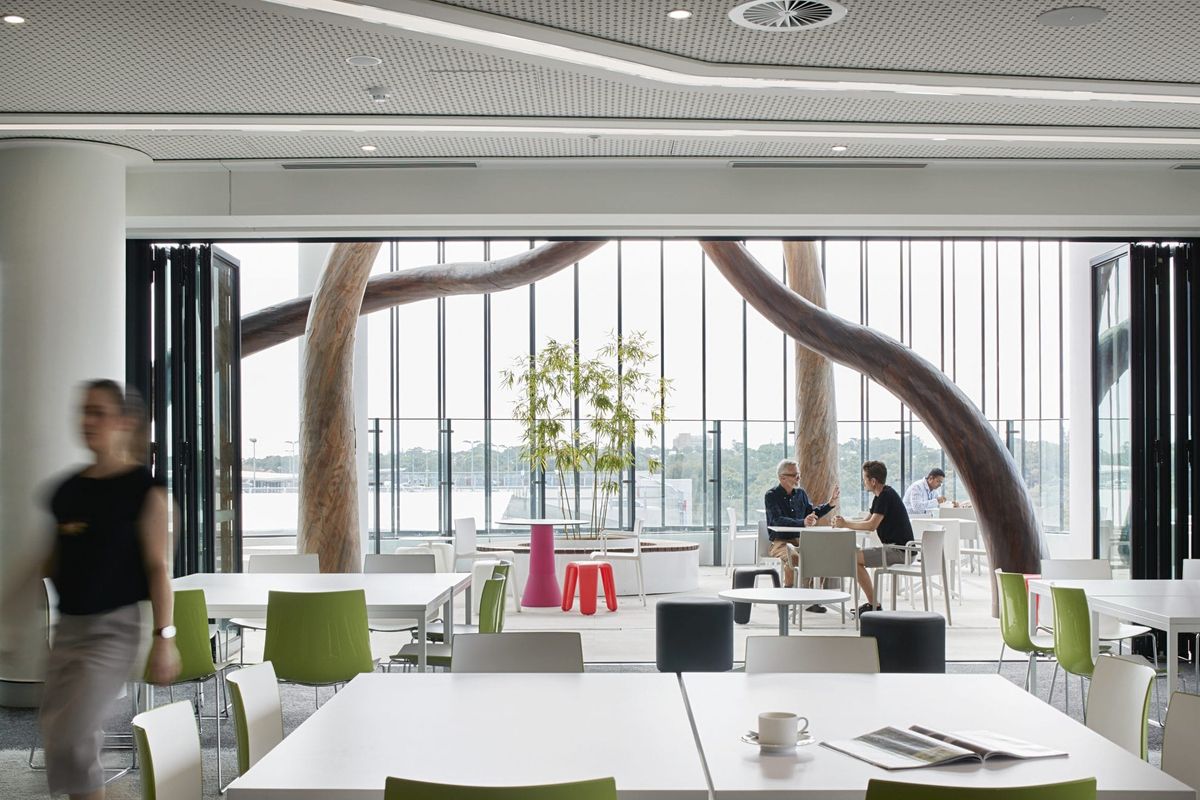
The power of sensory design, both in this context of healthcare and my personal inquiry of automobiles, explores endless possibilities available in the world of design. This reading helps to contextualize the importance of ambiance when designing for comfort and relaxation.
Designing with the Senses in Mind
People assess their healthcare experience based on how they feel in the space. A hospital room bathed in natural light and softened by acoustics elicits a vastly different response than one that feels stark and sterile. Sensory design isn’t just about comfort—it influences stress levels, a sense of control, and even recovery speed. For long-term patients, these considerations become even more critical.
While research into the impact of sensory design is evolving, our partners in hospitals and health centers recognise its potential to improve patient outcomes without unnecessarily extending hospital stays. As virtual care expands, there is an opportunity to design hospital experiences that mirror the familiarity of home, reassuring patients that their care will continue seamlessly across settings.
Embracing the Possibilities of Sensory Design
Healthcare spaces hold immense potential to foster well-being, offering dignity, connection, and calm. Across some of our recent hospital projects—Perth Children’s Hospital, Shellharbour Hospital, and Footscray Hospital—we have seen firsthand how sensory-driven design can transform these environments.
At Perth Children’s Hospital, we modulated daylight in patient rooms to help regulate circadian rhythms, promoting restful sleep and better recovery. At Shellharbour, the hospital’s “islands” are splayed to maximise bedroom views of the distant landscape, while a deep-set courtyard accompanies patients on their journey to surgery—an uncommon intervention in a major hospital. At Footscray, public spaces integrate quality food offerings, retail, and gym facilities, supporting a holistic lifestyle within an acute-care precinct.
Through collaboration with hospital operators, we explore ways to replace the traditional sterile “hospital scent” with more inviting olfactory experiences. Materials like wood and soft textiles bring warmth and comfort to otherwise clinical spaces. In key arrival areas, we integrate greenery—including medicinal plantings—to enhance the healing environment and honour cultural landscapes. (Grave, n.d.)
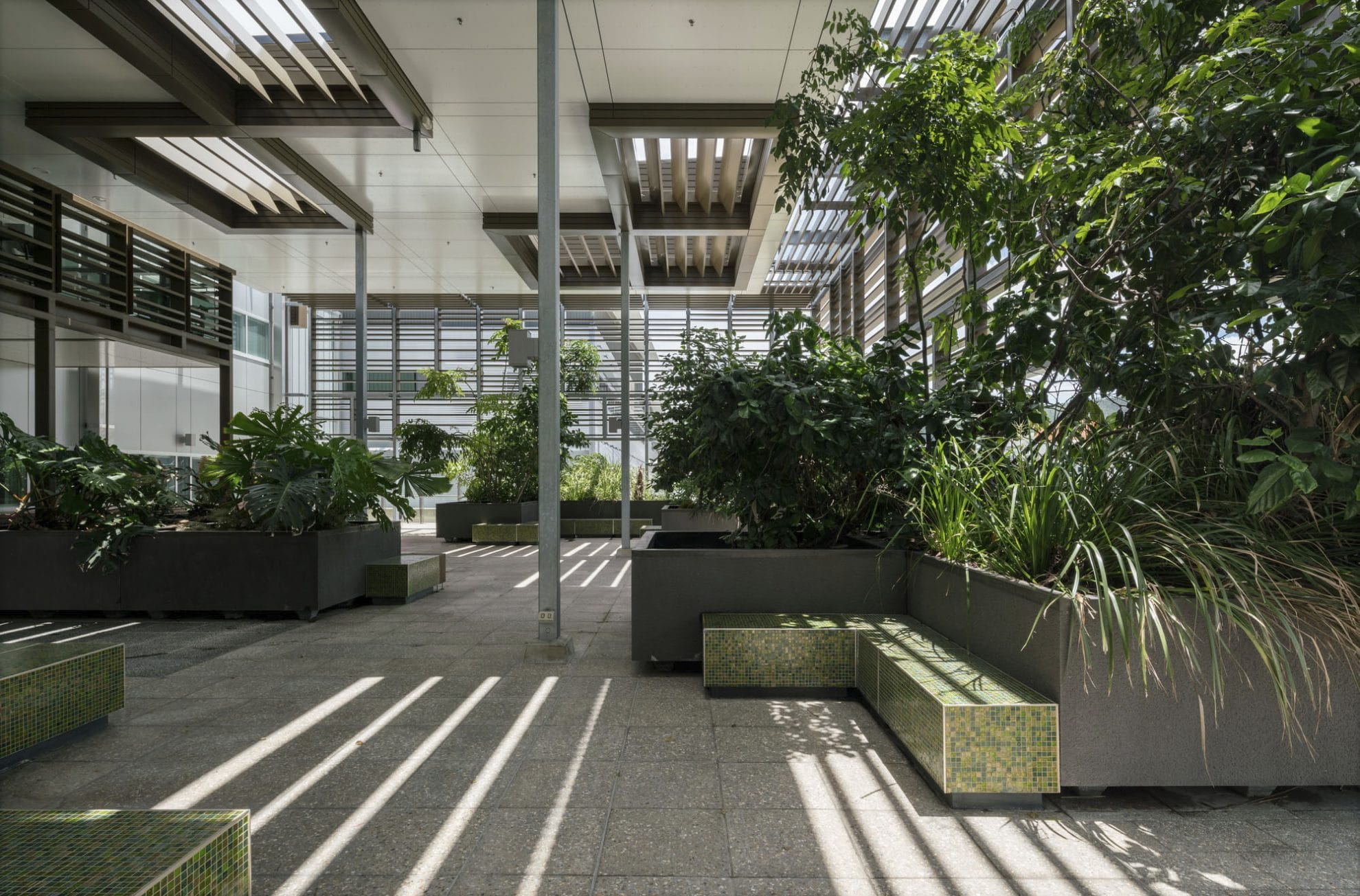
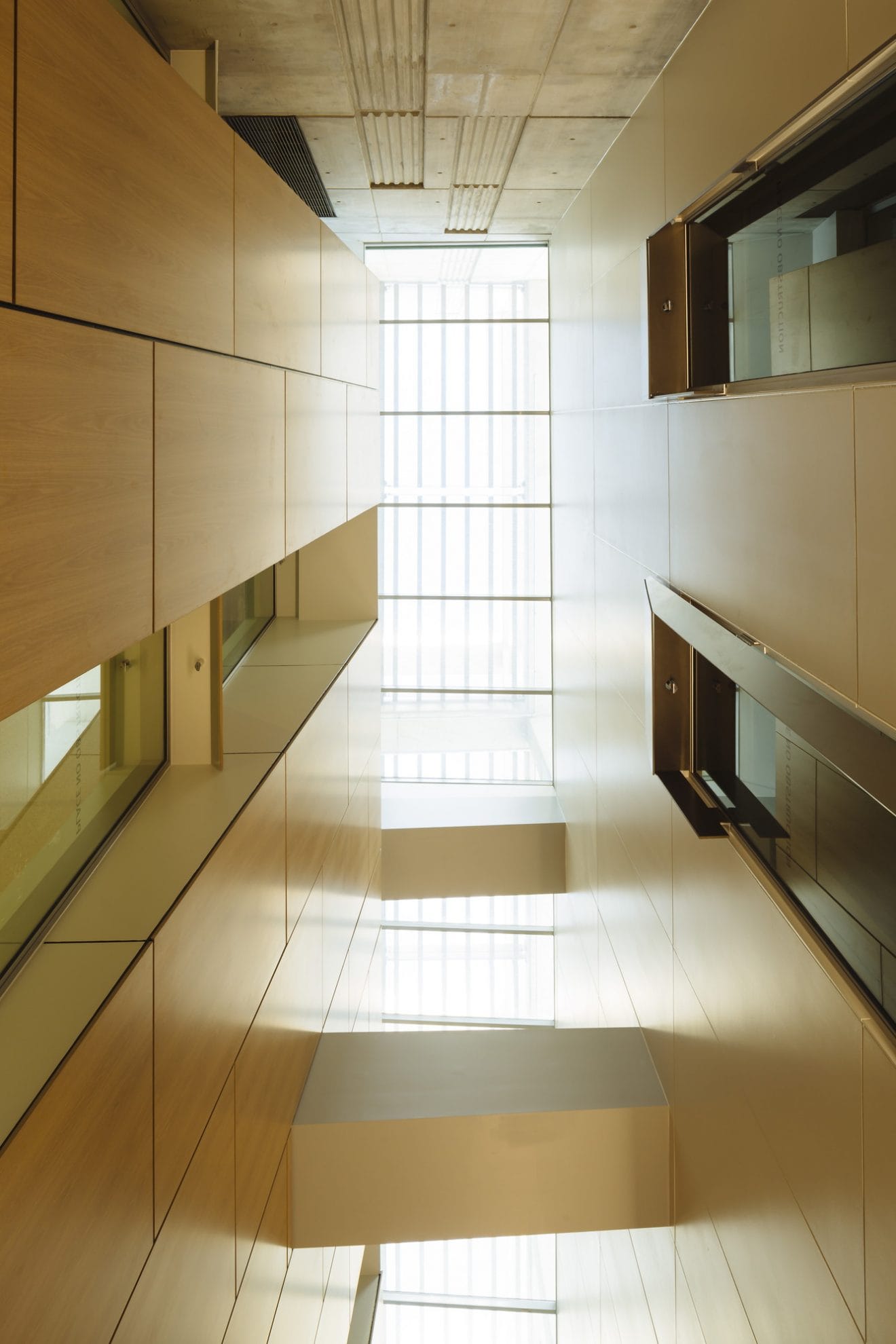
Photography left to right: Perth Children’s Hospital, Townsville Hospital Redevelopment (Grave, n.d.)
In hospitals, every sensory cue, from lighting and acoustics to textures and subtle scents, can profoundly shape how people feel, think, and even heal. The intentional application of biophilic design elements, for instance, connecting patients with nature through views, natural materials, and even simulated natural sounds, has been shown to reduce stress, lower blood pressure, and decrease the need for pain medication.
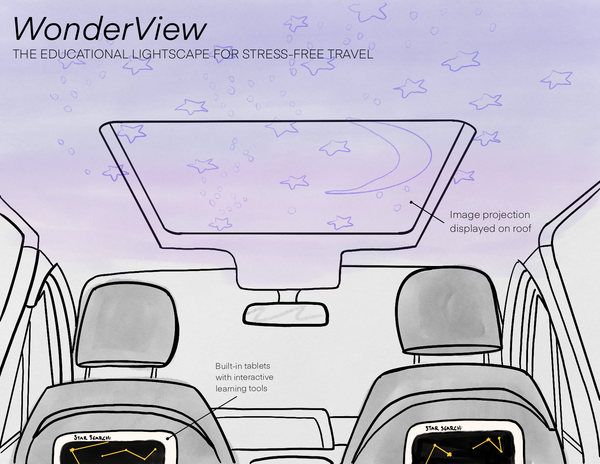
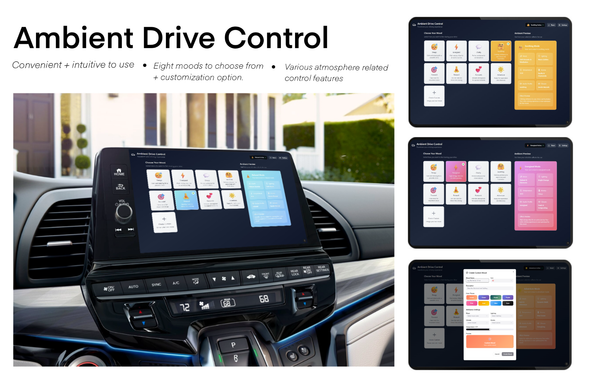
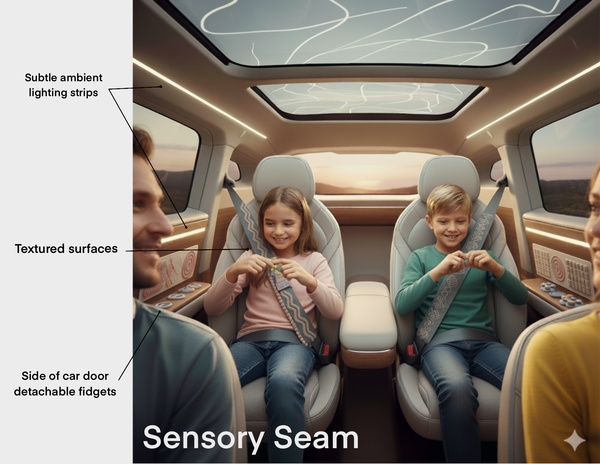
If the ultimate goal of this project is to design for human impact, prioritizing the user's emotional and physical experience, why should cars be any different? The interior of a vehicle is a personal bubble where individuals spend significant amounts of time. Just as in a hospital, every sensory detail within a car contributes to the driver's and passengers' overall mood, comfort, and cognitive state.
Reference.
Grave, M., & Baker, J. (n.d.). Sight, sound, scent, taste and touch: The power of sensory design in Healthcare. COX. https://www.coxarchitecture.com.au/perspective/sight-sound-scent-taste-and-touch-the-power-of-sensory-design-in-healthcare/
This reflection draws ~40% from COX Architecture article “Sight, Sound, Scent, Taste and Touch: The Power of Sensory Design in Healthcare” (2025), ~50% from the author’s own framing of the capstone context and design intentions, and ~10% from AI assistance (synthesizing article content, editing for clarity, and expanding argumentation). All interpretations and final perspectives remain the responsibility of the author.