Releasing Live Bait & Its Effects
Eric Sorenson uses this article to inform people about the effects of improper bait disposable on the environment.
Improper handling of live bait, especially minnows and night crawlers, can adversely affect the ecosystem in ways that are not immediately evident.
With minnows, problems result when anglers dump their remaining bait into the water when they are done fishing.
During my team's conversations with representatives from the Ohio Department of Natural Resources (ODNR), angler waste consistently emerged as a pressing management concern. Common issues included the improper disposal of hooks, fishing line, and fish remains. Yet another challenge surfaced that receives far less attention: the disposal of live bait.
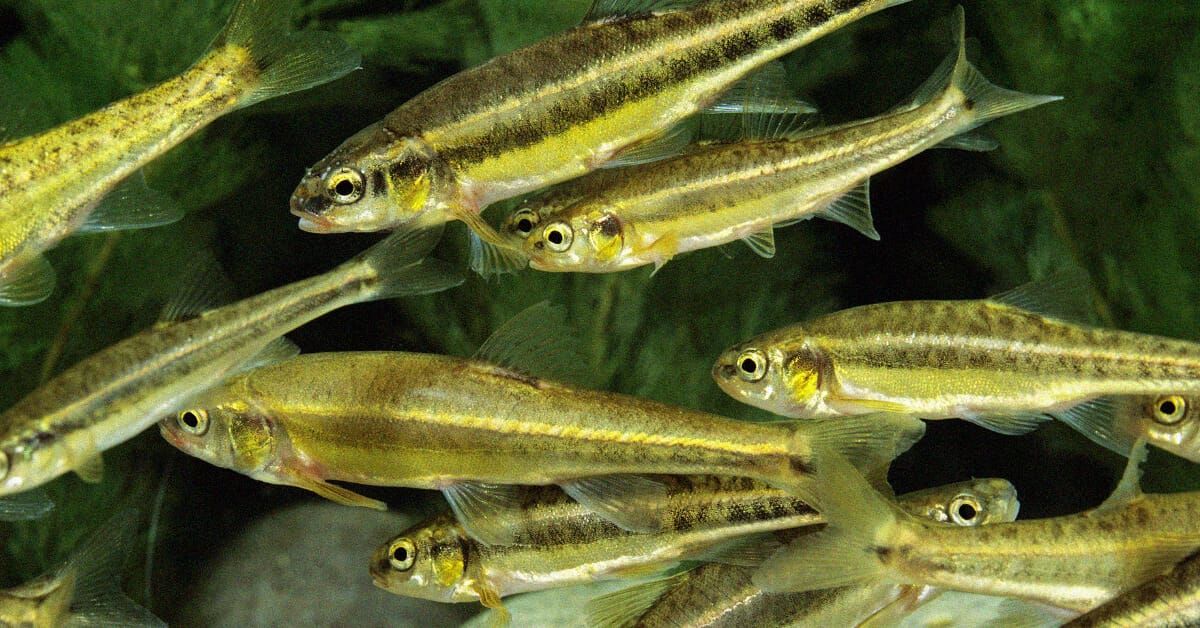
A single bait dealer harvests minnow species from a variety of ponds, wetlands and streams, and chances are good that some of those species are not native to the lakes or rivers anglers commonly fish.
The stickleback is one example of a problem species, which is commonly found in minnow buckets. The stickleback does not have many predators, because of its spines, and it competes with other small fish.
The long-term result of introducing sticklebacks to a lake could be a drop in the population of minnow species that crappies, walleyes and bass depend on for food, which could adversely affect the game-fish populations.
To reduce the odds of contributing to an ecological chain reaction, anglers can simply dispose of their minnows properly. The best way to dispose of minnows is to bury them or putting them in the waste. They should not be put back in a lake or stream.”
Just as minnows should be disposed of properly, night crawlers and other earthworms also need to be thrown in the trash, rather than released.
Much to the surprise of many anglers, earthworms are not native to large portions of the United States. The worms found in many regions of the U.S. came here from Europe and Asia, and they present a threat to hardwood forests, wildflowers and ferns.
The earthworm invasion disrupts the natural flow of the ecosystem, because northern hardwood forests adapted to an earthworm-free environment. The earthworms quickly break down the duff (a spongy layer of organic material on the ground), which needs to break down slowly for hardwood trees and wildflowers to flourish. The earthworms’ work prevents seedlings and wildflowers from growing, and can lead to soil erosion and the leaching of vital nutrients from the soil. (Sorenson, 2015).
-How to Properly Dispose of Bait (liveoutdoors.com)
Many bait shops rely on transported or imported supplies, meaning live bait is not always native to the waters where it is used. When anglers release unused bait, often with good intentions or simply out of convenience, they may unknowingly introduce non-native species, disrupt food webs, and upset the ecological balance. While ODNR-managed sites often provide receptacles for hooks and fishing line, comparable systems for safe bait disposal were not observed during our visit.
This gap may stem from a lack of knowledge about ecological risks, limited access to disposal options, or low motivation to take extra steps. Supporting anglers with education, accessible infrastructure, and clear alternatives could close this gap, helping recreational traditions thrive while protecting Ohio’s waterways for generations to come.
References.
(2025). Anglers.com. https://anglers.com/wp-content/uploads/2020/11/10-Best-Live-Baits-for-Bass.jpg
Sorenson, E. (2015, August 15). How to Properly Dispose of Bait. LiveOutdoors. https://www.liveoutdoors.com/fishing/219901-how-to-properly-dispose-of-bait/
This passage draws on original observations from discussions with representatives of the Ohio Department of Natural Resources (~40%), the author’s own synthesis and framing of angler and bait waste management challenges (~30%), and AI-assisted editing and refinement to improve clarity, tone, and concision (~30%). All interpretations and conclusions remain the responsibility of the author.