Relocating waste bins to reduce littering

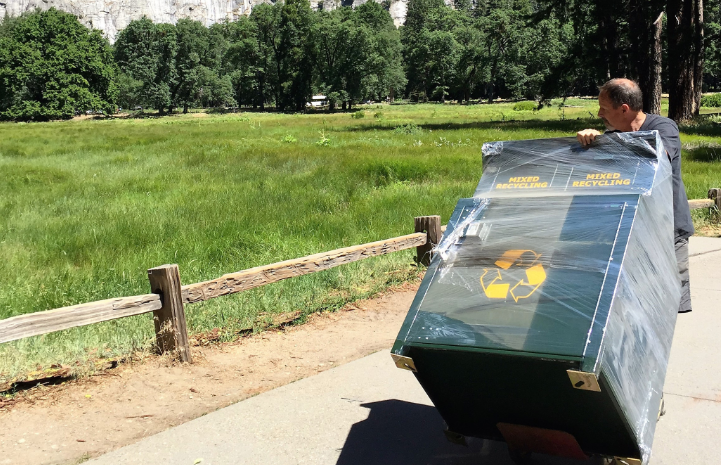
This study is from the Journal of Environmental Psychology, where a wide range of interdisciplinary work from scholars are published. This study discusses ways to reduce waste in park areas through a bit of psychology. This is important as the study can help guide designs to effectively reduce the amount of waste.
The paper goes over three methods to reduce waste. The first one is to put more trash bins on trails, giving people no excuse to litter but also makes waste collection more labor intensive:
“A common strategy to prevent littering is placing a large number of small waste receptacles (trash cans) for easy waste disposal where it is mostly produced, i.e., near benches, picnic areas, and/or lawn areas. This can be rather effective in small parks, provided that waste receptacles are emptied frequently” (Van Doesum et al., 2021).
The second method is to remove trash bins from trails and relocate them to either the exits or where there is the most foot traffic. Van Doesum et al. states that this makes it easy for people to empty the trash and makes it so visitors will carry trash on them until they leave. Another benefit to this method is the idea that no waste bins may make the park more beautiful and visitors will feel more responsible to keep it this way. However, this could possibly have a reversed effect where people throw their trash around the park instead:
“Moving waste receptacles from the interior to the exits of a park makes waste collection more efficient, but can have opposing effects: Decreased littering because of greater care inspired by the perception of natural beauty in a park without artifacts like waste receptacles, or increased littering because of the greater distance to waste receptacles“ (Van Doesum et al., 2021).
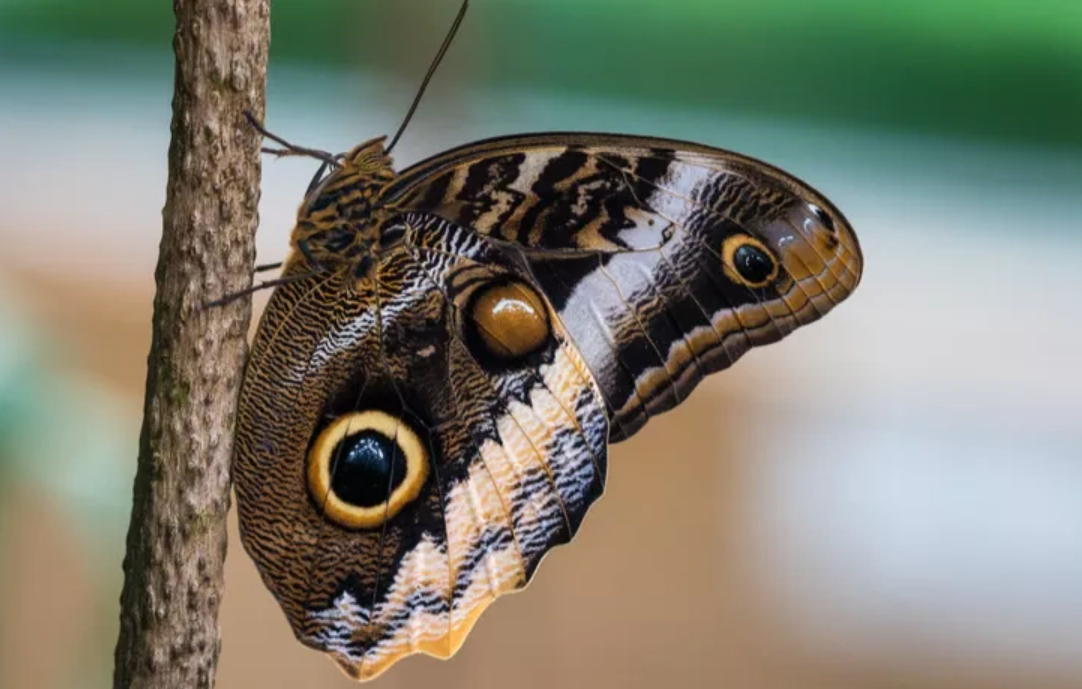
The last method the paper discusses is the presence of watching eyes on the environment near waste bins. Van Doesum et al. states that the watchful eyes, whether they are real human, animal, abstract eye or even the eye pattern from butterfly wings, can make people feel more responsible about their actions:
“Converging evidence suggests that the behavioral effects of watching eyes can be traced back to reputational concerns that come with the feeling of being watched. Although we have no data to support this, we can speculate that such concerns trigger a common social norm of non-littering” (Van Doesum et al., 2021).
“Litter – misplaced waste – is an important aspect of actual and perceived cleanliness” (Van Doesum et al., 2021).
If people perceive the area as clean, they will feel more inclined to keep it that way. Utilizing these methods may nudge people to be more responsible for their actions. Knowing people’s behaviors for littering is important information to effectively design and place trash bins to reduce waste in parks.
References.
Van Doesum, N. J., van der Wal, A. J., Boomsma, C., & Staats, H. (2021). Aesthetics and logistics in urban parks; can moving waste receptacles to park exits decrease littering? Journal of Environmental Psychology. https://doi.org/10.1016/j.jenvp.2021.101669
Insectic. (2023). The Owl Butterfly, known for its gigantic eyespots that resemble owl eyes. https://insectic.com/butterfly-eyes-on-wings/
National Park Service. (2016). Park staff install new recycling bins at Yosemite National Park.