Resilience in Motion
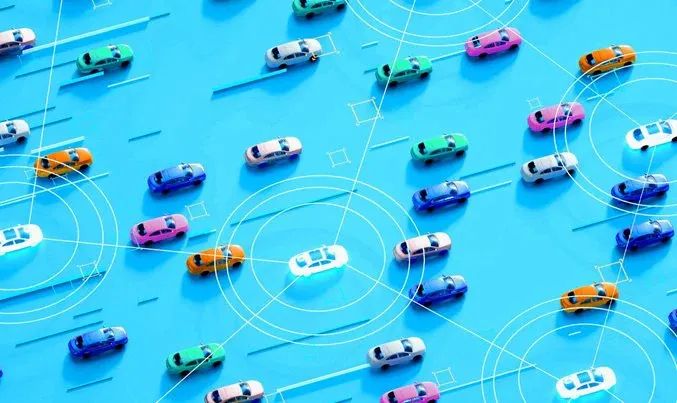
Reading this piece pushed me to think how resilience in large-scale systems relates to designing comfort and wellbeing at a more intimate scale.
Investing in resilience is costly, so prioritizing these investments is essential. Leaders will need to align their resilience initiatives with current and emerging risks. In this way, they can shape their quarterly agendas to include discussions about strategy and portfolio risks.
Consider the regulation of new technologies: For carmakers, managing new regulations and legal precedents on product liability will be critical for realizing advances in autonomous driving and AI. Automakers should weigh the potential benefits of being first movers against the potential legal and reputational risks of early adoption. Similarly, changes to environmental laws will influence the energy transition and its pace. Companies can take three actions to effectively link these and other uncertainties with structural resilience factors.
First, they could imagine the future, going beyond basic sensitivity analyses to consider a wider range of realistic possibilities. These may include low-probability but high-impact events, such as bans on combustion engines. By monitoring regulatory changes, consumer trends, and geopolitical developments, leaders can more easily identify when a scenario is becoming more likely and generate more informed responses more quickly.
Second, automakers could evaluate potential opportunities in these scenarios, applying the following tests to guide their preparedness:
Minimum preparedness. Is the scenario realistic enough that it will be hard to argue afterward that the company did not prepare to a minimum level? Are there low-cost investments that make sense based on the minimum probability of occurrence?
Derisking strategy. Is there a way to invest that focuses on reducing risk, even if it doesn’t maximize profit? For instance, is it better to partner with a technology company or others in the auto industry rather than build a technology end to end alone—even if it means sharing profits or reducing product distinctiveness?
Time value. Can decisions be delayed at minimal cost to maintain risk safeguards or investment opportunities?
Competitive view. How do our choices compare with those of our competitors, and can we justify our approach? Are we in a class of one with our decisions?
Forward-thinking automakers, for example, benchmark their risk exposure using KPIs across impact and likelihood categories. Supply chain risks might be assessed by country exposure (both direct and indirect, including tier-one and tier-three suppliers) and dependence on single sources. For each significant risk, leaders set targets, establish tracking mechanisms, and define their appetite for risk. In the case of supply chain risks, the targets might include the maximum time an assembly line can remain idle, or the minimum long-term production capacity needed.
Third, it’s important to look back after a crisis. When uncertainties unfold, companies should reassess their strategic positions and question whether their original assumptions still hold. A company could adjust strategies in response to structural changes, such as shifts in the energy transition, the rise of remote work, and consumer trends following crises (like the pandemic and the Ukraine conflict). (Herring, 2025)
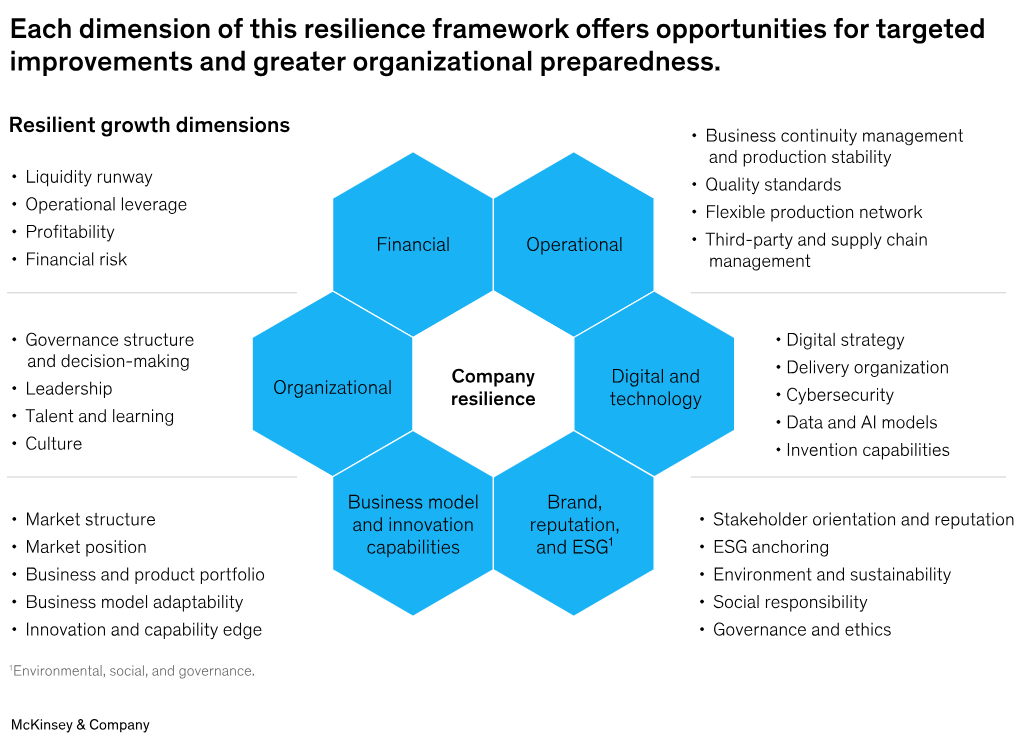
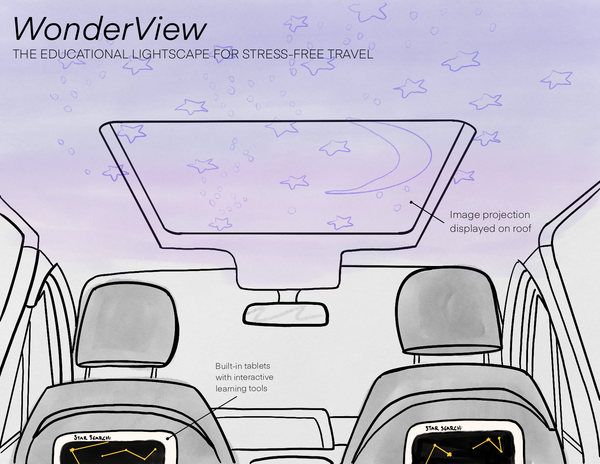
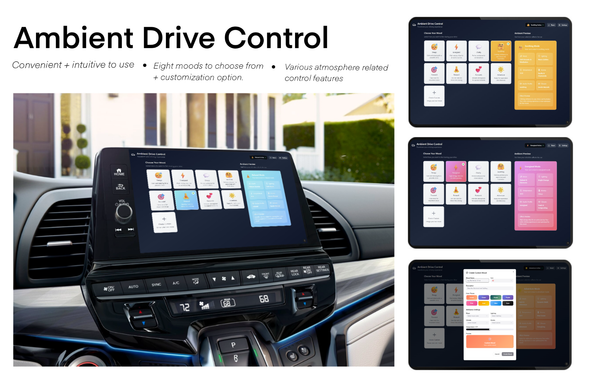
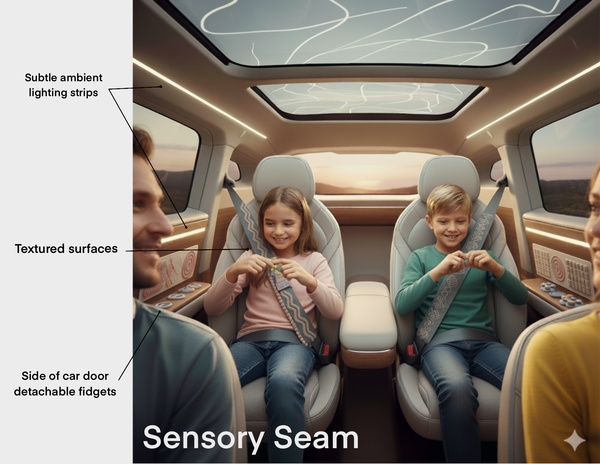
Just as automakers are building flexibility into their production lines to adapt to disruptions, a well-designed backseat experience must integrate flexibility. For example, adjustable lighting or modular sensory elements, are ways the car could respond to a child’s and parent’s changing moods and needs.
This idea of a scenario-planning mindset can anticipate what might interrupt their calm; from restlessness, to noise, and temperature changes. Designing features that can pivot could make a world of a difference for parents. So, by embedding “resilience” in a car ride experience, provides a bigger picture of emotional adaptability, sensory support, and thoughtful design to help manage these unpredictable moments.
Reference.
Herring, D., Altmeier, M., & Poppensieker, T. (2025, March 18). From crisis management to strategic resilience: Lessons from the auto industry. McKinsey & Company. https://www.mckinsey.com/capabilities/risk-and-resilience/our-insights/from-crisis-management-to-strategic-resilience-lessons-from-the-auto-industry
This reflection draws ~40% from McKinsey & Company article “From crisis management to strategic resilience: Lessons from the auto industry” (2025), ~40% from the author’s own framing of the capstone context and design intentions, and ~10% from AI assistance (synthesizing article content, editing for clarity, and expanding argumentation). All interpretations and final perspectives remain the responsibility of the author.