
Rock Cairns and Why You Shouldn't Build Them
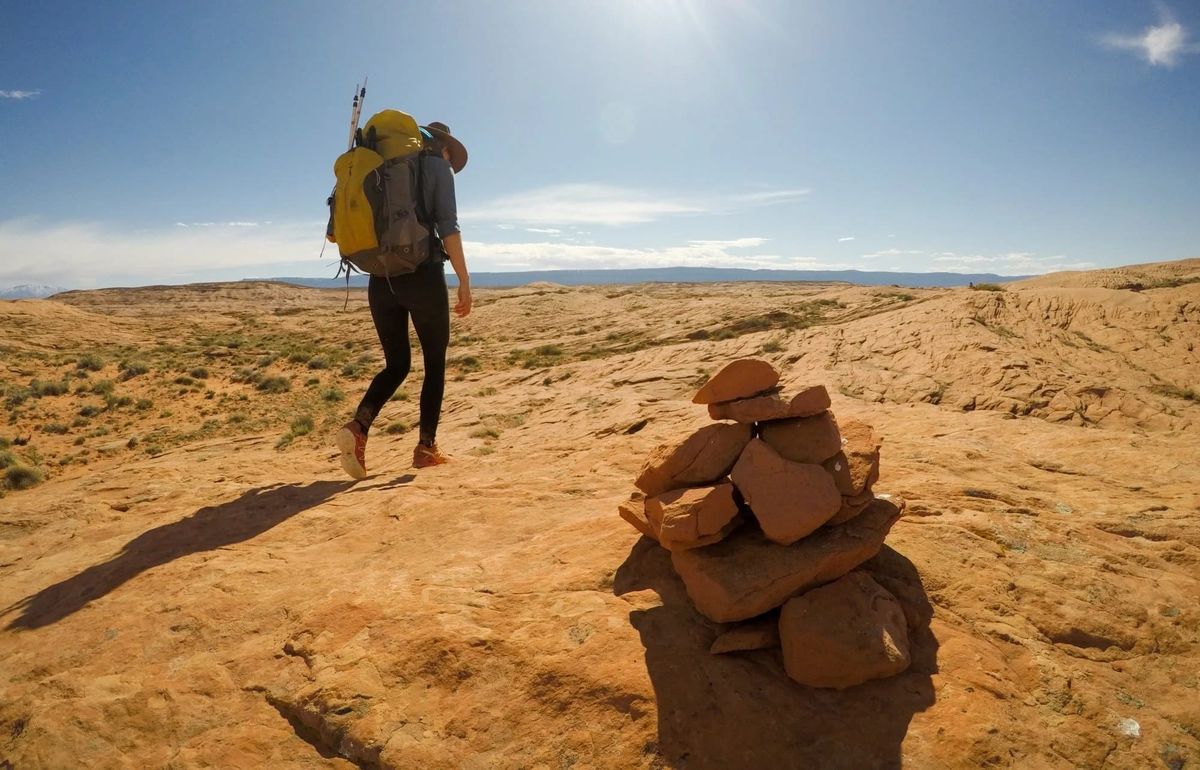
Kristen Bor’s Bearfoot Theory article aims to educate fellow lovers of the outdoors about the stacked rock structures often found alongside hiking trails. The article covers some historical uses for rock cairns, outlines when and where they should be built, and warns hikers about the implications of building these rock structures inappropriately.
"Cairns in the simplest form are stacked rocks with a meaning or purpose. For outdoor adventure junkies, the purpose is generally navigational, as they mark the route of a trail. Trail markers differ depending on the territory you are in. The Appalachian Trail is famous for its 'white blazes' that mark the route through 14 states. If you head farther North to Acadia National Park in Maine, you’ll find stacked rocks marking most paths" (Bor, 2024).
"[Historically] sailors often used stone mounds before lighthouses to support navigation. Stone piles were and are still very common for route-marking in the Andes Mountain range, the Tibetan plateau, and Mongolia. Many of the mounds that stand today in these mountains are ancient and historical. Cairns, in history and today, have also been used for non-navigational reasons. They have been built as burial monuments, for defense, for ceremonial purposes, or to hide a food cache. Similar in look to rock cairns is the new modern art and hobby of 'rock balancing,' where people create abstract towers with rocks" (Bor, 2024).
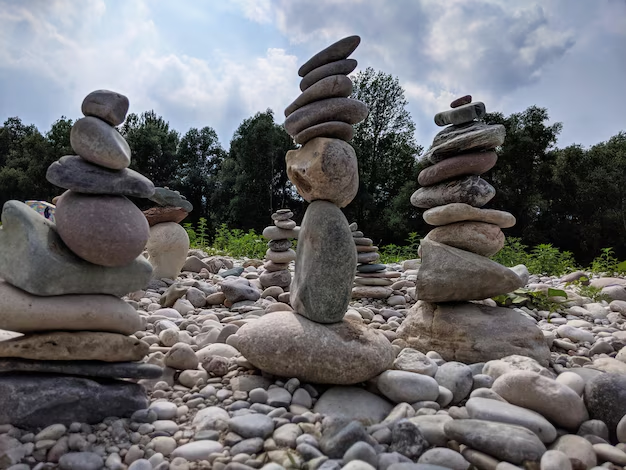
"Generally, rock cairns along trails and in the backcountry should only be made by park rangers, trail maintenance volunteers, or trail creators. Unless you are one of these people, you should avoid building rock cairns for fun in places where they could be confused as trail markers. Doing so could send hikers in the wrong direction by misrepresenting the trail" (Bor, 2024).
"Decorative rock can take away from the natural beauty of an area and disregard Leave No Trace principles. Leave No Trace principles aren’t just about trash on the trail. 'Leave No Trace' means leave no sign that you traveled through the area. That’s zero impact. When you move rocks to create decorative cairns you are altering nature for the next visitor and leaving a reminder that you were there" (Bor, 2024).
"It should also be noted that moving rocks in National Parks could be considered illegal since it disrupts the natural state of the ecosystem. While enforcement of this law is rare, keep in mind that our National Parks receive over 320 million visits a year. Imagine if every visitor built their own rock cairn. Our parks would be completely covered, taking away from the natural beauty of the landscape" (Bor, 2024).
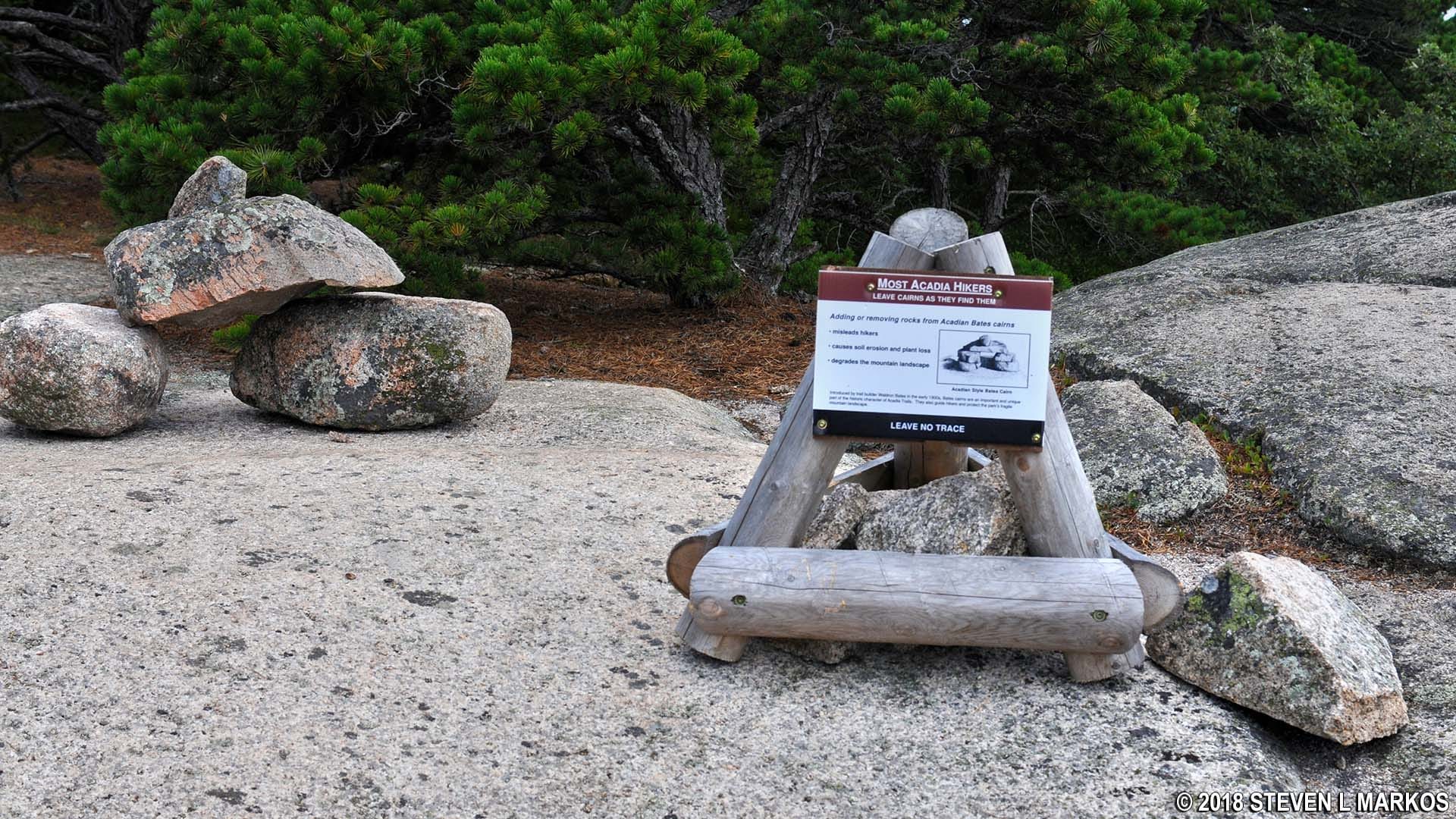
"In Acadia National Park, rock cairns have been used historically for navigation. Today, rangers are struggling with visitors building their own aesthetic cairns and knocking down accurate trail routing cairns. This is a serious problem for those who depend on real rock cairns for navigation or to mark safe stream crossings" (Bor, 2024).
Review
When I searched Google for images of rock cairns, "rock art" and examples of "rock balancing" appeared at the very top of the page. I appreciate how this article explains the significance of rock cairns in both historical and modern-day contexts, aiming to promote awareness for hikers about where and why they should exist. For those of us who go hiking now and again, I would assume it's safe to say that you've encountered a rock stack along a trail that was clearly made by people passing through, although it's not as invasive as carving your initials into a tree, it still leaves evidence of human interference behind, disturbing wildlife, diminishing the experience of others, and risking the safety of hikers who rely on these structures in the backcountry or Acadia where they are still prevalent as trail markers. I'm also appreciative of the fact that using rock cairns as tools for navigating trails lessens the need for implementing manufactured materials into the environment, but the risks of interference from hikers raises issues. What design solutions could be implemented to promote the use of "natural" (more or less) trail markers, while also discouraging park visitors from misusing them?
References
Bor, K. (2024, March 19). What are Rock Cairns & Why You Shouldn’t Build Them. Bearfoot Theory. https://bearfoottheory.com/what-are-rock-cairns/