Safety Meets Sensitivity
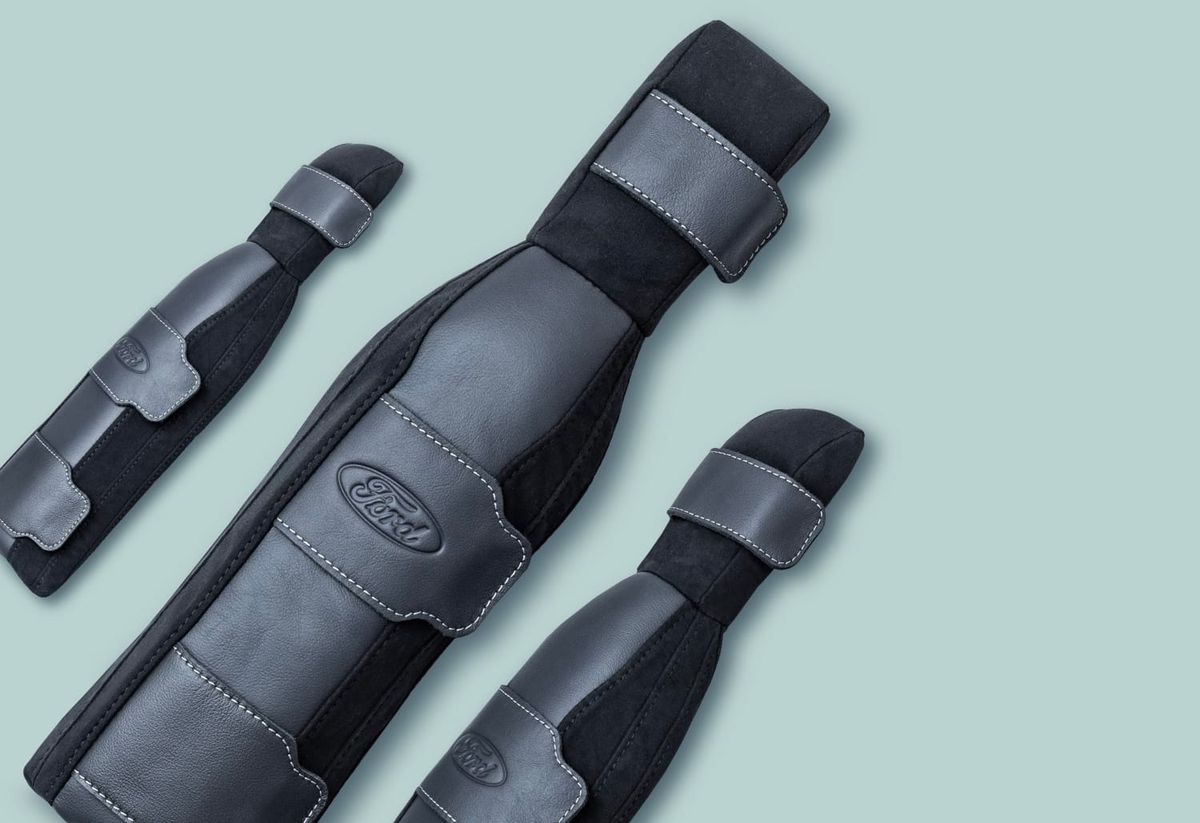
Ford’s SupportBelt initiative stands out as a powerful example of how technology and empathy can redefine the travel experience. This concept, designed to protect sensitive areas and enhance comfort, can be further developed to improve various car features and create a more relaxing atmosphere.
For anyone recovering from a mastectomy, everyday activities can become unexpectedly painful — including something as routine as wearing a seatbelt. Ford’s new SupportBelt™, developed in the US and now available in the UK, is a small but significant innovation that aims to change that.
The SupportBelt is a soft, foam accessory that attaches to a car seatbelt to relieve pressure on the chest. Designed by those who have themselves struggled with pain while driving after surgery, the SupportBelt's contoured, breathable shape reduces irritation, discomfort, and anxiety when travelling by car — whether as a driver or passenger.
The idea was born from personal experience. Lynn Simoncini, a creative director at VML – a marketing partner of Ford, found herself in severe discomfort after undergoing a double mastectomy in 2022. The seatbelt’s tight pressure made even short car rides difficult. So, she sketched out a solution. What began as a personal project has now evolved into a medically-informed design developed by Ford engineers — and the result is the SupportBelt.
“The SupportBelt demonstrates the profound impact that thoughtful design can have on healing,” says Emily Obert, Ford experience design director, who guided the development of the original idea with the help of design intern Rima Shkoukani. To-date, it is the only solution of its kind to be both designed and validated by an automaker.
Flat Friends UK, which supports women who have had mastectomy surgery without breast reconstruction, welcomed the initiative: “We are all about empowering women to reclaim their comfort and confidence after a mastectomy. The free SupportBelt, designed by Ford offers a thoughtful solution to make every car journey more comfortable and stress-free, allowing women to start living well after surgery. We are thrilled to be involved and look forward to providing the SupportBelt to our members to further support their well-being after surgery.
It’s not just drivers who benefit. A member from the Sunshine Group, which was set up 25 years ago to support breast cancer patients from Aintree University Hospital and the Royal Liverpool University Hospital, shared: “A lot of initiatives focus on the driver, but as a non-driver I have great difficulty as a passenger travelling in a car with an ordinary seatbelt - it is most uncomfortable. I think I would benefit tremendously if I could use this, which would prevent me from worrying about getting in a car to go on a journey in discomfort.”
Carolyn Atkins, Support & Volunteer Officer for Keeping Abreast, the breast cancer reconstruction support charity, said: “No doubt the Ford SupportBelt will prove beneficial to breast cancer reconstruction patients who want more comfort and cushioning when travelling in a car, whether as a passenger or as a driver.”
Breast cancer is the most common form of cancer for women in 157 countries, according to the World Health Organization. Ford hopes the SupportBelt will not only improve recovery journeys but also encourage other companies to consider similar compassionate designs. A patent has been filed, and Ford intends to share the design more widely with the goal of making it accessible globally. (Mathew, 2025)
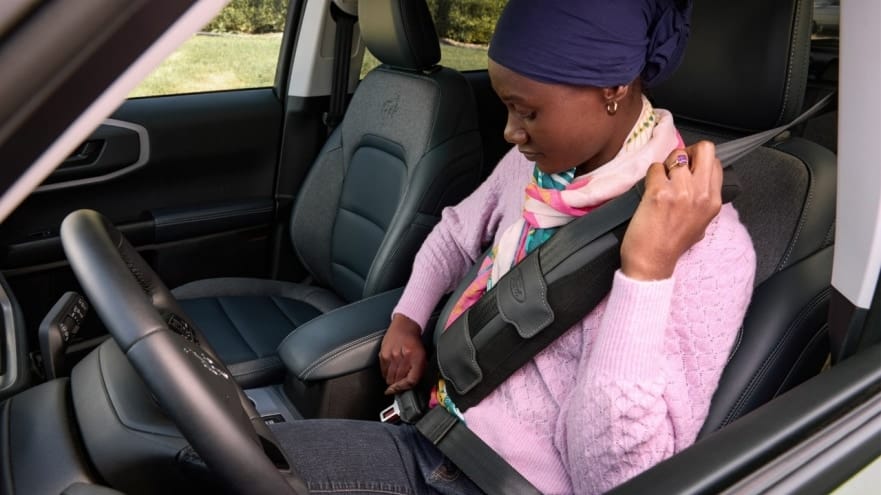
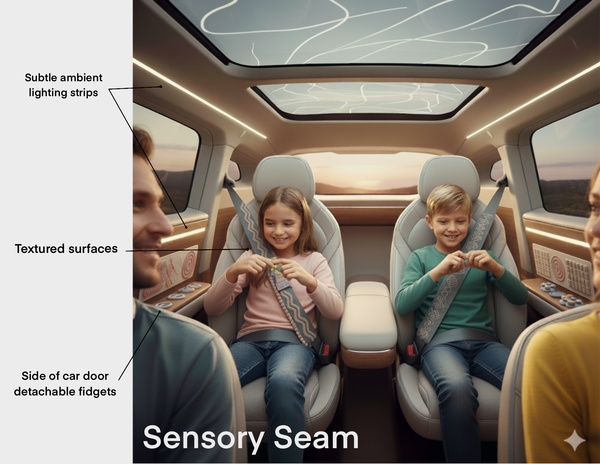
Beyond its immediate medical applications, the SupportBelt paves the way for considering other user groups with similar sensitivities. Young children tend to have heightened tactile awareness, making rough seams, tight straps, or pressure points sources of distraction and discomfort during car journeys. This inspires me to think about existing automotive systems that may still pose challenges for smaller individuals, like children. Opening up design opportunities to foster a more comfortable, while equally safe environment.
References.
Grammarly. (n.d.). https://app.grammarly.com/
Mathew, A., & Zhang, Z. (2025, May 15). Pain to Purpose; How a Mastectomy Led to a Life-Changing Ford Solution . Ford Media Center. https://media.ford.com/content/fordmedia/feu/gb/en/news/2025/05/15/pain-to-purpose--how-a-mastectomy-led-to-a-life-changing-ford-so.html
Supportbelt. VML. (n.d.). https://www.vml.com/work/the-support-belt