Security by Design: How Biometrics Shape the Future of Banking
In today’s digital era, the rapid growth of mobile banking has created both opportunities and challenges for financial institutions. As customers demand seamless digital experiences, banks must balance ease of use with uncompromising security. The article Strengthening Mobile Banking Security with Biometric Authentication: A Case Study on HSBC explores how HSBC has adopted biometric authentication to safeguard customer data while enhancing the user experience.
“As the use of mobile banking continues to rise, securing customers’ personal and financial data has become a top priority for banks worldwide. With the surge in cybercrime targeting mobile banking platforms, robust security mechanisms have become indispensable. To address these concerns, HSBC, one of the world’s largest banking and financial services organizations, embarked on a journey to enhance the security of its mobile banking platform by implementing biometric authentication." (Anshika, 2024).
HSBC’s Approach to Implementing Biometric Authentication
"HSBC conducted a thorough analysis of biometric authentication methods and chose to implement fingerprint recognition and facial recognition for its mobile app. These methods were selected due to their reliability, widespread adoption, and compatibility with most modern smartphones.
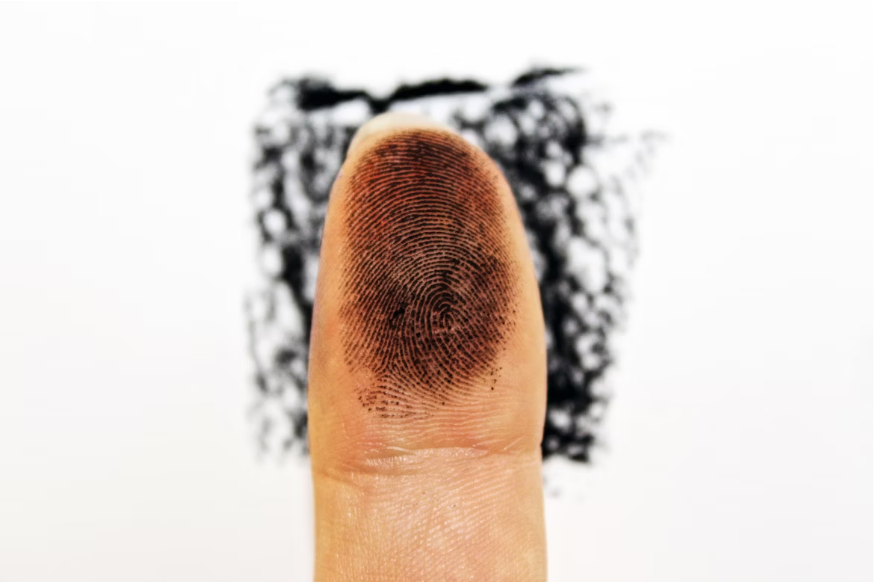
Fingerprint Recognition: A well-established technology, fingerprint recognition offers a fast and secure way for customers to access their accounts.
Facial Recognition: By leveraging the front-facing cameras of smartphones, HSBC introduced facial recognition as an alternative to fingerprint authentication, especially for customers using newer devices like the iPhone with Face ID." (Anshika, 2024).
Integration with Mobile Banking App
"HSBC seamlessly integrated biometric authentication into its mobile banking app, ensuring that customers could easily access their accounts using either fingerprint or facial recognition. The integration was designed to be user-friendly, allowing customers to register their biometric data during app setup." (Anshika, 2024).
"Once set up, customers could use biometric authentication for a variety of actions, including:
Logging into the mobile banking app.
Authorizing payments or transfers.
Verifying their identity for high-risk transactions (e.g., changing account details)." (Anshika, 2024).
"The integration of biometric authentication has resulted in enhanced security, increased customer satisfaction, and higher mobile banking adoption rates, positioning HSBC as a leader in secure mobile banking services. As cyber threats continue to evolve, biometric authentication will play a crucial role in safeguarding financial transactions and ensuring the trust and safety of HSBC’s customers.” (Anshika, 2024).
What stands out in this case study is how security becomes a matter of design. HSBC’s integration of biometrics isn’t just a technical upgrade, it reflects a thoughtful approach to user-centered design in banking. By embedding fingerprint and facial recognition into everyday app interactions (login, transfers, and high-risk actions) the bank creates a system where security feels intuitive rather than obstructive. From a design perspective, this is significant as customers often abandon tools that feel cumbersome, but here the technology enhances trust and adoption. The case also highlights a broader shift in banking where security design is as much about human experience as it is about defense against cyber threats. HSBC’s approach sets a precedent for how banks can design safer and more accessible digital ecosystems.
References.
Anshika. (2024, November 24). Strengthening Mobile Banking Security with biometric authentication: A case study on hsbc. Res Q Rity Cybersecurity Solutions. https://res-q-rity.com/strengthening-mobile-banking-security-with-biometric-authentication-a-case-study-on-hsbc/?utm
Jenson, M. (2022). A Close-up of A Match [Photography]. Unsplash. https://unsplash.com/photos/a-close-up-of-a-match-9N9daxpBzaQ
Based on Strengthening Mobile Banking Security with Biometric Authentication: A Case Study on HSBC (~40%), combined with my own framing, interpretation, and connections to design and banking (~40%), and text synthesized, structured, and edited with the assistance of AI (~20%). All interpretations remain the responsibility of the author.