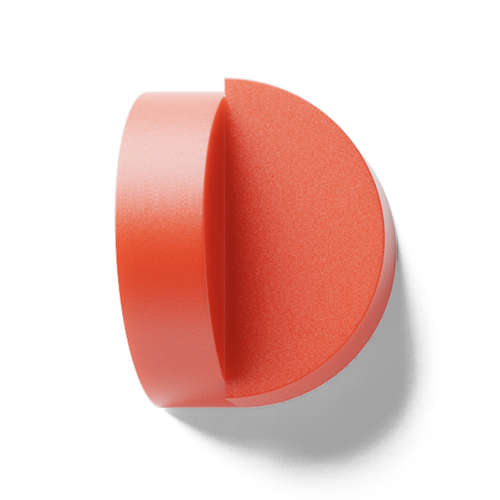
Sensory Seam
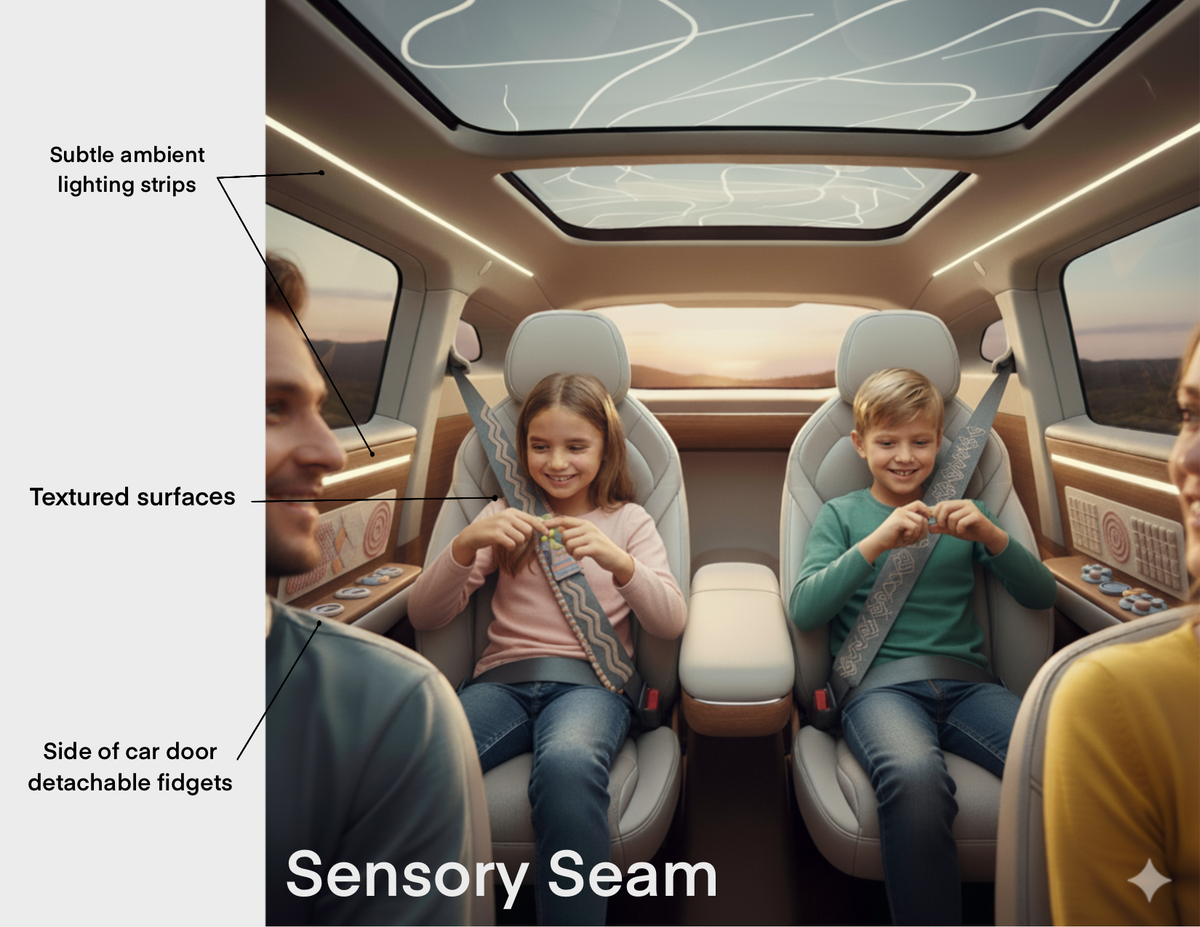
Sensory Seam is a tactile haven for children, designed to help them relieve tension, regulate emotions, or simply stay mentally stimulated. By interacting with built-in fidgets or tracing their fingers across textured surfaces, children can engage their sensory needs in calming and playful ways.
My initial research at the Wexner Center for the Arts particularly influenced this concept. Two exhibitions I visited focused on materiality, showcasing pieces made from plush pillows, netting, and draped fabrics. These installations invited touch and movement, sparking my curiosity and imagination about how similar sensory elements could be integrated into design.
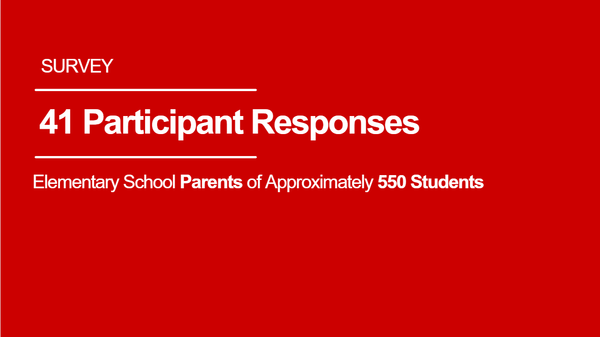
In addition, both my research survey (Link Below) and primary research (Link Below) highlighted the importance of tactile engagement for children. Parents frequently mentioned the role of textures, fidgets, and other sensory tools in helping their children regulate emotions. In fact, in response to a survey question about “the most effective tools and activities used to calm or regulate their child’s emotions,” two of the top four responses were “using sensory tools (e.g., stress balls, textured toys, calming jars)” and “cuddling with a pet or stuffed animal.” These insights further reinforced the value of tactile interaction in supporting children’s wellbeing during travel, guiding me toward the integration of textures and sensory play into the in-car experience.
While this concept draws strength from research on the calming effects of tactile play, possible limitations include durability concerns, hygiene issues from frequent handling, safety concerns from choking hazards or complications with seatbelt, and the risk of overstimulation for certain children. These challenges highlight the need to balance sensory richness with cleanliness, safety, and long-term practicality.
Link to Survey: https://capstone-news.ghost.io/ghost/#/editor/post/68da93cf848f2a00016ee7f3
Link to Primary Research: https://capstone-news.ghost.io/ghost/#/editor/post/68d9e0d0f8803b0001fff604
References.
Grammarly. (n.d.). https://app.grammarly.com/
Eric N. Mack: All the oohs, and the AAHS. Wexner Center for the Arts. (2025a, August 22). https://wexarts.org/exhibitions/eric-n-mack-all-oohs-and-aahs
Veronica Ryan: Unruly Objects. Wexner Center for the Arts. (2025, August 22). https://wexarts.org/exhibitions/veronica-ryan-unruly-objects
This passage was developed from primary and secondary research data I originally collected (~40%), my synthesis and framing of key stressors and themes (~40%), and AI support (~20%) in editing for clarity, structure, and academic tone. All interpretations and conclusions remain the responsibility of the author.