Should you allow screen time in the car?

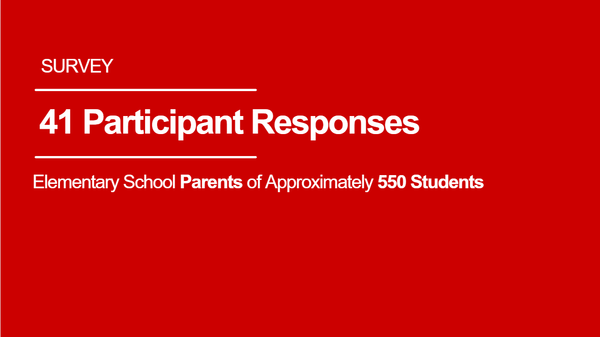
This article is important for my research because it offers a balanced perspective on a controversial topic, “screen time in the car.” It talks about while too much screen use can negatively impact a child's development, it can also be a valuable tool for parents. A key point is that screen time can help prevent children from getting antsy. This presents a critical design challenge: How can a solution leverage the benefits of digital engagement while mitigating the drawbacks?
Screen time in the car (Beurkens, 2022).
It’s no secret that our kids are exposed to screens almost constantly. Many kids spend an excessive amount of time on devices throughout the day, whether they are watching TV, playing games, completing online schoolwork, or using social media. The negative effects of electronics overuse on the developing brains of our children are well-documented, which leaves many parents searching for ways to minimize their kids’ screen time whenever possible (Beurkens, 2022).
Balance is crucial: Even with so many activities requiring us to use electronics every day, we still need to strike a healthy balance between screen time and other activities. The car is a great place to unplug from devices for a short period of time and give our brains a break from screens (Beurkens, 2022).
Social interaction is healthy and fun: Even though our kids often ride with the rest of the family or with their friends, many of them turn to their devices anyways as soon as they sit down. Encouraging them to have conversations during car or bus rides can help them get the social interaction that their brains need to develop in a healthy way, and to strengthen relationships with others (Beurkens, 2022).
Observing the world around us is important: We can also teach our kids the importance of learning about the world around them as we travel. One day, they’ll be ready to drive themselves and they will want to be familiar with their hometown and surrounding areas. Plus, it’s good for them to use their long-distance vision for an extended period of time after being focused on screens for such a long time every day (Beurkens, 2022).
Are there benefits of screen time in the car? (Beurkens, 2022).
Realistically, there are many situations where it can be a good idea for your kids to use their electronics while traveling. For example, on long road trips it can be fun to watch a movie or play games for a while to pass the time. Especially for younger kids, these types of activities can help them avoid getting antsy when they have to spend multiple hours in the car. However, it’s still important to think about how we can provide our kids with a balance of activities so that they don’t wind up watching movies for an entire 12-hour car ride! (Beurkens, 2022).
There are many ways to do this, and here are a few alternative activities that you can suggest for your kids next time you have a longer trip: (Beurkens, 2022).
Play a classic road trip game (I-Spy, Letter Game, and more!) (Beurkens, 2022).
Talk about your plans once you reach your destination (Beurkens, 2022).
Read a book (Beurkens, 2022).
Play with toys (Beurkens, 2022).
Listen to music (Beurkens, 2022).
Put on a podcast or audiobook, and listen together (Beurkens, 2022).
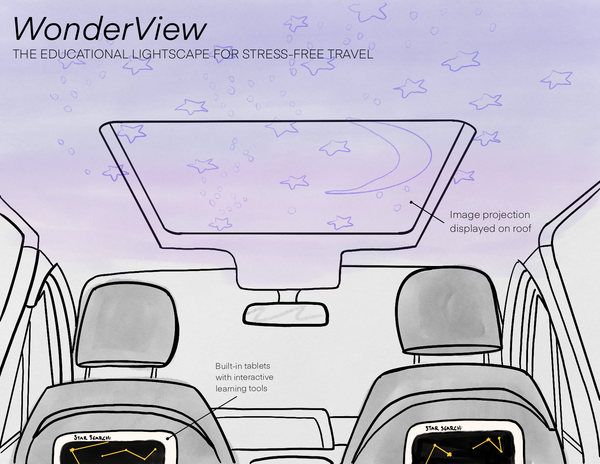
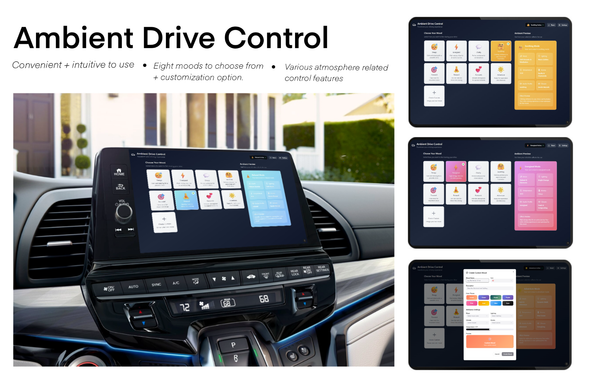
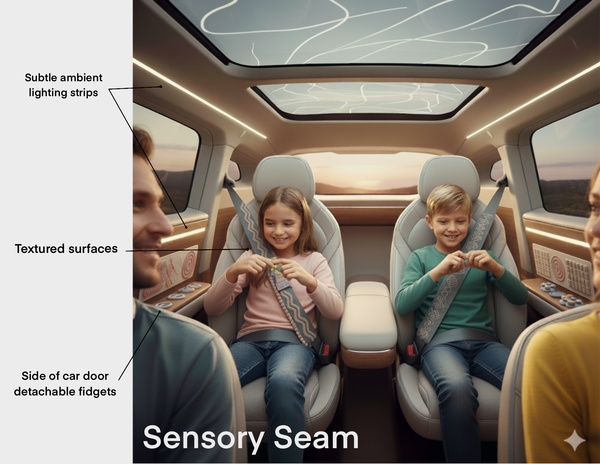
This means if the child is getting frustrated at a game or has been on it for to long then the parent could remove it. My design doesn’t have to be totally against screens but instead it could be a tool that helps parents manage and mix in other digital and screen free activities. This gives them a real choice about how they use technology.
References.
Beurkens, N. (2022, March 29). Should you allow screen time in the car? Qustodio. https://www.qustodio.com/en/blog/screen-time-in-the-car/
This passage incorporates insights from Dr. Nicole Beurkens' article, “Should You Allow Screen Time in the Car?” published by Qustodio on March 29, 2022 (~45%), reflects the author's own analysis and application to design research (~35%), and includes AI assistance in synthesizing the article's content with design priorities, refining phrasing, and framing implications (~20%). All interpretations remain the responsibility of the author.