Small Nudges, Big Impact
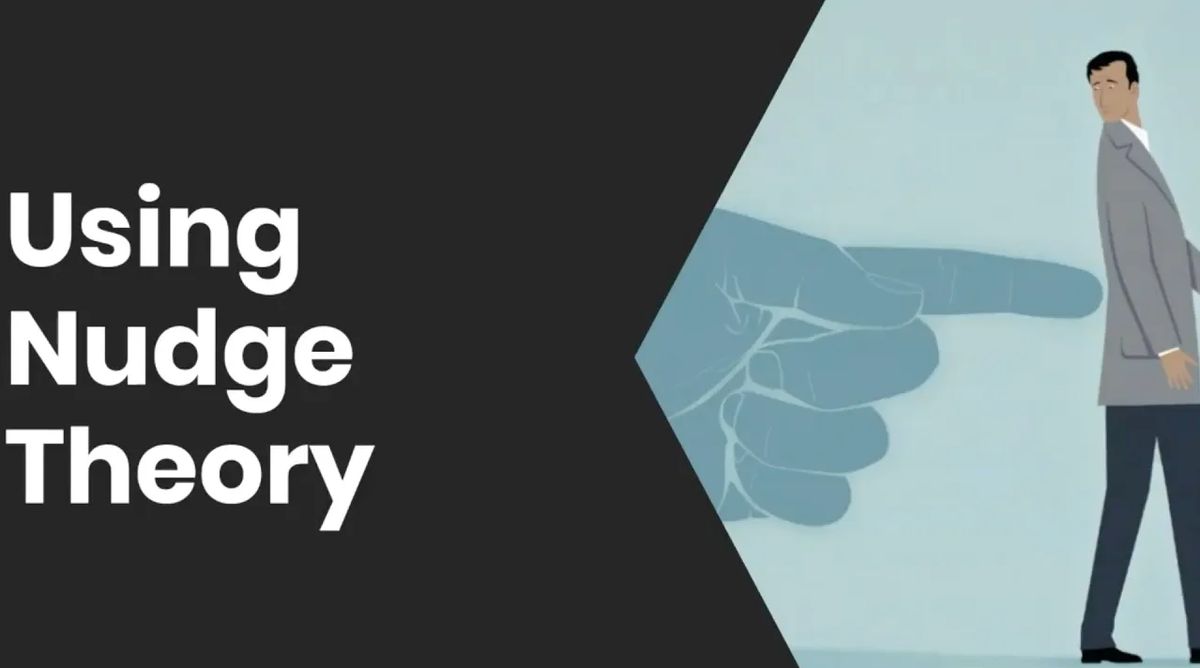
Community banks often compete with larger institutions by emphasizing personal relationships and customer service, but technology increasingly shapes how they deliver on these promises. Gabriel Krajicek, CEO of Kasasa, explains how community banks can use behavioral economics to drive growth while maintaining a local touch. One example is small behavioral nudges, such as a 10-swipe debit card requirement, which can increase average usage to 30 swipes and significantly boost deposit balances.
Krajicek emphasizes the importance of identifying leverage points in product design rather than overcomplicating programs. For instance, incentivizing direct deposit can lead to higher balances, easier cross-sales, and lower attrition. Similarly, Kasasa’s Take Back Loan allows consumers to pay extra toward debt, store that extra amount in a “take-back” balance, and withdraw it anytime, giving users flexibility and reducing financial stress.
Behavioral principles extend to marketing as well: geolocation targeting, psychographic profiling, and digital asset libraries allow smaller banks to compete effectively with larger institutions. The focus is not just on implementing technology but on achieving measurable bottom-line results, including growing core deposits and enhancing customer loyalty. By strategically applying behavioral economics, community banks can optimize small “experience moments” that cumulatively drive significant financial and operational outcomes. Through these innovations, banks can maintain personal relationships, increase deposits, and provide meaningful, user-centered financial experiences (Estes, 2025).
This article is able to illustrate how other banks are already using behavioral economics to help with growth. There are small steps that companies are able to take that can influence the users behavior. Subtle design choices such as an incentivized direct deposits can help with influencing the user behavior towards the product. The goal is to be able to identify the key leverage points that can help in influencing positive financial behaviors.
Understanding the behavior of the user can provide more helpful insights and engagement instead of just adding features. When we are able to provide both gentle reminders and autonomy it creates a sense of self responsibility for the users finances without the a massive fear of failure and potential loss. Behaviroal economics is a tool that is being utilized by banking apps all around the world and it is an important concept that designers need to understanding to implement properly.
References:
Estes, J. (2025, March 24). Behavioral economics for banks: Big results from small experience moments. The Financial Brand. https://thefinancialbrand.com/news/bank-culture/behavioral-economics-for-banking-how-small-experience-moments-can-create-big-results-187611
Ai was used in the creation of the title of this article