Takashi Murakami: Stepping on the Tail of a Rainbow
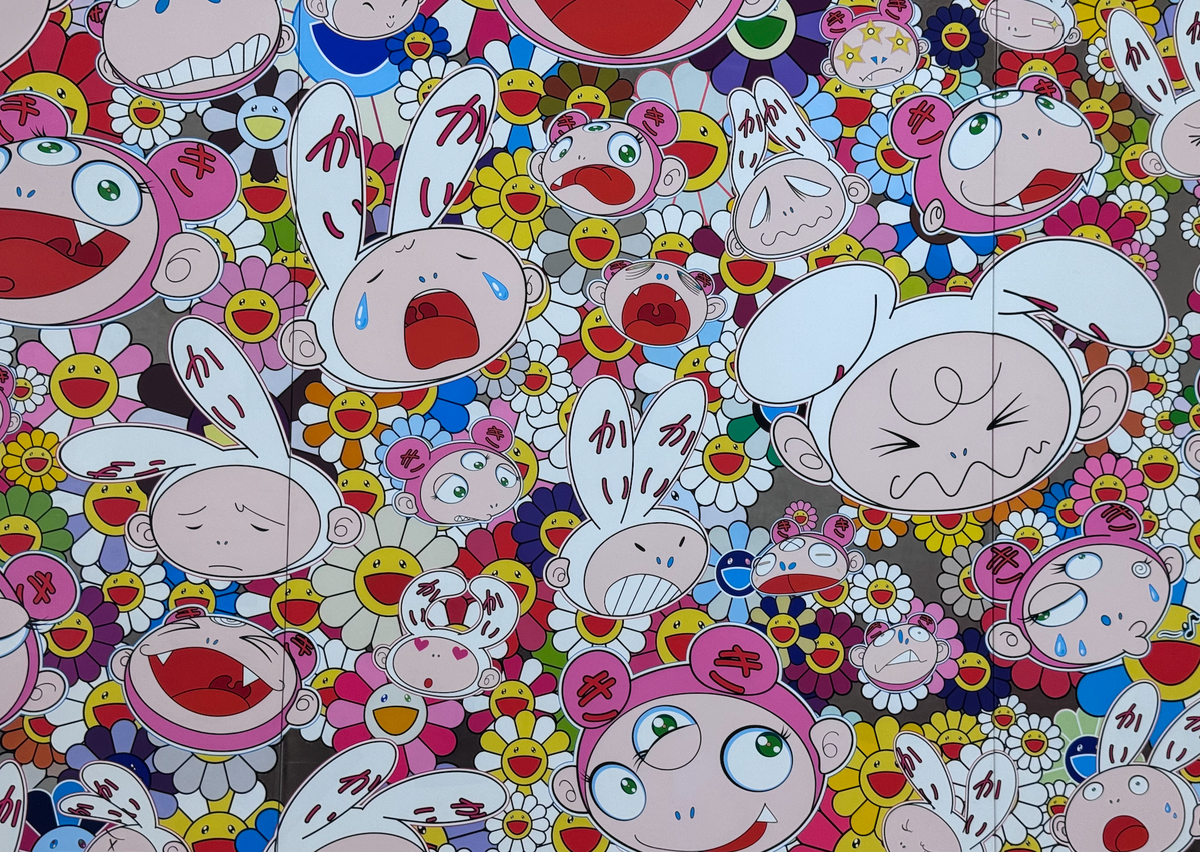
I explored the exhibition of Takashi Murakami and the Cleveland Museum of Art. I discovered more about his flat style work utilizing bright colors, patterns, with symbolic characters that are influenced by historical events and Japanese tradition. I am profiling this to get inspiration about style, pattern, color, and craft for my capstone project.
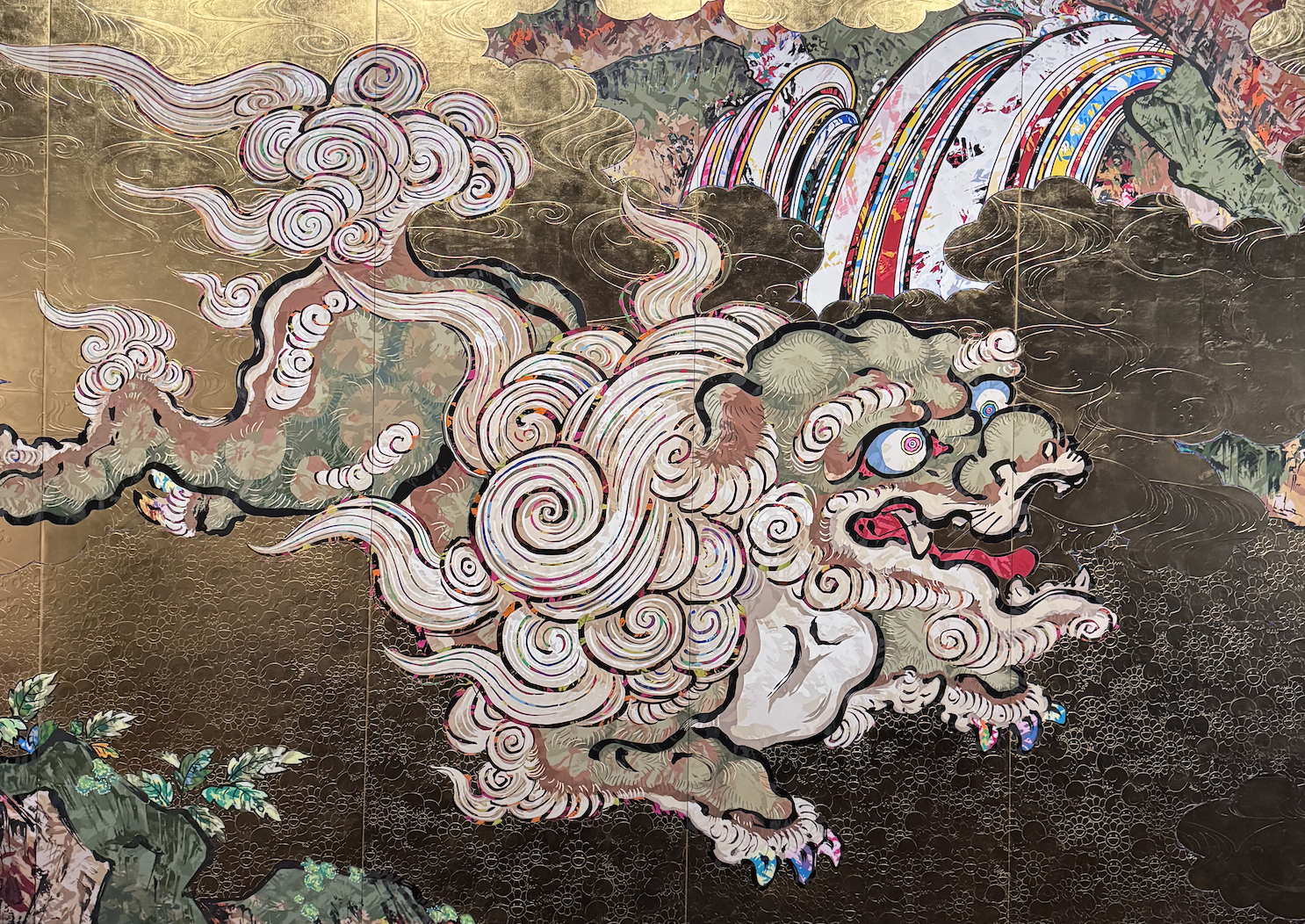
The following was taken from the CMA website, it includes a description about the exhibition of Takashi Murakami.
"Discover an incredible exhibition of works from a Japanese artist known for his unique style that examines the cultural energies of contemporary Japan—anime, manga, and the otaku culture that grew around these popular art forms—against the backdrop of Japanese traditions. Takashi Murakami uses his art to interpret historical events and their lasting effects, such as the end of World War II, the 2011 Tōhoku earthquake and tsunami, and the COVID-19 pandemic. (Cleveland Museum of Art, 2025)."
I was very impressed with Murakami's flat style of artwork. His technique is very smooth, flat and his interpretation of Japanese characters shed insight into the time period they reflected. I was also very impressed in the insane details that followed in all of his works.
"Visitors can explore how—after shared traumatic events—art can address crisis, healing, outrage, and escapist fantasy. Artworks explore topics such as how people may change when experiencing trauma, how major disasters can lead to outpourings of creative and religious fervor, and how art addressing contemporary passions as diverse as gaming, the metaverse, trading cards, street fashion trends, anime, and manga can be an entry point to engaging the past.
The centerpiece of the exhibition is the re-creation of the Yumedono, or Dream Hall, from Nara Prefecture’s Hōryūji Temple complex in the Ames Family Atrium. The Yumedono is believed to occupy the same location as the home of Prince Shōtoku Taishi, who converted his father, Emperor Yōmei, to Buddhism in the late 500s CE by calling for Buddha to cure the emperor of an illness. Upon the emperor’s recovery, Buddhism was allowed formally into Japan. To this day, the Yumedono houses the Kuse Kannon (a likeness of Prince Shōtoku), which is believed to have the power to save people from suffering.
Originating at the Broad in Los Angeles, Takashi Murakami: Stepping on the Tail of a Rainbow is presented with expanded scope at the CMA. (Cleveland Museum of Art, 2025)."
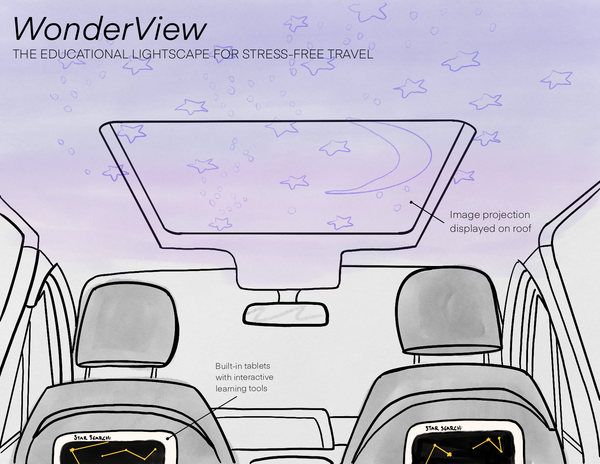
This exhibit was very interesting to see. There was a lot to unpack, and I thought it provided a very unique perspective for my capstone project. Takashi Murakami pulls from traditional Japanese artworks and applies his own twist. He uses a lot of symbolic Buddhist symbols, but alters their depictions to fit his style. I was particularly interested in looking into Buddhist practices. I was so amazed by the intense amounts of detail reflected in his work. There were underlying patterns throughout his pieces, making everything cohesive and intricate. He visualizes interpretations of religion, art, and consumerism in a modern representation. The idea of reimagining traditional works seems to be a useful idea when finding inspiration for a capstone. I was also so impressed with the technique of his artwork, and I am hopeful to aim for clean craft for my capstone project. I am interested in finding creative ways to reimagine the interior of the car. While at the exhibit, it was also insightful to see the families that were viewing the work together. Murakami's style utilizes bright colors and a cartoonish style of characters. This gave me insight to how children interact with patterns, colors, and their interactions within a museum, which can be really insightful when thinking of a capstone project scope.
References:
Cleveland Museum of Art. (2025). Takashi Murakami: Stepping on the Tail of a Rainbow. Cleveland Museum of Art. https://www.clevelandart.org/exhibitions/takashi-murakami-stepping-tail-rainbow
AI was used to refine grammar and create apa citation this reflection.