Take-Back Programs for Bait Shops
The EcoEnclose article (Doshi, 2025) defines take-back programs as brand-led initiatives to manage product or packaging at end-of-life via return, reuse, recycling, or downcycling, often with customer incentives such as discounts or points. EcoEnclose It reviews how take-back programs work, illustrates successful examples, and outlines best practices for ensuring environmental benefit; like prioritizing reuse or repair over downcycling, tracking outcomes, and partnering for scale.
Using a Take-Back Kit or other brand method, customers collect and return eligible products.
They benefit internally from responsibly disposing of unused items and externally through incentives like gift cards or discount codes—provided with the kit or after the brand receives and sorts the goods.
These rewards boost satisfaction, encourage repeat participation, strengthen brand loyalty, and spark word-of-mouth marketing.
Once items are sorted, brands partner with organizations to process them responsibly—through resale, donation, recycling, or downcycling.
Reselling: Some brands run their own resale platforms, while others partner with companies like ThredUP, which offer broader infrastructure and reach.
Donating: Brands typically work with nonprofits equipped to handle specific products—e.g., luxury goods with Dress for Success, footwear with Soles4Souls.
Recycling/Downcycling: Unwearable goods are recycled into new textiles or accessories, or downcycled into materials like insulation or cushioning. Partners include Redmondis, Cirq, and Bonded Logic, with databases maintained by Accelerating Circularity and The Conscious Fashion Forum.
From there, products re-enter the cycle of use in a new form.
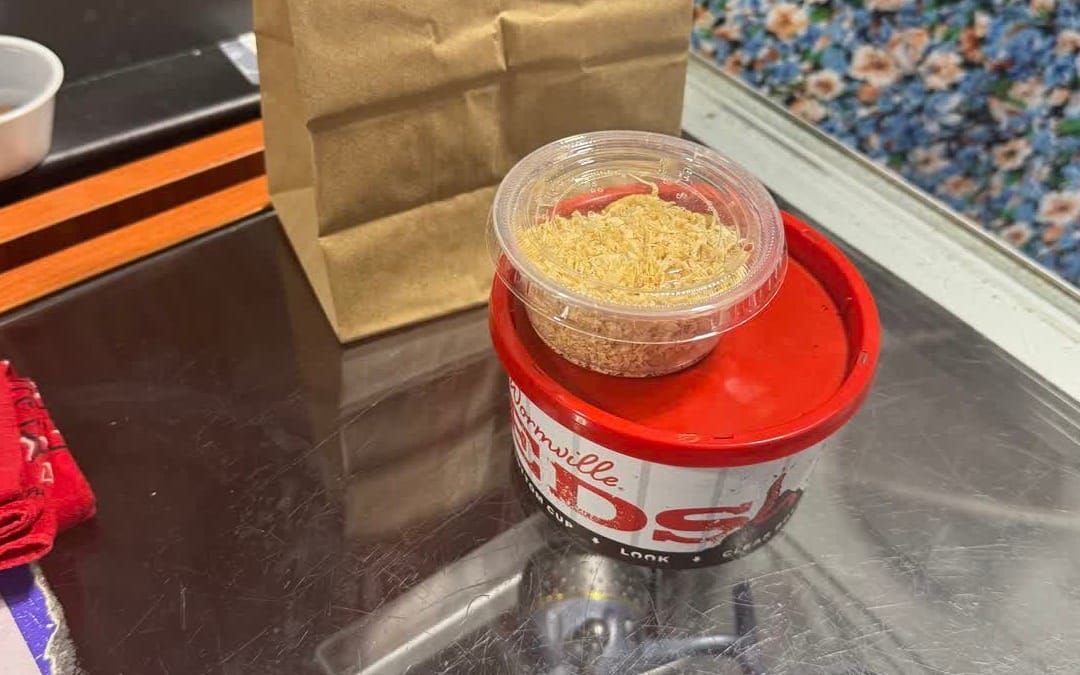
Bait shops could adopt a take-back approach by offering discounted prices to customers who return single-use bait canisters back to the point of purchase or bring reusable bait containers to fill. The shop could cut down on single-use plastics by encouraging people to bring their own bait canisters, and recycle the single-use plastics that make it back. Incentives like discounts or point systems to redeem for reusable options could encourage participation. Such a system would retain material value, reduce waste, lower cost of purchasing single-use stock, and build customer loyalty. This would also allow partnerships between marinas or parks with the bait shops to spread their branding to reusable canister options.
References.
Doshi, S. (2024). EcoEnclose. Ecoenclose.com. https://www.ecoenclose.com/resources/take-back-programs
This review draws on Take-Back Programs: What They Are and How to Get Started (EcoEnclose, 2025) (40%), my own application of take-back principles to bait shop canister return and discount models (40%), and AI assistance in summarizing, synthesizing, and drafting prose (~20%); all interpretations remain the responsibility of the author.