Tap Into Trust: Designing the Future of Contactless Banking
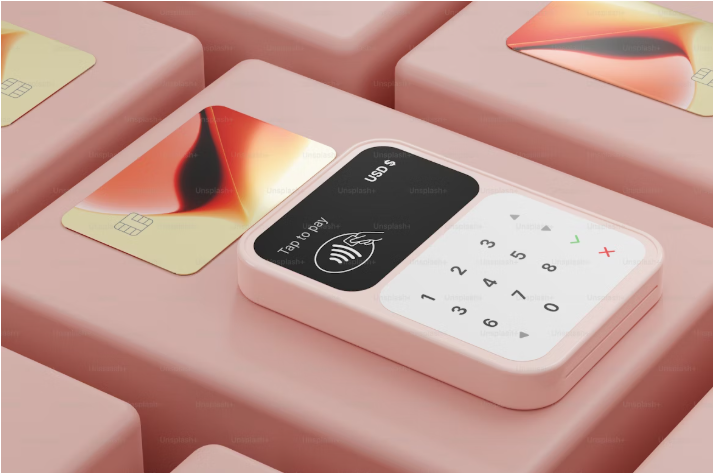
The article Contactless Payments: The Future of Commerce explores Mastercard’s role in accelerating the global shift to tap-to-pay technology. With NFC-enabled cards, digital wallets, and emerging biometric options, contactless payments are reshaping the retail and banking experience.
“Mastercard witnessed tremendous adoption with contactless payments. It has leaned into that growth recently with targeted campaigns and AI analysis to further adoption among users and merchants. In 2019, Mastercard recorded about 30% of payments were contactless worldwide. However, by 2020, that number had risen by 40%. The fastest growth was in grocery and pharmacy, likely spurred by hygiene concerns as well as speed." (Sottosanto, 2025).
"Mastercard found that nearly 80% of global consumers regularly used contactless payments when shopping in retail locations. Considering that just over a year earlier, contactless payments made up 30% of transactions, that shows incredibly fast adoption globally. In some global markets, Mastercard has seen 90% usage of contactless payment systems for SMEs." (Sottosanto, 2025).
"More interestingly, 50% of global customers stated they swapped out non contactless payment options and replaced them with contactless options. This includes choosing a new card to use or a new payment method altogether." (Sottosanto, 2025).
Future Of Contactless Payments In Commerce
"Contactless payments with NFC technology, such as payment cards or digital wallets, are already being fully adopted by consumers as their preferred payment method. However, new small business contactless payment solutions are on the horizon, and merchants need to be receptive to these new technologies so they can take advantage of the benefits." (Sottosanto, 2025).
"As smart devices that use radio frequency identification (RFID) become more common, this will open up new opportunities for contactless payments. Smartwatches are already being used, but other devices or even augmented reality glasses can use contactless payments, and they have become more popular. Biometric authentication also directly relates to contactless payments. Newer POS technology can use facial recognition or palm scanning to complete payment and further speed up the checkout process." (Sottosanto, 2025).
"The more options available to find the best contactless payment methods for shops to use offer maximum flexibility and revenue generating potential for merchants.” (Sottosanto, 2025).
The appeal of contactless payments isn’t only speed or hygiene, it’s the seamlessness of the gesture itself. A simple tap feels intuitive while making security and efficiency feel effortless. For banks, this shift is a reminder that designing financial services isn’t just about security, it’s about shaping user experience and trust. Mastercard’s ability to make contactless payments feel natural shows the power of design to change behavior on a global scale. Looking ahead, I see this trend continuing to evolve as new devices and contexts make payments even more fluid. For me, it ties into the larger question of how we design future banking experiences, not just for speed, but for accessibility, confidence, and everyday usability.
References.
Oroni, P. (2023). A Close Up of a Phone On a Keyboard [Digital Render]. Unsplash. https://unsplash.com/photos/a-close-up-of-a-phone-on-a-keyboard-0Vqy9raIs4I
Sottosanto, S. (2025, July 30). Case studies: Success and challenges with contactless payments in small businesses. ECS Payments. https://www.ecspayments.com/contactless-payments/?utm
Based on Contactless Payments: The Future of Commerce (~40%), combined with my own analysis and connections to design and banking (~40%), and text synthesized, structured, and edited with the assistance of AI (~20%). All interpretations remain the responsibility of the author.