The Art of Reshaping Wealth
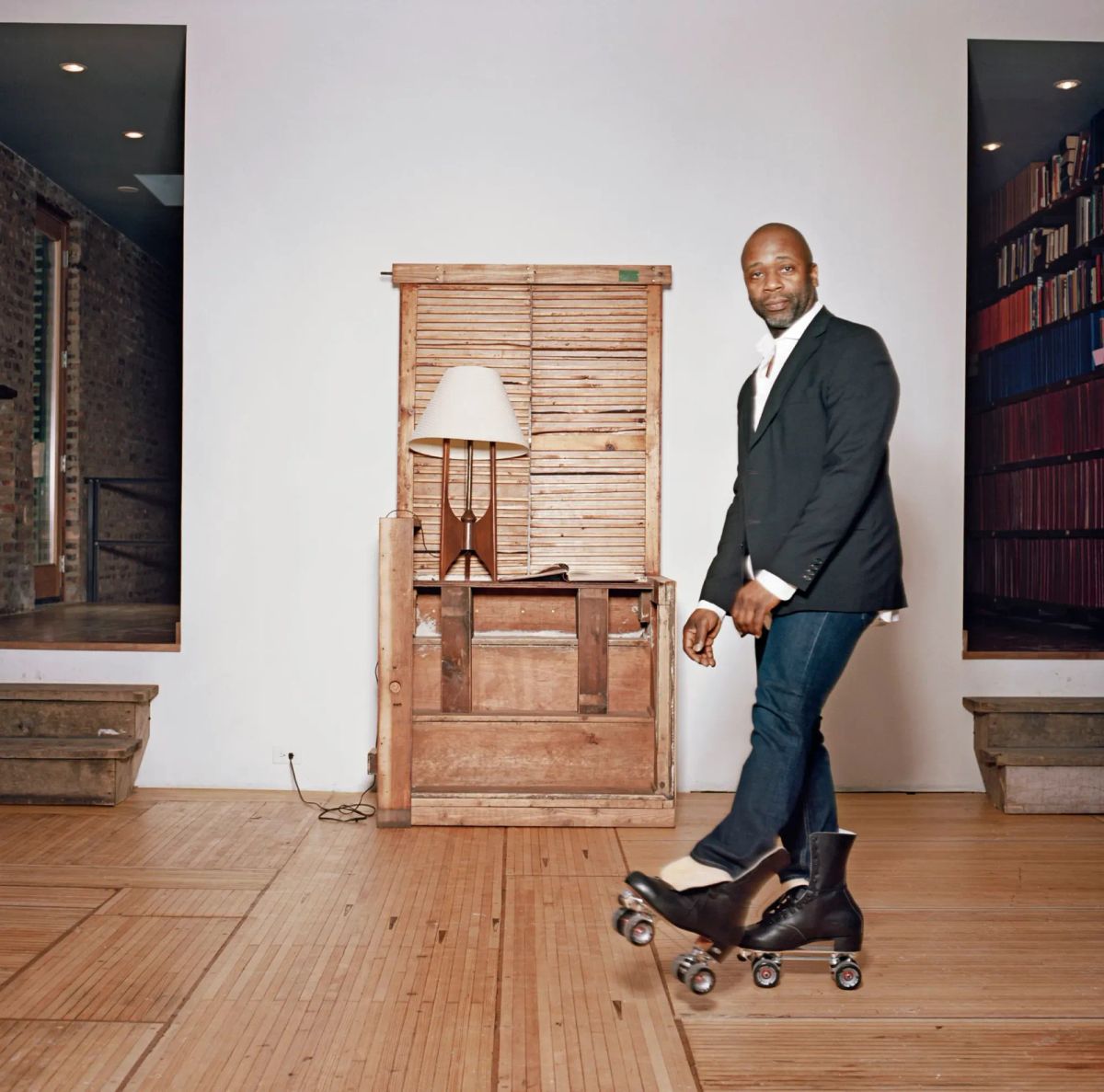
“The 2008 sub-prime mortgage crash looked a lot like the apocalyptic end of something in many American cities, but to Theaster Gates it was a new beginning. Gates, these days director of arts and public life at the University of Chicago, whom ArtReview likes to call “the poster boy for socially engaged art”, was then a somewhat overlooked potter and frustrated town planner.
He used the opportunity afforded by the collapse of Fannie Mae and Freddie Mac to buy a bungalow in the derelict South Side of Chicago for $16,000, then about as much as he could afford. Gates, 34 at the time, set about making the clapboard bungalow his new artistic medium. He gutted it, “repurposed” the scrap to make shelves for 14,000 art books plundered from a closed-down bookstore, and covered the exterior with vertical strips of weathered wood. He created a “soul food kitchen”, and a room to hold a floor-to-ceiling collection of photographic slides rescued from the skip. He called the bungalow the Archive House, and opened it to the neighbourhood.
So far it sounds like any number of community projects. But Gates wasn’t finished there. He used leftover scrap wood to build shoe-shine stands — referencing a history of black poverty and labour — and sold them for thousands of dollars at an art fair in Miami. With the proceeds, Gates bought another property on Dorchester Avenue, the same street as the first. He reimagined it in the same way, bought all the records from a defunct, once famous local record store, Dr Wax, housed them there, and called it the Listening Room. By now he was on a roll.” (Adams, 2015)
While this article does not directly discuss the topic of online banking apps and the ability for people to take control of their financial futures, it does offer relevant insights on the topic. One of the main aspects of the article is discussing how value can be reimagined and put back into the world through different avenues. Now, in the article, Gates is able to transform properties that had been abandoned into places of cultural production and create a new economic start for the place. I find this to be a particularly interesting idea of taking an established concept and reshaping it to fit a new narrative. This can translate significantly well into the online banking app area. From the perspective of these apps, we can see how there can be a reshaping of the way that people access and allocate their financial resources in a way that creates a new narrative around the subject.
References:
Adams, T. (2015, May 3). Chicago artist Theaster Gates: ‘I’m hoping Swiss bankers will bail out my flooded South Side bank in the name of art’. The Guardian. https://www.theguardian.com/artanddesign/2015/may/03/theaster-gates-artist-chicago-dorchester-projects
Ai was not used on this article