The beauty industry generates a lot of plastic waste. Can it change?
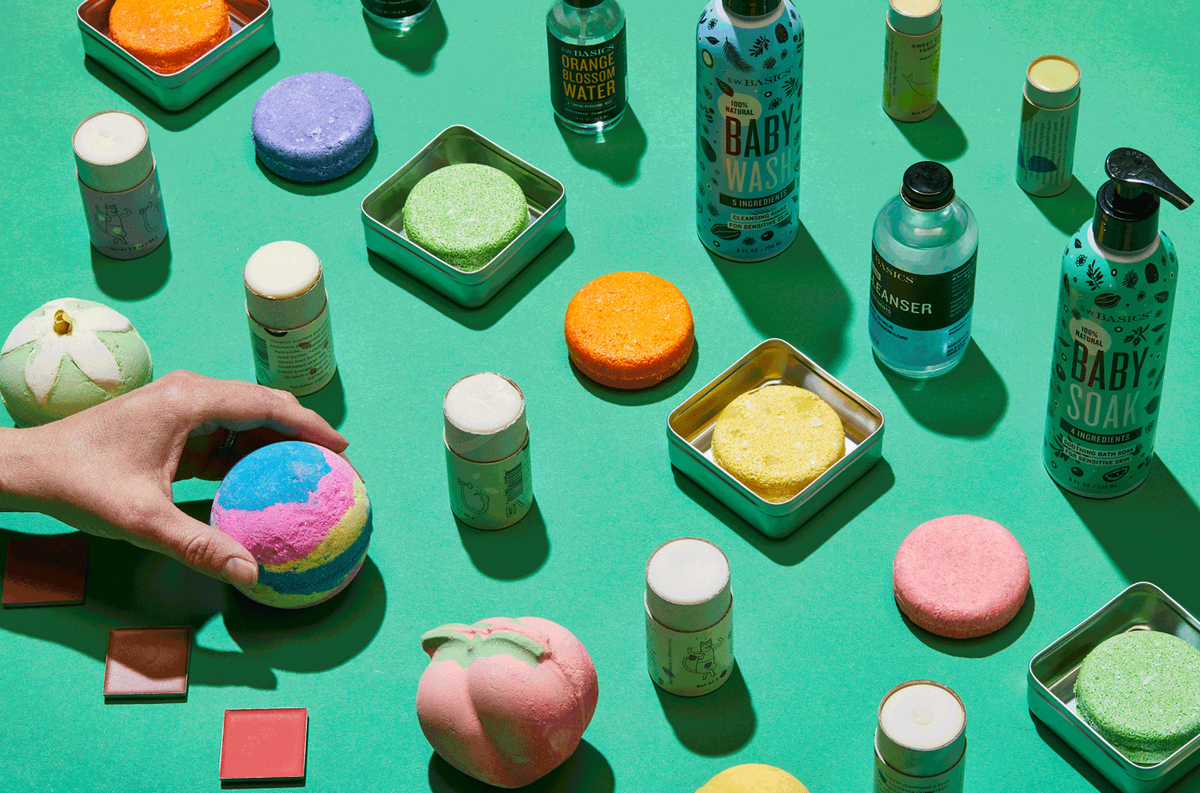
When thinking about my special interest in the intimacy of plastic in our everyday lives, a big portion that came up was the beauty industry. Nearly all beauty products are single-use and meant to be thrown away. This includes things like makeup, skincare, shampoo bottles, perfume, deodorant, lotions, and more. The wastefulness of the beauty industry is also heavily tied to gender, consumerism, marketing, psychology, and hygiene.
This article by Alejandra Borunda at National Geographic touches on history of plastic in beauty products as well as marketing and hygiene.
"Bio-based plastics and biodegradable plastics had their own sets of environmental drawbacks. It seemed like all the packaging options she could find were some variant on bad" (Borunda, 2025).
"She and her coworkers have to hand-fill each tube, and their profit margins are thin because the cardboard tubes cost 60 times as much as mass-produced plastic options. And the tubes aren’t quite as convenient to use as the plastic cases familiar to most consumers. But it’s worth it, she says, not just because it makes ethical sense but to help demonstrate to others across the industry that there are alternatives—workable, functional, creative alternatives—to the plastic that has infiltrated every aspect of modern commerce" (Borunda, 2025).
"The booming $500 billion per year global personal care industry relies on plastic" (Borunda, 2025).
"By the mid-1920s, a whole industry of “personal care” popped up; in 1926, the Lever company (which would later become Unilever, a major multinational personal care product company) kicked off an ad campaign outlining the damage “body odor” could do to one’s career and social prospects" (Borunda, 2025).
"During the plastics explosion of the mid-20th century, the personal care industry jumped on the plastics bandwagon along with many other industries" (Borunda, 2025).
"'We want liquid products that lather, moisturize, exfoliate, and also smell wonderful and fresh—all these characteristics that we've considered critical to the idea of cleanliness,' says Rachael Wakefield-Rann, a research consultant in the Institute for Sustainable Futures at the University of Technology, Sydney"" (Borunda, 2025).
"Adina Gregoire, the founder, chose glass for her primary packaging because of its nearly infinite recyclability, even though the bottles and jars she used cost about 10 times more than a comparable plastic alternative in the early days" (Borunda, 2025).
"The amount of plastic packaging on U.S. products (not just on personal care items) has increased by over 120 times since 1960—with almost 70 percent of that waste piling up in landfills" (Borunda, 2025).
"The challenge is vast, but there’s no excuse for not trying, says Pelletier, of Meow Meow Tweet. 'There are no solutions just waiting for us,' she says. 'We just have to make them'" (Borunda, 2025).
As someone who loves makeup, this article and this project forces me to reflect on all the plastic we surround ourselves with everyday. And the truth is I don’t need a lot of these products, and I hardly ever think about what they’re made of or what happens to them after I throw them away. It’s difficult to imagine that the first tube of mascara I ever had 10 years ago is still hanging around in a landfill somewhere.
In this fight against plastic, I think we need to follow in the footsteps of the small businesses who are willing to sacrifice profit and convenience in order to uphold their values of sustainability. We need to put our money where our mouth is and hold ourselves accountable for the practices that we support. After all the research done for Capstone, we know that recycling is not the answer. There has to be a cultural shift away from plastic and convenience.
No generative artificial intelligence (AI) was used in the writing of this work.
References
Borunda, A. (2025, July 30). The beauty industry generates a lot of plastic waste. Can it change?. National Geographic. https://www.nationalgeographic.com/environment/article/beauty-personal-care-industry-plastic