What Makes Design ‘Good’ Anyway?
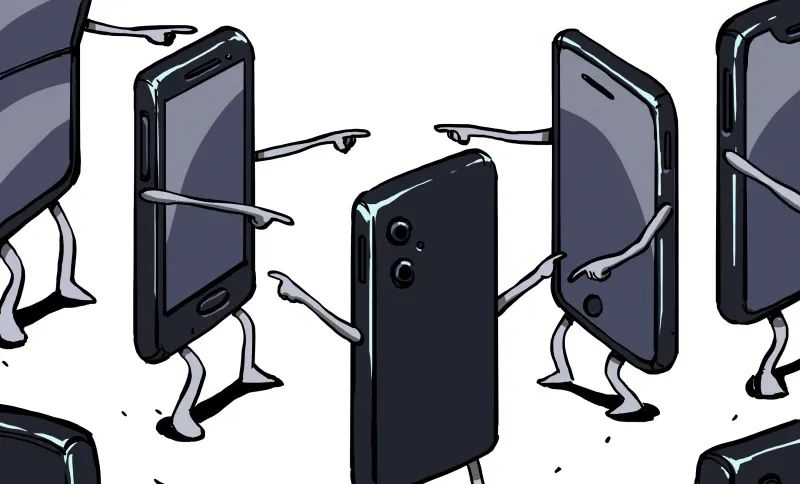
This article piqued my interest as it argues that the world of design has become dull. Looking back at past decades, technology once pushed the boundaries of color, shape, texture, and form. Now, everywhere we look, everything feels the same.
It’s often said that what’s inside matters more than one’s looks, but it’s hard to argue that a product’s looks and its physical user experience are what makes it instantly recognizable. When you think of something like a Walkman, an iPod music player, a desktop computer, a car or a TV, the first thing that comes to mind is the way that it looks along with its user interface. This is the domain of industrial design, where circuit boards, mechanisms, displays and buttons are put into a shell that ultimately defines what users see and experience.
Bold And Colorful Shapes
Industrial design is less of a science and more of an art, limited only by the available materials, the constraints of the product’s internals and the goal of creating a positive user experience. Although design has always played a role with many products over the millennia, these were generally quite limited due to material and tooling constraints. As both plastics and electronics began their stratospheric rise during the 20th century, suddenly it felt like many of these constraints had been removed.
No longer was one limited to basic materials like stone, metal, wood and paint, while internals got ever smaller and more flexible in terms of placement. Enclosures now could take on any shape, while buttons, knobs and dials could be shaped and placed to one’s heart’s content. This change is clearly visible in consumer devices, with the sixties and subsequent decades seeing a veritable explosion in stylish transistorized radios, home computers and portable entertainment devices, with industrial designers getting the hang of all these new materials and options.
The peak here was arguably achieved during the 1990s and early 2000s, as electronic miniaturization and manufacturing chops led to device manufacturers basically just showing off. Personal Hi-Fi systems and portable devices along with computer systems and laptops grew curved, translucent and transparent plastic along with a dazzling array of colors.
Yearning For That Human Touch
In the case of consumer electronics that means devices that lack any distinguishable features, as minimalism is a poor way to distinguish one product from another. The removal of visually pleasing and physically practical elements also means a dull, stimulation-free experience.
There are no pleasing elements to rest your eyes on, no curves or colors that invoke an emotional response, no buttons to press, or any kind of auditory or physical response. Just lifeless touch controls on slabs of plastic and glass with maybe a sad beep as confirmation of a touch control having been triggered.
In this context, what is often called the revival of physical media can be interpreted as not just a yearning for a more visceral audio-visual experience, but would together with so-called retro-computing be a way to experience personal electronics in a way that stimulates and invigorates. Where physical buttons are pressed, sliders slid, dials turned and things go click and whirr as one’s fingers touch and manipulate the very real user interface elements. (Posch, 2025)
In our race to accelerate technological capabilities, we’ve sacrificed authenticity in design and even the way users engage with it. Sleek, minimal aesthetics paired with powerful, efficient technology once felt revolutionary, but now users are bored. With my capstone surrounding the need to design for both parents and children, this shift is particularly significant.
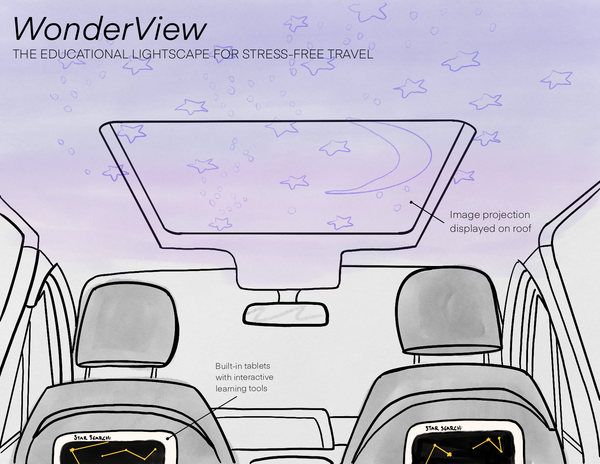
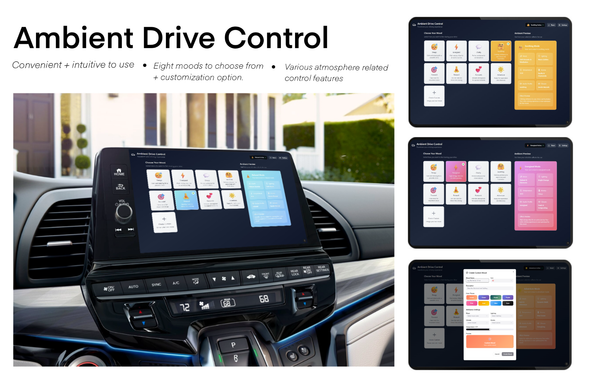
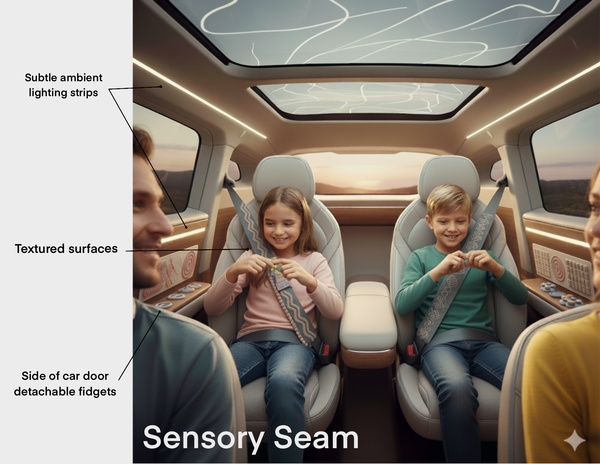
Young children are increasingly looking mindlessly at screens, when they instead should be seeking more meaningful, engaging experiences that connect them to the world around them. Which pushes me to rethink how we can design the backseat experience. I want to define how we can use advanced technology while also encouraging curiosity, exploration, and awareness rather than passive consumption. Incorporating tactile details, playful colors, and shapes that invite interaction and imagination, are just part of the solution I have in mind for this project.
References.
Posch, M. (2025, July 24). The Death of Industrial Design and the Era of Dull Electronics. Hackaday. https://hackaday.com/2025/07/23/the-death-of-industrial-design-and-the-era-of-dull-electronics/
This reflection draws ~40% from the Hackaday article “The Death of Industrial Design and the Era of Dull Electronics” (2025), ~45% from the author’s own framing of the capstone context and design intentions, and ~15% from AI assistance (synthesizing article content, editing for clarity, and expanding argumentation). All interpretations and final perspectives remain the responsibility of the author.