The Future of In Car Entertainment:AI
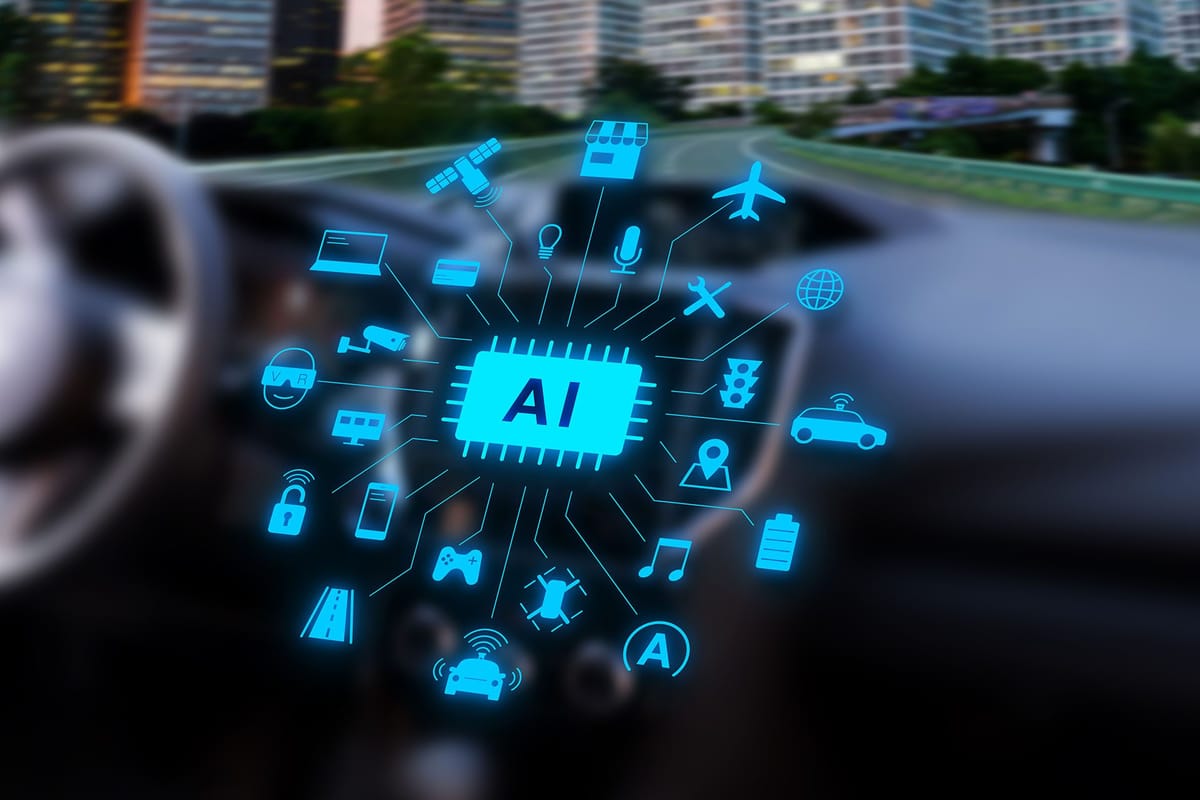
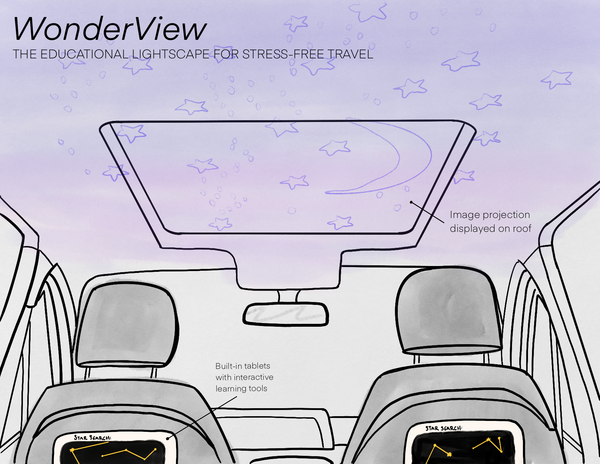
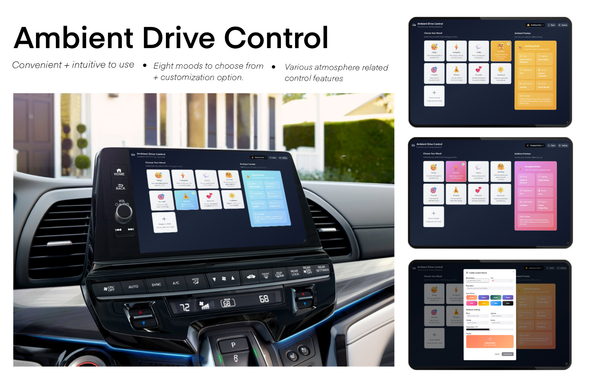
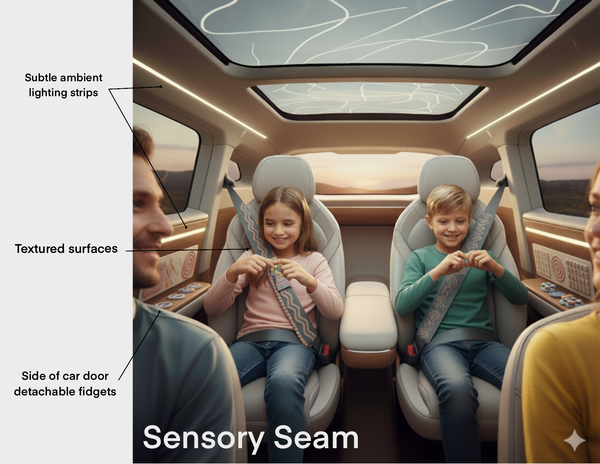
This article is good for my research because it looks into how in car entertainment is evolving into a central part of the driving and riding experience. It highlights not only market growth but also the specific ways technology and design are shaping the cabin into a personalized media hub. Something that stood out to me is that user expectations are now modeled more after smartphones and a seamless design. Consumers want it to be intuitive and customizable meaning design is less about adding gadgets and more about creating integrated easy to use systems. The article shows how features like rear seat entertainment is becoming standard and AI is being integrated more and more into different aspects of the car. AI in cars is being used to personalize entertainment by predicting user needs like suggesting media that fits the length of a trip and even adapting content to the driving situation. It also helps optimize connectivity by preloading or adjusting streaming quality to avoid interruptions. This is valuable for my design work because it demonstrates how entertainment and convenience are merging into one. How might these entertainment driven features be simplified to enhance comfort and meditation for children in the backseat?
People are tech savvy, and smartphones have shaped users who know to navigate interfaces with few or no onboarding prompts. As a result, drivers and passengers have greater expectations for intuitive design in car entertainment tools. Users ultimately want the technology to be an extension of their existing devices (primarily their phones), and so car manufacturers are building systems that integrate with established user behaviors (Intive, 2024).
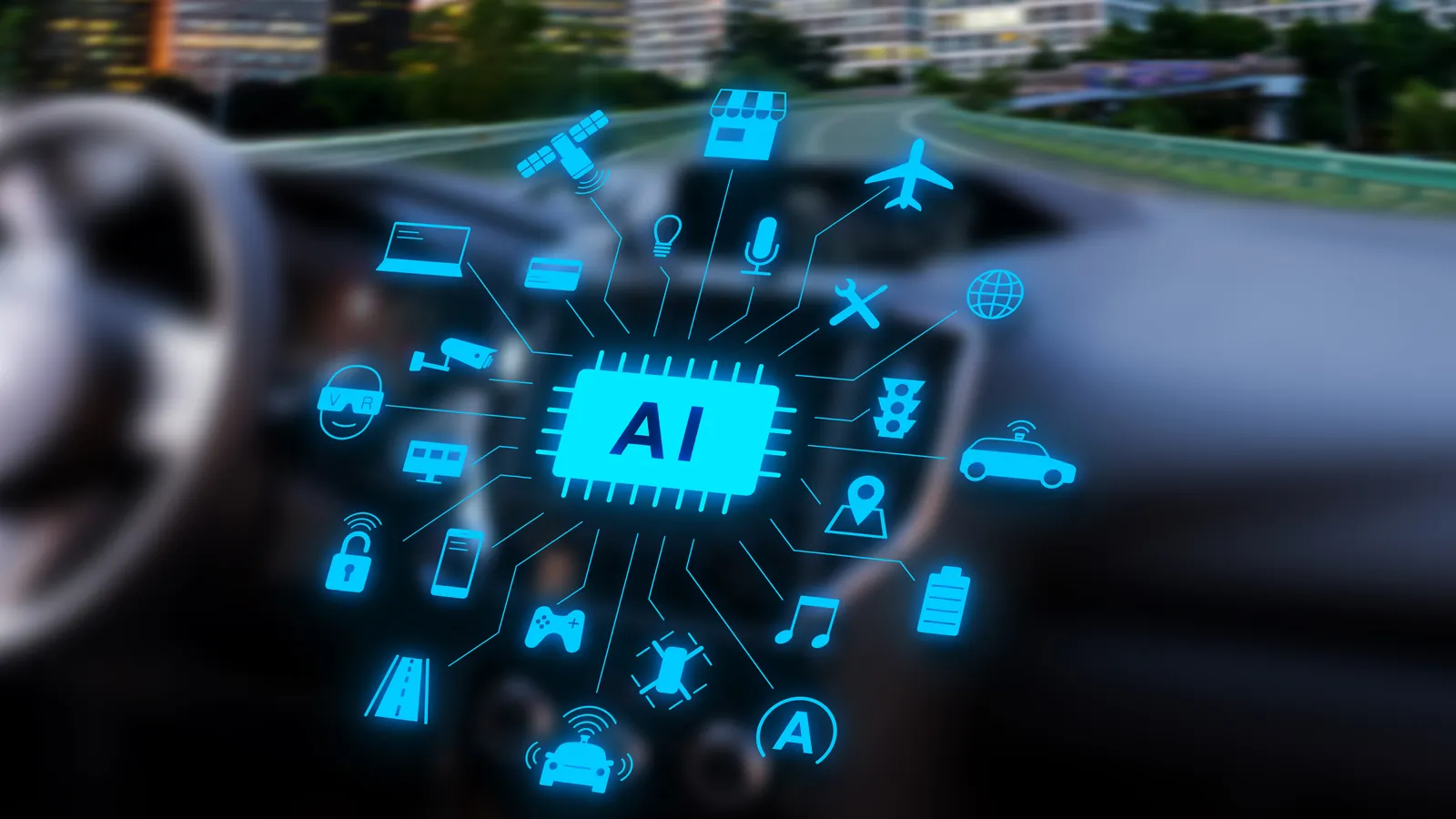
AI for improved connectivity, CX, and development cycles (Intive, 2024).
AI has a significant role to play in the future of in-car entertainment as it contributes to better tech functionality, as well as more efficient development cycles. What’s more, AI can seamlessly merge with existing technology and user behaviors, so there’s no friction in updating – and improving – in-car entertainment (Intive, 2024).
Take podcasts: nearly 50% of people say they listen to them whilst driving. Leveraging generative AI and voice cloning technology, intive has helped create an app that adjust the length of podcasts based on the remaining time of a car journey. The podcast is tailored precisely to fit the duration of the journey and dynamically adapts to changes in the estimated time of arrival, such as traffic delays. This ensures that passengers don't miss out on content if the podcast is longer than the journey and, conversely, prevents idle time if the journey surpasses the podcast length (Intive, 2024).
Reference.
Intive. (2024, May 27). What is driving the next generation of in-car entertainment? intive. https://www.intive.com/insights/what-is-driving-the-next-generation-of-in-car-entertainment
This passage draws on Intive’s “What Is Driving the Next Generation of In-Car Entertainment” (~45%) as the original source, integrates the author’s own reflections and design-focused applications (~35%), and includes AI assistance in synthesizing the article’s insights, refining phrasing, and framing implications for child-centered backseat experiences (~20%). All interpretations remain the responsibility of the author.