The Real Reason People Litter, and How You Can Help
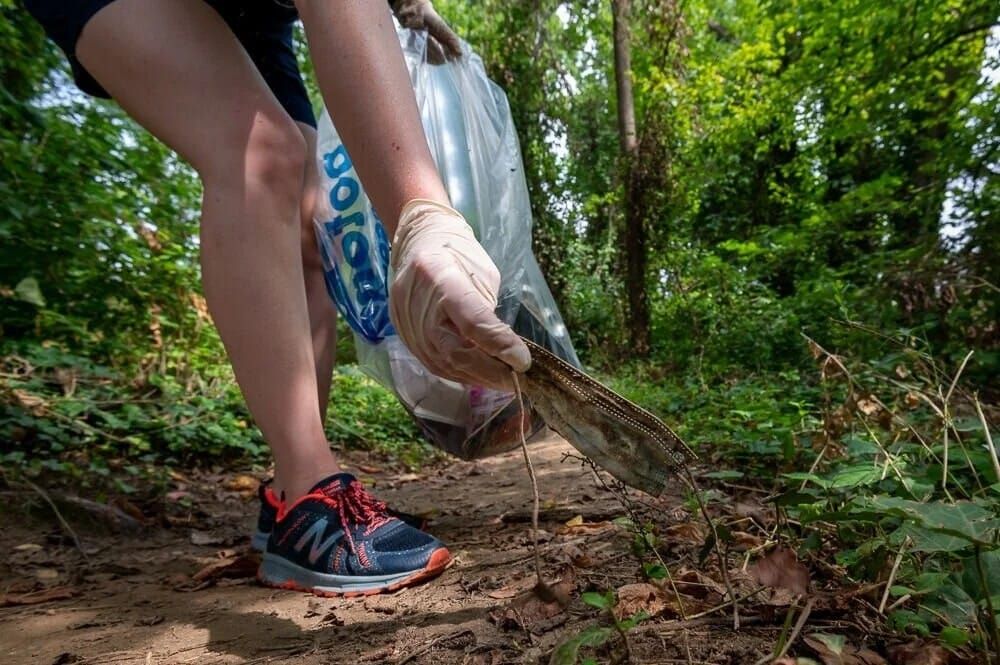
This blog post from the Potomac Conservancy discusses the social and environmental cues that cause people to litter. The article points out that understanding the mindset of litterers can give insight into why a littering problem exists within a given community and the types of initiatives to combat this issue (bolded text).
"Oftentimes, people litter simply because there isn’t a trash can nearby. Rather than uncomfortably carry trash away with them, people decide it’s easier to leave it behind, according to research done by the Allegheny Front. An easy step toward a solution, then, is to contact local park officials to ask about installing more trash receptacles" (Potomac Conservancy, 2020).
"Robert Cialdini, a psychology professor at Arizona State University, says the decision to litter is based largely on environmental cues – or what people see around them. 'It all comes down to norms, and you get those cues from the environment,' Cialdini told The Atlantic. 'People litter for reasons of convenience. They don’t want this thing. The crucial question is why don’t they litter, since the easy thing is to litter. Why would people hold onto a piece of trash? Their attitudes toward the environment make a difference, but what they perceive as the norm is key'" (Potomac Conservancy, 2020).
"In other words, the decision to litter is based on the actions of other people – for both good and bad. If an area is already highly littered, people are more likely to add more litter, while the cleaner an area already is, the less likely people are to disrupt the scene by littering. That means that by advocating for better local recycling programs or organizing a river cleanup, you’re helping create an environment where people feel less discouraged and are less likely to litter" (Potomac Conservancy, 2020).
"There is still some personal responsibility involved in littering. According to a report done by Keep America Beautiful, people are more likely to litter when they feel 'no sense of ownerships for parks, walkways, beaches, and other public spaces'" (Potomac Conservancy, 2020).
"This sense of ownership, instead, is found around people’s homes and neighborhoods. A study done by the Trash Free Maryland initiative determined that many people, facing litter-filled communities, feel disappointed about the state of their community and wish it were cleaner" (Potomac Conservancy, 2020).
"However, they hesitate to remove litter from their community because of sanity concerns such as diseases spread and contamination from hidden needles. They also feel a 'sense of futility in picking up litter, as there is so much that a new batch of litter blows in almost as soon as the old litter is picked up.' How can we combat the feeling of futility? Advocating for top-down approaches to stop litter before it even gets to our homes, like legislation promoting reusable, non-plastic products" (Potomac Conservancy, 2020).
Review
The social cues that influence people's decision to litter (or not) is critical in understanding why it happens, what can be done to prevent it, and creates a dynamic problem space for designers to implement new ideas targeting trends in littering behaviors. The "monkey see, monkey do" aspect is interesting and incredibly important in its own right, but what stands out to me about this article is how a sense of ownership impacts people and changes their perspective on littering. It makes sense that a homeowner would be protective of their lawn and outdoor space, especially from trash that isn't theirs. Growing up with a father who takes great pride in his pristine lawn and landscaping, I have witnessed this firsthand. How can design be used to promote a similar sense of ownership over our state parks and nature preserves? How can we get people thinking about the big picture in terms of the Earth and its ecosystems as our "home" that deserves the same level of care and protection?
References
Potomac Conservancy. (2020, February 1). The real reason people litter – and how you can help. Potomac Conservancy. https://potomac.org/blog/2020/2/1/why-people-litter