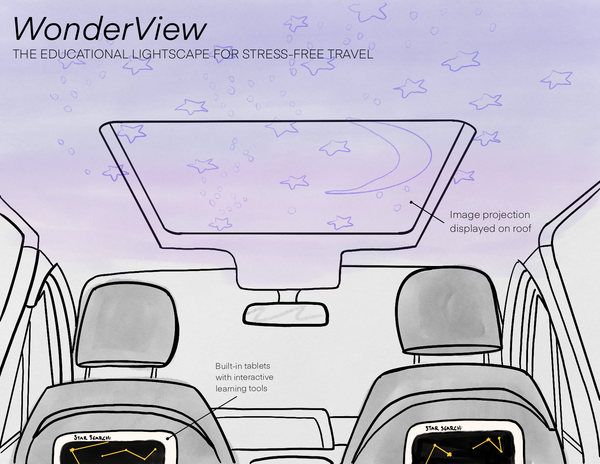
The Space Between Chaos and Calm finds Takashi Murakami’s Stepping in the Tail of a Rainbow
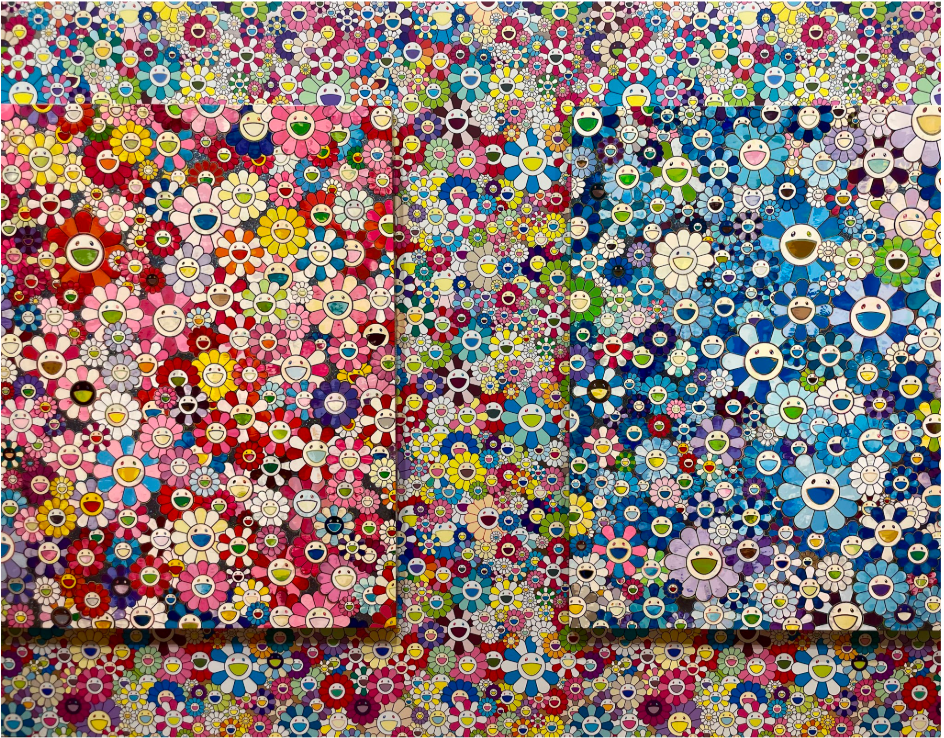
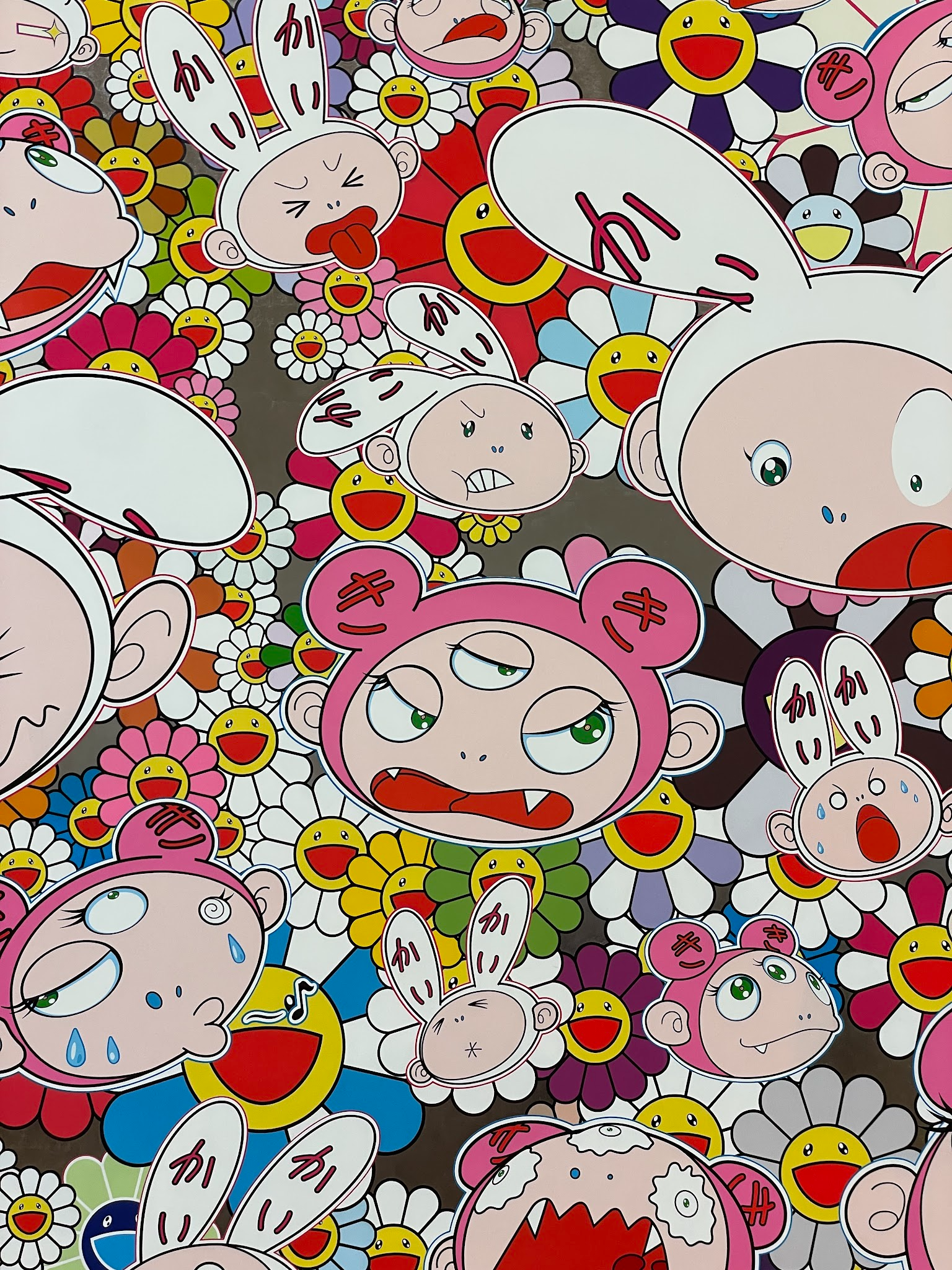
Takashi Murakami's exhibition, "Stepping on the Tail of a Rainbow," is a masterclass in blending playful visuals with profound reflection, working to reframe our thought process of creating intentional, calming spaces in our lives.
The following is taken from the Cleveland Museum of Art exhibitions page linked below:
Discover an incredible exhibition of works from a Japanese artist known for his unique style that examines the cultural energies of contemporary Japan—anime, manga, and the otaku culture that grew around these popular art forms—against the backdrop of Japanese traditions. Takashi Murakami uses his art to interpret historical events and their lasting effects, such as the end of World War II, the 2011 Tōhoku earthquake and tsunami, and the COVID-19 pandemic.
Visitors can explore how—after shared traumatic events—art can address crisis, healing, outrage, and escapist fantasy. Artworks explore topics such as how people may change when experiencing trauma, how major disasters can lead to outpourings of creative and religious fervor, and how art addressing contemporary passions as diverse as gaming, the metaverse, trading cards, street fashion trends, anime, and manga can be an entry point to engaging the past.
The centerpiece of the exhibition is the re-creation of the Yumedono, or Dream Hall, from Nara Prefecture’s Hōryūji Temple complex in the Ames Family Atrium. The Yumedono is believed to occupy the same location as the home of Prince Shōtoku Taishi, who converted his father, Emperor Yōmei, to Buddhism in the late 500s CE by calling for Buddha to cure the emperor of an illness. Upon the emperor’s recovery, Buddhism was allowed formally into Japan. To this day, the Yumedono houses the Kuse Kannon (a likeness of Prince Shōtoku), which is believed to have the power to save people from suffering.
Originating at the Broad in Los Angeles, Takashi Murakami: Stepping on the Tail of a Rainbow is presented with expanded scope at the CMA. (Takashi Murakami: Stepping on the Tail of a Rainbow [Exhibition], 2025)
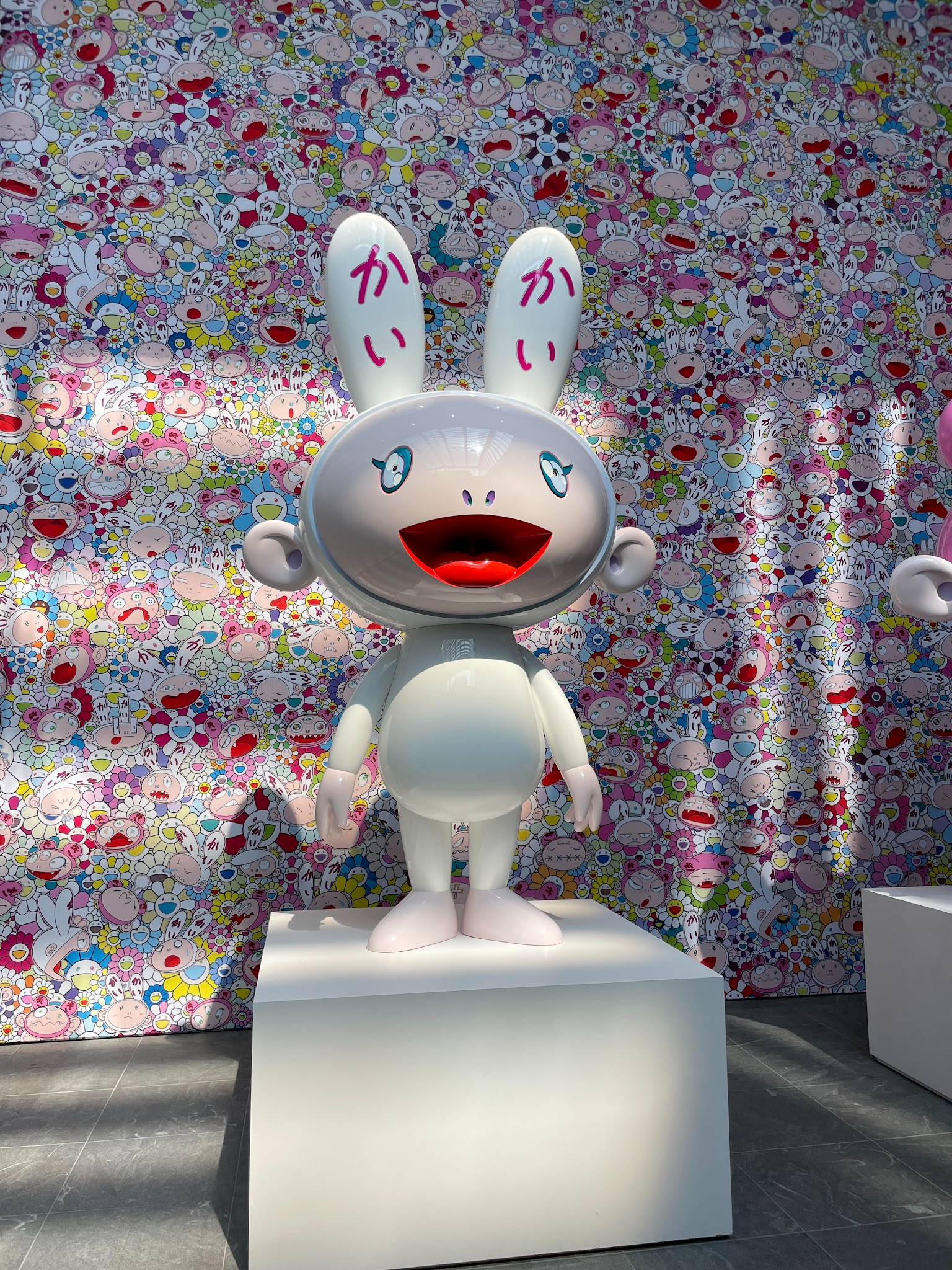
What struck me most while walking through this exhibit, was how Murakami used vibrant, often chaotic imagery not to overwhelm, but to intentionally invite reflection. His art reminded me that stillness doesn’t have to come from minimalism or quiet spaces alone; it can be found within colorful, interactive, and joyful environments, too.
This perspective has been especially inspiring as I consider how transitional spaces can be intentionally designed. Cars, especially after a long day of school or activities, can often feel like a pressure cooker of emotions; kids are frequently overstimulated, parents tired, and both are seeking some sense of control and calm. Instead, I want to turn this transitional space into a sanctuary, somewhere children can come down from their day while still feeling playful and engaged, and where parents can find a sense of grounding rather than stress.
References.
Takashi Murakami: Stepping on the Tail of a Rainbow [Exhibition]. (2025, May 25–September 7). The Cleveland Museum of Art, Cleveland, OH, United States. https://www.clevelandart.org/exhibitions/takashi-murakami-stepping-tail-rainbow
This reflection draws ~40% from Cleveland Museum of Art Exhibition visit and article “Takashi Murakami: Stepping on the Tail of a Rainbow” (2025), ~50% from the author’s own framing of the capstone context and design intentions, and ~10% from AI assistance (synthesizing article content, editing for clarity, and expanding argumentation). All interpretations and final perspectives remain the responsibility of the author.