Turning Corporate Tech into Community Impact
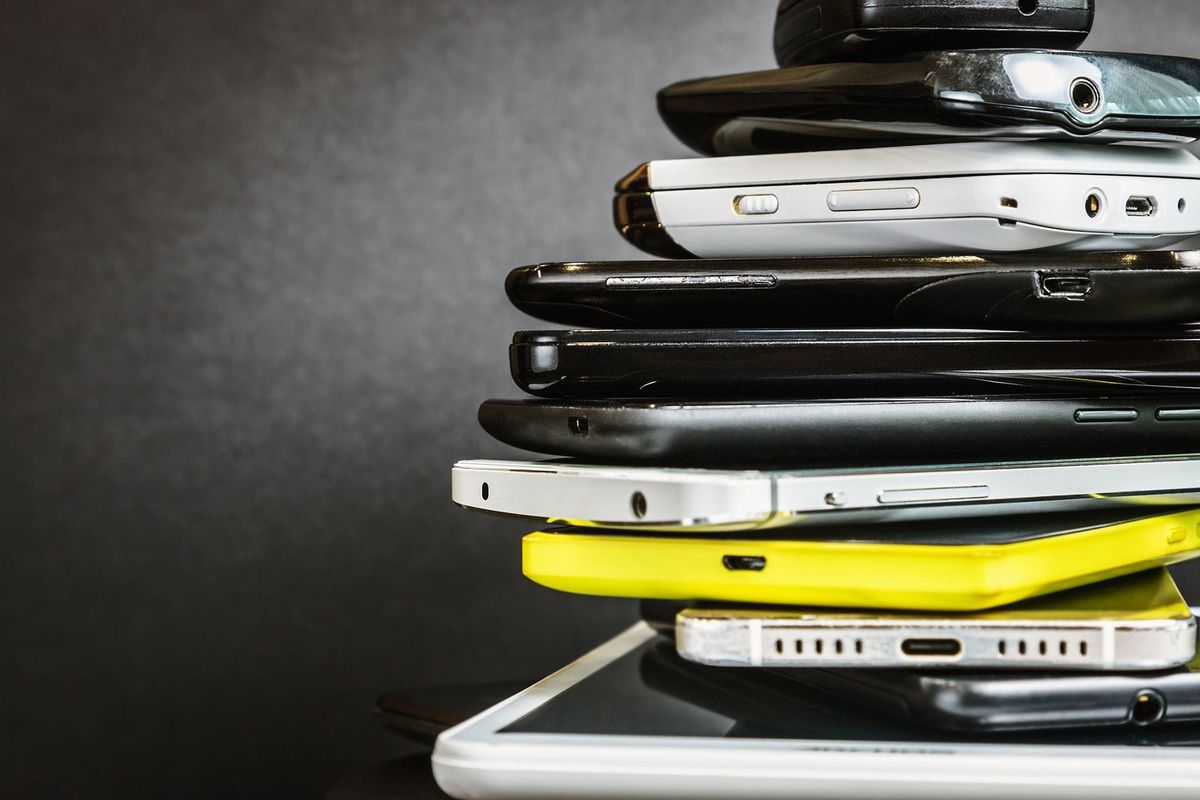
Albaugh [2025] describes how a donation made to Smart Columbus's Device Donation Program made was able to divert unused electronics away from landfills and to Franklin County residents with limited access to these devices. The article also covers several advantages for donating electronics for Columbus businesses.
"More than 110,000 households in Franklin County lack access to a device beyond a smartphone. Meanwhile, corporations across Columbus are retiring perfectly functional laptops every year. It’s a striking contrast in a city rapidly becoming one of North America’s premier AI and technology hubs. The Columbus region is home to more than 100 data centers, 250+ tech startups, and several Fortune 500 companies. As our region’s tech economy grows, so does the need to ensure all residents can participate in it" (Albaugh, 2025).
"Smart Columbus launched the Device Donation Program to turn corporate e-waste into opportunity, bridging the device gap while helping businesses meet sustainability and community impact goals. Most companies refresh their tech every few years, but many of those retired devices still hold significant functional value. What if those laptops could go somewhere more meaningful than the landfill?" (Albaugh, 2025).
"The Device Donation Program makes that easy. Here’s how it works: Free pickup from corporate offices; Certified data destruction and liability insurance for complete security; Professional refurbishment through certified local partners; Distribution via trusted social service organizations, getting devices to the residents who need them most" (Albaugh, 2025).
"One early partner was Chemical Abstracts Service (CAS), a global leader in scientific research. When CAS donated its retired laptops to the Device Donation Program, each device had reached the end of its corporate lifecycle, but not its potential. After secure data destruction and expert refurbishment, 67 of those laptops were brought back to life, then distributed to 67 refugee and new American families through Community Refugee & Immigration Services (CRIS)" (Albaugh, 2025).
"These laptops opened access to: Online job applications and remote work; Digital learning platforms and homework tools; Essential government and community services; Communication with relatives and support networks" (Albaugh, 2025).
"For companies, the Device Donation Program delivers risk mitigation through certified, secure data destruction, sustainability progress through measurable e-waste diversion, and community impact through a turnkey donation process with real results" (Albaugh, 2025).
"For Columbus, it’s a scalable solution to one of the region’s most pressing challenges. As access to education, employment, and essential services continues to move online, a laptop is a true lifeline for families in need" (Albaugh, 2025).
Review
The dual impact that this donation model promotes is impressive and inspiring; businesses are able to participate in sustainability initiatives by donating their perfectly usable, "outdated" electronic devices to people who can't afford them, which in turn makes digital platforms for education, employment, and support more accessible. It's a great idea, but I have my concerns. Sure, by obtaining donated tech tools are "more accessible", but that doesn't mean recipients are equipped to use them, especially refugees (I wish I could ask the author to elaborate on this). I couldn't imagine having to figure out how to use LinkedIn, build a resume, or complete college or job applications having little to no experience using a computer. Not to mention the access to working professionals and my education that have provided me with tremendous help and guidance. There are things to appreciate about what the Device Donation Program aims to accomplish, but I do wonder how effective it truly is for community impact.
References
Albaugh, C. (2025, September 15). Turning corporate tech into community impact: How CAS helped 67 families get connected. Smart Columbus. https://smartcolumbus.com/insights/09-2025-cas-device-donation