
What Chernobyl Reveals About Forest Resiliency
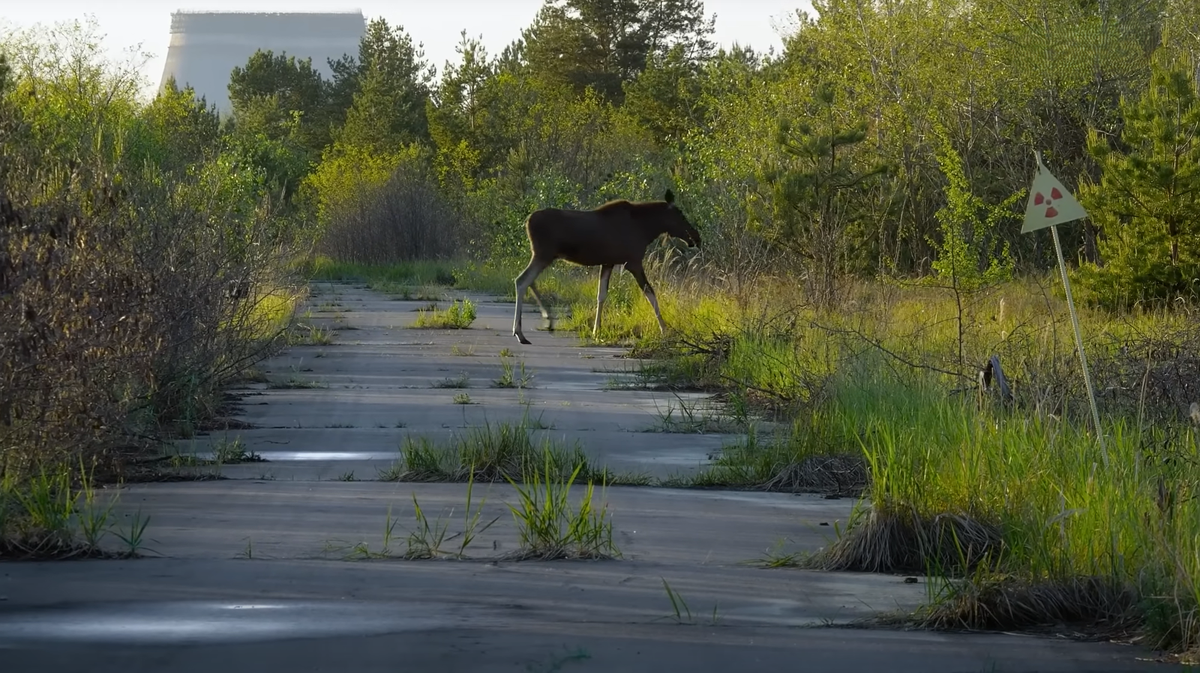
This episode of the Netflix docuseries, Our Planet, examines the incredibly important, fragile connections and interdependent relationships between the plants and wildlife that inhabit Earth’s forests. Towards the end of this episode, the power of forests to recover from human interference is displayed through the reappearance of life in Chernobyl since the nuclear disaster took place in 1986.
"Our planets' forests, if given the chance, are almost unbelievably resilient. Perhaps the best proof we have of their ability to recover can be seen on the site of one of our greatest disasters: Chernobyl" (Netflix, 2020).
"The fallout zone was declared uninhabitable for the next 20,000 years. Yet, despite the radiation, there has been a remarkable recovery. Within only a decade, vegetation began to germinate in the ruined city. And as the forest reestablished itself, animals began to appear. At first, it was thought that these were rare visitors, but it soon became clear that the former city was occupied by an established and thriving wild community" (Netflix, 2020).
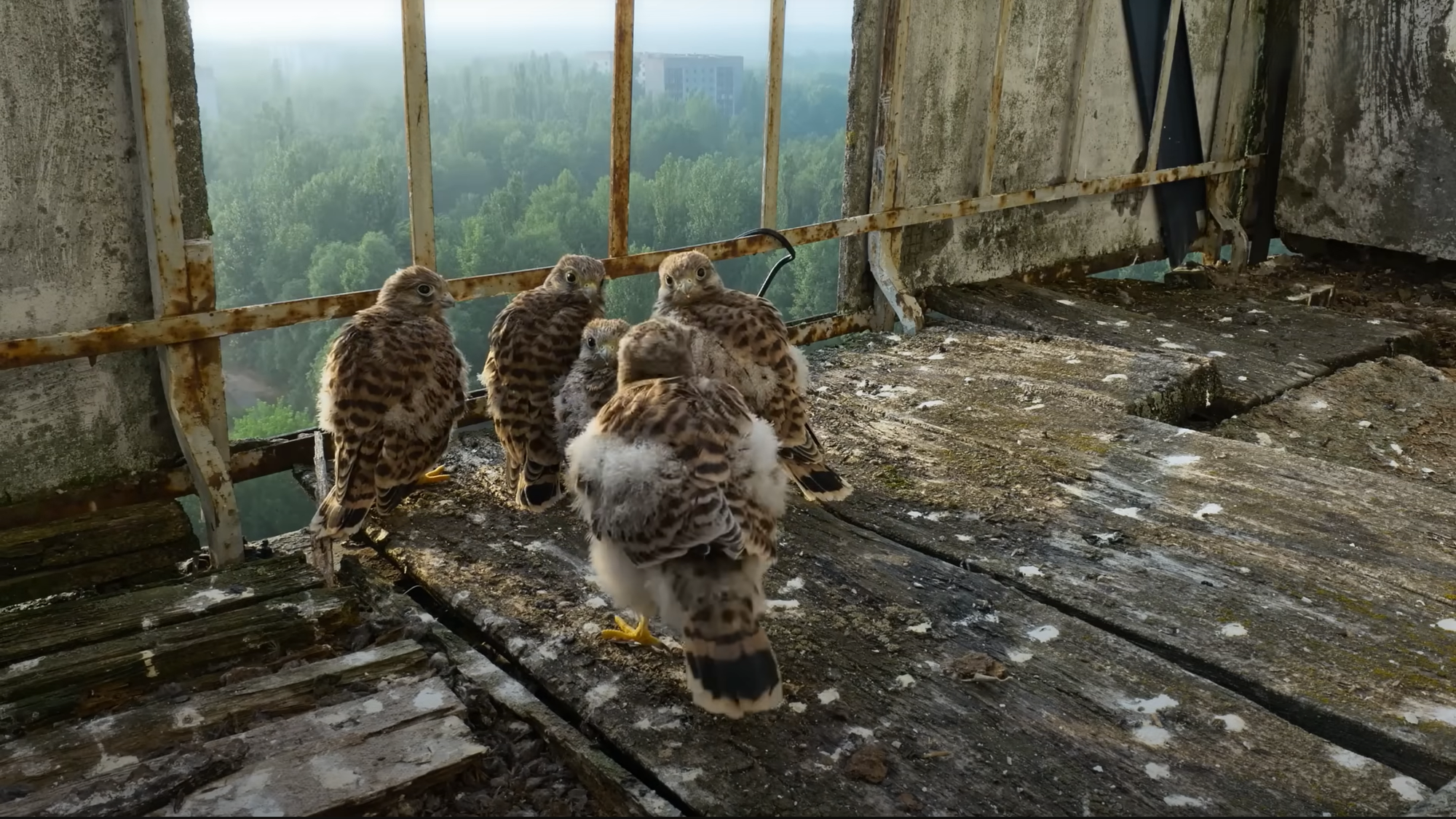
"Within only 20 years, science has recorded populations of animals similar to that in the wilder parts of Europe. Roe deer are now a common sight, wandering through the suburbs. Herds of the endangered Przewalski's Horse now roam freely through the once busy city. Most surprising of all, perhaps, the top predator of these forests has reappeared: wolves. Hunters like these would only return if their prey and the surrounding forest is also thriving. Now, studies have shown that there are seven times more wolves inside the exclusion zone than outside it" (Netflix, 2020).
"No unprotected human being can stay here for long without lethal risk. But in driving us out, the radiation has created space for wildlife to return. The dramatic recolonization of Chernobyl in the space of only 30 years is proof of forests' extraordinary resilience. If we choose to give forests time and space, they could reclothe the earth with much of the rich and varied communities of animals and plants of which we have, so recently, robbed it. A future with more forests is key to the resilience of our planet" (Netflix, 2020).
Review
Given what we know about the seriousness and implications of the Chernobyl disaster, the resurrection of the forest ecosystem in this "uninhabitable" location, and in such a small timeframe, is truly astonishing. The episode also gives examples of forests' ability to quickly recover from wildfires and the significance of forests as natural defenses against violent weather, but I highlight this instance because of its obscurity and specificity. I was shocked that the entire food chain of an area decimated by radiation has rebuilt itself only decades since the deadly nuclear explosion–I guess I assumed Chernobyl would be beyond a recovery of this caliber, at least within my lifetime. If my readers happen to have a better scientific understanding of why this is possible and are thinking, "well duh", that's great, I am happy for you. What matters is that I underestimated the power of forests' ability to rebuild given time and freedom from human activity. I am interested in how design can spread awareness and educate people on the significance of forests and also promote conservation policies that allow forests space to recover from the damage we have caused them.
References
Netflix. (2020, April 17). Our Planet | Forests | FULL EPISODE [Video]. YouTube. https://www.youtube.com/watch?v=JkaxUblCGz0