Waterway Trails
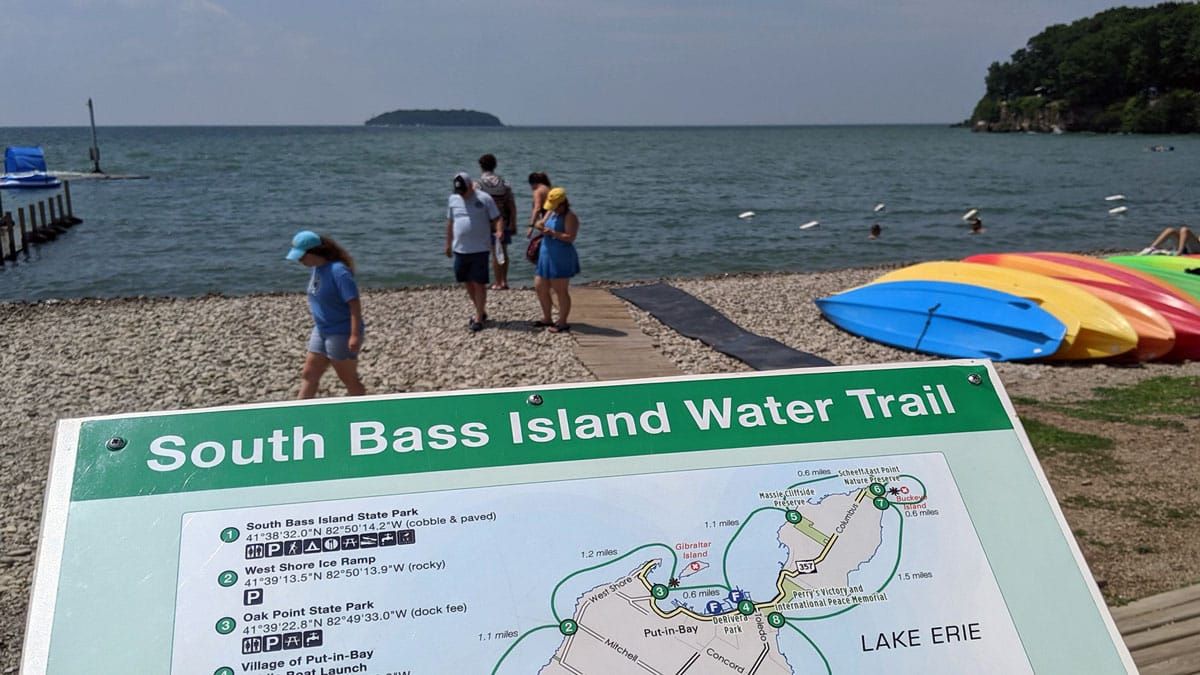
Ohio Water Trails is a program coordinated by the Ohio Department of Natural Resources that develops and promotes access to rivers, streams, and connected waterways. These trails are designed for paddlers, boaters, anglers, and others, mapping launch sites, safety information, water quality data, and recreational amenities to encourage exploration that is safe for both the participants and the environment.
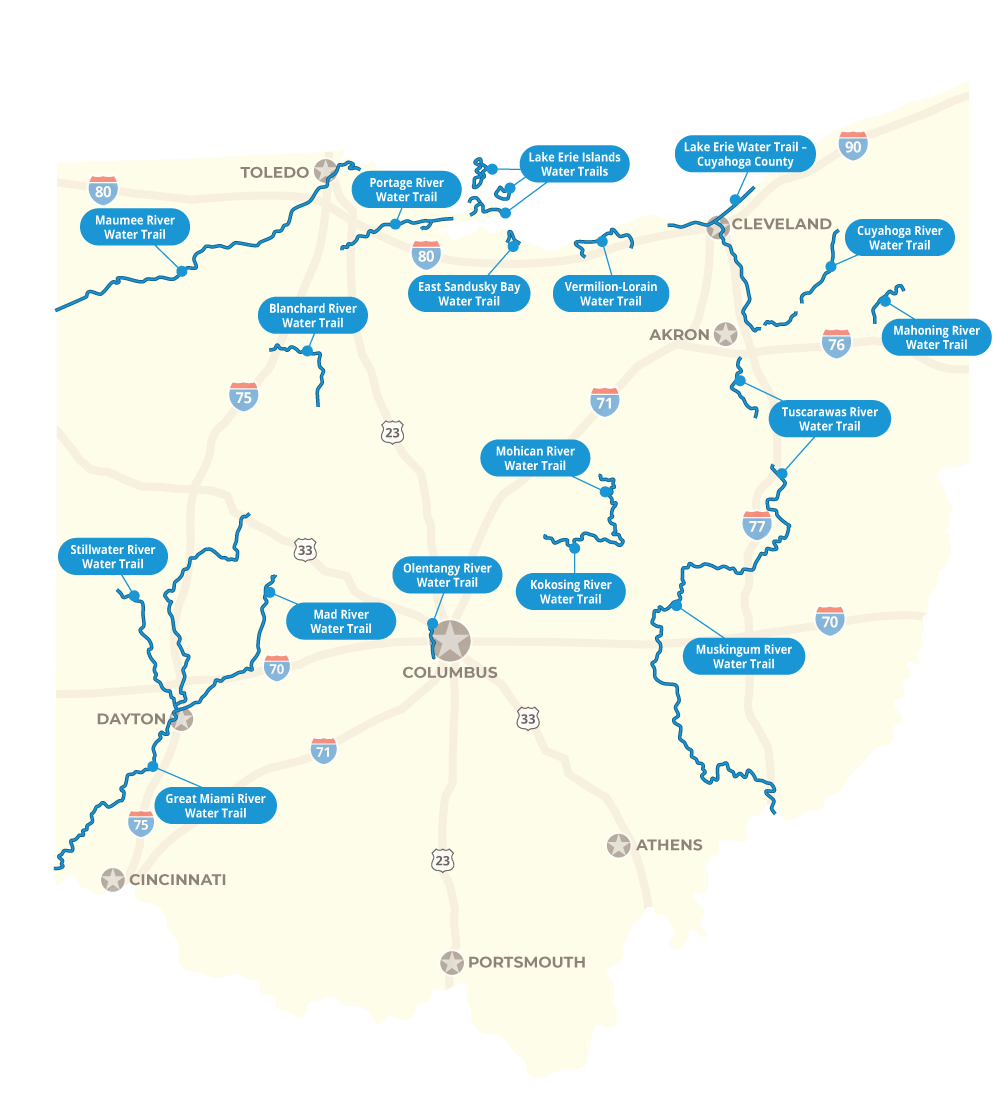
The goal of ODNR’s water trail program is to promote the awareness of public paddling access while increasing safety by partnering with local communities to develop designated water trails on Ohio’s waterways. The trails are planned on the local level: communities, user groups, park districts and more recommend existing access sites for a proposed trail. ODNR helps guide the process, encouraging communities to work across political boundaries. ODNR funds the implementation of the trail through reimbursement grants for brochures, maps, and signage. This process concludes with a designated water trail that ensures paddlers have the best safety and access information as they explore a waterway.
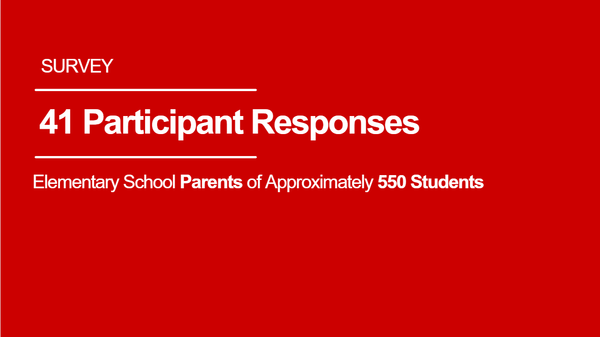
Water trails offer a gateway to lower our impact on the environment. When participants use these trails, they have the opportunity to come face-to-face with the impacts of recreation like pollution and habitat degradation. Because information such as guidelines and safety are integrated, users learn how to stay in designated launch areas, avoid disturbing wildlife, properly dispose of trash, etc. During our visit with the ODNR, as well as many of answers to our survey, many have stressed the importance of education on the way that humans interact with nature. When given instructions, resources, and outlets for questions, the ODNR can set enforce the expectations of "leave no trace" policies.
References.
Ohio Water Trails. (2021). Ohiodnr.gov. https://ohiodnr.gov/discover-and-learn/land-water/rivers-streams-wetlands/ohio-water-trails
This text reflects contributions from the original Ohio Department of Natural Resources webpage Ohio Water Trails (~45%), the author’s direction in requesting structure and conservation-focused analysis (~30%), and AI assistance in drafting, synthesizing, and composing the introduction, quotation integration, and interpretive analysis (~25%). All interpretations remain the responsibility of the author.