Weaving Wellness: Fabrics and Mental Health
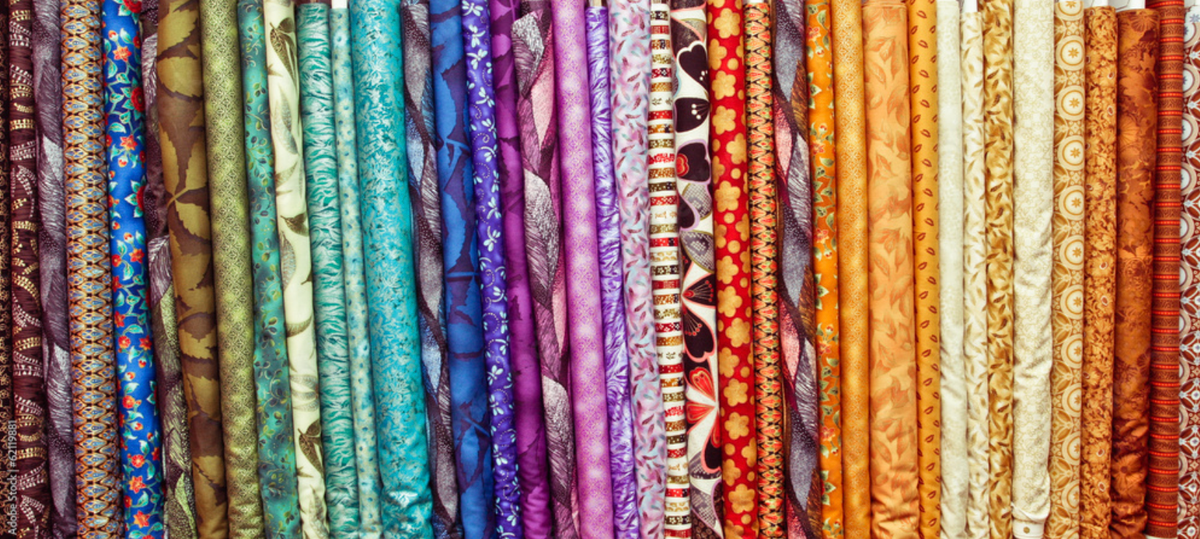
The article explores the connection between mental health and fabric. Textiles are a major part of our physical surroundings in interiors and clothing. The chosen fabrics of a space can affect the mental health of its audience. This is important for my capstone because I am exploring interior spaces and trying to create a specific atmosphere.
"The environment in which we spend our time has a significant influence on our mood, emotions, and overall mental well-being. Contract fabrics, designed for durability and aesthetics in commercial settings, can also contribute to a more mentally healthy space.
Contract fabrics often prioritize comfort and softness. In environments where people spend extended hours, such as offices and healthcare facilities, the tactile experience of soft and comfortable fabrics can reduce stress and anxiety. People are more likely to feel at ease when surrounded by textiles that are gentle to the touch (Edmund, 2024)."

"Colours and patterns can have a profound impact on our emotions. Contract fabrics come in a wide range of colours and patterns, allowing designers to create spaces that promote relaxation or productivity, depending on the intended purpose. Calming blues and greens can reduce stress, while vibrant colours can stimulate creativity and focus.
Noise pollution is a significant contributor to stress and anxiety in commercial settings. Contract fabrics with acoustic properties can help absorb sound, creating a quieter and more peaceful environment. Reduced noise levels can lead to improved concentration and decreased stress levels among occupants.
The durability of contract fabrics ensures that spaces remain aesthetically pleasing and well-maintained over time. A well-maintained environment can contribute to a sense of order and control, reducing feelings of anxiety and overwhelm.
Biophilic design principles emphasise the connection between humans and nature. Many contract fabrics incorporate natural patterns and textures, promoting a sense of connection to the outdoors. This can have a calming effect, reduce stress, and improve overall mental well-being.
In healthcare and hospitality settings, cleanliness is of utmost importance. Contract fabrics are often designed to be easy to clean and maintain, reducing the risk of illness and providing peace of mind to occupants.
Contract fabrics, with their focus on comfort, aesthetics, and functionality, can contribute significantly to creating mentally healthy environments (Edmund, 2024)."
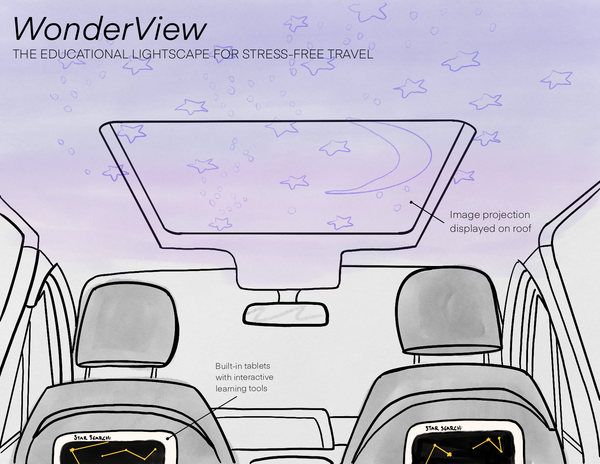
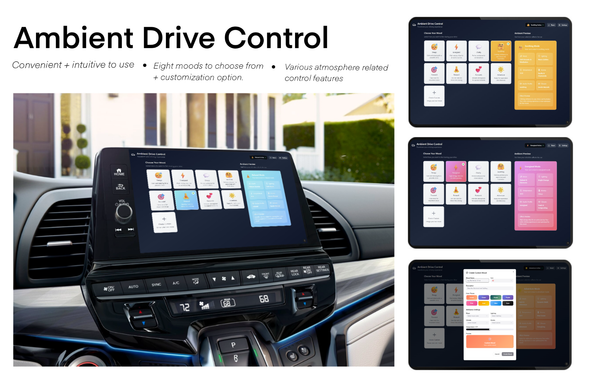
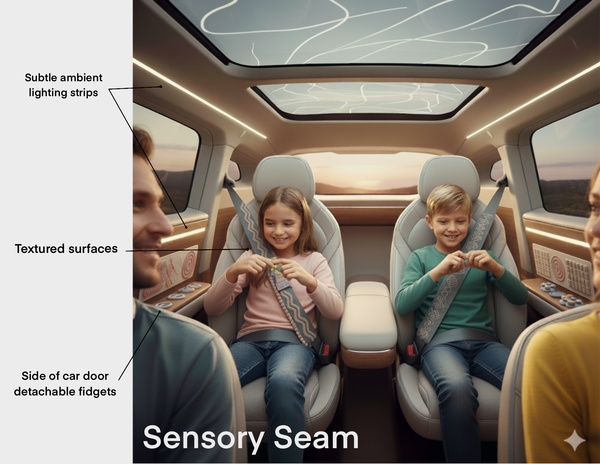
Fabrics can have influences on the mental state of the users, creating feelings of comfort, prioritizing cleanliness, or promoting relaxation. These ideas seem important to my capstone because the interior of a car utilizes different fabrics, textures, and materials that contribute to the overall feeling of the car. These can be manipulated to express various feelings for the passengers. Cars are significant spaces for people, and exploring fabric as a way to make traveling more peaceful is something I am interested in looking into for Honda. I was also really fascinated by the fact that fabrics can also have an influence on other spacial surroundings like noise pollution. Some fabrics have acoustic properties to absorb noise pollution and create a more zen atmosphere. I am curious to see how that may apply in the car.
References:
Edmund Bell. (2024, October 10). Weaving wellness: How contract fabrics can help mental health. Edmund Bell. https://www.edmundbell.com/news/2024/10/10/weaving-wellness-how-contract-fabrics-can-help-mental-health/
AI was used to check grammar in this reflection.