Wex Exhibitions: Material Stories and Adaptive Environments
Eric N. Mack: All the oohs, and the AAHS
Explore abstract art by Eric N. Mack, who is expanding the notion of painting and other media through his remarkable use of fabric.
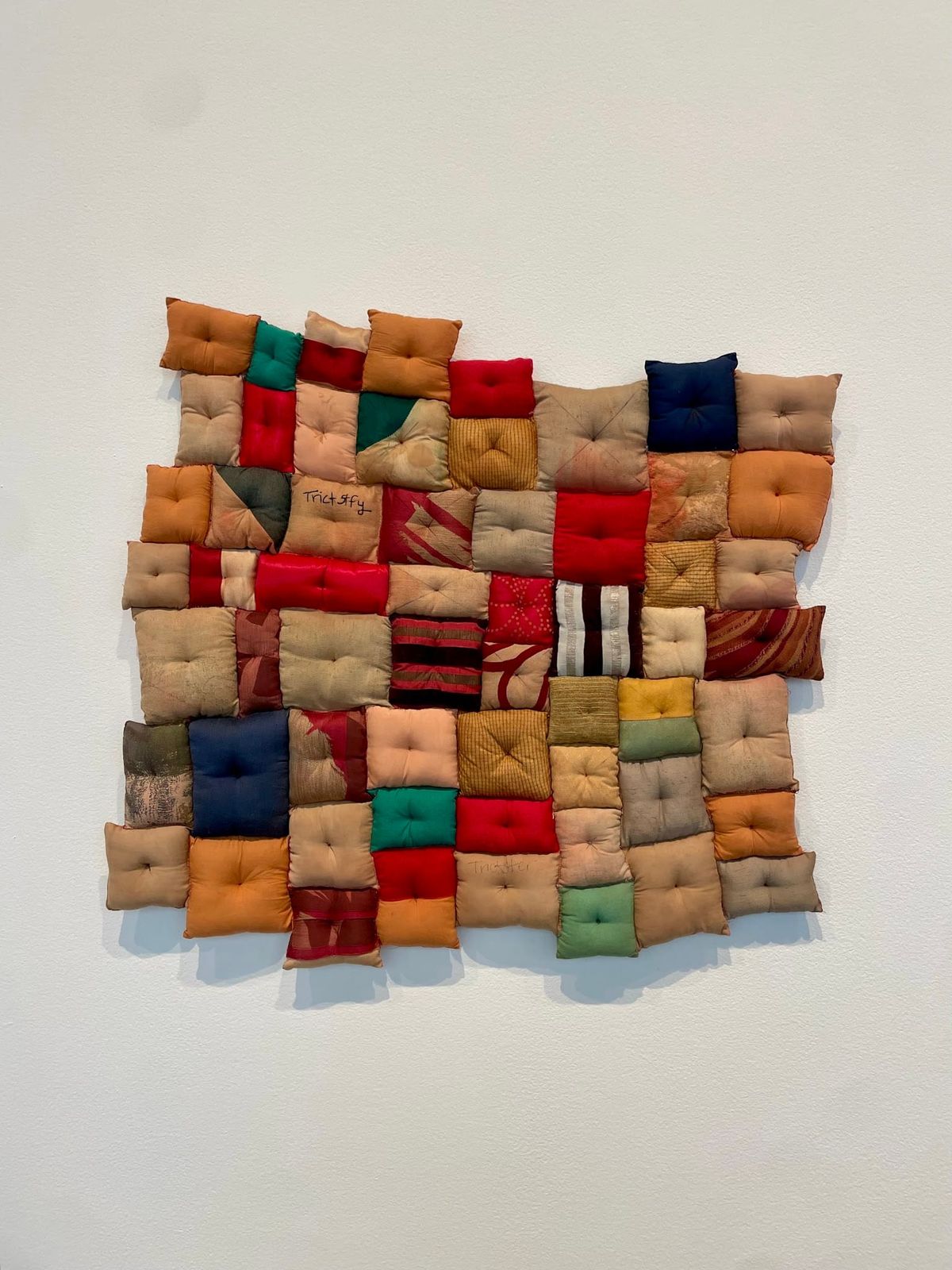
An investigation into abstraction and the ways painting can offer fertile ground for experimentation converge in Eric N. Mack’s work. He collapses distinctions between art forms and materials—between textiles and painting, sculpture and fashion—to create a unique visual vocabulary. He explores fabric’s ability to evoke emotional responses, something that he emphasizes in the titles of his works and the title of this exhibition, All the Oohs, and the Aahs, which acknowledges the spectator’s gaze.
Mack explores the surface of his works through his use of different textiles, such as cotton, silk, and wool, which he combines with ladders, flagpoles, and rods to create works that resist categorization. Together with the compositions, the material qualities of the various textiles convey sensations of weight, depth, color, and movement. While traditional painting is confined to a flat surface, Mack utilizes fabric’s pliability and texture to create immersive, layered constructions that invite visitors to explore the physical presence of objects. These fabrics come from Mack’s archival fabric collection, gathered from different places around the world. Whether mass-produced or bespoke designer textiles, each piece is rich with meaning and becomes an archive of historical, cultural, and personal narratives.
As you move through the installations, you will experience the way that the draped textiles engage a sense of scale, making viewers aware of their bodies in relationship to architectural features of the gallery and the building.
Unique to this presentation is Mack’s new Wex-commissioned installation, A Whole New Thing, which will be on view in the lobby from early August 2025. This site-responsive work will activate the lobby, staircase, and café areas, furthering the artist’s engagement with the architecture of these public spaces. The commission will remain on view until May 24, 2026.
"One of the things I wanted to see—in an experiment—[was] if the painting can exist without the traditional supports, and maybe those things can extend into physical space, maybe have a more specific use."
—Eric Mack, Document, January 28, 2022
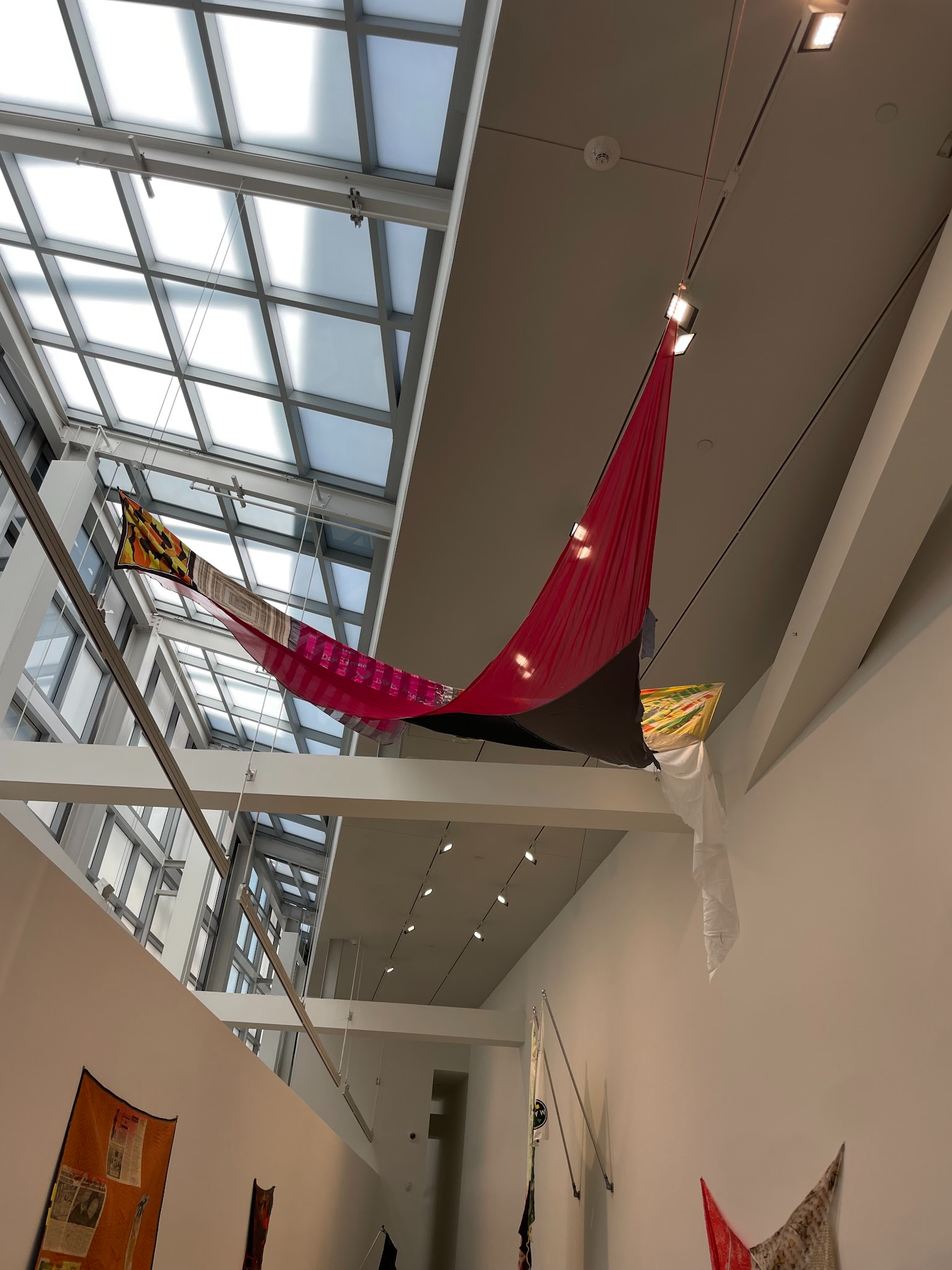
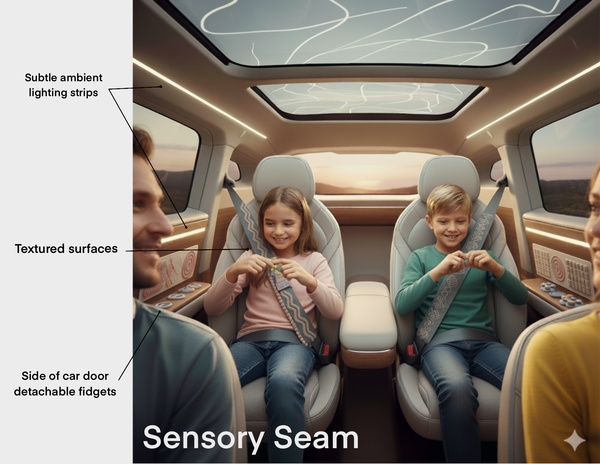
Walking through Eric Mack's exhibit made me rethink how materiality shapes emotion and engagement. His layered textiles felt alive, inviting touch, movement, and curiosity, and reminded me that materials themselves can become a source of calm. For my project, I see potential in designing car interiors where textures guide children toward relaxation, both offering comfort and sparking imagination through color and function. Thoughtful material choices could create a backseat space that is functional and calming, while also encouraging children to explore and engage their senses in meaningful ways.
Veronica Ryan: Unruly Objects
Veronica Ryan: Unruly Objects, co-organized with the Pulitzer Arts Foundation, presents over 100 sculptures, textiles, and works on paper by the Montserrat-born British artist.
Based in New York since the 1990s and traveling often to the UK, Ryan’s work is influenced by transatlantic exchanges. She creates a network of connections that bring together personal and global histories of travel and migration as well as narratives of healing, nurturing, and belonging. The exhibition also highlights her frequent return to past works and ideas in pursuit of new conversations. Through this continuous reshaping, she asks us to consider life itself as a process of constant growth, navigation, and change.
The materials and techniques Ryan uses serve the themes and narratives that surface in her work. Her hand-embroidered pillowcases and cushions evoke dream states and interior worlds. So does her use of alluring textures and colors—some sourced from natural materials like coral, turmeric, and indigo. Visitors will encounter sculptures made from traditional art materials, including bronze and marble, but also found and everyday items, from seeds to bandages and hair ties. Ryan asks us to reconsider so-called waste, imbuing discarded material such as padded envelopes, fabric scraps, packaging, and plastic bottles with new life. Her reuse of such humble materials, remaking them into artwork, suggests environmental concerns around excess and consumption. It also demonstrates a recognition of discarded objects’ unrealized potential.
Like seeds that travel via wind and water to take root far from their origins, Ryan’s exhibition takes visitors on a journey through her personal universe and histories through the Caribbean and across the Atlantic.
"Her sculptures blend strange and common items to make sense of the world... Ryan’s universe of objects operates like a map that keeps adding dimensions."
—Siddhartha Mitter, New York Times
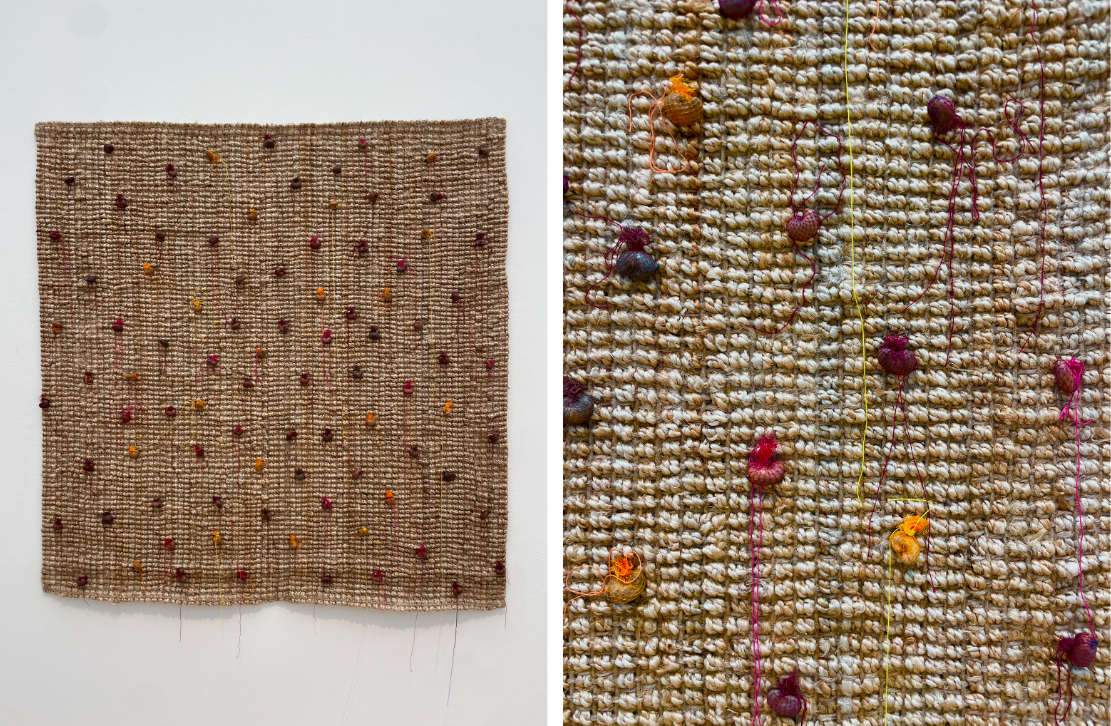
After viewing Veronica Ryan’s exhibit, I shifted how I think about materiality, growth, and intentional design even further. Her use of everyday objects, transformed into sculptures rich with meaning, reminded me that materials carry stories and emotions, something I want to emphasize in my own work. I was especially drawn to her exploration of growth and change, symbolized through seeds, which made me think about children’s evolving needs. Designing for ages 5 to 12 means embracing flexibility: lighting, textures, sensory experiences, and seating, could adapt as children grow, or even within a single car for siblings of different ages.
References.
Eric N. Mack: All the oohs, and the AAHS. Wexner Center for the Arts. (2025a, August 22). https://wexarts.org/exhibitions/eric-n-mack-all-oohs-and-aahs
Grammarly. (n.d.). https://app.grammarly.com/
Veronica Ryan: Unruly Objects. Wexner Center for the Arts. (2025, August 22). https://wexarts.org/exhibitions/veronica-ryan-unruly-objects