What drives visitors’ use of bins in parks?

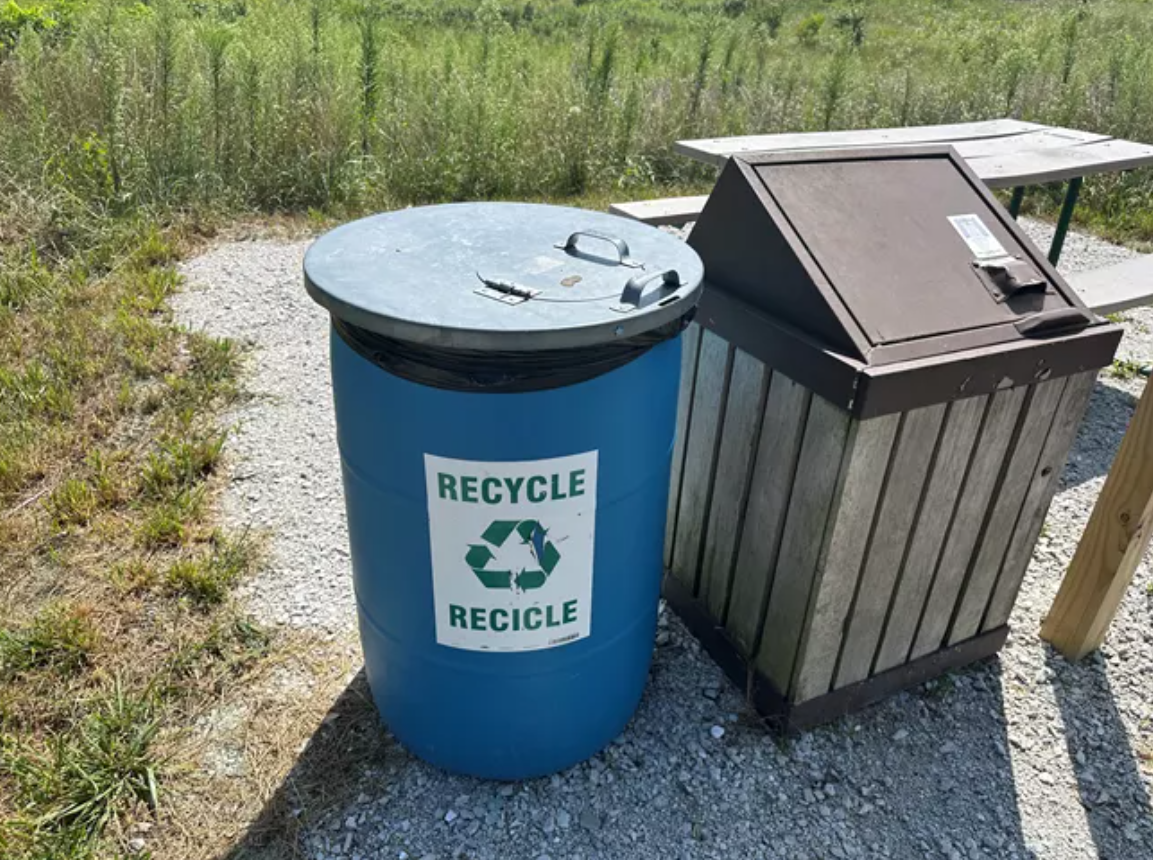
This study by Wang et al. was published by the U.S. National Institutes of Health’s National Library of Medicine. The study sought to understand people’s behavior when using trash bins in parks. These insights can guide designs revolving around waste management to reduce littering from park visitors.
The study uses a theoretical model of a stimulus-organism-response to test the influence of social and personal norms on people’s psychology and how that impacts use of bins. In short, the norms positively impact people’s concern for the environment and putting trash into the bin. On the other hand, the inconvenience of picking up trash, carrying it and finding a bin can limit use of trash bins.
With the results of the study, Wang et al. suggests three ways to influence people’s behaviors to use trash bins in parks. The three ways include: expanding people’s awareness and responsibility towards the environment, showing how trash is generated and the consequences of littering, and placing trash bins in key areas of parks. Below are excerpts from the study about the three suggestions:
“Personal and social norms are the main driving forces when it comes to the use of bins. They have a significant impact on both the facilitators and inhibitors of people’s use of bins. Park managers should introduce various measures to influence people’s personal norms. They should cultivate people’s awareness of their obligation, responsibility, and commitment to the environment. Furthermore, they should encourage the idea that everyone is responsible for protecting the environment” (Wang et al., 2022).
“Park managers should increase visitors’ understanding of their facilitators. They should show how rubbish is generated through explanations, videos, information panels, signs, and more. They should also show visitors the consequences of not properly disposing of their rubbish. They should emphasize the positive effects of adopting the right behaviours, thereby increasing people’s awareness about the consequences of littering in the park” (Wang et al., 2022).
“Park managers should decrease the influence of inhibitors. They should place more rubbish bins in key areas, such as the entrances to parks, picnic areas, entertainment areas, etc. To prevent the landscape from being blemished by too many rubbish bins, the managers should provide machines to get rubbish bags for visitors when there are no bins nearby. This would mean that visitors do not have the inconvenience of having to carry their rubbish to a bin” (Wang et al., 2022)l
This study goes over three ways to spread awareness of the environmental impact of trash to visitors to influence people’s behavior towards littering. Understanding people’s behaviors is important in order to influence change. What can designers do to expand visitor’s awareness to this issue and create change?
References.
Wang, P., Han, L., & Ai, F. (2022). What Drives Visitors’ Use of Bins in Urban Parks? An Application of the Stimulus-Organism-Response Model. International Journal of Environmental Research and Public Health. https://doi.org/10.3390/ijerph192114170
National Park Service. (n.d.). Recycling and trash bins. Recycling and Waste Management - Indiana Dunes National Park (U.S. National Park Service)
National Park Service. (2018). Garbage in Yellowstone, food for bears. Recycling and Waste Diversion - Yellowstone National Park (U.S. National Park Service)