When science meets mindfulness
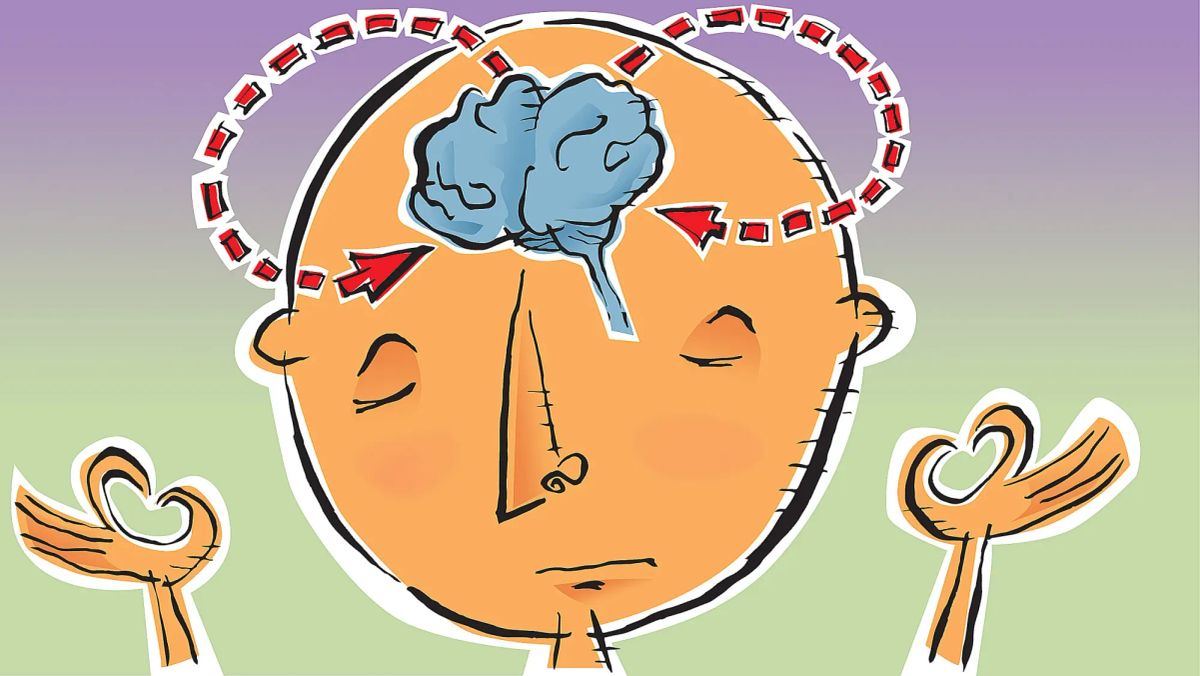
When thinking about the increase mental health concerns, researchers are investigating potential solutions, such as mindfulness meditation. This is very apparent for my research in my capstone because I am interested in understanding the effectiveness of mindfulness practices and how to implement them in the car.
"In her current work, she is exploring meditation’s effects on the brains of clinically depressed patients, a group for whom studies have shown meditation to be effective. Working with patients selected and screened by Shapero, Desbordes is performing functional magnetic resonance imaging scans before and after an eight-week course in mindfulness-based cognitive therapy, or MBCT (Powel, 2018)."
"During the scans, participants complete two tests, one that encourages them to become more aware of their bodies by focusing on their heartbeats (an exercise related to mindfulness meditation), and the other asking them to reflect on phrases common in the self-chatter of depressed patients, such as “I am such a loser,” or “I can’t go on.” After a series of such comments, the participants are asked to stop ruminating on the phrases and the thoughts they trigger. Researchers will measure how quickly subjects can disengage from negative thoughts, typically a difficult task for the depressed.
The process will be repeated for a control group that undergoes muscle relaxation training and depression education instead of MBCT (Powel, 2018)."
The article also focused on other researchers works when exploring the impacts of mindfulness. They also had some successful discoveries about how meditation can affect the brain and emotional response.
"In the 1970s, when transcendental meditation surged in popularity, Herbert Benson, a professor at Harvard Medical School and what was then Beth Israel Hospital, explored what he called “The Relaxation Response,” identifying it as the common, functional attribute of transcendental meditation, yoga, and other forms of meditation, including deep religious prayer. Benson described this response — which recent investigators say is not as common as he originally thought — as the opposite of the body’s adrenalin-charged “fight or flight” response, which was also identified at Harvard, by physiologist Walter Cannon Bradford in 1915.
Other MGH researchers also are studying the effects of meditation on the body, including Sara Lazar, who in 2012 used fMRI to show that the brains of subjects thickened after an eight-week meditation course.
Among the challenges researchers face is defining mindfulness itself. The word has come to describe a meditation-based practice whose aim is to increase one’s sense of being in the present, but it has also been used to describe a nonmeditative state in which subjects set aside their mental distractions to pay greater attention to the here and now, as in the work of Harvard psychologist Ellen Langer.
Recent scientific exploration has largely focused on the secular practice of mindful meditation, but meditation is also a component of several ancient religious traditions, with variations. Desbordes herself has an interest in a variation called compassion meditation, whose aim is to increase caring for those around us (Powel, 2018)."
With the increase in mental health issues and feelings of depression, mindfulness practices have become more popular as a way to help people. This article shows the various research methods that have been used to understand mindfulness, including an eight-week study with MRI scans to show brain activity. This article helps me better understand mindful practices and their importance, backed up by scientific research. It makes me think about the user and gain curiosity about how these practices will develop in children. I am curious to know if starting these practices at a younger age has implications for the behavior of kids. It also addressed the concerns I had in my research capstone, defining mindfulness and exploring various types of meditative practices. This gave me a perspective that allows me to further dive into various forms of meditation and backs up the idea that these practices are working to make changes in the brain.
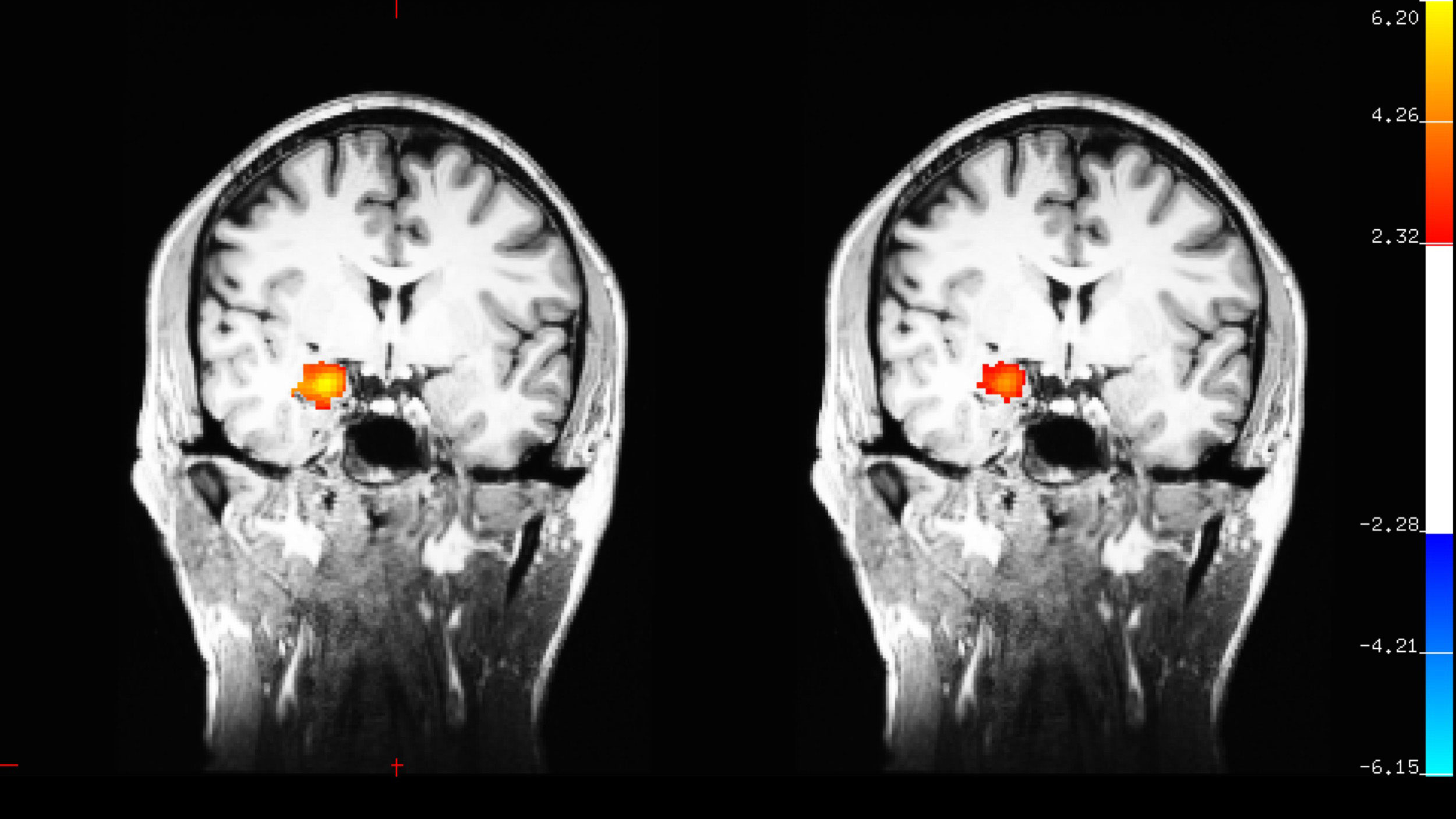
In an additional article, it explains the results of Desbordes study, shown below.
Meditation’s positive residual effects
Desbordes eight week study concluded and their findings were successful to the hypothesis that meditation can result in beneficial changes in the brain when it comes to processing emotions.
"In the mindful attention group, the after-training brain scans showed a decrease in activation in the right amygdala in response to all images, supporting the hypothesis that meditation can improve emotional stability and response to stress. In the compassion meditation group, right amygdala activity also decreased in response to positive or neutral images. But among those who reported practicing compassion meditation most frequently outside of the training sessions, right amygdala activity tended to increase in response to negative images, all of which depicted some form of human suffering. No significant changes were seen in the control group or in the left amygdala of any study participants.
"We think these two forms of meditation cultivate different aspects of mind,” Desbordes explains. “Since compassion meditation is designed to enhance compassionate feelings, it makes sense that it could increase amygdala response to seeing people suffer. Increased amygdala activation was also correlated with decreased depression scores in the compassion meditation group, which suggests that having more compassion towards others may also be beneficial for oneself. Overall, these results are consistent with the overarching hypothesis that meditation may result in enduring, beneficial changes in brain function, especially in the area of emotional processing (McGreevey, 2012).”"
The article gives more details to the results of the Harvard study, concluding that meditations affects the amygdala in the brain, leading to improved emotional stability and better stress response. It was interesting that their findings concluded that different forms of meditation had an effect on different aspects of the brain. This was especially transparent with the compassion meditation group experienced more activation of the amygdala when shown images of human suffering. This makes me want to explore more of a specific type of meditation for my capstone project. I want to identify specific parts of a user's journey to find methods that seem most beneficial for creating calm during long car rides.
References:
Powell, A. (2018, April 9). Harvard researchers study how mindfulness may change the brain in depressed patients. Harvard Gazette. https://news.harvard.edu/gazette/story/2018/04/harvard-researchers-study-how-mindfulness-may-change-the-brain-in-depressed-patients/
McGreevey, S. (2012, November 13). Meditation’s positive residual effects. Harvard Gazette. https://news.harvard.edu/gazette/story/2012/11/meditations-positive-residual-effects/
AI was used to check grammar in this reflection.