
Wildlife Photography and Why It Matters for Conservation
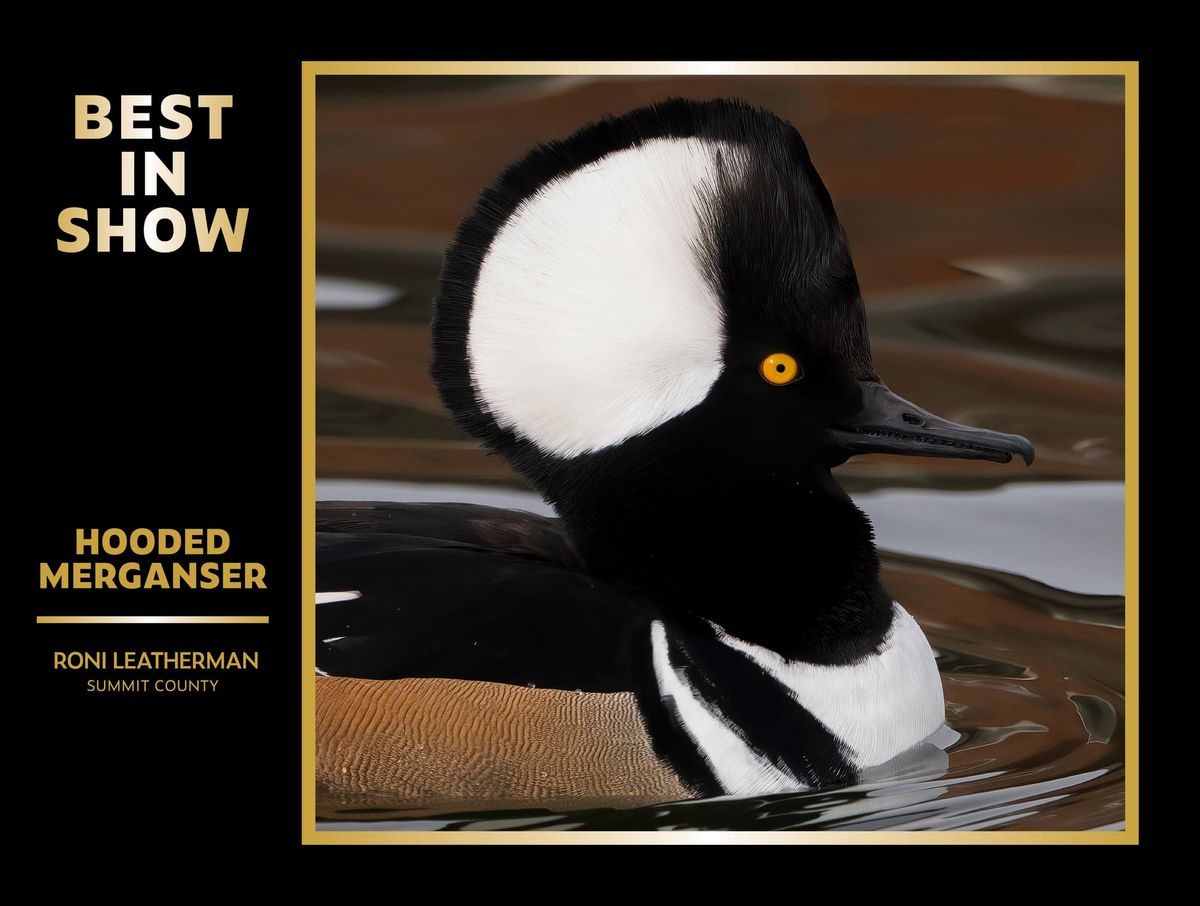
The image above shows a Hooded Merganser: a small, fish-eating duck known for its bold black-and-white crest and piercing yellow eyes. This photograph uses its precise detailing to highlight not only the bird’s unique beauty but also the artistry of wildlife photography itself. Images like this both display technical skill and serve as a bridge between people and the natural world.
Photography can play a vital role in conservation because it immortalizes fleeting moments in the wild, transforming them into permanent reminders of what is at stake. A single image can spark curiosity, admiration, and empathy in viewers who may never have the opportunity to encounter these creatures in person. By showcasing wildlife in their natural habitats, photographs encourage emotional connections that foster care and, therefore, responsibility. They remind us that these animals are not abstract figures in a distant ecosystem but living beings with deep value. In this way, photography becomes a gateway to conservation: it inspires awareness, nurtures respect, and motivates action to protect species like the Hooded Merganser for generations to come.
References.
Leatherman, R. (2025). Hooded Merganser [Review of Hooded Merganser ]. https://ohiodnr.gov/discover-and-learn/safety-conservation/about-ODNR/news/wildlife-contest-winners-showcased-at-ohio-state-fair
This text reflects contributions from the original photograph Hooded Merganser, Best in Show by Roni Leatherman (40%), the author’s direction in requesting an introduction and thematic framing (40%), and AI assistance in synthesizing and refining the final narrative (~20%). All interpretations remain the responsibility of the author.