Wind turbines are tough to recycle. These architects are transforming them into micro homes

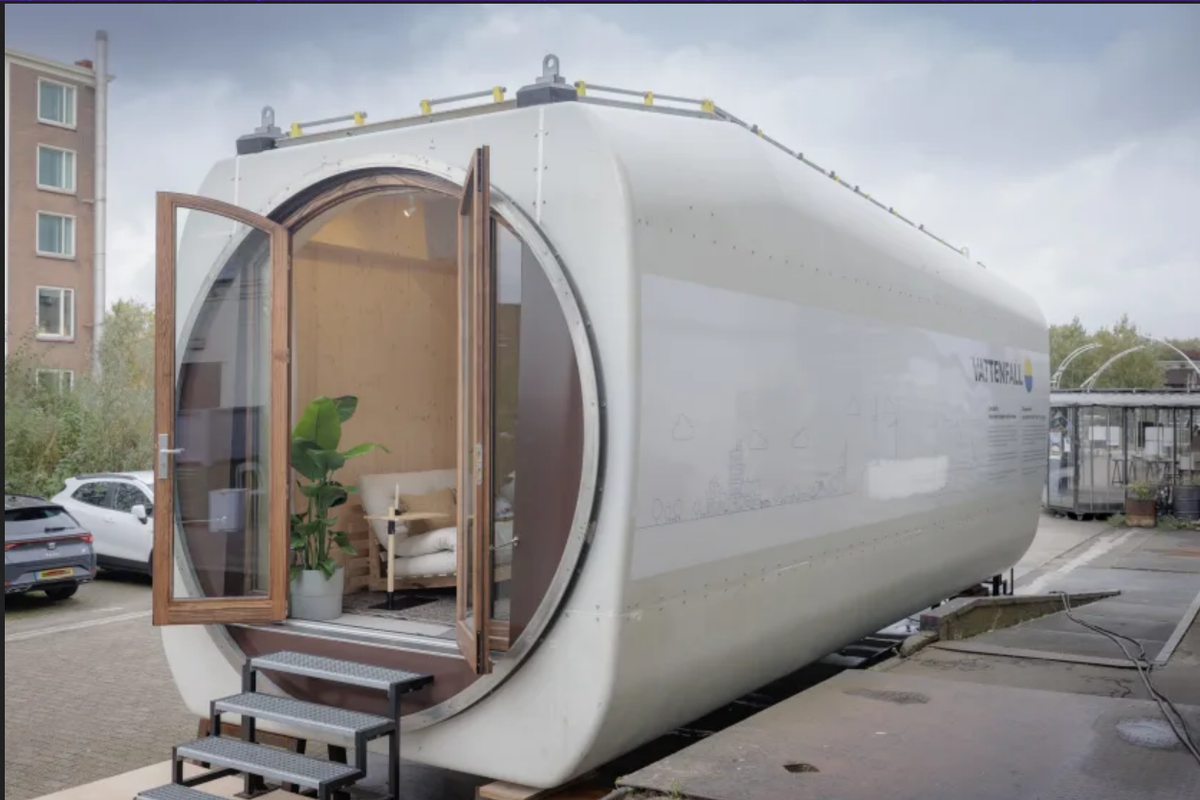
This article explores a large-scale innovation of up-cycling methods. This looks like something pulled straight from a sci-fi movie. So, lets get into what exactly this is and how it was made livable.
Nestle — a loose homonym of “nacelle,” the part of a wind turbine containing its engine — is made from a decommissioned, 20-year-old V80 2MW turbine donated by Business of Wind, a Dutch company that purchases used turbines for reuse (Cairns).
It is easy to see complicated waste like this and get overwhelmed. Wind turbines are massive machines that pose many complications in breaking down and transportation. It could be assumed that this technical waste should be reused in another technical field, but this team thought outside the box and transformed technical into a domicile.
“This is basically the most complex thing that you can do with it,” said Krieger on a video call, who is also a partner at Dutch architecture firm Superuse Studios, one of the home’s designers. “So, all the other less complex things are now easier to imagine and to realize, because this has already been done (Cairns) .”
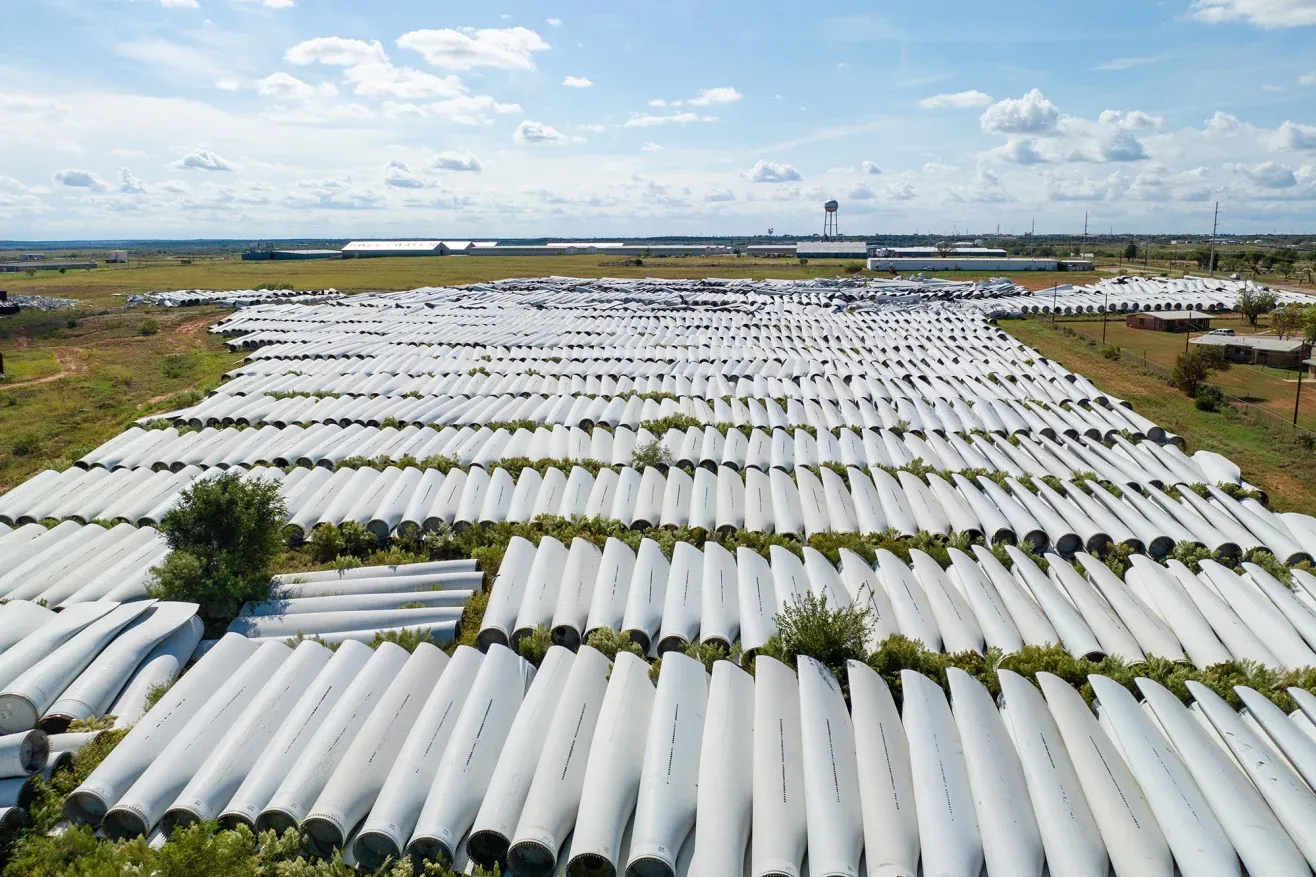
Amid a global boom in onshore and offshore wind farming, turbine waste is expected to accelerate in the coming decades. Krieger hopes that projects like Nestle can provide an end-of-life alternative for decommissioned blades and nacelles (Cairns) .
This initiative is a great source of inspiration for my capstone project moving forward. It is a great reminder to always keep your design eyes open in the world around you. There are many human needs, such as housing, that could be met in unexpected ways with materials that would otherwise end up in a landfill.
“Everything in the built environment — everything that you see around you — has an end of life,” said Krieger. “And we need solutions besides waste or landfill, incineration or something without value (Cairns) .”
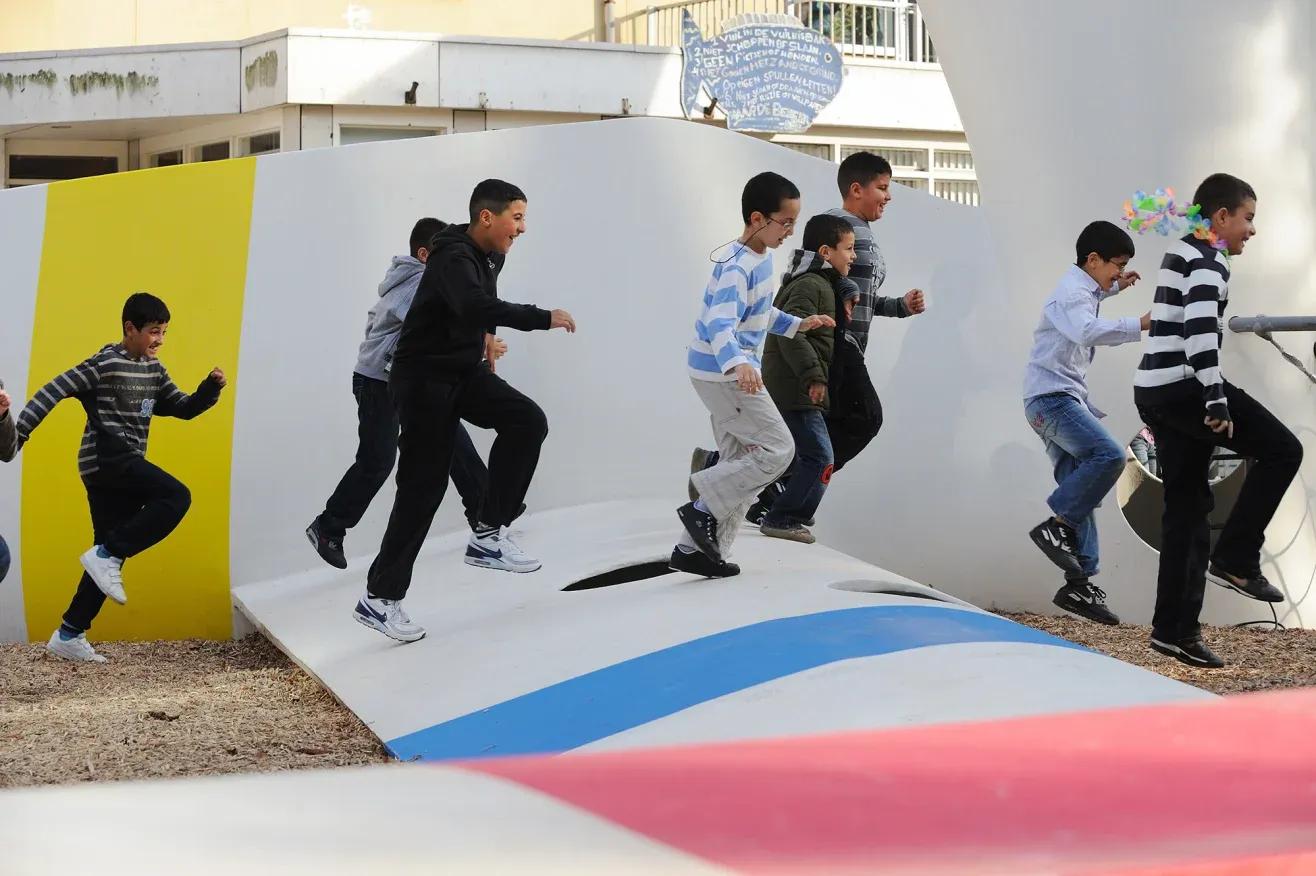
In 2008, one of his first projects as a then-intern at Superuse, involved transforming five decommissioned turbine blades into a children’s playground (Cairns) .
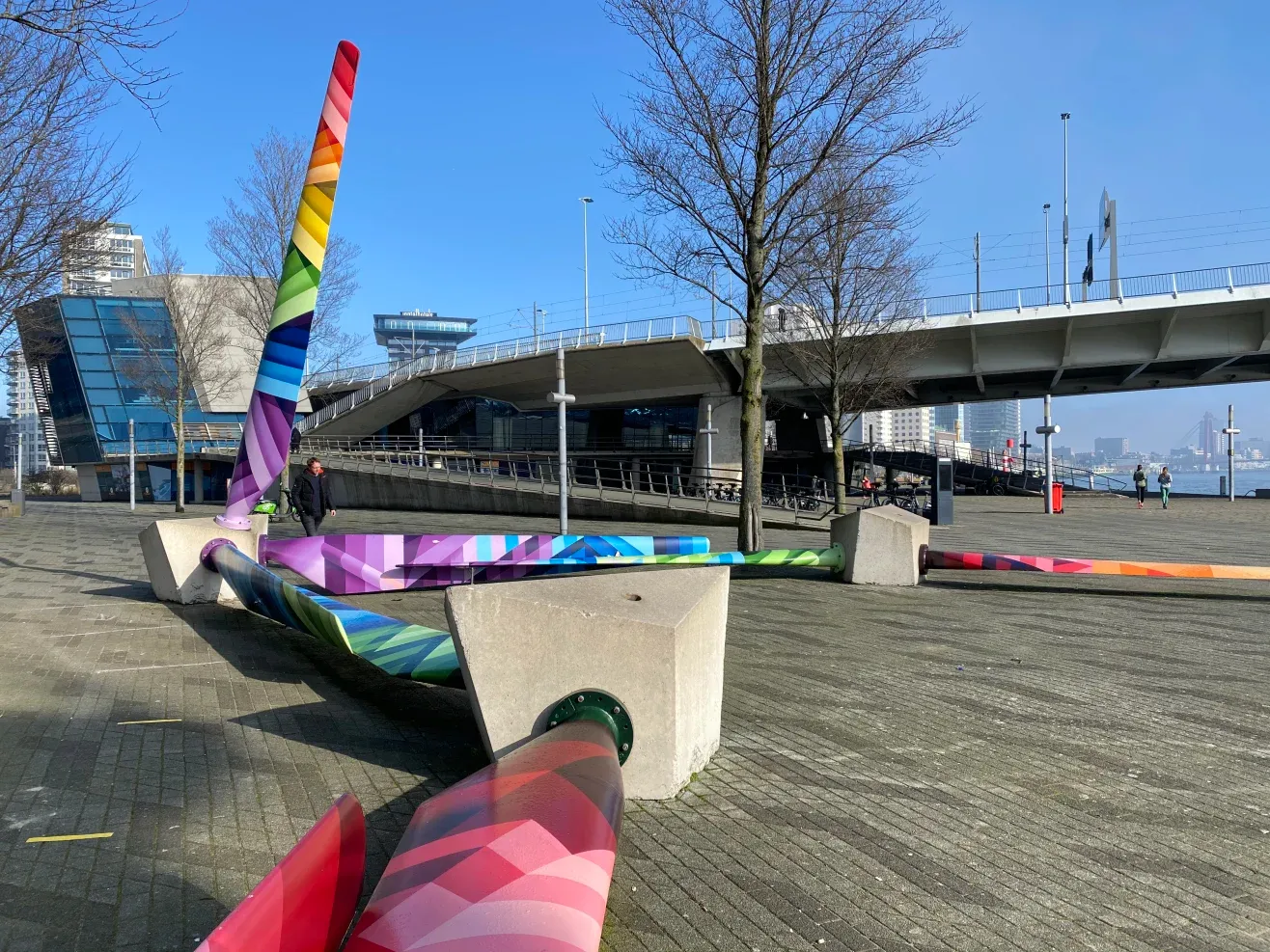
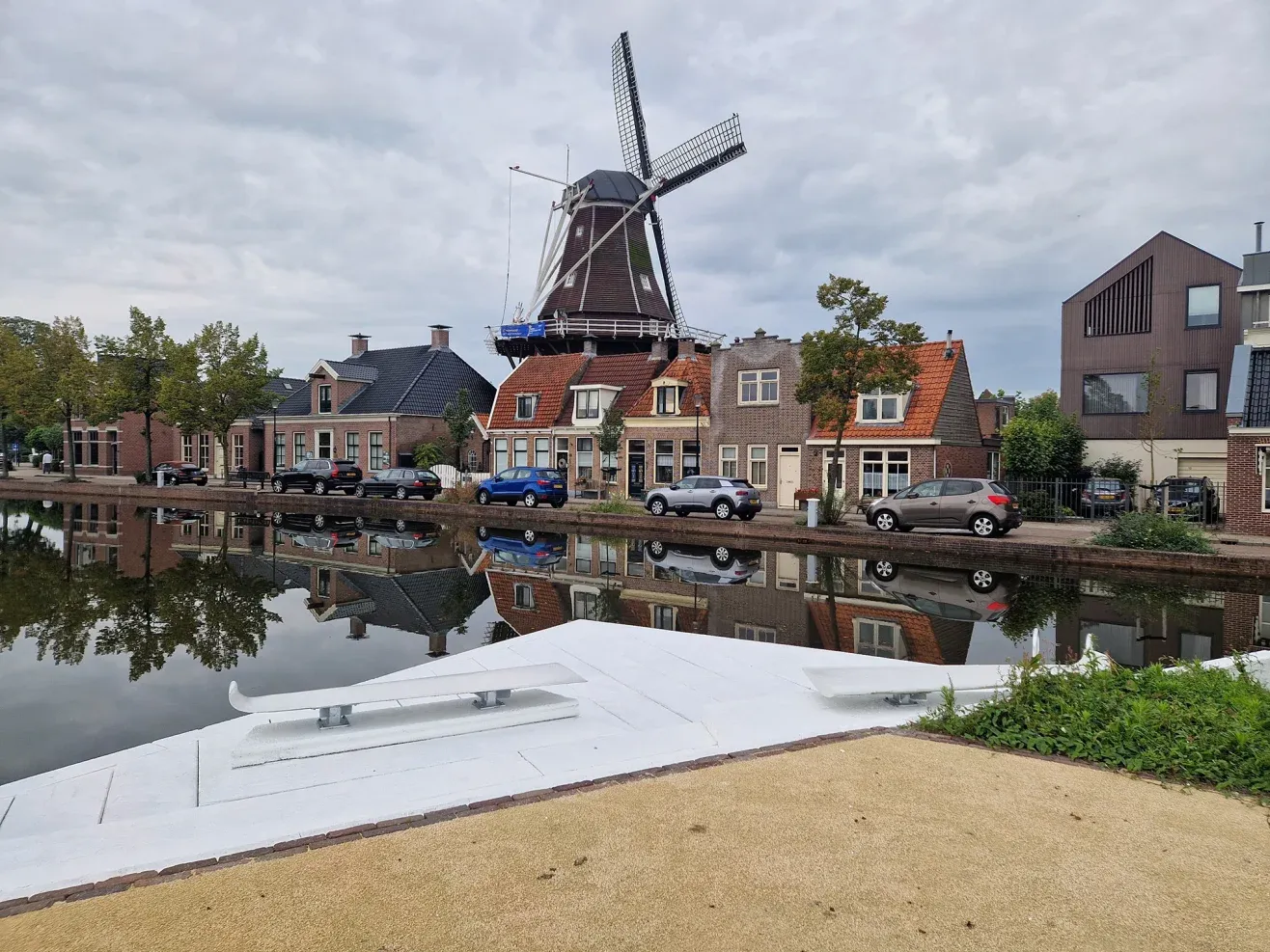
a project in Rotterdam in 2020.Blade-Made, A Blade-Made bench in Bleekerseiland in Meppel, in the Netherlands.
Blade-Made has also transformed decommissioned turbine blades into a range of other structures, from benches to bus stops to street sculptures (Cairns) .
The size and weight of blades and nacelles make them difficult to transport and work with, “so we need simple ways to adapt and change it into something usable,” said Krieger (Cairns) .
Additionally, their other projects, such as playgrounds, benches, and art installations are all stunning. The wind turbine parts are integrated into their new space and purpose, without unnecessary effort in deconstructing the parts. It is important to strike a balance between embracing the materials for what they are without the design feeling forced or out of place.
...they require less specialized equipment than mechanical or thermal recycling, making them more accessible. “You don’t need rocket science technology; you need to understand the material, you need knowledge about the structure of the blade, and you need to understand what you can and cannot do,” Beauson said (Cairns) .
Cairns, Rebecca. “Wind Turbines Are Tough to Recycle. This Firm Wants to Transform Them into Micro Homes.” CNN, Cable News Network, 29 Aug. 2025, www.cnn.com/style/wind-turbine-blade-made-tiny-home-hnk-spc.