
4 Digital Health Projects Transforming Care Delivery
This roundup profiles four different organizations experimenting with new business and delivery models to expand rural healthcare access, each taking a distinct approach to the same underlying problem. Rush University System for Health in Chicago launched Rush Connect+, a direct-to-consumer telehealth membership priced at $19 a month or $189 a year, borrowing a subscription structure more familiar from streaming services than hospitals. Members get a human assistant reachable by phone or chat seven days a week, 24/7 virtual urgent care, and free prescription delivery, essentially a concierge-style layer built on top of an existing health system rather than a replacement for it.
Across the country, hospitals, health systems and other organizations seeking to expand access to care (particularly for residents of rural areas) have launched digital health initiatives in recent years to include telehealth programs, AI tools and data-driven platforms. Here are a few notable projects and innovations in the realm of remotely delivered health services that can serve as inspiration for others looking to transform care delivery.
University of Utah Health in Salt Lake City supports rural providers with its TeleNICU services, which connect Well Baby Nurseries with neonatologists and the AirMed perinatal team. The provider is launching new sites in Wyoming and Montana also plans to add locations in Nevada.
Perhaps the most unusual model comes from New Mexico, where state and university libraries partnered, funded by an $800,000 USDA Distance Learning and Telemedicine grant, to install soundproof telehealth booths inside public libraries.
“Each booth (7 feet wide by 7 feet long and 10 feet tall) costs about $12,000 and comes equipped with internet access and a computer. The goal is to eventually install 14 of these booths in libraries across New Mexico, expanding access to care in a state where many residents must drive two hours or more for in-person treatment, says Bo Ford, digital equity program manager in the broadband department of the New Mexico State Library.”
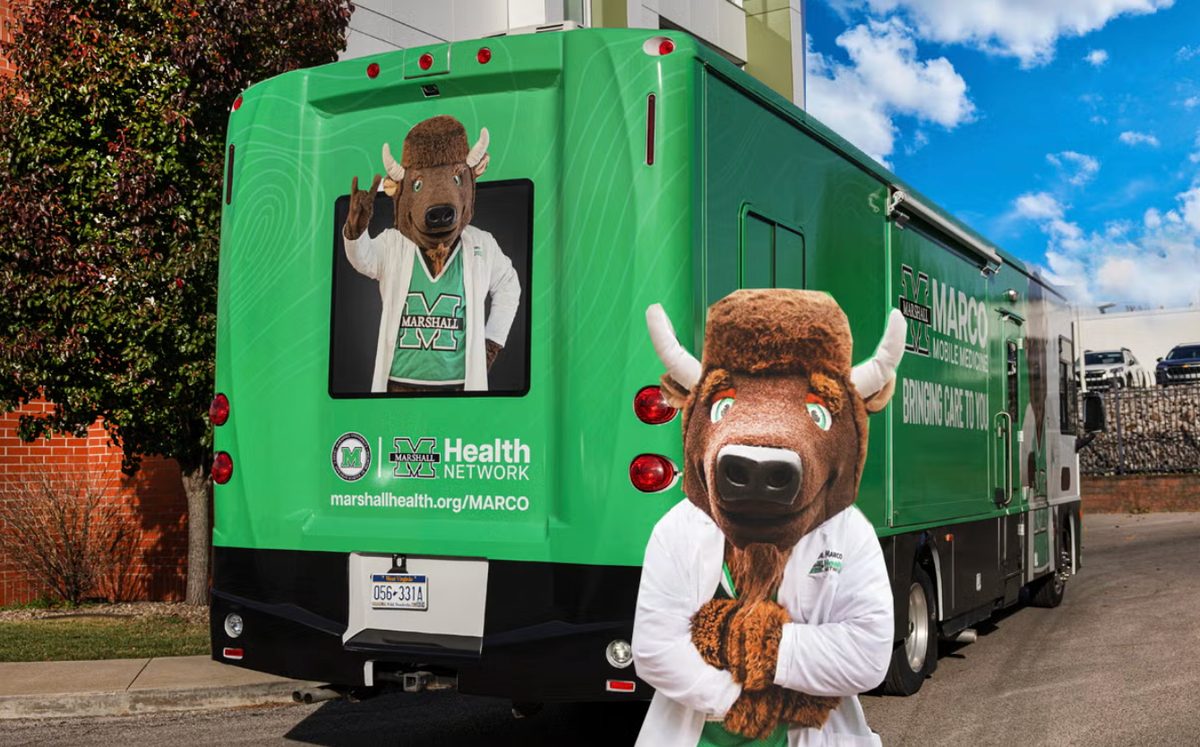
This article opened my mind to "innovation" in rural healthcare can mean creatively repurposing existing infrastructure and business models to close an access gap. The library telehealth booths stood out to me especially, since the innovation isn't medical at all; it's recognizing that public libraries already have trusted community presence, reliable internet, and private space, and building on top of that instead of constructing something new from scratch. Comparing all four models side by side also highlights that there's no single "correct" scale for a solution: a $19/month subscription, a specialist referral network, a $12,000 booth, and a $38-foot mobile unit are wildly different investments solving overlapping but distinct problems. For a design project on automated and assistive medicine, this is a useful reminder to ask not just what technology could help, but what existing systems, spaces, or community trust a new solution could be built on top of rather than replacing entirely.
References
American Hospital Association. (2026, April 7). 4 digital health projects transforming care delivery. AHA Center for Health Innovation Market Scan. https://www.aha.org/aha-center-health-innovation-market-scan/2026-04-07-4-digital-health-projects-transforming-care-delivery



