
Accessorizing the Senses with META Display
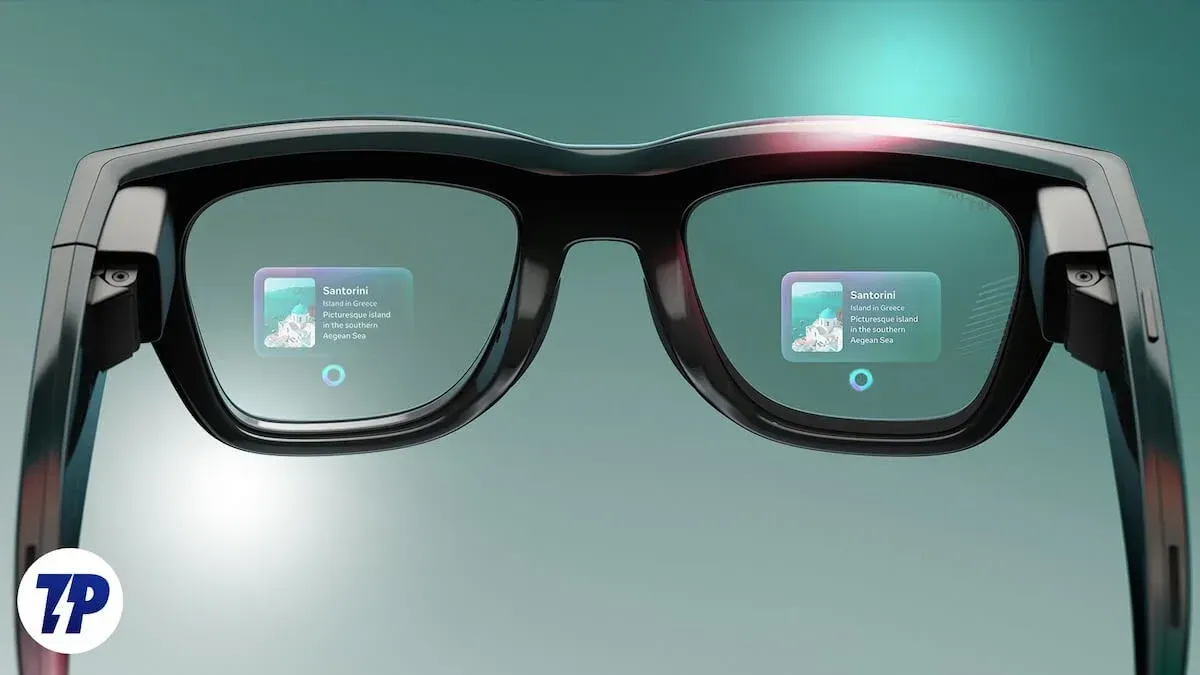
Meta's Ray-Ban Display glasses combine a small visual display, cameras, microphones, and AI assistance. A wristband translates muscle activity into commands, allowing the wearer to control functions through small finger movements (Meta, 2025). I think of these devices as accessories to the senses. They add information to what someone can already see and hear, while giving a company a role in deciding how that information appears.
Meta describes the display as positioned to the side and intended for brief interactions. Functions include viewing messages, receiving visual AI assistance, and displaying captions or translations. The company presents these capabilities as ways to access information while remaining engaged with the surroundings (Meta, 2025).
The captioning example makes sense to me because the added information could help someone follow the conversation already happening. A message arriving during that conversation serves a different purpose. Both occupy the same display, but one supports the interaction while the other introduces something else to think about. This makes me question what deserves access to someone's field of vision. Is human attention worth diverting for the information being presented? Who gets to decide?
A similar question applies to a vehicle's head-up display, such as a speedometer projected near the driver's forward view. I can see the value of placing relevant information closer to where someone is already looking. However, NASA's review of head-up displays discusses attention capture, where a person becomes occupied with display information and misses events beyond it. The research concerns aviation, but it raises a question worth testing in vehicles: how much attention does an overlay require, even when someone's eyes remain forward (Prinzel & Risser, 2004)?
Meta states that capture indicators illuminate when users take photos or record videos, and advises wearers to ask permission from people around them. Its guidance also describes camera-based AI requests, such as asking the system to identify a landmark or plant (Meta, n.d.).
This brings surveillance into an ordinary interaction. A person speaking to the wearer may notice a light, but understanding what is being captured, processed, or shared requires more information. I think the difficulty is that the purchaser controls the device while other people can become part of its input.
Flock's license-plate cameras provide a related example at a different scale. Flock describes a system in which law-enforcement customers control sharing permissions for their collected data (Flock Safety, n.d.). A roadside camera and wearable glasses have different purposes, but both make me consider what happens when an observation becomes a searchable or shareable record. Who has access afterward, and how would the person recorded find out?
Subscriptions and advertisements introduce another set of questions. If someone begins relying on captions or assistance, what happens if useful functions move behind a subscription? If advertising enters this kind of display, could a paid recommendation compete with information the wearer actually requested? These are questions about the business model, rather than claims that the announced glasses already operate this way. The concern is how much control someone retains over a device placed directly between their senses and their surroundings.
Reflection
I think this could inform how a driver stays connected with children in the rear seat, but the attention cost needs further evaluation. Could an interface make an existing conversation easier to follow, with less effort spent turning around or repeating something? I would want to test that in a simulator, examining hazard detection, response times, workload, and whether people actually feel more connected. Keeping someone's eyes forward would only answer part of the question. If the interaction preserves driving performance and supports conversation, it could be worth developing. Otherwise, the experience may belong with passengers or during parked moments.
References
Meta. (2025, September 17). Meta Ray-Ban Display: AI glasses with an EMG wristband. Read the announcement.
Meta. (n.d.). Responsible innovation in AI glasses & Quest. Read the guidance.
Flock Safety. (n.d.). How Flock deletes license plate data: 7-day retention. Read the explanation.
Prinzel, L. J., III, & Risser, M. (2004). Head-up displays and attention capture (NASA/TM-2004-213000, corrected copy). NASA. Read the report.



