
Are Food Sharing Apps as User-Friendly as Advertised?
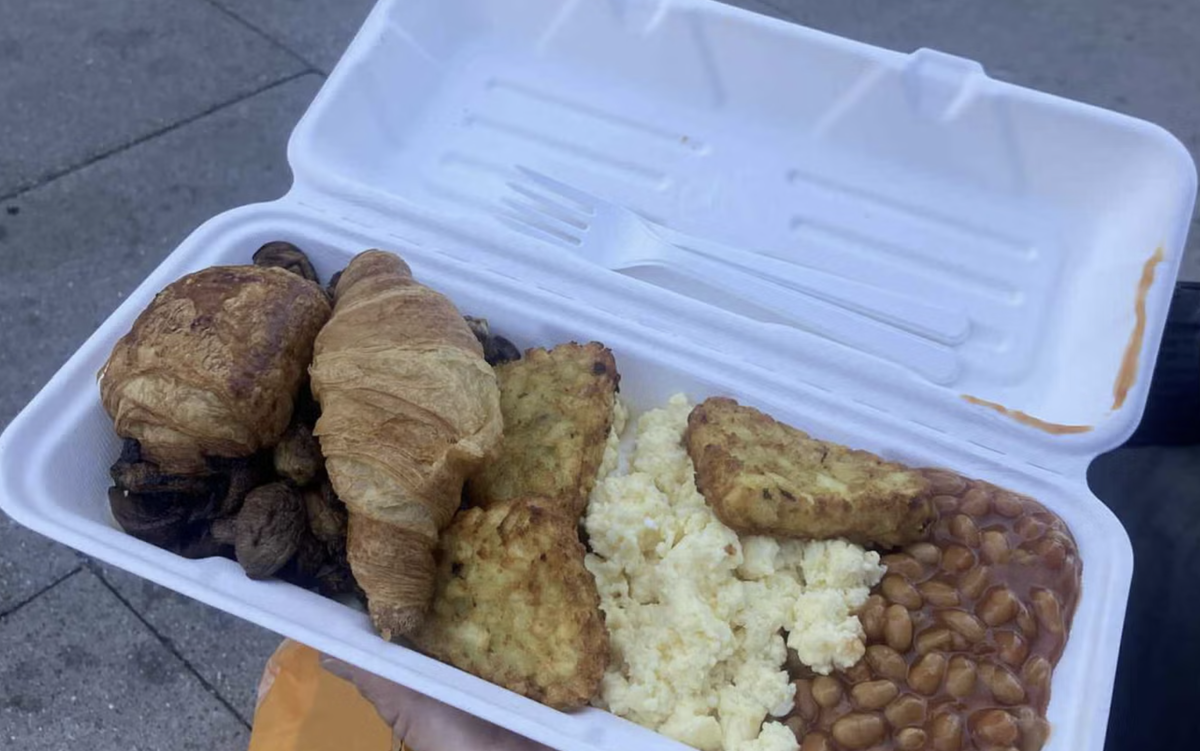
Digital second-hand marketplaces have existed for as long as the internet has been in existence. These services help ensure that previously owned products don't go to waste when they aren't needed anymore. What if a similar service existed, but with the goal of reducing food waste? Such services have popped up in recent years, and journalist Molly Greeves investigated firsthand to see if they actually worked.
You may have heard of apps such as Too Good To Go and Olio. Their mission is to reduce food waste but they also enable users to get cheap or free meals (Greeves, 2026).
I would love to open Too Good To Go half an hour before lunch and bagsie a delicious meal, but it doesn’t work like that – there are strict collection windows, and the good food is usually snapped up pretty quickly (Greeves, 2026).
If you usually buy lunch when you go to the office or pick up dinner on the way home, checking what’s on Too Good To Go the night before can help you get something delicious for a fraction of the price (Greeves, 2026).
Using the app successfully requires you to be organised and flexible. Planning ahead the night or morning before you want your meal enables you to bagsie the best food at more convenient times, and, of course, you need to show up on time for your collection, to avoid missing out. That being said, it helps to be adaptable, as most food you’ll get on the app will be a surprise (Greeves, 2026).
Though I didn’t get any free food from Olio, I was impressed with the sense of community on the app. Like any online subculture, Olio has its own customs (my apologies again to the Olio user who told me off after I forgot to respond to his message) but once I got to grips with it, I loved knowing that my unwanted food was going to someone who would make use of it (Greeves, 2026).
Olio also has a new feature that alerts users to where they can get reduced food (the yellow sticker items in supermarkets). There weren’t many shops listed in my area when I did this challenge, but I think this could be useful for helping people save money if it’s expanded (Greeves, 2026).
In a saturated market such as the restaurant industry, food waste is a problem that many businesses and individuals face. Not only do these apps provide an outlet for restaurants to reduce their daily food waste, saving them money, but it also provides individuals with a similar outlet to help reduce their personal food waste. Sharing leftovers like this is an interesting way to create a secondary economy for the food industry, while also bringing awareness to the idea that you can, in fact, reduce your own personal food waste with the help of your local community.
References
Greeves, M. (2026, February 11). I replaced my weekly shop with food waste apps such as too good to go – here’s how much I saved. The Independent. https://www.independent.co.uk/deals/food-waste-apps-b2918440.html



