
Arriving Soon?

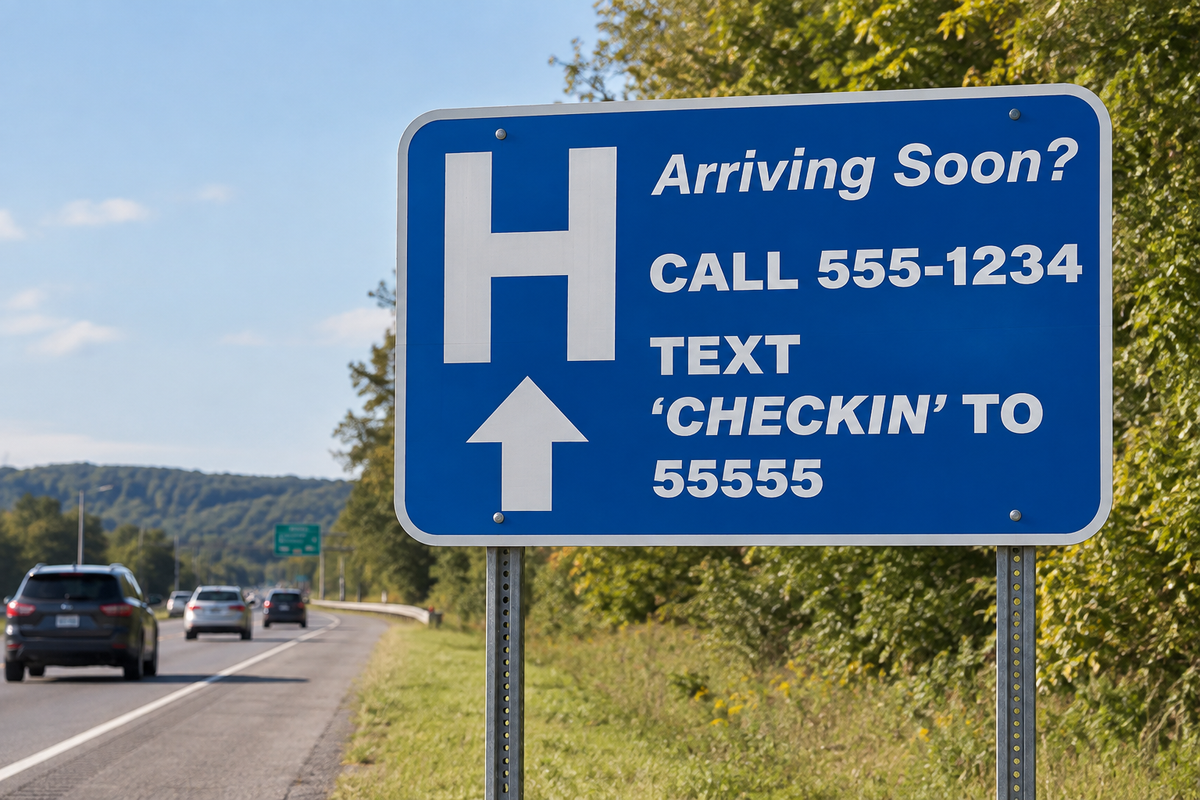
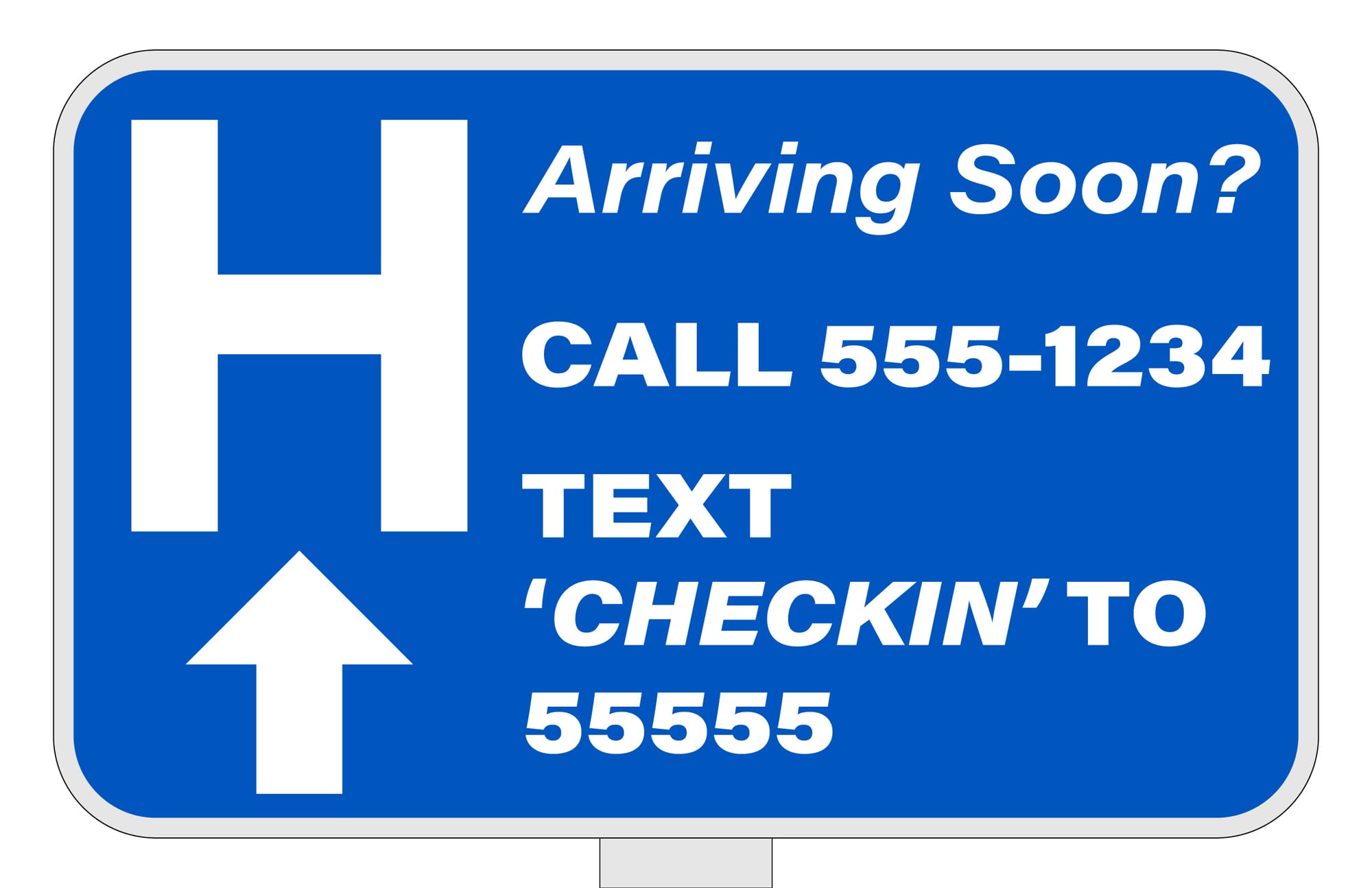
This conjecture, Arriving Soon?, is based on the article Cleveland Clinic’s 900-person AI summit signals a new buying cycle for patient routing systems from my Special Interest section. It examines how AI “Digital Front Doors” could make a large impact in health centers:
“Managed Healthcare Executive reported that a $50 million Mandel Foundation donation is backing a ‘Community Bridge to Care Initiative,’ centered on an AI-enabled ‘Digital Front Door’ meant to guide patients to the appropriate setting pre-arrival, including virtual care, urgent care, or the emergency department, based on need and location. The same report tied the effort to reducing emergency department congestion and improving access” (MarketScale Newsroom, 2026).
“When AI moves from ‘assistive’ to ‘routing,’ the KPI that survives budget review is usually a rate or a time metric that the organization already cares about, enrollment, minutes per chart, days to trial completion, missed appointments, or emergency department diversion. Cleveland Clinic’s ‘Digital Front Door’ case is framed around steering to the right site of care and reducing ED strain, according to Managed Healthcare Executive, which sets the evaluation criteria: successful routing has to show up in ED volumes by acuity, left-without-being-seen rates, wait times, and downstream follow-up completion” (MarketScale Newsroom, 2026).
This solution would enable the process of AI routing and triage to start before entering the hospital. By calling the number or texting, the patient would be able to begin the process of alerting the hospital to prepare for their arrival. The patient could communicate their basic identity and situation, starting the basics of triage while still on the road. The call option would be for people who are driving themselves to the hospital and would use AI to gather details through a natural conversation. The texting option would be for when there is another person in the car, allowing them or the patient to provide more information over text and even connect GPS for accurate arrival information.
This system could help rural users who are not being transported to the hospital via traditional emergency services. It would build on the existing new infrastructure for mobile check-in but allow users to do so before arrival, cutting down wait times and getting emergency patients help sooner.
The problems with this solution are that users would have to pay conscious attention to the check-in process while driving. They may not be able to provide details like their insurance if they are on the phone and driving. This system could also help if volunteer medical services could take advantage of it, giving smaller and non-official teams a way to communicate with a hospital like an ambulance.
References
MarketScale Newsroom. (2026, August 31). Cleveland Clinic’s 900-person AI summit signals a new buying cycle for patient routing systems. MarketScale. https://www.marketscale.com/industries/healthcare/cleveland-clinics-900-person-ai-summit-signals-a-new-buying-cycle-for-patient-routing-systems
No generative AI was used in writing this article. Generative AI was used to render the hero image in context.



