
Arts engagement as a health behavior
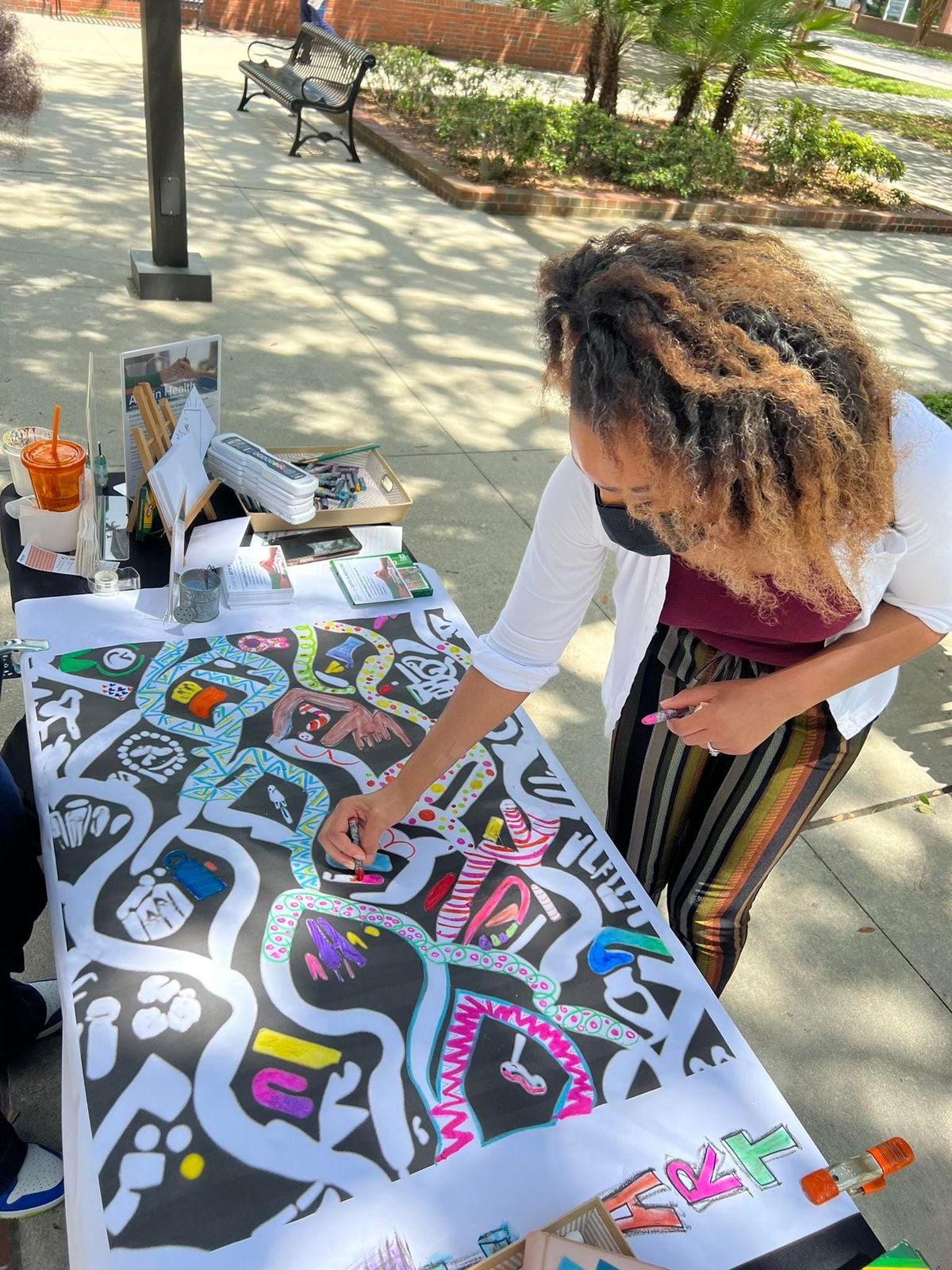
With mental health becoming an increasingly important part of medicine, we must understand the factors that are important to its outcomes. It has been found that art could be an important piece in improving mental health outcomes. A literature review done by the World Health Organization found that engagement with art has a rehabilitative and preventative effect on mental health. It was found that art had the ability to help manage stress and anxiety. Along with this, art engagement also could improve self-esteem, self-acceptance, self-worth, and confidence. In doing so, art was able to help act as a protective barrier in developing mental illnesses. The article encourages practices like engaging in new forms of art, creating with others, and making art a habit. This is interesting to me, as it seems as though art can also be an outlet to engage with others, not just creative expression. With human connection being so essential to a healthy life, art engagement has the opportunity to grow healthier and happier communities.
As evidenced in the World Health Organization’s literature review on the role of the arts in improving health and well-being, arts engagement can act as a preventative and rehabilitative measure for mental health given its ability to lower daily levels of biological stress and anxiety. Further, engagement in the arts can increase self-esteem, self-acceptance, self-worth and confidence, which can in turn reduce the risk of developing mental illness such as depression.
Finding ways to improve or mitigate factors that are detrimental to our health is very important. It is valuable to not just look at metrics like blood pressure or lipid level, while still very important, but to look at a holistic picture of things. This is where mental health is important.
Notably, by considering individual, interpersonal, community, policy and cultural levels, the applied social-ecological model created in this article provides a lens by which to approach addressing mental health inequities through arts engagement. Our paper centers on the concept that “arts engagement can act as a protective and rehabilitative behavior for mental health while also redefining and strengthening health at each of these levels.”
Art has the possibility to even help others that are engaging with it. At a policy or community level, it could be a catalyst for change. Art has a way of educating through connection in ways that reading or other methods might not have.
Reference
Rodriguez, A. K. (2023, June 12). Arts engagement as a health behavior " College of Public Health & Health Professions " University of Florida. UFHealth. https://phhp.ufl.edu/2023/06/12/tips-for-adding-arts-into-your-wellness-routine/
No generative AI was used in the writing of this post



